
Cleaning your calligraphy pen might seem like a chore, but it’s crucial for maintaining its performance and your creativity. Did you know that just a little maintenance can extend the life of your pen and improve your writing? If you’ve ever faced ink clogs or uneven strokes, you understand how frustrating it can be. Regular cleaning not only helps avoid these issues, but it also ensures that your pen delivers smooth, consistent lines every time you put pen to paper. By mastering the art of cleaning your calligraphy pen, you’ll unleash its full potential and enhance your calligraphy experience. Ready to dive in and discover the simple steps to keep your tools in top shape? Let’s get started!
How to Properly Clean Your Calligraphy Pen
Cleaning your calligraphy pen isn’t just about keeping it tidy; it’s essential for ensuring a flawless writing experience. A dirty pen can result in inconsistent ink flow and frustrating blotches on your paper. Many writers don’t realize that routine cleaning can enhance their pen’s lifespan and performance significantly. Here’s how to keep your treasured tools in tip-top shape.
Start with the right supplies. You’ll need clean water, paper towels, and a dedicated cleaning brush or a soft cloth. If you’re using fountain pens filled with pigment-based inks, a gentle pen flush specifically designed for inks can help remove stubborn residues. First, disassemble your pen carefully, as different types of pens might have various components. Rinse the nib (or nibs, if it’s a multi-nib pen) under running water, ensuring all ink is washed away. For pens with converters, draw water in and out several times, repeating the rinse until the water runs clear.
Tips for Effective Cleaning
- Be Gentle: Never use excessive force when cleaning the nib to prevent damage.
- Frequency Matters: Clean your pen after each use if you switch colors often or at least once a week if you’re using the same ink regularly.
- Dry Completely: After rinsing, wipe the nib with a paper towel to remove excess moisture and allow it to air dry fully before reassembling.
If your pen has been sitting unused for a while and the ink has dried, you’ll need to employ a few additional techniques. Soak the nib in warm water for several hours to help dissolve built-up ink. If there’s still residue, you might consider using a specialized cleaning solution, but make sure to follow the manufacturer’s recommendations to avoid any damage.
Keeping your calligraphy pen clean is not just a chore; it’s an essential practice for any serious calligrapher. When you treat your tools with respect, they’ll reward you with smoother strokes and more precise lines, allowing your creativity to shine without distraction.
Essential Tools for Calligraphy Pen Maintenance
When it comes to maintaining your calligraphy pen, having the right tools can make all the difference. You wouldn’t embark on a journey without a trusty map, and similarly, you shouldn’t attempt to clean your beloved writing instruments without a proper toolkit. Below, I’ll share the essentials that will keep your pens performing at their best, ensuring that every stroke flows smoothly and beautifully.
Start with clean water-preferably distilled, to prevent any mineral build-up in your pen. This simple item is crucial for rinsing out residual ink. Next, you’ll want a soft cloth or cotton swabs for gentle cleaning around the nib and other delicate parts of the pen. These won’t scratch the surface and will help you reach those tricky spots where ink likes to hide. A dedicated cleaning brush, perhaps one with soft bristles, can also be invaluable, especially for cleaning out converters or fine nibs where debris may gather.
If you’re often working with pigment-based inks, consider investing in a pen flush. This specialized cleaner is formulated to tackle stubborn ink residues that plain water can’t. Remember to disassemble your pen-carefully! Different pen types have varying components, and knowing how to safely break it down will save you from potential damage during cleaning. Finally, some kind of drying apparatus, whether it’s a simple dish rack or a soft towel, is helpful to ensure your nib dries thoroughly and avoids any rust or mold.
Taking the time to gather these tools makes the cleaning process much easier and more effective, and it shows that you care for your craft. Treat your calligraphy pen with the respect it deserves, and it will reward you with beautiful, consistent strokes for years to come.
Step-by-Step Guide to Cleaning Your Pen
To keep your calligraphy pen performing at its best, a systematic cleaning process is essential. Over time, ink can dry up and clog the nib, which can lead to frustratingly inconsistent strokes. Follow these simple steps to ensure your pen stays in top condition.
Start by carefully disassembling your pen. Remove the nib and any converters or cartridges, following the manufacturer’s guidelines. This step not only makes cleaning easier but also prevents damage to any delicate components. Rinse all parts under warm, running water to remove any loose ink. Remember, never use hot water, as it can damage the pen’s finish or materials.
Next, fill a shallow dish or bowl with distilled water, and soak the nib and other parts for about 10-15 minutes. This soaking will help loosen any dried ink residue. After soaking, use a soft cloth or cotton swab to gently clean the nib, ensuring you reach the tiny crevices where ink can hide. If stubborn ink remains, dip a soft brush in a pen flush solution specifically designed for calligraphy pens and lightly scrub the affected areas.
After cleaning, rinse each component thoroughly under running water to remove any cleaning solution. Finally, dry the nib and other parts with a soft towel, and allow them to air dry completely before reassembling your pen. Taking the time to clean your pen properly not only enhances its performance but also extends its lifespan, letting you enjoy your calligraphy for years to come.
Dealing with Dried Ink: Tips and Tricks
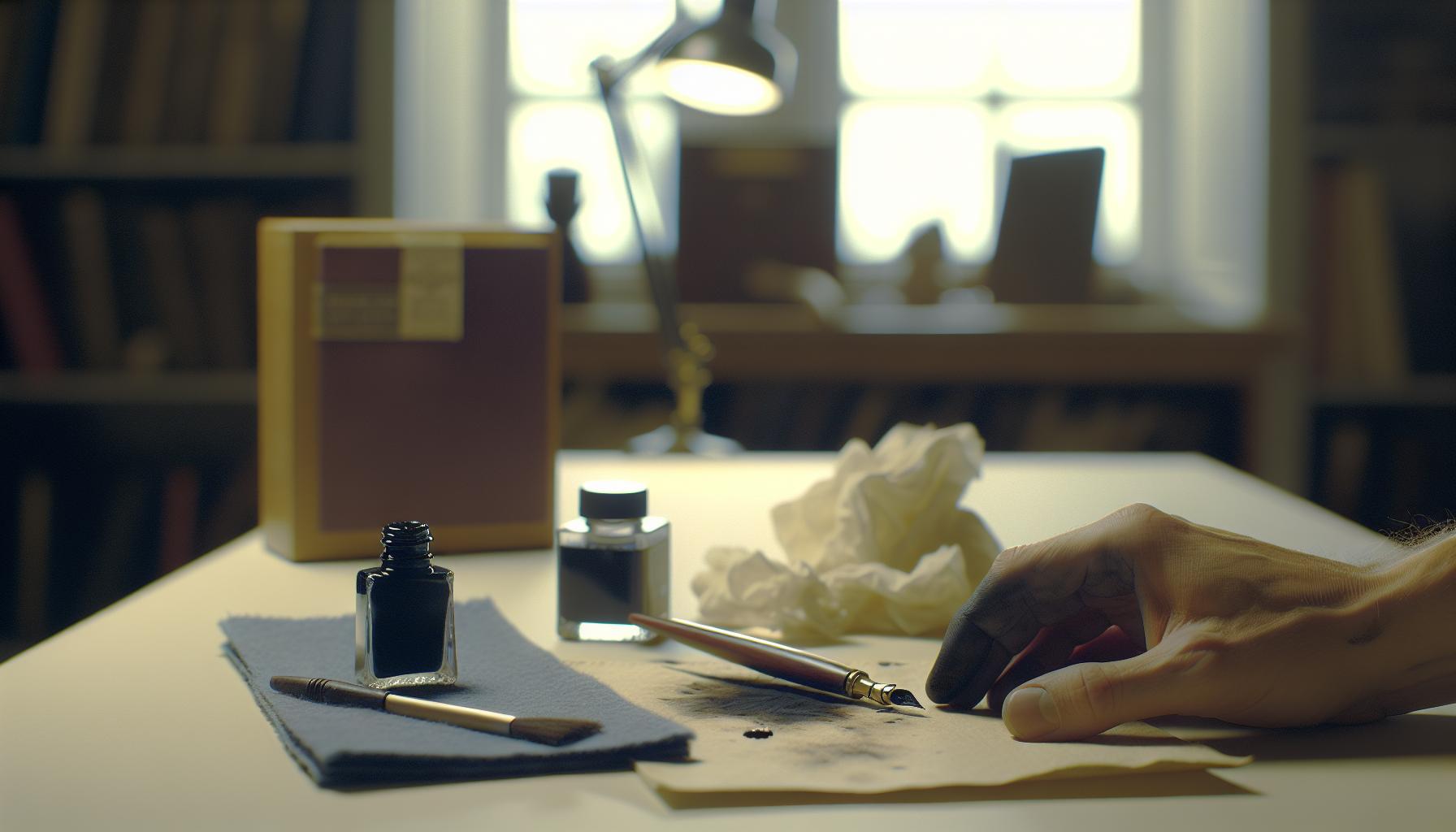
Dealing with dried ink is one of the most common challenges calligraphy enthusiasts face, but there are effective strategies to tackle it. When ink dries in your pen, it can clog the nib and hinder your creative flow. Fortunately, with a few tips and tricks, you can get your pen back in action without too much hassle.
First, assess the age of the dried ink. If it’s only been a short time since you last wrote, soaking the nib can work wonders. Fill a shallow dish with warm (not hot) water and let the nib soak for about 15 minutes. This will help soften the dried residue. After soaking, gently rub the nib with a soft cloth or a cotton swab to remove the loosened ink. If you encounter stubborn spots, don’t hesitate to use a diluted pen flush solution for an extra boost in dissolving dried ink.
If the ink has been dried for an extended period, it may require a more intensive approach. Disassemble your pen and inspect each component. Dip a soft brush or an old toothbrush into the pen flush solution and lightly scrub the nib, focusing on hard-to-reach areas. Rinse thoroughly under running water to ensure no cleaning solution remains. Remember, patience is key here! Taking the time to carefully clean will not only restore your pen but extend its lifespan for future use.
Finally, to prevent dried ink from being a recurring issue, develop a cleaning schedule based on how frequently you use your pen. Regular maintenance can save you from more significant headaches down the line. After each session, clean your pen if you plan to store it for a while. This proactive approach keeps your tools in prime condition, ensuring that your next calligraphy adventure is smooth and enjoyable.
Maintaining Different Types of Calligraphy Pens
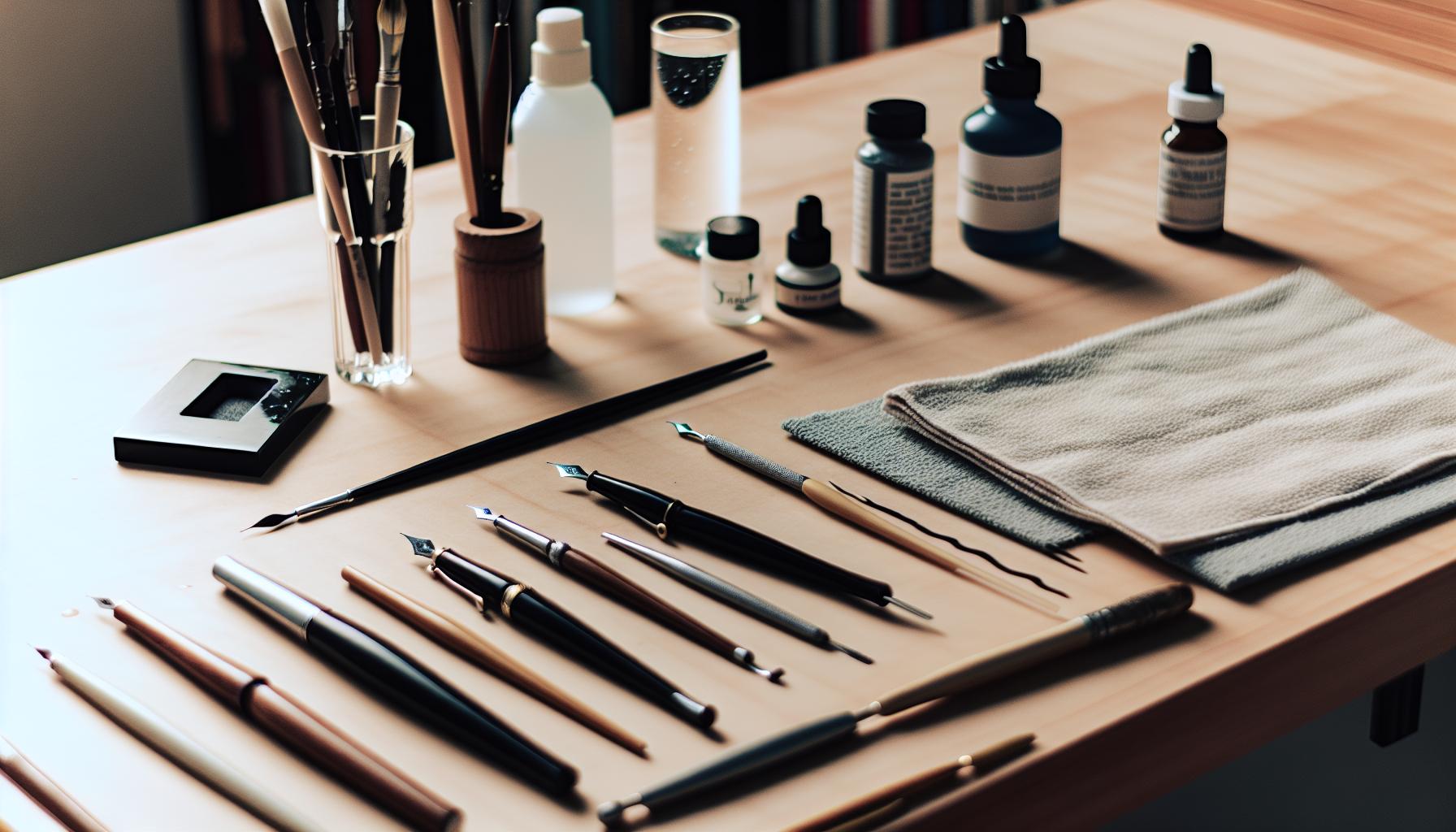
Maintaining your calligraphy pens is crucial to ensuring consistent performance and extending their lifespan. Different types of calligraphy pens-whether dip pens, fountain pens, or brush pens-each come with their own care and maintenance ritual. Understanding how to treat each type can prevent frustration and enhance your writing experience dramatically.
For dip pens, the primary concern is often with the nib. After each use, rinse the nib under warm water to remove any ink. If you’re using a specialty ink, a gentle scrub with a soft brush may be necessary to ensure no residue remains. Avoid soaking the entire pen, as this can loosen the nib from the holder. For those who progress to using fountain pens, the cleaning process is a bit more involved. Regular flushing with water or a specialized pen flush is essential to prevent ink buildup. Additionally, consider using only high-quality inks that won’t clog the feed, as low gunking inks are more likely to lead to problems.
Brush pens, on the other hand, require gentle handling. They’re designed for flexibility and ink flow, so be careful not to press too hard while cleaning. Simply rinsing the brush tip under running water can usually do the trick, but for stubborn deposits, a light swipe with a soft cloth can be helpful. Store these pens horizontally to maintain the integrity of the brush tip.
In summary, pay special attention to the unique requirements of each pen type. Here’s a quick overview of key maintenance tips:
- Dip Pens: Rinse nib with warm water, don’t soak the holder.
- Fountain Pens: Flush regularly with water or pen flush, use quality inks.
- Brush Pens: Rinse under water, store horizontally.
With consistent care, your calligraphy pens will provide you with beautiful writing experiences for years to come. So dive in, take care of those tools, and let your creativity flow!
Best Practices for Storing Your Clean Pen
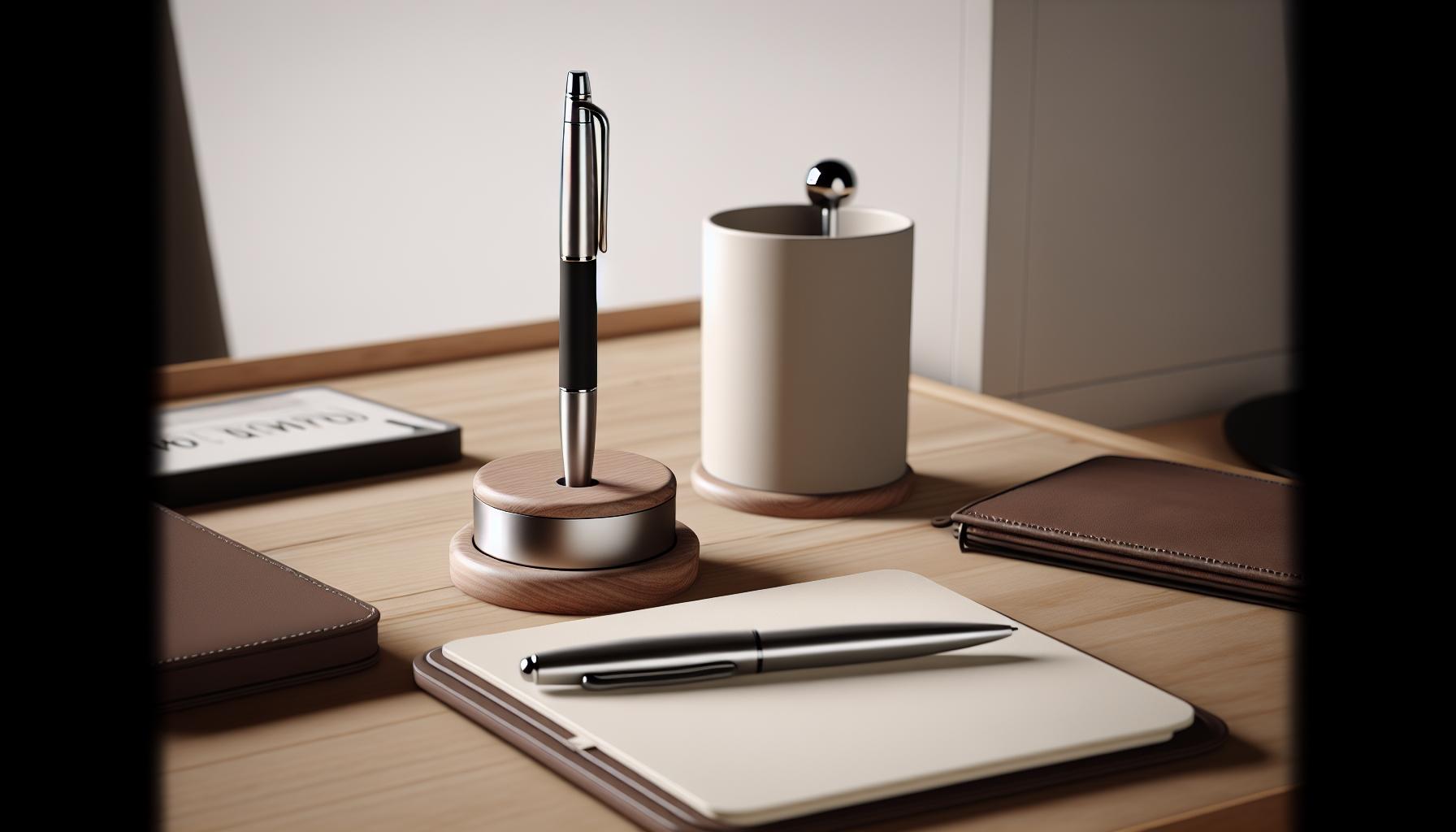
Storing your clean calligraphy pens properly is as crucial as cleaning them. A well-stored pen can maintain its performance and prolong its lifespan, ensuring that your writing experience remains smooth every time you pick it up. Imagine this: you’ve just cleaned your favorite dip pen, and it’s gleaming-but if you toss it into a drawer unprotected, the nib can get damaged or bent. So let’s get into some best practices for storing your pens.
First, consider the type of pen you have. Dip pens should be stored vertically with the nib pointing up. This prevents any residual ink from clogging the nib and keeps it from bending. A dedicated pen holder or a simple pencil cup can work wonders here. Fountain pens should also be stored upright for the same reason, but if you have a converter filled with ink, laying them flat is acceptable as long as the nib has time to dry after cleaning. For brush pens, always keep them horizontally to prevent the bristles from bending and to preserve their shape. If you have multiple brush pens, consider a flat case or a compartmentalized box to keep them organized.
Another tip is to avoid extreme temperatures. Storing your pens in a place that gets too hot or cold can affect the ink inside and the materials of the pen itself. Keep them away from direct sunlight and heat sources to avoid warping or drying out the ink. A cool, dry place is ideal. Finally, if you’re passionate about your tools, consider investing in a protective pen case. Not only does it keep your pens safe from dust and damage, but it also makes them easy to transport.
By following these simple yet effective storage guidelines, you can ensure that your calligraphy pens are always ready to create beautiful letters and designs whenever inspiration strikes. Treat your writing instruments with care, and they’ll reward you with consistent performance for many projects to come.
Signs Your Calligraphy Pen Needs Attention
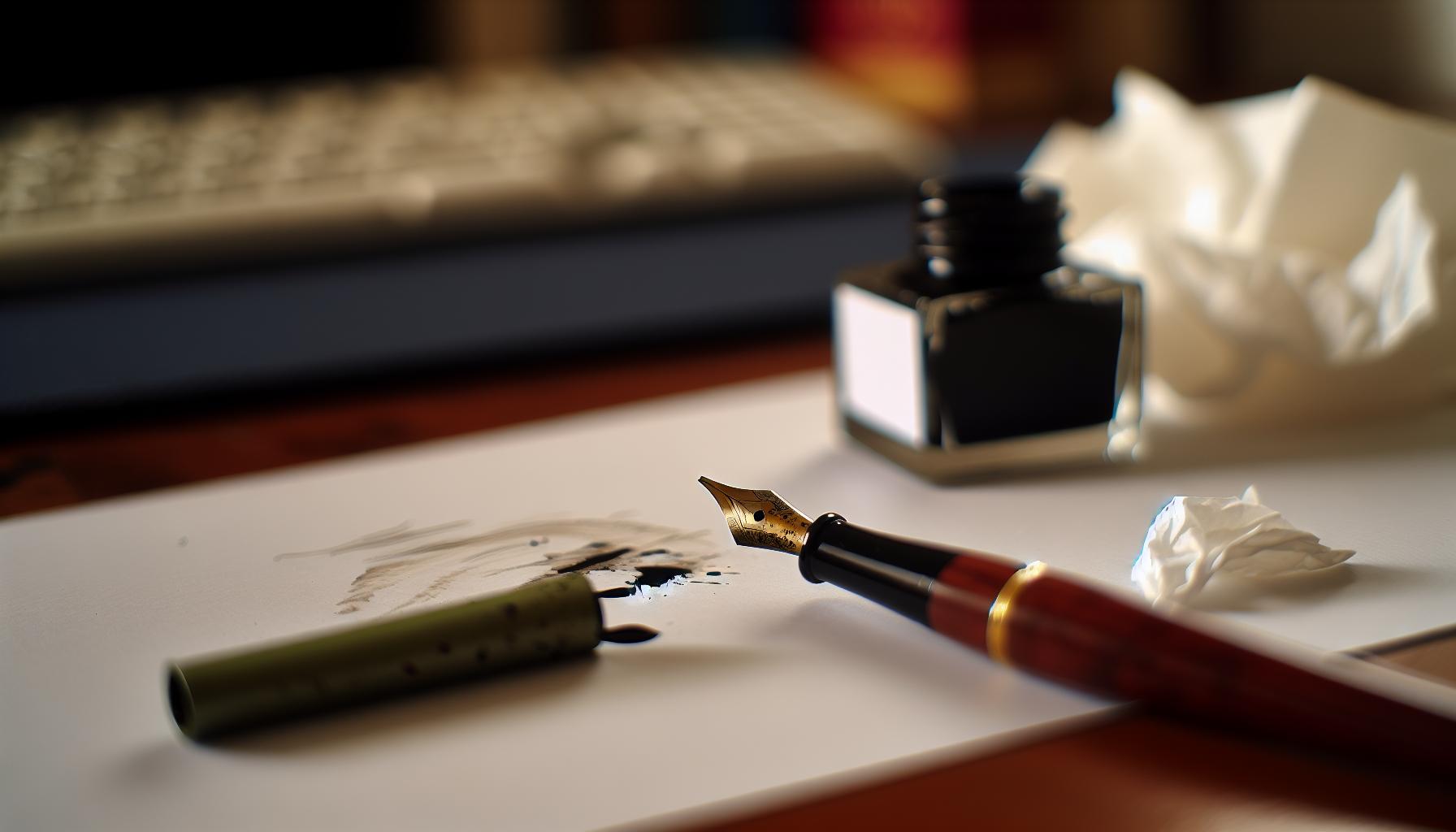
If you’re passionate about calligraphy, knowing when your pen needs a little TLC is essential. A well-maintained pen not only enhances your writing experience but also ensures your beautiful letters always shine. Here are some telltale signs that it’s time to give your calligraphy pen some attention.
First, pay attention to the flow of ink. If you notice inconsistent ink flow or the pen starting to skip, something’s off. This could be due to dried ink clogging the nib or simply a need for cleaning. Another red flag is smudged or blotchy lines, indicating that the nib may be damaged or the ink isn’t flowing properly. If your lines aren’t crisp, it could diminish the beauty of your work.
Additionally, if writing begins to feel scratchy or rough, your nib may need a gentle touch-up or replacement. A high-quality nib should glide smoothly across the paper, so if you’re feeling friction, it’s a sign to examine your pen closely. For fountain pen users, watch out for signs of ink pooling or staining around the nib or feed area; this often indicates a buildup that needs to be cleaned away.
Lastly, look for physical damage. A bent nib or excessive wear on the tip can drastically affect performance. If your calligraphy pen shows these signs, don’t hesitate to take action. Regular checks and timely cleaning will keep your writing instruments in peak condition, ready for your next masterpiece!
How Often Should You Clean Your Calligraphy Pen?
Cleaning your calligraphy pen is not just a chore; it’s an essential part of maintaining your artistry and ensuring that each stroke is as beautiful as you envision. So, how often should you dive into this necessary task? The answer isn’t one-size-fits-all, as it really depends on how frequently you use your pen and the type of ink you’re working with.
For routine use-let’s say you’re practicing daily or creating artwork once a week-cleaning your pen after each session will keep the ink from drying up and clogging the nib. Water-soluble inks, in particular, tend to dry faster and can lead to blockages if left unattended. On the other hand, if you’re using pigment-based inks, which can be more stubborn, cleaning might need to occur more frequently during extended sessions.
Here’s a good rule of thumb: if you notice a change in ink flow or the nib starts to feel scratchy, that’s a clear sign it’s time for a clean. Even if you’re putting your pen away for a couple of days, a quick rinse can save you from headaches later. Keeping your pen in top condition not only prolongs its lifespan but elevates the quality of your work. After all, the last thing you want during a creative flow is to be halted by a clogged nib!
Troubleshooting Common Cleaning Issues
Cleaning your calligraphy pen isn’t always a smooth ride. Even seasoned calligraphers encounter hiccups, whether it’s ink clogging the nib or stubborn smudges on the barrel. The good news is, with a bit of know-how, you can troubleshoot these common issues and keep your pen performing like new.
First off, if you’re facing trouble with ink flow, it could be a buildup of dried ink. Don’t panic! Start by soaking the nib in warm water for a few minutes. This helps dissolve any blockages. If that doesn’t work, gently use a soft toothbrush or a cloth to clean the nib and feed. Be cautious, as some nibs can be delicate, and you don’t want to damage the tines.
If water alone doesn’t cut it, consider using a pen cleaner. These specialized products can break down stubborn residues without harming your pen. Follow the instructions carefully, and make sure to rinse the pen thoroughly afterwards. Remember, after cleaning, let the pen dry completely before using it again to prevent any water from diluting your ink.
Sometimes, problems might arise from the ink itself. Low-quality inks can lead to excessive buildup. If you notice frequent clogging, it’s worth experimenting with different ink brands. High-quality, fluid inks can make a significant difference in maintaining a steady flow.
Lastly, don’t ignore the basics! Regular maintenance is key. Establish a cleaning routine that works with how often you use your pen, and always store it upright or horizontally in a case to keep the ink from settling. By tackling these common issues head-on, you can keep your calligraphy pen in tip-top shape, ensuring that each stroke flows effortlessly.
Expert Tips for Prolonging Pen Lifespan
Keeping your calligraphy pen in pristine condition isn’t just about cleaning; it’s also about smart habits that extend its lifespan. Did you know that the way you handle and store your pen can significantly impact its performance and longevity? Here are some practical tips to ensure you get the most out of your writing instrument.
First, always use high-quality inks. Lower-end options often contain more fillers and can lead to clogs or other issues. Investing in good ink not only enhances your writing experience but also reduces wear on your pen. When switching colors, make sure to thoroughly clean your pen. Residual ink can mix with new ink, creating unwanted shades and potentially damaging the nib.
When it comes to cleaning, create a routine that suits your usage. If you write daily, consider a weekly deep clean. For casual users, a monthly schedule might suffice. Between cleans, just rinse the nib gently under lukewarm water, ensuring any dried ink doesn’t build up. This simple act can save you considerable trouble later.
Storage is critical. Always store your calligraphy pen horizontally or in an upright position with the nib facing up. This prevents ink from settling in the nib and keeps the ink flow consistent. If you use a pen case, choose one that cushions your pen to avoid accidental drops or impacts that could misalign the nib.
Lastly, handle your pen gently. Avoid pressing too hard while writing; this can damage delicate nibs over time. If you feel any resistance when writing, it’s a sign to check for blockages or misalignment. By adopting these practices, you’re not just cleaning your pen; you’re investing in its future performance.
Exploring Calligraphy Pen Brands and Their Care Needs
Every calligraphy pen comes with its own quirks and care requirements, making it essential to understand the nuances of different brands. For instance, brands like Pilot, Kaweco, and Tombow each have specific cleaning and maintenance needs due to their unique designs and materials. If you’re investing time in your artistry, knowing how to maintain your tools is just as important as perfecting your technique.
When it comes to Pilot pens, especially their popular Namiki models, you’ll want to avoid using harsh solvents during cleaning. Instead, a gentle wash with warm water and a soft cloth suffices. Regularly replacing the ink cartridge can also help prevent clogs, especially if you’re using pigment-based inks that can dry quickly.
Kaweco, on the other hand, is known for its compact design. Their pens often feature a screw cap, which may trap ink residue. To clean these, it’s best to disassemble the pen periodically, soaking the nib and feed in lukewarm water. This ensures a thorough cleanse and keeps the ink flow consistent. If you notice the nib getting scratchy, it might be time for a deeper rinse, or even adjusting the nib alignment.
Tombow’s Fudenosuke pens, popular among brush lettering artists, require a different approach. These brush pens are often made with synthetic bristles, which need careful handling. Cleaning them is as simple as rinsing the tip under water after use. Just remember not to pull or twist the bristles, as this can deform them. If you let the ink dry, a quick soak can revive the bristles.
In addition to these specifics, it’s crucial to develop a cleaning routine tailored to your usage frequency and the various inks you utilize. Whether you’re using high-quality bottled inks or cartridges, familiarizing yourself with your pen’s brand-specific care needs will ensure you maintain peak performance and prolong its life. Treat your calligraphy pen with the respect it deserves, and it will reward you with stunning artistic results for years to come.
FAQ
Q: How often should I clean my calligraphy pen?
A: You should clean your calligraphy pen after each use to maintain its peak performance. Regular cleaning prevents dried ink buildup and ensures a smooth writing experience. For pens used infrequently, a thorough clean every few weeks is advisable to avoid clogging.
Q: What materials do I need to clean my calligraphy pen?
A: To clean your calligraphy pen effectively, you’ll need lukewarm water, a soft cloth, and a gentle cleaning solution like dish soap. Make sure you also have a syringe or a bulb syringe for flushing ink out of the nib and feed, especially for more stubborn residue.
Q: Can I use acetone to clean my calligraphy pen?
A: No, you should avoid using acetone as it can damage the materials of your calligraphy pen. Stick to water and gentle soap to effectively clean your pen without causing harm. Refer to the section on ‘Essential Tools for Calligraphy Pen Maintenance’ for safer cleaning solutions.
Q: How do I know if my calligraphy pen is clogged?
A: A sign that your calligraphy pen is clogged is interrupted ink flow or skipping while writing. If the ink is not flowing smoothly, it’s time to clean your pen. Check out ‘Signs Your Calligraphy Pen Needs Attention’ for more details.
Q: What should I do if my calligraphy pen won’t start?
A: If your calligraphy pen won’t start, first, check for dried ink at the nib or in the feed. Clean it thoroughly using the step-by-step guide mentioned in the article. If issues persist, disassemble the pen carefully to ensure all parts are clean.
Q: Are there specific cleaning methods for different pen types?
A: Yes, different types of calligraphy pens may require unique cleaning methods. For example, fountain pens need less aggressive cleaning compared to dip pens. Refer to ‘Maintaining Different Types of Calligraphy Pens’ for specific techniques tailored to each style.
Q: How can I prevent ink from drying in my calligraphy pen?
A: To prevent ink from drying in your calligraphy pen, always clean it immediately after use and store it nib-side up. Additionally, using a pen with a cap or a protective case can help keep the nib moisturized. Check ‘Best Practices for Storing Your Clean Pen’ for more tips.
Q: What are the best ways to store my calligraphy pen after cleaning?
A: After cleaning, the best way to store your calligraphy pen is in a cool, dry place with the nib facing up. Avoid placing it in direct sunlight or humid areas to prolong its lifespan. For further guidance, refer to the section ‘Best Practices for Storing Your Clean Pen’.
Insights and Conclusions
Now that you know how to clean your calligraphy pen for optimal performance, don’t let your tools collect dust! Regular maintenance not only enhances your writing experience but also extends the life of your pens. Have questions or tips of your own? Drop them in the comments below-let’s build a community of passionate calligraphers together!
For more insights, check out our guide on Choosing the Right Inks for Calligraphy and discover Essential Techniques to Improve Your Handwriting. Ready to take your skills to the next level? Sign up for our newsletter for exclusive tips and resources straight to your inbox. Remember, the more you practice and maintain your tools, the better your results will be. Happy writing, and keep those pens clean!
Get our latest guides, news, and insights highlighted in your Google Search & AI Overviews.