
If you’ve ever set off on a casual stroll in your favorite Chuck Taylors only to be greeted by an embarrassing squeak with every step, you’re not alone. Many sneaker enthusiasts face this common annoyance, which can stem from various issues, including moisture buildup or the insoles rubbing against the lining. Understanding why your shoes squeak isn’t just about silence; it’s about maintaining your favorite pair of kicks in top condition. In this article, we’ll delve into the causes of that pesky noise and share effective solutions to get you back to enjoying every step without the unwanted soundtrack. Say goodbye to squeaks and hello to a smoother stride!
Common Squeaking Causes in Chuck Taylors
Many Chuck Taylor enthusiasts have encountered the frustrating issue of squeaky shoes. This noise can arise from various factors inherent in the shoe’s construction and the surfaces you walk on. Understanding these causes can help you address the problem effectively.
One prevalent reason for squeaking is the type of materials used in the shoe. Chuck Taylors are often crafted with rubber soles, which can create noise when they rub against specific surfaces, especially well-waxed floors. The subtle friction between the sole and the ground can lead to that signature squeak, and there may be little you can do to avoid it in such environments. Additionally, if the internal components, like the insole or liner, haven’t settled in properly or have become misaligned, they might also produce noise when you walk.
Another common culprit is the lack of sufficient cushioning or support. Converse shoes, particularly the classic Chuck Taylors, can benefit from better insoles. If the insoles are worn down or not the right fit, it could cause parts of the shoe to shift during movement, resulting in squeaking sounds. Notably, moisture trapped inside the shoe can exacerbate the issue, causing materials to stick together or malfunction over time.
Lastly, the breaking-in period can be a noisy time as well. New shoes may squeak as the materials haven’t fully conformed to your feet yet. As you wear them, the sounds might lessen, but if the squeaking persists long after you’ve broken them in, it’s worth exploring more involved solutions. Understanding these potential causes can guide you in finding the right approach to mitigate noise and enjoy your favorite sneakers to the fullest.
Understanding Shoe Anatomy and Squeaks
Many people love their Chuck Taylors for their style and comfort, but the squeaking can be a real annoyance. Understanding the anatomy of your shoes can shed light on why these charming sneakers sometimes make an unwelcome noise. At the heart of the issue is the combination of materials that make up Chuck Taylors, primarily rubber soles that can easily create friction against certain surfaces, especially smooth, well-waxed floors. This friction can lead to that unmistakable squeak, which often feels like an unavoidable quirk of the shoe.
The construction of Chuck Taylors involves several components that can contribute to squeaks. The insoles and linings may shift or become misaligned over time, particularly if they’re not properly fitted or if they begin to degrade. When these internal elements rub against each other or against the shoe’s upper part, it’s a recipe for noise. Furthermore, moisture can become trapped in the shoe – if the insoles absorb sweat or water, they can adhere together, causing further squeaking sounds with each step.
The breaking-in phase is another critical period where noise may be prevalent. New Chuck Taylors often squeak as the materials are stiff and haven’t yet molded to your foot’s unique shape. As you break them in, the sounds may diminish, but if the squeaking persists, it indicates that other issues may at play. By understanding these anatomical factors and causes, you’re better equipped to troubleshoot and ultimately silence the squeaks that can detract from your enjoyment of these iconic sneakers.
In summary, an insightful grasp of shoe anatomy and its role in creating squeaks can help you identify whether the noise stems from external friction, internal misalignments, or moisture issues. Taking the time to address these elements can turn your squeaky Chuck Taylors into the comfortable, stylish shoes you love without the annoying soundtrack.
When Is Squeaking a Sign of Wear?

Squeaking can be a nuisance with your beloved Chuck Taylors, but it can also serve as a telltale sign of wear. Pay attention to the sounds your shoes make-they might be trying to communicate that they need some extra care. As shoes experience regular use, various components begin to deteriorate, leading to those annoying creaks and squeaks.
First, consider the insoles and linings. Over time, they can degrade or shift, especially if you’ve been wearing your shoes frequently. A persistent squeak that starts after you’ve broken them in could indicate that the insoles are no longer providing the same cushioning or support. If they’ve lost their shape, they might rub against the inside of the shoe, causing noise. Checking and possibly replacing worn insoles can make a significant difference.
Another factor is moisture accumulation. If your shoes have soaked up sweat or water, the insoles may stick or compress, contributing to squeaking. This is especially common if you wear socks that don’t wick away moisture effectively. A simple solution might be to remove the insoles and let them air out or use a light dusting of baby powder to absorb moisture and reduce friction.
Finally, check the soles and uppers for signs of wear. If the rubber sole is starting to wear thin or separate from the shoe, this might create space where the materials rub together, causing squeaks. A little proactively checking can help you catch these signs of wear before they lead to more significant problems-and the need for a new pair.
In short, if your Chuck Taylors are squeaking, it’s time to assess their condition closely. Listen closely to the sounds they make; they can offer clues about when maintenance is needed, ensuring your sneakers stay comfortable and stylish without the unwanted noise.
Quick Fixes for Squeaky Shoes
Squeaky shoes can feel like an embarrassing companion during your day, but the good news is that fixing them often requires simple solutions. If your Chuck Taylors are making unwanted sounds, try to tackle the problem quickly with some straightforward fixes that can restore peace to your steps.
Start by looking at the insoles. A common culprit for squeaking is moisture or friction between the insole and the lining. To alleviate this, remove the insoles and sprinkle a light dusting of baby powder or cornstarch before putting them back in. This creates a barrier that reduces friction and helps absorb any moisture that might be causing the squeak [[2]]. If your insoles are particularly worn, consider replacing them with new ones designed for comfort-this can provide an instant upgrade for not just noise reduction but overall wearability.
Another quick fix involves checking for moisture accumulation in your shoes. If you’ve been sweating or if your shoes got wet, they could be causing a sticky situation. Let them air out completely, and using a pair of moisture-wicking socks can help keep things dry in the future. This not only minimizes squeaking but is also better for your feet [[3]].
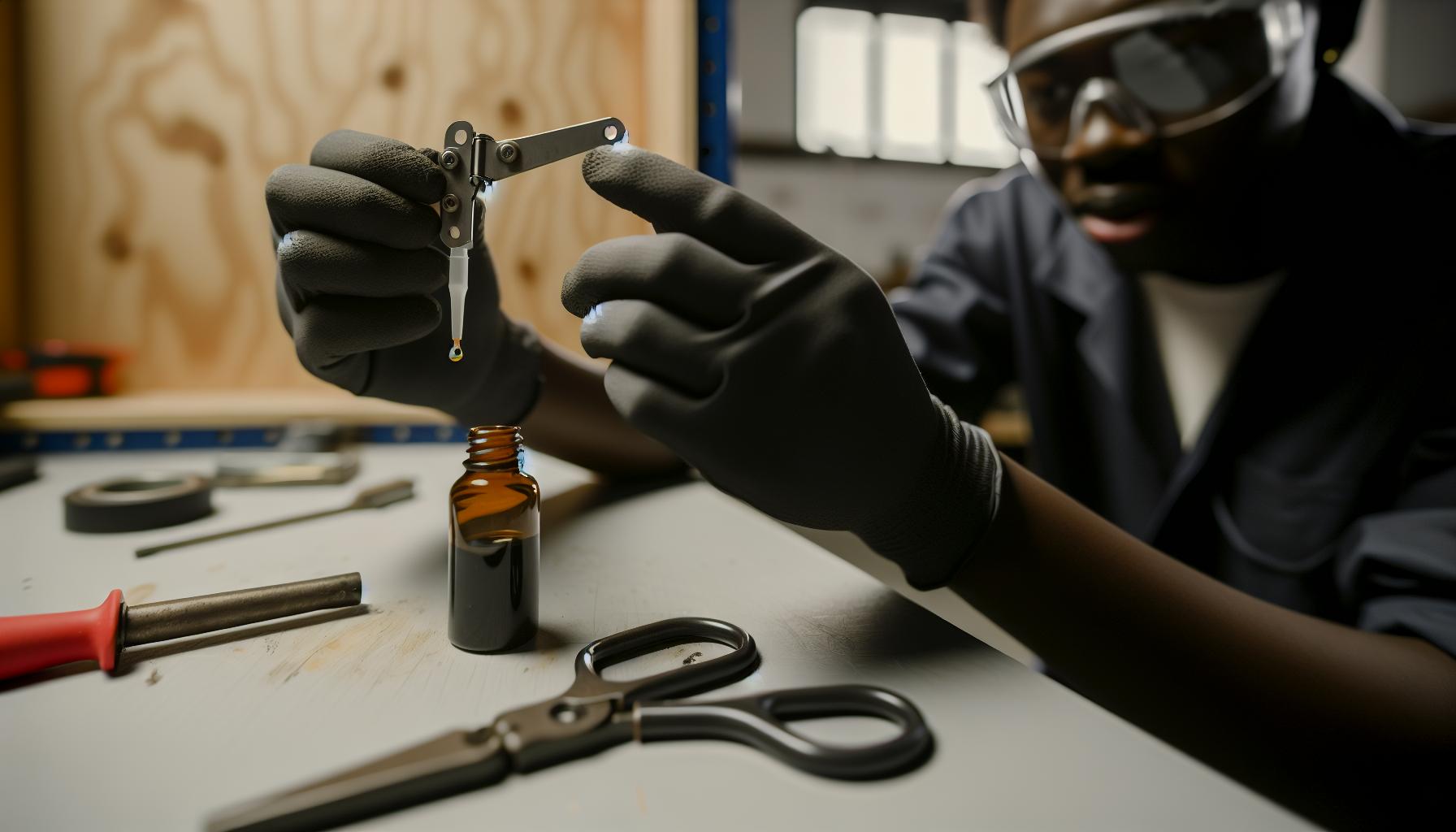
Lastly, inspect the outsole. If the sole is wearing thin or starting to separate from the shoe, a little adhesive might do wonders. You can apply some flexible glue to areas that seem to be coming apart, and then clamp them together until the glue sets. This can prevent the materials from rubbing against each other and making noise.
By implementing these quick fixes, you can easily mute those annoying squeaks and enjoy your Chuck Taylors in peace. Each step you take can be noise-free with just a bit of attention to detail!
Preventing Squeaks: Maintenance Tips
Maintaining your Chuck Taylors is key to preventing those annoying squeaks. A little care goes a long way in ensuring they not only look great but also stay quiet underfoot. Start by regularly inspecting your shoes for any signs of wear, especially around the insoles and soles. Moisture buildup is often a hidden culprit that can lead to squeaking. After a day of wearing them, make it a habit to air out your shoes. If they’ve become sweaty or wet, let them dry completely before putting them away. This simple step can prevent the rubber components from sticking together and causing noise.
Another essential maintenance tip is to be mindful of your socks. Wearing quality moisture-wicking socks can dramatically reduce friction inside your shoes. When your feet sweat, and the moisture gets trapped, it creates the perfect environment for squeaks to flourish. Choosing the right socks isn’t just about comfort-it’s a crucial part of keeping your Chuck Taylors quiet. You might think it’s a small detail, but it can make a big difference.
Additionally, consider using powder-baby powder or cornstarch-inside your shoes occasionally. Just a light dusting on your insoles can help absorb moisture and lessen friction, keeping squeaks at bay. If you find that your insoles are thinning out, replacing them may be a worthwhile investment. Comfort-focused insoles aren’t just for feel; they can also provide a barrier against noise.
Lastly, remember to check the stitching and the integrity of the soles. If you notice any fraying or separation, addressing these issues promptly with a bit of flexible adhesive can prevent further damage and noise. Regular upkeep of your Chuck Taylors ensures that you’ll be stepping out in style and comfort, without the unwanted soundtrack of squeaking.
Choosing the Right Socks to Minimize Noise
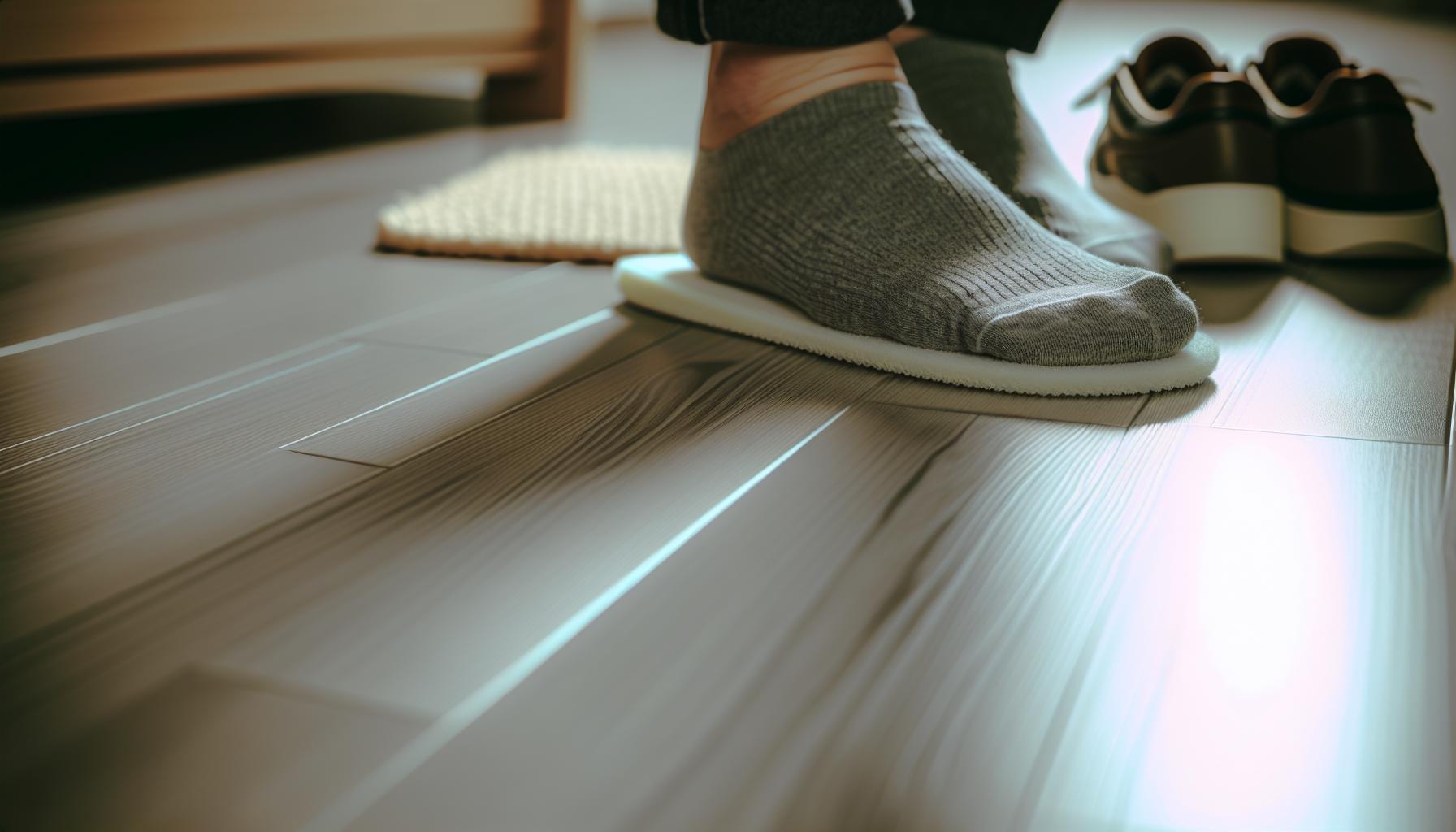
Choosing the right socks can be the unsung hero when it comes to keeping your Chuck Taylors squeak-free. You might not realize it, but your sock choice impacts not just comfort but also noise levels. If you’ve ever noticed squeaking while walking, it’s likely linked to moisture and friction between your feet, socks, and the shoe’s interior.
Opt for moisture-wicking socks made from materials like merino wool or synthetic blends designed to draw sweat away from your feet. This helps keep your feet dry and reduces the chances of squeaking due to trapped moisture. Not only do these fabrics enhance comfort during long wear, but they also mitigate that annoying noise that can occur when wet fabric rubs against rubber and canvas.
Another key detail to consider is the fit of your socks. Socks that are too big can bunch up and cause friction, while those that are too tight may restrict movement. Look for socks with a snug fit that don’t slide down or bunch up, which can create additional noise in conjunction with your Chuck Taylors. Additionally, investing in thick, quality socks can provide more cushioning for your feet, further separating them from the shoe’s interior, minimizing movement-induced squeaks.
Lastly, don’t underestimate the power of the sock season! During warmer weather, lightweight, breathable socks work wonders, while thicker options can help during cooler months to ensure your shoes remain quiet. Keep an eye on how your socks perform with your Chuck Taylors, and don’t hesitate to experiment with different types for the best results. A little attention to your sock game can go a long way in keeping your kicks both stylish and silent.
How to Properly Clean Your Chuck Taylors
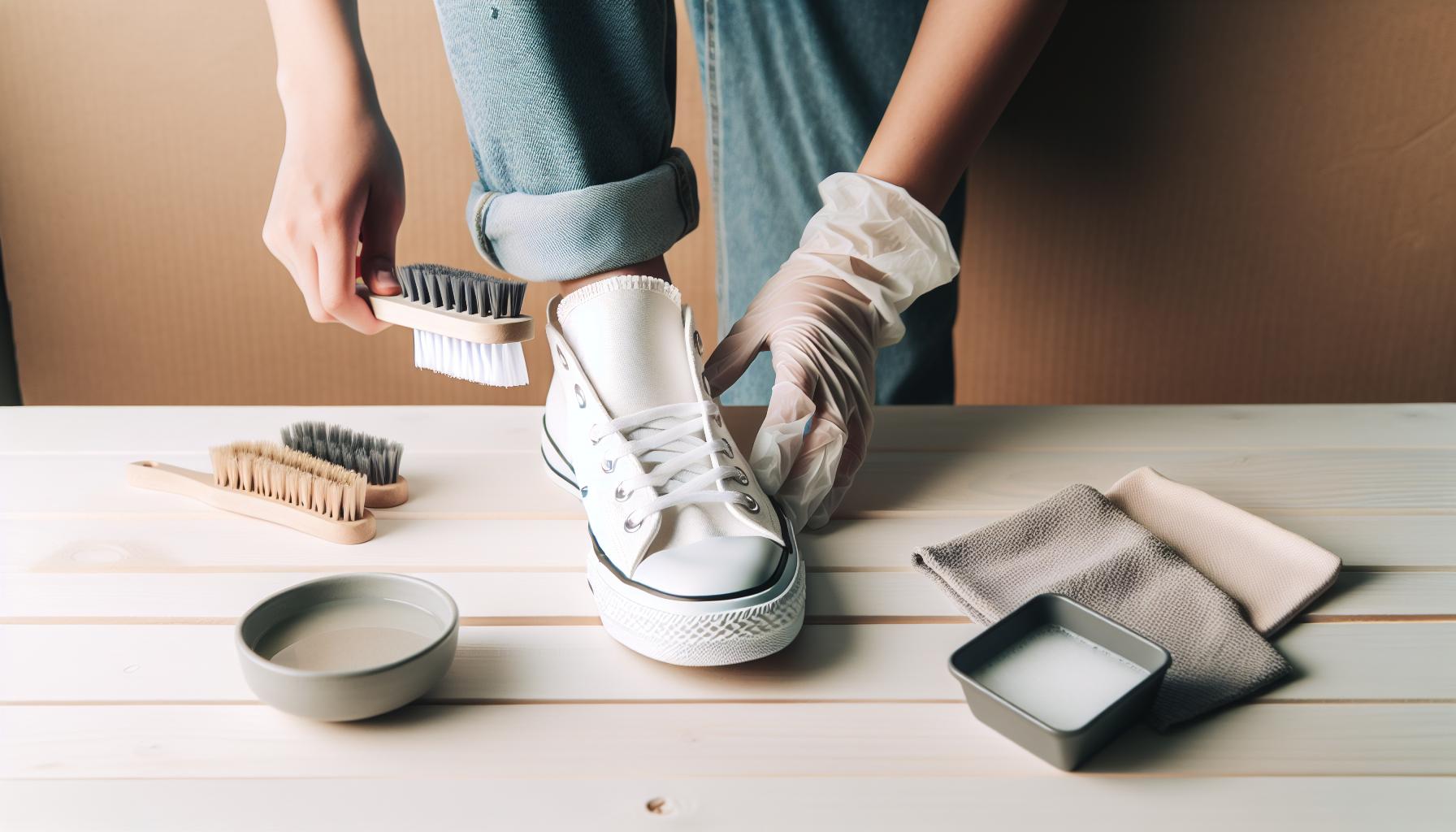
To keep your Chuck Taylors looking fresh and squeak-free, proper cleaning is essential. Dirty shoes not only look bad, but buildup can also contribute to squeaking caused by friction when grime settles in the seams or on the insoles. Thankfully, cleaning your Chuck Taylors isn’t complicated and can extend their lifespan while reducing annoying noises.
Start by gathering your supplies: a soft brush or cloth, mild soap (like dish soap or a gentle laundry detergent), and warm water. If your shoes are particularly dirty, grab an old toothbrush for those hard-to-reach areas. For tougher stains, a mixture of baking soda and water can work wonders.
Begin by removing the laces and insoles. Clean these separately; laces can be soaked in soapy water, while insoles can be gently scrubbed or even washed in a machine if they’re machine-safe. Next, use your brush or cloth dipped in the soapy water to scrub the canvas and rubber parts of the shoes. Be careful not to soak them completely; a damp cloth is enough to lift dirt without compromising the integrity of the material.
Once cleaned, rinse off any soap residue with a clean damp cloth and allow your Chuck Taylors to air dry away from direct sunlight, which can warp the material. To combat future squeaking, consider dusting the insides with baby powder or cornstarch after they’re dry to absorb moisture and reduce friction. This simple cleaning routine not only keeps your shoes looking sharp but also helps prevent that pesky squeaking that can ruin your stride.
When to Replace Your Chuck Taylors
Finding the right time to replace your Chuck Taylors can be tricky, especially when they start making that annoying squeaking noise. If your favorite pairs just can’t keep it together anymore, it’s crucial to know when they’ve reached their limits. A faded look and squeaking noises can be signs of wear, but they don’t always mean it’s time to retire them.
One of the primary indicators that you should consider replacing your Chuck Taylors is visible damage. Look for frayed seams, holes, or significant scuff marks on the canvas and soles. If the rubber sole starts separating from the shoe, it’s often a losing battle to repair them. Squeaking can also be a symptom of wear and tear; for instance, as the material breaks down, the internal components may shift, leading to sounds that can’t easily be fixed. If cleaning and reconditioning efforts don’t calm the noise, you might be barking up the wrong tree trying to salvage them.
Another thing to consider is how these shoes feel when you wear them. If they’ve lost their comfort-be it the insole cushioning, the arch support, or the overall fit-it’s probably time for an upgrade. Continuous discomfort can lead to foot problems over time, making new shoes a worthwhile investment.
Finally, take into account the frequency of wear. If you wear your Chuck Taylors daily or for rigorous activities, they’re likely to wear out quicker. Regular checkups for signs of fatigue will help you stay ahead. Remember, it’s better to replace them before causing injury because of unreliable footwear. When you notice that they’re not performing as intended, both in function and comfort, say goodbye to the old pairs and welcome the new ones. After all, you want to walk in style without the distraction of squeaks!
Exploring Alternative Solutions for Squeaky Shoes
Finding solutions for squeaky Chuck Taylors can be a game changer. Those annoying sounds can turn heads for all the wrong reasons. Luckily, there are several tried and true methods out there that can help mitigate this issue without having to say goodbye to your favorite pair. Here are a few alternatives to consider when you’re faced with squeaks.
First, baby powder is a classic fix. This works particularly well for insole-related squeaks. Simply remove the insoles, sprinkle some baby powder in the shoe, and then put the insoles back. The powder helps reduce friction and absorb moisture that could be causing noise [[1]].
Another option is to mix cornstarch with a bit of water to create a paste. Apply the paste around the areas where the squeaking originates and let it dry. This can create a barrier that mitigates the sound as you walk, similar to the baby powder method but with a slightly different approach. If your Chuck Taylors are squeaking due to tension between parts of the shoe, silicone spray is an effective solution. A little silicone spray on the soles or on the seams can often do the trick, reducing noise while maintaining the shoes’ flexibility.
Additionally, some wearers have found success by adjusting their socks. Thinner socks can reduce friction, which may help in some cases. Alternatively, choose socks that are more cushioned to absorb impact and movement, potentially reducing the instances of squeaking.
Lastly, ensure you’re maintaining your shoes properly. Regular cleaning and conditioning can keep materials from breaking down and causing noise. If all else fails and the squeak persists, you might want to address the integrity of the shoe itself. Sometimes, identifying and repairing worn-out components within the shoe can lead to a quieter experience.
By experimenting with these alternatives, you can find a method that resonates with your experience and gets those Chuck Taylors back to quieting your steps, not amplifying them.
Real-Life Experiences: Users Share Their Solutions
It’s frustrating when your favorite Chuck Taylors start squeaking, but you’re definitely not alone. Many wearers have faced this annoyance and shared their creative solutions, which often work wonders. Real-life experiences shed light on just how easy it can be to silence those pesky noises and get back to strutting in style.
One user found success with a surprisingly simple method. After experiencing annoying insole squeaks, they removed the insoles and sprinkled a generous amount of baby powder in the shoes. After replacing the insoles, the squeak was gone. This solution is about reducing friction and absorbing moisture-perfect for those humid days when squeaking is more likely to happen. Another practical tip came from someone who combined cornstarch with water to make a paste. They applied it right around the squeaky areas and let it dry overnight. The next day, their shoes were quieter, proving that this home remedy can be just as effective as store-bought products.
For others, adjusting footwear habits helped minimize noise. One wearer swore by wearing thicker, cushioned socks. They noticed that the added padding not only made their shoes more comfortable but also reduced the friction that caused squeaks. Another person suggested adding a dab of petroleum jelly at the insole’s edges to create a slick surface, which lessened the noise every time they took a step.
Maintenance is key too. Regular cleaning and conditioning of Chuck Taylors can help maintain their integrity. One long-time wearer shared that they clean their shoes with a gentle soap solution to keep them fresh. They also regularly check for any signs of wear and tear, addressing small issues before they become squeaking nightmares.
These real-life tips show that with a little creativity and care, you can keep your Chuck Taylors silent and stylish. Whether you choose powder, paste, or simply a change in sock thickness, you don’t have to let squeaks ruin your vibe. Try out these solutions and step confidently without that distracting sound!
Troubleshooting Guide: Persistent Squeaks
When your Chuck Taylors persistently squeak, it can feel more than a little maddening. The good news? Many of these annoying noises have straightforward fixes. Start by examining the areas causing the squeaks-most often, it’s due to moisture trapped in the insoles or friction between the sole and the upper.
To combat stubborn squeaks, try these methods:
- Insole Inspection: Remove your insoles and check for any signs of wear or moisture. If they’re damp, allow them to dry completely. Sprinkling baby powder or cornstarch under the insoles can also help absorb moisture and reduce friction.
- Lubrication: For squeaks near the shoe’s upper, a small dab of petroleum jelly at the edges of the insole or where the rubber meets the fabric can significantly cut down on noise.
- Thicker Socks: Sometimes, it’s as simple as switching to thicker, cushioned socks. They not only add comfort but also create a buffer that minimizes movement and reduces squeaking.
- Routine Cleaning: Regular cleaning is essential. Use a soft brush with a gentle soap solution to keep the rubber and fabric clean, which can help minimize squeaks caused by dirt buildup.
If you’ve tried all of these solutions and the squeaking persists, it may be time to assess whether it’s a sign of a more serious issue, such as worn-out soles or structural damage. Pay attention to the areas of your shoes that flex the most. If you notice cracks or significant wear, it might be worth considering a replacement.
Remember, persistent squeaks are not just annoying; they can point to potential wear that’s important to address. Stay proactive, and your Chuck Taylors can continue to strut in style without the soundtrack of squeaks slowing you down!
Frequently Asked Questions
Q: Why do my Chuck Taylors squeak when I walk?
A: *Chuck Taylors may squeak due to various reasons*, such as moisture trapped between the sole and upper or worn-out insoles. Ensure your shoes are dry and consider inspecting the sole for damage. Applying powder between the insole and sole can also reduce friction and noise.
Q: How can I stop my Chuck Taylors from squeaking?
A: To *stop your Chuck Taylors from squeaking,* try sprinkling baby powder or cornstarch inside the shoe to absorb moisture. Additionally, check for loose components and tighten them where necessary. Regular maintenance can keep them quieter and in better shape.
Q: Are squeaky shoes a sign of damage?
A: *Not always.* Squeaks can come from movement rather than damage. However, persistent noise might indicate wear, especially if the noise coincides with reduced comfort or support. If the squeaking worsens, it’s a good idea to check for wear and tear.
Q: Can cleaning my Chuck Taylors help with squeaking?
A: *Cleaning your Chuck Taylors can reduce squeaking,* especially if grime is causing friction. Ensure the shoes are free from debris, and consider using a damp cloth to clean them. Follow up with a dry period to prevent moisture buildup.
Q: What materials in Chuck Taylors cause them to squeak?
A: *Materials like rubber and canvas in Chuck Taylors* can lead to squeaks when they rub against each other or if moisture is present. Understanding these interactions can help you take preventive measures to avoid annoying noises.
Q: When should I consider replacing my Chuck Taylors due to squeaking?
A: Consider replacing your Chuck Taylors if the squeaking is accompanied by other signs of wear, such as holes or diminished support. If the shoes no longer provide comfort or the squeaks worsen over time, it might be time for a new pair.
Q: Do Chuck Taylors squeak more in wet conditions?
A: *Yes, wet conditions can increase squeaking* in Chuck Taylors, primarily due to moisture between the sole and upper. Drying your shoes thoroughly after exposure to moisture can help minimize noise and prolong their lifespan.
Q: Is it normal for new Chuck Taylors to squeak?
A: *It is quite common for new Chuck Taylors to squeak* due to the stiffness of new materials. This noise typically resolves as the shoe breaks in. If squeaking persists, consider checking for trapped moisture or adjusting the insole.
For more tips and solutions on handling squeaky Chuck Taylors, check out our sections on *Quick Fixes for Squeaky Shoes* and *Preventing Squeaks: Maintenance Tips*!
Final Thoughts
Thanks for diving into our guide on why your Chuck Taylors squeak! If you’re still dealing with those pesky sounds, check out our detailed solutions to keep your favorite shoes comfortable and quiet. Remember, a little maintenance goes a long way. Before you go, explore our articles on shoe care tips and how to choose the right sneakers for your lifestyle.
If this is your first time here, don’t forget to sign up for our newsletter-get the latest tips and tricks delivered straight to your inbox! We want to hear from you! Have you tried any solutions from our guide? Share your experience in the comments, and let’s keep the conversation going! Your feedback helps others just like you.
And don’t miss out on our recommended products that can help eliminate squeaks once and for all. Remember, taking action now will ensure you’re stepping out in style and comfort, so don’t hesitate-your Chuck Taylors deserve the best!
Get our latest guides, news, and insights highlighted in your Google Search & AI Overviews.