
Every modern authentic chuck taylor made today is produced primarily in specialized vulcanized footwear factories across Vietnam, Indonesia, China, and India, following Converse’s 2001 manufacturing restructuring that transitioned production from historic domestic facilities in Lumberton, North Carolina to Southeast Asia.
When you slip on a pair of Chuck Taylors, you’re not just wearing a sneaker; you’re stepping into a rich history of style and craftsmanship. But have you ever wondered where these iconic shoes are made? Understanding the manufacturing process behind Chuck Taylors offers intriguing insights into quality, sustainability, and the global supply chain. As consumers, we want to know what goes into our purchases-be it the materials, the labor conditions, or the environmental impacts. This article takes you behind the scenes to explore how these beloved shoes evolve from raw materials to finished products. Join us as we uncover the story of Chuck Taylors, a tale woven into the fabric of culture, fashion, and responsible production. You might just see your favorite sneakers in a whole new light!
Where Chuck Taylors Are Made: A Global Perspective
Chuck Taylors, those iconic canvas sneakers, aren’t just a fashion statement; they’re a product of a complex global manufacturing landscape. Most of these shoes are produced in countries like Vietnam, Indonesia, and China, where factories dedicate extensive resources to meet the high global demand. Understanding where they are made gives us insight into the broader economic and cultural contexts of these regions.
In Vietnam, for instance, Converse has developed a significant presence. Here, skilled workers utilize traditional craftsmanship blended with modern techniques to ensure each pair meets quality standards. The combination of local labor and international investment creates an environment where not only the shoes are made, but also knowledge and skills are exchanged, contributing to the local economy.
Similarly, factories in Indonesia are known for their efficiency and sustainable practices. Many of these plants, influenced by international standards, have adopted processes that minimize waste and reduce environmental impact. This global perspective isn’t just about where the shoes are made; it’s about recognizing the economic networks and ethical considerations entwined in the production process. By choosing where to manufacture, brands can impact local economies, sustainable practices, and labor conditions in significant ways.
Understanding this broader context helps us appreciate not just the shoes on our feet but the journey they took to get there. Each pair of Chuck Taylors carries with it a story of global craftsmanship and cultural exchange, reminding us that fashion is inherently connected to the world we live in.
The Step-by-Step Manufacturing Journey
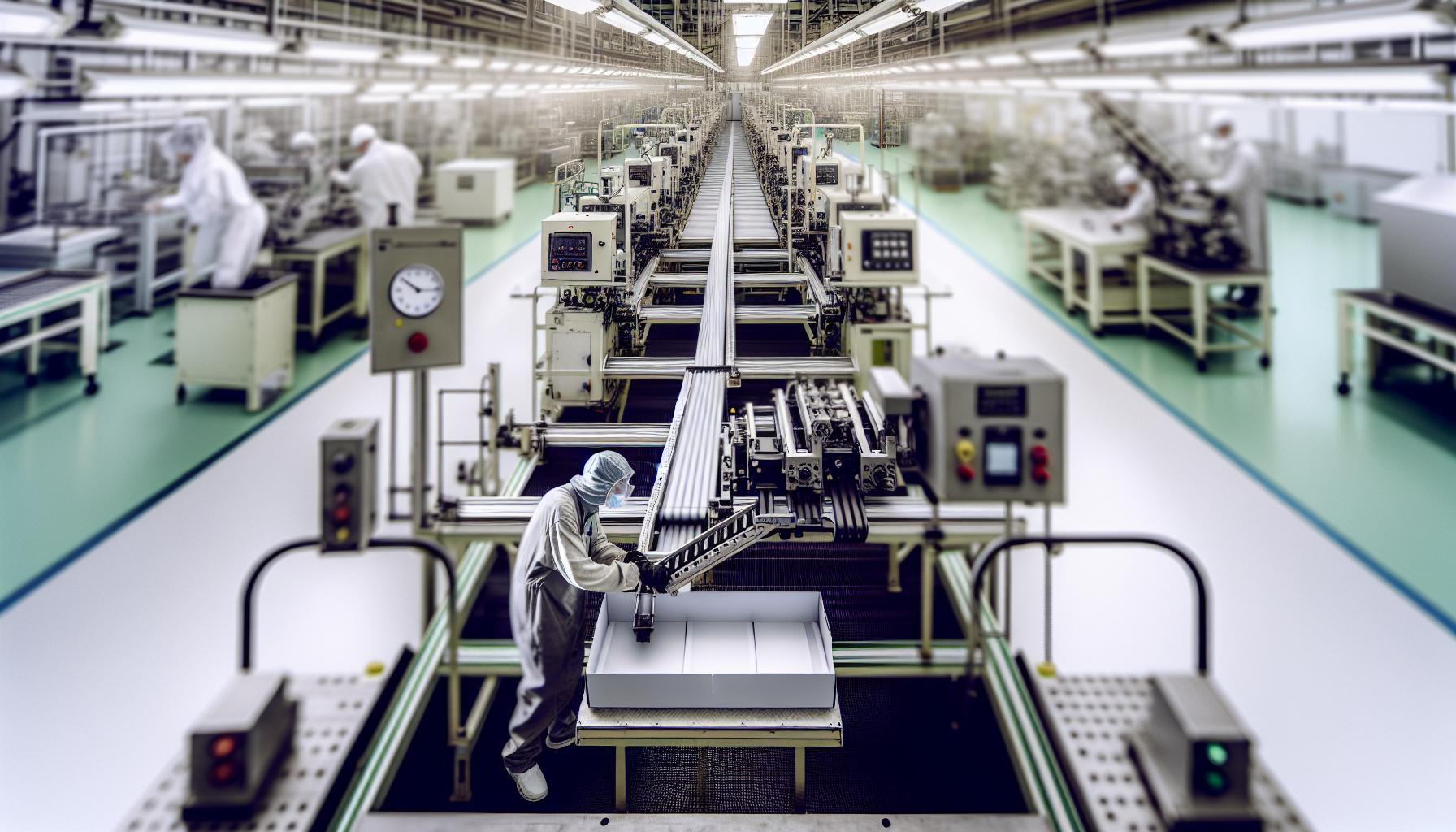
The creation of Chuck Taylors is a fascinating journey that marries traditional craftsmanship with modern manufacturing techniques. This iconic sneaker starts its life with an intricate design process, where sketches are transformed into digital prototypes. Once the design is finalized, the journey shifts to material selection, focusing on high-quality canvas, rubber, and a durable sole that typifies the sneaker’s long-lasting appeal.
From Design to Production
Once the materials are chosen, factories begin the cutting process, where large rolls of canvas are laid out and cut into the various shapes required for each sneaker component. This stage requires precision; each piece must be accurately cut to ensure everything fits together seamlessly. After the parts are prepared, skilled workers meticulously stitch them together using high-strength threads. This stitching not only secures the fabric but also contributes to the distinct look of Chuck Taylors, from classic to vibrant prints.
Assembling the Pieces
Next, the pieces move to the assembly line. Here, workers add essential components such as eyelets and laces, followed by attaching the rubber soles. The adherence of the sole is crucial; it’s where years of wear and tear come into play. Factories employ advanced technology to ensure that the bonding process is strong and reliable, minimizing any chance of damage when worn. This combination of human skill and technological support ensures that each pair meets stringent quality checks.
Quality Control
Before the shoes are boxed and shipped, they go through a rigorous quality control process. Inspectors check for any defects- from stitching errors to imperfections in the rubber. This final step guarantees that each pair of Chuck Taylors upholds the brand’s reputation for quality, ensuring that every sneaker lives up to the expectations of both the company and its customers.
The manufacturing journey of Chuck Taylors exemplifies how global collaboration, skilled craftsmanship, and cutting-edge technology come together to create a beloved footwear icon. Understanding this process not only enhances our appreciation for the shoes we wear but also underscores the importance of ethical manufacturing practices and sustainability in the fashion industry.
Materials That Make Chuck Taylors Unique
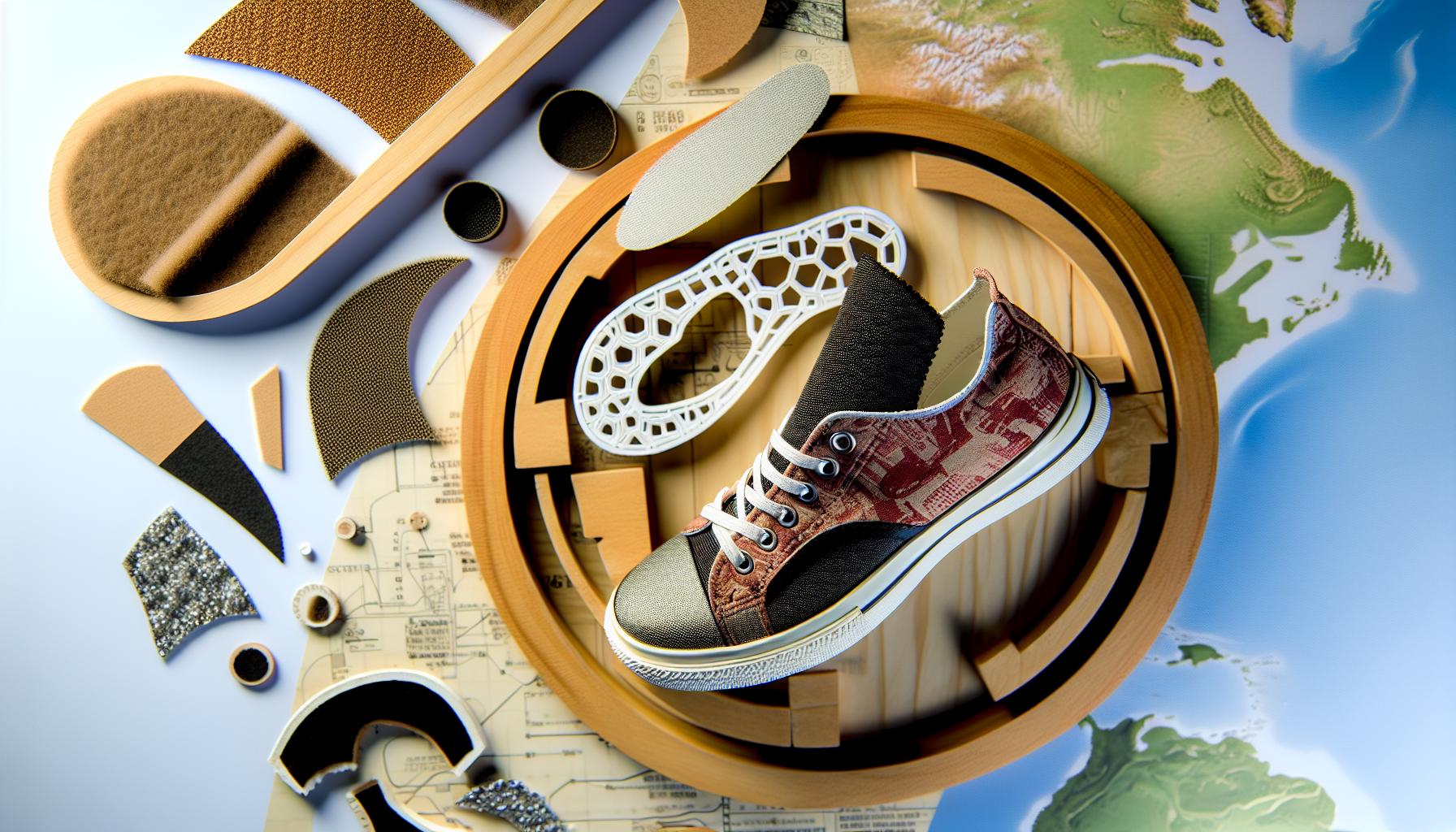
The unique materials that make Chuck Taylors a favorite among sneaker enthusiasts go beyond mere aesthetics-each element contributes to their character and durability. Central to the classic look is the high-quality canvas, renowned for its breathability and comfort. This lightweight yet sturdy fabric allows for flexible movement, making Chuck Taylors ideal for both casual wear and athletic activities. The canvas’s natural fibers can easily be dyed, supporting the wide array of colors and patterns that fans love.
But it’s not just the canvas that sets these sneakers apart. The rubber sole plays a critical role in providing grip and durability. The unique diamond-patterned tread offers traction on various surfaces, ensuring that wearers have a reliable grip whether they’re on the basketball court or strolling the streets. Moreover, the blend of rubber used is carefully chosen to withstand wear while maintaining a cushioned feel underfoot, balancing comfort with functionality.
Durability and Performance
Another layer of uniqueness comes from the attention to detail in the shoe’s construction. Chuck Taylors utilize reinforced stitching in high-stress areas, allowing them to last through both everyday adventures and special outings without compromising their integrity. The combination of these materials not only supports the shoe’s iconic look but also ensures that they perform well over time.
With sustainability becoming increasingly important in today’s fashion landscape, it’s worth noting that the manufacturing of Chuck Taylors evolves alongside these values. Some production lines now prioritize eco-friendly materials and processes, aligning with consumer demand for sustainable fashion choices. This commitment to ethical practices is increasingly shaping the future of Chuck Taylor production, appealing to both loyal fans and environmentally conscious consumers.
So, when you lace up a pair of Chuck Taylors, you’re not just enjoying a stylish sneaker; you’re experiencing a thoughtfully designed product made from materials that balance tradition with innovation-making every step a testament to their enduring legacy.
How Ethical Practices Shape Production

Ethical production practices are not just a trendy buzzword; they’re re-shaping the sneaker industry, including the beloved Chuck Taylors. These iconic shoes, historically rooted in American pop culture, are now crafted with a commitment to ethical principles that resonate with today’s savvy consumer. It all begins with transparency in the supply chain. Brands are increasingly open about where and how their products are made, providing customers with insights that empower informed choices.
Over recent years, the focus on fair labor practices has soared. Chuck Taylor manufacturers prioritize creating safe working conditions, ensuring that workers earn a livable wage and are treated with respect. For instance, many factories that produce these sneakers adhere to strict labor standards set by organizations like the Fair Labor Association. These standards help combat exploitative practices, such as child labor or hazardous working conditions-issues sadly prevalent in many industries.
Moreover, materials used in Chuck Taylors are evolving. Many brands are investing in sustainable sourcing-using organic cotton and recycled materials. This not only reduces environmental impact but also appeals to the environmentally conscious consumer. A commitment to sustainability doesn’t just benefit the planet; it enhances the brand’s reputation, connecting it with consumers who value ethical choices.
Incorporating ethical practices shapes not only the production process but also the consumer relationship. When buyers know their sneakers are made responsibly, they feel a deeper connection to the brand. This shift towards ethics in production is reshaping the future of Chuck Taylors, making each pair a testament to conscious consumerism and a step toward a more ethical fashion industry. Embracing these practices means that when you put on your Chuck Taylors, you’re not just wearing a pair of shoes; you’re supporting a movement toward a more sustainable and ethical world.
Behind the Scenes: Factory Tour Insights
The journey of Chuck Taylors from concept to consumer is as fascinating as the sneakers themselves. Visiting a manufacturing facility can illuminate the intricate processes, quality checks, and skilled craftsmanship that go into every pair of these iconic shoes. It’s not just about machinery; it’s about the people behind the scenes, each contributing their expertise to ensure that every pair meets stringent quality standards.
As you step into a production facility, you’re greeted by the rhythmic sound of sewing machines and workers efficiently assembling components. Workers meticulously cut the canvas and rubber, employing techniques that have been refined over decades. The atmosphere buzzes with a sense of purpose; each person understands how their role impacts the final product. Chuck Taylors aren’t just also being made; they’re being crafted with care. It’s essential to note that many factories have adopted ethical practices, prioritizing fair labor conditions and safety.
Quality Control: The Backbone of Production
To maintain the integrity of Chuck Taylors, quality control is a non-negotiable step in the manufacturing process. Before any shoes leave the factory, they undergo rigorous testing to ensure that they are durable and up to standard. Each pair is examined for faults, from stitching to rubber quality, and any flaws are corrected-reflecting the brand’s commitment to excellence. This level of scrutiny not only enhances the shoe’s performance but also builds trust with consumers who expect quality.
The production of Chuck Taylors showcases how manufacturing can blend tradition with innovation. As technology advances, factories are beginning to incorporate more sophisticated machinery, improving efficiency while preserving the artisanal elements of shoe-making. This harmony between human craftsmanship and technological enhancements ensures that Chuck Taylors remain a staple in both fashion and function. Consumers can feel confident knowing their Chuck Taylors carry a legacy of quality, ethical practices, and skilled artistry.
The Role of Technology in Shoe Manufacturing
In the ever-evolving landscape of shoe manufacturing, technology plays a transformative role, enhancing productivity and precision. When it comes to Chuck Taylors, this integration of advanced technologies not only streamlines the production process but also helps maintain the iconic status of these beloved sneakers. With every pair being a blend of tradition and modern innovation, let’s unpack how technology shapes the current manufacturing landscape.
Modern factories utilize sophisticated machinery capable of executing tasks with high efficiency. Automated cutting machines, for instance, take the guesswork out of precise fabric cuts, drastically reducing waste while improving accuracy. Likewise, computer-aided design (CAD) systems allow designers to conceptualize and alter designs in real time. This means that any changes requested by the design team can be quickly implemented, ensuring that the final product aligns perfectly with their vision.
Enhancing Craftsmanship with Automation
While automation is key, the human touch remains essential in the production of Chuck Taylors. Many facilities employ hybrid systems where skilled artisans work alongside advanced machines. This collaboration ensures that the unique craftsmanship synonymous with Chuck Taylors is not lost. For instance, while stitching machines are precision-operated, human workers are still crucial in inspecting the quality of seams and ensuring that each shoe meets the brand’s high standards.
Digital monitoring tools also play a vital role in quality assurance. Sensors embedded in machinery can detect inconsistencies and alert workers to potential issues before sneakers progress further in the manufacturing chain. This proactive approach minimizes defects and ensures that quality is maintained throughout the entire production process.
As we look to the future, the evolving role of technology in shoe manufacturing, particularly for products like Chuck Taylors, hints at exciting possibilities. From implementing sustainable practices through eco-friendly production technologies to customizing shoes using advanced 3D printing, the potential for innovation is limitless. Embracing these advancements not only secures Chuck Taylors’ legacy but also caters to the modern consumer’s desire for quality, sustainability, and individuality.
How Quality Control Ensures Durability
Ensuring the durability of Chuck Taylors is no accident; it’s the result of meticulous quality control measures embedded throughout the production process. From the sourcing of raw materials to the final inspection of each pair, the commitment to quality is unwavering. Did you know that each shoe goes through multiple checkpoints before it hits the store shelves? This rigorous testing not only guarantees that you get a pair that can withstand wear and tear but also reinforces the trust consumers place in the brand.
The process begins long before the shoes are assembled. Factories implement stringent inspections on the materials used. For instance, canvas and rubber are examined for strength and flexibility. These materials undergo tests for elasticity, abrasion resistance, and colorfastness, ensuring they meet the high standards associated with Chuck Taylors. After all, a durable shoe starts with durability in its components.
Once the assembly line kicks in, quality control checks are integrated at various stages. Each pair is closely monitored during stitching and assembly, where workers look for potential defects. These range from imperfect seams to misaligned eyelets. In some state-of-the-art factories, digital tools aid in this process. They can immediately flag items that don’t conform to standards, which minimizes the chances of subpar products making it to the consumer.
Finally, before packaging, each shoe undergoes a comprehensive inspection. This involves checking for overall aesthetic quality, verifying construction integrity, and conducting fit tests. Only those pairs that pass all these rigorous checks earn the right to carry the Chuck Taylor name. This commitment to quality is why, even years later, a well-kept pair of Chuck Taylors still feels just as iconic and reliable as the day you bought them.
The Iconic Legacy of Chuck Taylors
The legacy of Chuck Taylors transcends mere footwear; these canvas shoes are a cultural phenomenon that has woven itself into the fabric of various subcultures and communities around the globe. From their humble beginnings as basketball shoes in the early 20th century to their adoption by rock stars and street artists, Chuck Taylors have become symbols of individuality and rebellion.
When you slip on a pair of Chuck Taylors, you’re stepping into a rich history. They were designed for performance but quickly evolved into a canvas for personal expression. Whether it’s the classic black high-tops or vibrant custom designs, each pair tells a story-your story. This connection between the shoe and its wearer is what fosters enduring loyalty among fans. Think about it: how many shoes can claim to be favorites of everyone from James Dean to Kurt Cobain? This versatility has allowed Chuck Taylors to remain relevant, appealing to new generations while invoking nostalgia in those who have worn them for decades.
What sets them apart isn’t just the design but also the manufacturing prowess behind them. Each pair is crafted with precision, ensuring durability while maintaining the iconic look that fans love. The materials, like high-quality canvas and rubber, are sourced and inspected with care, upholding the standards that have come to define the Chuck Taylor name. This meticulous craftsmanship feeds into the narrative of the brand: an enduring commitment to quality that aligns with the passion of its wearers.
Eventually, this sense of legacy and community culminates in the brand’s response to modern concerns, such as sustainability. As Chuck Taylors continue to evolve, so does their commitment to ethical practices in production, ensuring that the shoes’ iconography doesn’t come at the expense of the planet. As you consider your next pair, know you’re not just buying shoes; you’re owning a piece of history, an emblem of cultural significance, and a reminder that individual expression matters.
Exploring Common Misconceptions About Production
Misconceptions about the production of Chuck Taylors run rampant, but understanding the realities behind their creation can deepen appreciation for these iconic shoes. One popular myth is that all Chuck Taylors are still made in the United States. In truth, while the brand has roots in American manufacturing, the vast majority of Chuck Taylors today are produced in overseas factories, notably in countries like Vietnam, China, and Indonesia. This shift enables the company to maintain competitive pricing and meet global demand while also impacting employment in developing regions.
Another common belief is that the manufacturing process is outdated or overly simplistic. However, Chuck Taylor production involves a complex, multi-step journey that combines traditional craftsmanship with modern technology. From precise cutting techniques for high-quality canvas to automated assembly lines that ensure consistency and rapid production speed, today’s manufacturing is anything but basic. Each pair undergoes rigorous quality checks to ensure they meet the brand’s standards for durability and comfort.
Consumers often think that lower production costs equate to lower quality. Yet, Chuck Taylors are built with the same attention to detail regardless of where they are made. The use of high-grade materials, like sustainable rubber and durable canvas, underscores the commitment to ensuring each pair can withstand the test of time. It’s about balancing cost efficiency with quality assurance, a task achieved through the brand’s stringent guidelines and ethical sourcing practices.
Lastly, many assume that the shoes’ iconic status guarantees environmentally friendly production processes. While the brand has made strides toward sustainability-like using recycled materials and reducing waste in production-there’s still progress to be made. Understanding these nuances can empower consumers to make informed choices and appreciate the efforts taken toward more sustainable footwear, making each pair of Chuck Taylors not just a fashion statement but a step toward responsible consumption.
Sustainability in Chuck Taylor Manufacturing
Sustainability practices in manufacturing Chuck Taylors are becoming increasingly important as consumers demand more responsibility from the brands they love. The shoe industry has often been linked to environmental harm, but innovations and commitments are changing the narrative. For example, Converse has taken meaningful steps towards sustainability by incorporating recycled materials into their production processes. The brand is now using organic cotton and recycled polyester in their canvas, which not only reduces waste but also minimizes the overall carbon footprint.
Production facilities are also evolving. Many factories that produce Chuck Taylors are adopting cleaner technologies to reduce water usage and energy consumption. This involves modernizing old machines and implementing systems that recycle water used in the production process. Moreover, some facilities have shifted to renewable energy sources, such as solar or wind power, further decreasing their environmental impact.
Another crucial aspect is the ethical sourcing of materials. By ensuring that their raw materials come from responsible suppliers, Converse aims to uphold fair labor practices and environmental standards across their supply chain. They are transparent about where their materials come from, which is a vital step in fostering consumer trust and accountability.
However, there’s still road ahead. As the brand continues to evolve, the focus on sustainability will necessitate ongoing efforts to innovate and integrate eco-friendly practices. Consumers can support these initiatives by making conscious purchases and recognizing brands that prioritize sustainability. In embracing a culture of responsible consumption, each pair of Chuck Taylors can symbolize not just a fashion statement, but a conscious choice toward a more sustainable future.
The Future of Chuck Taylor Production
The landscape of Chuck Taylor production is evolving rapidly, driven by consumer demand and technological advancements. As we look to the future, it’s clear that innovation and sustainability will play central roles in how these iconic shoes are made. With a continued shift towards eco-friendly practices, Converse is at the forefront, leveraging new materials and methods that not only reflect the brand’s heritage but also address modern environmental concerns.
One significant trend is the increasing integration of automated technology in manufacturing. This doesn’t just speed up production; it enhances precision, reducing waste and improving overall quality. Factories are adopting robotics for repetitive tasks, freeing skilled workers to focus on more complex aspects of production. By merging human craftsmanship with technology, Converse can maintain the unique aesthetic of Chuck Taylors while pushing efficiency.
Additionally, upfront consumer engagement is changing how production lines operate. Customization options are expanding, allowing consumers to choose colors, designs, and materials directly from their homes. This shift not only resonates with personal expression but also influences production schedules and inventory management, creating a more responsive supply chain. The ability to personalize Chuck Taylors caters to the desire for individuality in fashion while maintaining the values of sustainability and ethical sourcing inherent to the brand.
Looking ahead, is not just about keeping up with trends-it’s about leading the charge toward a more responsible and innovative footwear industry. By continuing to embrace new technologies and techniques, Converse is positioning itself as a pioneer in eco-friendly practices, ensuring that each pair of Chuck Taylors is made with respect for both people and the planet.
Crafting Personal Stories: Customization Options
Every pair of Chuck Taylors tells a story, and thanks to customization options, you can craft yours to reflect your unique style and personality. Converse understands the modern consumer’s desire for individuality, making it easier than ever to create a shoe that’s truly personal. Imagine walking down the street and seeing someone sporting a pair that resonates with your taste-this is the beauty of customizing your Chuck Taylors.
When you engage with the customization process, you can select from a variety of colors, patterns, and materials, ensuring that your shoes not only fit perfectly but also showcase your flair. Whether it’s a classic black canvas, vibrant prints, or even a mix-and-match approach to the eyelets and laces, the choices available cater to every creative impulse. Not only does this resonate with personal expression, but it also means your shoes stand out in a crowd.
Customization doesn’t stop at aesthetics. Many customers are opting to include personal touches like names, initials, or significant dates, making these shoes even more special. This level of personalization transforms each pair into a meaningful artifact, imbuing it with memories and significance. And since the process can be done online, you can visualize your designs and make adjustments in real-time, ensuring that what you order is precisely what you envisioned.
As technology advances, so does the ease of customization. With just a few clicks, you can manipulate designs and materials, giving you a feeling of ownership over the production process itself. This engagement not only fosters a deeper connection with the product but also aligns with contemporary trends in consumer behavior-where individuality and personalization are paramount. So, when you’re ready to step out in your one-of-a-kind Chuck Taylors, remember: every detail is a part of your personal story.
FAQ
Q: Where are Chuck Taylors produced?
A: Chuck Taylors are primarily produced in factories located in Vietnam, China, and Indonesia. The production process combines traditional craftsmanship with modern technology, ensuring high-quality standards while maintaining the iconic design that fans love. For more insights, see our section on Global Manufacturing Perspectives.
Q: What materials are used to make Chuck Taylors?
A: Chuck Taylors are made from canvas, rubber, and cork, providing durability and comfort. The canvas upper allows for breathability, while the rubber sole offers excellent traction. To learn more about their unique materials, check out our Materials That Make Chuck Taylors Unique section.
Q: How long does it take to manufacture Chuck Taylors?
A: Manufacturing Chuck Taylors typically takes about two to three weeks. This includes sourcing materials, assembly, and quality control checks to ensure each pair meets the brand’s standards. Discover more about the Step-by-Step Manufacturing Journey in our article.
Q: What ethical practices are involved in Chuck Taylor manufacturing?
A: Converse is committed to ethical practices, including fair labor conditions and environmental sustainability. The company strives to minimize its carbon footprint while ensuring workers are compensated fairly. Explore this topic further in our How Ethical Practices Shape Production section.
Q: Can I customize my Chuck Taylors? If so, how?
A: Yes, you can customize your Chuck Taylors through Converse’s official website. Customers have options to choose colors, add prints, and personalize text. For detailed customization options, see our Crafting Personal Stories: Customization Options section.
Q: Why are Chuck Taylors considered iconic shoes?
A: Chuck Taylors’ iconic status comes from their timeless style, cultural significance, and versatility. They’ve been embraced by various subcultures and remain a staple in fashion across generations. Learn more about their legacy in The Iconic Legacy of Chuck Taylors.
Q: What are the common misconceptions about Chuck Taylor production?
A: Common misconceptions include the belief that all Chuck Taylors are made in the USA and that they are purely casual shoes. In reality, they are manufactured globally and are versatile enough for various occasions. Addressing these misconceptions is covered in Exploring Common Misconceptions About Production.
Q: How does technology impact Chuck Taylor manufacturing?
A: Technology in Chuck Taylor manufacturing enhances efficiency and quality control. Automation in certain stages allows for consistent production, while advanced testing ensures durability. For a deeper dive, refer to The Role of Technology in Shoe Manufacturing.
Insights and Conclusions
Now that you know where Chuck Taylors are made and the fascinating journey of their manufacturing process, consider how this iconic sneaker has evolved over time. Whether you’re a die-hard fan or just curious, understanding the craftsmanship behind your favorite kicks makes all the difference. Ready to dive deeper? Check out our articles on sneaker care tips and the history of Converse for even more insights!
Don’t miss out-subscribe to our newsletter for exclusive updates and offers! If you have questions or thoughts about what we’ve covered, we’d love to hear from you in the comments below. Share your Chuck Taylor story with us! Remember, every pair has a story, so let’s keep the conversation going about these timeless shoes.
Where and How is a Chuck Taylor Made? Inside Modern Vulcanized Manufacturing
Understanding where an authentic chuck taylor made in the modern era comes from reveals the sophisticated global supply chain powering Converse. While vintage enthusiasts fondly recall the era of Made-in-USA All Stars, the contemporary manufacturing process across Southeast Asia combines centuries-old rubber vulcanization with cutting-edge production precision.
| Manufacturing Country | Estimated Global Share | Primary Specializations | Key Quality Indicators |
|---|---|---|---|
| Vietnam | ~55% of global output | Chuck 70 premium line, high-top All Stars & collaborations | 14oz heavyweight duck canvas, glossy varnished foxing |
| Indonesia | ~30% of global output | Classic core All Stars (black/white/monochrome oxfords) | Standard 12oz canvas, crisp vulcanized rubber seams |
| China | ~10% of global output | Limited edition runs, seasonal colors & technical boots | GORE-TEX linings, weatherized materials, metallic hardware |
| India | ~5% of global output | Regional distribution & core seasonal colorways | Standard unvarnished rubber sidewall, screen-printed badges |
The 4 Stages of Modern Chuck Taylor Assembly
- Stage 1: Canvas Cutting & Stitching: Automated CNC textile presses stamp out the upper panels from heavy cotton duck canvas. Industrial sewing machines bind the panels with durable poly-cotton core thread, affixing the 8 nickel eyelets and ankle star emblem.
- Stage 2: Lasting & Toe Bumper Fitting: The stitched canvas upper is pulled taut over an anatomical foot mold (the shoe last). Craftsmen manually wrap the lower edge with uncured raw rubber tape and heat-press the textured diamond toe bumper.
- Stage 3: High-Heat Autoclave Vulcanization: The assembled shoe enters an industrial pressure oven (autoclave) heated to 280°F (138°C). The heat triggers sulfur cross-linking within the rubber, permanently fusing the foxing tape, sole, and canvas into an indestructible bond.
- Stage 4: Insole Insertion & Laser Quality Inspection: Once cooled, cushioned insoles (standard EVA or 7mm OrthoLite for Chuck 70s) are fitted. Each shoe undergoes tension testing to ensure zero perimeter delamination.
Frequently Asked Questions About Chuck Taylor Manufacturing
Where is an authentic chuck taylor made today?
Authentic Chuck Taylors are made primarily in certified contract manufacturing facilities in Vietnam and Indonesia, with additional production in China and India. Converse ceased domestic US manufacturing in 2001 following bankruptcy and its subsequent acquisition by Nike, shifting all vulcanized sneaker assembly to Southeast Asia.
Get our latest guides, news, and insights highlighted in your Google Search & AI Overviews.