
Have you ever noticed a pair of Chuck Taylors hanging from a power line and wondered what it means? This urban legend is as intriguing as it is baffling, igniting curiosity and sometimes concern in local communities. While it may seem like a simple act of mischief, there’s a deeper symbolism and history behind this phenomenon that many people overlook. Understanding what these sneakers signify can bridge cultural knowledge gaps and reveal more about the neighborhoods we live in. In this exploration, we’ll dive into the myths, meanings, and motivations that lie behind this visual marker in our urban landscapes, shedding light on why it matters to you and your community. Read on to unravel the mystery of Chuck Taylors on a power line.
What Are Chuck Taylors and Their Significance?
Chuck Taylors, commonly known as Chucks, are more than just a popular style of sneaker-they’re a cultural icon. Originally designed for basketball in the early 20th century, the Chuck Taylor All Star quickly became a staple in streetwear and youth culture, transcending its athletic roots. Their significance ties deeply to various social movements, music genres, and artistic expressions. Wearing Chuck Taylors has become a way for individuals to express their identity and connect with a broader cultural narrative. From punk rockers to hip-hop artists, these shoes symbolize rebellion, creativity, and community.
These sneakers are often spotted dangling from power lines, which has sparked curiosity and speculation. While there’s no single definitive meaning, this act taps into the sneaker’s rich history of urban culture. It can signify various things-commemorating a friend, marking a territory, or simply a playful prank. This connection between Chuck Taylors and power lines emphasizes how intertwined the sneaker has become with local legends and urban tales.
Culturally, Chuck Taylors also represent inclusivity; they fit into diverse styles, genders, and ages, making them a universal choice. Understanding their significance is part of grasping why they adorn power lines across neighborhoods-from the gritty graffiti-laden streets of New York City to the sun-soaked avenues of Los Angeles. They are not just footwear; they carry stories and connect people, reflecting resilience and the vibrant spirit of urban life.
The Myths Behind Chuck Taylors on Power Lines
Seeing a pair of Chuck Taylors hanging from power lines isn’t just a quirky urban sight; it’s a phenomenon steeped in myth and speculation. While there’s no universal agreement on what it means, various stories and interpretations have emerged over the years. Some people joke that it’s a sneaker’s way of “choosing freedom,” while others claim it’s a sign of gang territory. In different communities, this act can also serve as a type of memorial, marking the loss of a friend or loved one. It’s a simple act with layered meanings, highlighting the cultural richness surrounding these beloved shoes.
Among the various interpretations, urban legends often emphasize the unexpected connections made by these dangling sneakers. In some areas, it’s said that the shoes symbolize a rite of passage or a playful challenge among neighborhood kids, with the goal being to see who can toss their sneakers the highest. There’s also a more somber tale suggesting that shoes tossed over power lines signify a death, particularly of a young person, an interpretation that can deeply affect local residents. Such varied meanings demonstrate how Chuck Taylors can carry emotional weight, spanning from joyous celebration to somber remembrance.
What’s especially fascinating is the power of these myths-how they reflect the community’s values and fears. They serve as cautionary tales, shared largely through word of mouth, allowing neighborhoods to define their narratives. If you’re curious about the shoes dangling above your street, consider asking locals about their stories. You may uncover intriguing accounts that reveal the local spirit and shared history, illustrating just how footwear can encapsulate a community’s identity and collective memory.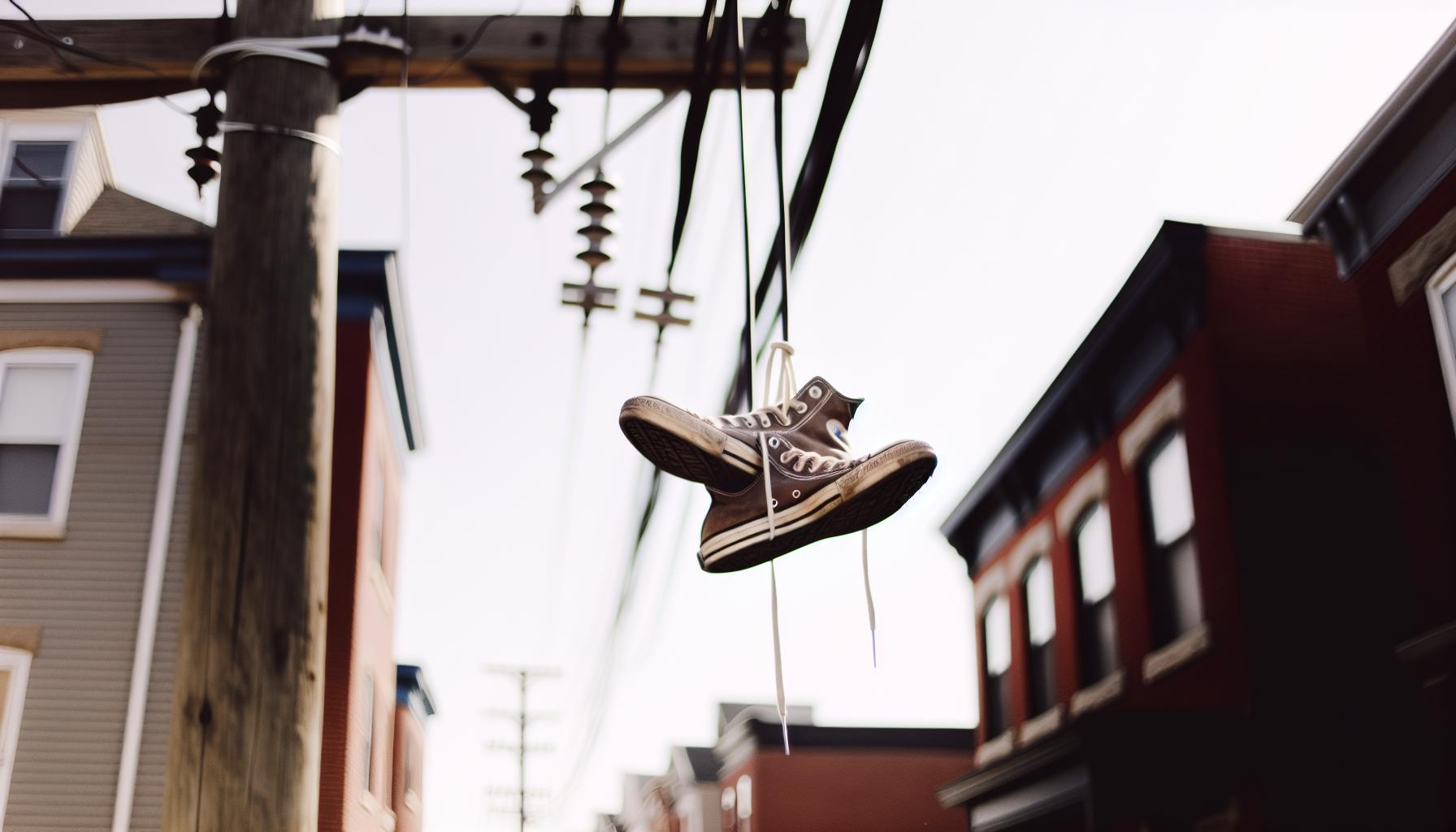
Common Interpretations of Shoes on Power Lines
Seeing a pair of shoes, especially Chuck Taylors, hanging from power lines can evoke a mix of curiosity and speculation. The interpretations of this act vary widely, informed by local culture, history, and personal experiences. While some may see it as simply playful littering, others imbue it with much deeper meaning.
One prevalent interpretation is that these shoes symbolize a rite of passage, particularly among youth. It’s not uncommon for kids in a neighborhood to toss sneakers over power lines as a playful challenge or to commemorate an achievement, like graduation. In this context, the shoes become more than mere footwear; they transform into symbols of freedom, growth, and community bonding.
Conversely, some interpretations take on a darker tone. In many areas, people believe that shoes on power lines signify the recent death, especially of young individuals. This somber meaning can lead to emotional reactions from community members, evoking a sense of loss and remembrance. It raises questions about mortality and the way we honor those who have passed.
Additionally, the shoes sometimes signify gang territories or social boundaries. Communities often create their own narratives surrounding this symbolism, with varying implications depending on the neighborhood’s history and relational dynamics. It’s essential to approach these interpretations with sensitivity, as the implications can reflect deep-seated fears and collective memories within a community.
As you ponder the significance of those hanging sneakers, consider the voices of the community. Beyond the myths, there are stories of resilience, celebration, and mourning tied into the fabric of urban life. Understanding these nuances can enrich your appreciation for what may seem like an ordinary sight but is, in reality, a complex social phenomenon.
Cultural References: Shoes and Urban Legends
Seeing a pair of Chuck Taylors dangling from a power line not only sparks curiosity, but it also serves as a portal into a realm of urban legends and cultural references that weave through our communities. These sneakers, often tied to various meanings, resonate deeply with local history and individual narratives. Whether they signify youthfulness, commemoration, or even a sense of rebellion, Chuck Taylors become vessels of storytelling and folklore, bridging the gap between the mundane and the extraordinary.
Urban legends surrounding shoes on power lines are rich and diverse. In many neighborhoods, these shoes are believed to mark territory, signaling gang presence or even community social dynamics. This theory feeds into a larger narrative of how urban spaces are perceived and navigated. Moreover, folklore often evolves; as generations pass, the meanings associated with these shoes morph. What once might have been seen as a symbol of youthful mischief can be reframed as a tribute to those lost, reflecting the community’s collective grief and memory.
Cultural references also extend into the music and arts, where songs and films sometimes invoke the image of sneakers overhead to symbolize freedom, defiance, or the passage of time. For instance, hip-hop culture frequently uses this imagery to address themes of loss and remembrance, turning an ordinary sight into a poignant statement. Artists and storytellers harness the power of this urban legend, solidifying the shoes’ role in the cultural narrative and prompting discussions around identity and belonging.
In dissecting these symbols, it’s essential to connect with community members and their experiences. Every power line speaks volumes about the lives it overlooks and the stories it harbors. Engaging in conversations about the myths and meanings can foster greater understanding and respect for the layers of history that sneakers on power lines represent. By highlighting the personal and communal significance, we recognize the profound impact of these seemingly simple objects, grounding urban legends in the hearts and minds of those who encounter them.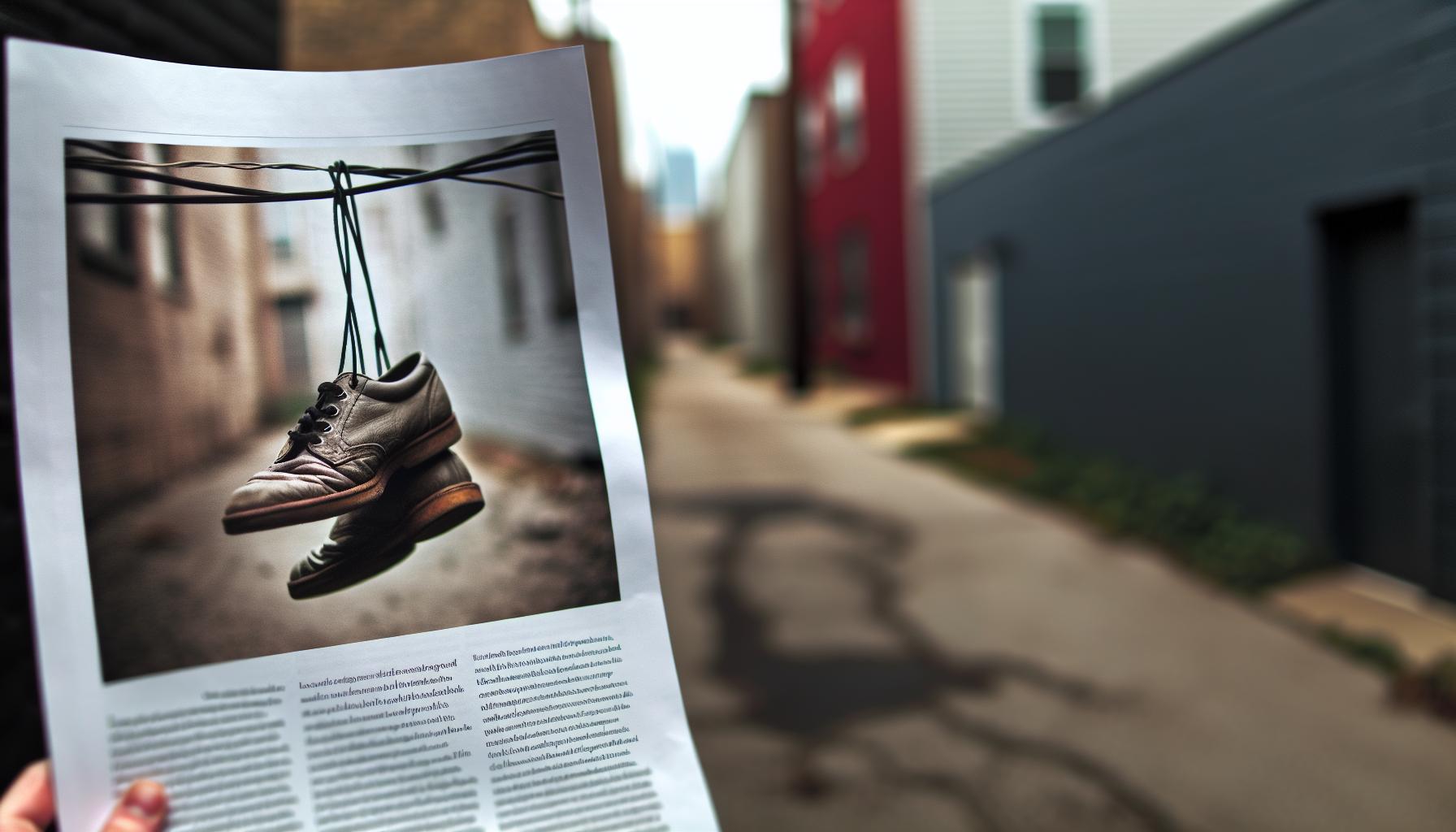
Historical Context: Shoes on Power Lines Through the Decades
The sight of sneakers swaying gently from power lines isn’t just a quirky urban phenomenon; it’s a reflection of decades of social change and cultural expression. In the 1980s and 1990s, shoes on power lines became emblematic of youth culture, particularly in urban environments. The act of tossing sneakers over power lines symbolized rebellion, marking a transition into adulthood or serving as a rite of passage for young people navigating the complexities of city life.
Over the years, the meaning of hanging shoes has evolved. Initially, it was often associated with urban legends and local myths. Many believed that if you saw a pair of shoes over a power line, it could indicate various things: a neighborhood’s gang affiliation, a memorial for someone lost, or even a mischievous prank. This symbolism varied significantly from one community to another, showcasing the rich tapestry of local culture.
As hip-hop culture gained prominence, shoes on power lines began appearing in music videos and lyrics, intertwining their meaning with themes of struggle and triumph. Artists used this imagery to narrate stories of resilience and loss, further embedding it into the societal consciousness. The iconic Chuck Taylor, particularly prevalent in these instances, became synonymous with both athleticism and artistic expression, embodying the spirit of a generation grappling with identity and aspiration.
By the early 2000s, the act of hanging shoes evolved into a form of protest or statement-making. During social movements, like those advocating for racial justice, shoes tossed over power lines served as poignant symbols of solidarity and remembrance. They became visual markers of the struggles faced by communities, bridging gaps between activism and art.
Today, while shoes on power lines continue to provoke curiosity, they also invite reflection. They remind us of the rich historical context surrounding urban spaces and the stories deeply rooted within them. Each pair of Chuck Taylors dangling above us signifies collective narratives-of loss, hope, and the audacity to dream. Engaging with these symbols allows us to appreciate the layers of meaning attached to them, deepening our understanding of the communities they represent.
Regional Beliefs and Stories Surrounding This Practice
The sight of shoes hanging from power lines evokes a myriad of interpretations, deeply influenced by regional beliefs and stories. In many neighborhoods, the act holds a specific local meaning that intertwines with cultural history and communal experiences. For instance, in certain urban areas, it’s rumored that shoes tossed over power lines symbolize gang territory or serve as markers for memorials, reflecting the lives of loved ones lost to violence. In these contexts, the shoes become a poignant tribute, their presence a reminder of the community’s struggles and losses.
In other regions, particularly in many Latino neighborhoods, the practice is often associated with coming-of-age rituals. Here, young people might throw their shoes onto power lines as a way to signify a transition into adulthood. This act conveys a sense of freedom and rebellion, serving as both a celebration of youth and a farewell to childhood. Similarly, in some coastal cities, locals have adopted this practice during festivals or as part of communal gatherings, linking it to traditions of celebration and cultural identity.
Furthermore, urban legends add a layer of intrigue to the practice. Stories circulate about what it really means to see shoes on power lines. In some areas, people believe it marks a spot where someone died, while in others, it’s thought to indicate that a neighborhood is unsafe. These myths reflect local fears and societal issues, making the act of hanging shoes a canvas for expressing both hope and caution.
Overall, each community shapes its narrative around the simple act of tossing shoes over power lines, demonstrating how a seemingly trivial action can carry profound meanings. Amidst diverse interpretations-from memorials of loss to rites of passage-the common thread is a deep connection to local identity and history. By understanding these regional beliefs, we can appreciate the layers of significance embedded within this urban phenomenon.
Psychological Impacts: Why We Believe in Urban Legends
The sight of shoes dangling from power lines often triggers curiosity and speculation. Why do we ascribe meanings to these urban symbols? Urban legends, including those surrounding Chuck Taylors on power lines, tap into our psychological need for explanation and storytelling. They serve as a collective way to make sense of our environment, imbuing everyday occurrences with deeper significance.
When we encounter shoes overhead, we’re drawn into narratives that blend fear, nostalgia, and social commentary. These legends can evoke feelings of mystery and unease, prompting us to consider what these shoes might represent-loss, rebellion, or a passage into adulthood. For many, these stories become a part of their identity. They reflect the values and fears of a community, showcasing how we share and interpret experiences.
One reason we cling to these urban legends is their ability to provide comfort amidst chaos. In communities marked by violence or uncertainty, attributing meaning to shoes on power lines can help individuals cope with loss or danger. It’s a way to engage with their environment-transforming a mundane sight into a poignant reminder of life’s complexities. Additionally, these legends often become tools for social bonding. Sharing stories around the meaning of the shoes fosters a sense of connection and belonging.
Our inclination to believe in these tales also stems from cognitive biases, such as confirmation bias, where we search for information that validates our pre-existing beliefs. When someone shares a story linking shoes on power lines to a tragic event, we may be more likely to remember similar narratives, reinforcing the legend. The circular nature of belief and story helps to solidify these urban legends within public consciousness, making them not just tales but part of the fabric of community identity.
Art and Activism: Shoes as a Symbol of Protest
Walking through urban landscapes, you might spot pairs of shoes hanging from power lines-often Chuck Taylors, recognizable by their iconic silhouette. These shoes, while seemingly discarded, can embody a powerful statement of protest and cultural expression. They’re not just remnants of urban life; they serve as a canvas for the voices of generations looking to communicate something deeper.
In many communities, shoes on power lines reflect social struggles or movements. For instance, during the Black Lives Matter protests, some hung shoes symbolically tied to the memories of victims of police violence. The act of placing footwear on power lines can evoke empathy and solidarity, acting as a visual reminder of lives lost or marginalized voices seeking recognition. It’s a way for individuals to leave their mark in public spaces, forming a collective memory that resonates within the community.
Art and activism intertwine seamlessly with these symbols. Artists have used the image of shoes on lines to challenge prevailing narratives, critique social injustices, or commemorate historical events. For example, in some neighborhoods, it’s common for shoes to signify the street culture of youth-expressing freedom, rebellion, and identity. This blending of art and community action transforms everyday objects into profound symbols that stir conversations and inspire change.
So, next time you see a pair of Chuck Taylors swaying in the breeze, consider the layers of significance they might represent. Rather than mere trash, they can be seen as memorials or calls to action, reminding us of the ongoing narratives that shape our urban experiences. Engaging with these symbols opens up dialogues about our communities, our struggles, and the history we share, inviting us all to reflect on what we stand for-and what we’ve left behind.
Practical Reasons for Shoes on Power Lines
Sometimes, those pairs of Chuck Taylors hanging from power lines serve practical purposes beyond their artistic or symbolic significance. Here’s a few reasons why you might find shoes up there, especially in urban environments.
First off, it’s a form of urban signaling. People often use shoes on power lines to mark a specific area-whether it’s a neighborhood, a particular street corner, or even a tribute to someone. For instance, in many cities, shoes can indicate a place where a community member was lost, memorializing their life and giving locals a point of reflection. In this way, shoes become memorial markers that help foster community memory.
Also, there are practical origins tied to their placement. Some believe that tossing shoes over power lines can signify the end of a phase in someone’s life-like graduating from school or moving on from a neighborhood. It’s a way of leaving something behind while simultaneously embracing change. In this sense, it’s not just about what’s discarded; it’s about celebrating transitions.
Finally, there’s a playful element. Kids and teens often throw shoes onto power lines for fun, turning the act into a lighthearted challenge or rite of passage. This spontaneous action adds a layer of enjoyment to the practice, showcasing a youthful disregard for norms and an embrace of creativity in public spaces.
Understanding these practical reasons enhances appreciation for what Chuck Taylors and other shoes on power lines represent. They’re not merely trash; they’re woven into the fabric of urban life, carrying stories, memories, and a spirit of playfulness in communities everywhere.
How to Address the Urban Legend in Local Communities
When it comes to the urban legend surrounding shoes on power lines, communication is key. Many people view these hanging shoes as litter or a sign of trouble, but there’s a deeper story to tell. To address the misconceptions and foster a better understanding in local communities, start by actively engaging residents in conversation. Host community meetings or informal gatherings where you can discuss the varied meanings behind this phenomenon. Sharing personal anecdotes about why shoes might be tossed on power lines can help break down barriers and spark genuine interest.
Educating the community is just as important. Create informative flyers or social media posts that explain the cultural significance of shoes on power lines. Highlight how they can signify transitions, memorials, or even playful acts among youth. Use simple, relatable language and compelling visuals to make the information accessible to everyone. Incorporate local legends or historical contexts that resonate with your community’s unique experience. This not only validates residents’ concerns but also frames the shoes as part of the local narrative.
Involve local artists or schools in an artistic interpretation of this legend. Consider ways to creatively and respectfully integrate shoes into community art projects. Perhaps create a mural or an exhibit that highlights the deeper meanings of these urban signals, turning what might be dismissed as trash into a symbol of community resilience and expression.
Finally, encourage community members to contribute their own stories and interpretations. A social media hashtag could invite locals to share their thoughts and experiences related to shoes on power lines, fostering a sense of connection and understanding. By making this a community-wide effort, you transform the narrative from one of fear and misunderstanding into a celebration of local culture and shared experiences. Engaging in open dialogue, educating residents, fostering artistic expression, and sharing personal narratives can significantly shift how the community perceives this urban legend.
Media Influence: TV, Films, and Social Commentary
When you see a pair of Chuck Taylors hanging from a power line, it’s not just a quirky urban sight; it’s a cultural symbol steeped in various interpretations that have evolved over time. Films, TV shows, and even music have tapped into this imagery, using it as a backdrop to convey deeper messages about life, loss, and rebellion. These shoes on power lines have transcended mere footwear; they’ve become a canvas for societal commentary.
For instance, in movies and television, the sight of shoes dangling from lines is often a visual shorthand for themes such as youth culture, social struggles, and the fleeting nature of life. Think of scenes where characters encounter these shoes as markers of change or loss-they often shape pivotal moments in the narrative, urging viewers to reflect on the stories behind them. This symbolic weight invites audiences to question what these shoes signify in their own environments. Whether referenced in coming-of-age films or gritty dramas, the presence of Chuck Taylors on power lines frequently acts as a bridge between the personal and the communal, echoing sentiments of nostalgia, rebellion, and memory.
In popular music, you’ll find artists referencing these shoes as a metaphor for rebellion or life’s transitory phases. The act of throwing shoes onto power lines can encapsulate the idea of letting go, a rite of passage, or a tribute to someone lost. Lyrics and album art often employ these visuals to provoke thought and resonate with listeners who identify with the unique thrills and tribulations of city life.
The influence of media on urban legends like the Chuck Taylors on power lines is profound. Social commentary frequently arises in discussions about these symbols, reinforcing their significance within contemporary culture. Engaging with these media representations allows individuals to reclaim the narrative around seemingly innocuous symbols, transforming them from mere litter into meaningful icons reflecting broader societal issues and personal journeys. By understanding the role of Chuck Taylors in various media, we can appreciate the layers of meaning they hold in urban contexts.
FAQ
Q: Why do people throw Chuck Taylors on power lines?
A: People throw Chuck Taylors on power lines as a form of urban expression or to mark a location. It can symbolize a rite of passage, honor a friend, or even serve as art. The act reflects cultural narratives and personal stories layered within urban environments.
Q: What cultural meanings are attributed to shoes on power lines?
A: Shoes on power lines can represent various cultural meanings such as memorials for lost friends, marks of gang territories, or simply playful expressions. Different communities may have unique interpretations tied to their local histories and cultural practices, demonstrating the rich tapestry of urban legends.
Q: Are there any dangers associated with shoes on power lines?
A: Yes, throwing shoes on power lines can pose dangers. The act can lead to power outages if they disturb electrical lines or create risks for individuals trying to retrieve them. It’s essential to consider safety and community impacts when engaging in such activities.
Q: What do shoes on power lines symbolize in protests?
A: In protests, shoes on power lines can symbolize resistance, loss, or solidarity within social movements. They serve as visual reminders of those affected by systemic issues, bridging personal stories with broader societal contexts, often sparking conversations around injustice.
Q: How have urban legends about shoes evolved over time?
A: Urban legends about shoes on power lines have evolved through storytelling and media influence. Initially thought to denote gang activity or mourning, they now encompass various narratives, including art and activism, with interpretations increasingly shaped by social discourse and local culture.
Q: Why do some believe shoes on power lines bring bad luck?
A: Some believe shoes on power lines bring bad luck due to superstitions associated with abandonment and loss. This notion ties into broader folklore themes where discarded items symbolize negative energies or misfortune, reflecting communal fears and cultural beliefs.
Q: How can communities address the urban legend surrounding shoes on power lines?
A: Communities can address the urban legend by fostering open dialogues about its meanings and implications. Hosting discussions and community art projects can demystify the symbols’ significance and encourage positive interpretations, promoting unity and understanding.
Q: Where can I find more information about urban legends like shoes on power lines?
A: For more information on urban legends and their significance, you can explore sections in our article such as “Cultural References: Shoes and Urban Legends” or “Psychological Impacts: Why We Believe in Urban Legends.” Engaging with local historians or cultural groups can also provide deeper insights.
In Conclusion
So, what do Chuck Taylors on a power line really signify? While the urban legend is fascinating, it’s also a reminder of cultural nuances and local street stories. If you’re intrigued by urban legends like this, dive deeper into our posts on urban myths and symbolism in everyday life. Want to keep exploring? Subscribe to our newsletter for the latest insights and stories that keep you in the loop!
Don’t just stand there-take action! Share your thoughts in the comments below: what urban legends have you encountered? Let’s keep this conversation going! And remember, whether you’re curious about urban folklore or local culture, we’ve got plenty of resources waiting for you. Explore, engage, and discover more-your next adventure in learning is just a click away!
Get our latest guides, news, and insights highlighted in your Google Search & AI Overviews.