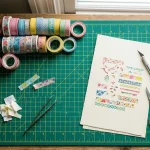

Have you ever wondered why washi tape is called “washi” tape? At first glance, it seems like just another decorative item, but its origins are deeply rooted in traditional Japanese craftsmanship. Washi, meaning “Japanese paper,” reflects a rich history that dates back over a millennium. This unique tape isn’t just aesthetically pleasing; it’s also a versatile tool for artists, crafters, and DIY enthusiasts, often used to enhance creativity in everyday projects.
By uncovering the origins of washi tape, you’ll discover not just a product, but a legacy that represents artistry and cultural significance. As we delve into its fascinating history, you’ll see how understanding its roots can elevate your appreciation for this beloved material. Stick with us as we unpack the story behind washi tape and explore why it’s much more than just a pretty roll of tape!
The Fascinating History of Washi Tape
Washi tape, often recognized for its vibrant colors and intricate designs, has a rich history rooted in Japan’s longstanding papermaking tradition. Originating from “washi,” the Japanese term for traditional handcrafted paper, the creation of washi tape is a modern evolution of this ancient craft. While washi paper itself dates back over a thousand years, washi tape emerged more recently, adapting this time-honored material for contemporary use. The first washi tape was introduced in the 1980s by a Japanese masking tape manufacturer, who aimed to create a decorative yet functional tape that would appeal to crafters and artists.
The journey of washi tape from traditional paper to craft essential highlights its adaptiveness. Originally used for practical purposes in various Japanese arts, such as calligraphy and origami, washi paper’s unique qualities – its strength, flexibility, and ability to take on various dyes – paved the way for the production of washi tape. This new format allowed artists to utilize the beautiful patterns and textures of washi paper in a convenient adhesive form, transforming everyday items into works of art.
In Japan, this merging of functionality and aesthetics speaks to a broader cultural appreciation for craftsmanship. Washi tape quickly found its way into scrapbooking, gift wrapping, and even home decor, making it a staple item for both professional crafters and casual DIY enthusiasts alike. Today, washi tape represents not just a practical item, but a form of self-expression, allowing users to personalize their projects with a touch of Japanese artistry.
Ultimately, wash tape’s origins intertwine with Japan’s cultural fabric, reflecting a blend of traditional techniques and modern creativity. Its evolution signifies more than just a product; it embodies a celebration of craftsmanship and the ongoing relevance of traditional art forms in today’s world.
The Meaning Behind the Name “Washi
The term “washi” is a blend of two Japanese characters: “wa,” which means Japanese, and “shi,” meaning paper. This gives us a direct insight into the essence of washi tape-it’s fundamentally made from traditional Japanese paper. But what makes washi distinct? Unlike ordinary paper, washi is crafted using special techniques that involve natural fibers from plants like mulberry, bamboo, and rice. This uniqueness not only influences the texture and durability of the paper but also contributes to its aesthetic appeal, which is evident in the vibrant designs of washi tape.
Crafted meticulously by hand through processes that have been passed down for generations, washi carries deep cultural significance. The methods used in making washi were originally developed over a thousand years ago, emphasizing craftsmanship and attention to detail. Each roll of washi tape is a testament to this rich tradition, allowing crafters to connect with a timeless art form while using a modern tool. This connection between the name and the product highlights why washi tape is more than just a decorative item; it embodies a piece of Japanese heritage.
As you explore the world of washi tape, understanding the meaning behind its name can enhance your appreciation for it. This knowledge transforms each project, as you infuse traditional artistry into your creations, whether it’s on journals, scrapbooks, or home decor. The name “washi” isn’t just a label; it’s an invitation to engage with a cultural legacy that celebrates beauty in simplicity and functionality.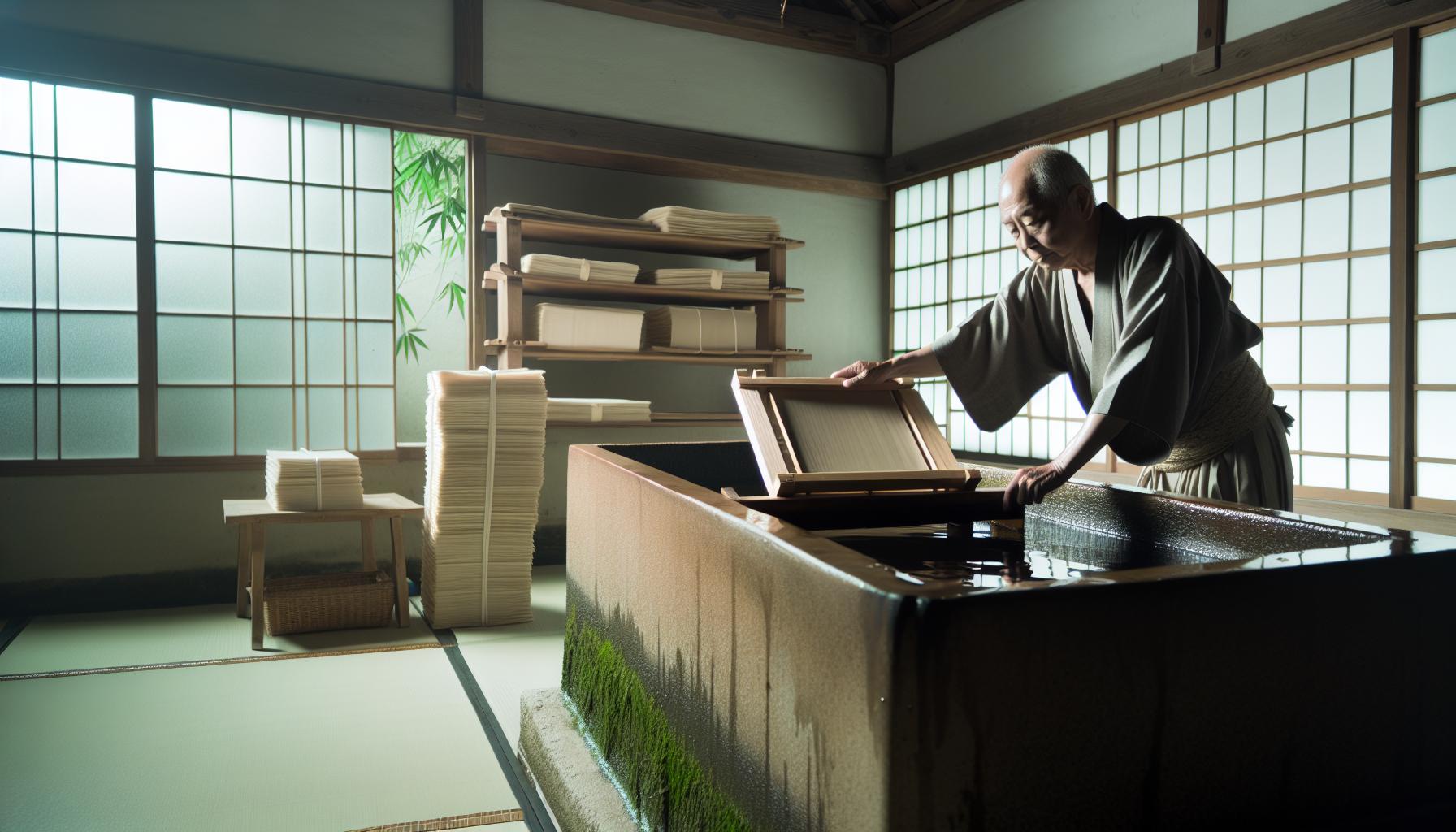
Traditional Japanese Papermaking Techniques
Washi paper is not just any paper; it embodies centuries of Japanese tradition and meticulous craftsmanship. The process of making washi involves a series of intricate steps that transform natural fibers into this extraordinary product. Unlike conventional paper made from wood pulp, washi typically derives from three main plants: the kozo (paper mulberry), mitsumata, and gampi. Each of these materials contributes unique qualities, from strength to texture, giving rise to a variety of washi types suited for different uses.
At the heart of washi making is a method called “nagashi-zuki,” which translates to “flowing paper.” This traditional technique requires skillful handcrafting, where pulped fibers are suspended in water. Craftsmen use a bamboo frame (called a “su”), dipping it into the fibrous slurry. The goal is to create a thin, even layer of fibers that adheres together as it dries. This process not only enhances the paper’s strength but also allows for beautiful textures and patterns to emerge naturally.
Once the sheets are formed, they are carefully dried, often on wooden boards or bamboo mats, to maintain their integrity and flexibility. The drying phase is crucial; depending on the humidity and environment, it can produce different outcomes, resulting in various textures and thicknesses. Some masters also finish their washis with unique treatments, adding subtle colors or patterns, further enriching their visual appeal.
Why This Matters
Understanding these traditional techniques not only deepens your appreciation for washi but also informs how washi tape is made. When you peel off a strip of vibrant washi tape, remember that you’re interacting with a product steeped in history. Its handcrafted origins give it a tactile and visual uniqueness that mass-produced tapes simply cannot replicate. Embracing washi’s heritage will inspire you to use it in creative ways, turning your projects into narratives that honor its rich legacy.
How Washi Tape Became a Craft Staple
Once considered an artisanal oddity, washi tape has blossomed into a beloved craft staple, transcending cultural boundaries to capture the imaginations of creative enthusiasts worldwide. This evolution began in Japan, where traditional washi paper, crafted with care from natural fibers, provided the foundation for what we now recognize as washi tape. As crafters sought more versatile materials, the shift from rigid sheets to flexible, adhesive-backed tape was a game changer, allowing artists, scrapbookers, and DIY enthusiasts to incorporate vibrant patterns and textures into their projects effortlessly.
What fueled this transformation? The key was accessibility. With advancements in technology, production methods improved, making washi tape more affordable and widely available. Brands began to embrace the aesthetics of washi, producing an array of colors and designs that appealed to both novice crafters and seasoned artists. The combination of its ease of use, removable nature, and stunning visual appeal helped it permeate stationery, home decor, and even fashion. Just a few dabs of washi tape can turn a mundane notebook into a personalized masterpiece or add a splash of creativity to gift-wrapping.
Over the years, social media platforms played a significant role in washi tape’s rise to fame. As crafters shared their innovative uses and eye-catching projects online, washi tape became a symbol of creativity and individuality. DIY tutorials showcasing its versatility encouraged people to experiment, sparking a community that thrives on sharing tips and ideas. This organic exchange of inspiration laid the groundwork for washi tape not just to be a tool, but a cultural phenomenon that readily blends artistry with everyday life.
The impact of washi tape on craft culture cannot be overstated. It’s more than just a decorative adhesive; it represents a movement toward embracing creativity in everyday tasks. By demystifying the process of decorating, washi tape empowers everyone to add their personal touch to the world around them, making it a true craft staple in countless households. So, the next time you reach for a roll, remember you’re not just using a tape-you’re connecting to a vibrant community and tradition that champions creativity and expression.
The Cultural Significance of Washi Tape in Japan
Washi tape is more than just a pretty craft supply; it embodies a deep-rooted aspect of Japanese culture and artistry. Originating from the traditional washi paper, which has been crafted in Japan for over a millennium, the significance of washi tape is intertwined with Japan’s rich history of papermaking. While washi paper was historically used for calligraphy, packaging, and art, the transformation into washi tape allowed this time-honored craft to take on a new life in creative spaces today.
The meticulous process of creating washi paper is what gives washi tape its unique flair. Artisans use natural fibers from plants such as kozo, mitsumata, and ganpi, infusing their creations with a tactile quality that mass-produced tapes simply cannot replicate. This deep respect for nature and craftsmanship is evident in the final product, which is not only beautiful but also functional. This cultural significance is further emphasized by the fact that washi, both in its paper and tape forms, is often associated with important life events in Japan, such as celebrations, rituals, and even funerals, showcasing its versatility and importance in various contexts.
Moreover, washi tape reflects the modern Japanese aesthetic-minimalist yet colorful, innovative yet grounded in tradition. It’s widely used in various aspects of daily life, from embellishing home decor to creating vibrant and personalized stationery. Culturally, it serves as a bridge between tradition and contemporary creativity, allowing people to express their individuality while honoring their heritage.
In contemporary Japan, washi tape has evolved into a tool for creativity and self-expression. It’s common to see adorable designs inspired by seasonal changes, folklore, and pop culture. The community around washi tape is vibrant, often sharing crafts and DIY ideas that celebrate both traditional and modern sensibilities. In this way, washi tape isn’t just an item; it’s a testament to Japanese culture and an everyday reminder of the beauty found in craftsmanship and creativity.
Creative Uses for Washi Tape You Need to Try
Washi tape is not just a tool; it’s an invitation to unleash your creativity in any project. If you’ve ever admired those perfectly wrapped gifts or stunningly decorated planners on social media, you know that washi tape can take something ordinary and make it stand out beautifully. Here are some inspired ways to use washi tape that will not only elevate your crafts but also make your day-to-day life a little brighter.
For starters, consider using washi tape to personalize your belongings. From notebooks to phone cases, a few strips of washi tape can transform plain items into unique expressions of your personality. You can create patterns, borders, or even entire scenes that reflect your interests or moods. It’s an easy way to add flair without needing artistic skills. Plus, if you ever tire of the design, washi tape is removable, allowing for effortless change.
Home Decor
Washi tape can also play a significant role in home decor. Try using it to create a temporary accent wall by arranging different colors and patterns in a geometric design. You can also frame art prints, mirrors, or even photos in washi tape. This not only adds character to your space but is also a cost-effective way to refresh your decor.
Gift Wrapping
When it comes to wrapping gifts, don’t underestimate the power of washi tape. Use it to seal the edges of wrapping paper or as an embellishment to tie a bouquet of dried flowers. The variety of designs available means you can match it perfectly to any occasion, creating a cohesive look that your recipients are sure to appreciate.
Organizing Made Fun
Organizing can feel daunting, but incorporating washi tape makes it enjoyable. Use it to label bins, mark calendars, or highlight important deadlines in your planner. You could even create color-coded systems that not only clarify tasks but also add a splash of color to your organizational tools.
Incorporating washi tape into your life is about more than just crafting; it’s a chance to experience the joy of creation, personalization, and organization. Whether you’re making art, wrapping gifts, or sprucing up your home, washi tape offers endless possibilities. So, grab a roll or two, and let your imagination run wild!
Washi Tape vs. Other Craft Tapes: What’s the Difference?
Washi tape stands out in the world of craft supplies for its unique properties and versatility. Unlike regular adhesive tapes, which can be bulky or overly sticky, washi tape is lightweight and easy to manipulate. Its low tack ensures you can easily reposition it without leaving a sticky residue behind, a quality that makes it ideal for crafting, scrapbooking, or even home decor. The gentle adhesion allows for creative layering, layering, and the ability to peel it off cleanly when you want a change, which is crucial for any project that requires a bit of finesse.
When comparing washi tape to other craft tapes-like painter’s tape or duct tape-it’s clear that each type serves a different purpose. Standard masking tape, for instance, might hold firmly to surfaces but can often tear or leave sticky traces when removed. Washi tape, on the other hand, offers the right balance of adhesion and elegance, making it perfect for decorative applications. Plus, washi tape comes in an endless variety of patterns and colors, allowing crafters to express their creativity in ways that plain tapes cannot match.
Here’s a quick look at the differences:
| Feature | Washi Tape | Other Craft Tapes |
|---|---|---|
| Adhesive Strength | Low-tack, repositionable | Varies; often more aggressive |
| Material | Paper-based, often decorative | Plastic or paper; typically utilitarian |
| Design Variety | Extensive; artistic and patterned | Limited; more functional |
| Usage | Decorative, arts and crafts | Generally functional, repair tasks |
Ultimately, the charm of washi tape lies in its ability to blend practicality with aesthetically pleasing designs. Whether you’re looking to add a pop of color to your planner or create a beautiful gift wrap, washi tape gives you the freedom to explore countless creative avenues. So next time you’re diving into a project, consider reaching for washi tape-its delightful versatility may just transform your crafting experience!
Eco-Friendly Aspects of Washi Tape You Didn’t Know About
Washi tape is more than just a pretty accessory for your crafting projects; it’s also a nod to eco-conscious values that resonate in today’s marketplace. Made traditionally from natural fibers like bamboo or rice, washi tape is not only biodegradable but also sustainable when sourced responsibly. When you choose washi tape, you’re not just bringing color to your crafts-you’re often supporting practices that emphasize environmental stewardship.
One key aspect that few people realize is the versatility and reusability of washi tape. Unlike many adhesives that rely on harsh chemicals and can leave behind sticky residues, washi tape’s low-tack adhesive allows you to reposition it without damage. This feature not only enhances its longevity but also reduces waste, as you can easily remove and reuse it for multiple projects. When the tape does eventually reach the end of its life, you can confidently compost it, knowing it won’t contribute to landfill waste like plastic tapes.
In addition to these personal benefits, many producers of washi tape are committed to sustainable practices. They often source their materials from well-managed forests or use recycled paper, catering to a growing demand for eco-friendly products. Purchasing washi tape from brands that promote such practices not only helps you create beautiful projects but also supports a more sustainable future.
As you embrace the creative possibilities of washi tape, consider looking for brands that carry recognized sustainability certifications. Not only will you enjoy a beautiful crafting experience, but you’ll also contribute to a movement that values our planet. So the next time you reach for that stylish roll of washi tape, remember: it’s not just a ribbon of color, but also a step towards eco-friendly crafting.
Where to Buy Authentic Washi Tape Online
You won’t find a more delightful explosion of creativity than in a roll of authentic washi tape. With its rich history and connection to traditional Japanese paper-making, it’s important to shop wisely to ensure you’re getting genuine quality. Luckily, there are several excellent online sources where you can find true washi tape that not only adhere to quality but honor the cultural heritage behind this charming craft material.
Firstly, check out specialized craft stores that focus exclusively on washi tape, like Serenity Washi. They pride themselves on a diverse range of unique designs that are perfect for scrapbooking and journaling. With a blend of aesthetics and authenticity, you’re more likely to find rolls that reflect the artistry and traditional methods inherent in authentic washi tape. You can explore their inventory [here](https://sfwashi.com/) [1].
Another fantastic option is Staples, which offers a vibrant selection of washi tape that’s perfect for various crafting projects. They provide convenience and cater to a wider audience, allowing you to choose from an array of styles while maintaining quality. You can shop their collection [here](https://www.staples.com/buy/washi-tape-rolls-0aez00a) [2].
For those who appreciate the vast options of online marketplaces, Amazon also offers a great selection of washi tape from multiple sellers. Just make sure to check the product descriptions and customer reviews to ensure you’re selecting options that are marked as genuine washi tape. You can browse their offerings [here](https://www.amazon.com/washi-tape/s?k=washi+tape) [3].
No matter where you decide to shop, look for brands that are transparent about their sourcing methods and adhere to eco-friendly practices. With these tips, you’ll be well on your way to finding authentic washi tape that not only enhances your projects but also respects its deep-rooted cultural significance. Happy crafting!
Expert Tips for Using Washi Tape Effectively
Using washi tape effectively can truly elevate your crafting game. This versatile material isn’t just pretty; it’s practical too. Here are some expert tips to make the most out of your washi tape.
First off, think beyond basic applications. Sure, washi tape is excellent for decorating planners and scrapbooks, but its uses extend far beyond that. Try using it to label your storage boxes, create custom bookmarks, or even make unique wall art. The ease of repositioning the tape means you can try out different designs without damaging the surface underneath.
Another great tip is to mix and match. With so many colors and patterns available, layering different washi tapes can create stunning visual effects. For instance, use a bold stripe underneath a delicate floral pattern – the contrast can bring depth and interest to your projects. Just remember to choose complementary colors to ensure harmony in your designs.
Storage and organization are also key to making your washi tape experience enjoyable. Keep your rolls visible and accessible – consider using a tiered shelf or a clear container. This way, you’ll always be inspired by what you have and ready to reach for the perfect tape when creativity strikes.
Lastly, don’t shy away from experimenting. Washi tape is known for its forgiving nature, so if something doesn’t work out as planned, you can easily peel it off and try again. This playful approach can spark new ideas and shape your projects into something unique that truly reflects your style. Embrace the journey, and have fun crafting!
Trendy Washi Tape Designs and Patterns to Explore
Washi tape isn’t just functional; it’s a vibrant expression of creativity, and the designs available today reflect that spirit. You might be surprised to learn how quickly washi tape has evolved in terms of styles and patterns, grabbing the attention of artists and crafters around the world. From traditional motifs inspired by Japan’s rich cultural heritage to modern, minimalist designs, the variety available can truly elevate your projects.
One trend that’s taken off recently is nature-inspired designs. Think florals, leaves, and landscapes that can bring a touch of the outdoors into your scrapbooking or journaling. These tapes often feature soft colors and intricate details, perfect for adding an organic feel to your crafting. Another popular category is geometric patterns, which offer a sleek and contemporary look. These designs tend to be bold and eye-catching, making them an excellent choice for modern decor or stylish planners.
Seasonal themes are also a big hit. Craft enthusiasts love to stock up on washi tape that reflects the spirit of each season-spring florals, summer beach vibes, autumn leaves, and winter snowflakes. Using these can not only set the mood for your crafting but also make your gifts feel more personalized and thoughtful.
Lastly, don’t overlook the power of custom designs. Many crafters are turning to makers who offer personalized tape with names, quotes, or unique illustrations. Not only does this allow for more tailored projects, but it also adds a unique touch that can turn a simple craft into a cherished keepsake. Explore various trends, mix and match your favorite tapes, and let your creativity flow as you discover all the possibilities washi tape has to offer!
Future Trends: What’s Next for Washi Tape?
As we look to the future of washi tape, one undeniable trend is the fusion of technology and traditional crafting. Artists and crafters are increasingly utilizing digital design software to create unique, personalized washi tapes that can be printed on-demand. This means you could design your own tape featuring your favorite quotes, photos, or even complex patterns, giving a personal touch to your projects. The accessibility of printing technology may make custom designs more affordable, opening the door for DIY lovers to express their creativity like never before.
Another exciting development is the growing movement towards sustainability. As awareness of eco-friendly practices increases, manufacturers are likely to focus on producing washi tape with even more sustainable materials. Expect to see options made not just from traditional mulberry paper but also from recycled materials or alternative plant fibers. This shift not only appeals to environmentally conscious consumers but also reinforces the timeless appeal of washi-a material that is both functional and materially respectful of nature.
Innovative Crafting Techniques
In tandem with these trends, crafting techniques are evolving. The incorporation of washi tape into mixed media art is blossoming, with artists blending it seamlessly into paintings, collages, and even sculptures. You might find it being used to create intricate designs on canvases or to decorate three-dimensional art pieces. This shift could lead to washi tape being seen as not just a decorative element for paper crafts but a versatile component in various artistic expressions.
Community and Education
Finally, community engagement is set to grow alongside these advancements. Workshops and online courses centered on washi tape crafts are becoming more common, allowing enthusiasts to connect and share their skills. This community aspect will foster innovation as crafters exchange ideas, pushing the boundaries of what washi tape can accomplish. With platforms like social media connecting makers around the globe, the future of washi tape is not just about the tape itself, but about the vibrant, creative community that surrounds it.
In summary, the future for washi tape is brimming with potential-from personal designs and sustainable production methods to innovative applications in art and crafting communities. Whether you’re a seasoned artist or just starting out, there’s never been a better time to explore the limitless possibilities that washi tape has to offer.
Frequently asked questions
Q: What does the term “washi” mean in washi tape?
A: The term *”washi”* translates to “Japanese paper” and signifies paper made using traditional Japanese techniques. This name reflects the natural materials and artisanal methods employed in creating both washi paper and washitape, emphasizing their connection to Japanese culture and craftsmanship.
Q: How is washi tape made?
A: Washi tape is crafted from natural fibers, including *kozo*, *mitsu-mata*, and *ganpi*. These fibers are processed into paper using traditional methods that involve hand-making, resulting in a unique texture and strength that distinguishes it from other adhesive tapes.
Q: Why is washi tape considered eco-friendly?
A: Washi tape is often deemed *eco-friendly* because it’s made from natural, renewable materials. Its production techniques are less harmful to the environment compared to synthetic tapes, promoting sustainability and reducing waste in crafts and decor.
Q: What makes washi tape different from masking tape?
A: Unlike masking tape, which is typically dull and made from synthetic materials, washi tape features vibrant colors and patterns made from natural fibers. This gives it a more aesthetic appeal and versatility in craft projects, making it a favorite among artists and DIY enthusiasts.
Q: Can you use washi tape for permanent applications?
A: While washi tape is primarily designed for temporary applications, it can be used in more permanent projects when applied correctly. For durability, consider sealing it with a decoupage medium or clear sealant to enhance its longevity and adhesion.
Q: Where did washi tape originate?
A: Washi tape originated in Japan, rooted in the long tradition of washi paper-making that dates back over a thousand years. Initially, this type of tape was created for art and traditional crafts, evolving into the decorative tape we know today.
Q: What are some common uses for washi tape in crafts?
A: Washi tape is incredibly versatile, perfect for scrapbooking, decorating planners, gift wrapping, and creating wall art. Its adhesive properties allow for easy removal and repositioning, making it ideal for experimental creative projects.
Q: How can I tell if I have authentic washi tape?
A: Authentic washi tape typically displays a high level of craftsmanship, featuring vibrant colors and unique designs. Look for products that highlight *Japanese manufacturing* or that come from reputable sources specializing in traditional craft materials for assurance of authenticity.
In Retrospect
Now that you’ve uncovered the rich origins of washi tape, you can see why it’s more than just a pretty adhesive-it’s a piece of cultural artistry. If you’re eager to dive deeper, check out our articles on the fascinating history of washi paper and tips for creative uses of washi tape. Don’t miss out-explore these resources and unleash your creativity today!
Have questions or want to share your own washi tape projects? We’d love to hear from you in the comments below! Also, consider signing up for our newsletter for exclusive tips and insights. Discover how washi tape can elevate your projects today, and keep your passion for crafting alive! Remember, every roll tells a story; let washi tape be a part of yours.
Get our latest guides, news, and insights highlighted in your Google Search & AI Overviews.