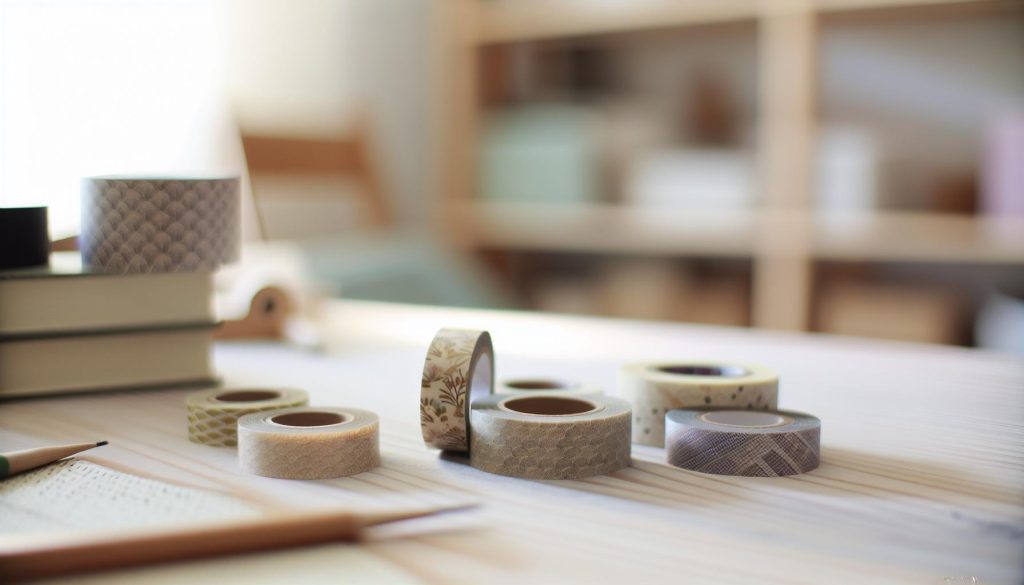
Washi masking tape, known for its vibrant colors and delicate patterns, is more than just a craft supply; it’s a versatile tool for self-expression and creativity. Originating from Japan, this unique paper tape is beloved by artists, decorators, and planners alike for its easy repositionability and low-tack adhesive. If you’ve ever struggled with messy papers or boring decorations, washi tape could be your new best friend.
Imagine sprucing up your notebooks, gifts, or home décor without the hassle of glue. With a variety of designs available, washi tape inspires creativity and adds a personal touch to any project. Whether you’re a seasoned crafter or a DIY novice, understanding how to use washi tape can elevate your creations and bring joy to your everyday life. Ready to explore the world of washi masking tape? Let’s dive into what makes this Japanese paper tape so special and how it can transform your creative endeavors!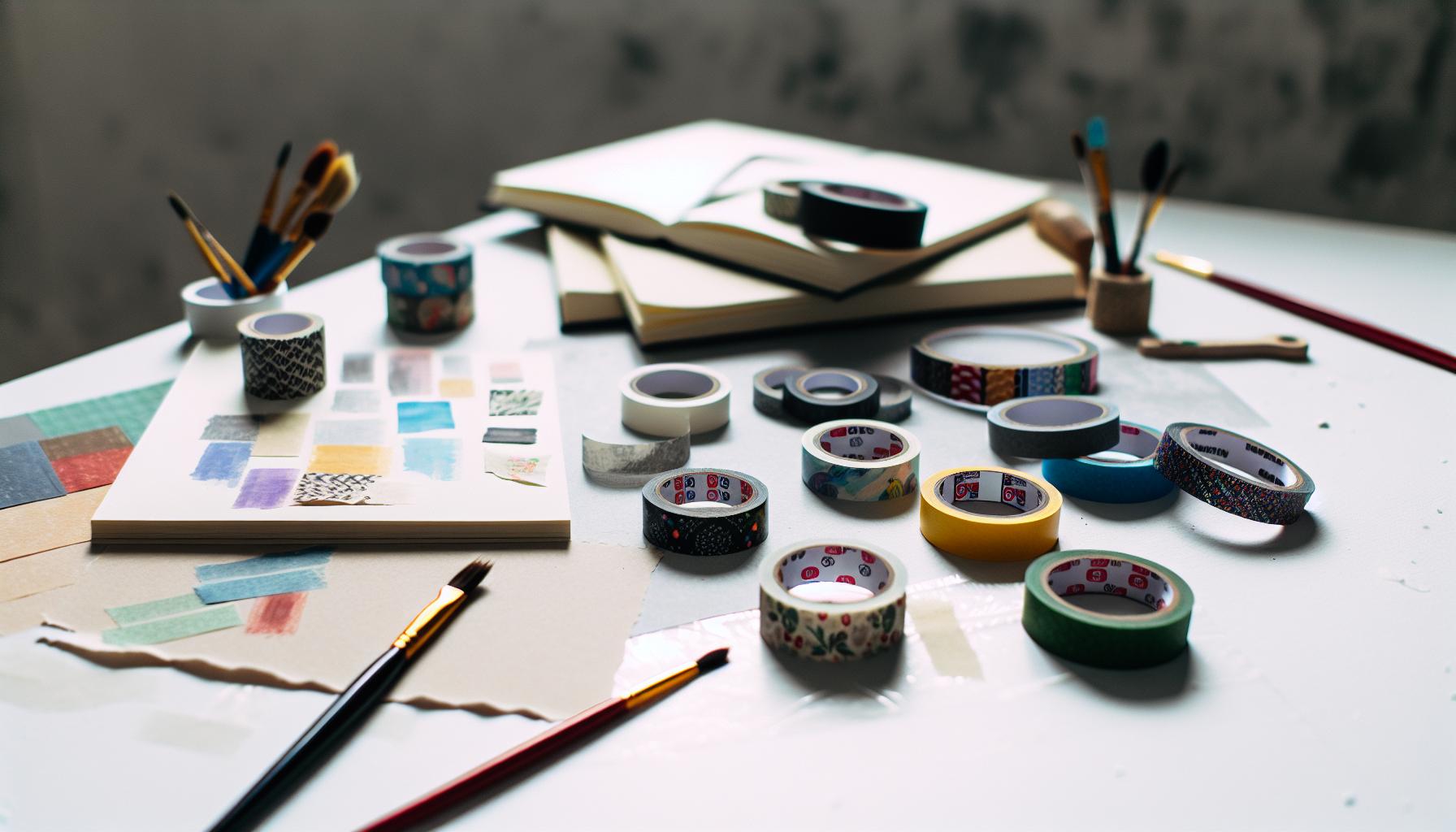
What Makes Washi Masking Tape Unique?
Washi masking tape stands out in the world of adhesives for its remarkable qualities and versatility. Unlike traditional masking tape, which can often be rigid and limited in aesthetic appeal, washi tape is prized for its vibrant colors and intricate patterns, making it a favorite among crafters and decorators alike. This decorative tape isn’t just about looks; it’s crafted from natural fibers like kozo and hemp, lending it a unique texture that feels both luxurious and easy to handle. The lightweight nature of washi tape allows for effortless application and removal without leaving behind sticky residue, setting it apart as a user-friendly option for a range of projects.
Its sheer range of designs is both enchanting and functional. From floral motifs to abstract patterns, washi tape can complement any artistic endeavor, whether you’re embellishing a scrapbook, labeling jars, or creating customized gift wrap. The semi-transparency of washi tape means you can layer it over other materials for added depth and creativity. Plus, its biodegradable properties make it an eco-conscious choice, aligning with today’s sustainable practices. Many users appreciate that they can feel good about their creative choices while using washi tape.
Another unique aspect is the adaptability of washi tape in various crafting scenarios. Whether you’re looking to add a pop of color to your planner or creating art directly on the walls, washi tape can be easily repositioned and reused, catering to evolving ideas and projects. This flexibility is further enhanced by its compatibility with a variety of surfaces, including paper, wood, and even fabric, making it a go-to material for DIY enthusiasts and professional crafters.
In summary, the distinctive features of washi masking tape-its aesthetic appeal, easy application, eco-friendly attributes, and versatility-transform it from a simple adhesive to a staple in creative projects. So, next time you’re looking to elevate your craft, consider how this unique tape can add both beauty and functionality to your designs.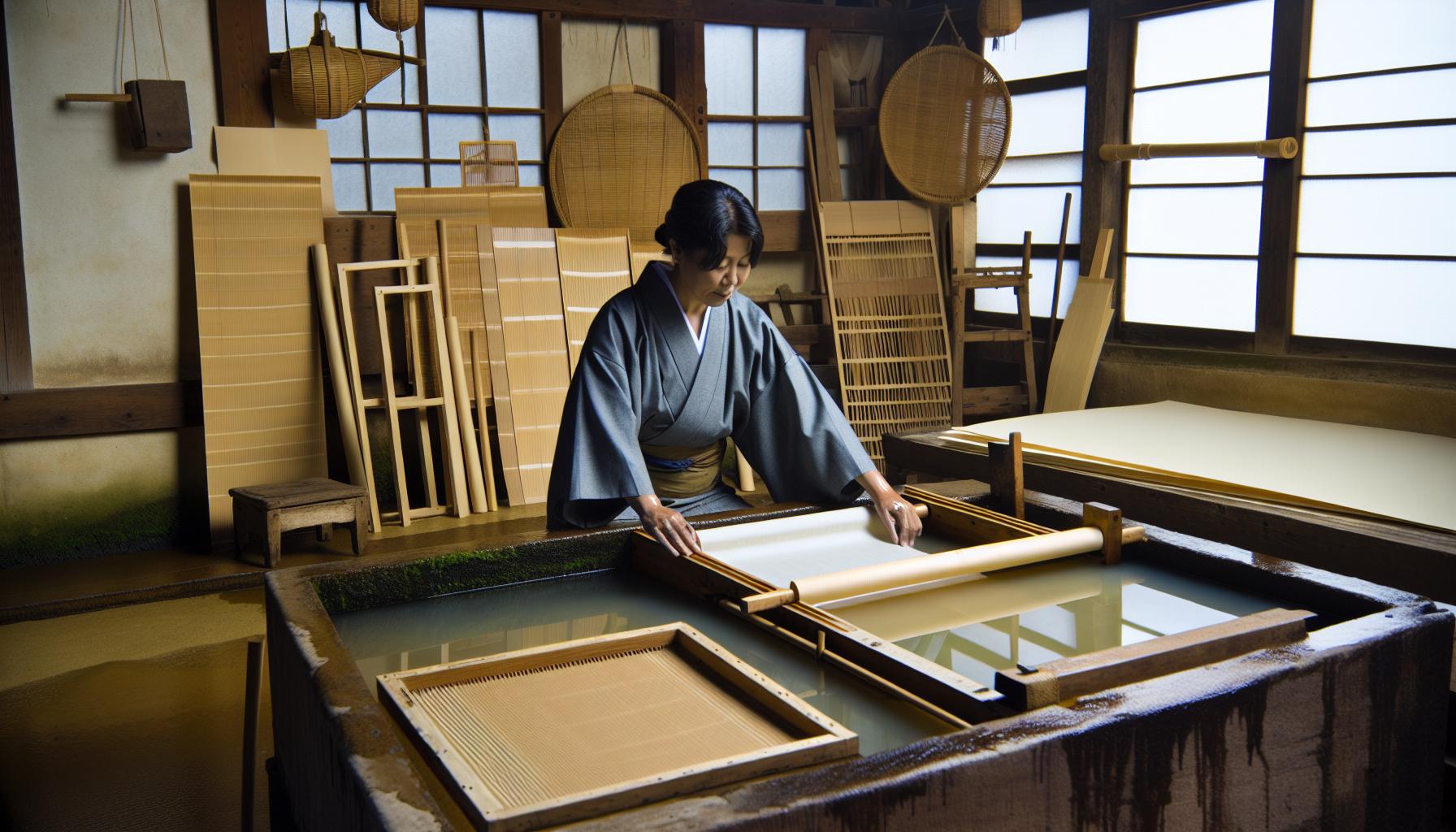
The Art and Craft of Japanese Washi Paper
Washi paper, the foundation of washi masking tape, is a traditional Japanese craft with a rich history and distinct craftsmanship. Made primarily from the inner bark of the mulberry tree, washi is renowned for its strength, durability, and unique texture. It’s more than just paper; it’s a beautiful blend of art and function. The process of making washi is meticulous, often passed down through generations, and involves careful harvesting, soaking, and handcrafting. This dedication to craft not only results in stunning patterns and colors but also contributes to the lightweight yet resilient nature of the tape itself.
The beauty of washi paper lies in its versatility. It’s not just a backing for masking tape but can also be used in a variety of applications, including art, calligraphy, and handmade crafts. The semi-transparent qualities of washi allow light to pass through, enhancing its aesthetic appeal in projects where layering is key. For instance, when used in scrapbooking, layering different designs can create depth and interest that standard paper just can’t achieve. Washi’s distinctive texture and finish can turn an ordinary project into something truly extraordinary.
In addition to artistic applications, washi has historical significance in Japanese culture. It’s often used in traditional ceremonies and practices, emphasizing its importance beyond just a creative medium. The colors and patterns used in washi tapes often reflect nature, seasons, or cultural motifs, making every roll a small piece of art. This cultural connection adds an extra layer of appreciation for the materials we use in our crafts today.
For anyone looking to dive into the world of washi masking tape, understanding the art behind Japanese washi paper can truly enhance your crafting experience. It’s about appreciating the craftsmanship, the design, and the history behind each roll, which can inspire more thoughtful and creative use of this unique product. Whether you’re sealing a gift, decorating a planner, or creating art, remember that you’re not just using tape; you’re engaging with a centuries-old tradition of beauty and functionality.
Different Types of Washi Masking Tape
can add a splash of creativity to your projects in countless ways. Whether you’re a scrapbooker, a planner enthusiast, or just someone who loves to add a personal touch to gifts, understanding the variety available can elevate your crafting experience.
One of the most captivating aspects of washi tape is the diversity of designs and textures it offers. You’ll find options ranging from solid colors to intricate patterns, including floral, geometric, and seasonal themes. Some tapes even feature metallic finishes or holographic effects that catch the light beautifully. This extensive range not only changes the aesthetic of your project but also allows for thematic coordination. For instance, using floral patterns for spring projects can create a cohesive look, while bright colors can inject energy into festive occasions.
Width Matters
Washi tape is also available in numerous widths, catering to different crafting needs. Narrow tapes work wonders for detailed embellishments or fine accents, while wider tapes can serve as a bold statement piece. When you combine these widths strategically, you get a layered look that enhances depth in your work. Experimenting with various widths can turn a simple layout into a textured masterpiece.
Specialty Washi Tapes
Another intriguing category is specialty washi tapes, which may include heat-sensitive designs that change color when touched or glow in the dark varieties that add a whimsical element to night-time crafts. Concept tapes, which feature printing that allows for writing over them, open doors to creative journaling and personalized messages. These special tapes not only provide functional uses but also spark joy and inspiration.
In conclusion, the variety of washi masking tape is your playground. Explore the plethora of designs, widths, and specialties available. Your imagination is the only limit. This shouldn’t just be about what looks good; it should also be an opportunity to express your unique style and creativity in every project you undertake.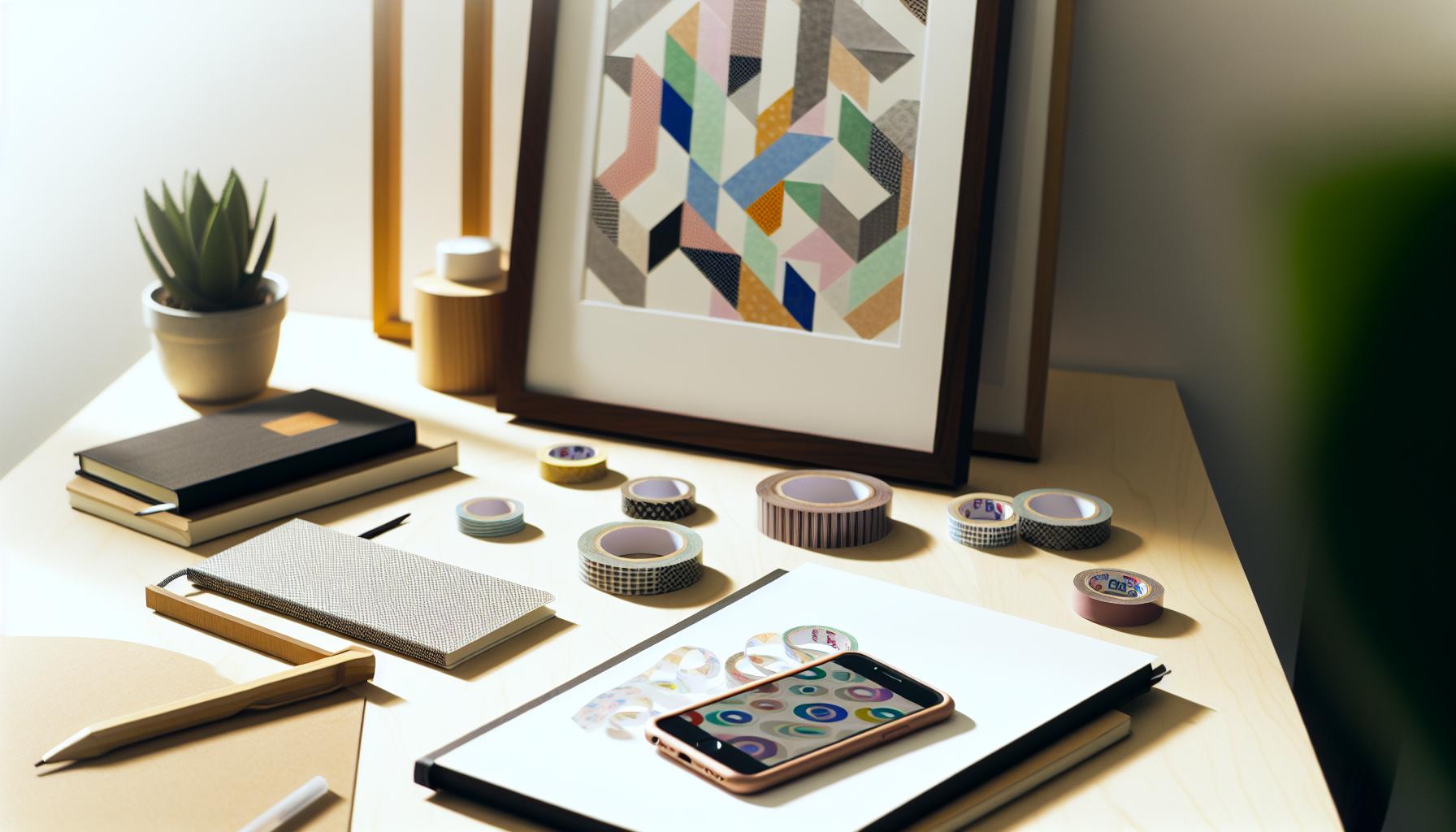
Creative Uses for Washi Masking Tape
Washi masking tape isn’t just a pretty accessory; it’s a versatile tool for creativity and organization. Crafting with washi tape opens up a world of possibilities for both personal and functional projects. From enhancing your journaling to spicing up gift-wrapping, the uses are as varied as the patterns available.
One practical application is in scrapbooking, where washi tape can act as both a decorative element and an adhesive. Use it to attach photos or notes while adding color and texture to the page. You can also create borders, frames, or even dividers between sections, making your scrapbook visually appealing and organized. For planners, washi tape serves as a fantastic way to highlight important dates or tasks without the commitment of permanent markers.
Home Decor is another realm where washi tape shines. Consider using it to spruce up picture frames, create wall art, or even as a temporary fix for furniture. Its low-tack nature means you can remove it without damage, so feel free to experiment with designs and placements. You might also enjoy wrapping washi tape around pots for a touch of personality in your indoor plants.
In addition, washi tape can transform mundane items like pens, notebooks, or phone chargers into unique statements reflecting your style. Simply wrap strips of tape around these objects to give them a personalized flair. Finally, don’t overlook the potential for crafting custom bookmarks or gift tags. A few strips of washi tape on cardstock can create stunning, personalized touches that elevate any gift or personal item.
With washi tape, your imagination is the only limit. It’s perfect for quick fixes, creative projects, and personalized expressions that make everyday items extraordinary. So, gather your rolls, and let your creativity flow!
How to Choose the Right Washi Tape
Choosing the right washi tape can feel overwhelming with the sheer variety available. But it’s all about understanding your needs and the specific qualities of different tapes. First off, consider the thickness and adhesion of the tape. Washi tape is generally low-tack, which is ideal for projects where you want to reposition or remove it easily. However, if you’re working on something permanent, look for washi that promises stronger adhesion.
Next, think about the design and color. Washi tape comes in an astounding range of patterns-florals, geometrical shapes, characters, and more. It helps to have a clear idea of your project in mind. For instance, if you’re decorating for a celebration, vibrant, thematic designs will stand out beautifully. For journaling or scrapbooking, softer colors or delicate patterns can add an elegant touch without overwhelming your pages.
Another important aspect is the width of the tape. Standard washi tape is around 15mm wide, but you’ll find options varying from tiny 3mm rolls to wider 50mm styles. If you’re looking to create bold borders or significant design elements, a wider tape might work better. Conversely, for intricate detail work, thinner tapes provide precision.
Lastly, always check the material quality. Genuine washi tape is made from traditional Japanese paper and often has a beautiful texture. Cheaper alternatives might not offer the same aesthetic or durability. Reading reviews or sampling a few rolls can help you determine what resonates best with your craft style. Be bold in your choices-after all, part of the fun with washi tape is experimenting with different looks until you find your signature style!
Washi Tape vs. Regular Masking Tape: What’s the Difference?
When you’re diving into the world of crafting, it’s crucial to know what tools to use, and that’s where the differences between washi tape and regular masking tape come into play. Washi tape is a decorative, low-tack adhesive tape made from traditional Japanese paper. It’s known for its wide range of colors and patterns, allowing for endless creative possibilities. On the other hand, regular masking tape, generally made from paper with a strong adhesive, is primarily designed for painting and labeling, making it less versatile in the decorative sense.
One of the most significant differences is in adhesion and repositionability. Washi tape adheres lightly, making it easy to stick, peel, and reposition without damaging surfaces. This quality makes it perfect for scrapbooking, journaling, and other artistic applications where you want flexibility. Regular masking tape, with its stronger adhesive, is not as forgiving; once it’s down, it’s meant to stay put, which can lead to damage when removed.
Another stark contrast lies in design and aesthetics. Washi tape comes in an almost infinite variety of colors, designs, and widths, which can enhance the visual appeal of your projects. It’s often made to be vibrant and can feature intricate patterns or graphics. In contrast, regular masking tape is typically plain in color-often beige or white-and lacks the flair that wash tape brings to your creative space. For those projects that require a professional finish or a polished look, washi tape can truly elevate the design aspect.
Finally, let’s not overlook the material itself. Washi tape is generally crafted from natural fibers and is thinner and more delicate than standard masking tape, leading to a sumptuous texture that adds depth to crafts. Regular masking tape is sturdier and more utilitarian, focusing on functionality rather than aesthetics. This difference in material not only affects how they look but also the types of projects each is suited for.
In summary, if you’re looking to infuse your projects with creativity and personalization, washi tape will be your best friend. For straightforward, pigmented applications where durability is key, regular masking tape is the way to go. Understanding these differences will help you choose the right tape for your project and unleash your crafting potential.
Tips for Storing and Organizing Washi Tape
When you finally dive into the creative world of washi tape, you quickly learn that the way you store and organize it can greatly impact your crafting experience. If you’ve got a growing collection, it’s not just about having a pretty stash; it’s about accessibility and inspiration too. Here are some tips to help keep your washi tape neatly organized while making it easy to find the perfect design for your projects.
Start by categorizing your washi tape. You can sort them by color, pattern, or even by usage (like seasonal tapes or themes). Use clear containers or drawers so you can see everything at a glance. Consider investing in a tiered rack or a wall-mounted organizer to create a display that’s both functional and visually appealing. This way, your favorite rolls can be easily seen and accessed, sparking creativity every time you walk by.
Repurposing for Storage
Don’t be afraid to get creative with storage solutions. Think outside the box-an old spice rack or a wine rack can be repurposed to hold washi tape. You can even use small jars, keeping each one labeled for quick reference. For those who are short on space, a binder with plastic sleeves can keep your rolls contained and organized.
Keep It Tidy
To avoid tape tangling together, place a piece of washi tape on each roll to hold the end securely in place. This simple trick can save you time and frustration when you’re in a rush to grab the right tape. Also, keep small bits of leftover tape in a dedicated container; you’ll be surprised at how often they come in handy for smaller projects.
Remember, the goal is to make your crafting space not only organized but also inviting. Having your washi tape stored neatly will not only enhance your creativity but also make it easier to dive into your next project without the hassle. So go ahead, experiment with different storage ideas and find what works best for you!
Sustainable Aspects of Washi Masking Tape
Washi masking tape is not only a tool for creativity but also a sustainable choice for eco-conscious crafters. Made from natural fibers, mainly sourced from the Japanese paper plant, washi tape carries the advantage of being biodegradable. This means when you’re done with a roll or it has served its purpose, you can compost it instead of contributing to landfill waste. Unlike many American industrial tapes made from plastic, washi’s environmental footprint is significantly lighter, aligning with a growing desire for sustainable living.
In addition to its natural basis, the production of washi tape often supports traditional craftsmanship that is rooted in local communities. This process not only preserves age-old techniques but also promotes a smaller carbon footprint, as many washi tapes are produced in small batches. This contrasts sharply with mass-produced alternatives that may rely on unsustainable resources or harmful manufacturing practices.
Choosing washi isn’t just about its environmental benefits, though. Think about how it can be integrated into sustainable practices in your crafting. For instance:
- Reusing: Save small pieces and remnants. They’re perfect for embellishing notes or customizing items without needing new materials.
- Upcycling: Use washi to decorate or personalize reused items. Give a second life to jars, boxes, or furniture.
- Minimal Waste: Since washi tape can be repositioned without leaving a sticky residue, you often need less tape for projects compared to regular tape, reducing overall waste.
So the next time you’re crafting, consider what you’re using and where it comes from. Choosing washi tape empowers you to express creativity while also being a steward for the environment.
DIY Projects Featuring Washi Masking Tape
Washi masking tape is a game-changer in the world of DIY projects, thanks to its versatility and aesthetic appeal. Whether you’re looking to decorate your home or make personalized gifts, this colorful and easy-to-use tape can elevate your creative endeavors to another level. One of the most exciting aspects of washi tape is that it can be used in a multitude of ways, sparking creativity and introducing an element of fun to your projects.
Home Decor Essentials
Transform ordinary objects into unique decor pieces with the help of washi tape. For instance, you can revamp plain flower pots by wrapping them with strips of colorful tape. Patterns like floral designs or geometric shapes can add a touch of personality. You can also use washi tape to create custom wall art by forming shapes or letters directly on the wall. It’s removable, allowing you to rearrange or replace it as seasons or your tastes change.
Personal Touches for Gifts
Using washi tape to package gifts can turn a simple present into something extraordinary. Wrap your gift in plain brown paper and use various washi tape designs to create a personalized border or decorative elements. You can even create unique gift tags by sticking washi tape onto cardstock and cutting it into fun shapes. This not only makes the gift more visually appealing but also shows the recipient that you put thought into the presentation.
Organizational Hacks
Washi tape is perfect for organization too, especially in your office or craft space. Label your storage boxes by applying strips of washi tape and writing the contents with a permanent marker. This is not only functional but adds a pop of color to your space. You can also use washi tape to decorate your planner, making note-taking and scheduling visually inviting. Different colors can signify different types of tasks or events, keeping you organized in style.
Creative Card-Making
If you love card-making, washi tape is an essential tool. You can layer pieces of different tapes to create backgrounds or borders on your cards. Its transparency can be beautifully layered for a multi-dimensional effect. Add a few embellishments or stickers for extra flair, and you have a one-of-a-kind handmade card that’s perfect for any occasion.
Whether you’re a seasoned crafter or a novice looking to explore, washi masking tape offers endless possibilities for creativity. With its easy application and removal, it encourages experimentation without the fear of permanent mistakes. So grab a few rolls and unleash your imagination!
Where to Buy Quality Washi Masking Tape
You want to find quality washi masking tape that not only meets your crafting needs but also inspires you to create. Shopping for washi tape should be a delightful experience, and thankfully, there are plenty of options both online and in-store. Whether you’re a casual crafter or a professional artist, knowing where to look can make all the difference.
One of the best places to start is online marketplaces. Websites like Etsy are treasure troves for unique, handmade washi tapes from independent sellers worldwide. You’ll find a dazzling array of designs, allowing you to support small businesses while discovering exclusive patterns. Websites like Amazon also offer a wide range of washi tape, often with convenient Prime shipping. Just be sure to check customer reviews and ratings to ensure you’re getting quality products.
Local craft stores like Michaels and Joann Fabrics are great for hands-on shopping. You can feel the tape’s texture and see the colors in person, ensuring you choose exactly what fits your project. Many stores even have seasonal collections featuring trending designs. Don’t forget to look out for sales or coupons, as these stores frequently offer promotions that make buying washi tape affordable.
For something more specialized, consider visiting a Japanese stationery shop, if you have one nearby. These shops often carry authentic Japanese washi tape, known for its quality and exquisite designs. Brands like MT (Masking Tape) and Washi Tape Company produce some of the finest options available, and purchasing directly from these brands online can also secure a variety of styles and exclusive releases.
Ultimately, keep an eye out for local artisan markets or craft fairs too. These events often showcase local makers who produce unique washi tapes that you won’t find anywhere else. So, grab your wallet and dive into the world of washi masking tape-your next masterpiece awaits!
Expert Techniques for Applying Washi Tape
When it comes to washi tape application, the right techniques can elevate your projects from ordinary to extraordinary. One captivating fact about washi tape is its versatility; it can transform not just paper crafts but home decor, gifts, and even furniture. Applying it effectively is all about balance and precision.
To start, always prepare your surface. Washi tape adheres best to clean, dry surfaces, so give your area a quick wipe. Next, using a ruler or a straight edge can significantly improve your lines and angles. When you’re ready to place your tape, try to handle it with clean hands to avoid any dirt or oils affecting the adhesive quality. An essential tip is to cut the tape with scissors instead of tearing it; this prevents frayed edges and gives a neater appearance.
Sticking your tape down feels straightforward, but there are nuances to get it just right. For a sharp finish, align your tape carefully and press down firmly but gently as you go. If you need to reposition, don’t worry-washi tape is forgiving! Just lift it slowly from one end and lay it back down as needed. For intricate designs, like layering patterns, apply one piece at a time, ensuring the first is entirely secure before adding the next.
Another creative approach is to incorporate varying widths of washi tape in your projects. This not only adds depth but makes for a visually engaging experience. Additionally, consider mixing patterns. Bold designs with subtle ones can create visually stunning contrasts. To keep everything organized and mistake-free, measure before applying any tape and mark lines lightly with a pencil.
Lastly, remember to finish your projects with a protective layer if they’re meant to last, like a clear sealant or Mod Podge, especially for items that may handle wear and tear. This extra step can safeguard your beautiful washi tapes while giving your creations that polished look. Dive in and experiment; with washi tape, the only limit is your creativity!
Common Mistakes to Avoid with Washi Tape
When working with washi tape, even the smallest misstep can lead to frustration or less-than-perfect results. One common mistake is applying the tape to a dirty or uneven surface. If you don’t prep your area carefully, you might find that the tape won’t stick properly or might peel up over time. Always wipe your surface clean and smooth out any bumps or rough patches before diving in.
Another pitfall? Not measuring and planning your design ahead of time. It’s tempting to dive straight into applying your tape, but without a clear layout, you risk wasting tape or ending up with crooked lines. Take a moment to sketch out your ideas or at least visualize where each piece will go. This pre-planning makes it easier to achieve a professional look.
Also, be wary of using too much tape. Many crafters overuse washi tape in the excitement of creativity. However, less is often more. A few well-placed strips can make a stronger visual impact than layers upon layers of tape. Remember, washi tape is versatile and can be repositioned easily, so experiment with less first before committing.
Finally, don’t forget to store your washi tape properly after you’re done crafting. Leaving your tape out in the open may expose it to light, dust, or humidity-elements that can diminish its adhesive quality. Instead, keep your washi tape in a cool, dry place, preferably in a dedicated box or organizer. This little habit can save you plenty of hassle down the line, ensuring your washi tape remains in peak condition for your next project.
Frequently Asked Questions
Q: What are the benefits of using washi masking tape?
A: Washi masking tape offers several benefits, including its ease of removal without damaging surfaces, its lightweight and flexible nature, and its ability to adhere well to various materials like paper and plastic. Additionally, its aesthetic appeal comes from a variety of colors and patterns, making it perfect for creative projects. For more on creative uses, check out the section on Creative Uses for Washi Masking Tape.
Q: How can I remove washi tape without leaving residue?
A: To remove washi tape without leaving residue, gently peel it away at a 45-degree angle. If the tape is stubborn, use a hairdryer on low heat for a few seconds to loosen the adhesive, then slowly pull it off. For best practices, refer to Expert Techniques for Applying Washi Tape.
Q: Is washi masking tape waterproof?
A: Washi masking tape is not inherently waterproof. While some brands may use waterproof coatings, most washi tapes are designed for light applications. For outdoor projects, you might need to consider more durable tape options. Learn more about the differences in Washi Tape vs. Regular Masking Tape.
Q: Can I use washi tape for labeling items?
A: Absolutely! Washi tape is perfect for labeling items due to its easy-to-write-on surface. You can personalize labels for jars, bins, or gifts effortlessly. Just remember to use a permanent marker for best results. See more in the section about DIY Projects Featuring Washi Masking Tape.
Q: Where can I find unique washi tape designs?
A: Unique washi tape designs can be found in craft stores, specialty stationery shops, and online platforms like Etsy or Amazon. Consider exploring local art fairs or markets for one-of-a-kind finds. For buying tips, check out Where to Buy Quality Washi Masking Tape.
Q: How do I choose the best washi tape for my project?
A: To choose the best washi tape, consider the project type, the tape’s stickiness, design, and width. For intricate designs or delicate surfaces, opt for thinner tapes. For guidance on selecting suitable options, refer to How to Choose the Right Washi Tape.
Q: What is the origin of washi tape?
A: Washi tape originated in Japan, combining traditional washi paper craftsmanship with modern design elements in the early 2000s. It reflects Japanese artistic principles, making each roll a unique piece of art. To know more about its heritage, visit The Art and Craft of Japanese Washi Paper.
Q: How can I prevent my washi tape from curling or ripping?
A: To prevent washi tape from curling or ripping, store it in a cool, dry place away from direct sunlight. Use a tape dispenser to keep it flat and organized, reducing the risk of damage. Explore tips in Tips for Storing and Organizing Washi Tape for more details.
In Summary
Washi masking tape isn’t just a pretty accessory-it’s a versatile tool that can transform your creative projects and everyday organization. Whether you’re decorating, crafting, or simply adding a touch of charm to your space, this unique tape offers an endless array of possibilities. Ready to dive deeper? Check out our guides on creative washi tape uses and the history of Japanese paper crafts for inspiration.
Don’t miss out on the chance to elevate your projects! Subscribe to our newsletter for exclusive tips and early access to new washi collections. Have questions about your next project? Drop a comment below-we love hearing from you! Explore our site for more amazing crafting tools and ideas, and let’s keep the creativity flowing. Your next masterpiece is just a roll away!
Get our latest guides, news, and insights highlighted in your Google Search & AI Overviews.