
Did you know that the right technique for cutting washi tape can make all the difference in your crafting projects? It’s true! Whether you’re decorating a scrapbook, wrapping a gift, or adding flair to your planner, neat edges elevate your work from good to stunning. Most of us have experienced the frustration of jagged cuts or sticky messes. Imagine effortlessly achieving perfect edges with every slice-making your designs pop and saving precious time. In this guide, we’ll explore simple methods and tips to cut washi tape cleanly and efficiently, ensuring you can focus on your creativity rather than your tools. So grab your favorite washi tape and let‘s get started on your journey to crafting perfection!
Choosing the Right Washi Tape for Your Project
Choosing the right washi tape can elevate your crafting projects from ordinary to extraordinary. With a myriad of options out there, it’s crucial to consider the specific needs of your project before diving in. Each roll of washi tape boasts unique properties, from patterns and colors to materials and adhesive strength, making selection a vital part of the process.
First, think about the purpose of your project. Are you decorating a planner, wrapping a gift, or creating art? For detailed work like scrapbooking or card making, thinner tapes with intricate designs can provide precision and sophistication. If you’re looking for something bold and eye-catching, larger patterns might be more suitable. Don’t forget to consider the tape’s tackiness; a low-tack washi is excellent for layering and repositioning, while more aggressive adhesives work well for permanent applications.
Next, pay attention to the material. Traditional washi tape is made from Japanese paper, giving it a unique texture and finish. Some modern variants are made from vinyl or plastic, offering different durability levels and finishes. If your project involves outdoor use or needs to withstand the elements, opt for weather-resistant tapes. Similarly, if you’re applying washi tape to different surfaces like wood, glass, or metal, verify that the adhesive will adhere well.
Lastly, don’t shy away from experimenting with colors and patterns. Washi tape comes in endless designs, from minimalist styles to vibrant florals. Choosing complementary colors can enhance your overall aesthetic, while contrasting patterns can create visual excitement. Look for seasonal collections or themed designs to keep your projects fresh and exciting. By taking the time to choose the right washi tape, you’ll set the foundation for clean cuts and beautifully executed designs.
Essential Tools for Perfectly Cutting Washi Tape

When it comes to achieving flawless cuts with washi tape, the right tools can make all the difference. Investing in a few essential items can elevate your crafting game and save you from the frustration of uneven edges or torn tape. Here’s what you need to ensure your washi tape cutting experience is smooth and precise.
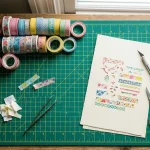
Start with a quality pair of scissors. A sharp, precise pair is vital for clean cuts. Look for scissors with pointed tips to help you navigate intricate patterns and tight corners. Craft knives or X-Acto knives also come in handy, especially for straight cuts or when you need to slice through multiple layers of tape at once. Always use a cutting mat to protect your workspace and keep your blades sharp.
Cutting guides can be incredibly useful when you want consistent lengths. Rulers, gridded mats, or even specially designed tapes with measurement markings can guide you as you cut. This not only speeds up the process but helps maintain uniformity, especially if you’re working on a larger project requiring repeated cuts.
Lastly, consider a tape dispenser equipped with a cutting edge. This handy tool allows you to pull tape at the desired length without the need for scissors, giving you a quick and easy option for any project. Plus, it keeps the washi tape organized and tangle-free, making your crafting area more efficient.
By arming yourself with these essential tools, you’ll find that cutting washi tape becomes a breeze, allowing you to focus on your creativity rather than the logistics of the cutting process.
Simple Techniques for Accurate Washi Tape Cuts
Cutting washi tape with precision not only enhances the aesthetics of your projects but also saves you time and frustration. Start by ensuring your tape is firmly anchored to your chosen surface; this will prevent it from shifting as you cut. When you’re ready to slice, use scissors or a craft knife, depending on the type of cut you’re aiming for. For straight edges, a craft knife is usually more effective, while scissors are perfect for smaller, detailed cuts.
One simple technique is to measure and mark your cuts. Use a ruler to lay down a line where you want to cut. If your washi tape has a clear pattern, line it up so that the design remains continuous across your project. This attention to detail helps in achieving a professional look. You can also use gentle pressure to create an indent along your cutting line with the knife before making the complete cut, which can guide your blade and promote a cleaner edge.
Another helpful approach is to employ a cutting mat. Not only does it protect your surfaces, but it also features grid lines that can help guide your cuts. When using scissors, try to use long, smooth strokes rather than small, choppy movements. This will help keep the tape from crumpling and provide a smoother finish. You may find that positioning the tape at a slight angle can help you see the cut line better, which can improve accuracy.
Finally, practice makes perfect. Don’t hesitate to do a few trial cuts on scrap pieces of washi tape. This will allow you to get a feel for how your tools work and refine your technique, ensuring that when you move on to your actual project, you cut with confidence and achieve those perfect edges every time.
Advanced Tips for Mastering Washi Tape Cutting
Cutting washi tape can seem deceptively simple, but mastering the intricacies can take your crafting to a whole new level. Imagine achieving perfectly straight lines or intricate designs with ease – it’s all about refining your technique and knowing your tools. One key to success is understanding how to maintain a steady hand and ensuring your workspace is optimized for cutting. Here are some advanced techniques that can really help you master the craft.
Choose the Right Cutting Tools
Investing in the right tools is crucial. For most projects, a sharp craft knife, scissors, and a metal ruler are your best friends. A craft knife allows for precision cuts, which is especially useful for detailed work or curves. Always make sure your blade is sharp to prevent jagged cuts. Scissors are excellent for straight cuts or wide strips; ensure they’re well-aligned and comfortable to handle for better control.
Utilize Guides and Templates
When precision is your goal, using guides can make a world of difference. You might consider creating templates for repetitive shapes or patterns. For example, if you’re cutting circles or specific shapes, create a stencil from cardstock. Place this under your washi tape for quick and consistent cutting. Additionally, using a cutting mat with grid lines not only aids in measurement but also protects your surfaces and keeps your cuts clean.
Practice Different Cutting Techniques
Experiment with various cutting techniques to find what works best for you. Try scoring the tape lightly with your craft knife before completing the cut; this creates a guideline that can lead to cleaner edges. For rounded cuts, pivot the blade instead of moving the tape, maintaining a consistent angle. Don’t hesitate to practice on scrap pieces to refine your skills – the more you cut, the better you will understand how different washi tapes behave.
By integrating these strategies into your crafting, you’ll notice significant improvements in both the efficiency and aesthetics of your projects. Confidence comes from practice and experimenting with new tools and methods, so don’t shy away from trial and error. Each piece of washi tape you cut is an opportunity to enhance your craftsmanship. Happy crafting!
Creative Ways to Use Washi Tape After Cutting

Once you’ve mastered the art of cutting washi tape with precision, it’s time to explore the exciting ways you can use those perfectly cut strips. Washi tape is not just for decorating; its versatility lends itself to a myriad of creative applications that can elevate your projects. Whether you’re into scrapbooking, gift wrapping, or home decor, you’ll find that washi tape can transform ordinary items into extraordinary creations.
Start by using your cut washi tape to add flair to everyday objects. Wrap it around pen barrels or pencils to create a personalized stationery set that stands out. You can also embellish small containers, jars, or vases by applying strips of washi tape to create patterns or add color. This is an easy way to spruce up your workspace or home decor with very little effort.
Consider incorporating it into your scrapbooking or journaling projects. Use cut pieces to create borders or dividers on your pages, which not only adds visual interest but also enhances organization. You can also use washi tape to highlight important dates or notes in your planner. Its lightweight nature means it can easily be repositioned if you change your mind, making it perfect for iterative designs.
For gift wrapping, washi tape shines as a decorative tool. After cutting, use it to secure wrapping paper or create beautiful gift tags. You can even layer different designs to make unique, eye-catching decorations on your gifts. Try using various widths to create depth and texture; this simple technique can take your wrapping game to a whole new level.
Additional Creative Uses
- Wall Art: Create temporary wall murals or designs using washi tape. It’s a non-damaging way to add personality to a room.
- Bookmark Creation: Make custom bookmarks by cutting strips of tape and adhering them to cardstock for durability.
- Labeling: Use tape as a decorative means to label jars, boxes, and other storage solutions while adding your personal touch.
Exploring these uses for your well-cut washi tape not only amplifies your crafting skills but also enhances the joy of creating. Washi tape allows for endless experimentation-so have fun mixing and matching designs, and let your creativity flow!
Common Mistakes When Cutting Washi Tape
Cutting washi tape is an art in itself, yet many enthusiasts trip up on a few common mistakes that can ruin their projects. One of the biggest blunders is using the wrong cutting tools. Surprisingly, scissors aren’t always the best choice for washi tape. Instead, try a craft knife and a cutting mat for clean, straight edges. This method minimizes tearing and helps maintain the integrity of the tape’s design, giving you those flawless results you crave.
Another frequent error involves pulling too hard on the tape. Washi tape is delicate and can stretch or warp if you tug at it. Instead, gently pull just enough to get your desired length before making the cut. You’ll find this technique preserves the adhesive quality and keeps the edges neat, ensuring your tape adheres beautifully without any unsightly frays.
Misjudging the amount of tape needed is also a common pitfall. It’s easy to underestimate how much tape a particular project requires, leading to awkward gaps or overlaps that disrupt your design. To tackle this, always measure twice before cutting-this simple rule can save you from wasting both tape and time.
Finally, don’t overlook the importance of your workspace. A cluttered or uneven surface can make accurate cutting a challenge. Organize your area and ensure you have a steady, flat surface to work on, setting yourself up for success before even picking up your tape. Embrace these tips to elevate your cutting game and enjoy a smoother crafting experience!
How to Achieve Clean Edges Every Time
To get those clean edges every time when cutting washi tape, you need to focus on technique and tools. It might seem like a simple task, but even small adjustments can lead to perfect results. Start with the right tools: a craft knife, stainless steel scissors, or a rotary cutter paired with a cutting mat. These tools provide the precision needed to achieve sharp, clean lines that elevate your projects.
When you cut washi tape, always ensure that the blade is sharp. Dull blades can tear the tape instead of cutting it, leading to frayed edges. For instance, if you’re using a craft knife, glide it smoothly along a straight edge to maintain control. If you’re cutting a longer strip, use a ruler to pull a straight line across the tape before cutting. This little step will become second nature and will dramatically improve your accuracy.
Another vital point is the angle at which you’re cutting. Always cut at a slight angle rather than straight down. This technique not only helps to prevent tearing but also gives your edges a more finished look. Practice pulling the tape taut before cutting, making sure to apply just enough tension to avoid stretching or warping. These methods will help keep your cuts precise, giving your projects a professional feel.
Lastly, take your time. Rushing through the cutting process often leads to mistakes that require more time to fix later. With a calm approach, thoughtful preparation, and the right tools, you can achieve those clean edges you desire, making your washi tape projects shine every time.
Washi Tape Cutting: A Guide for Beginners
Cutting washi tape might seem straightforward, but there’s an art to achieving those perfect edges that elevate your crafts. Whether you’re decorating a journal, creating custom labels, or adding flair to gifts, knowing how to cut washi tape properly makes all the difference. It’s not just about grabbing a pair of scissors and snipping away; it’s about technique and a bit of finesse.
Start with the basics: the right tools. A sharp pair of scissors or a craft knife paired with a solid cutting mat can drastically improve your results. You don’t want a dull blade ripping through your tape, creating jagged edges that ruin your design. Always make sure your cutting tools are sharp-it’s a simple step that pays off big time.
Next, consider your cutting methods. If you’re new, use a ruler to guide your cuts. Place it alongside the tape and run your craft knife along its edge. This method gives you a straight line every time and eliminates the guesswork, resulting in smooth, clean cuts. Practice pulling the tape taut before you cut; this helps prevent stretching and ensures a clean edge.
Finally, don’t rush the process. Taking your time means cleaner cuts and a more polished final product. Enjoy the act of creating! With each cut, you’ll gain more confidence, and before you know it, you’ll be cutting washi tape like a pro. Trust the process, and don’t hesitate to experiment with different techniques as you find what works best for you. Happy crafting!
Exploring Unique Cutting Styles for Washi Tape
Cutting washi tape isn‘t just about getting a straight line; it’s about injecting your unique style into every project. Each cut can drastically change the look of your work, so why not play around a bit? Explore special cutting styles that can add depth and character to your designs. You might be surprised at how a simple adjustment transforms your project.
One popular technique is the wavy cut. Instead of a straight cut, use specialty scissors designed to create scalloped edges or a freehand technique to wiggle your hand as you cut, yielding a playful, organic look. This style is perfect for embellishing cards, scrapbooks, or any project where you want to add a whimsical touch. You can even use a craft knife along a curved template to achieve consistent waves.
For something bolder, consider the zigzag cut. Grab a pair of zigzag scissors or create a zigzag pattern with your regular scissors. This style works wonders for creating visual interest and mimics decorative trim, making it ideal for edging or layering techniques. These dynamic cuts can spice up any project, giving it a fresh, eye-catching allure.
If you want precision, embrace the layered cut technique. Here, you stack different washi tape rolls and cut through multiple layers simultaneously. This method not only speeds up the process but also allows for cool layered effects in one swift motion. You can create custom shapes or motifs that can be easily replicated for a cohesive look across your work.
And let’s not forget fringed edges. Snip into the edge of washi tape to create a fringed appearance that adds texture to any design. This is particularly effective for enhancing gift wrapping or creating unique headers in your planner.
Experimenting with these cutting styles can make your washi tape projects standout. Don’t be afraid to mix techniques or pair different styles for added flair. Every cut tells a story, so let yours be creative and memorable!
Maintaining Your Washi Tape for Longevity
Washi tape is a favorite among crafters, but to keep it fresh and usable for your projects, proper maintenance is key. Many don’t realize that the way you store and handle washi tape affects its stickiness and longevity. Simple habits can extend its life, ensuring you get the most out of your rolls.
First off, always store your washi tape in a cool, dry place. Avoid areas exposed to direct sunlight or extreme temperatures-both can cause the adhesive to either dry out or become overly tacky. If you can, keep your washi tapes in a drawer or a container, organized neatly to prevent them from getting tangled or dusty. You might even consider using small boxes or jars labeled by color or pattern, making it a breeze to find what you need while keeping them protected.
In addition to thoughtful storage, be mindful of how you handle the tape. When cutting it, use clean scissors to prevent any adhesive residue from sticking to the blades, as this can lead to uneven cuts and fraying edges. Always reseal the end of the tape after use; simply pressing it back into place preserves its stickiness for your next crafting session. Consider wrapping a small piece of the tape around a paper clip or a similar item to keep the end accessible and avoid losing it.
Finally, if you notice the adhesive starting to lose its stick, don’t toss that roll just yet! You can lightly clean the adhesive side with a bit of rubbing alcohol on a cotton swab, which revives its tackiness. This simple trick can help you reclaim rolls that you might otherwise consider finished. By taking these steps, you ensure that your washi tape stays vibrant, sticky, and ready to enhance every creative project you undertake.
Enhancing Your Crafting Projects with Washi Tape

Washi tape is like the Swiss Army knife of crafting-versatile, colorful, and surprisingly useful in ways that might just blow your mind. Whether you’re embellishing a scrapbook page, decorating your planner, or creating custom gift wrap, this simple tape can elevate your projects with just a little creativity. The secret lies in how you cut and apply it; achieving perfect edges is the first step to making your washi tape pop.
To really enhance your crafting, think about layering different patterns and colors. Start by cutting various lengths of tape and strategically placing them together. For instance, pair a bold floral design with a subtle geometric pattern-sharp, clean cuts ensure that the edges align seamlessly, giving a polished look to your work. A good trick is to use a straight edge or a craft knife for precision cuts, which can transform how the patterns interact. Remember, the right cut can make or break your project, so don’t skimp on that step!
You can also use washi tape to create borders or frames around photos or artwork. By cutting the tape into uniform strips, you can achieve clean lines that draw attention without overwhelming the design. This not only adds character but also defines the space, making your project more eye-catching. Experiment with different widths as well; narrower strips can serve as delicate accents while wider pieces can provide bold statements.
Don’t overlook the finishing touches. After cutting your tape, consider sealing the edges with a clear adhesive or Mod Podge, especially if you’re using it in areas that might see wear, like bookmarks or everyday items. This step will keep your edges clean and prevent peeling over time, ensuring that your beautiful washi tape designs stay intact and vibrant.
Incorporate these techniques, and you’ll not only enhance the aesthetics of your projects but also streamline your crafting process. Remember, the more you practice cutting and applying washi tape with precision, the more confident you’ll become in your creative endeavors. So grab your washi rolls, equip yourself with a sharp blade, and start turning those ordinary items into extraordinary pieces of art!
Troubleshooting: Fixing Common Cutting Issues
Cutting washi tape might seem straightforward, but we all have those moments when we end up with jagged edges or sticky residue that ruin our projects. If you’ve ever struggled with uneven cuts or tangles, you’re not alone. Let’s tackle some common cutting issues head-on and get you back to crafting with confidence.
The first hiccup many face is when the tape doesn’t cut cleanly, often resulting in frayed edges. This is usually due to using dull scissors or a blade. To avoid this, always use a sharp craft knife or fresh scissors designed for precise cuts. Tip: A straight edge like a ruler can be a game-changer, guiding your blade for a perfectly straight action every time. If you do encounter fray after cutting, don’t panic! Just trim the edges lightly with scissors to achieve a cleaner look.
Another common problem is sticky residue left behind after cutting. This happens when you peel the tape too quickly or use a surface that’s not completely smooth. To fix this, try applying the tape gently with minimal pressure at first; this will allow you to pull it up and reposition if necessary without damaging the surface. And if you do end up with sticky spots, rubbing alcohol on a cloth will usually work wonders for cleaning while keeping your project intact.
Lastly, if you find your tape getting tangled, reorganizing your workspace can help. Keep your rolls in separate containers or a vertical holder to minimize contact. When cutting, cut longer lengths than needed, and store the rest back to prevent curls and tangles. These little adjustments can save you from frustration and make cutting washi tape a breeze. With the right tools and methods, you can conquer these challenges, ensuring you achieve those perfect edges that will elevate every project.
Faq
Q: What is the best tool to cut washi tape?
A: The best tool for cutting washi tape is a sharp pair of scissors or a craft knife. These tools help ensure precision and can create clean, sharp edges. For consistent lengths, consider using a cutting mat or ruler as a guide.
Q: How can I prevent my washi tape from tearing when cutting?
A: To prevent tearing, use a sharp blade or scissors and cut slowly through the tape. Avoid forcing the cut; instead, let the tool glide through the tape. If you notice it starts to tear, adjust your angle or tool for a smoother cut.
Q: Can I use a paper cutter to cut washi tape?
A: Yes, a paper cutter can be very effective for cutting washi tape, especially for straight cuts. Make sure the blade is sharp and the tape is aligned properly to achieve perfect slices every time.
Q: What thickness of washi tape is easiest to cut?
A: Thinner washi tape (around 10-15mm) is generally easier to cut. It allows for more flexibility and less resistance when using scissors or a craft knife, leading to cleaner cuts.
Q: How do I achieve decorative edges when cutting washi tape?
A: To create decorative edges, use specialty scissors designed for crafting, which can create scalloped or zigzag patterns. You can also try tearing the tape for a more organic, textured look.
Q: What are some tips for cutting washi tape smoothly?
A: For smooth cuts, ensure your cutting surface is stable. Always use sharp tools, and consider cutting at a slight angle for better control. Practice will also help improve your cutting technique over time.
Q: How do I store cut washi tape pieces effectively?
A: Store cut pieces in a divided container or small bags to keep them organized and prevent them from sticking together. Label each section for easy access in future projects.
Q: Why does washi tape sometimes leave residue after cutting?
A: Washi tape can leave residue due to adhesive buildup on the cutting tool or surface. To minimize this, wipe blades with rubbing alcohol after use, and ensure the tape is applied correctly to surfaces to prevent leftover adhesive.
To Conclude
Now that you know how to cut washi tape for perfect edges every time, why not put your new skills to the test? Grab your favorite rolls and start a creative project today! Whether you’re decorating your planner, scrapbooking, or adding flair to your home decor, flawless cuts will help your creations shine.
Don’t forget to explore our other guides on DIY crafts and organization tips for more ideas to elevate your projects. If you found this tutorial helpful, subscribe to our newsletter or check out our product page for recommended tools that make tape cutting even easier. Have any questions or tips of your own? Drop a comment below-we’d love to hear from you!
Remember, cutting washi tape should be fun and satisfying, so practice those techniques! Your next masterpiece is just a cut away.
Get our latest guides, news, and insights highlighted in your Google Search & AI Overviews.