
Washi tape is a favorite among crafters and DIY enthusiasts for its vibrant colors and versatile designs. But have you ever wondered how long it actually lasts? Understanding the shelf life of washi tape can help you maximize its use and ensure your projects remain aesthetically pleasing. Typically, washi tape can last up to two years if stored properly, but factors like exposure to light and humidity can shorten its lifespan. Whether you’re a scrapbooker, teacher, or simply love embellishing everyday items, knowing how to maintain your washi tape will keep your creative juices flowing. Join me as we dive into the factors affecting its longevity and tips to get the most out of your favorite decorative tape. You’ll not only learn how to preserve your washi tape but also discover creative ways to use it!
How Long Does Washi Tape Last? Shelf Life Explained
Washi tape can last for several years, but its shelf life largely depends on a few crucial factors. Though many brands do not specify an exact expiration date, most users find that washi tape maintains its quality for about 2 to 3 years when stored properly. You might even find that high-quality washi tape, when kept in optimal conditions, can last longer without losing its stickiness or becoming brittle.
To maximize the lifespan of your washi tape, it’s essential to consider its materials and how you store it. Washi tape is generally made from rice paper, water-based adhesives, and dyes. While these materials are delicate, they also lend a unique aesthetic appeal. Keeping your tape in a cool, dark place away from direct sunlight and humidity will help protect it from deterioration. The adhesive may weaken if exposed to heat or excess moisture over time, leading to poor adhesion when you finally decide to use it.
However, if you ever notice your tape isn’t sticking as well as it used to, don’t be too quick to toss it out. There are creative ways to breathe new life into old washi tape, whether by applying a small amount of glue or using a tape runner to reattach it. With proper care and a little ingenuity, you can continue enjoying your washi tape for a long time!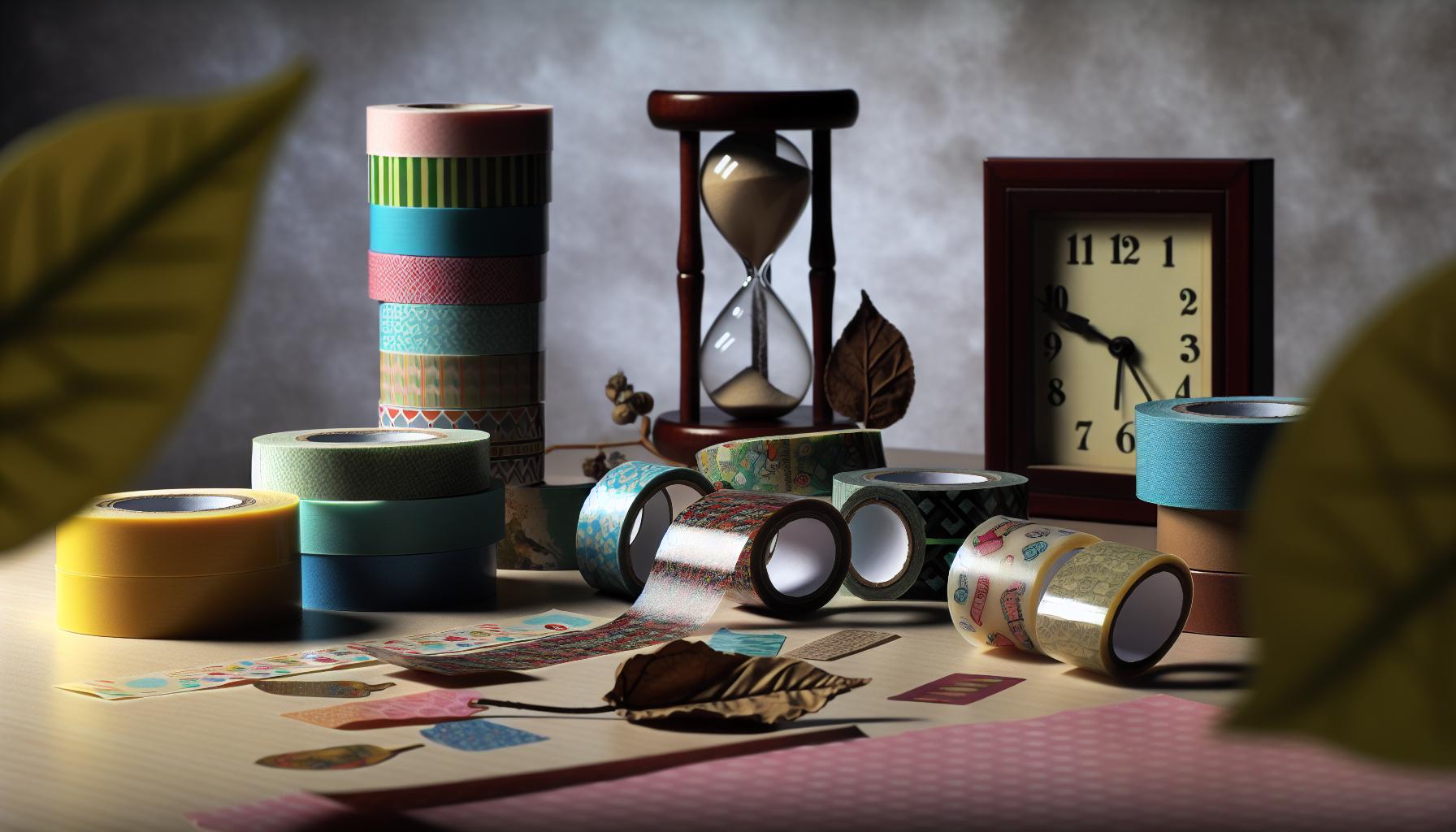
Understanding Washi Tape Materials and Quality
Washi tape’s charm lies not just in its stunning designs but also in its unique materials. At its core, washi tape is crafted from rice paper, a traditional material prized for its durability and flexibility. This rice paper gives washi tape its delicate texture and lightweight feel, making it perfect for a wide range of creative applications, from scrapbooking to home decor. The adhesive used is typically water-based, which enhances its eco-friendliness and reduces harmful chemicals compared to many conventional tapes. This gentle adhesive allows washi tape to stick well but still be repositioned easily-a huge plus when you make a mistake while decorating.
When it comes to quality, not all washi tapes are created equal. The craftsmanship can vary significantly between brands, affecting the overall longevity and usability. High-quality washi tape often features better adhesive properties, allowing it to last longer and remain sticky without losing its function. You might find some brands using dyes that are more vibrant and resistant to fading. It’s worth investing in reputable brands if you want your designs to stand the test of time.
To evaluate washi tape quality, consider how it handles wear and tear. For instance, try gently pulling it from a surface; high-quality tape should peel away cleanly without tearing or leaving residue. Additionally, check the color vibrancy and opacity-these can indicate the quality of both the dye and the underlying paper. If you’re serious about your crafting projects, understanding these nuances can help you choose the right tape that not only looks good but lasts longer.
Always remember that the materials and quality of washi tape play a significant role in its lifespan. By being mindful of what you’re purchasing and how you use and store it, you can maximize your washi tape’s life, ensuring you get the best out of this versatile crafting tool.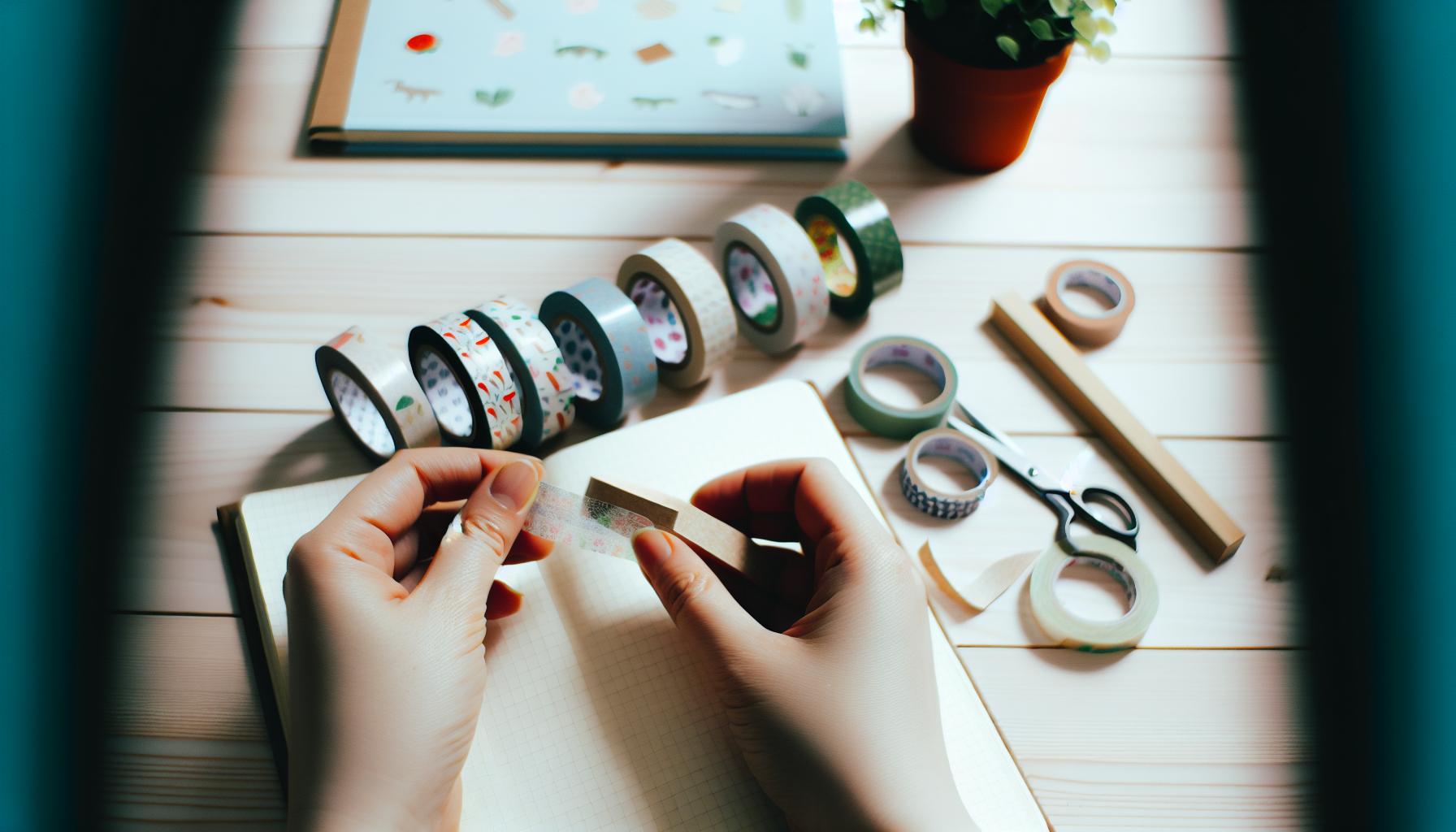
Factors Affecting Washi Tape Longevity
Washi tape can be a delightful addition to any crafting project, but its longevity can vary significantly based on several factors. One crucial aspect is the quality of the tape itself. Higher-quality washi tapes are made from premium materials, have better adhesive properties, and are less likely to dry out or lose stickiness over time. If you’ve ever compared a budget brand to a more reputable one, you might have noticed that the latter not only performs better but also lasts longer on projects without peeling or curling.
Another pivotal factor is environmental exposure. Washi tape is sensitive to temperature and humidity. Excessive heat or moisture can weaken the adhesive and lead to deterioration. For instance, if your crafting area is overly warm or if you store your washi tape in a damp place, you might find that it loses its stickiness faster than if kept in a cool, dry environment.
Using washi tape also comes with its own set of practices that can affect its life span. When applying the tape, ensure that the surface is clean and dry. Dust or oil can hinder adhesion, leading to premature lifting. Moreover, the way you store washi tape plays a significant role in its longevity. Keeping your rolls upright instead of stacked can prevent them from becoming misshapen, which helps maintain their integrity when you want to use them later.
Lastly, the type of surfaces you use the tape on can affect how long it lasts. Washi tape is known for its repositionable quality, but applying it to surfaces that are textured or have various finishes can result in reduced adhesion. Smooth surfaces are ideal for a durable application, while rougher textures might cause the tape to peel up over time. Each of these factors contributes to how long your washi tape can remain effective and aesthetically pleasing.
Proper Storage Techniques for Washi Tape
Storing your washi tape properly can make a remarkable difference in how long it lasts and retains its adhesive properties. A little attention can go a long way in preventing premature drying or degradation. Whether you’re a casual crafter or a washi tape enthusiast, adopting effective storage techniques can preserve your collection and maximize its usability.
To start, think environmentally. Washi tape’s adhesive is sensitive to extreme temperatures and humidity. Ideally, you should store your rolls in a cool, dry place away from direct sunlight, which can degrade both the tape and its adhesive. A drawer or a dedicated craft box lined with felt or a soft material can be a perfect home. Avoid damp areas like basements, where humidity can lead to mold or degradation of the adhesive.
Another smart strategy is to store upright rather than stacking rolls. This prevents them from becoming misshapen, which can lead to peeling or losing adhesive at the edges. You can use jars, cups, or even a tiered organizer to display your rolls, making them easy to see and access while keeping them safe. If you have limited space, consider using a binder with laminated sheets to hold your tape securely and neatly.
Lastly, remember to keep the ends of your rolls clean. Apply a small piece of clear tape or put them back in their original packaging after use. This step helps prevent dust from sticking to the adhesive and keeps your tapes ready for your next project. Taking these small but effective steps can ensure your washi tape collection remains vibrant and functional for longer, making your crafting experience even more enjoyable.
Creative Uses for Washi Tape: Maximize Lifespan
Using washi tape creatively not only enhances your projects but also helps you extend the lifespan of this versatile crafting tool. Did you know that this colorful tape isn’t just for decoration? It can be employed in various practical ways that keep it usable for longer while also inspiring your creative side.
One excellent approach is to utilize washi tape for temporary solutions that don’t require permanent adhesion. For instance, use it to label containers or organize your workspace. When you stick it to surfaces that change, like seasonal décor or holiday wrapping, you can easily remove it without damaging the surface. This flexibility in use helps prevent wastage and keeps your tape intact for future projects.
Another impactful way to maximize the lifespan of your washi tape is to incorporate it into mixed media art or scrapbooking. Try layering it with other materials or using it as a decorative border in your scrapbook. This not only makes your creations visually appealing but also ensures that the tape is used efficiently and doesn’t sit unused, which can lead to degradation over time.
When projects are well-planned, you can avoid wasting your washi tape. Think about aesthetics and functionality together; for example, use washi tape to create bookmarks, decorate phone chargers, or embellish notebooks. Each time you finish a project, you’ll not only be happy with the result but also with how much of your tape you’ve maximized.
Lastly, if you combine washi tape with other substances, like paint or Mod Podge, you can create entirely new textures that enhance your work without relying solely on the tape. This method keeps your washi collection fresh and functional, inviting you to use it in innovative ways instead of letting your rolls gather dust.
Embrace the versatility of washi tape by finding creative avenues for its application. Not only will you enjoy crafting more, but you’ll also ensure that your rolls of tape last as long as possible.
Signs Your Washi Tape Is Expired
Washi tape can bring a splash of creativity to your projects, but like all crafting supplies, it has a lifespan. Knowing when your washi tape has expired is crucial for ensuring your creations stick well and last. So, what should you look out for?
Start by checking the adhesive. If your tape struggles to stick, or if it starts to peel off easily, it’s a telltale sign that it may have lost its effectiveness. Expired washi tape can also become brittle or dry out, making it difficult to tear cleanly. When you find that your tape crumbles instead of tearing, that’s not a good signal. Similarly, if the tape feels excessively sticky or gooey when you try to use it, that’s another indication that it’s time to let go.
Another key indicator is discoloration. If the vibrant colors have faded or if the tape has developed an odd hue, it could mean the tape is past its prime. While washi tape is known for its durability, it isn’t immune to the effects of age. Pay attention to any changes in texture, such as a sticky residue that remains on your projects after removal. This residue can cause not only aesthetic issues but also damage your surfaces over time.
Lastly, consider the smell. An odd or strong scent can signal that the adhesive is breaking down, which may compromise its usability. Trust your instincts; if it feels off, it probably is. By keeping an eye out for these signs, you can ensure your washi tape remains a reliable tool in your crafting arsenal, rather than a source of frustration.
Tips for Reviving Old Washi Tape
While it may feel like your old washi tape is lost to time, there are actually several techniques to give it a new lease on life. A little creativity can transform your expired rolls into functional art supplies again. Let’s explore how to revive that vintage tape!
First, moisture can be your ally. If the adhesive has dried out, lightly running the tape under warm water for a second can rejuvenate its stickiness. Just make sure to dry it off immediately afterward. Another common method is to lightly spray the adhesive side with a water-based spray adhesive, which can give it some of that sticky magic back. Be cautious here-too much moisture or product can make things worse.
Heat can also do wonders. Use a hairdryer on a low heat setting for a few seconds to warm the tape slightly and reactivate the adhesive properties. Be careful not to melt it; keep the dryer moving and at a distance. If your washi tape has become brittle, gently massaging it with your fingers can help restore its flexibility as well.
To store washi tape properly after reviving, keep it in a cool, dry place away from direct sunlight. Light and heat can accelerate aging, so wrapping the tape in a light cloth or paper can keep dust at bay while ensuring it remains accessible for your next project. Lastly, if your old tape feels too sticky, apply a dusting of cornstarch to the adhesive side, which can reduce the tackiness while maintaining its usability for light applications.
By utilizing these methods, you can breathe new life into your washi tape stash and keep your creative projects rolling!
Washi Tape vs. Other Types of Adhesive Tape
Washi tape stands out in the crowded world of adhesive tapes, not just for its beautiful designs but also for its unique properties. Unlike standard adhesive tapes like clear tape or duct tape, washi tape offers a more delicate touch in terms of adhesion. This means it’s less likely to damage the surfaces it adheres to, making it ideal for crafts, scrapbooking, and home décor projects. Plus, its easy repositionability allows for creative adjustments without leaving a sticky residue behind.
One of the biggest differences lies in longevity and versatility. Traditional tapes, like masking tape or painter’s tape, often have stronger adhesive properties, making them suitable for heavy-duty tasks. But this can lead to complications. For instance, removing those tapes can sometimes peel off paint or leave a residue. Washi tape, on the other hand, is perfect for more temporary or decorative applications. It sticks firmly enough without the overbearing grip, which means you can swap designs frequently while keeping your surfaces unscathed.
Additionally, let’s touch on aesthetic appeal. Washi tape comes in a rainbow of colors and patterns, which makes it a favorite among crafters who value visual design in their projects. Imagine using plain masking tape versus a floral washi tape for gift wrapping-one screams functional while the other adds a thoughtful, personalized touch. Its lightweight and thin composition means it can layer seamlessly with other materials, adding dimension without bulk.
In terms of shelf life, washi tape usually lasts longer when stored correctly compared to some other tapes, which can dry out or lose their stickiness more quickly. Given its lower adhesive strength, washi can often be revived with moisture or gentle warmth, extending its usability even further. So, if you’re all about creativity, gentle adhesion, and visual flair, washi tape is your go-to choice over its stronger adhesive counterparts while still being versatile enough for a range of projects.
Eco-Friendly Options: Is Washi Tape Sustainable?
When it comes to sustainable crafting supplies, washi tape often shines as a charming yet eco-friendly choice. Unlike traditional vinyl or plastic tapes, washi tape is typically made from natural fibers, such as the bark of the mulberry tree, which is biodegradable. This gives you peace of mind, knowing that your creative projects won’t contribute significantly to environmental waste. Plus, this natural production process usually involves less energy consumption and fewer harmful chemicals, making it a greener option right from the start.
Using washi tape can also inspire mindful consumption. Since many designs are delicate and low-tack, you’re likely to use them for decorative purposes rather than heavy-duty tasks, encouraging more thoughtful application. You can enjoy the aesthetics of your projects without contributing to the landfill as much as other types of tape might, especially if you consider reusability. For instance, light-duty applications allow for tape to be repositioned or reused in multiple projects, saving both money and resources.
To make the most of your eco-friendly choice, consider purchasing washi tape from brands that prioritize sustainable practices. Look for those that use non-toxic inks and adhere to environmentally responsible sourcing methods. Many small businesses offer handmade, eco-conscious options that can elevate your crafting while truly aligning with your values.
Lastly, disposal matters. Even though washi tape is biodegradable, it’s still a good habit to recycle packaging materials whenever possible and dispose of used tape through composting if it’s free of synthetic elements. That way, you can maximize your sustainable impact and enjoy the creative journey of crafting with a clear conscience.
How to Dispose of Washi Tape Responsibly
When it comes to disposing of washi tape, many people overlook this final step in their crafting projects. Yet, it’s crucial to ensure that your unused or expired tape doesn’t contribute unnecessarily to landfill waste. Since washi tape is typically made from biodegradable materials, you can take some responsible and eco-friendly approaches to disposal.
First, check if your washi tape is purely made from natural fibers. If it is, composting is a great option. Just make sure the tape is free from any synthetic elements such as plastic backing or adhesives that can’t break down. In a compost bin, the natural fibers will decompose over time, returning nutrients to the soil.
For those leftover tape rolls or scraps that include non-biodegradable components, consider recycling. If the tape’s packaging is recyclable-like cardboard or paper-dispose of it in your recycling bin. Always verify local recycling guidelines, as these can differ from one area to another.
Additionally, you can think creatively about repurposing. Old washi tape can be transformed into new art projects, bookmarks, or even decorative packing materials. By doing so, you’re not only reducing waste but also giving your crafting supplies a second life. Remember, responsible disposal isn’t just about throwing things away; it’s about minimizing environmental impact and making the most of what you have.
Ultimately, being mindful of how you dispose of washi tape reflects your overall commitment to eco-friendly practices in crafting. Whether you’re composting, recycling, or repurposing, each action contributes to a more sustainable world. So, when you finish a project, take a moment to think about the life cycle of your materials and choose the best option for disposal.
Frequently Asked Questions About Washi Tape
Washi tape is a delightful and versatile crafting material, but many crafters wonder about its lifespan and how to maximize its use. Here are some of the most common questions people have regarding washi tape and its long-term care.
One frequently asked question is, “How long does washi tape actually last?” Generally, if stored properly-away from direct sunlight and extreme temperatures-you can expect it to last for several years. However, the longevity can vary based on the quality of the tape and how often it’s used. High-quality, well-made washi tape tends to retain its adhesive properties longer than cheaper alternatives.
“Can I use washi tape for outdoor projects?” It’s vital to note that while washi tape is quite durable, it’s not designed for prolonged exposure to outdoor elements. If you need tape for outdoor crafting, consider options specifically labeled for outdoor use, as washi might lose its stickiness or fade with moisture and sunlight.
Another common concern is, “What if my washi tape has dried out?” If you find that your tape isn’t sticking as well as it used to, a quick remedy can be to dab a bit of water along the edge of the tape and let it sit for a few minutes. This often rejuvenates the adhesive temporarily, allowing you to finish that specific project.
Lastly, many wonder about the eco-friendliness of washi tape. Most washi tape is biodegradable, especially if it’s made from natural fibers. However, always check the specific product details. If you’re looking to lessen your environmental footprint, consider sourcing washi tape that specifically highlights sustainability in its production.
By addressing these common queries, you can enhance your experience with washi tape, making sure it stays functional and enjoyable for all your artistic projects.
Frequently asked questions
Q: How can I tell if my washi tape is still usable?
A: To check if your washi tape is still good, look for signs like dryness or loss of adhesion. If the tape feels sticky and adheres well when applied, it’s still usable. Additionally, try stretching it gently; if it cracks or tears easily, it may have expired. For more tips, refer to the section on Signs Your Washi Tape Is Expired.
Q: What is the best way to store washi tape?
A: Store washi tape in a cool, dry place, away from direct sunlight. Use airtight containers or pouches to prevent exposure to moisture and dust. Proper storage helps extend its lifespan significantly. Check out our article on Proper Storage Techniques for Washi Tape for more detailed advice.
Q: Can I use washi tape on walls without damaging the paint?
A: Yes, washi tape is designed to be removable, making it safe for walls without damaging paint. However, it’s best suited for fresh or non-glossy paint. Test a small area first to ensure it adheres well and comes off easily. For creative uses, see Creative Uses for Washi Tape: Maximize Lifespan.
Q: How long does opened washi tape stay sticky?
A: After opening, washi tape can remain sticky for about 6 to 12 months, depending on storage conditions. If kept in optimal conditions (cool, dry, and sealed), it may last longer. For more insights, refer to the section on Factors Affecting Washi Tape Longevity.
Q: Is there a way to revive old, dried-out washi tape?
A: Yes, you can revive dried-out washi tape by lightly spritzing it with water or rubbing it with a damp cloth. Allow it to sit for a few minutes to regain some stickiness. Remember to test the tape on a non-porous surface first. For detailed strategies, check our Tips for Reviving Old Washi Tape section.
Q: What should I avoid when using washi tape?
A: Avoid using washi tape on surfaces that catch moisture or extreme heat, as this can affect adhesion. Steer clear of using it outdoors unless labeled for that purpose. Also, avoid permanent surfaces if you intend to move it around. More usage tips can be found in Creative Uses for Washi Tape: Maximize Lifespan.
Q: Is washi tape recyclable?
A: Washi tape is typically not recyclable due to mixed materials, but it can be composted if made from natural fibers. Be sure to check the product specifications. For disposal tips, see our section on How to Dispose of Washi Tape Responsibly.
Q: Can washi tape be used for scrapbooking?
A: Absolutely! Washi tape is perfect for scrapbooking as it adds color and design without being too sticky. You can easily reposition it without damaging your pages. For more creative uses, visit the section on Creative Uses for Washi Tape: Maximize Lifespan.
In Conclusion
Now that you know how long washi tape lasts and some handy usage tips, it’s time to put that knowledge into action! Remember, choosing the right storage and using your washi tape wisely can extend its lifespan significantly. Curious about creative ways to use washi tape in your craft projects? Check out our guides on “Creative Washi Tape Crafts” and “Organizing with Washi Tape” for some inspiration!
Don’t let your washi tape go to waste! Grab your favorite rolls and start creating today. If you have any questions or want to share your projects, drop a comment below – we’d love to hear from you! For more tips and tricks, consider signing up for our newsletter. Explore, create, and craft confidently knowing you have all the best resources at your fingertips!
Get our latest guides, news, and insights highlighted in your Google Search & AI Overviews.