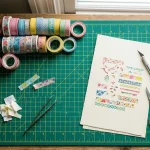

Washi tape isn’t just for decoration-it’s a versatile tool that can transform your artistic endeavors. Did you know that this simple, colorful tape can add depth and creativity to your projects? Whether you’re crafting a personalized card, enhancing a journal, or sprucing up your home decor, learning how to color with washi tape unlocks a world of possibilities. Many people feel intimidated by the idea of artistic expression, but with washi tape, the process is intuitive and fun. You’ll quickly discover techniques that empower you to bring your ideas to life, making your imagination the only limit. Dive into this exploration of artistic techniques and see how washi can elevate your creativity while giving you a satisfying, rewarding experience.
The Magic of Washi Tape: An Introduction to Colorful Creativity
Washi tape is more than just a decorative item; it’s a gateway to unleashing your inner artist. This simple, adhesive tape made from Japanese rice paper comes in an endless array of colors, patterns, and textures, making it an essential tool for creativity. Imagine transforming mundane surfaces into vibrant masterpieces with just a strip of tape. The versatility of washi tape is its true magic-it’s easy to use, repositionable, and can be combined with other materials to create stunning effects.
Let’s dive into how you can fully utilize washi tape in your art projects. Start with the basics: the tape is designed to be easily torn by hand, allowing you to create clean edges without the need for scissors. Use it for everything from journaling and scrapbooking to home decor and gift wrapping. The translucency of washi tape means you can layer it over other colors or textures, mixing and matching to create unique designs. And if you mess up? No worries. Simply peel it up and reposition it-washi tape is very forgiving.
As you explore, don’t hesitate to think outside the box. Consider using washi tape not only as decoration but also as a medium for creating textures and patterns in your artwork. You can cut it into smaller pieces, twist it, or even crumple it for added dimension. Your imagination is the limit. Plus, the experience of playing with colors and patterns can be immensely therapeutic. Embrace the imperfections; they often lead to the most delightful discoveries.
Washi tape invites experimentation, so gather your supplies and start playing. Whether you’re enhancing a piece of artwork or simply sprucing up a notebook, let the charm of washi tape inspire you to explore a world where creativity knows no bounds.
Choosing the Right Washi Tape for Your Projects
Choosing the right washi tape can make all the difference in elevating your projects from ordinary to extraordinary. With so many colors, patterns, and textures available, it might feel overwhelming at first. But considering a few key factors can guide you toward the perfect choice that aligns with your creative vision.
Start by identifying the theme of your project. Are you going for a colorful, whimsical look, or something more muted and sophisticated? For vibrant designs, seek out bold prints or tapes with intricate patterns. If you’re aiming for a more refined aesthetic, opt for pastel colors or subtler geometric designs. Don’t forget about texture; some washi tapes come with a soft matte finish, while others may have a glossy or metallic sheen that can add depth to your artwork.
Another crucial aspect is width and adhesion. Washi tape comes in various widths, from dainty strips to wider options. Thinner tapes can create delicate accents, while wider ones can be used for bolder statements or to cover larger areas. Pay attention to the adhesive quality as well. Some washi tapes are designed to stick permanently, and others can be repositioned more easily, allowing for adjustments during the creative process. This flexibility is particularly useful if you’re layering or experimenting with multiple tapes.
Finally, think about how you’ll pair washi tape with other materials. Consider using contrasting colors or patterns that complement the main design. For instance, if your base is a solid color, adding patterned washi can create a striking visual balance. Additionally, combining washi with watercolors or other media can enhance the overall effect, allowing you to explore different textures and layering techniques.
In sum, the right washi tape can be a powerful tool in your artistic arsenal. Take time to explore and experiment, and trust your instincts when selecting tapes that resonate with your project’s vision. Happy crafting!
Basic Techniques: Getting Started with Washi Tape Coloring
When you dive into the world of washi tape coloring, you’re entering a realm of endless creativity and fun. This unique medium isn’t just for sticking things down; it’s an opportunity to transform your artistic projects into vibrant masterpieces. The versatility of washi tape allows for a range of techniques that can easily elevate your artwork, from simple embellishments to intricate designs that make a statement.
The first step to getting started is to choose a base for your coloring project. Whether it’s a journal page, canvas, or card, your base will set the tone. After you’ve picked your base, consider color coordination. Pairing washi tape colors that complement or contrast with each other can create striking visuals. Use complementary colors for harmony or bold contrasts for a dramatic effect. Lay out potential designs before committing to see how colors interact.
Once your washi tape is in hand, it’s time to experiment with layering techniques. For instance, try creating a background by overlapping different tapes-this adds depth and interest without requiring complex coloring skills. You can also cut washi tape into shapes like strips, dots, or even intricate designs for unique patterns. Keep in mind that washi tape is easy to reposition. If something doesn’t feel right, peel it back and adjust until it fits your vision.
Don’t forget about integrating mixed media. Combine washi tape with other coloring tools like markers, watercolor, or paints. This not only expands your creative possibilities but also allows you to play with textures and patterns. Patterned washi tapes can enhance hand-drawn illustrations or painted backgrounds, adding layers of complexity to your work. The key is to let your creativity flow-there are no strict rules here, just endless potential.
Ultimately, getting started with washi tape coloring is about exploration and enjoying the process. Allow yourself the freedom to experiment, make mistakes, and most importantly, have fun with it. Whether you’re accenting a project or starting a new art piece from scratch, the possibilities are as colorful as the tapes themselves. Happy crafting!
Layering Techniques for Stunning Color Effects
When you start to layer washi tape, you unlock a vibrant world of creative possibilities that can transform any project into a colorful masterpiece. Layering isn’t just about stacking tape; it’s about thoughtfully combining colors, patterns, and textures to create depth and intrigue. This technique can elevate simple designs into captivating works of art. Here’s how to maximize your layering techniques to achieve stunning color effects.
Begin by selecting a base tape that serves as your foundational layer. This could be a neutral color or a light pattern, depending on the effect you want to achieve. Next, choose a couple of contrasting colors or patterns. Play with transparency-placing a semi-transparent tape over a more opaque one can create an interesting visual dimension. Lay down your base tape first, and then position your additional layers on top, varying their placement and overlap. Don’t worry about being too precise; part of the beauty of washi tape is its forgiving nature. If something doesn’t look quite right, peel it off and try again.
Experimenting with Designs
Here are some specific techniques to enhance your layering:
- Diagonal Layers: Instead of placing tapes vertically or horizontally, try layering them diagonally across your base. This approach can add dynamic movement to your design.
- Shape Play: Cut your washi into various shapes-circles, triangles, or even abstract forms. Layer these shapes for a playful collage effect.
- Textural Contrasts: Pair a textured washi (like one that mimics fabric) with a smooth, glossy tape. This contrast adds depth and tactile interest.
Finally, don’t forget to incorporate negative space. Allowing parts of your base to show through can enhance the overall design impact and prevent it from feeling overcrowded. Layering doesn’t mean you have to cover every inch. Balance is key; sometimes a little goes a long way. The best part? The repositionable nature of washi tape makes it easy to experiment until you find the perfect look. Enjoy the vibrant journey that layering offers; the possibilities are as expansive as your imagination.
Creative Patterns: Using Washi Tape to Add Depth
When you think about washi tape, vibrant colors and playful designs come to mind, but did you know that the arrangement can create stunning visual depth? This magic of patterns can transform flat designs into dynamic creations that capture attention and evoke emotion. Whether you’re using washi tape in scrapbooking, home decor, or art projects, mastering the art of patterning can elevate your work to a whole new level.
Start by considering the types of patterns you want to incorporate. Geometric designs can create structure, while floral or abstract styles can evoke a sense of whimsy. Mix and match these patterns; the key lies in balancing busy designs with simpler ones. This juxtaposition not only highlights the intricate details of each piece but also maintains a cohesive look throughout your project. For instance, try pairing a bold, patterned washi with a solid color to ground your composition. This method allows the vibrant designs to pop without overwhelming the overall aesthetic.
Creating Dynamic Effects
Consider layering different widths of washi tape. Using various sizes adds another dimension to your designs. Here’s a quick guide to help you get started:
- Base Layers: Start with wider tape as your foundational layer. This sets the stage for depth.
- Accent Layers: Add thinner stripes on top, playing with angles and overlaps to create movement.
- Pattern Variety: Experiment with different patterns – a polka dot tape laid over a floral pattern can create an exciting contrast.
Don’t shy away from the unexpected! Try combining different tapes in one composition. Maybe you have a glittery metallic tape – this could be the perfect accent amongst a collection of muted tones, catching the light and drawing the eye. The goal is to create a visual journey across your project, where the viewer’s gaze is guided through layers, colors, and patterns, keeping them intrigued from start to finish.
Lastly, remember that the beauty of washi tape lies in its versatility. If a combination doesn’t work out, don’t hesitate to reposition or switch it up. This adaptability allows you to explore and innovate your designs without fear. Embrace hand-crafted imperfections to add character and warmth to your projects, making each piece uniquely yours.
Incorporating Mixed Media: Beyond Just Washi Tape
When you step beyond the boundaries of washi tape, you’ve got a world of mixed media at your fingertips. This is where creativity flourishes-combining textures, colors, and forms can elevate your projects from ordinary to extraordinary. Think about incorporating materials like watercolor, acrylics, or even fabric to create depth and interest. By layering washi tape with paints or textiles, you can craft visual stories that engage more than just the eye; they can also engage the touch and imagination.
One straightforward way to enhance your creations is to use washi tape as a foundation for painting. Start by applying strips of washi to your canvas or paper in a pattern or arrangement that inspires you. Once your base is in place, grab your acrylics or watercolors and start adding color. The washi tape will serve both as a guide and a resist, where the colors will pop against the tape’s vibrancy. You can even peel off the tape once the paint dries to reveal crisp edges that frame your artwork beautifully.
Another fun technique involves mixing different kinds of adhesive elements. Pair washi tape with textured papers or even handmade items like embroidery. Use washi to outline areas where you’ll stitch or layer paper, allowing the soft and textured fabric to contrast with the bold patterns of the tape. This not only adds dimension but also tells a story of your creative process.
Practical Tips for Mixed Media Integration
- Layer with intention: Start with larger, more opaque elements in your mixed media and build down to your delicate washi tape accents. This prevents the tape from getting lost in the design.
- Experiment with materials: Don’t just stop at paint or fabric. Try integrating metal pieces, beads, or even wood for a truly eclectic feel.
- Use texture to your advantage: Pair smooth washi tape with heavily textured surfaces to create striking visual contrasts.
- Be open to improvisation: Sometimes the best results come from unexpected combinations. If something doesn’t work out as planned, allow yourself to pivot and creatively adapt.
By embracing mixed media techniques with washi tape, you not only enhance the visual appeal of your projects but also discover new avenues for artistic expression. So dive in, mix things up, and watch your creativity blossom in ways you never thought possible!
Tips for Precision: Cutting and Applying Washi Tape
When it comes to working with washi tape, precision is your best friend. You want those edges crisp and clean, and your designs to pop. Even though washi tape has a forgiving nature, a few tips can help you cut and apply it with the finesse of a seasoned artist.
First, always use sharp scissors or a craft knife for cutting washi tape. Dull blades can snip uneven edges, which can throw off the clean lines of your project. If you’re cutting long strips, measure out the desired length with a ruler first. Then, gently press the tape down to your surface before making the cut; this prevents the tape from shifting and ensures your cut is precisely where you want it.
Another thing to consider is how you apply the tape. Start by positioning one end of the tape down first, then slowly unroll and press it onto your surface. This method substantially reduces air bubbles, which can ruin the appearance of your project. If you do end up with a bubble, don’t worry-just gently lift the tape and reapply it, smoothing it down as you go.
Pro Tips for Perfect Application
- Work on a clean surface: Dust or debris can interfere with adhesion. Wipe down your area before starting.
- Use a burnishing tool: A bone folder or even your fingernail can help ensure the tape adheres smoothly, especially at the edges.
- Overlap with care: If your design requires overlapping tape, do so in a way that creates a seamless transition. This may involve cutting the upper layer slightly shorter than the lower layer for better visibility.
The key is practice; the more you work with washi tape, the more intuitive your cutting and applying techniques will become. So grab your favorite rolls, and don’t hesitate to experiment! Each project is a chance to enhance your skills and find fresh ways to express your artistic vision.
Common Mistakes to Avoid with Washi Tape
Mistakes can stifle your creativity when working with washi tape, and even seasoned creators can fall into familiar traps. One of the biggest pitfalls is not prepping your surface adequately. It’s easy to overlook this step, but dust and oil can diminish the adhesive quality of your tape, causing it to peel off or wrinkle. Always start your project on a clean, dry surface to ensure the best adhesion.
Another common error is being a bit too hasty. Washi tape is forgiving, but rushing can lead to misalignments or air bubbles. It’s tempting to press the tape down immediately, but take your time positioning it. Start with one edge anchored, then slowly unroll while ensuring it’s straight. If you do encounter a bubble, don’t panic. Gently peel the tape back and smooth it down carefully to release the trapped air.
When it comes to cutting, precision matters. Many people underestimate the importance of using sharp scissors or a craft knife. Dull tools can create ragged edges that disrupt the clean lines of your work. Additionally, measuring before cutting can save you from excessive waste and help keep your designs consistent. Always measure your strips to avoid unwanted surprises mid-project.
Lastly, don’t be afraid of experimentation, but consider your color palette. Sticking with too many clashing colors can overwhelm your project. Instead, select a harmonious range that complements each piece of tape you use. This thoughtful approach can elevate your work and turn simple compositions into stunning visual stories. Remember, creativity thrives on good practices, so keep these tips in mind to avoid common missteps and enhance your washi tape crafting adventures!
Inspiration: Unique Washi Tape Art Projects
Creating art with washi tape opens up a world of vibrant possibilities, and it can be as simple or intricate as you want it to be. You can transform everyday objects into stunning creations, making this a fantastic medium for both seasoned artists and beginners. Think about using washi tape to create customized greeting cards that stand out. Layer different tapes to form intricate designs or patterns that convey a personal touch-your friends and family will be impressed by the attention to detail.
Decorate Your Living Space
Want a quick and easy home decor project? Washi tape can help you breathe new life into bland walls or furniture. Try creating a feature wall by applying tape in geometric shapes or patterns. It’s removable, so you can experiment without commitment. You can also wrap tape around plant pots or picture frames for a unique touch. The beauty of washi tape is its versatility-whether you’re creating a minimalist look or going for bold colors, the results can be quite striking.
Functional Art: Enhance Everyday Items
Consider using washi tape to personalize your stationery. Simple notebooks can become curated collections of creativity with just a few strips of colorful tape. You can divide pages with patterned washi or use it to mark important sections, making organizing fun. Even mundane items like binder clips can be decorated for a splash of personality. Just remember to seal your creations with a clear topcoat if they’re going to see daily use, ensuring they last as long as your creativity will.
The magic lies in your imagination. Feeling crafty? Dive into mixed-media projects by combining washi tape with paint or drawings. This creates depth and texture, taking your artwork to the next level. Whatever you choose, remember to enjoy the process. Your washi tape art will not only beautify your space but also reflect your unique style and creativity. Happy crafting!
Where to Find Specialty Washi Tapes for Artists
Finding the perfect washi tape can feel like a treasure hunt, especially when you’re aiming to create something truly unique with your art. The right tape can elevate your projects and inspire creativity, so it’s worth knowing where to look. Start with online platforms like Etsy and Amazon, where you can discover a vast array of specialty washi tapes, many of which are crafted by independent artists. Supporting small businesses not only gets you distinctive designs but also helps you find limited-edition pieces that stand out in your collection.
Local craft stores often have a dedicated section for washi tape, but don’t overlook specialty stores that focus on paper goods, stationery, or art supplies. These shops may carry unique brands that aren’t widely available elsewhere. Look out for seasonal collections, too- many retailers release themed tapes during holidays or events, which can add a special touch to your artwork. Additionally, consider checking out art fairs and markets, where local artisans may offer their own handmade washi tapes, providing even more options for your creative palette.
If you’re into vintage styles or specific themes, thrift stores and flea markets can be goldmines for finding unique washi tapes. Many folks donate rolls they’ve never used, and you might stumble across stunning prints that inspire your next project. Lastly, don’t underestimate the power of social media. Platforms like Instagram and Pinterest are filled with artists showcasing their work, often paired with sources on where to buy washi tapes. Follow these creators for curated suggestions that can lead you to the specialty tapes you didn’t even know you needed.
No matter where you find your tapes, remember that the quality and pattern can greatly influence your final artwork, so take your time to select pieces that truly inspire you. Happy crafting!
Maintaining Your Washi Tape Creations: Care and Storage
Washi tape may seem delicate, but with the right care, your vibrant creations can last a long time. To keep your washi tape projects looking fresh and beautiful, there’s a bit of maintenance and storage strategy you should consider. Humidity and sunlight can be the biggest culprits in damaging washi tape, causing it to lose its stickiness or colors to fade. So, let’s discuss how to protect those colorful layers of creativity.
To start, store your washi tape creations in a cool, dry place. A simple folder or a protective box can work wonders. Consider using an acid-free archival box, as this type of storage will prevent any chemical reactions with the tape that could lead to discoloration. However, if your artwork is hung up or out on display, use UV-protective glass or acrylic for framing. This will shield your pieces from harmful light while allowing you to showcase your creativity.
When it comes to caring for the surfaces adorned with washi tape, a gentle touch is key. Dust your projects regularly with a soft, dry cloth to keep them looking pristine; avoid using water or cleaners, as these can cause the tape to lift or damage the adhesive. If you’re using washi tape in a scrapbook or planner, trying to avoid excessive handling of those pages can extend the lifespan of your tape designs.
Lastly, if you notice a piece starting to peel or lift, don’t panic. A small dab of craft glue can reattach it without detracting from the overall look. Just be sure to apply any adhesive carefully, so it doesn’t seep out and spoil your design. Following these straightforward tips, you can enjoy your colorful washi tape artwork for years to come, creating a vibrant atmosphere in your space and inspiring your next creative adventure!
Expanding Your Skills: Advanced Washi Tape Techniques
To truly elevate your washi tape artistry, diving into advanced techniques can unlock a whole new realm of creativity. By mastering these methods, you can transform simple designs into intricate works of art that stand out and inspire. Whether you’re looking to deepen your understanding of color application or explore texture and layering, the following approaches will help you refine your skills and discover fresh possibilities.
Layering for Depth and Dimension
One of the most effective advanced techniques involves layering different tapes. Start by selecting a base washi tape that provides a strong foundation. Apply it to your canvas, then experiment by adding contrasting or complementary colors on top. This not only creates depth but can also produce unique textures. Consider clear or semi-transparent washi tapes for an ethereal quality, as they can overlay beautifully while allowing the base color to show through.
- Create patterns: Use a light base and introduce darker or more vibrant tapes intermittently to form a pattern that has both structure and spontaneity.
- Use negative space: Remember that the areas you don’t cover can be just as impactful as the colors you choose.
Color Anchoring with Watercolor Techniques
Combining watercolor techniques with washi tape can yield stunning results. Begin by applying a light wash of color to your paper or project surface. Once dry, use washi tape to create shapes or frames over the watercolor. The tape will act as a resist, and when removed, it will leave behind crisp lines that juxtapose nicely against the soft watercolor.
- Experiment with gradients: Use washi tape to section off areas on your canvas before painting. You can blend colors smoothly between sections that are taped off, creating a gradient effect that highlights your tape’s edges.
Integrating Mixed Media
Pushing the boundaries of washi tape artistry can involve incorporating other materials. Combine washi tape with elements like paint, ink stamps, or other paper varieties to create rich, layered compositions. For instance, consider using washi tape to outline collaged elements or as borders around photographs or drawings.
- Add embellishments: Throw in beads, buttons, or textured papers along with your tape for added dimension. You could even experiment with fabric-based washi tape for an intriguing textile effect.
Precision in Application
Precision is key when applying washi tape, especially when you’re layering or making detailed designs. To achieve clean lines, use a craft knife to trim excess tape, and consider using a ruler for straight edges. A pair of tweezers can also help in positioning smaller pieces without disturbing the surrounding area.
With these advanced techniques, you’re not just applying washi tape-you’re creating complex, captivating works of art. Embrace the possibilities and let your imagination guide you as you explore what lies beyond basic application. Each project is an opportunity to learn and innovate, so start experimenting today, and watch your creativity flourish!
FAQ
Q: What is washi tape and how can I use it for coloring projects?
A: Washi tape is a decorative adhesive tape made from traditional Japanese paper. You can use it in coloring projects by layering different tapes, creating patterns, or even painting over it to add color depth. It’s perfect for adding a touch of creativity to your art and crafts!
Q: Can I combine washi tape with paint or other coloring mediums?
A: Yes, combining washi tape with paint or other coloring mediums can enhance your projects. Use washi tape to mask off areas, allowing you to paint or color around it. This technique creates striking contrasts and patterns that make your art pop.
Q: What are some advanced techniques for coloring with washi tape?
A: Advanced techniques include creating three-dimensional effects by layering washi tape, using watercolors to blend colors, or incorporating mixed media like textured papers. Explore different adhesives and surfaces for unique results, as discussed in our “Expanding Your Skills” section.
Q: How do I prevent washi tape from peeling off when coloring?
A: To prevent peeling, ensure your surface is clean and dry before applying washi tape. Use a light decoupage medium for added adhesion, especially if you’ll be applying heavier paint to avoid lifting the tape during your artistic process.
Q: What mistakes should I avoid when using washi tape for coloring?
A: Common mistakes include not prepping your surface properly or applying too much pressure when trimming the tape. Always work on clean, smooth surfaces and use a craft knife for precise cuts. Check our section on “Common Mistakes to Avoid” for more tips!
Q: How do I create unique patterns with washi tape for my art projects?
A: To create unique patterns, experiment with angles, layering, and different widths of washi tape. Try combining various colors and textures to achieve dynamic effects! Refer to our “Creative Patterns” section for more inspiration and detailed techniques.
Q: Where can I find specialty washi tapes for my artistic projects?
A: You can find specialty washi tapes at craft stores, online marketplaces, and specialty art supply shops. Look for artisan stores or websites that focus on unique designs. Explore the “Where to Find Specialty Washi Tapes for Artists” section for specific recommendations.
Q: Is washi tape easy to remove without damaging my artwork?
A: Yes, washi tape is designed to be removable and generally won’t damage most surfaces when removed carefully. However, test on a small area first to ensure it’s compatible with your project materials. See our tips in the “Maintaining Your Washi Tape Creations” section for best practices.
To Conclude
Now that you’ve explored the vibrant world of coloring with washi tape, it’s time to unleash your creativity! Whether you’re jazzing up a journal page or adding flair to home decor, remember that the possibilities are endless. Don’t wait-grab your favorite rolls and start experimenting today!
If you’re hungry for more ideas, check out our guides on aesthetic washi tape uses [2] or dive deeper into innovative washi tape techniques [1]. Be sure to share your projects with us in the comments-we love seeing how you bring your artistic flair to life! And for ongoing inspiration, consider signing up for our newsletter. Your next creative journey awaits!
Get our latest guides, news, and insights highlighted in your Google Search & AI Overviews.