
If you’ve ever admired beautifully handwritten letters or intricate invitations, you’re not alone. Many people are drawn to calligraphy, but fear it requires years of training. The truth is, using a cartridge calligraphy pen can simplify the process significantly, allowing you to create stunning letters with ease and consistency. These pens are designed for convenience, making it easy for both beginners and seasoned artists to produce results that impress.
Imagine the joy of personalizing your holiday cards or creating unique art pieces without the hassle of fussing about ink and nibs. By the end of this guide, you’ll feel confident wielding your cartridge pen, ready to explore the art of calligraphy. Dive in, and let’s unlock your creativity!
Choosing the Right Cartridge Calligraphy Pen for You
When diving into the world of cartridge calligraphy pens, it’s crucial to select one that suits your personal style and meets the demands of your projects. The right pen can elevate your writing experience from ordinary to extraordinary, allowing you to express yourself with precision and flair. Consider factors like nib size, ink flow, and comfort in your hand. A pen that feels good while you write can make all the difference, especially during extended sessions.
One of the first things to think about is nib size. Larger nibs often produce broader strokes, which can be perfect for dramatic lettering, while finer nibs offer detail for intricate designs and smaller fonts. If you’re unsure, opting for a medium nib can be a great starting point, providing a balance between the two. Additionally, the type of ink cartridge can affect the smoothness of your writing. Some pens allow you to choose between different ink types-like vibrant colors or metallic shades-which can add a unique flair to your projects.
Don’t overlook ergonomics; make sure the pen fits comfortably in your hand. A pen that feels natural will reduce fatigue and improve your control, allowing for more effortless writing. You might also want to look for pens with cushioned grips or adjustable positions. Many calligraphers also appreciate the versatility of pens that allow for easy nib changes or boast a range of compatible cartridges-this adaptability lets you experiment with different styles and techniques as your skills grow.
In summary, choosing the right cartridge calligraphy pen is all about matching your individual needs with the pen’s features. Try a few options to see what feels right in your hand, and consider how its performance aligns with your creative goals. Investing time in the right selection can turn your calligraphy practice into a rewarding and enjoyable journey.
Essential Supplies for Calligraphy Success
To embark on your calligraphy journey effectively, you’ll need more than just a cartridge pen; you’ll want to gather some essential supplies that will enhance your experience and results. Investing in the right tools not only makes writing easier but also opens up a world of creative possibilities. Here’s what you should consider having on hand.
Start with quality ink cartridges that best suit your artistic needs. Depending on your cartridge calligraphy pen, you might find a variety of ink types, such as water-based or pigment-based options. Each has its advantages: water-based inks can produce vibrant colors with smooth flow, while pigment-based inks are great for their water resistance and longevity. Experimenting with different colors and brands can elevate your work significantly, so don’t hesitate to stock up.
Next on the list are suitable papers. The texture and weight of the paper you choose will make a big difference in how your calligraphy looks. Look for smooth, high-quality papers specifically designed for calligraphy or watercolor. They help prevent ink bleed and feathering, ensuring that your lines remain crisp and clear. You might also want to keep a few different types: some for practice and others for finished pieces that showcase your best work.
A comfortable workspace is equally important. This means not just a good desk and chair but also having the right lighting. A well-lit area helps you see the fine details in your work without straining your eyes. Additionally, having clean-up supplies nearby, such as paper towels, is a game-changer when you’re working with inks. Capping pens promptly after use and wiping nibs can prevent clogs, keeping your tools in prime condition.
Lastly, consider tools for added enhancement. A ruler or T-square can help you create perfect lines for layout, while a lightbox might be handy for tracing practices or more complex designs. These tools can simplify the process and give you the confidence to take on projects beyond basic lettering.
By gathering these essential supplies, you’ll set a solid foundation for your calligraphy endeavors. With the right ink, paper, a tidy setup, and some handy tools, you’ll be well on your way to creating beautiful lettering that truly stands out.
Mastering Basic Techniques with Your Cartridge Pen
When you dive into calligraphy with a cartridge pen, mastering the basics is your gateway to stunning creations. Start with grip and angle, as these factors significantly impact the flow and style of your writing. Hold the pen at a 45-degree angle against the paper; this position allows for a smooth ink flow and enables you to create those beautiful, characteristic thick and thin strokes. You’ll find that a relaxed grip encourages fluid movement, reducing fatigue during those longer sessions.
Next, practice the foundational strokes that are the building blocks of calligraphy. Long, consistent lines, gentle curves, and sharp angles are essential to forming letters. With your pen, practice creating an even pressure to emphasize the downstrokes while easing off for the upstrokes. Use guidelines or lightly drawn pencil lines to maintain consistency in height and spacing. Try this exercise: create a series of ovals and loops. These shapes will become crucial as you work on letters, ensuring that you maintain control and rhythm.
As you gain confidence, explore letter shapes. Break down the letters into basic strokes, which helps demystify intricate letters. For example, the letter “b” can be constructed using a straight downstroke followed by two curves-one for the belly and another for the counter. Practice each letter repeatedly, focusing on maintaining your angle and pressure until you feel comfortable forming words. Take your time; consistency will come with practice, and it’s perfectly fine to make adjustments as you go.
Finally, remember to keep your work area tidy and well-lit. A clean workspace not only makes it easier to concentrate but also helps in noticing small mistakes that can throw off your rhythm. Your pen should always be capped when not in use to avoid drying out the nib, and keep a damp cloth nearby for quick clean-ups. Develop a routine that includes warm-up exercises before diving into your projects. This habit not only prepares you mentally but also sets the right tone for a productive session. Enjoy the process and watch your skills blossom!
Creating Stunning Effects: Advanced Calligraphy Techniques
When you start venturing into the realm of advanced calligraphy techniques with your cartridge pen, the possibilities for stunning effects are endless. The beauty of a cartridge calligraphy pen lies not just in its convenience but also in its versatility. You can create eye-catching effects that elevate your lettering from simple text to works of art. Let’s explore some methods that can make your calligraphy truly pop.
One of the most effective ways to enhance your calligraphy is through the use of contrast. This can be achieved by combining different ink colors or using metallic inks alongside standard colors. For instance, writing a name in a deep blue ink and adding a gold outline can create an eye-catching elegance. You might also try using a thicker nib for downstrokes and a finer nib for delicate ascenders – this combo emphasizes the letters in a way that grabs attention.
Another technique is layering your strokes. Instead of writing a letter in one go, layer your strokes by going over the downstrokes a second time to enhance their boldness. This method not only deepens the color but also adds a rich texture to your work. Pair this with calligraphic flourishes or extended loops at the ends of letters, and you’ll achieve a sophisticated flourish that feels dynamic and alive.
Don’t shy away from incorporating faux calligraphy techniques where you emphasize certain areas by adding shadows or additional flourishes. Using a low-opacity white or light color to create a shadow effect can transform simple letters into three-dimensional ones. Additionally, you can experiment with varying the pressure on your cartridge pen to create a beautiful range of line thickness within a single stroke, adding depth and visual interest.
Lastly, remember to play with the composition and layout. Don’t just write in straight lines; instead, stagger your letters in a playful curve or shape. Create clusters of letters that flow together or take inspiration from nature, like flowing water or blooming flowers. This adds movement to your pieces, making them engaging and inviting.
Embrace creativity and push the boundaries of your cartridge calligraphy pen skills! Experimenting with these techniques can lead to delightful discoveries that enhance your style and make your calligraphic work stand out in any project you undertake.
How to Maintain Your Cartridge Calligraphy Pen
To keep your cartridge calligraphy pen in top condition, a few simple maintenance practices go a long way. Proper care not only extends the life of your pen but also ensures your writing is smooth and consistent every time you create art. Here’s how to keep your tool ready for those strokes of brilliance.
Start by cleaning your pen regularly. After each use, especially if you’re switching inks or colors, wipe the nib with a damp cloth or paper towel. This helps remove any ink residue that could clog the nib and affect performance. If the ink dries, you can soak the nib in warm water for a few minutes to soften it up, then gently wipe it clean. Just be cautious not to immerse the entire pen body in water to avoid damaging sensitive components.
Another key aspect of maintenance is proper storage. Keep your cartridge pen capped when not in use to prevent the nib from drying out. Store it upright in a cool, dry place, which can help prevent ink leakage and preserve the integrity of the cartridge. Ideally, avoid leaving it in direct sunlight or a hot environment, as this can cause the ink to expand and rupture the cartridge.
Also, pay attention to the ink itself. When using a cartridge pen, always opt for high-quality inks specifically designed for calligraphy. Low-quality inks can cause clogging and inconsistencies. If you notice the ink flow is decreasing, it might be time to replace the cartridge. Try not to shake the pen, as this can introduce air bubbles that disrupt the ink flow.
Finally, if your pen experiences any performance issues, such as skipping or uneven ink flow, it could be a sign of a dirty nib, a clogged cartridge, or even that it needs a new cartridge altogether. Regularly checking and addressing these issues can prevent larger problems down the line and keep your calligraphy practice smooth and enjoyable.
By following these straightforward maintenance tips, you’ll ensure your cartridge calligraphy pen remains a reliable partner in your artistic endeavors, helping you create beautiful lettering for every project.
Troubleshooting Common Cartridge Pen Issues
Using a cartridge calligraphy pen can be a smooth experience, but problems occasionally crop up, and knowing how to troubleshoot them can save your work and your creative flow. One of the most common issues is ink flow problems. If your pen skips or the ink doesn’t flow smoothly, check the nib for clogs. It might be as simple as a dried ink residue. Gently clean the nib with a damp cloth or rinse it under warm water, taking care not to immerse the entire pen.
Another frequent issue is cartridge compatibility. Not all cartridges are created equal, and using an incompatible cartridge can lead to more than just poor performance-it can ruin your pen altogether. Always ensure you’re using cartridges that are specifically designed for your pen model to avoid leaks or improper fits.
Air bubbles can also be a nuisance. If you notice inconsistent ink delivery, try tapping the pen lightly or gently shaking it to help dislodge any trapped air. Avoid vigorous shaking, as this might introduce more air bubbles. Additionally, make sure that all parts of the pen are securely fitted; loose components can lead to air leaks that disrupt flow.
Finally, keep an eye on ink quality. Cheap inks can produce disappointingly inconsistent results and may even clog your pen. Always select high-quality inks from reputable brands. If you experience any of these persistent issues despite troubleshooting, it might be time for a fresh cartridge or a visit to a professional for maintenance.
By addressing these common issues promptly, you’ll keep your cartridge calligraphy pen performing at its best, allowing you to focus on creating beautiful lettering instead of troubleshooting problems.
Incorporating Cartridge Calligraphy in Your Projects
If you’ve recently picked up a cartridge calligraphy pen, you’re probably excited about the endless possibilities it opens up for your projects. The beauty of these pens is their convenience combined with the elegant flair they bring to any type of writing, whether it’s addressing invitations or crafting art pieces. To make the most of your cartridge calligraphy pen, here are some effective ways to incorporate it into your creative endeavors.
One of the most rewarding applications is creating personalized stationery. Use your pen to address envelopes or write letters that leave a lasting impression. Consider pairing your calligraphy with decorative paper or unique envelope designs. This personalized touch can elevate the simplest message, making it feel special. Try using different ink colors to match the occasion or theme of your correspondence.
For those who enjoy adding a personal flair to events, your cartridge pen can be a game-changer. Utilize it for signage, table settings, or even place cards at weddings or parties. You might use metallic or gel inks on darker papers for a stunning contrast that catches the eye. Not only does this add visual interest, but it also showcases your calligraphy skills to guests, adding a layer of sophistication to your décor.
Art journaling is another fantastic way to utilize your pen. Combine calligraphy with doodles, sketches, or watercolor washes in your journal. Expressive writing paired with visuals creates a dynamic page that reflects your mood or thoughts. This freedom can inspire self-expression and creativity, providing a beautiful outlet for your ideas.
Lastly, don’t shy away from exploring the world of mixed media. Combine your calligraphy with other art forms like painting or collaging. Write quotes or poems in your artwork for a unique touch. Whether for your gallery wall or a gift, integrating calligraphy into visual art pieces can provide depth and a personal narrative.
By thinking outside the box on how to incorporate a cartridge calligraphy pen, you’ll not only enhance the beauty of your projects but also enjoy the process of creating art that speaks to you and others. Each piece becomes not just a project, but a testament to your creativity and skill.
Exploring Different Styles and Fonts
Exploring the diverse styles and fonts you can achieve with a cartridge calligraphy pen expands the potential of your writing and artistry. Whether you’re after a classic, elegant look or a more modern aesthetic, the right technique and pen settings can transform your work. The beauty of using a cartridge pen lies in the ease with which you can switch styles, allowing for experimentation and creativity like never before.
Start by familiarizing yourself with different calligraphy styles. Traditional scripts like Copperplate and Spencerian have intricate loops and flourishes, creating an elegant result that’s perfect for invitations and formal announcements. If you prefer a more contemporary feel, brush calligraphy offers a more relaxed, organic look, ideal for casual events or personalized art pieces. Don’t hesitate to explore block lettering for a straightforward approach, especially when legibility is key or when incorporating your calligraphy into graphic designs.
To practice different fonts, try mixing styles in a single project. For instance, combine a flourishing script for headers with a clean sans serif for body text. This contrast can add depth and interest to your projects, making them visually engaging. Additionally, consider using various ink colors or finishes-metallic inks can elevate the festive vibe of a piece, while pastels might lend a softer touch, perfect for spring events or baby showers.
Experimentation is vital. Test out different pen nibs if your cartridge allows it, as different tips will yield varying line weights. Use this versatility to adapt your writing to suit the occasion; for weddings, a delicate script may be fitting, while bold lettering may work better for a modern art piece. Remember, the joy of calligraphy lies not just in the final product, but in the process of discovery and the personal touch you can bring to every piece you create.
Calligraphy Pen Comparisons: Cartridge vs. Traditional
Using a cartridge calligraphy pen can feel like a breath of fresh air compared to traditional methods. If you’re used to dipping into ink pots and fiddling with nibs, the ease and convenience of cartridges might just change your perspective on calligraphy. They offer a straightforward alternative that lets you focus on your lettering rather than the setup. But how do these two approaches stack up against each other?
Cartridge pens shine when it comes to convenience and consistency. With a simple cartridge swap, you have instant access to fresh ink, allowing you to minimize downtime while working on your projects. No need to worry about spills or the right ink-to-nib ratio. Plus, if you’re traveling or teaching a workshop, a cartridge pen requires far less hassle. Just pack it up and go. In contrast, traditional calligraphy pens, while offering a broader range of ink options and nib styles, often demand more preparation and cleaning time. This means they might not be as user-friendly for beginners or those pressed for time.
However, traditional pens have their own undeniable charm, especially when it comes to customization and the tactile experience they provide. Using a glass or metal nib allows for an intimate connection with your medium, where you can adjust ink flow and pressure to personalize each stroke. The slight variations in line width can add character to your work in ways that a cartridge pen may not replicate. If you’ve got the patience and skill, traditional methods can lead to stunning results that showcase your unique style.
In the end, it comes down to your goals and preferences. If you’re crafting a quick card or need an on-the-go option, cartridge pens are invaluable. They’ll have you writing beautifully in no time while keeping the mess to a minimum. Alternatively, if you cherish the artistry and ritual of calligraphy, exploring traditional pens may deepen your appreciation for the craft. Consider your projects and choose the tool that best fits your needs-there’s no single right answer in the world of calligraphy!
Tips for Writing Beautifully on Different Surfaces
Writing beautifully with a cartridge calligraphy pen is all about understanding how different surfaces interact with ink. Not every paper or material is created equal, and choosing the right one can elevate your lettering from simple to stunning in a heartbeat. Whether you’re working on fine stationery, canvas, or even wood, knowing how to adjust your technique can make a world of difference.
Start with paper. The smoother the surface, the cleaner the lines. If you’re using a standard calligraphy pen on watercolor or textured paper, you might find your ink bleeds or your lines look jagged. Instead, opt for fountain pen-friendly paper or smooth cardstock. These surfaces allow your ink to glide effortlessly, enhancing the clarity of each stroke. For practice, I recommend experimenting with different weights and finishes until you find your perfect match.
Next, consider the color and finish of the surface. Darker colors might require more opaque inks or even gel cartridges to ensure your lettering stands out. If you’re writing on colored paper, test your ink on a scrap piece first. Some colors can dull the vibrancy of your ink, making it look less impressive than intended.
When it comes to unconventional surfaces like wood or fabric, preparation is key. For wood, a light sanding can create a smoother surface for writing, while fabric might require textile-specific inks to prevent smudging. Whichever material you choose, have fun with it and don’t hesitate to incorporate a variety of surfaces into your projects. Each type of surface offers a new opportunity to showcase your skills and creativity, transforming simple calligraphy into a unique art form that reflects your style.
Ideas to Showcase Your Calligraphy Creations
There’s something captivating about seeing your calligraphy come to life in creative ways. When you use your cartridge calligraphy pen, you’re not just writing; you’re creating art that deserves to shine. Whether you’re making invitations, designing wall art, or crafting personalized gifts, there are countless ways to showcase your calligraphy creations and add a unique touch to your projects.
One popular method is to create custom greeting cards. Using a blank card, you can write heartfelt messages in beautiful script. Try adding embellishments like watercolor backgrounds or decorative borders. Personal touches like your own calligraphy on envelopes will elevate the entire presentation, making every card feel special.
You can also explore creating wall art. This doesn’t have to be overly complicated. Choose a thoughtful quote or a cherished saying, write it out in your favorite style, and frame it. Use different font sizes to create visual interest or layer your calligraphy with illustrative elements to enhance its appeal. If you’re feeling adventurous, consider combining different lettering styles within the same piece-this can add a dynamic look that catches the eye.
If you want to infuse your daily life with your art, try making personalized home decor items. Write a favorite quote on canvas or wood, or even hand-letter on fabric to create a decorative pillow. Think of it as a way to showcase your personality and creativity throughout your home.
Lastly, don’t underestimate the power of social media. Share your work online! Create an Instagram or Pinterest board dedicated to your calligraphy, displaying your projects, progress, and behind-the-scenes moments. Engaging with a community of fellow calligraphers can inspire new ideas and techniques while providing a platform to celebrate your unique style.
Incorporating your calligraphy into varied projects not only highlights your skill set but also spreads the joy of this art form. Experiment, have fun, and let your creativity flow!
Inspiring Calligraphy Projects to Try Today
There’s a world of creativity waiting to be unleashed with your cartridge calligraphy pen, and now’s the perfect time to dive in! Here are a few inspiring projects that let your unique style shine while also building your skills in this beautiful art form.
Start with personalized stationery. Craft custom note cards or letterhead that reflects your personality. Use high-quality cardstock and experiment with different inks to see how they interact with your pen. Add your name or a favorite phrase in elegant script. This project not only enhances your writing skills but also gives you something meaningful to send to friends and family.
Next, consider creating decorative wall art. Take a quote that resonates with you, and let your pen do the magic. Use textured paper or canvas to give your art a professional feel. Play with design by varying font sizes or incorporating simple illustrations, like leafy embellishments or geometric shapes. Framing your completed work can transform it into a stunning focal point in your home.
If you’re feeling adventurous, try your hand at calligraphy on fabric. This could be a fun way to personalize items like tote bags or throw pillows. The experience will challenge you to consider different materials and how your cartridge pen performs on them. Use fabric markers or specialty inks designed for fabric to ensure your creations are lasting and practical.
Finally, don’t forget about the digital realm. Start an Instagram or Pinterest board dedicated to showcasing your calligraphy work. This is a great way to engage with a community, gather inspiration, and share your progress. Documenting your journey allows you to see how far you’ve come, and it can motivate you to try even more ambitious projects.
These projects not only celebrate your talent but also encourage you to play and experiment with your cartridge calligraphy pen. Embrace the process, and don’t be afraid to make mistakes-the best art often comes from unexpected turns!
FAQ
Q: How do I properly load the ink cartridge into a calligraphy pen?
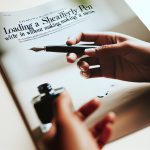
A: To load the ink cartridge, remove the pen’s cap and unscrew or pull off the barrel. Insert the cartridge firmly into the holder until you hear a click or feel it lock in place. Reassemble the pen, and let the ink flow for a few moments before starting to write.
Q: What types of ink cartridges are best for calligraphy pens?
A: The best ink cartridges for calligraphy pens are dye-based inks for vibrant colors and smooth flow. Some artists prefer pigment-based cartridges for their permanence and water resistance. Always check compatibility with your pen.
Q: Can I refill ink cartridges for my calligraphy pen?
A: Yes, you can refill ink cartridges, but ensure the cartridge is designed for refilling. Use a syringe to inject ink into the cartridge carefully, avoiding any air bubbles. This method can save costs and reduce waste.
Q: How do I clean my cartridge calligraphy pen?
A: Clean your cartridge calligraphy pen by flushing it with warm water until the water runs clear. For stubborn ink, use a gentle cleaner designed for ink pens. Disassemble the pen to reach all parts, ensuring a thorough clean to maintain performance.
Q: Why is my cartridge pen skipping while writing?
A: Skipping may occur due to a blocked nib or an empty cartridge. Check the nib for dried ink and clean it gently with a soft cloth. If the cartridge is empty, replace it to ensure consistent ink flow.
Q: How can I make my calligraphy writing smoother?
A: To achieve smoother writing, use a light grip on your pen and maintain a steady hand. Practice consistent pressure while writing and experiment with different surfaces, as some papers enhance ink flow better than others.
Q: What surfaces are best for using a cartridge calligraphy pen?
A: For optimal results, use smooth, bleed-resistant paper like 100% cotton or specialty calligraphy paper. Avoid glossy surfaces that repel ink, and test different types of paper to see what works best for your writing style.
Q: How do I store my cartridge calligraphy pen when not in use?
A: Store your cartridge calligraphy pen horizontally or upright with the nib facing up to prevent ink from clogging. Keep it in a cool, dry place and avoid extreme temperatures to maintain the integrity of the ink and the pen.
In Retrospect
Congratulations on taking the first step into the art of calligraphy with your new cartridge pen! Remember, mastering this skill can transform your writing into beautiful expressions. Don’t let hesitation hold you back-grab your pen, and let the ink flow! If you found our guide helpful, check out our in-depth articles on “Choosing the Right Calligraphy Supplies” and “Top Tips for Calligraphy Beginners” to deepen your skills further.
We’d love to hear about your experiences-drop a comment below or share your creative pieces with our community! For more insights and exclusive tips directly to your inbox, consider signing up for our newsletter. Your journey in calligraphy is just beginning, and there’s a world of creativity waiting for you. Keep practicing and exploring; every stroke counts!
Get our latest guides, news, and insights highlighted in your Google Search & AI Overviews.