Have you ever marveled at the elegance of beautifully written calligraphy and thought about trying it yourself? Whether you’re a complete beginner or a seasoned artist looking to refine your craft, choosing the right calligraphy pen is crucial. In this guide, we’ll explore the different pricing tiers of calligraphy pens, catering to every budget-from affordable starter sets to premium options that can elevate your art. Understanding what you’re investing in can enhance your experience and help you achieve those stunning results you envision. Read on to discover which calligraphy pen might be the perfect fit for your creative journey and budget!
How Much Do Calligraphy Pens Cost?
Calligraphy pens can vary widely in price, depending on their type, brand, and intended use. If you’re just starting out, you can find adequate beginner options for as low as $5 to $15. These entry-level pens often come pre-filled with ink or have easily replaceable cartridges, making them an excellent choice for amateurs looking to explore their creativity without breaking the bank.
As you become more invested in calligraphy, you might consider mid-range options ranging from $20 to $50. These pens typically offer better quality nibs and a more reliable ink flow, allowing for finer control and smoother writing. Brands like Pilot or Speedball are often recommended in this price range, providing a good balance of performance and affordability.
For seasoned calligraphers or those looking for luxury pieces, prices can soar to $100 or even several hundred dollars. High-end pens from artisans or renowned brands feature exquisite designs and precision engineering. They often come with customizable nibs and the ability to use premium inks, elevating your calligraphy experience to an art form.
When budgeting for calligraphy pens, remember to factor in other essentials like ink, paper, and maintenance supplies. Investing in a quality pen may mean higher upfront costs, but the difference in writing experience can be well worth it. In the long run, a carefully chosen pen enhances both your skills and enjoyment of this elegant craft.
Understanding Different Types of Calligraphy Pens
Different calligraphy pens bring unique characteristics and benefits to the table, making it essential to choose the right one for your style and needs. Whether you’re diving into this artistic endeavor as a hobby or refining your professional technique, understanding the types of calligraphy pens available can significantly influence your experience.
Fountain Pens
Fountain pens are beloved for their smooth ink flow and versatility. They often feature interchangeable nibs, allowing you to select different widths for varied effects. The ability to fill these pens with bottled ink or use cartridges adds convenience. For beginners, there are affordable models that start around $10, while professional-grade fountain pens can run anywhere from $50 to several hundred dollars.
Dip Pens
Dip pens are a traditional choice among calligraphers. They consist of a nib attached to a holder, and you dip the nib into ink before writing. This type offers the most control over line thickness and is perfect for detailed work. However, the learning curve might be steeper compared to other types. A basic dip pen setup can be found for about $5, while specialty nibs and holders can increase the cost significantly.
Brush Pens
Brush pens combine the characteristics of a brush and a pen, making them ideal for expressive lettering styles like modern calligraphy. They often come filled with ink, are portable, and are easier to manage than traditional brushes. Prices typically range from $2 for basic versions to $30 for professional-grade options. These pens are a great entry point for someone who prefers a more dynamic and forgiving tool.
Marker Pens
Calligraphy markers offer convenience and consistency. They’re perfect for beginners due to their straightforward use-just write! Depending on the brand, these can start as low as $1 and go up to $30 for high-quality sets. The vast range of tip widths and colors available means you can experiment widely without a hefty investment.
Choosing the right pen depends on personal preference, style, and budget. Whether you gravitate towards the tradition of a dip pen or the ease of a marker, each type enriches the calligraphy journey in its own way. Always consider how it feels in your hand, as comfort can drastically affect your writing experience.
Budget-Friendly Calligraphy Pens for Beginners
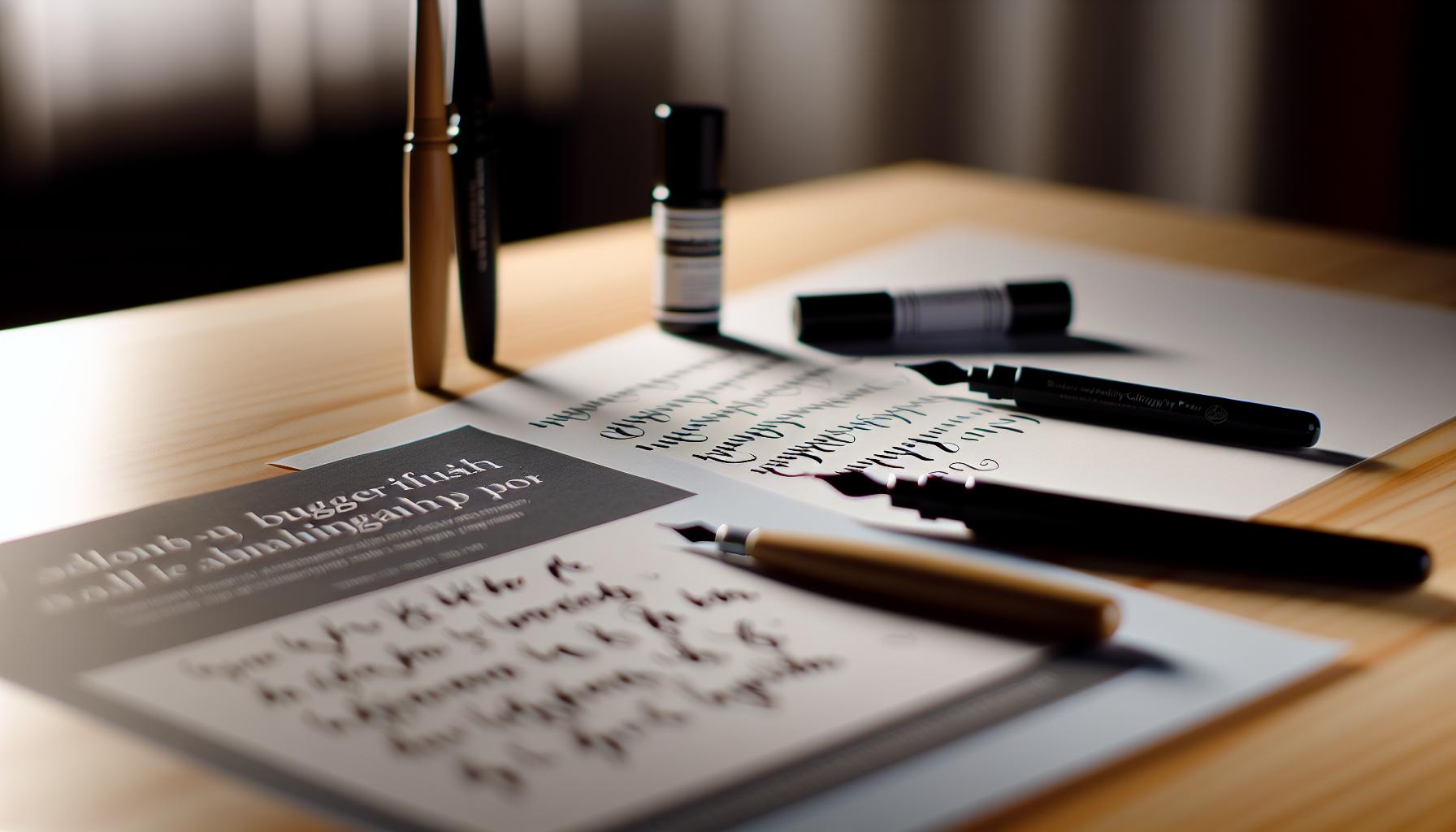
Diving into the world of calligraphy doesn’t have to strain your wallet. There are a plethora of budget-friendly options that allow you to explore this beautiful art form without hefty costs. Several reputable brands offer entry-level pens that are perfect for beginners, often starting at just a few dollars.
Here are some of the best budget-friendly options to consider:
- Fountain Pens: You can find decent fountain pens for beginners starting around $10. Look for brands like Lamy Safari or Pilot Metropolitan, which are both well-regarded for their quality and affordability.
- Dip Pens: A simple dip pen setup can be purchased for as low as $5. Many starter kits come with a nib and holder, perfect for practice. As you progress, you can invest in various nibs for different styles.
- Brush Pens: For those interested in modern calligraphy, brush pens are an excellent choice. Basic brush pens can start at around $2, making them a fun and flexible option for expressive lettering.
- Marker Pens: Calligraphy markers offer a straightforward method for creating beautiful letters. You can find quality sets starting at $1, allowing you to try out different styles and colors without a big commitment.
By selecting these cost-effective tools, you can practice your skills without feeling pressured to invest extensively early on. As you grow more comfortable with your technique, you’ll gain a better understanding of whether you want to dive deeper into the craft with more specialized tools or stick with the basics. The key is to start experimenting and enjoy the process of learning calligraphy!
Mid-Range Options for Enthusiasts
When you’re ready to elevate your calligraphy game, mid-range options offer the perfect balance between quality and affordability. For those who have already experimented with budget pens and are looking for tools that can keep up with their growing skills, investing in a mid-range pen can make all the difference. Generally, you’ll find these pens priced between $20 and $100, featuring better craftsmanship, enhanced durability, and a broader range of nib options.
One strong contender in the mid-range category is the *Tachikawa Dip Pen Set*. Priced around $30, it comes with a comfortable holder and multiple nibs, allowing for different line thicknesses and styles. The ergonomic design helps reduce hand fatigue during long lettering sessions. Another excellent choice is the *Pilot Parallel Pen*, which costs approximately $25. This unique pen features a square nib that allows for stunning variations in width and can create beautiful broad strokes ideal for modern calligraphy.
Why Consider Mid-Range Options?
For dedicated enthusiasts, mid-range pens often provide a noticeable upgrade in performance and feel. They’re typically more reliable, allowing for smoother ink flow and more consistent results. Additionally, many enthusiasts enjoy the aesthetic appeal of these pens, as they often showcase a combination of function and artistry.
Choosing a mid-range pen can also mean access to specialized tools. For example, the *Kuretake Brush Pen* offers flexible brush tips from around $15 to $40, perfect for those who want to experiment with brush lettering while enjoying a quality product that responds well to pressure and angle variations.
Things to Keep in Mind
When selecting mid-range pens, consider what you aim to achieve with your calligraphy. Are you drawn more to traditional styles, or do you prefer modern lettering? This intention will guide your choice. Also, think about the types of paper you typically use. Some nibs work better on smoother surfaces, while others might perform well on textured paper. Always try to test pens in-store, if possible, to get a feel for how they handle and how comfortable they are in your hand.
Investing in a solid mid-range calligraphy pen provides not just tools, but an experience that inspires creativity and skill development. So, dig a little deeper; these pens can truly enrich your calligraphy journey.
Luxury Calligraphy Pens Worth the Investment
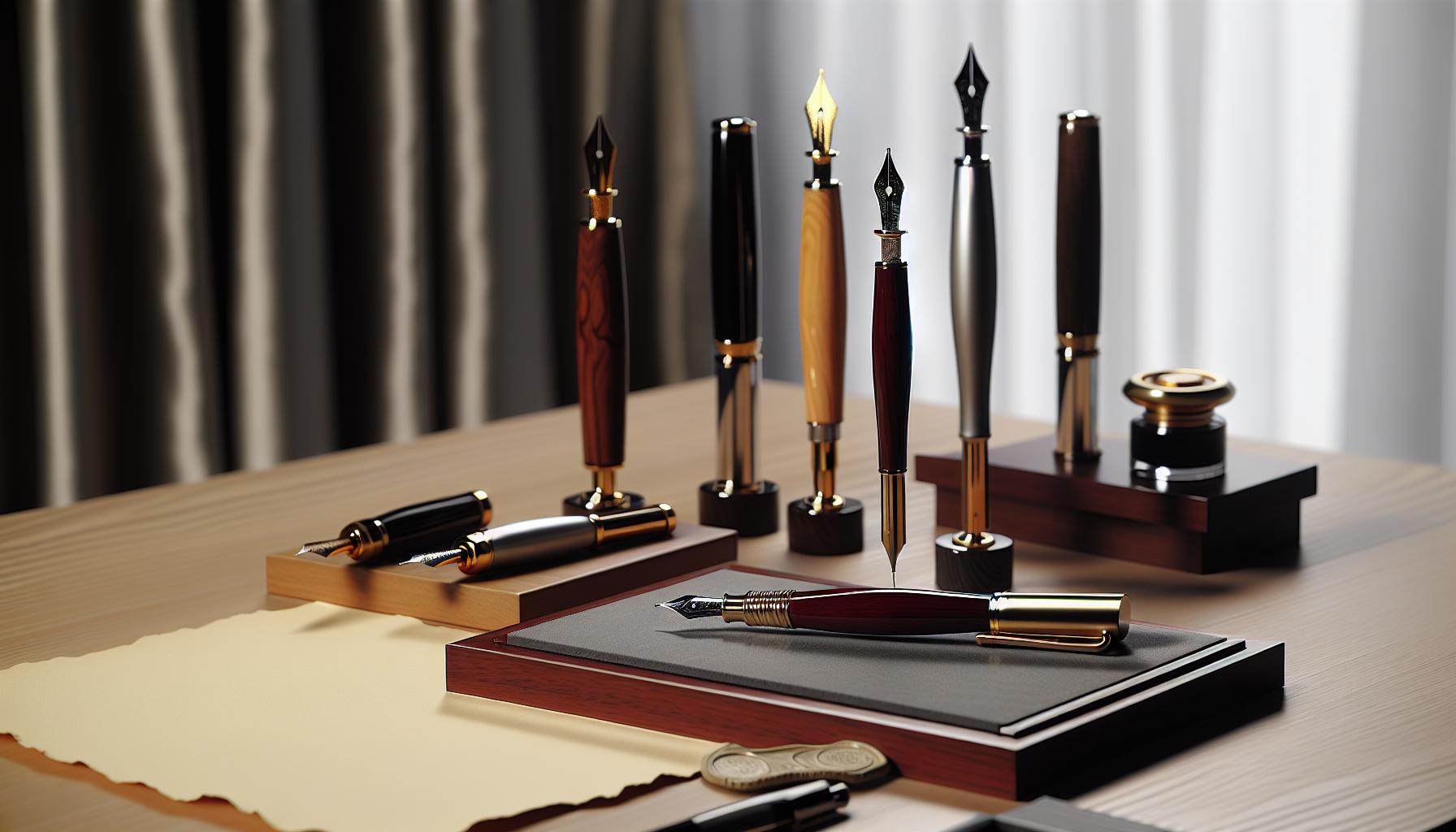
Luxury calligraphy pens represent the pinnacle of craftsmanship and artistry, offering an experience that transcends mere writing. These pens can often start at prices around $100 and can reach several thousand dollars for exclusive brands or limited editions. When you invest in a luxury calligraphy pen, you’re not just buying a tool; you’re acquiring a piece of art designed to inspire your creativity and elevate your lettering.
Choosing a luxury pen means looking at brands renowned for their heritage and quality. Consider options like the Montblanc Meisterstück, where prices typically start around $400, or the Cross Century II, which can range from $100 to $250. These pens often feature exquisite materials, including precious metals and high-quality resins, paired with advanced design elements that not only enhance writing performance but also provide a stunning visual appeal.
When selecting a high-end pen, pay attention to the nib quality and flexibility, as these factors significantly affect writing flow and style. Many luxury brands offer customizable nibs, allowing you to choose the perfect width and material that matches your personal handwriting style. Furthermore, luxury pens often come with intricate engraving of your choice, adding a personal touch that can elevate your calligraphy to a new level.
Relationship matters in the world of high-end calligraphy pens. Many enthusiasts develop loyalty to specific brands based on their experiences, craftsmanship, and the unique feel of the pen in hand. Investing in a luxury pen can profoundly transform your calligraphy practice, turning each stroke into a deliberate, joyful act. Don’t just see it as a purchase; view it as committing to your craft, enhancing every piece of work with elegance and precision.
Factors Influencing Calligraphy Pen Prices
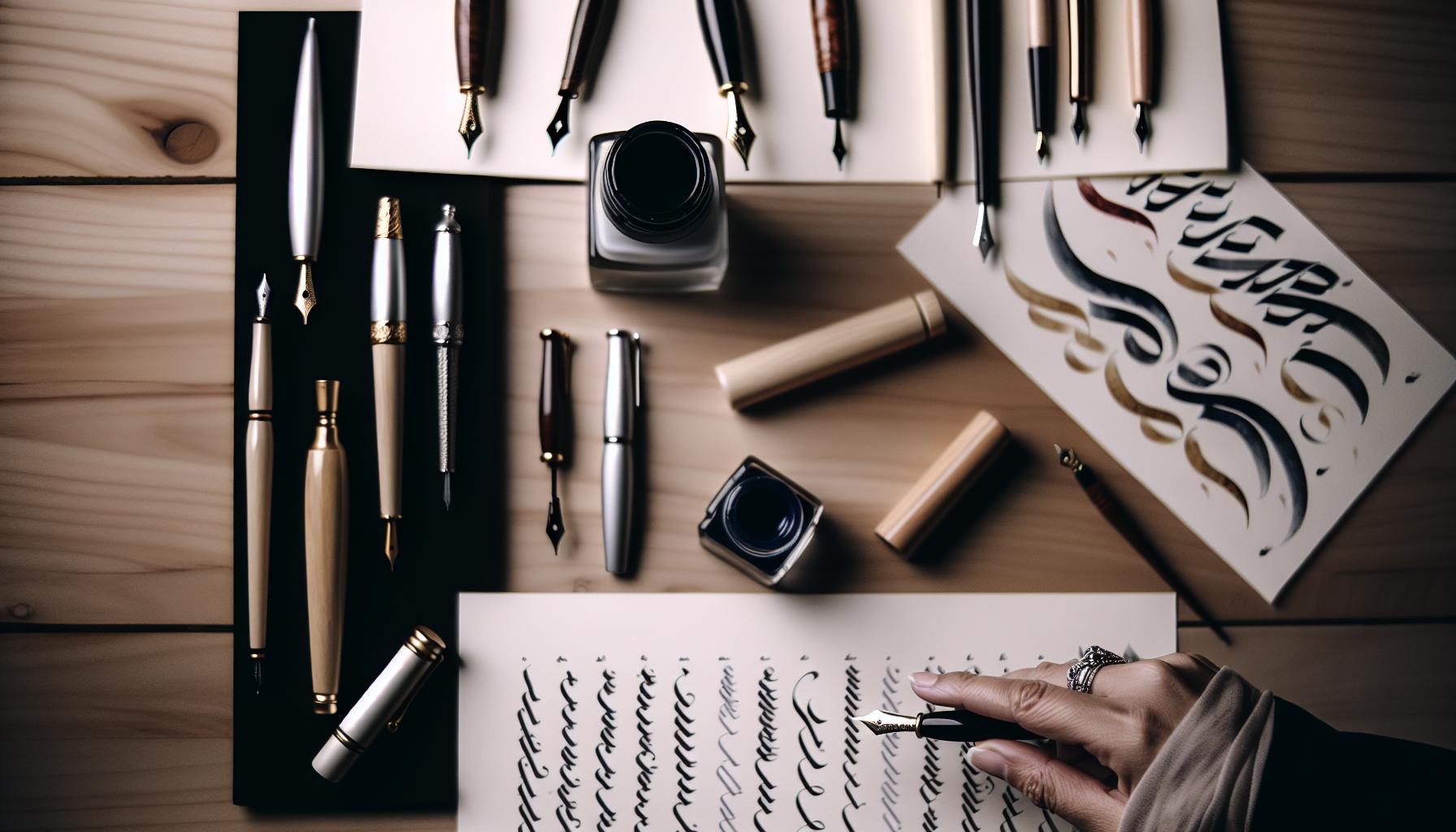
When it comes to calligraphy pens, price variations can be surprising. You might find yourself asking, what drives the cost of these pens? Several key factors come into play, influencing everything from budget-friendly options to luxury investments.
The materials used in the pen’s construction significantly impact its price. High-quality materials, like brass, stainless steel, or precious metals in luxury pens, raise costs. Additionally, the type of nib-whether it’s flexible, gold-tipped, or specialized for calligraphy-adds another layer of expense. Nib quality is crucial for achieving varying line widths and intricate designs, making it an essential consideration for serious calligraphers.
Another factor is brand reputation. Renowned brands like Montblanc or Pilot carry a premium price tag due to their craftsmanship and heritage in the industry. These brands often invest in superior quality control, which translates to durability and performance. Enthusiasts will often find that these pens not only deliver a better writing experience but also hold their value over time.
Lastly, design intricacy and technology can drive up prices. Some pens feature advanced ink delivery systems or ergonomic designs for comfort during long writing sessions. Moreover, limited editions or custom engraved pens can be particularly pricey due to their uniqueness and artistic value.
In short, understanding these factors can help you make an informed choice, maximizing your investment whether you’re just starting or adding to your collection. Think about what matters most to your writing style and preferences, and you’ll find a pen that speaks to you and your budget.
Where to Buy Calligraphy Pens on a Budget
When you’re diving into the world of calligraphy, finding the right pen at a budget-friendly price can feel daunting. But trust me, there are plenty of ways to score great deals without compromising on quality. Start by checking out online marketplaces like Amazon, eBay, or Etsy, where sellers often list new and gently used items at competitive prices. You might be surprised at the selection; everything from starter kits to professional-grade pens can be found, often with user reviews to guide your choices.
Local art supply stores and craft shops are also excellent places to explore. They frequently have sales or clearance sections, particularly when new inventory arrives. Don’t forget to ask about any loyalty programs or discounts for students, as many stores offer these to support budding artists. If you’re feeling adventurous, visiting thrift shops or garage sales can yield hidden gems-vintage pens that have stood the test of time, often at a fraction of their original cost.
Online specialty retailers can provide not only a diverse range of options but often feature past seasons’ models at reduced prices. Websites like Dick Blick or JetPens specialize in art supplies and regularly update their sales section. Signing up for newsletters from these retailers can give you access to exclusive deals.
Lastly, consider joining calligraphy groups on social media or forums like Reddit. Engaging with fellow enthusiasts can lead you to local swaps or sales and help you discover brands that may be less mainstream but offer fantastic value for money. Whether you’re a newbie or a seasoned calligrapher, there’s a treasure trove of options out there waiting for you. Just remember to do your research and trust your instincts. Happy writing!
Comparing Ink Types: Impact on Pricing
Choosing the right ink for your calligraphy pen is crucial-not just for aesthetics but also for your wallet. The type of ink you choose can dramatically affect the overall cost of your calligraphy supplies. Let’s break down how different ink types can influence your spending, and what you should consider when selecting the best option for your needs.
When it comes to ink for calligraphy, *you typically have three main types*: dye-based, pigment-based, and metallic/gel inks. Each type brings its pricing structure based on its composition and quality.
- Dye-Based Inks: These are the most affordable options. They’re vibrant and easy to use but can fade over time. Great for beginners or casual use, you can often find these at reasonable prices. Expect to pay anywhere from $5 to $15 for a good-quality bottle.
- Pigment-Based Inks: More durable and resistant to fading and water damage, pigment-based inks tend to be pricier. Ranging from $10 to $30, they’re ideal for those looking to invest in a premium finish for their projects.
- Metallic and Gel Inks: These inks offer a unique shimmer and richness that can elevate your work but can be more expensive and sometimes trickier to work with. Prices for these can range from $8 to $20 per bottle, depending on the brand and quality.
Cost Considerations
While the initial cost of ink is essential, don’t overlook how much ink you’ll need for your projects. A smaller bottle might be cheaper upfront, but if it runs out quickly, you could end up spending more in the long run. Think about the frequency of your use and whether larger bottles might be more economical.
Moreover, when assessing the cost of inks, consider specialized inks for specific surfaces or effects-like *waterproof* or *lightfast* options-which could save you money if you frequently use your work for art pieces intended to last. Finally, always check reviews and test out a few types if you can. Brands differ not just in pricing but also in performance, so doing your homework will ensure that you pick an ink that gives both value and quality.
Buying Used Calligraphy Pens: Pros and Cons
Buying used calligraphy pens can be a smart way to save money, especially if you’re just starting out or looking to expand your collection without breaking the bank. Many experienced calligraphers sell their gently used pens, which can offer fantastic quality at a fraction of the original price. However, it’s essential to weigh the pros and cons before making a purchase.
One significant advantage of buying used pens is the cost savings. You can often find high-quality brands that might normally be out of your price range for a lot less. Plus, many sellers provide detailed descriptions and photos, giving you confidence about the pen’s condition before you buy. However, a downside is the risk of buying a pen that may not perform as expected due to wear or damage that may not be visible in photos. It’s crucial to check for things like nib wear and ink flow issues.
Another aspect to consider is the potential for unique finds. Vintage or discontinued pens can provide a special touch to your collection or work. Many calligraphy enthusiasts cherish these unique items more than newer models. On the flip side, buying used means you may miss out on warranties or return policies offered with new pens, reducing your recourse if the pen doesn’t meet your expectations.
Ultimately, buying used can be rewarding if you do your research and choose wisely. Always read reviews about the seller and ask questions if you’re unsure about a pen’s condition. With careful consideration, a used calligraphy pen can offer you both quality and value in your artistic journey.
Tips for Choosing the Right Calligraphy Pen
Choosing the perfect calligraphy pen can feel overwhelming, especially with so many options available at various price points. Start by understanding your specific needs as a calligrapher. Are you looking for something lightweight for long sessions, or do you prefer a more substantial feel? Different pens offer different experiences, and selecting one that feels good in your hand can greatly enhance your writing flow.
When you’re on the hunt for a calligraphy pen, consider your skill level. If you’re just starting out, there’s no need to break the bank. Some excellent budget-friendly options perform admirably without the high price tag. Brands like Pilot and Zebra offer pens that can get you started without major investments. As you grow more confident, you might want to explore mid-range and luxury options, like those from Lamy or Pilot’s Namiki line, which provide a smoother writing experience and durable construction.
It’s also crucial to consider the nib size and style that best fits your writing style. For instance, broad nibs can produce beautiful, flowing letters but might be trickier for detailed work. Conversely, fine nibs can be great for precision but may not deliver the same dramatic flair. Don’t hesitate to test a few nibs at a local art store; it’s an excellent way to find what suits you best before committing to a purchase.
Lastly, think about maintenance. Different pens require different levels of care. Fountain pens, for example, might need regular cleaning and ink refilling, while brush pens can often last longer without much upkeep. Understanding these factors can greatly influence your budget and overall satisfaction. So, take your time, explore your options, and invest in a pen that feels like an extension of your hand-your journey in calligraphy will be worth it!
Maintaining Your Calligraphy Pen: Cost Considerations
Investing in a quality calligraphy pen isn’t just about the initial purchase; it’s also about understanding the long-term costs associated with maintenance. Proper care can extend the life of your pen, ensuring that your writing experience remains smooth and enjoyable. Here’s how to keep your pens in top shape without breaking the bank.
First off, how much maintenance your pen needs depends largely on the type. Fountain pens require consistent care-think regular cleaning and replenishing ink. Neglecting maintenance can lead to clogged nibs or dried-out ink, ultimately costing you more in repairs or replacements. On the other hand, brush pens, though often cheaper initially, usually don’t require as much upkeep and can provide good value over time. If you choose a fountain pen, budget for good quality water or specialized cleaning solutions, which could save you money by preventing lint or residue buildup.
Costly Mistakes to Avoid
A common pitfall is not using the right ink. High-quality ink can make a difference in performance, but using inappropriate ones can damage the nib and the pen itself. Always opt for inks recommended by the manufacturer or well-rated within the writing community. This will not only enhance your writing but also avoid costly repairs down the line.
Additionally, keep an eye on replacement parts. Nibs and converters are elements you might need to replace over time, especially if you’re using the pen frequently. The cost for these can vary widely, so it’s wise to familiarize yourself with replacement prices when you’re making your initial purchase. No one wants to fork out a large sum unexpectedly after a nib breaks!
In essence, by committing to basic maintenance and choosing your products wisely, you can significantly reduce your overall costs. Always remember: a little proactive care goes a long way in ensuring your calligraphy tools remain reliable and effective, so you can focus more on crafting beautiful letters than worrying about repairs.
FAQ
Q: What is the average price range for a quality calligraphy pen?
A: The average price range for a quality calligraphy pen is typically between $15 and $100. Beginner pens are often affordable, around $10-30, while more advanced options, including luxury brands, can go up to $200 or more. Explore options that suit your budget in the article sections on budget-friendly and luxury pens.
Q: How do I know which calligraphy pen is best for my style?
A: To find the best calligraphy pen for your style, consider your preferred writing technique and ink type. Experiment with different types of pens discussed in the Understanding Different Types of Calligraphy Pens section. Take note of how each pen feels while writing to determine your personal preference.
Q: Are there affordable calligraphy pen sets for beginners?
A: Yes, many affordable calligraphy pen sets are available for beginners, often priced around $20-50. These sets typically include multiple nibs and ink options, allowing you to explore different styles. Check the Budget-Friendly Calligraphy Pens for Beginners section for recommendations on starter kits.
Q: What factors should I consider when buying a calligraphy pen?
A: When buying a calligraphy pen, consider factors such as your skill level, ink compatibility, and nib size. Different nib sizes produce various stroke widths, affecting your writing style. Refer to the Factors Influencing Calligraphy Pen Prices section for in-depth guidance.
Q: Can I use any ink with a calligraphy pen?
A: Not all inks are compatible with every calligraphy pen. It’s important to use inks recommended for your specific pen type to avoid clogging or damage. Explore the Comparing Ink Types: Impact on Pricing section for tips on selecting the right ink for optimal performance.
Q: How often should I replace my calligraphy pen nibs?
A: You should replace your calligraphy pen nibs whenever you notice a drop in performance or if the nib becomes damaged. Regular maintenance ensures consistent writing quality. The Maintaining Your Calligraphy Pen: Cost Considerations section offers detailed tips on care and replacement.
Q: Where can I find used calligraphy pens for sale?
A: Used calligraphy pens can often be found on websites like eBay, Etsy, and local crafting groups on social media. Buying used can be a budget-friendly option for enthusiasts. Check the Buying Used Calligraphy Pens: Pros and Cons section for more insights into this option.
Q: What should I look for in a luxury calligraphy pen?
A: When selecting a luxury calligraphy pen, focus on quality materials, craftsmanship, and brand reputation. Look for features like unique nib designs and premium inks to enhance your writing experience. Refer to the Luxury Calligraphy Pens Worth the Investment section for specific recommendations.
In Retrospect
Ready to elevate your calligraphy game? Whether you’re on a tight budget or ready to splurge, there’s a perfect pen waiting for you. Remember, the right tools can transform your writing experience, so don’t hesitate to invest in your craft. If you’re curious about different styles of calligraphy or looking for tips on enhancing your skills, check out our guides on basic calligraphy techniques and the best paper for practice.
Don’t miss out on crafting your unique font style-explore tools like Calligraphr to turn your handwriting into a beautiful, functional font that reflects your personality. Join our newsletter for exclusive tips and resources to help you continue your creative journey. Share your thoughts below or connect with us on social media; we’d love to hear about your calligraphy adventures! Your next masterpiece starts today-so go out there and let your creativity flow!
Get our latest guides, news, and insights highlighted in your Google Search & AI Overviews.