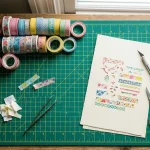

Did you know that washi tape, with its vibrant colors and intricate designs, is not just a decorative accessory but a product of a fascinating craft rooted in tradition? Understanding how washi tape is made reveals the artistry and care that go into each roll. In today’s fast-paced, mass-produced world, many of us seek unique, high-quality items that bring a personal touch to our lives. This curiosity about craftsmanship drives us to explore not only the beauty of washi tape but the meticulous process that transforms natural fibers into this beloved stationery staple. Join us as we dive deep into the manufacturing process of washi tape, uncovering the steps, materials, and techniques that make this vibrant product a favorite for crafters, artists, and DIY enthusiasts alike. You’ll gain insight into why the choice of washi can elevate your projects and add a dash of creativity to your everyday life.
How Washi Tape Is Crafted: A Step-by-Step Guide
Washi tape is not just a simple adhesive; it’s a craft that marries tradition with innovation, vibrant colors, and artistic expression. The crafting process of washi tape involves a meticulous blend of techniques that have been honed over centuries, especially in Japan, where it originated. At its core, the creation of washi tape starts with the careful selection of materials, typically derived from the fibers of the mulberry plant, rice straw, or bamboo, known for their strength and flexibility. These natural materials are transformed into paper through traditional methods that maintain the paper’s lightweight yet durable qualities.
Once the paper is prepared, the real magic begins. The sheets are coated with a removable adhesive that allows the tape to be repositioned without leaving a residue-ideal for creative projects! Then comes the printing process, where artists use vibrant inks and intricate designs to create the unique patterns that washi tape is famous for. This step often includes screen printing or digital printing techniques, depending on the desired results. Each roll of washi tape is then cut to size and wound onto a core, ready for distribution.
It’s fascinating to watch the blend of technology and craftsmanship as machines work alongside artisans, ensuring each roll meets strict quality standards. Many producers integrate eco-friendly practices into their production processes, using sustainable materials and methods to reduce their environmental impact. This commitment not only enhances the aesthetic appeal of washi tape but also brings an ethical dimension to crafting, allowing creators to enjoy their projects guilt-free. So, whether you’re using it for scrapbooking, decorating, or gift wrapping, understanding how washi tape is crafted can deepen your appreciation for this versatile tool.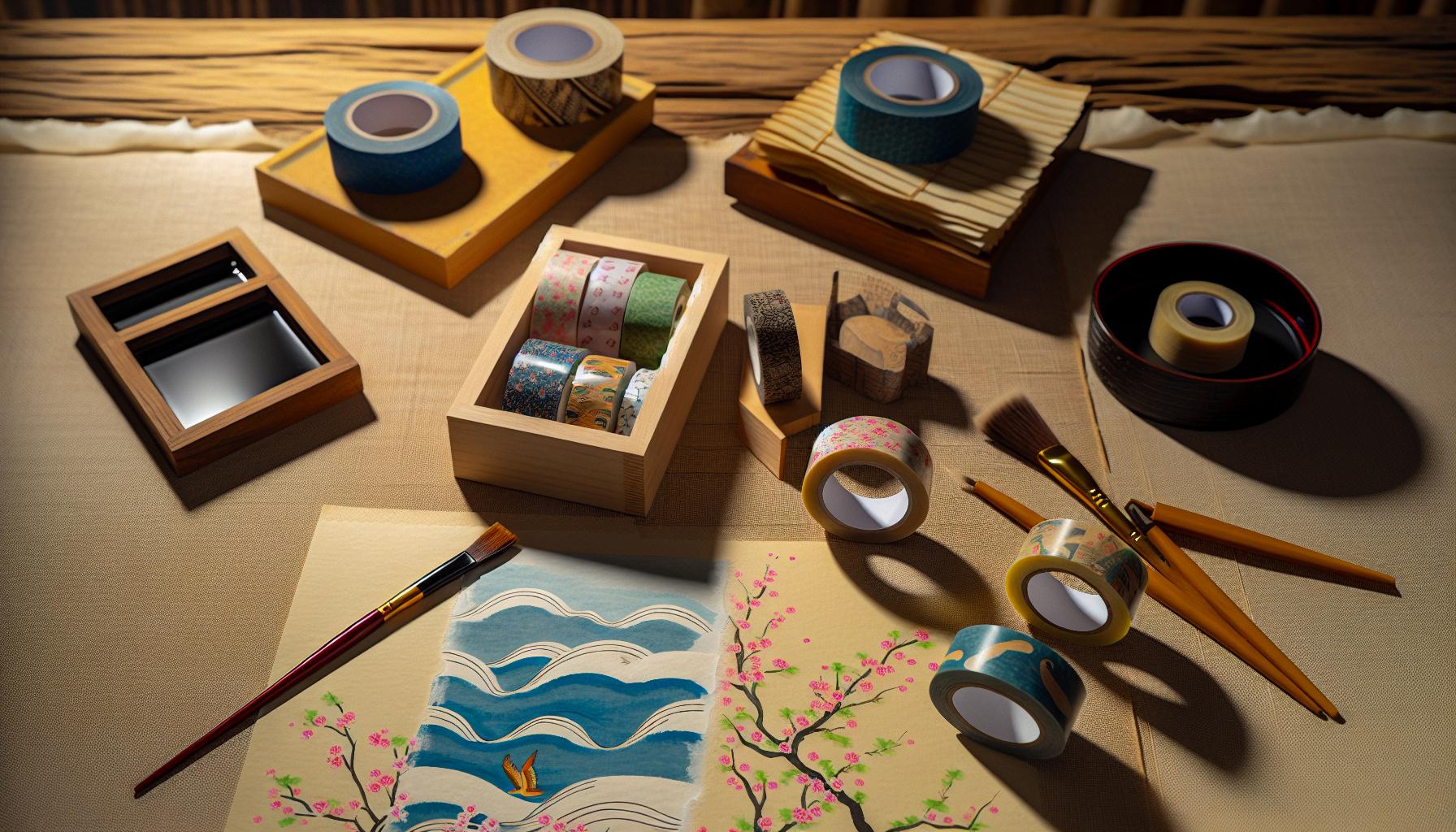
The History and Cultural Significance of Washi Tape
The journey of washi tape goes far beyond its modern use in crafts and decor; it’s deeply rooted in centuries of Japanese tradition. Originating during the Heian period (794-1185), traditional washi paper was made using natural fibers, primarily the inner bark of the mulberry tree. This artisanal technique not only resulted in a durable yet delicate paper but also became a symbol of Japanese craftsmanship and aesthetics. As time progressed, these foundational practices evolved, leading to the whimsical and colorful tape we know today.
In Japan, washi tape has transcended its primary function as an adhesive material. It embodies cultural sentiments and artistic expression. The aesthetic appeal of washi tape often features traditional motifs, nature-inspired designs, and seasonal themes, reflecting the harmony and beauty found in nature that is central to Japanese culture. Many artisans prioritize using local, sustainable materials, reinforcing the connection between the paper and the land, as well as promoting eco-friendly practices that resonate with contemporary values.
Moreover, washi tape has sparked a movement in the crafting and stationery communities around the world. It’s not just a functional item; it’s a medium for creative exploration. People use it for a myriad of purposes-from personalizing planners to creating unique art pieces. It encourages a blend of function and creativity, allowing individuals to express themselves in a way that celebrates both tradition and innovation. This blend of heritage and modernity is part of what makes washi tape a cherished item for millions of crafters and artists around the globe.
Ultimately, understanding is crucial for appreciating its unique position in the crafting world today. It’s more than just sticky paper; it’s a narrative woven through time, challenging us to recognize the craftsmanship behind every roll we use.
Key Materials Used in Making Washi Tape
Crafting washi tape is an art steeped in tradition, but it all starts with the right materials. The primary ingredient is washi paper, known for its strength and flexibility, made from the inner bark of specific trees like the mulberry. This natural fiber creates a durable backing that sets washi tape apart from conventional types. During production, artisans preserve the unique textures and qualities of washi paper, which not only impacts the physical properties of the tape but also enhances its aesthetic appeal.
The process doesn’t end at paper. Another essential component is the adhesive used, which is specially formulated to ensure that it adheres well yet is removable without damaging surfaces. This balance is critical; crafters love washi tape for its ability to be repositioned, which adds to its versatility in various projects. Many manufacturers strive for eco-friendly options, using adhesives derived from natural sources whenever possible.
Additionally, the dyes and inks used to print patterns on washi tape play a critical role in the production process. These materials need to adhere well to the paper and resist fading over time. Artisans often choose non-toxic, water-based inks that are safe and environmentally friendly, reflecting a growing commitment to sustainable practices within the industry.
Using these thoughtfully selected materials allows artisans to craft washi tape that’s not only beautiful but also functional. The combination of traditional techniques and modern innovation in material selection ensures that washi tape continues to delight crafters and artists around the world. Whether you’re a hobbyist or a professional artist, understanding these materials will help you choose the best tape for your creative projects, ensuring stunning results every time.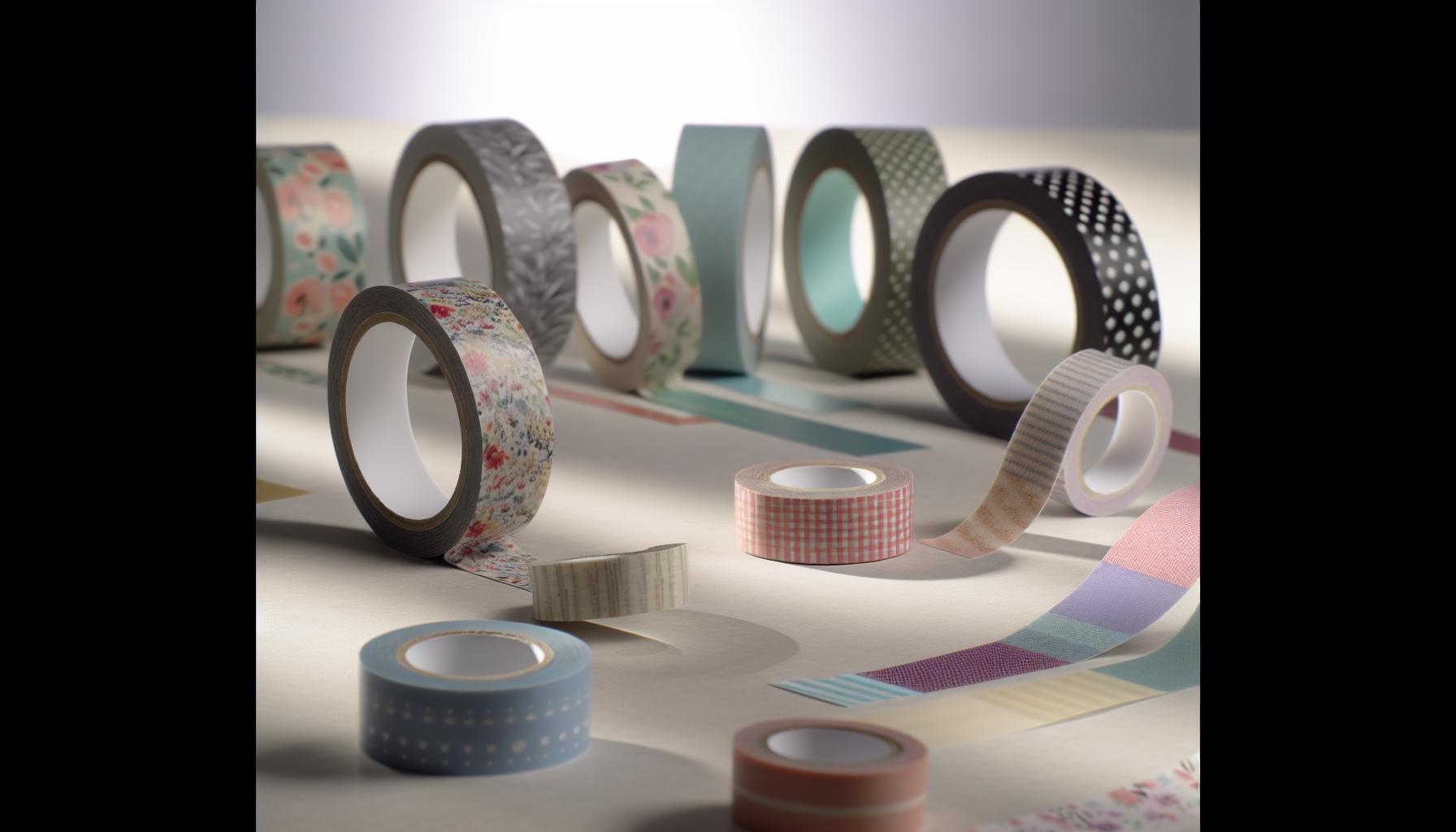
Exploring the Different Types of Washi Tape
Different types of washi tape can transform a simple crafting project into a stunning work of art. From vibrant patterns to subtle textures, the diversity in washi tape fits every style, taste, and creative need. It’s not just about aesthetics; the selected type can influence how you use it, from scrapbooking to home décor.
- Decorative Washi Tape: Often the first type that comes to mind, decorative washi tape features colorful patterns, prints, and designs. This variety is perfect for embellishing planners, journals, or gift wrap. Whether it’s floral prints, geometric shapes, or holiday themes, there’s a tape for every occasion.
- Textured Washi Tape: This type offers a tactile experience, ranging from embossed patterns to fabric-like finishes. Textured washi tape can add depth and interest to art projects, making it an excellent choice for mixed media artists looking for something unique.
- Clear Washi Tape: Perfect for projects where you want subtlety, clear washi tape can be used to overlay images or create delicate effects. It’s an excellent option for reinforcing seams or for bottom layers in collages without overwhelming the design.
- Thin Washi Tape: These ultra-slim rolls are ideal for fine details, making them perfect for bullet journaling or for framing small photographs. They’re incredibly versatile and can be layered easily with other materials.
- Functional Washi Tape: Designed for specific applications like labeling, organizational tasks, or for use in teaching materials. Functional tapes often incorporate lines for easy writing and may come in various widths to suit different tasks.
Each type serves its purpose uniquely, allowing creators to mix and match based on their needs. The choice of washi tape can significantly impact both the functionality and aesthetics of your projects. By understanding the distinctions between types, you can better navigate the options available and select the perfect roll for your next creative endeavor. Embrace the variety, and let your imagination run wild!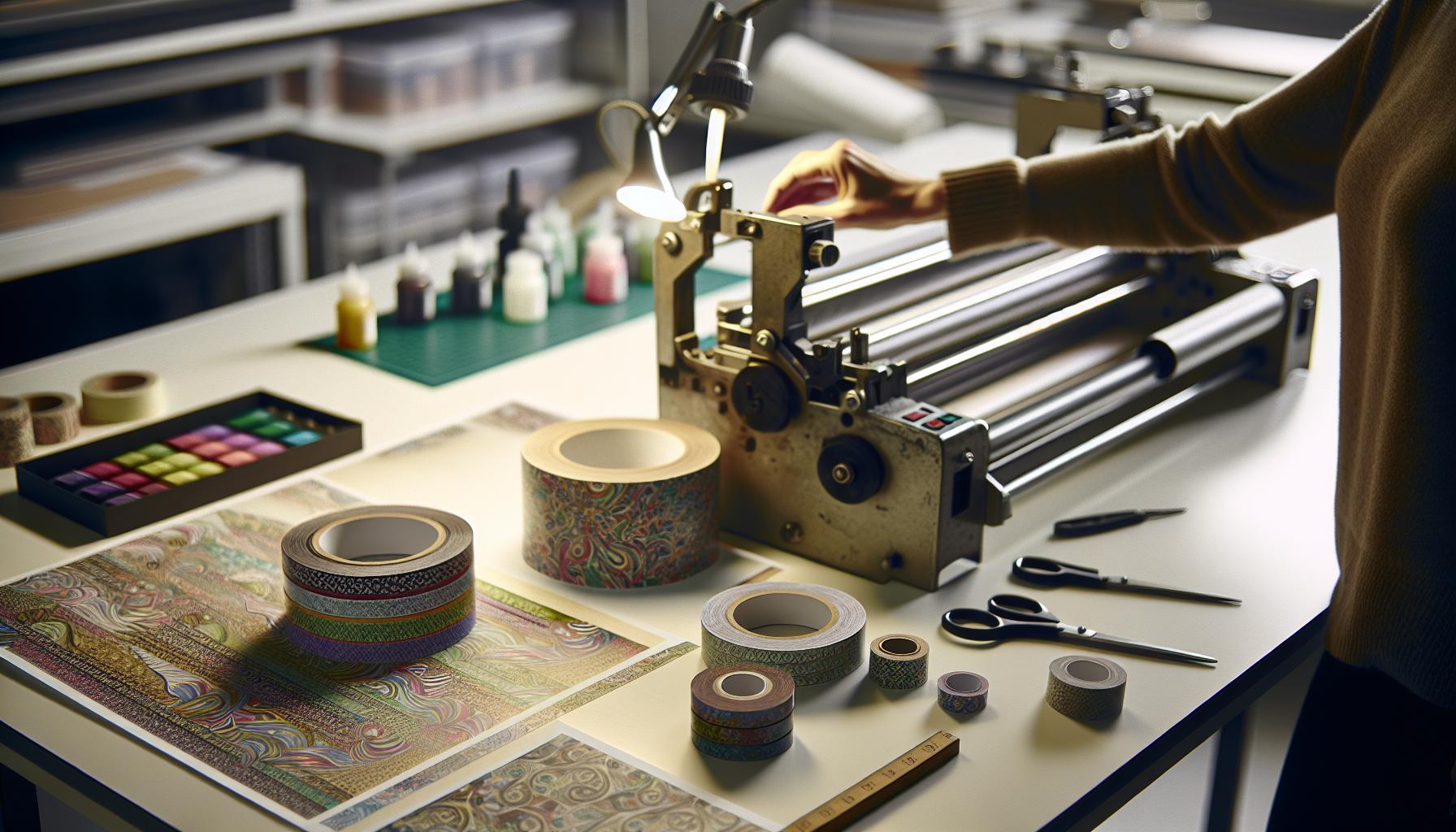
The Art of Printing Designs on Washi Tape
Creating stunning designs on washi tape is where artistry meets functionality. The process is not just about slapping a pattern onto a roll; it involves a careful blend of design innovation, printing techniques, and an understanding of the medium itself. When done right, the results can elevate your crafting projects from ordinary to extraordinary.
To start, designers often use digital tools to craft intricate patterns and visuals that will eventually decorate the tape. These designs can range from simple motifs to complex illustrations inspired by nature, pop culture, or personal experiences. Once a design is finalized, the printing process begins. There are a few techniques commonly used for printing on washi tape:
Printing Techniques
- Flexography: This is one of the most popular methods. It uses flexible relief plates to transfer ink onto the tape, allowing for vibrant colors and detailed designs.
- Screen Printing: Ideal for bold, graphic designs, screen printing involves pushing ink through a screen onto the tape. This method is excellent for creating unique textures.
- Digital Printing: As technology advances, digital printing has become popular for short runs and custom designs. It allows for quick prototyping and the ability to produce complex images with gradients and multiple colors.
Each method has its strengths, influencing not only design possibilities but also the tape’s final texture and feel. For instance, flexographic prints often have a smooth finish, while screen-printed tapes might carry a more tactile surface due to the layering of inks.
Once printed, the tape must undergo quality checks to ensure that colors are vibrant and designs are properly aligned. After this, the tape is cut into rolls, carefully packaged, and made ready for retail. The seamless blending of craftsmanship and technology in this stage showcases the endless creative potential of washi tape, satisfying both artists and crafters who seek both beauty and utility in their projects.
Eco-Friendly Practices in Washi Tape Production
Sustainable practices in the production of washi tape aren’t just a trend-they’re essential. As consumers become more eco-conscious, makers are embracing eco-friendly methods to ensure their products are kind to the planet. From the sourcing of raw materials to the final packaging, there’s a lot that can be done to minimize environmental impact.
One staple of washi tape production is the use of natural fibers, often derived from trees such as bamboo or the inner bark of the mulberry tree. These materials are not only biodegradable but also renewable. Many manufacturers are increasingly committed to responsible sourcing, ensuring that the wood comes from managed forests. This approach helps combat deforestation and supports sustainable forestry practices.
In addition to raw materials, the manufacturing processes themselves are evolving. Techniques that cut down on water usage and energy consumption are becoming standard. For instance, some companies are investing in energy-efficient machinery and utilizing solar or wind energy for their operations. By reducing waste and employing low-impact methods, they can produce washi tape that meets consumer demands without compromising the environment.
Another area of focus is packaging. Eco-friendly washi tape often comes in minimal, recyclable packaging that reduces plastic use. Some brands are even offering refills for their tape dispensers to cut down on the number of disposable containers entering landfills.
By choosing washi tape crafted using these eco-friendly practices, consumers can enjoy beautiful, functional products while supporting artisans and companies that prioritize sustainability. It’s a win-win for crafters and the Earth alike.
From Rolls to Retail: The Packaging Process
The final stretch in the journey of washi tape from the maker’s hands to the eager customer’s hands is all about packaging. This stage is not just about making the product look appealing; it’s crucial for ensuring the tape remains pristine and delivers a delightful experience to the customer.
First, let’s talk about the materials used. Manufacturers often opt for sustainable options like recycled paper or biodegradable plastics, aligning with the eco-friendly practices that many consumers have come to expect. Packaging can take many forms, including simple paper sleeves or more elaborate boxes, but the focus is on functionality-keeping the tape intact and easy to access. Packaging is designed not only for aesthetics but to fit securely on shelves without the risk of damage.
Quality Control and Final Touches
Once the rolls are packed, quality checks are essential. Each package undergoes inspection to ensure the print quality is consistent and that the adhesive works as intended. This is where a human touch comes in; experienced workers look for imperfections that machines might miss. After quality assurance, the packages are labeled with vibrant graphics and clear product information, showcasing the tape’s unique designs and features.
Finally, it’s all about distribution. Packs of washi tape are then organized into boxes for shipping to retailers or directly to customers. This phase is about efficiency-ensuring the product arrives in perfect condition and on time. Some companies even take a step further, offering customization options or subscription services, making washi tape available to a broader audience eager for new designs.
The journey from rolls to retail is a blend of artistry and logistics, combining traditional crafting with modern marketing strategies. It’s a beautiful cycle that connects artisans with consumers, delivering a piece of culture and creativity right to your hands.
Innovations in Washi Tape Manufacturing Techniques
In the ever-evolving world of crafting, are making waves that delight both creators and consumers alike. One significant leap has been the integration of digital printing technologies, which allows for intricate designs and patterns that were once unattainable in mass production. This advancement not only speeds up the design process but also enhances the ability to create custom orders, catering to niche markets and individual preferences.
Alongside digital printing, advancements in adhesive technology have transformed how washi tape interacts with various surfaces. Modern adhesives are designed to be both strong yet removable, offering versatility for crafters who want to reposition their creations without damaging the underlying material. This is particularly essential for scrapbookers and planners who frequently rearrange their layouts.
- Eco-Conscious Innovations: Another noteworthy trend is the push for sustainable materials in manufacturing. Many producers are experimenting with plant-based adhesives and recycled paper, aligning their production methods with eco-friendly practices. This not only appeals to environmentally conscious consumers but also sets a new standard for responsibility in the crafting industry.
- Smart Manufacturing Processes: The emergence of smart manufacturing techniques, such as automation and data analytics, adds another layer of efficiency. Factories are now using machine learning to predict demand trends, streamline production runs, and minimize waste, ultimately leading to more sustainable practices and cost-effectiveness.
As manufacturers continue to explore new materials and methods, the future of washi tape looks bright. We’re witnessing a blend of creativity and technology that not only enhances the product but also enriches the crafting community. Keep an eye out for emerging trends; the next roll of washi tape may not only be beautiful but also a testament to innovative manufacturing practices that respect our planet.
Challenges Faced in Washi Tape Production
Washi tape production is not just about rolling out colorful designs; it faces several significant challenges that can impact quality, efficiency, and sustainability. One of the primary hurdles manufacturers encounter is sourcing raw materials. Authentic washi tape is traditionally made from natural fibers like bamboo or rice paper, which can be vulnerable to environmental factors such as climate change and deforestation. When these materials are scarce or of compromised quality, it can delay production and affect the final product.
Additionally, the manufacturing process itself is intricate. It requires a fine balance between automated processes and skilled craftsmanship. While automation boosts efficiency, there’s a risk that it could compromise the unique, tactile qualities that define washi tape. Finding the right mix of machine precision and artisan touch is essential but challenging. Manufacturers also need to keep up with evolving printing technologies and adhesive formulas to ensure their tapes perform well on various surfaces without damaging them or losing stickiness over time.
Another pressing challenge is sustainability. As consumers become more environmentally conscious, manufacturers are under pressure to adopt eco-friendly practices. This includes using sustainable materials and minimizing waste. Implementing green practices often requires significant investment in new technologies or processes, which can be a barrier for smaller producers. Though many brands are making strides toward greener production methods, the transition can be slow and costly.
Finally, competition in the market can lead to a race to the bottom in pricing. This pressure can tempt manufacturers to cut corners or compromise on quality, which ultimately impacts crafters who rely on high-quality tape for their projects. Balancing affordability with quality and sustainability is a delicate act, and brands that succeed will be those who prioritize their values while still meeting the demands of the marketplace. The future of washi tape will depend on overcoming these challenges while maintaining the creativity and charm that this versatile product is known for.
How to Identify Quality Washi Tape
To truly appreciate the beauty and utility of washi tape, knowing how to identify quality products is essential. Not all washi tape is created equal, and distinguishing premium options from lesser ones can enhance your crafting experience significantly. Start by examining the tape’s texture and finish: high-quality washi tape typically has a soft, smooth feel and a matte or glossy finish that highlights its intricate designs. The texture should be consistent, without any rough patches or peeling edges, which can indicate inferior craftsmanship.
When assessing washi tape, consider its adhesive properties. Quality tape adheres well without leaving a sticky residue when removed, allowing for repositioning. You can test this easily; just stick a piece to a clean surface and peel it away. It should come off smoothly without tearing or damaging the underlying material. Additionally, authentic washi tape often comes in a variety of thicknesses, which might be labeled on the packaging. A thicker tape can provide more durability, making it ideal for various applications, from journaling to gift-wrapping.
Look for distinctive features like vibrant, sharp prints. Quality washi tape often showcases intricate designs that maintain their clarity and brilliance even after multiple uses. If you are passionate about colors, check how well the dyes hold up when exposed to light. High-quality products will resist fading over time. Lastly, consider the source. Purchasing from reputable brands or dedicated washi tape artisans ensures that you are getting a product made with care and quality materials.
In summary, identifying quality washi tape involves looking at texture, adhesive performance, print clarity, and the brand’s reputation. By focusing on these aspects, you’ll ensure that your crafting supplies not only look great but also perform beautifully in your projects. Happy crafting!
Creative Uses for Washi Tape Beyond Crafting
Washi tape isn’t just for scrapbooking or decorating your planner; its versatility makes it valuable in many unexpected areas. You can elevate your everyday life and add a touch of creativity wherever you go. Whether you’re personalizing everyday items or tackling home organization, washi tape brings a unique aesthetic and practical solution.
One of the most exciting uses for washi tape is in home decor. Transform plain jar lids into stylish storage solutions by wrapping them in a complementary washi tape. You can also frame artwork or photographs with washi tape for a quick and inexpensive gallery wall. The tape’s removable nature allows you to change your decor with little commitment, letting you experiment freely with colors and patterns.
Another clever application is in office management. Use washi tape to color-code files, create labels, or even make your calendar pop with design. You can easily mark important dates on your planner, ensuring they stand out while offering a refreshed look. The vibrant colors can breathe life into your workspace, making mundane tasks feel more enjoyable.
Educational settings also benefit from the creative use of washi tape. Teachers and parents can utilize it for DIY projects, classroom decorations, or teaching aids. For instance, make visual aids or board games more appealing, or use it to create unique bookmarks and flashcards. Kids love the tactile nature of washi tape, and working with it can foster creativity and fine motor skills.
In the realm of gift-giving, washi tape provides an elegant finishing touch. Instead of traditional wrapping paper, use it to decorate gift bags or simple boxes. You can even create unique gift tags or embellishments to make each present feel special. With its easy application, you can mix and match different designs to create a customized look for every occasion.
In summary, think beyond the crafting table with washi tape. Its creative potential spans home decor, office organization, educational tools, and gift presentation, making it a must-have for anyone eager to add a dash of creativity and personalization to their life.
Behind the Scenes: Meet the Artisans of Washi Tape
The charm of washi tape doesn’t just come from its vibrant colors and delicate designs; it’s deeply rooted in the craftsmanship of the artisans who create it. These skilled creators are often part of a long lineage, preserving age-old techniques that transform raw materials into beautiful, functional art. In the world of washi tape, these artisans are the heartbeat, ensuring each piece reflects not just aesthetic appeal but also cultural significance.
Most washi tape is made from traditional Japanese washi paper, which consists of fibers from the bark of the mulberry tree. The process starts with harvesting the tree’s bark sustainably, a practice passed down through generations. Artisans soak, mash, and beat the fibers into pulp, creating a material that is unique in both texture and durability. This labor-intensive process highlights the artisans’ dedication to quality and tradition.
Craftsmanship is crucial in the creation of washi tape. Each artisan has their own methods for blending colors, applying patterns, and even cutting the tape. Some employ natural dyes, while others use modern inks for brighter hues. This choice reflects their personal style and the story they want to tell through their work. You can feel the passion in every roll; it’s not just tape; it’s a piece of art.
Moreover, these creators often face challenges such as modernization and mass production techniques. Many strive to maintain their unique aesthetics while adapting to market demands, preserving their heritage in an ever-changing landscape. By supporting these artisans, consumers not only acquire high-quality washi tape but also contribute to the continuation of a rich cultural practice.
By understanding the artisans behind washi tape, you gain a deeper appreciation for each roll you use, knowing that it carries with it the legacy of a skilled craftsman committed to their craft. The next time you reach for a piece of washi tape, remember that it’s not just a functional item-it’s a representation of artistry, dedication, and tradition.
Frequently asked questions
Q: What are the main steps involved in the washi tape manufacturing process?
A: The main steps in washi tape manufacturing include sourcing natural fibers, soaking them in water, processing through traditional methods, and then applying adhesive. Each step is crucial to ensure the final product maintains quality and adheres well. For a detailed guide, check out the section on *How Washi Tape Is Crafted*.
Q: What types of natural fibers are used in washi tape production?
A: Common natural fibers used in washi tape include kōzo, ganpi, and mitsumata. These fibers contribute to the strength and texture of the tape, making it versatile for various applications. Explore more about these *key materials* in our dedicated section.
Q: Why is washi tape considered eco-friendly?
A: Washi tape is eco-friendly because it’s made from renewable plant resources and often utilizes sustainable production practices. This minimizes environmental impact compared to synthetic alternatives. For a deeper look, see our section on *Eco-Friendly Practices in Washi Tape Production*.
Q: How does the printing process for designs on washi tape work?
A: The printing of designs on washi tape typically involves techniques like screen printing or digital printing. These methods allow for vibrant colors and intricate designs, enhancing the tape’s aesthetic. Discover the detailed *Art of Printing Designs* in our article.
Q: What challenges do manufacturers face in making washi tape?
A: Manufacturers face challenges such as sourcing high-quality fibers, maintaining traditional crafting techniques, and adapting to market demand. Overcoming these obstacles is key to ensuring quality and sustainability. For more insights, check our section on *Challenges Faced in Washi Tape Production*.
Q: Can washi tape be used for purposes other than crafting?
A: Yes, washi tape can be used for various applications beyond crafting, including decorating home decor, organizing, and even gift wrapping. Its versatility makes it a favorite among DIY enthusiasts. Learn about these *Creative Uses for Washi Tape* in our article.
Q: How can consumers identify high-quality washi tape?
A: Consumers can identify high-quality washi tape by checking for vibrant prints, smooth texture, and strong adhesive properties. Looking for these features ensures you get durable and effective tape. For tips, see our guide on *How to Identify Quality Washi Tape*.
Q: Where can I buy authentic washi tape?
A: Authentic washi tape can be purchased from specialty craft stores, online retailers, or directly from artisans. Make sure to explore various options to find unique designs. For more, see our *From Rolls to Retail* section for insights on purchasing.
Explore these key questions and more to deepen your understanding of the fascinating world of washi tape!
Future Outlook
Now that you’ve explored how washi tape is made, you can see just how versatile and unique this crafting material really is. Want to dive deeper? Check out our articles on creative uses for washi tape and tips for choosing the right tape for your projects. Your next crafting adventure is just a click away!
If you found this information valuable, consider subscribing to our newsletter for more crafty insights and exclusive deals. And don’t hesitate to share your thoughts or experiences using washi tape in the comments below – we love hearing from fellow enthusiasts! Together, let’s keep the conversation going and inspire more creativity in the world of crafting.
Get our latest guides, news, and insights highlighted in your Google Search & AI Overviews.