

When it comes to Converse Chuck Taylor All-Stars, sizing can feel like a guessing game. Did you know these iconic sneakers often run a half-size larger than other brands? Understanding whether Chuck Taylors run big is crucial for a comfortable fit and an enjoyable experience. If you’ve ever struggled to find your perfect size, you’re not alone. Many fans of these classic shoes face the same dilemma, which can lead to sizing mistakes and disappointment. This guide is here to solve that for you. We’ll unravel the mysteries of sizing and help you make informed decisions. Keep reading to discover everything you need to know before you lace up your next pair of Chucks!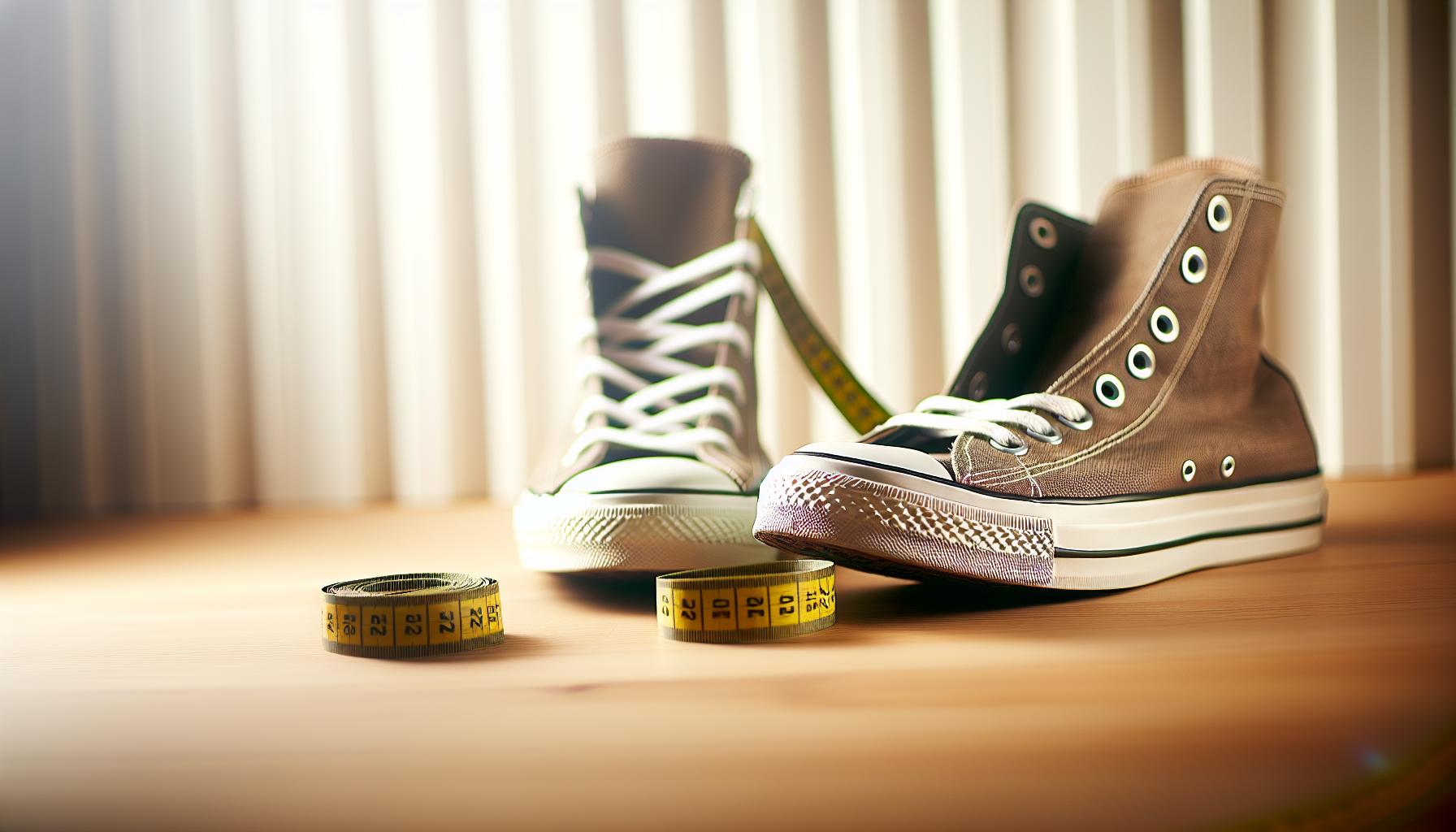
Understanding Chuck Taylor Sizing: A Key Overview
If you’re stepping into the world of Chuck Taylors, you’re in for a treat, but also some confusion when it comes to sizing. The truth is, many people find that Chuck Taylors tend to run larger than their regular size. This quirky fitting is something you definitely want to account for if you’re looking to snag a perfect pair. In fact, the general recommendation is to go down at least half a size from your normal shoe size. So, if you usually wear a size 9, you might want to try an 8.5 or even an 8 depending on your foot shape and personal preference.
The reason for this sizing oddity often relates to the design and cut of the shoe. Chuck Taylors are known for their minimalist style and canvas upper, which can sometimes lead to extra room in the toe box. That space can create a fit that feels a bit more generous, especially if you aren’t used to the flat, low-profile nature of these sneakers. Keep in mind that Converse shoes also come in unisex sizing, meaning the same pair will have a slightly different fit for men and women.
While it may seem daunting at first, comparing your normal shoe size with Converse’s size chart is a straightforward way to ensure you’re making the right choice. Remember, these sneakers are iconic for a reason, and finding that perfect fit can make all the difference in your comfort and style. Be sure to check out customer reviews or feedback too; they can provide insight on any nuances specific to the model you’re considering. Ultimately, with a little attention to sizing, you’ll be rocking your Chuck Taylors with confidence in no time.
Why Chuck Taylors Might Feel Larger
Chuck Taylors often feel larger than other shoes, and there are several reasons for this peculiar fit. First off, they tend to have a more generous toe box. This is part of their classic, laid-back aesthetic, but it can leave you feeling like you have extra space in the front. If you’re used to sneakers that hug your feet, this can be a surprising adjustment. The flat, low-profile nature of Chuck Taylors doesn’t provide the arch support or snug fit some brands offer, which can further amplify that feeling of roominess.
Another factor is the unique cut and design. Chuck Taylors are designed to be a unisex style, which means they cater to a wide range of foot shapes. While that’s great for versatility, it can also result in a fit that feels loose for some wearers. If you typically wear a narrower shoe, the wider design can lead to an unnecessary gap. Additionally, many people find themselves misunderstanding how Converse sizing converts from men’s to women’s sizes, which can contribute to selecting the wrong fit.
Here’s a quick tip: if you usually wear a size 9 in other sneakers, consider sizing down by at least half a size when choosing Chuck Taylors. Many fans of Chuck Taylors swear by it. They often share their stories in online forums, reinforcing the notion that sizing down not only resolves the extra room issue but ultimately enhances comfort during wear.
Remember, when trying out Chuck Taylors, take into account not just your size, but also your foot shape. If you’re between sizes or have particularly pronounced feet, going even a full size down might be your best option. The goal is to enjoy the iconic style of Chuck Taylors without the discomfort of a loose fit.
Comparing Sizing Across Different Shoe Brands
When it comes to finding the right fit in footwear, comparing sizing across different brands can feel like deciphering a complex code. Chuck Taylors, known for their iconic style and casual vibe, often run larger than many other sneaker brands. For those accustomed to the snug hug of brands like Nike or Adidas, the adjustment to Chuck Taylor’s relatively roomier fit can take some getting used to.
To navigate this, it’s crucial to understand how sizing varies. Nike and Adidas typically adhere to a more standard fit, meaning if you wear a size 9 in either brand, you might intuitively reach for the same size in Chucks. However, that’s where the potential for discomfort arises. Converse suggests going down at least half a size from your regular shoe size when choosing Chuck Taylors. This can be vital advice; many wearers, including myself, have experienced the difference firsthand.
Here are a few tips on how to approach sizing when experimenting with different brands:
- Know Your Size: Have your measurements handy. Understand that a size 9 in Nike might feel different than a size 9 in Converse.
- Fit Variability: Recognize that different shoe designs serve different purposes. For instance, running shoes are meant to provide support and mitigate impact, while Chuck Taylors prioritize style and versatility.
- Read Reviews: Customer feedback can be invaluable. Many enthusiasts share their sizing experiences online, which can provide insight into whether you should size down, stay true to size, or even go up a size for particular brands.
Ultimately, don’t shy away from trying on different sizes. Your comfort is paramount, so if you find Chucks feel too generous, adjust accordingly. While many of us aim for that perfect fit to showcase our style, remember: a well-fitted shoe amplifies both comfort and confidence.
Measuring Your Feet for the Perfect Fit
Measuring your feet properly is the first step toward ensuring your Chuck Taylors fit well and feel comfortable. It’s not just about the number on the shoe box; the actual size of your foot can change due to various factors, including time of day and whether you’ve been active. If you want to avoid the common pitfall of buying shoes that are too big, take a few moments to measure your feet accurately at home.
Start by gathering a few tools: a piece of paper, a pencil, and a ruler. To measure, place the paper on a flat surface, then stand on it with your heel against the wall. Make sure your weight is evenly distributed on both feet. Use the pencil to mark the longest part of your foot, usually the tip of your big toe. Repeat this for your other foot, as sometimes they’re different sizes. Once you have your markings, measure the distance from the edge of the paper to the mark you made. This will give you the length of your feet in inches or centimeters.
Understanding Foot Width
Foot width is just as important as length. Chuck Taylors, like many sneakers, come in standard widths, but if you have wider or narrower feet, it’s vital to account for this in your size selection. Once you’ve measured the length, check the width by wrapping a soft measuring tape around the widest part of your foot (usually just below your toes). Jot down the width measurement along with the length. Use this information when referencing sizing charts for Chuck Taylors, which can help you decide if you need to size up or down to achieve a snug fit.
Making the effort to measure your feet based on these steps can save you the frustration of dealing with poorly fitting shoes. Remember, many people find that they need to size down when choosing Chuck Taylors because they run larger than other sneaker brands. So, go ahead-measure those feet and conquer the sneaker sizing game with confidence!
Customer Experiences: Real-Life Sizing Feedback
When it comes to Chuck Taylors, one thing becomes crystal clear from community feedback: they often feel larger than other sneakers. Many wearers share the experience of sizing down to achieve a snug fit. For instance, a frequent sentiment is that if you’re typically a size 9 in most shoe brands, opting for an 8.5 or even an 8 in Chuck Taylors can make all the difference. This pattern of feedback consistently highlights the necessity to adjust your expectations based on how these iconic shoes are cut.
Real-life experiences reveal the nuances of fit in various Chuck Taylor models. Some users describe the classic Chuck Taylor All-Stars as having a slightly roomier toe box compared to other brands, leading to the impression of needing that size adjustment. Additionally, comments from those with wider feet indicate that while the sneakers offer some flexibility, they might still feel a bit more spacious than anticipated. This reinforces the importance of trying them on or doing a bit of homework on sizing charts before purchasing.
Another interesting takeaway is the impact of personal preference. For instance, some people enjoy a looser fit for casual wear, leading them to stick with their normal size, while others insist on a snugger feel for both style and support. The beauty of Chuck Taylors lies in their versatility; understand how the fit works for you and factor in your intended use-whether it’s for everyday wear, light sports, or a fashion statement.
Ultimately, customer feedback on Chuck Taylor sizes emphasizes a clear trend: many find success by going half a size down. To avoid regrets, leveraging community insights and sizing guidelines becomes crucial for making a well-informed choice. You want to love your Chucks, not feel like you’re swimming in them.
Common Misconceptions About Chuck Taylor Sizes
When it comes to Chuck Taylor sizing, there are some widespread misconceptions that can lead to confusion and sizing mishaps. One of the most persistent myths is that Chuck Taylors fit the same way as other sneakers. The reality is quite different: many wearers find that they need to size down, particularly if they’re used to wearing standard shoe sizes in other brands. This isn’t just a matter of personal preference; it’s a fitting characteristic of these iconic shoes that stems from their unique construction and design.
Another common misconception is that all models of Chuck Taylors share the same fit. While the classic Chuck Taylor All Stars might feel roomier, especially in the toe area, newer designs or variations may offer a different fit. Users often report differing experiences based on the specific model they choose. For example, some might find the Chuck 70s tailored differently for a slightly snugger fit than the original All Stars. This variance means it’s essential to pay attention to the specific style you’re interested in, rather than generalizing across the entire brand.
It’s also worth noting that many first-time buyers assume that the size they wear in athletic shoes or casual sneakers will work equally well for Chuck Taylors. This misunderstanding can lead to disappointment. Chuck Taylors are known for their unique cut, which tends to be wider, particularly for those who typically wear regular-width shoes. Consequently, opting for the same size you wear in other brands could leave you with a fit that’s too loose, especially if you don’t account for the often-flatter footbed and overall design.
Lastly, let’s not forget personal comfort and style choices. Many people fall into the trap of thinking that a tighter fit equals better support or style. In reality, Chuck Taylors are meant to offer a casual, laid-back vibe, and a bit of room can enhance comfort, especially if you’re on your feet for long periods. Whether you’re rocking them for a casual day out or dressing them up for a night on the town, finding that sweet spot between snug and comfortable is key to enjoying your experience with these classics.
The Impact of Different Styles on Fit
Different styles of Chuck Taylors can significantly influence how they fit, and understanding this can save you from sizing mistakes. Not every Chuck Taylor model is created equal; for example, the classic Chuck Taylor All Star tends to be roomier and can feel different from the Chuck 70 or other variations. Many wearers have noted that the Chuck 70 appears to offer a slightly snugger fit, which is intentional to provide a more tailored look and feel without compromising on comfort.
When considering specific styles, it’s crucial to think about the toe box and the overall cut. The original All Star design often has more space in the toes, making it ideal for those who prefer a relaxed fit or have wider feet. In contrast, other newer designs may not accommodate all foot types similarly, so trying them on is essential if you can. Personal experience tells me that those who typically wear a size 10 in other brands might find a size 9 fits perfectly in the All Star, but potentially a 9.5 in the Chuck 70 for a more snug appearance.
To navigate these differences effectively:
- Know Your Style: Understand which model you’re interested in and its intended fit.
- Try Before You Buy: Whenever possible, trying on different styles will help you gauge how each feels on your foot.
- Account for Variability: Remember that minor design changes can drastically change how a shoe fits.
Ultimately, the key takeaway is that while Chuck Taylors have a unique and iconic design, paying close attention to the specific style can ensure you make the right fit choice. Your goal should always be to feel comfortable and confident in your footwear, as a mismatched size can quickly lead to discomfort.
How to Break In Your Chuck Taylors
Breaking in your Chuck Taylors can transform them from stiff newcomers into your go-to favorites. Those initial moments can be a little uncomfortable, but with the right approach, getting them to fit like a glove is achievable. Here’s how to ease that process.
Start by wearing your Chuck Taylors around the house. This helps the material adjust to the shape of your feet without subjecting you to the discomfort that can come from long outings. Try to wear them for short intervals at first, maybe 30 minutes at a time, gradually increasing as they soften up. Choose flat, non-abrasive surfaces like carpet as a good starting point; it minimizes impact while they mold to your feet.
You can also consider a few tricks to expedite the break-in process:
- Wear Thick Socks: Layering on thicker socks can help stretch the canvas material gently around your foot, focusing on the areas that feel tight.
- Use a Shoe Stretcher: If there are specific areas that are particularly snug, a shoe stretcher can work wonders. Just be careful not to overstretch!
- Walk on Different Terrain: Once you feel more comfortable, take short walks on varied surfaces. This encourages the soles to flex, which aids in softening the shoes.
Additionally, applying some leather conditioner (even on canvas) can help soften the material, but use it sparingly. Don’t expect miracles overnight; patience is key. Most of my friends who’ve owned Chucks swear by this method, often mentioning how their shoes felt more comfortable within just a few wears.
Remember, the goal here is to create a natural, personalized fit that suits your unique foot shape. With just a little time and these strategies, your Chuck Taylors will be the perfect blend of style and comfort before you know it.
Best Practices for Choosing the Right Size
Choosing the perfect size for your Chuck Taylors can feel like navigating a maze, especially when different styles and personal preferences come into play. A crucial factor to consider is that many wearers often find that Chuck Taylors run larger than standard shoe sizes. To get the right fit, you may want to size down-commonly recommended is going half to a full size smaller than your usual shoe size[2].
One effective method is to measure your feet accurately before making a purchase. Stand on a piece of paper, mark the longest part of your foot, and then measure the length. This heel-to-toe length can provide a clearer idea of what size to choose, ensuring you don’t rely solely on the number on the box[1].
While online shopping has its perks, it can also introduce a margin of error in sizing. If you’re buying them online, check if the retailer has a flexible return policy. This allows you to try them on at home without the pressure of in-store decisions. Furthermore, consider customer reviews; real-world experiences can offer invaluable insights on whether to stick with your regular size or adjust.
Remember, Chuck Taylor sizing can also vary based on the specific model. Classic styles like the Chuck Taylor All Star may fit differently compared to more contemporary designs like the Run Star Hike. This variability makes it even more important to stay informed about each model’s fit[2].
In short, for Chuck Taylors, trust your instincts and prioritize comfort over the size label. A snug fit often leads to the best experiences in both style and comfort, so don’t hesitate to experiment with sizing to find what feels right for you.
Tips for Shopping Online: Sizing Concerns
Shopping for Chuck Taylors online can feel like a gamble, especially when it comes to sizing. Many buyers are caught off guard by how these sneakers can run larger than usual. To avoid the disappointment of ill-fitting shoes arriving at your door, keep a few essential tips in mind to ensure you get the perfect fit.
Start by considering your typical shoe size as a baseline, but remember: it’s often wise to size down. Most sneaker enthusiasts recommend going down half a size, but some wearers find that a full size down fits better, particularly for the classic Chuck Taylor All Stars. To eliminate the guesswork, measure your feet to find your exact size. Place a piece of paper on the floor, stand on it, and mark the longest point of your foot. Measure the distance to get a good idea of your foot length and refer to Converse’s size charts to find the corresponding size. This straightforward measurement can save you from a frustrating return process.
When buying online, always check the retailer’s return policy. A flexible return approach allows you to try your new sneakers at home, ensuring they work with your wardrobe and lifestyle. If they don’t fit as expected, you can exchange them without hassle. Additionally, dive into customer reviews. Often, other buyers share their sizing journeys and whether they stuck with their regular size or adjusted. This real-life feedback adds a layer of reassurance.
Lastly, keep in mind that not all Converse styles fit the same. Different designs, like the Chuck 70 or Run Star Hike, may have unique sizing characteristics. So be sure to look for size information specific to the model you’re considering. With these insights, you can shop smart and confidently, making sure your new Chuck Taylors fit like a dream.
When to Consider a Size Adjustment or Exchange
When diving into the world of Chuck Taylors, knowing is crucial. Many people find themselves unsure if they’ve made the right choice-especially after hearing the common advice to size down. If you’ve received your Chuck Taylors and they feel a bit too roomy, don’t panic; it’s perfectly normal, and you have options.
First, think about how you plan to wear them. Are you looking for a snug fit, or do you prefer a bit of wiggle room? If you’re someone who typically wears thicker socks or likes to tuck in some insoles, you might find yourself comfortable with your usual size. Conversely, if you’re trying to nail that classic, sleek look that’s characteristic of Chuck Taylors, you might want to swap them for a half-size down.
It’s also good to assess how they felt upon first wear. Were you able to walk a bit without your heel slipping out or feeling excessive space? If you’re experiencing any discomfort or excessive movement, a quick exchange for a size down might be in order. That said, if the shoes pinch or feel overly snug, going back to your original size-or even considering a half-size up-might be wise. Remember, these exchanges get easier with a retailer that has a friendly return policy.
Lastly, don’t forget that different styles within the Converse lineup can have varying fits. The Chuck 70, for example, tends to run a bit more true to size compared to the classic Chuck Taylor All Star. Each model may also fit differently based on the materials used and design tweaks, so always do your homework when purchasing. Keeping these insights in mind will help ensure your Chuck Taylors not only look great but feel great too!
The History of Chuck Taylor Sizing: What Changed?
The evolution of Chuck Taylor sizing is quite a journey, reflecting both the brand’s storied history and the changing dynamics of sneaker culture. When Converse first introduced the Chuck Taylor All-Stars in the early 20th century, they catered primarily to basketball players. The original design focused on functionality and performance, leading to a fit that many considered true to size. However, as the Chuck Taylor transitioned into a fashion staple, its design and fit became more nuanced.
Over the years, many wearers noticed that the iconic high-tops often felt larger than expected. This was partly due to the shoe’s construction-larger toe boxes and a canvas upper resulted in a more spacious feel. As Converse integrated feedback from consumers, it became clear that the best practice for sizing was to recommend going down a half size from their typical numeric sizing. This adjustment gained traction, especially among those who favored the sleek, stylish look that the shoes provided, rather than a baggy feel.
Additionally, the introduction of the Chuck 70-a modernized take on the classic-brought back some of the original fit characteristics. With an aim to balance style and comfort, this model enhances the overall feel while remaining true to size, which is why many sneaker enthusiasts now advocate considering the specific model when making purchasing decisions. It’s amazing how much the perception of these shoes has shifted, with sizing now closely watched, and each style boasting its own unique footprint.
Today, the selection of Converse sneakers, including styles with varied fits and materials, continues to challenge the norms of traditional sizing. Customers should always check the latest sizing guides and remember that each model may require a different approach. Understanding these changes in sizing history not only improves your shopping experience but also aligns it with the evolving tastes in footwear fashion.
Q&A
Q: Do Chuck Taylors run true to size?
A: Chuck Taylors typically run larger than standard shoe sizes. It’s often recommended to size down by half to a full size to achieve a better fit, especially for models like the Chuck Taylor All Star and Chuck 70[1].
Q: How do I determine my Chuck Taylor size?
A: To find your Chuck Taylor size, measure your foot length and compare it to the Converse size chart. Given their tendency to run large, consider choosing half a size smaller than your usual size to ensure a snug fit[2].
Q: Are Chuck Taylors good for wider feet?
A: While Chuck Taylors can accommodate some foot shapes, they don’t stretch significantly. If you have wider feet, consider going half a size up to provide extra space without compromising comfort[2].
Q: Why do Chuck Taylors feel different from other sneakers?
A: Chuck Taylors often feel different because of their flat sole and lack of extensive cushioning. This design is ideal for activities like squatting, but it may lead to a looser fit compared to more supportive athletic shoes[3].
Q: Should I size down for Chuck Taylor high-tops?
A: Yes, sizing down is advisable for both high-top and low-top Chuck Taylors, as they generally run larger. Opt for half a size smaller for a better fit[1].
Q: Can I use the same size for different Converse styles?
A: Generally, it’s best to double-check sizing for different styles within the Converse range. Some styles, like the Chuck 70, might require slight adjustments in size due to their unique design[2].
Q: How do I break in my new Chuck Taylors?
A: To break in your Chuck Taylors, wear them indoors for short periods to gradually soften the material. Using thick socks can also help ease any tightness during the initial wear[3].
Q: When should I consider returning or exchanging my Chuck Taylors?
A: If your Chuck Taylors feel uncomfortably tight or loose after wearing them a few times, it’s wise to consider returning or exchanging them for a different size. Ensuring a proper fit is crucial for long-term comfort[3].
Key Takeaways
Now that you know how Chuck Taylors fit, don’t let uncertainty hold you back from finding your perfect pair. Remember, proper sizing is key for comfort and style-grab the right fit and step out in confidence! If you’re still unsure, check out our guide on how to measure your foot for sneakers for a foolproof approach, or explore our tips for styling Chuck Taylors to elevate your look.
Feeling inspired? Hit that subscribe button and join our community for more insider tips and exclusive content, like our upcoming discussion on best sneaker care practices. We’d love to hear from you-share your sizing stories or questions in the comments below. Your experience might just help someone else on their shoe journey! Keep exploring, and remember: the right pair of Chuck Taylors can transform your vibe completely. See you in the next post!
Get our latest guides, news, and insights highlighted in your Google Search & AI Overviews.