
Did you know that using a feather as a writing instrument dates back centuries, giving your words a unique flair that modern pens can’t replicate? Crafting your own feather calligraphy pen can be a rewarding experience, elevating your writing from mundane to artistic. In this guide, we’ll walk you through the process step-by-step, empowering you to create a stunning quill that not only looks beautiful but also feels natural in your hand. Whether you’re a seasoned calligrapher or just looking to enhance your creative projects, this hands-on craft will connect you with a rich tradition while allowing you to express your individuality. Let’s dive into the world of quill crafting and discover the art behind making this timeless writing tool!
Choosing the Right Feather for Your Quill Pen
When it comes to quill pens, the choice of feather is crucial-not just for aesthetics but also for functionality. The right feather can significantly influence your writing experience, affecting everything from the ink flow to the comfort of your grip. Here’s what you need to consider to make the best choice for your quill pen.
First off, feathers from different birds offer varying qualities. Popular choices include goose, turkey, and crow feathers. Goose feathers are typically larger and sturdier, making them ideal for beginners who need a reliable writing instrument. Turkey feathers, on the other hand, are slightly more flexible and can be easier to shape, giving you that perfect writing angle. Crow feathers have a unique, sleek design which can produce fine lines, making them excellent for detailed calligraphy work.
To choose the right feather, think about your writing style and the kind of effects you want to achieve. For instance, if you prefer bold strokes with a lot of ink flow, a wide goose quill will serve you beautifully. If delicate scripts are your thing, a thinner crow feather could be your best bet. Consider also the length and curvature of the feather; a longer feather will provide more reach but might feel unwieldy if you’re used to shorter writing tools.
Ultimately, don’t be afraid to experiment. Visit local craft stores or online suppliers that specialize in writing tools. Hold the feathers in your hand, test how they feel against the page, and pick those that resonate with your personal style and needs. You’ll find that the right feather not only enhances your writing but also adds a personal touch that makes each stroke of the pen uniquely yours.
Essential Tools for Crafting a Quill
Crafting your own quill pen can be an incredibly rewarding experience, allowing you to connect with the timeless art of writing. But before you dive into shaping your feather, it’s essential to gather the right tools. Here’s a list of must-have items to ensure your crafting journey is smooth and enjoyable.
First off, you’ll need a sharp knife or blade. A good knife is crucial for shaping the tip of your feather. A precision craft knife works well, but many experienced calligraphers prefer a straight razor for its sharpness and control. Make sure to practice safety-secure your feather firmly and cut away from your body.
Next, don’t overlook sandpaper or a fine file. Once you’ve shaped the nib, you’ll want to smooth out any rough edges to ensure a clean ink flow. Start with a coarser grit to shape and then finish with a finer grit for a polished nib.
You’ll also benefit from having a pair of pliers on hand. These are particularly useful for bending the metal ferrule if you attach your feather with one. It’s all about creating a snug fit to help control the angle of your writing.
Lastly, a bowl of water can come in handy if you’re working with natural feathers. Soaking the feathers briefly can make them more pliable, allowing you to manipulate them into the shape you desire without risking breakage.
In summary, with a sharp knife, sandpaper, pliers, and a bowl of water, you’re well-equipped to start crafting your own quill pen. Every tool serves a purpose and contributes to a superb final product, enhancing your writing experience and personalizing your calligraphy. Go ahead, gather your tools, and let your creativity flow!
Step-by-Step Guide to Shaping Your Quill
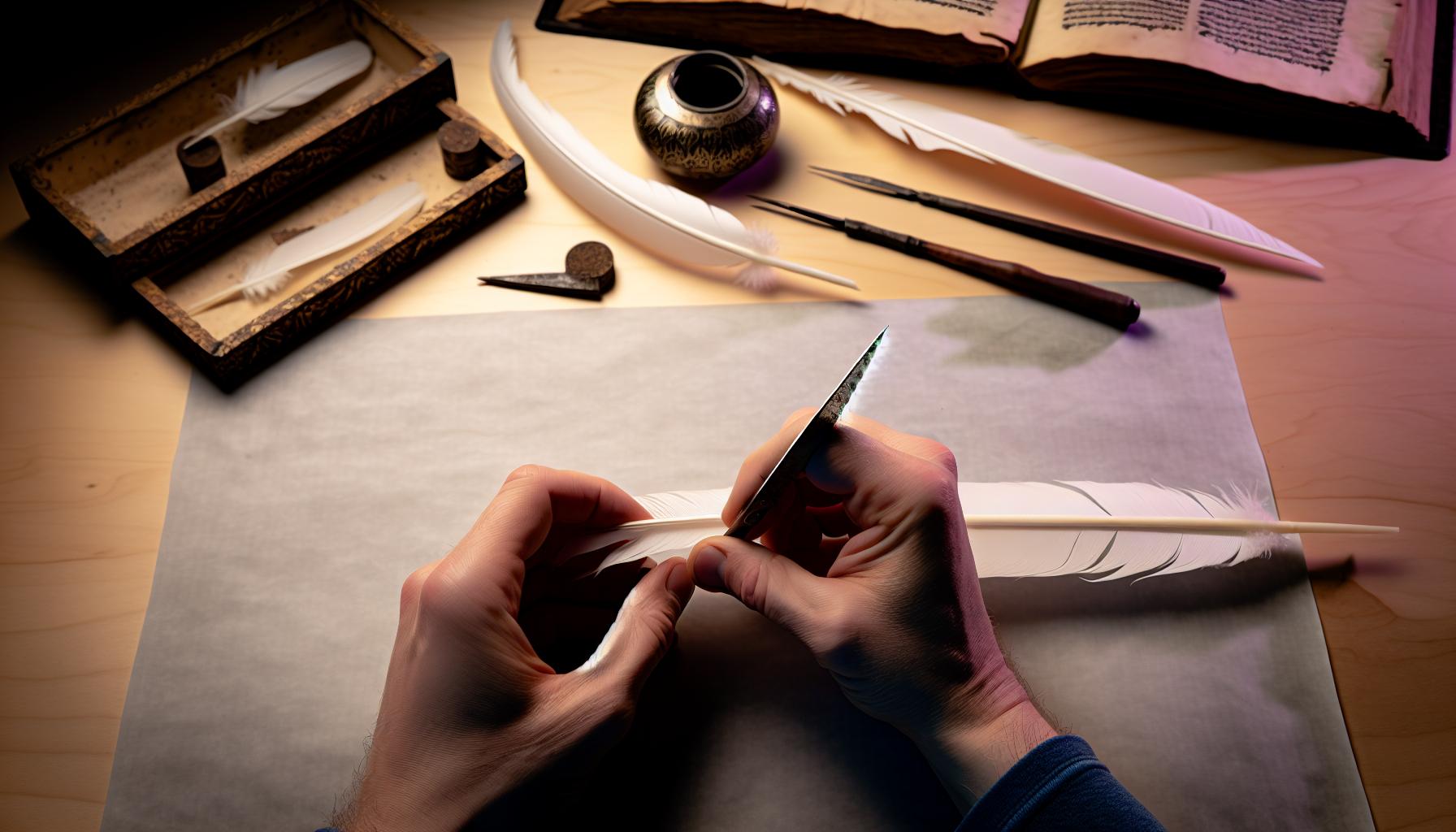
Getting the shape of your quill just right can feel like sculpting – it’s as much art as it is craft. Shaping your feather for calligraphy isn’t just about creating a tool; it’s about customizing your writing experience. Here’s a clear step-by-step guide to help you transform a beautiful feather into an elegant quill pen.
Start by selecting a suitable feather. Ideally, you want one that’s long and has a sturdy shaft, which helps give you control while writing. Once you’ve chosen your feather, it’s time to prepare it for shaping. Hold the feather firmly, and using your sharp knife or straight razor, make a clean cut at the tip. This edge will determine the nib’s width, so think about how thick or thin you want your lines to be. A broader cut allows for thicker lines, while a narrower edge creates finer strokes.
Next, smooth out the freshly cut nib. Take your sandpaper or fine file and gently sand the edges of the nib to refine its shape. Start with a coarser grit to remove any roughness, then switch to a finer grit to achieve that silky finish that makes ink flow effortlessly. Be patient here; this step is crucial for a reliable writing experience.
Now, bend the nib slightly to create a point. Using your pliers, carefully grip the nib and bend it to form a gentle curve. This curvature allows for more control when you’re writing, helping you manage the ink flow better. Remember to do this slowly to avoid any stress fractures in the feather.
Finally, soak the end of the feather in a bowl of water for a few minutes. It helps the fibers relax, providing you with more flexibility as you write. Once you’ve shaped and soaked your quill, you’re ready to try it out! Dip it in your ink and allow your penmanship to shine. Keep practicing, and you’ll find that every shape and curve uniquely impacts your writing style.
In shaping your quill, don’t forget that this is a personal journey. Take your time, experiment, and remember: every quill has its own personality, just like its owner. Enjoy the process!
Inking Techniques for Smooth Writing
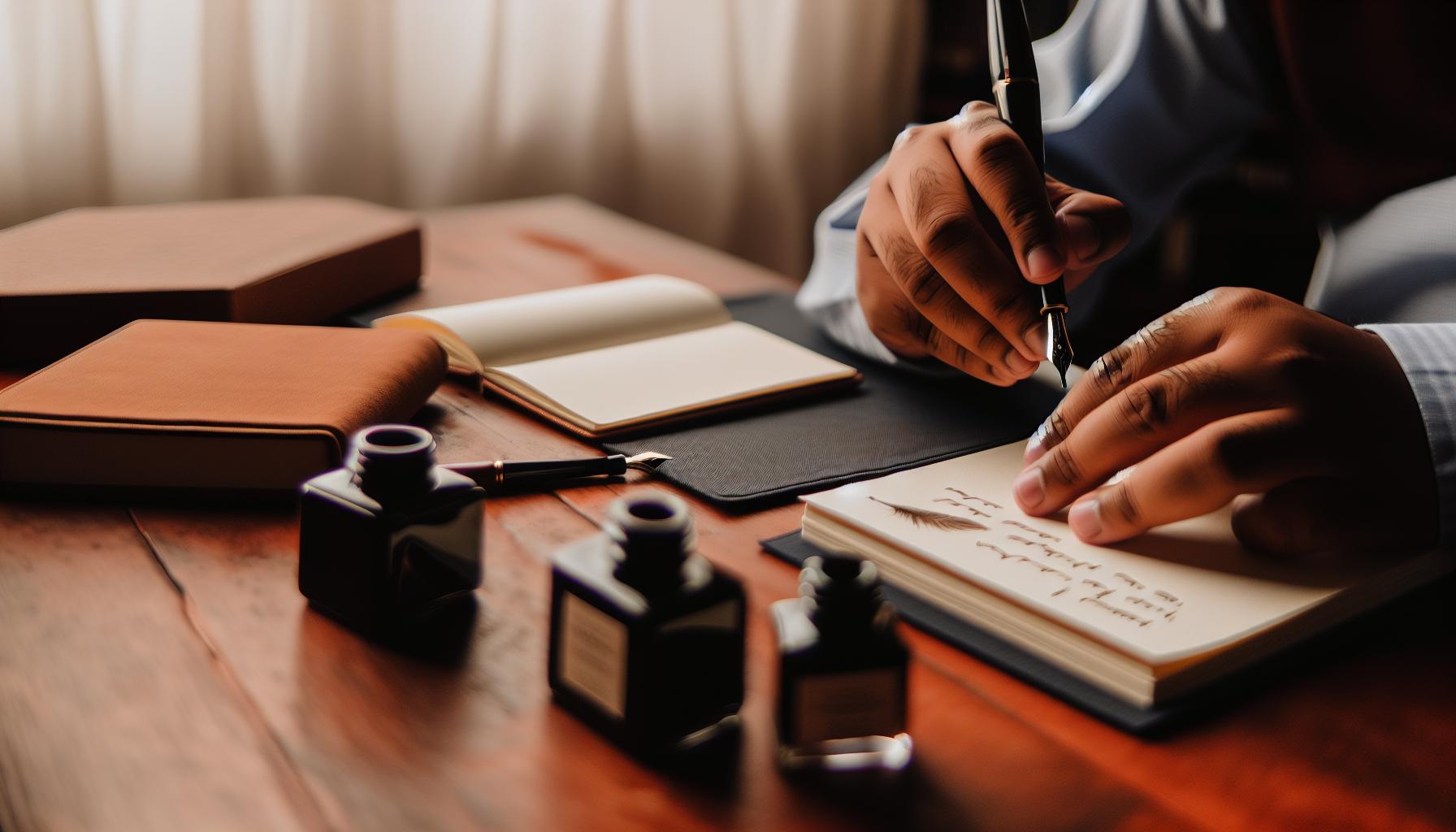
When it comes to achieving smooth and fluid writing with your quill pen, mastering inking techniques is essential. The right method not only enhances your penmanship but also prolongs the life of your handcrafted quill. Here’s how to ensure your writing flows effortlessly, turning every stroke into a work of art.
First off, consider the type of ink you’re using. Traditional iron gall ink offers rich, deep colors but can be quite viscous, which might lead to clogging in your quill’s nib if you don’t prepare properly. Opting for a fluid ink like fountain pen ink will allow for smoother application and less buildup. Whichever ink you choose, make sure it flows well; you can test its viscosity by dipping your quill into it and checking if it drips easily.
Next, let’s focus on the technique of dipping your quill. When you dip, immerse only the nib into the ink, avoiding excess ink that causes blotches. After dipping, gently tap the nib against the edge of your ink pot to remove any drips. Remember, a little ink goes a long way. It’s better to reload your quill more frequently than to have too much ink on the nib, which can lead to smudging and messy lines.
Another important factor is controlling the angle and pressure as you write. Hold your quill at a slight angle towards the paper to maximize ink flow. Too steep an angle can impede the ink from reaching the paper and result in dry spots. Apply gentle pressure; heavy-handed writing can cause the nib to dig into the paper or tear it. Practice finding that sweet spot where your quill glides smoothly, producing consistent strokes without skipping.
Incorporate practice techniques into your routine. Draw straight lines, curves, and loops to familiarize yourself with how the ink behaves on your chosen paper. Try different papers as well; smooth, high-quality paper can make a significant difference in flow and overall writing experience. The more you experiment, the better you’ll understand how to wield your quill for the best results.
With these techniques under your belt, you’re well on your way to mastering the art of smooth writing with your quill pen. Writing is about personal expression, so enjoy the process and let your unique style shine through!
Personalizing Your Feather Calligraphy Pen
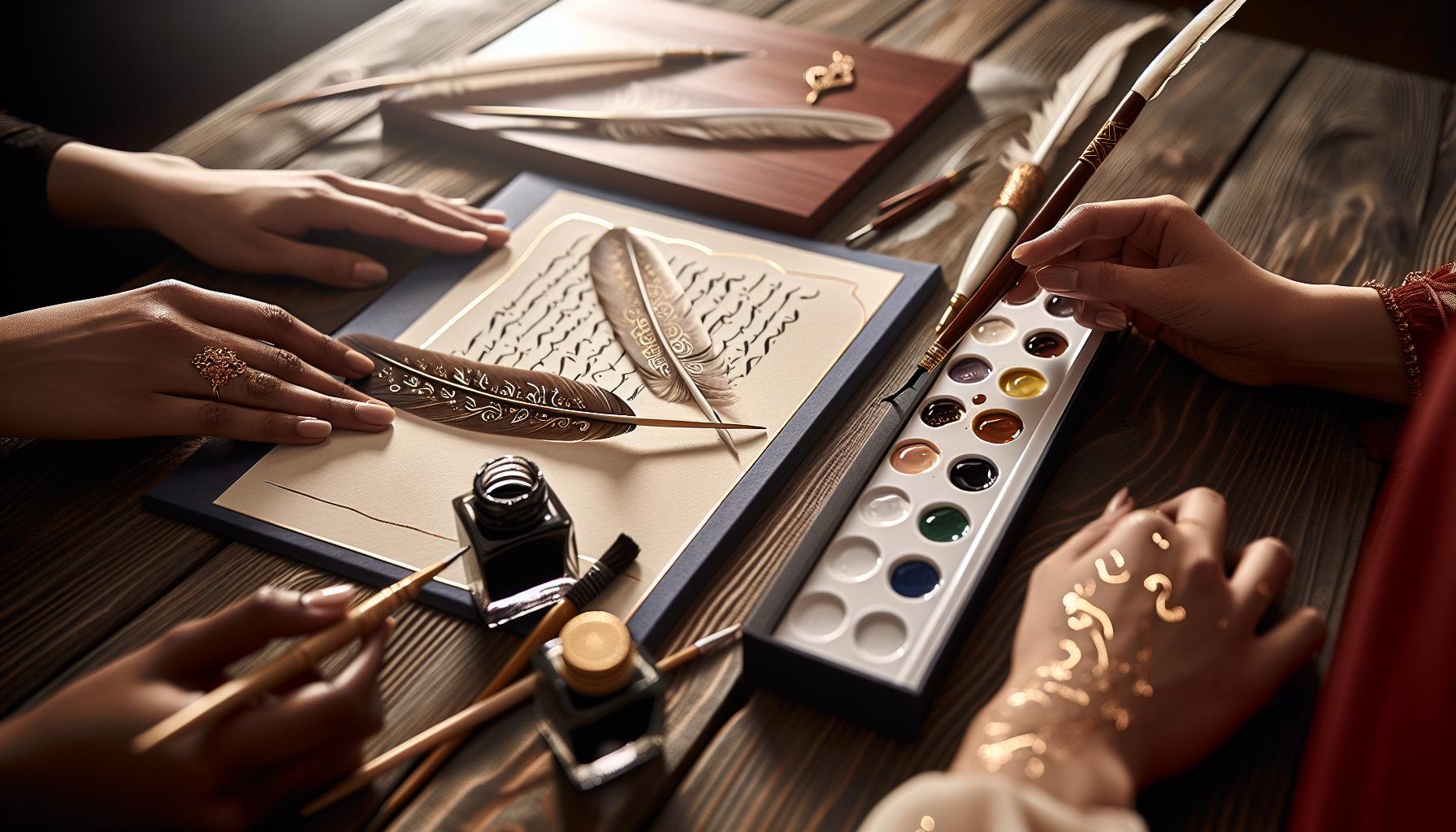
Creating a feather calligraphy pen is not just a craft; it’s an opportunity for personal expression. Your quill should feel like an extension of your hand, and personalizing it can elevate your writing experience to new heights. Start by selecting a feather that resonates with you, considering not only its appearance but also the feel in your hand. Each feather has a unique texture and weight, contributing to how the quill performs. Opt for feathers that are not just visually appealing but also comfortable for extended periods of writing.
Next, think about customizing the nib. The nib can be shaped or trimmed to suit your specific writing style. A finer nib works wonders for detailed work like intricate lettering or small script, while a bolder nib can deliver commanding strokes that stand out. Don’t hesitate to experiment; if you find that your nib isn’t providing the desired line width or smoothness, carefully reshape it until you achieve the perfect balance.
Moreover, consider adding personal touches that reflect your style. Whether it’s painting the feather with vibrant colors, adding decorative elements like metallic accents, or even wrapping the handle with unique materials-your quill can be a true reflection of who you are. Enhancements like these not only make your quill visually striking but can also inspire creativity during your writing sessions.
Finally, take ownership of the aesthetics by designing a personalized storage solution for your quill. A beautifully crafted case or stand not only protects your quill but also showcases it as a work of art. You’ll be more inclined to grab it for writing when it’s displayed elegantly at your workspace. Remember, the goal is to create not just a functional tool but a cherished artifact that inspires your creativity every time you sit down to write. Enjoy the journey of personalizing your quill; it’s a vital step in making your calligraphy truly your own.
Caring for Your Quill: Maintenance Tips
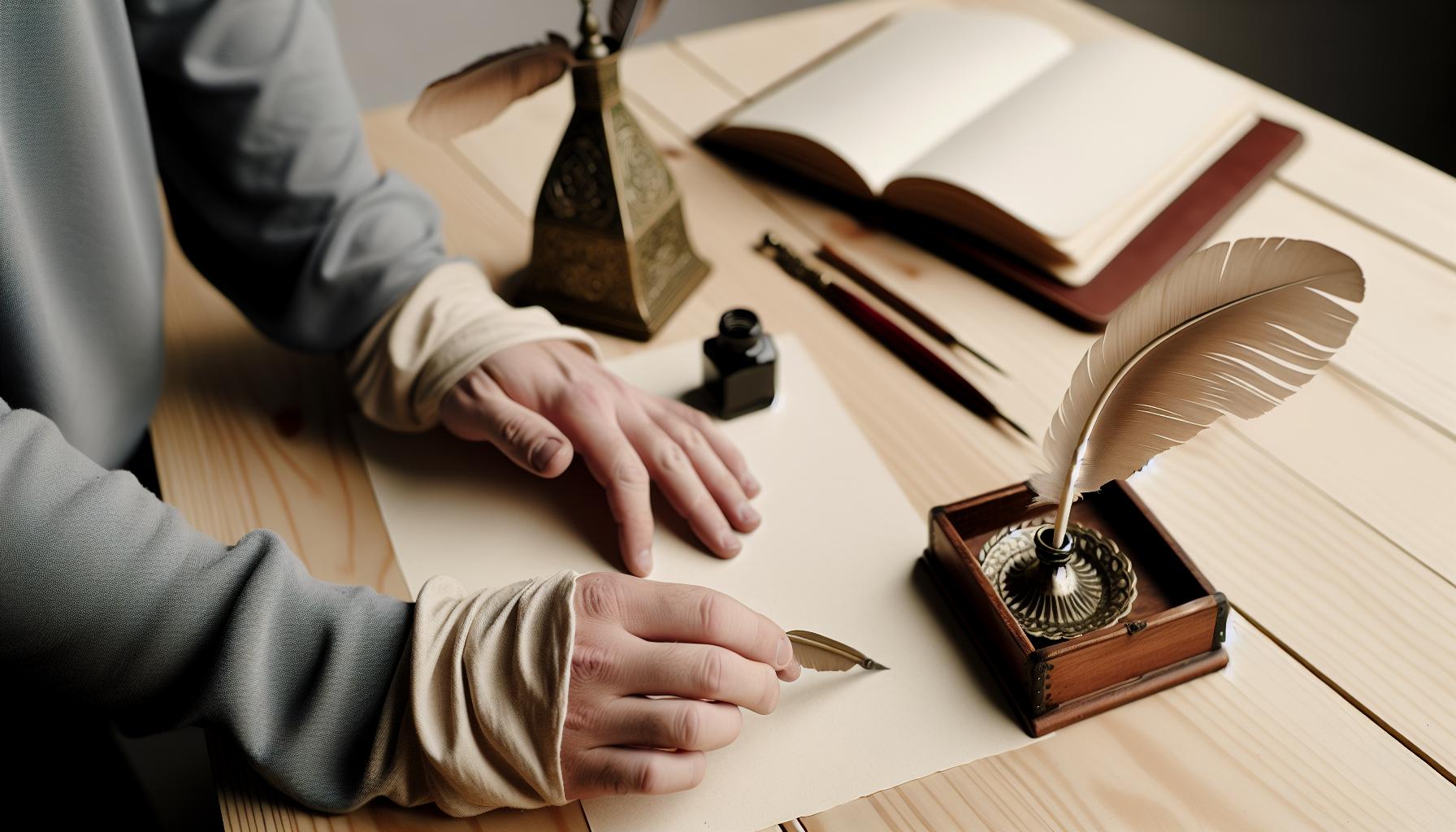
To keep your feather quill in top shape, it’s essential to develop a regular maintenance routine. A well-cared-for quill can last for years, enhancing your writing experience every time you use it. Here are some straightforward and effective tips to ensure your quill remains pristine and ready for your calligraphy sessions.
Cleaning Your Quill
First and foremost, always clean your quill after each use. Dried ink can clog the nib, leading to inconsistent lines and difficulty in writing. Rinse your quill under cool, running water, gently wiping away any ink residue with a soft cloth. Avoid using hot water as it can damage the feather. After rinsing, dry the nib carefully by dabbing it with a cloth, taking care not to bend or distort the nib shape.
Storing Your Quill
Proper storage is equally crucial. Your quill should always be stored in a cool, dry place to avoid bending or damaging the feather. Consider investing in a dedicated quill case or holder to protect it from dust and accidental harm. An elegant display case can also serve as a beautiful reminder to pick it up and create art, inspiring you to write more often.
Regular Inspection
Take the time to inspect your quill periodically. Look for any signs of wear or damage, especially on the nib. If you notice any rough areas, it’s a good practice to gently smooth them with fine sandpaper or a nail file. This not only maintains the nib’s functionality but also enhances your writing experience by ensuring smooth ink flow.
Avoiding Environmental Damage
Lastly, be mindful of the environment where you use and store your quill. Excessive humidity can cause the feather to fray or warp, while dry conditions might make it brittle. Ideally, keep your writing area at a moderate temperature and humidity level for optimal quill performance.
Taking these simple steps not only ensures that your quill remains a reliable tool but also adds to the joy of using a handmade, personalized piece for your calligraphy needs. When you care for your quill, you’re preserving a unique part of your creative journey.
Exploring Different Calligraphy Styles with Quills
Exploring the world of calligraphy with a quill pen opens up a vibrant range of styles and techniques that can transform your writing into an art form. Whether you’re a novice or an experienced calligrapher, understanding different styles helps you find your unique voice on the page. Each style tells a story, allowing you to express your creativity and enhance the beauty of your handwriting.
When it comes to calligraphy styles, the classics hold a special place. Italic is one of the most popular styles for quill pens, known for its slanted letters and fluid strokes. It’s versatile and easy to learn, making it ideal for both invitations and everyday correspondence. Another beautiful choice is Copperplate, which features elegant, sweeping curves and loops. This style is characterized by its fine lines and flourishing details, making it perfect for formal documents or artistic pieces.
Exploring the more whimsical side, Modern Calligraphy invites personal expression. It combines traditional techniques with contemporary flair, allowing you to mix styles and even invent your own! It’s less rigid, embracing varied letterforms and colors. If you enjoy bold statements, consider Brush Lettering. While it typically uses brush pens, the techniques translate well to quills. The thick and thin contrasts achieved through varying pressure let you create dynamic lettering that pops off the page.
Tips to Experiment with Styles
To dive into these styles, start with a few simple exercises:
- Practice Basic Strokes: Before you jump into a style, familiarize yourself with the basic strokes that form the letters. This will enhance your control and fluidity.
- Use Guidelines: Set up guidelines to maintain consistent sizing and spacing as you practice. This is especially important for styles like Italic and Copperplate.
- Mix and Match: Don’t be afraid to blend styles! Experiment with modern calligraphy by integrating elements from classical forms.
- Seek Inspiration: Look for beautiful examples online or in calligraphy books. See how others interpret styles and let that inspire your own creations.
With practice and exploration, you’ll uncover more than just letters; you’ll craft pieces that reflect your personality and artistic spirit. Embrace the journey of discovery as you let your quill lead the way to new calligraphic horizons.
Troubleshooting Common Quill Issues
You’ll inevitably run into a few hurdles when crafting and using your own feather quill. Common issues like ink flow problems, feather damage, and even improper handling can be frustrating, but with the right knowledge, you can overcome them easily. First, let’s address the ink flow. If your quill stops writing smoothly, it’s often due to dried ink clogging the nib. To fix this, gently dip the nib in clean water and wipe it with a soft cloth, or run a fine wire through the nib’s slit to clear any obstruction.
Another frequent issue is feather fraying or splitting. Proper preparation is key here. When shaping your quill, make sure to trim the tip at a slight angle to create a clean edge. Also, after each use, store your quill upright to prevent any damage to the nib. If a frayed feather is already causing trouble, simply cut the nib back a bit more until you achieve a clean point again.
It’s crucial to be mindful of your grip and pressure when writing. Too much pressure can easily damage your quill and lead to uneven ink distribution. Practice light, controlled strokes, and remember: the quill should glide gracefully across the page, not dig into it. For an aesthetically pleasing result, be deliberate with how you hold your quill; find a comfortable position that allows for fluid motion.
Lastly, understanding your ink choice can make a huge difference. If you’re experiencing constant clogging, you might be using too thick of an ink. Opt for ink that’s labeled for fountain pens or quills, which usually has the right viscosity for smooth flow. Always test new inks with your quill before a big project. By grasping these troubleshooting methods, you can ensure your quill remains a reliable companion in your calligraphic endeavors.
Where to Source Quality Feathers and Supplies
When it comes to crafting your own feather quill pen, sourcing quality feathers and supplies is crucial. Think of the feather as the heart of your quill. The right feather not only enhances your writing experience but also contributes to the unique character of each pen you create.
Start by exploring local craft stores and specialty shops. Many offer a range of feathers, from goose to turkey and even peacock, each providing different writing characteristics. Goose feathers are a popular choice due to their stiffness and durability, while turkey feathers often have a wider nib, perfect for broader strokes. If you can’t find the specific feather you want locally, consider online retailers. Websites focused on craft supplies, like Etsy or dedicated quill-making stores, usually have a diverse selection of feathers in various sizes and colors.
In addition to feathers, don’t forget about other essential supplies. You’ll need sharp tools for shaping your quill, such as a craft knife or scissors, and a steady hand! Here’s a quick checklist of what you might need:
- Feathers: Look for high-quality goose, quail, or turkey feathers.
- Craft Tools: A sharp knife, scissors, and sandpaper for refining your nib.
- Inks: Quality fountain pen ink or special calligraphy ink to complement your quill.
- Storage Options: Upright holders or protective cases to keep your quills safe.
As you gather your materials, keep in mind that the quality of your ink is just as important as the feather itself. Opt for inks that are designed specifically for quills, ensuring smooth flow and vibrant color. The right combination of a well-prepared feather and high-quality ink can transform your writing from ordinary to extraordinary.
Lastly, consider connecting with local or online communities focused on calligraphy and quill crafting. These groups can be invaluable for tips on where to source materials and might even offer feather swaps or sales. Engaging with other enthusiasts can enhance your craft while expanding your network. Happy quill crafting!
The Art of Calligraphy: Tips for Beginners
Starting your journey into calligraphy can be thrilling, especially with a hand-crafted quill pen in your arsenal. The beauty of calligraphy lies not just in the strokes you make, but in the rhythm and flow of your writing. To kick things off, focus on proper grips and positioning. Hold your quill at a comfortable angle, typically around 45 degrees, to get that lovely line variation that calligraphy is known for.
Practice is essential, and the best way to develop your skill is through consistent drills. Start by mastering basic strokes before moving on to letterforms. You might find it helpful to create a practice sheet. This sheet can include lined paper where you write out letters and words repeatedly. Use the classic forms and styles to guide you; the foundational strokes for each letter will set you up for more complex writing. Don’t worry about imperfections; that’s part of the learning process!
Tools and Materials
Make sure you’re using quality materials. Your choice of ink affects your writing experience immensely. Look for inks that flow freely and dry without smudging. A good paper should handle the ink well, providing the right resistance-neither too rough nor too slick.
Consider investing in a few different nibs. Each one offers unique line thickness and flexibility. Experimenting with these can lead to delightful discoveries in your writing style.
Staying Inspired
Lastly, immerse yourself in the world of calligraphy. Follow artists on social media, join online forums, or participate in local workshops. The more you engage with the community, the more you’ll learn and grow. Share your progress; feedback from others can spark new techniques and approaches.
With time and practice, you’ll find your own voice in calligraphy. Embrace the journey, and remember: every stroke tells a story. Keep writing, keep creating!
Advanced Quill Techniques for Skilled Calligraphers
When you’ve mastered the basics of calligraphy, it’s time to elevate your craft with advanced quill techniques that truly showcase your skill. One of the most significant aspects of creating stunning calligraphy is understanding the dynamic interplay of pressure and variation in your strokes. This isn’t just about holding your quill correctly; it’s about embracing the quill’s natural flexibility and learning how to manipulate it to achieve diverse effects.
Experimenting with Pressure and Speed
Varying your pressure on the quill can drastically change the outcome of your stroke. Lighter pressure produces finer, delicate lines, while heavy pressure yields bold strokes that stand out. Combine this with variations in speed-quick motions for a light touch and slower movements for heavier, more pronounced strokes. Get comfortable experimenting with these elements during practice sessions. It’s often these subtle adjustments that can bring your letters to life, adding personality and flair.
Sharpening Your Skills with Flourishes
Once you’re confident with consistent letter forms, start incorporating flourishes. These decorative additions can enhance your work, drawing the eye and adding character. Begin with simple flourishes, like loops and swirls, adding them to the end of letters or connecting strokes. Focus on maintaining balance; every flourish should feel intentional. A good tip is to practice them separately, honing your control before integrating them into your main writing.
Creating Texture Through Ink Variation
Another advanced technique involves using different inks to add dimension to your calligraphy. Consider experimenting with metallic or shimmering inks alongside traditional colors. Applying them selectively can create a striking contrast in your work. Furthermore, varying the dilution of your ink can change its opacity and texture, offering even more creative possibilities. By layering different ink styles, you can create depth and richness in your pieces.
Mastering Advanced Textures and Styles
Beyond traditional writing, delve into different styles such as Gothic or Copperplate. These techniques often require a distinct approach to how you hold the quill and the angles at which you write. Research specific methods or tutorials that break down these styles, and don’t hesitate to reach out to fellow calligraphers or online communities for feedback on your efforts. Embrace the unique challenges they present; each style can refine your overall skills and expand your artistic vocabulary.
In summary, the key to advancing your calligraphy with a quill lies in exploration and practice. By adjusting your pressure, adding flourishes, experimenting with inks, and studying various styles, you can transform simple letters into extraordinary art. So grab your quill and let your creativity flow-there’s no limit to what you can achieve!
Inspiration: Creative Projects with Quill Pens
There’s something undeniably magical about creating art with a quill pen. Beyond the traditional scribing of letters, the versatility of your feather pen opens up a world of creative projects that can inspire you to explore your artistic side. Here are a few unique ideas to spark your imagination and help you make the most of your quill crafting skills.
Handwritten Greeting Cards
Nothing beats the charm of a handwritten note. Use your quill to create personalized greeting cards for special occasions like birthdays, weddings, or holidays. Experiment with different inks and styles. Consider mixing bold colors for decorations or adding flourishes to your lettering to make the messages truly unique. Don’t just stop at text-try creating small illustrations or borders around your messages to elevate the aesthetic appeal.
Custom Artwork and Prints
Why not turn your calligraphy into wall art? Create unique pieces that incorporate your favorite quotes or poetry. Choose a beautiful paper or canvas as your base, and let your creativity flow. You can design an entire composition, or focus on a single inspiring line. Pair your cleverly crafted text with illustrations or patterns. If you feel bold, you can even layer different styles and fonts to create depth and texture in your artwork.
Decorative Journals
If you enjoy journaling or bullet journaling, consider enhancing your entries with calligraphy. Use different styles for headings, subheadings, and bullet points. You can even create beautiful layouts incorporating your feather pen skills. Add drawings or embellishments beside your entries using your quill to create cohesive and visually appealing journal pages. This transforms your journaling experience into a creative endeavor while allowing you to track your thoughts beautifully.
Event Decor and Invitations
Quill pens are perfect for making your special events even more memorable. Use them to design stunning invitations, table name cards, or place settings. The elegance of calligraphy adds a sophisticated touch that digital printing simply can’t match. You can also craft signage for events like weddings or parties, using your quill to create unique, hand-lettered signs that guide guests or display menus.
Inspiration is everywhere when you harness the power of a quill pen. Whether you’re personalizing gifts, creating wall art, or enhancing your writing, let your imagination take flight. Each project is not just a task, but an opportunity to express yourself and bring a touch of artistry to your world.
Frequently asked questions
Q: What type of feather is best for a calligraphy pen?
A: The best feathers for calligraphy pens are typically large, sturdy feathers, such as goose or crow feathers. These types have a strong quill that can be shaped well for writing. Look for feathers that have a smooth shaft and good flexibility for optimal ink flow.
Q: How can I customize my feather calligraphy pen?
A: You can customize your feather calligraphy pen by decorating the quill with paints, inks, or adhesives to attach embellishments. Personalizing the design makes your pen unique. Additionally, tailoring the nib shape to your writing style enhances functionality.
Q: What ink should I use with a feather calligraphy pen?
A: Use thick, pigmented inks formulated for dip pens, as they provide smooth writing and vibrant colors. Inks like India ink or calligraphy-specific inks work well. Always test the ink for compatibility with your quill to prevent clogging.
Q: How do I maintain my feather calligraphy pen?
A: To maintain your quill, clean it thoroughly after each use by rinsing it in warm water and gently wiping the nib with a soft cloth. Avoid soaking the feather, which can damage it. Store the pen upright to preserve its shape.
Q: Can I use a feather calligraphy pen on any type of paper?
A: While you can use a feather calligraphy pen on various papers, it works best on smooth, high-quality paper designed for ink. Textured papers can cause the nib to catch. Always test on a scrap piece to ensure compatibility.
Q: What techniques can improve my calligraphy skills with a feather pen?
A: To improve your calligraphy skills, practice consistent pressure variations to create thick and thin strokes. Focus on mastering basic letterforms and practice regularly. Experiment with different styles, as demonstrated in the “Exploring Different Calligraphy Styles with Quills” section of your guide.
Q: Where can I find tutorials for advanced quill techniques?
A: For advanced quill techniques, consider looking for video tutorials on platforms like YouTube or joining online calligraphy forums. You can also refer to the “Advanced Quill Techniques for Skilled Calligraphers” section of your guide for detailed insights.
Q: Why is it important to choose the right feather for quill crafting?
A: Choosing the right feather is crucial as it affects your writing experience. A quality feather ensures durability, flexibility, and better ink retention, resulting in smoother strokes. Understanding feather types helps create an optimal pen tailored to your writing style.
Future Outlook
Now that you’ve learned how to craft your very own feather calligraphy pen, it’s time to put those newfound skills to the test! This unique quill crafting guide not only equips you with a beautiful tool for your artistic endeavors but also connects you to the rich tradition of calligraphy. Imagine the compliments you’ll receive when you use your custom pen – it’s a conversation starter!
If you’re eager to dive deeper, check out our guides on calligraphy techniques and how to care for your quills to enhance your skills even further. Don’t hesitate to reach out in the comments below; we’d love to hear about your crafting experience or any questions you might still have. Remember, the world of feather quills is just a stroke away!
For more creative tips and resources, subscribe to our newsletter. Join our community of passionate crafters, and always stay updated on the latest techniques and projects. Your artistic journey is just beginning, and we’re excited to be part of it!
Get our latest guides, news, and insights highlighted in your Google Search & AI Overviews.