
Have you ever marveled at the art of beautiful writing? A calligraphy pen is essential for anyone looking to create stunning, handcrafted letters or designs. These pens come in various types, each with unique features that cater to your artistic style and goals. Whether you’re a seasoned calligrapher or just starting out, knowing what to look for in a calligraphy pen can elevate your work and help you achieve the perfect flourish. Dive into our visual guide to discover the different styles, tips for choosing the right one, and how to transform your handwriting into a work of art. You’ll gain the knowledge you need to select a pen that not only suits your technique but inspires creativity in every stroke. Let’s explore the fascinating world of calligraphy pens together!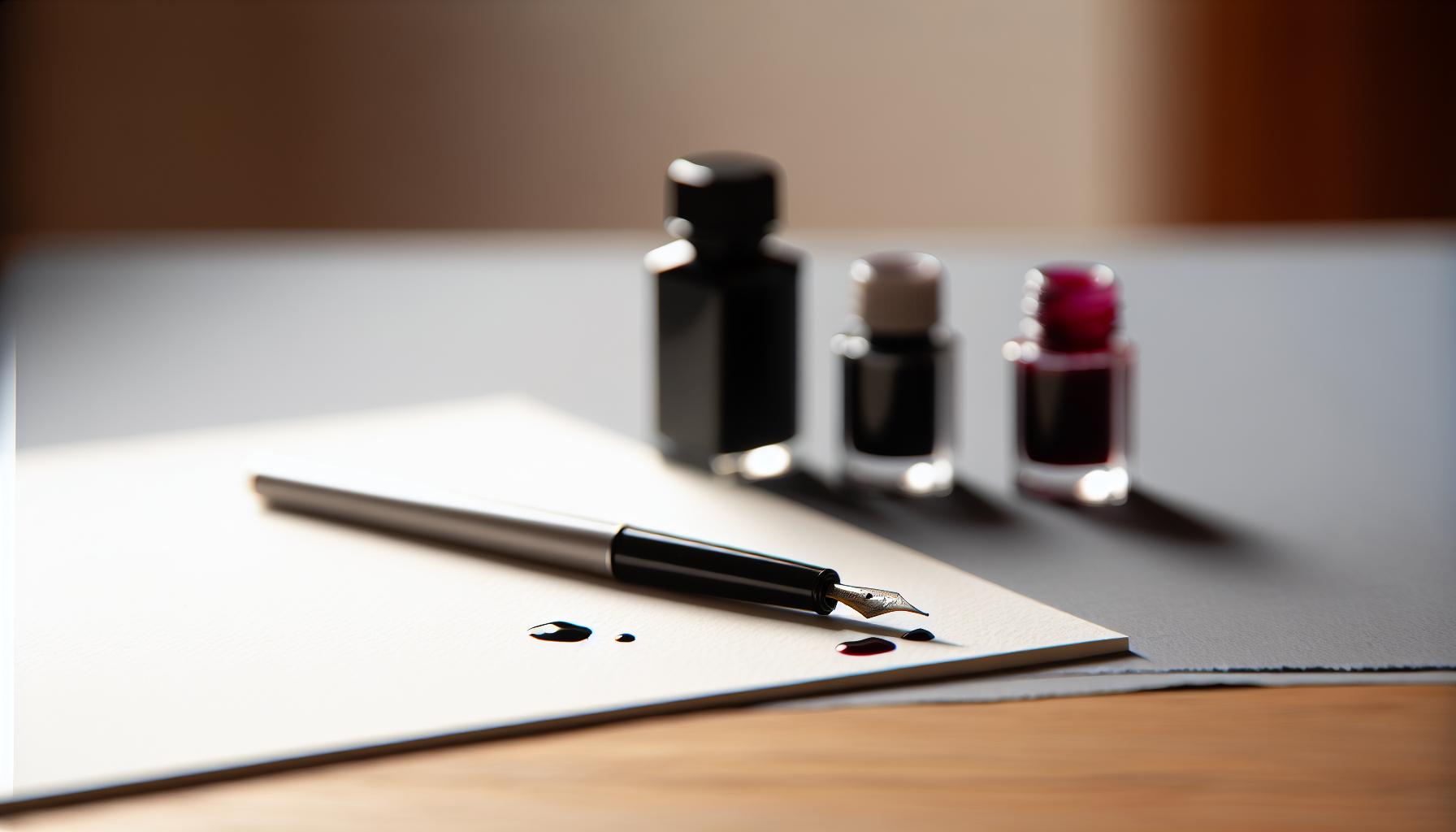
What Is a Calligraphy Pen? An Overview
A calligraphy pen is more than just a writing instrument; it’s a gateway to an art form that elevates the written word into a visual experience. Whether you’re a novice eager to learn or a seasoned artist ready to refine your skills, understanding calligraphy pens is crucial. These pens come with unique nibs or tips designed specifically for creating beautiful lettering. Unlike regular pens, a calligraphy pen’s design allows for varied line thickness based on pressure and angle, which is vital for crafting those elegant swirls and serifs.
There are various types of calligraphy pens, including dip pens, fountain pens, and brush pens, each offering distinct textures and styles. Dip pens provide flexibility with interchangeable nibs, allowing for greater artistic expression. Fountain pens, while convenient, often come with a built-in nib that can limit some creative variations. Brush pens combine the ease of a marker with the versatility of a traditional brush, making them ideal for those who prefer fluid strokes without the mess of ink.
Choosing the right calligraphy pen largely depends on your style and comfort. If you’re just starting, you might gravitate towards brush or felt-tip pens for their ease of use. If you’re looking for precision and a traditional experience, a dip pen could be the way to go. Personal experience teaches that experimenting with different types will reveal which pen feels right in your hand and serves your expressive needs best.
Ultimately, a calligraphy pen is not just a tool but an extension of your creativity. Whether you’re creating invitations, crafting personal notes, or exploring your artistic flair, the right pen significantly enhances your experience and outcomes. Embrace the journey of mastering this beautiful craft, and watch your words transform into art.
Types of Calligraphy Pens Explained
The world of calligraphy pens is as diverse as the styles of writing they produce. Understanding the different types helps you choose the right tool for your creative journey. Each type has its unique characteristics that can greatly influence your technique and the final look of your work.
Dip Pens
Dip pens are classic and favored by traditional calligraphers. They consist of a holder and replaceable nibs, allowing you to choose different widths and styles based on your project. This flexibility means you can achieve a wide variety of line thicknesses and effects, making dip pens excellent for detailed work. Keep in mind, though, they require an ink pot, which some may find messy. Experimenting with various nibs lets you discover the styles you love the most.
Fountain Pens
For those who prefer convenience without sacrificing quality, fountain pens are a popular choice. These pens come with a built-in nib and an internal ink reservoir, providing a smooth writing experience. While limited in nib variations compared to dip pens, they offer great precision. Fountain pens are great for straightforward script styles and everyday use, making them a solid option for both beginners and experienced calligraphers who value practicality.
Brush Pens
Brush pens have surged in popularity due to their versatility and ease of use. They combine the characteristics of both brushes and markers, allowing for fluid strokes and dynamic lettering styles without the need for ink pots or dip solutions. These pens are perfect for those just starting out, as they often provide a more forgiving learning curve. Brush pens come in various styles and are perfect for achieving both bold and fine lines, making them suitable for everything from invitations to beautiful wall art.
Gel and Felt Tip Pens
For a modern twist, gel and felt-tip pens can be used to create innovative calligraphy with vibrant colors and smooth lines. While they don’t offer the same tradition as dip pens or fountain pens, they can be particularly appealing for casual calligraphy projects or crafts. Many crafters enjoy using vibrant gel pens to add unique touches to their work, especially in bullet journaling or card making.
In summary, choosing the right type of calligraphy pen reflects both your skill level and the style you’re aiming to achieve. Whether you’re drawn to the tradition of dip pens, the convenience of fountain pens, the flexibility of brush pens, or the fun of gel pens, each type will equip you to express your creativity beautifully.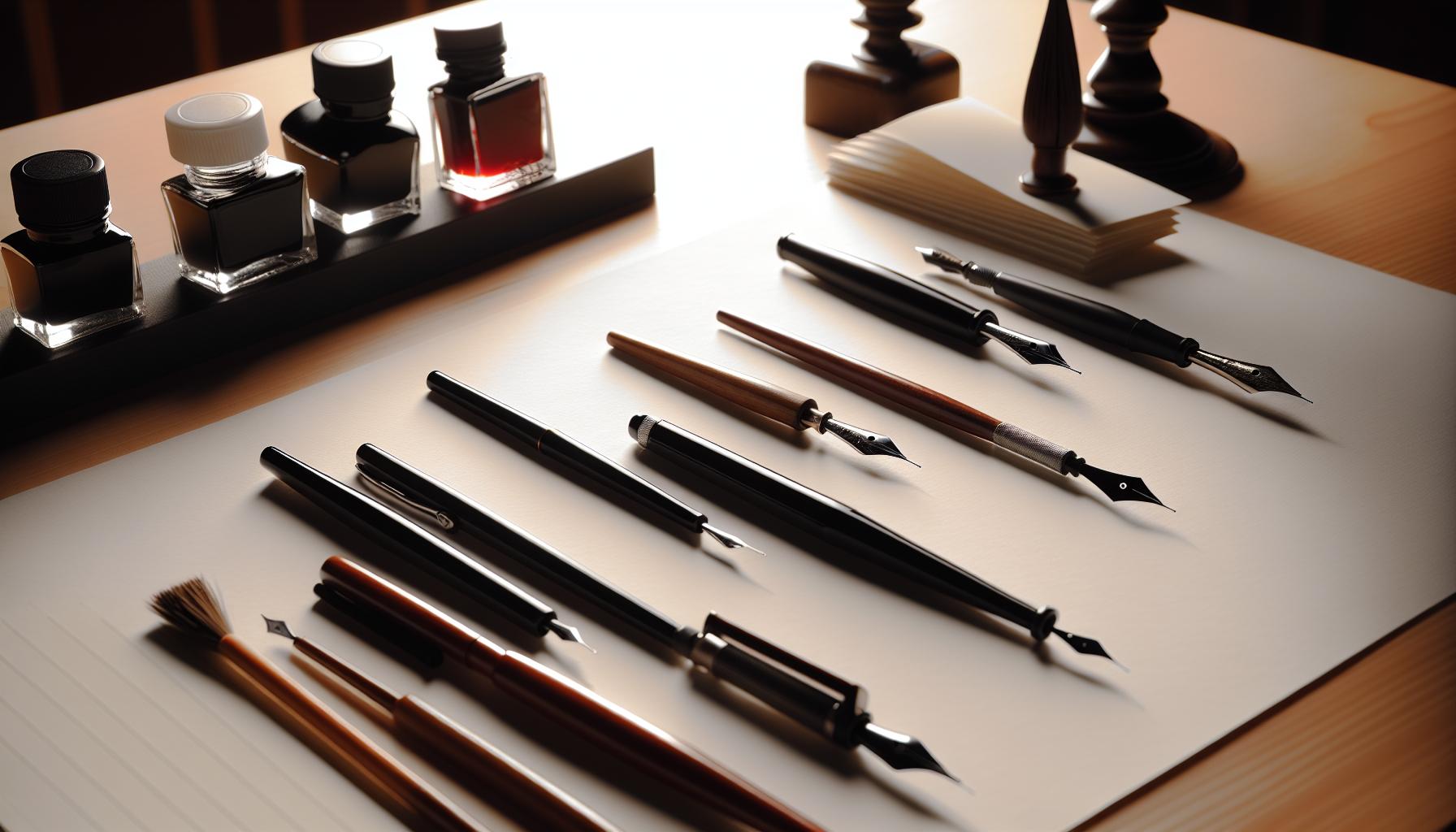
Key Features of Calligraphy Pens
Understanding the can elevate your writing experience, allowing you to create stunning and expressive text with ease. Calligraphy pens come with some distinct attributes that cater to both aesthetics and functionality. Knowing these features not only helps in selecting the right pen but also enhances your overall technique and enjoyment of calligraphy.
One prominent feature is the nib style. Different nibs can produce varied line widths and styles. For instance, broad nibs are perfect for creating bold strokes, while finer nibs allow for delicate detailing. Additionally, some pens have interchangeable nibs, offering versatility for diverse lettering techniques.
Another important aspect is ink flow control. Some calligraphy pens, especially fountain and dip pens, allow you to adjust the ink flow to suit your writing pressure and speed. This enables you to maintain consistency and control, preventing unwanted skips or blotches. Furthermore, look for pens with comfortable grips and balanced weight. A well-designed grip can reduce hand fatigue during long writing sessions.
Material quality plays a significant role as well. Nibs are typically made from metals like stainless steel or gold, impacting their durability and feel on paper. Great quality materials contribute to smooth writing, which is critical for achieving elegant effects in calligraphy. Lastly, consider the ink type. Various inks, from traditional bottle inks to modern pigment-based options, will yield different results in terms of color saturation and drying time.
Taking time to explore these features can significantly influence your calligraphy journey, whether you’re just beginning or looking to refine your skills. Choosing the right pen based on these attributes allows you to express your unique style more effectively, making each piece of work truly your own.
How to Choose the Right Calligraphy Pen
Choosing the right calligraphy pen can transform your artistry, making a profound difference in how your lettering looks and feels. You might be wondering, with so many options out there, where to start? A good first step is to identify what kind of calligraphy you want to explore. Are you drawn to the fluid strokes of modern calligraphy, or the classic elegance of traditional scripts? Your choice of pen can significantly influence the effect you achieve.
First off, consider the nib style. A broad nib is fantastic for bold strokes and dramatic flair, typical of gothic or italic styles. In contrast, a fine nib allows for detailed work and is preferable for more intricate scripts like copperplate. If you’re just starting, pens with interchangeable nibs can offer versatility as you explore different styles without committing to a single option.
Next, think about the ink flow. Some pens, especially fountain and dip pens, allow you to adjust how much ink flows to the nib. This can help you maintain control over your strokes, reducing the chance of skips or blotches. Don’t underestimate grip comfort and pen weight-these factors can make your writing sessions far more enjoyable. A lightweight pen with a comfortable grip will help you write for longer without fatigue.
Finally, remember that the right calligraphy pen doesn’t always have to be the most expensive or the most advanced. Starting with beginner-friendly options can help you develop your technique without the pressure of high-stakes products. For example, a simple disposable fountain pen can be an excellent way to practice without breaking the bank. As you gain confidence, you can gradually invest in more specialized tools tailored to your evolving style. The key is to find a pen that resonates with your creativity and allows you to express your individual flair with every stroke.
Calligraphy Pen Anatomy: Parts and Functions
Understanding the anatomy of a calligraphy pen is essential for anyone looking to elevate their writing skill. These pens are meticulously designed with specific parts that contribute to the overall artistry of calligraphy. Each component plays a crucial role in how the pen performs, influencing everything from ink flow to comfort in your hand.
At the heart of any calligraphy pen is the nib. This is the part that touches the paper, and it’s where the magic happens. Nibs come in various shapes and widths, impacting your strokes’ thickness and style. For instance, broad nibs are perfect for creating thick, dramatic lines, while fine nibs excel in detailed, delicate scripts. Most calligraphy pens allow for nib exchange, meaning you can experiment with different styles without needing multiple pens.
Another critical aspect is the body of the pen. This is the main structure that houses the nib and often contains the ink reservoir. For fountain pens, the body can be either filled with a cartridge or a converter, allowing you to choose your ink. The design and material of the body also affect the weight and balance of the pen, which are important for comfort during prolonged writing sessions. Lightweight materials can help prevent fatigue, especially if you’re practicing for hours.
The grip is equally important. A well-designed grip will prevent slipping and discomfort, allowing you to maintain control as you work on your letterforms. Many modern calligraphy pens feature ergonomic designs that fit comfortably in your hand, promoting better technique and encouraging longer practice sessions.
Finally, there’s the cap for those pens that require one. A solid cap prevents the nib from drying out and keeps your ink fresh, which is vital for maintaining consistent performance. In some pens, the cap may also serve an aesthetic purpose, adding to the overall beauty of the pen that many calligraphers appreciate.
By understanding these parts and their functions, you can choose a calligraphy pen that best suits your style and technique. This foundational knowledge not only enhances your writing experience but also empowers you to explore the intriguing art of calligraphy with confidence.
Best Calligraphy Pens for Beginners
When you’re just starting out in calligraphy, picking the right pen can make all the difference in your experience and progression. Beginner-friendly calligraphy pens are designed to simplify your learning curve without overwhelming you with too many options or complexities. A solid choice greatly enhances your ability to practice basic strokes and develop your style.
Start with a gel pen or a fountain pen that has a broad, flexible nib. These pens help create the beautiful contrasts in line thickness that are the hallmark of calligraphy. Brands like Pilot and Tombow offer excellent options like the Pilot Parallel Pen or the Tombow Fudenosuke Brush Pen. These pens come with various nib sizes, letting you experiment with different styles as you advance.
Using a brush pen is another great way to dive into calligraphy. Items like the Pentel Arts Sign Pen or Zig Clean Color Real Brush Markers provide a brush-like feel while allowing for expressivity and smooth transitions in stroke width. They’re forgiving and perfect for practicing foundational letters without worrying about intricate techniques.
Choosing the Right Starter Options
Here’s a handy breakdown of some top choices for beginners:
| Pen Type | Recommended Model | Key Features |
|---|---|---|
| Fountain Pen | Pilot Metropolitan | Affordable, smooth ink flow, multiple nib sizes |
| Brush Pen | Tombow Fudenosuke | Soft and hard tips, flexible brush, great for beginners |
| Gel Pen | Pentel Hybrid Technica | Vibrant ink, consistent flow, ergonomic design |
Stay patient and practice regularly. The key to mastering calligraphy lies in consistent practice and developing your own style over time. Start with basic strokes, then move onto letters, and eventually to words. As you grow more comfortable, you might find it helpful to invest in more advanced tools tailored for experienced calligraphers, but every expert started just as you are now. Happy writing!
Advanced Calligraphy Pens for Professionals
When you reach the level of a seasoned calligrapher, your choice of pen becomes crucial for refining your artistry and achieving that professional finish in your work. Advanced calligraphy pens are designed not just for versatility, but for precision, control, and a unique user experience that elevates your writing. Whether it’s creating elegant invitations, intricate artwork, or anything in between, having the right tools can make all the difference.
One standout option is the flexible nib fountain pen. Unlike standard fountain pens, these have specially designed nibs that allow for a range of stroke thicknesses, letting you create dynamic letters with ease. Consider pens like the Scripty Pen or the Nikko G Nib, which many professionals trust for their reliability and quality. Their ability to create varying thicknesses in a single stroke gives your work a beautiful depth that really stands out.
Brush pens like the Zig Brush Pen and the Pentel Touch Brush Pen are also favored by experienced calligraphers. They provide more expressiveness, allowing for rapid changes in line width, which is essential for achieving those sweeping strokes. The flexibility of the brush tip can emulate traditional brushes while being incredibly user-friendly – a perfect marriage of function and style.
Choosing the Right Pen for Your Style
When selecting advanced pens, consider how they fit with your specific style. Here are a few attributes to keep in mind:
- Nib flexibility: Look for pens that allow for varied pressure application.
- Ink flow: Consistency is key; choose pens that distribute ink smoothly to prevent skipping.
- Weight and balance: A well-balanced pen can enhance your control and comfort during long sessions of writing.
Investing in high-quality calligraphy pens not only enhances your skills but allows you to create breathtaking pieces. As you explore and master different techniques, your pen choices will evolve, and you’ll find the perfect instruments that align with your artistic vision. Remember, every stroke reflects your personality – make it count!
Popular Calligraphy Pen Brands to Consider
When you’re diving into the world of calligraphy, the brands you choose can significantly influence your crafting experience. Several manufacturers stand out for their quality, performance, and overall value. Focusing on reliability and user-friendly designs, these brands have earned their places in the toolkit of both aspiring and seasoned calligraphers.
Speedball is a classic name that many calligraphers swear by. Known for its extensive selection of nibs and inks, Speedball provides everything from beginner kits to advanced options that photographers and illustrators appreciate. Their products are particularly celebrated for their durability and consistent ink flow, which are vital for fluid and dynamic writing styles.
Another brand worth mentioning is Pentel, especially renowned for their brush pens. The Pentel Arts Pocket Brush Pen features a flexible brush tip that allows for stunning variations in line thickness, making it perfect for those wanting to emulate more traditional brush techniques. Its refillable ink cartridge system means less downtime in your creative process-perfect for long sessions!
For those who want to explore modern techniques, Faber-Castell offers an excellent range of high-quality pens. Their PITT Artist Pens are favored for their deep black ink and ease of use, especially with the brush and fineliner options. These pens are often recommended for both beginners and professionals looking to add finesse to their work.
Other Notable Mentions
- Kuretake: Known for craft products that include brush pens and markers, offering vibrant colors and user-friendly designs.
- Zig: Their Opaque Kuretake Gansai Tambi watercolor set gives calligraphers a unique way to blend colors.
In the evolving realm of calligraphy, selecting a brand that resonates with your personal style is crucial. Test a few from various brands to discover which ones feel the most comfortable and provide the best results for your preferred techniques. Remember, every brand has its unique strengths, and finding the right fit can enhance your writing experience immensely. Stay creative and keep exploring!
How to Use a Calligraphy Pen: Tips and Techniques
Using a calligraphy pen can feel like a dance between precision and creativity, and mastering it opens up a world of artistic expression. The first step is to understand the grip; hold the pen lightly yet securely, ideally at a 45-degree angle to the paper. This position allows for smoother strokes and better control over the nib. Remember, it’s all about finesse-not force. Let the pen glide over the paper without pushing too hard; too much pressure can lead to unsightly blobs of ink.
Practice the basic strokes, as they form the foundation of your calligraphy. Start by drawing simple lines, loops, and curves to get a feel for the nib’s responsiveness. Use a guide sheet with letters to help you maintain consistent heights and spacing. Once comfortable, experiment with speed-slow down for more controlled letters and pick up your pace for a more fluid style. This balance between speed and steadiness is crucial for creating elegant letters.
Incorporate techniques like varying your pressure while writing. Applying more pressure on the downstrokes while easing up for the upstrokes gives that characteristic contrast found in beautiful calligraphy. For different effects, also try using ink with varying fluidity; this can alter how the pen moves across the page and enrich the visual quality of your work.
Lastly, don’t be afraid to explore different styles-there’s no one “right” way to use a calligraphy pen. Experiment with various nibs and inks, discover your preferences, and develop a unique style that resonates with you. Calligraphy is a personal journey; embrace it fully and allow your creativity to flourish!
Common Mistakes with Calligraphy Pens
Getting started with calligraphy can be an exhilarating journey, but it’s all too easy to fall into some common pitfalls that can frustrate your efforts. One of the biggest mistakes is neglecting to practice the basics. Many beginners rush into creating elaborate designs without first mastering essential strokes and letter formations. This rush can lead to uneven lettering and sloppy lines. Spend time honing your skills with simple drills to develop muscle memory and control.
Another frequent issue is using the wrong type of ink or paper. Not all inks are compatible with every nib, and using a thick or unsuitable ink may clog your pen. Similarly, rough or absorbent paper can cause your ink to bleed or feather, ruining your work. Always test your ink on your chosen paper to ensure compatibility. Opt for smooth, high-quality paper specifically designed for calligraphy.
Over-gripping the pen is a surprisingly common error that can hinder your performance. Holding the pen too tightly can lead to fatigue and less fluid movements. Strive for a light grip, letting the pen do most of the work. This will help facilitate smoother strokes and better control. Remember that your hand should flow naturally, not tense up.
Lastly, inconsistent pressure during writing can dramatically affect the outcome of your work. Many beginners either press too hard or too lightly, leading to uneven strokes. Aim to vary your pressure intentionally-pressing harder on downstrokes and lighter on upstrokes to create that characteristic contrast. This technique is key to achieving the beauty and intricacy that defines calligraphy.
By being mindful of these common mistakes and giving yourself the grace to improve over time, you’ll find your calligraphy skills flourishing. Enjoy the process, experiment with different tools, and let your unique style emerge!
Maintaining Your Calligraphy Pen for Longevity
To keep your calligraphy pen performing at its best, maintenance is essential. Neglecting this can lead to poor writing quality or, worse, damage your favorite tools. Here are some straightforward yet effective tips to ensure your pen remains in top-notch condition.
First off, always clean your pen after use. Inks, especially those that are pigment-based, can dry inside the nib and lead to clogging. After you’re done, rinse your nib under warm water, making sure to gently remove any residue. If you’re using a fountain pen, fill it with clean water and flush the ink through the nib to clear any buildup. For felt-tip or brush pens, give the tip a gentle wipe with a damp cloth or paper towel.
Storage also plays a crucial role in maintaining your pen. Keep it in a cool, dry place, ideally upright with the nib facing up to prevent ink from pooling in the nib. Heat can dry out ink and warp materials, while humidity can cause damage to the pen body or feed. Consider using a pen case or roll that offers a secure fit – this not only protects your pens from dust but also from accidental drops and damage.
Lastly, don’t forget about ink choice and quality. High-quality inks won’t just provide better flow and color but will often be easier on your pen. Avoid mixing different brands or types of ink to prevent chemical reactions that may damage the nib or feed. If you’re experimenting with colors, always clean your pen thoroughly before switching inks.
By following these simple yet effective maintenance tips, you’ll extend the life of your calligraphy pen and ensure that each stroke is smooth and beautiful, allowing you to focus on creating rather than worrying about tool malfunctions.
Exploring Calligraphy Styles and Their Pens
Certain calligraphy styles come with their own unique sets of pens, each designed to enhance the specific aesthetic of the writing technique. For instance, if you’re diving into the beautiful world of Copperplate, a pointed nib pen is essential. These nibs allow for thin upstrokes and thick downstrokes, which is crucial for achieving the graceful loops and flourishes that define this style. Pair it with high-quality ink, and you’re on your way to creating elegant letters that dance across the page.
When exploring Gothic or Blackletter, broader nibs are your best friend. These pens produce the characteristic sharp edges and bold lines associated with this historic script. Look for chisel tip pens or broad-edged nibs that help create those strong contrasts in your writing. Many calligraphers mix these styles with modern touches, making it essential to experiment with various pen types to find what resonates with your personal flair.
Another fascinating style is Brush Calligraphy, which leans on brush pens or flexible-tip markers. These tools mimic the feel of a paintbrush, enabling you to deliver sweeping, fluid strokes with ease. The key here is to let the brush guide your movements, allowing for dynamic variations in thickness as you write. This style is approachable for beginners, as it often has a more forgiving learning curve thanks to its more relaxed approach to pressure and flow.
No matter the style, the right pen makes all the difference. To ignite your creativity, try mixing styles and tools to see what sparks joy for you. Whether it’s mastering the traditional techniques or blending them with contemporary styles, your journey in calligraphy is all about personal expression and exploration. So grab some different pens, and let your calligraphy guide reflect your unique artistic voice!
FAQ
Q: What materials are calligraphy pens typically made from?
A: Calligraphy pens are often made from wood, plastic, or metal. The nibs can be crafted from stainless steel or gold, providing durability and flexibility. The choice of materials affects both the pen’s performance and its aesthetic appeal, which is essential for a good writing experience.
Q: How does the size of a calligraphy pen affect my writing?
A: The size of a calligraphy pen impacts your writing style and comfort. Larger pens typically offer more stability, while smaller pens can allow for greater control. It’s crucial to choose a size that fits comfortably in your hand, as this can improve your writing technique and overall handwriting aesthetics.
Q: What is the difference between a fountain pen and a calligraphy pen?
A: A fountain pen uses a nib that draws ink from an internal reservoir, suitable for everyday writing. In contrast, a calligraphy pen is designed specifically for decorative writing. It often features broader nibs to create flourishes, thicks, and thins in strokes, making it ideal for artistic lettering.
Q: Can I use regular ink with a calligraphy pen?
A: You can use regular ink with a calligraphy pen, but it’s best to choose ink specifically formulated for calligraphy. Specialized inks have the right viscosity, ensuring a smooth flow without clogging the nib, thus enhancing your writing experience. Check the compatibility of the ink with your pen type for optimal results.
Q: Why are some calligraphy pens more expensive than others?
A: The price of calligraphy pens varies based on materials, craftsmanship, and brand reputation. Higher-priced pens often feature premium materials, such as gold-plated nibs or handcrafted designs, which enhance durability and performance. Investing in a quality pen can significantly improve your calligraphic experience.
Q: What types of nibs are available for calligraphy pens?
A: Calligraphy pens come with various nib types, including broad, italic, and flexible nibs. Each type serves different purposes: broad nibs create bold strokes, while flexible nibs allow for dynamic lines. Choosing the right nib type is crucial for achieving your desired calligraphy style.
Q: How can I clean my calligraphy pen properly?
A: To clean your calligraphy pen, flush the nib with water or a suitable cleaner. For dried ink, soak the nib in water for a few minutes before gently scrubbing with a soft toothbrush. This maintenance prevents clogging and prolongs the pen’s lifespan, ensuring optimal performance for your next project.
Q: What are some popular calligraphy pen brands?
A: Popular calligraphy pen brands include Pilot, Koh-I-Noor, and Tachikawa. Each brand offers a unique range of products catering to different skill levels and styles. Exploring various brands will help you find a pen that fits your specific writing needs and budget.
To Conclude
Now that you know what a calligraphy pen looks like and how it can elevate your writing, why not take the next step? Whether you’re a beginner or looking to refine your skills, finding the right pen is crucial. Explore our guides on the best calligraphy techniques and essential tips for beginners to enhance your craft.
Feeling inspired? Join our newsletter for exclusive tips straight to your inbox and connect with a community of fellow calligraphy enthusiasts. Don’t hesitate! Dive deeper into the art of beautiful writing and discover tools that can transform your handwriting into stunning font styles with platforms like Calligraphr.
Have a question or a favorite pen you’d like to share? Drop a comment below and let’s keep this conversation going! Your journey into the elegant world of calligraphy awaits-let’s embrace it together!
Get our latest guides, news, and insights highlighted in your Google Search & AI Overviews.