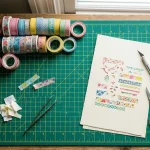

Have you ever thought about turning your creativity into a thriving business? Making and selling washi tape is not only an enjoyable craft but also a lucrative opportunity in the growing market of stationery and home decor. This beautifully patterned tape, rooted in Japan’s rich tradition of washi paper, can set you apart from mass-produced alternatives. In this guide, we’ll walk you through the process of creating your own washi tape, from choosing materials to marketing your products effectively. Whether you’re looking for a side hustle or a full-time venture, you’ll find valuable tips and insights that can turn your passion into profit. Let’s dive in and discover how you can start your washi tape business today!
How to Choose the Right Materials for Washi Tape
Choosing the right materials for your washi tape is crucial to ensuring its quality, appeal, and ultimately, its success in the market. The foundation of good washi tape lies in the paper itself, which should be sourced thoughtfully. Look for traditional washi paper, known for its unique textures and resilience. High-quality fibers from plants like kozo (mulberry), gampi, and mitsumata not only provide a beautiful aesthetic but also enhance the tape’s durability. Investing in genuine washi paper can set your product apart and cater to a customer base that values authentic materials.
When selecting adhesive, consider options that will adhere well but not damage surfaces upon removal. A low-tack adhesive is ideal, ensuring that your tape is user-friendly for various crafting projects without leaving residue behind. You might also explore environmentally friendly adhesives, which are becoming increasingly important to consumers who prioritize sustainability.
Beyond the basics, think creatively about additional materials that can elevate your washi tape. Specialty inks and pigments can make your designs pop, while metallic or matte finishes can provide different textures and visual effects. Don’t forget about packaging materials too; they play an essential role in the overall aesthetic and can reinforce your brand’s identity. Using eco-friendly packaging not only presents your product well but resonates with customers mindful of environmental impacts.
Ultimately, choosing the right materials isn’t just about functionality; it’s about creating an experience that reflects your brand values and attracts your target market. Take your time researching suppliers and experimenting with different combinations until you find the perfect balance that resonates with both your creative vision and your audience’s needs.
Mastering the Washi Tape Making Process
Crafting your own washi tape can be a fulfilling and creative venture, allowing you to turn your artistic visions into sellable products. The process begins before you even touch the materials-by honing your design concept. Take time to explore different themes based on trends, seasons, or your personal style. Sketch ideas or create digital mock-ups to visualize how your tape will look. Remember, the more unique and engaging your designs, the more likely customers will be drawn to your work.
Once you’ve settled on a design, it’s critical to choose the right methods and materials. Depending on your skill level, you can opt for various techniques, such as hand-drawing, painting, or digitally printing your designs onto traditional washi paper. If you’re printing, consider investing in a quality printer that can handle the specific paper thickness without smudging or tearing. For a more manual approach, using stencils or stamps can add a special touch to each piece.
Adhesive quality can’t be overlooked. The ideal tape should stick well on various surfaces but peel off without damaging them. Testing different adhesives can help you find the right balance. Additionally, make small batches at first to see how they hold up in real-world use. This process helps refine your product and allows you to gather feedback before scaling up production.
Finally, don’t forget the finishing touches. Proper packaging not only protects your product but also enhances its aesthetic appeal. Consider how your packaging can reflect your brand’s identity-whether that’s through eco-friendly materials or unique designs that catch the eye. A well-presented product can significantly increase its perceived value.
is about more than just technique-it’s about bringing your creative vision to life in a way that appeals to your target market. Keep experimenting, learning, and iterating on your designs and processes. The more you engage with your craft, the more successful your washi tape business will become.
Creative Design Ideas to Stand Out
Crafting washi tape isn’t just about slapping some designs on a roll; it’s an opportunity to showcase your creativity and connect with your audience in memorable ways. To truly stand out in this vibrant market, you need to embrace innovative design concepts that resonate with potential customers. Think about the latest trends-pastel colors, vintage aesthetics, or even contemporary minimalism. Each of these themes can inspire a distinctive collection that distinguishes your brand.
Utilizing seasonal motifs can also give your washi tape a temporary edge. For instance, holidays offer a wealth of design inspiration-from autumn leaves and pumpkins in fall to vibrant flowers in spring. Consider creating limited edition runs for specific events, which can trigger a sense of urgency among buyers. You can even collaborate with local artists or influencers to create exclusive designs that tap into their unique styles and fan bases, boosting your visibility.
Don’t underestimate the power of storytelling either. Designs that tell a story or have a background can resonate deeply with customers. Create collections that represent personal experiences, travels, or cultural elements. This approach not only enhances the emotional connection but also makes your product more relatable. You can share the inspiration behind your designs on social media or in product descriptions, inviting customers into your creative world.
Finally, explore combining different textures and finishes. You might experiment with creating transparent washi tape or incorporating metallic inks for an eye-catching effect. This can diversify your product line and appeal to different consumer preferences. Ultimately, the key is to experiment boldly, pay attention to feedback, and continuously evolve your designs to keep your washi tape fresh and exciting. Each roll tells a story, and yours can be the one that captures hearts.
Setting Competitive Prices for Your Washi Tape
Setting the right price for your washi tape can make or break your business. It’s not just about covering costs; it’s about perceived value, market demand, and positioning your brand. Here are some strategies to help you find that sweet spot.
First, start with a cost analysis. Calculate all your expenses-materials, production, labor, and shipping. This will give you a baseline. For example, if a roll of washi tape costs you $1 to produce and you want a profit margin of 50%, you’d set a minimum selling price of $1.50. Keep in mind, though, that simply adding a markup may not be enough. You need to consider what potential customers are willing to pay based on your brand positioning and the uniqueness of your designs.
Next, research your competition. Look at similar products from other makers on platforms like Etsy or local craft fairs. What are their pricing strategies? Are they offering unique patterns or high-quality materials? If you notice that your competitors are priced higher, it might indicate that customers are willing to pay more for special designs or superior quality.
It’s also worth exploring tiered pricing strategies. For example, you could offer discounts for bulk purchases or special pricing for limited editions. This not only incentivizes buyers to purchase more but creates a sense of exclusivity around your designs. You might consider options like:
- Standard Pricing: Your regular individual rolls.
- Bundle Pricing: Discounted rates for multiple rolls purchased together.
- Exclusive Editions: Limited design runs at a premium price.
Finally, remember that pricing is a dynamic process. Be open to testing different price points and adjusting based on customer feedback and sales performance. If a particular design isn’t selling at your current price, consider dropping it temporarily to see if sales improve. Conversely, if you have a hot seller, don’t be afraid to slowly increase the price to reflect its popularity.
In the end, setting competitive prices is about understanding your costs, the market, and your customers. With some research and a willingness to adapt, you can find the right pricing strategy that not only covers your costs but also elevates your brand in the competitive craft market.
Building Your Brand Identity in the Craft Market
Building a strong brand identity in the craft market, especially for something as unique as washi tape, is essential for standing out. It’s not just about your product; it’s about the story you tell and how you connect with your audience. Think of your brand as a personality-what values and aesthetic do you want to convey? This clarity can guide your design choices and marketing strategies.
Start by defining your brand’s mission and vision. Ask yourself what inspires you to create washi tape. Is it sustainable practices, intricate designs, or vibrant colors? Once you’ve nailed down your core values, incorporate them into your branding elements-from your logo to your packaging. Consistent visuals like color schemes and typography can create a cohesive look that resonates with your target audience.
Engage Your Audience
Engagement is crucial. Use social media platforms not just to showcase your products, but to tell stories. Share behind-the-scenes looks at your design process or the inspiration behind your latest collection. Create content that invites interaction, like polls or design contests. This not only builds community but also makes your customers feel invested in your brand.
Collaborate and Network
Collaboration can be an effective way to enhance your brand visibility. Partner with other makers or local businesses for joint projects, giveaways, or markets. This cross-promotion can introduce your washi tape to a broader audience. Attend craft fairs or pop-up shops to meet fellow crafters and potential customers. The connections you make here can lead to valuable opportunities and insights.
By carefully crafting your brand identity, actively engaging with your audience, and pursuing meaningful collaborations, you’ll develop a brand that stands out in the crowded craft market. Remember, it’s about authenticity. Let your passion for washi tape shine through-people are drawn to genuine stories and unique designs.
Effective Marketing Strategies for Selling Washi Tape
To gain traction in the washi tape market, you need to embrace innovative marketing strategies that resonate with your audience. Start by crafting a compelling online presence. This means actively engaging on social media platforms where your potential customers hang out, such as Instagram, Pinterest, and TikTok. Eye-catching visuals of your washi tape in use will not only showcase your products but also inspire creativity among your followers. Consider running contests or challenges encouraging your audience to share their uses for your tape. User-generated content can serve as powerful testimonials and expand your reach.
Another effective approach is to collaborate with influencers or fellow crafters. Partnering with those who have a dedicated following can introduce your brand to an audience that values artisan products. You might send samples to popular craft bloggers or host joint giveaways. Additionally, consider tapping into niche markets by creating themed collections that connect with specific holidays, seasons, or trends. This adds freshness to your offerings and can make your products top-of-mind when customers are looking for inspiration.
When marketing your washi tape, storytelling is your secret weapon. People love to connect with the makers behind the products they purchase. Share behind-the-scenes glimpses of your creative process, what inspires your designs, or the challenges you’ve overcome. This personal touch not only builds emotional connections but fosters loyalty. Don’t forget to utilize email marketing as well. Regular newsletters that feature promotions, new product announcements, and engaging content keep your audience informed and interested.
Lastly, leverage the power of SEO to drive organic traffic to your website. Use keywords that potential customers are searching for when they look for washi tape or crafting supplies. Create blog content that answers common questions, shares tutorials, or reviews related products. This can position you as an authority in the niche, drawing in more visitors who are likely to convert into customers. Remember, the key is consistency and authenticity in your marketing efforts. You’re not just selling washi tape; you’re building a community around creativity and self-expression.
Selling Platforms: Where to List Your Washi Tape
Choosing the right platforms to sell your washi tape can make all the difference in reaching your target audience and boosting your sales. With the craft community thriving online, there are numerous avenues to explore, each with unique benefits. Whether you’re looking for a marketplace that offers access to millions or prefer a more controlled and personalized shopping experience, the key is to match your offerings to the platform’s audience.
Online Marketplaces
Platforms like Etsy and Amazon Handmade have turned into go-to spots for crafters and creators. Etsy, known for its focus on handmade and unique items, offers a community that appreciates artisan products like washi tape. You can create a storefront that showcases not just your washi tape but also the story behind it. Using high-quality images is crucial; they should reflect the creativity of your products. On Amazon Handmade, you might tap into a larger customer base, but keep in mind that competition is fierce, and selling on this platform often involves different fee structures.
Social Media Selling
Don’t overlook social media platforms as viable selling channels. Instagram and Facebook are not just for promotion-they are also excellent sales platforms. Utilize Instagram Shopping features to list your products directly on your profile. Creating visually appealing posts and engaging Stories can drive traffic to your website or directly to your shop. You can even create Facebook Shops that allow users to buy directly from your page, making it easier for followers to purchase without navigating away from their social feed.
Your Own Website
Having your own website might seem daunting, but it offers unmatched control over branding and customer experience. Platforms like Shopify or WooCommerce make setting up an online store relatively straightforward. You can customize your site to reflect your creative identity, incorporate blogs for SEO, and use email marketing to keep customers engaged. The added bonus? You retain all profits without platform fees eating into your margins.
Pop-Up Shops and Craft Fairs
While online spaces are vital, don’t underestimate the power of physical presence. Local craft fairs, pop-up shops, and markets can help you reach customers who appreciate the artisan quality of your products. This face-to-face interaction not only helps you sell but also build relationships and gather valuable feedback.
In conclusion, leverage a mix of these platforms to expand your reach. Each offers unique advantages that can amplify your presence in the craft community. Tailor your approach to reflect where your audience spends their time, and watch your washi tape business thrive.
Managing Inventory and Fulfillment Efficiently
To run a successful washi tape business, mastering inventory management and fulfillment is critical. An organized system can save you time, reduce stress, and ensure that your customers receive their orders promptly. Start by implementing a robust inventory management system. This will help you track stock levels, manage supplier orders, and prevent overselling. Many small business owners find that using tools like Square, Shopify, or even spreadsheets works well for keeping tabs on inventory. These platforms can alert you when stock is running low, allowing you to reorder supplies before they run out, which prevents potential sales losses.
When it comes to fulfillment, efficiency is key. Establish a standard process for packing and shipping your products. Create a dedicated workspace where you can quickly assemble orders. Consider creating a packing station with all necessary supplies on hand-boxes, tape, shipping labels, etc. This not only speeds up the packing process but also helps maintain consistency in how your products are presented to customers. Utilize a shipping service that offers tracking and reliable delivery options-this builds trust with your buyers.
Consider Outsourcing
If your business begins to grow, managing inventory and fulfillment can become overwhelming. This is where outsourcing can play a significant role. Services like Fulfillment by Amazon (FBA) or other third-party logistics (3PL) providers handle storage, packing, and shipping for you. This shift can free you up to focus on product design and marketing.
Implementing Effective Stock Rotation
Don’t forget about stock rotation, especially if you’re dealing with seasonal designs or limited runs. Use a first-in, first-out (FIFO) method to ensure older stock is shipped before newer items. This helps maintain the freshness of your offerings and keeps your inventory relevant to current market trends.
By putting these strategies into practice, you’ll not only streamline your operations but also enhance customer satisfaction with timely deliveries and well-managed inventory. Remember, every effort to improve your inventory and fulfillment processes is an investment in your brand’s reputation and longevity.
Understanding Your Target Audience’s Preferences
Understanding your audience’s preferences is crucial for crafting washi tape that not only attracts attention but also converts sales. You might think all washi tape is created equal, but the reality is that different customers have distinct tastes. Conducting thorough market research can uncover these nuances. Start by identifying your ideal customer base. Are they crafters, scrapbook enthusiasts, or perhaps minimalist planners? Knowing who you’re talking to allows for tailored designs and effective marketing strategies that resonate.
Once you have a clear picture of your target audience, dive into what they love. This could be achieved through surveys, social media polls, or simply engaging with potential customers in forums or local craft fairs. Use tools like Google Trends or Pinterest to determine current design trends in the washi tape community. Look for patterns in colors, themes, and styles that are popular among your audience. For instance, floral designs might appeal to those in the scrapbooking niche, while geometric patterns may be favored by planners.
Next, consider the emotional connection between your tape designs and your audience. What story does your washi tape tell? Incorporating elements that evoke nostalgia, joy, or inspiration can create a more personal connection. Customers are often willing to pay a premium for products that resonate with their experiences or aspirations. Share your design inspiration on social media to foster this connection, encouraging your audience to become part of your creative process.
In addition, always ask for feedback. Create samples of different designs and let your audience vote on their favorites. This approach not only boosts engagement but also provides valuable insight into what your customers are truly passionate about. By understanding your audience’s preferences, you won’t just make washi tape – you’ll create products they can’t wait to buy, ensuring your business thrives in a competitive market.
Navigating Legal Considerations for Craft Businesses
Before you dive into the creative world of washi tape production, it’s crucial to grasp the legal landscape that comes with running a craft business. You don’t want to be caught off guard by unexpected penalties or issues that could derail your entrepreneurial journey. Let’s look at some key legal considerations you need to keep in mind.
First up, business structure. Deciding whether to operate as a sole proprietorship, LLC, or corporation can have major implications for your liability and taxes. An LLC, for example, can protect your personal assets from business debts, which is invaluable if something goes wrong. Once you’ve chosen a structure, register your business with the local authorities and obtain any necessary licenses or permits that apply in your area.
Next is intellectual property. Your designs might be unique and personal, but they can also attract imitators. Consider registering your designs for copyright protection to safeguard your creative work. If you have a distinctive name or logo, you should look into trademark registration as well. This proactive step not only protects your brand but also adds value to your business.
Moreover, understand the product safety regulations that apply to adhesive materials. While washi tape is generally safe, you should verify that your materials meet local safety standards. This is especially important if you plan to sell to minors or export your products to other countries, where regulations may differ. Having clear labeling, including ingredients and usage instructions, is also vital for compliance.
Lastly, consider your return and refund policies. Being transparent about how you handle returns will build trust with customers and protect you legally. Clearly document your policies on your website, and ensure they comply with consumer protection laws in your area.
By taking these legal considerations seriously, you can focus on what you love-creating beautiful washi tape-while minimizing risks in your business journey. Always consult a legal professional to tailor advice to your specific situation and to stay updated on local laws affecting your craft business.
Tips for Scaling Your Washi Tape Business
Scaling your washi tape business can feel daunting, but the right strategies will not only help you grow but also ensure you retain customer loyalty while attracting new audiences. One of the first steps is understanding your market. Conduct thorough research to identify trends in consumer preferences. What themes or styles are currently popular? Are customers leaning towards eco-friendly materials or unique designs? By aligning your offerings with these preferences, you can position your products more effectively.
Another critical aspect is streamlining production. As demand increases, consider how you can make your process more efficient. Invest in better tools or techniques that minimize waste and maximize output without sacrificing quality. For example, using a professional cutting machine can save time and provide consistent quality that handmade alternatives may lack.
Marketing plays a pivotal role in scaling your business. Utilize social media platforms to showcase your work compellingly. Engaging content-think behind-the-scenes videos of your tape-making process or creative ways to use washi tape-can significantly enhance your visibility. Consider collaborations with influencers or other artisans to tap into their audiences. Building a community around your brand fosters loyalty and encourages word-of-mouth marketing.
Lastly, don’t overlook customer engagement. Develop a feedback loop where customers can share their thoughts on new designs or product suggestions. This not only makes your customers feel valued but also gives you insights into what they really want. As your community grows, consider launching a subscription service for exclusive designs, which can create a steady income stream.
By focusing on these key areas-market research, production efficiency, strategic marketing, and customer engagement-you’ll position your washi tape business for sustainable growth and success.
Success Stories: Inspiring Entrepreneurs in Washi Tape
Entrepreneurs in the washi tape business come from diverse backgrounds, each bringing a unique flair to this creative market. Take the story of Mia Johnson, who started her washi tape journey from her kitchen table. Armed with a passion for design and a knack for crafting, she began by hand-painting small batches of tape inspired by nature. What set her apart? Mia focused on eco-friendly materials and shared her process on social media, creating a genuine connection with her audience. Within two years, she turned her side hustle into a full-fledged company with a loyal customer base eager for her limited-edition releases.
Similarly, David Chen’s journey emphasizes the importance of storytelling. Originally a graphic designer, he launched his washi tape line featuring prints inspired by local folklore. David used his design skills to create intricate patterns that resonated with customers emotionally, aligning his brand with cultural appreciation. His proactive approach to engaging with customers through Instagram stories and live Q&A sessions not only built a community but also provided valuable feedback for new designs, allowing him to pivot based on consumer preferences.
Entrepreneurs like Mia and David show that success doesn’t only come from quality products; it’s also about how you engage with your audience. Leveraging platforms like Etsy or Shopify can give craft makers access to broader markets. They’ve crafted testimonials in their branding, showcasing customer satisfaction, which further enhances their credibility.
Here are some key takeaways from their stories:
- Focus on Niche: Identify what makes your tape unique-be it eco-friendly materials, cultural themes, or handmade processes.
- Build a Community: Use social media to connect with your audience, share your journey, and gather feedback.
- Engagement is Key: Actively responding to customer inquiries and involving them in the design process can boost your brand loyalty.
These inspiring entrepreneurs illustrate that the journey to success in the washi tape business is as colorful and intricate as the tapes themselves. By believing in your vision and connecting authentically with your audience, you too can carve out your niche in this vibrant marketplace.
Frequently asked questions
Q: What materials do I need to make washi tape?
A: To make washi tape, you’ll need high-quality paper, adhesive, and cutting tools. For a unique touch, consider incorporating ink for patterns or watercolors for designs. Choose materials from the craft supplies section to ensure durability and aesthetic appeal.
Q: How can I market my washi tape effectively?
A: Effective marketing for your washi tape involves utilizing social media platforms like Instagram and Pinterest, where visuals drive engagement. Share attractive images, run contests, or collaborate with influencers. Also, create a sticky brand story to connect with your audience emotionally.
Q: What pricing strategy should I use for my washi tape?
A: When setting prices, research your competitors to establish a baseline. Consider factors like material costs, labor, and market demand. Offering bulk or bundle discounts can entice customers while maintaining profit margins.
Q: Where should I sell my washi tape online?
A: You can sell your washi tape on platforms like Etsy, Amazon, or your own website. Each platform has a unique audience; choose one that aligns with your brand and target customers. Don’t forget to also leverage social media shops for direct sales.
Q: How can I stand out in the washi tape market?
A: To stand out, develop a distinctive design style that reflects your personality or niche. Offering customization options or themed collections can attract diverse customers. Additionally, consider packaging your tape creatively to enhance the unboxing experience.
Q: What are some common mistakes to avoid when selling washi tape?
A: Common mistakes include underpricing, which can undervalue your work, and neglecting social media presence, making it hard for customers to find you. Also, avoid poor quality control-ensure every roll of tape meets your standards before sale.
Q: When is the best time to launch my washi tape business?
A: The best time to launch your washi tape business is in the spring or fall, capitalizing on back-to-school shoppers or holiday planning. Timing your launch with relevant events or craft fairs can also enhance visibility and sales.
Q: How can I improve my washi tape’s production efficiency?
A: To improve production efficiency, streamline your workflow by organizing your workspace and investing in quality cutting tools. Additionally, explore bulk purchasing for materials to reduce costs and optimize your making process for quicker turnaround times.
Key Takeaways
Ready to transform your creative passion into profit? By mastering the art of making and selling washi tape, you’re not just crafting; you’re stepping into a vibrant business opportunity. As we’ve seen, the right techniques and branding can set you apart in this growing market. Don’t wait! Dive into your washi tape journey today and start building your brand.
If you’re eager to learn more, check out our guides on effective marketing strategies for creatives or explore pricing your products competitively. Don’t forget to subscribe to our newsletter for weekly tips that will elevate your business further! Have questions or ideas? Share them in the comments-your insights will help others in our community. Let’s keep this creative conversation going!
Get our latest guides, news, and insights highlighted in your Google Search & AI Overviews.