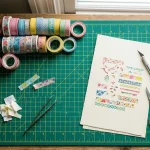
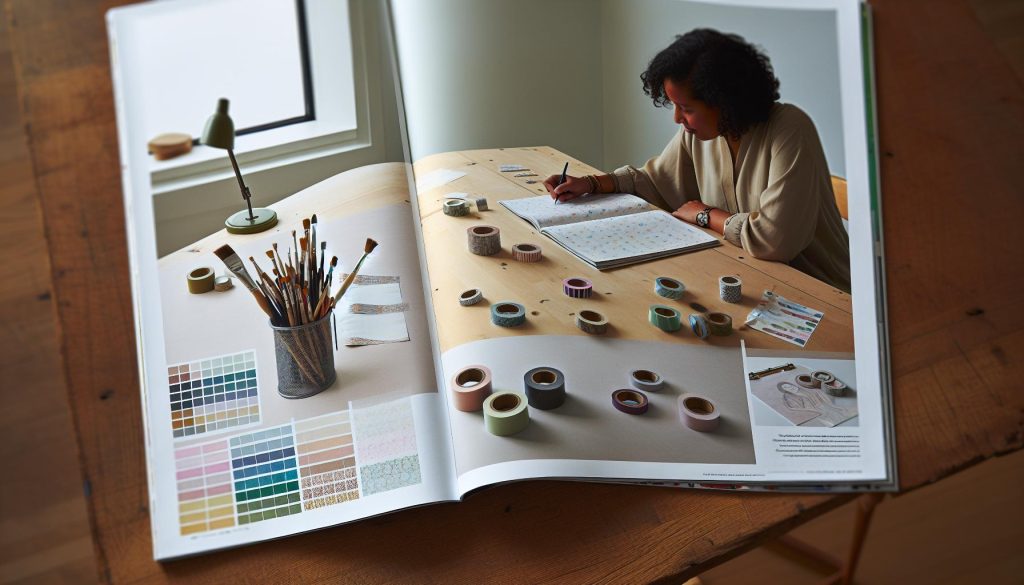
Did you know that washi tape is not just a trendy craft supply but a canvas for your creativity? In “How to Design Washi Tape: Create Custom Patterns That Sell,” we’ll explore how you can create unique designs that capture attention and drive sales. If you’ve ever wished to turn your artistic ideas into a successful product, you’re in the right place. Designing your own washi tape patterns allows you to express your style while tapping into a booming market. With the right approach, you’ll learn not just about design techniques, but also how to attract buyers and make your creations stand out. Get ready to unleash your creativity and dive into the art of washi tape design, where your patterns can transform from simple sketches into sought-after items. Let’s start turning your artistic visions into a reality!
How to Choose the Right Washi Tape Designs
Choosing the right designs for your washi tape is crucial in standing out in a crowded marketplace. Trends change, and what appeals to consumers can vary based on seasons, pop culture, and artistic movements. Start by observing current trends in home decor, stationery, and fashion. Incorporate seasonal themes to attract customers during holidays or special occasions, using colors and imagery that resonate at those times. For example, think pastel florals for spring or cozy motifs for autumn.
Next, tap into your target audience’s preferences. Conduct surveys or polls on social media to understand what styles they love. Look at successful brands and analyze their best-selling designs. Popular themes often include minimalist designs, quirky illustrations, and geometric patterns. If you’re feeling adventurous, mix styles and create hybrid designs to set your work apart.
Don’t forget the aspect of storytelling in your designs. Each piece can reflect a narrative-whether it’s about nature, emotions, or travel experiences. This deeper connection can encourage customers to choose your tape over others. Remember, the more personal and relatable your designs feel, the more likely they’ll resonate with potential buyers. As you narrow down your options, create a collection that flows well together while offering enough variety to cater to different customer tastes.
Essential Tools for Creating Custom Patterns
Creating custom patterns for washi tape is as exciting as it is essential for grabbing attention in a competitive market. To bring your designs to life, you’ll need the right tools at your fingertips. At a minimum, consider investing in quality software for digital design, premium art supplies, and specialized printing resources. Here’s a breakdown of the essentials to enhance your creative process.
Digital Design Software
In the realm of custom patterns, flexibility is crucial. Programs like Adobe Illustrator, Procreate, or Affinity Designer are excellent for drawing and manipulating designs. Illustrator is particularly powerful for creating vector graphics, which can scale without loss of quality-perfect for high-resolution prints. Procreate is especially handy for those who prefer a more tactile approach to design using a tablet. You can easily experiment with different textures and brush styles, leading to unique patterns that stand out.
Art Supplies
Don’t underestimate the power of traditional art tools. High-quality markers, watercolors, and sketching pencils can ignite your creativity. You can hand-draw initial ideas, which often leads to more organic designs than those created solely on a computer. Consider using:
- Sketch Pads: Ideal for brainstorming and drafting before digitizing your work.
- Brush Pens: Great for adding flexibility and fluidity to your designs.
- Copic Markers: Known for their vibrant colors and blendability, perfect for creating eye-catching patterns.
Printing Resources
Once your designs are ready, the next crucial step is bringing them to life through printing. A reliable printer that supports a variety of paper types is essential. Look for printers that offer excellent color reproduction and can handle the thickness of washi tape. Additionally, you might want to explore companies that specialize in custom washi tape production, where you can submit your designs and have them printed professionally. This collaboration can save time and ensure high-quality results that feel professional.
With the right tools-both digital and traditional-you’ll find that creating custom patterns becomes a delightful endeavor. Each tool brings something unique to the table, enabling you to explore various styles and techniques that will resonate with your audience.
Step-by-Step Guide to Designing Washi Tape
Understanding how to craft your own washi tape designs not only enhances your creativity but also sets you apart in a market full of generic patterns. The process can be exciting and fulfilling when you break it down into manageable steps. Start by experimenting with your ideas on paper; sketch out different concepts that resonate with your personal style or current design trends. A simple pencil and sketchpad can work wonders, allowing you to explore shapes, lines, and themes organically without the distractions of digital tools.
Once you have a few promising sketches, it’s time to refine your designs digitally. Software like Adobe Illustrator or Procreate is key here, letting you translate those sketches into digital formats. Pay attention to the dimensions-washi tape typically has a standard width, so ensure your designs fit seamlessly within those constraints. Import your sketches, clean them up, and play with color and texture. This stage is crucial; colors must not only appeal visually but also print well on washi material.
Now, think about theme and audience. Research what’s trending-floral patterns, geometric shapes, or seasonal designs tend to perform well. Use social media platforms like Pinterest and Instagram for inspiration, checking out what is popular among fellow creators and consumers. And don’t shy away from mixing styles; sometimes blending different aesthetics can yield unexpected and delightful results.
Before finalizing your designs for print, create a mock-up to visualize how your tape will look in a practical setting. This can help you catch any flaws or areas needing improvement. Once you’re satisfied, collaborate with a printing service that specializes in washi tape. Ensure they provide samples before the full print run so you can make adjustments if needed.
By following these steps-sketching, digitizing, and refining-you can develop unique washi tape designs that not only reflect your creativity but also resonate with potential buyers. Each step is a chance to express your design voice, connect with your audience, and ultimately create products that stand out in a crowded market.
Understanding Color Theory for Washi Tape
Understanding color theory is crucial when designing washi tape that stands out and resonates with buyers. The right colors can evoke emotions, create a mood, and for your designs, they can ultimately determine whether your tape finds its way into someone’s cart. Start with the basics: familiarize yourself with the color wheel. Primary colors-red, blue, and yellow-form the foundation, while secondary colors-green, orange, and purple-come from mixing these primaries. Add tertiary colors, and you’ve got a palette that can convey various themes and feelings.
When choosing a color scheme, consider complementary colors-those opposite each other on the wheel. These pairs create vibrant contrasts that catch the eye, perfect for making bold patterns pop. On the flip side, analogous colors-those next to each other, like blue, green, and teal-offer a more harmonious and soothing effect, great for creating calming designs. You can also explore triadic schemes, which utilize three colors evenly spaced around the color wheel for a balanced yet dynamic look.
Don’t overlook the emotional impact of colors. For example, blue can evoke tranquility and reliability, while red can signify passion or urgency. Think about your target audience and what feelings you want to inspire with your designs. Also, stay aware of cultural color meanings, as interpretations can vary significantly across different cultures.
Finally, testing is essential. Create mock-ups using your chosen palettes and see how they look in various lighting and against different backgrounds. Experimenting with shades and tones can also help you find that perfect balance that makes your designs unique. Remember, the best colors are those that resonate with your creativity and the audience you wish to connect with. Make color theory your ally, and you’ll find that your washi tape designs not only look good but also tell a compelling story.
Trendy Patterns: Inspiration from the Market
The world of washi tape is brimming with creativity, and staying on top of the latest trends is essential for designing patterns that resonate with consumers. Right now, patterns that draw inspiration from nature, geometric shapes, and cultural motifs are captivating audiences everywhere. Think about the earthy tones and organic forms that echo the natural world-these designs not only evoke a sense of calm but also appeal to the growing trend of mindfulness. Incorporating elements like leaves, flowers, and landscapes can connect emotionally with users who appreciate the beauty of the outdoors.
Another hot trend is the use of bold geometric patterns that reflect a modern aesthetic. Stripes, polka dots, and angular shapes can serve as versatile backdrops for various crafts, making them incredibly appealing to DIY enthusiasts. Consumers are looking for designs that can blend well with other craft materials while still standing out. A clever blend of shapes and vibrant colors will ensure that your tape grabs attention while encouraging creativity among users.
Cultural patterns are also making a significant mark in the market. Patterns inspired by traditional art forms-like Japanese kintsugi, Mexican papel picado, or Scandinavian motifs-can add uniqueness to your offerings. These designs not only celebrate global diversity but also allow consumers to express their individual styles through pattern representation. Research and draw inspiration from your own cultural background or explore patterns from around the world to create a rich palette of offerings.
Don’t forget about seasonal trends, too. For instance, holiday-themed designs-like snowflakes for winter or florals for spring-can provide great inspiration. Consumers often seek themed tapes for their seasonal projects, so aligning your designs with upcoming holidays can lead to increased sales. By blending current market trends with your unique ideas, your washi tape designs will appeal to a broad audience, encouraging them to include your creations in their crafting endeavors.
How to Use Digital Tools in Design
To create stand-out washi tape designs, leveraging digital tools isn’t just helpful-it’s essential. In today’s creative landscape, software programs like Adobe Illustrator and Procreate can empower you to transform your ideas into beautiful designs quickly and effectively. You can experiment with endless color combinations, patterns, and textures, giving you creative freedom that traditional methods just can’t match. Plus, the ability to easily edit, resize, or manipulate your designs means you can fine-tune your creations until they’re just right.
Choosing the Right Software
You don’t need to be a tech wizard to start designing. Many user-friendly tools are available that cater to different skill levels. Applications like Canva are great for beginners, allowing for easy drag-and-drop functionality. If you’re feeling a bit more adventurous, delve into Adobe Illustrator. It’s the industry standard for graphic design and offers powerful features that can help you create intricate patterns and designs. Whichever tool you choose, make sure it aligns with your design needs and personal comfort level.
Exploring Mockups
Once you have your patterns designed, use mockup generators to visualize how your tape will look in real life. This can be a game-changer. Websites like Placeit allow you to drop your designs into mockups of packaging, giving you a clearer picture of how your final product might appear on a shelf. Seeing your patterns in context not only boosts your marketing efforts but also helps you identify any changes or improvements to be made before printing.
Utilizing Color Palettes
Color choice can make or break your designs. Use digital color palette tools like Coolors or Adobe Color to experiment with color schemes that resonate with your target audience. Think about who you’re designing for: earthy tones might appeal to those drawn to nature, while bright, bold colors could attract a younger, more vibrant crowd. By identifying trending colors within your niche, you can ensure your designs not only appeal aesthetically but also align with current consumer desires.
With these digital tools and techniques at your disposal, designing custom washi tape becomes an exciting journey. Get ready to unleash your creativity, refine your skills, and ultimately, create patterns that resonate with your audience. The digital realm offers endless possibilities, so dive in and let your imagination guide the way!
Printing Techniques: Making Your Designs Pop
To transform your digital designs into eye-catching, sellable washi tape, understanding printing techniques is crucial. The right method can enhance your designs and elevate the overall appeal of your product. It’s not just about what looks good on your screen; it’s about how that translates onto the tape.
First, consider the type of printing method you’ll use. Digital printing is popular for small runs and allows for vibrant colors and intricate details. It’s ideal for personal orders or small batches because it eliminates the need for costly plates. On the other hand, flexographic printing is great for larger quantities. This method uses flexible relief plates and offers consistent results and fast production times, making it budget-friendly for mass production.
Next, let’s talk about materials. The finish of your tape can affect how colors appear. Glossy finishes tend to make colors look more vibrant, while matte finishes can offer a more subdued and sophisticated feel. You should also choose the right adhesive for your tape. A strong adhesive will ensure your designs stick well, but it’s equally important to consider how easily it can be removed when needed, as many customers want washi tape that can be repositioned without damaging surfaces.
Another key element is the color accuracy during printing. Always request proof prints before finalizing orders. This step ensures that the colors on the tape match your digital designs. Different printers can have variations, so this is a crucial check to maintain brand consistency.
Lastly, don’t forget about the packaging. It plays a significant role in how your washi tape is perceived. Good packaging makes your products stand out on a shelf and tells a story about your brand. Consider using eco-friendly options, which are increasingly appealing to consumers. With the right printing techniques and attention to detail, your custom washi tape designs won’t just look good; they’ll pop and sell!
Marketing Your Washi Tape Designs Effectively
To effectively market your washi tape designs, you need to stand out in a crowded marketplace. The good news? Unique patterns paired with the right marketing strategy can set you apart and attract a loyal customer base. Start by identifying your target audience-knowing who your customers are will guide your marketing efforts. Are they scrapbooking enthusiasts, crafters, or DIY lovers? Tailor your messaging to speak directly to their interests and needs.
Build a Strong Online Presence
In today’s digital age, having an online presence is essential. Create a visually appealing website showcasing your designs, complete with high-quality images and descriptions that highlight the unique features of your washi tape. Utilize platforms like Etsy, Instagram, and Shopify to reach craft-oriented consumers. Regularly update your social media accounts with engaging content-think behind-the-scenes looks at your design process, tutorials on how to use washi tape, or user-generated content from happy customers. This not only draws attention but fosters a community around your brand.
Engage with Your Community
Don’t underestimate the power of community engagement. Join online forums or groups focused on crafting and stickers. Share your designs, ask for feedback, and participate in discussions. Hosting giveaways or challenges can further enhance your visibility and encourage user interaction. Collaborating with influencers or fellow creators in your niche can introduce your brand to new audiences and lend credibility.
Utilize Email Marketing
An often overlooked but powerful tool is email marketing. Build an email list from day one by offering a discount on first purchases or freebie designs in exchange for email sign-ups. Keep your subscribers engaged with regular newsletters that contain styling tips, upcoming releases, and exclusive discounts. Personalize your emails to create a connection; for example, segment your audience based on their previous purchases or interests.
By combining a well-rounded online presence, community engagement, and a solid email marketing strategy, you’ll create a buzz around your washi tape designs that can effectively drive sales and grow your brand. Start where you are, experiment with different strategies, and don’t be afraid to evolve your approach based on what resonates with your audience. The key is consistency and authenticity in your marketing efforts.
Pricing Strategies for Selling Custom Washi Tape
To effectively sell custom washi tape, pricing is crucial-it’s often the first thing potential buyers notice. Setting the right price can mean the difference between a product that flies off the shelves and one that gathers dust. Start by understanding your costs, from materials and production to shipping and packaging. A common approach is to calculate the total cost and then mark it up by a factor that reflects your desired profit margins. However, ensure that your pricing aligns with the perceived value of your products. If your designs are unique and of high quality, customers may be willing to pay a premium.
It’s also important to analyze the market. Look at competitors’ prices for similar washi tapes. Are you offering something unique, or are you entering a saturated market? If your designs stand out, you can justify a higher price. Additionally, consider the size and quality of the tape-larger rolls or specialty designs might command higher prices. Offering bulk discounts can also attract larger orders, appealing to DIY enthusiasts and businesses alike.
Another strategy is to create tiered pricing. This means offering various price points based on factors like design complexity, customization options, or additional features such as eco-friendly materials. This flexibility can help cater to diverse customer preferences and budgets. For instance, you could have a standard line priced lower and a premium line featuring intricate designs priced higher.
Lastly, don’t forget to factor in seasonal sales or limited-time promotions. These not only create urgency but also encourage impulse buying. Regularly revisiting your pricing strategy is essential-monitor customer feedback and sales trends to adjust your prices as necessary. By staying attuned to your audience and market shifts, you can build a successful pricing strategy that drives sales and fosters brand loyalty.
Building a Brand Around Your Washi Tape
Creating a memorable brand around your washi tape isn’t just about colorful designs-it’s about telling a story and connecting with your audience. People don’t just buy a product; they buy into the brand that resonates with them. Start by defining your brand’s core values and aesthetic. Ask yourself what message you want to convey with your designs. Are you going for playful, minimalist, or perhaps something vintage? This vision will guide your design choices and marketing strategies.
Consistency is key when building your brand. Ensure your designs, packaging, and promotional materials align visually and textually. Your tape designs should reflect a cohesive style-stickers, business cards, and social media posts should all carry your brand’s distinct look. Additionally, consider a unique brand name that embodies the essence of your product. A catchy, memorable name can enhance brand recall and stand out in a crowded market.
Engaging with your audience helps cultivate a community around your brand. Use social media platforms not just to showcase your products but to share behind-the-scenes processes, like the design journey or the materials you use. Transparency fosters trust. Share stories about your inspiration and the creative process. You might even invite followers to suggest designs or themes, making them feel invested in your brand.
Finally, consider collaborations with other creatives or businesses. This could extend your reach and introduce your products to new audiences. Whether it’s partnering with artists for exclusive designs or collaborating with other handmade goods brands, these relationships can amplify your brand presence and credibility in the market. can be a fulfilling journey, and with the right approach, it can turn your creative passion into a thriving business.
Leveraging Social Media to Drive Sales
Social media isn’t just a platform for sharing pretty pictures; it’s a goldmine for driving sales, especially for niche products like washi tape. With over 3.6 billion people using social media globally, leveraging these platforms can significantly impact your sales strategy. To effectively engage and convert your audience, focus on building an authentic presence that resonates with potential customers.
Start by showcasing your washi tape designs in various settings. Use vibrant images and videos to highlight how your tape can enhance personal projects, from scrapbooking to home decor. Consider tutorials that demonstrate creative uses for your tape, enticing viewers to imagine how it could fit into their lives. When followers see your product in action, it’s easier for them to envision owning it themselves. Additionally, consider utilizing Instagram Stories and Reels for behind-the-scenes content. Showcase how you design your tape or the materials you use. This transparency not only builds trust but also fosters a deeper connection with your audience.
Engagement is key. Don’t just post; interact. Respond to comments and messages promptly, and encourage conversations by asking questions in your posts. For example, you might ask your audience which design they’d like to see next or how they use washi tape in their lives. This not only engages your followers but also provides invaluable insights into your customer base. Moreover, creating polls or quizzes can make your followers feel involved in your product development, thus deepening their investment in your brand.
Lastly, consider collaborations with influencers who align with your brand identity. They can expose your washi tape to a broader audience and lend credibility to your designs. Look for creators whose aesthetic matches yours, and propose a partnership where they use and promote your designs. This strategy can be particularly effective during product launches or seasonal campaigns, amplifying your reach and sparking interest among their followers. Engaging effectively on social media is about connection, authenticity, and creativity-get it right, and it can transform your sales trajectory.
Top Mistakes to Avoid When Designing Washi Tape
When diving into the world of designing washi tape, it’s easy to get swept up in the excitement and overlook key details that can make or break your designs. One of the biggest mistakes is not conducting thorough market research. Understanding current trends and your target audience’s preferences can prevent you from creating designs that end up gathering dust instead of flying off the shelves. Before you even start sketching, take time to explore what’s popular in the washi tape market-browse social media, visit craft stores, and see what resonates with consumers.
Another common pitfall is neglecting the quality of your designs. Many aspiring designers focus solely on visuals without considering how their patterns will translate onto the tape. Remember, wash tape needs clarity and precision, so intricate details might get lost in production. Aim for designs that hold up well when printed, which often means simplifying intricate elements. Always create mock-ups to see how your designs look at scale before moving forward with production.
Overlooking the importance of branding and consistency can also jeopardize your washi tape line. Each design should reflect a cohesive brand identity. If your designs feel mismatched or haphazard, they won’t create a strong connection with a customer base that craves authenticity. Think about how your patterns combine to tell a story or evoke a theme. Create a design guide for yourself to maintain that uniformity across different patterns.
Finally, don’t underestimate the power of feedback. Launching a design without showing it to a trusted group can lead to critical oversights. Seek out opinions from fellow creators or potential customers who can offer fresh perspectives and constructive criticism. This input can be invaluable in refining your designs and shaping a product that truly resonates with the market. By avoiding these missteps and prioritizing thoughtful design strategy, you’ll be well on your way to creating washi tape that not only delights but sells.
Q&A
Q: What materials are best for designing washi tape?
A: The best materials for designing washi tape include natural fibers like kozo, mitsumata, and ganpi. These fibers lend unique textures and vibrant patterns to your tape. Consider experimenting with other plant-based materials for innovative designs; explore options in your local craft store for inspiration.
Q: How can I make my washi tape designs stand out in a crowded market?
A: To make your designs stand out, focus on unique patterns and color combinations that resonate with your target audience. Conduct market research to identify trends and utilize tools like digital design software to enhance creativity. Engage directly with customers through social media to understand their preferences.
Q: What are some easy design techniques for beginners creating washi tape?
A: Beginners can start with simple techniques like repeating patterns, geometric shapes, or floral designs. Using digital design tools can simplify the process; consider tools like Canva or Adobe Illustrator to experiment with layouts. Stick to a cohesive color palette to maintain harmony in your designs.
Q: How do I effectively market my custom washi tape designs?
A: Effective marketing involves showcasing your designs on social media platforms like Instagram or Pinterest, utilizing engaging visuals. Collaborate with influencers in the crafting community and consider running promotions or giveaways to increase visibility. Ensure your designs reflect current trends to attract potential buyers.
Q: How should I price my custom washi tape?
A: Pricing should reflect the cost of materials, time invested, and market research on comparable products. An effective strategy is to calculate your production costs, then apply a markup that factors in your target market’s willingness to pay. Don’t undervalue your creative work!
Q: Can I use digital tools for creating washi tape designs?
A: Absolutely! Digital tools like Adobe Illustrator, Procreate, and Canva are fantastic for creating detailed and intricate designs. These programs offer a wide range of brushes, patterns, and effects that can help you visualize and refine your ideas before printing.
Q: What are some common mistakes to avoid when designing washi tape?
A: Common mistakes include being overly complex with designs, neglecting color harmony, or failing to research market trends. Also, be cautious of not testing your designs on actual tape to see how they translate in real life. Keep your designs simple and relatable for best results.
Q: Where can I find inspiration for washi tape patterns?
A: Inspiration can be found in nature, art, and online platforms like Pinterest and Instagram. Explore various crafting communities, and consider visiting local art exhibits. Pay attention to current design trends for fresh ideas, and don’t hesitate to experiment with different styles!
In Retrospect
Now that you’re equipped with the essentials of designing and selling custom washi tape, it’s time to unleash your creativity and let your designs shine! Remember, the market is ripe for unique patterns that resonate with customers seeking originality. Don’t wait-start sketching your ideas today and transform them into products that capture attention and drive sales.
If you’re eager to learn more about the art of washi tape, check out our guides on mastering pattern creation and effective marketing strategies for your crafts. You’ll find invaluable tips and inspiration to enhance your artistic journey. Also, consider subscribing to our newsletter for the latest updates and exclusive content tailored to creators like you.
Let’s keep the conversation going! Share your thoughts in the comments below or connect with fellow artists in our community. Your next design could be just a brainstorm away, so dive in and explore all that washi tape has to offer. Happy creating!
Get our latest guides, news, and insights highlighted in your Google Search & AI Overviews.