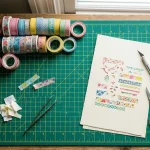

To learn how to apply washi tape with smooth, bubble-free precision, anchor the lead edge onto a clean, dry surface, unroll with relaxed tension without stretching the delicate rice paper fibers, press firmly from the center outward with your thumb pad, and slice flush with a sharp craft ruler.
Washi tape can transform any project, but applying it perfectly can be a challenge. Did you know that improperly placed washi tape can warp the overall look of your crafts or decor? Whether you’re a seasoned scrapbooker or just getting started, mastering the art of washi tape application is essential for achieving that polished finish we all strive for.
In this step-by-step guide, you’ll learn the techniques needed for flawless application. Say goodbye to frustrating wrinkles and uneven edges! I’ll share tips that have worked for me, helping you to build your confidence and creativity. With the right approach, you’ll not only enhance your projects but also enjoy the satisfying process of crafting. Let’s dive in and discover how to apply washi tape like a pro!
Choosing the Right Washi Tape for Your Project
Choosing the right washi tape is crucial for achieving the best results in your projects; it’s not just about aesthetics but also about functionality. Start by considering the pattern and color of the tape. Think about the overall theme of your project-do you want something bold that stands out or a subtle design that enhances your work? If you’re creating a scrapbook page full of memories, vibrant floral designs could evoke the right emotions. On the other hand, for a professional product like planners or corporate stationery, opt for more muted colors or geometric patterns that convey sophistication.
Next, pay attention to the width of the washi tape. Variety in widths allows for different applications; wider tape is great for larger spaces or to make bold statements, while thin tape is perfect for intricate designs or adding fine details. A good rule of thumb is to match the tape width to the area where you’ll apply it-think about whether you want it to be a highlight or a subtle touch within your design.
Durability is also a key factor. While washi tape is generally repositionable and easy to remove, not all tapes are created equal. If you’re looking to create something that lasts, opt for reputable brands known for quality, as cheaper options can sometimes lead to unwanted residue or peeling over time. Always test a small section before committing fully, especially if you’re working on a prized project.
In sum, selecting washi tape involves understanding the specific needs of your project and how different tapes can meet those needs. Embrace experimentation! Mix and match designs and widths to find combinations that work beautifully together and personalize your crafts. Happy crafting!
Preparing Your Surface for Adhesion Perfection
To get the best results with washi tape, preparing your surface properly is crucial. A clean and smooth surface enhances adhesion and ensures a flawless finish. Dust, grease, or any contaminant can prevent the tape from sticking effectively or lead to premature peeling, ruining your beautiful project.
Start by assessing the surface you’ll be decorating. If it’s paper, cardboard, or wood, make sure to eliminate any dirt. A simple wipe down with a damp cloth works wonders for most smooth surfaces. For more porous materials or fabrics, consider using a lint roller to pick up any loose fibers or dust. You want to avoid any bumps or textures that could disrupt the tape’s ability to lay flat.
Additionally, consider the temperature and humidity of your environment. Washi tape adheres best in moderate temperatures, so if it’s extremely humid or your project surface is cold, hold off a bit until conditions improve. If you find your tape not sticking as well as expected, warming it slightly with your hands can sometimes help activate the adhesive.
Lastly, if you’re working on a slick or glossy surface, you might want to scuff it up slightly using a fine-grit sandpaper. This creates tiny abrasions for the tape to stick better. Just be careful not to damage the surface-it’s about finding that sweet spot of enough grip without overdoing it. Preparing your surface is the foundation of a great result, so take the time to set yourself up for success before diving into your project!
Essential Tools for Applying Washi Tape
When you start working with washi tape, the right tools can make all the difference in achieving a smooth, professional look. While washi tape itself is easy to use, having a few essential tools in your crafting arsenal can elevate your projects and streamline the application process.
First, a sharp craft knife is critical for clean, precise edges. It allows you to trim washi tape accurately, whether you’re finishing off a straight edge or creating intricate designs. Pair this with a self-healing cutting mat to protect your surfaces and maintain your tools-they help prevent dulling the blade and ensure you get a perfect cut every time.
A bone folder is another invaluable tool, especially for those who want to ensure that the washi tape adheres perfectly. This tool helps to smooth out any bubbles or wrinkles as you apply the tape, promoting better adhesion and a flawless finish. For those who find themselves frequently working with paper projects, a scoring board can also be a smart investment. It allows for precise folds and helps to create professional-looking results.
Lastly, consider incorporating a washi tape dispenser or cutter card. These handy devices make it simple to peel off lengths of tape without messing up your workspace. They provide a clean cut and help to avoid tangling, keeping your workspace tidy. Many crafters find this to be a time-saving tool that enhances their overall efficiency when applying washi tape.
By using these essential tools, you’ll not only streamline your application process but also enhance the quality of your finished projects. Got a project in mind? Grab your tools, and let’s make something beautiful!
Step-by-Step Guide to Applying Washi Tape
To achieve flawless results when applying washi tape, you’ll want to follow a clear, straightforward process that can make all the difference in your crafting projects. First, start with a clean surface. Dust, grease, or moisture can prevent the tape from adhering properly, so wipe down the area with a cloth if necessary. Make sure it’s dry before you begin.
Next, measure and cut your tape. It’s often tempting to start with a long strip, but that can lead to waste and unevenness. Measure the length you need, and with your sharp craft knife, cut it to size. A straight edge will help you achieve a cleaner cut. Keep your tape ready on your washi tape dispenser, as this can facilitate smoother transfers.
Now, let’s get to placing the tape. Align it carefully where you want it to go. It’s easier to reposition washi tape than regular tape, but being mindful of your initial placement can save time. Gently press down one edge first, and then gradually smooth it onto the surface while applying light pressure along its length. Use your bone folder to eliminate air bubbles by gliding it over the tape. Don’t be afraid to pause and adjust – the beauty of washi tape is in its flexibility.
As you apply, remember to overlap when necessary, particularly for patterns that need continuity or in design elements that require layering. For edges, wrap the tape around corners or edges gently to create a seamless look. If you find that you’ve made a mistake, peel it back slowly. Washi tape is forgiving; if removed carefully, it usually won’t damage the underlying surface.
Lastly, take a moment to assess your work. Once finished, use your craft knife to trim any excess tape for a neat finish. Whether decorating a planner, creating wall art, or adding flair to gift wrap, these steps will help you apply washi tape like a pro, ensuring each project turns out beautifully.
Creative Techniques for Stunning Washi Tape Designs
Using washi tape doesn’t just add flair to your projects; it opens up a world of creative techniques that can take your designs to the next level. One of the best ways to enhance your project is by embracing layering. Stack multiple strips of tape together to form a colorful, textured backdrop. Consider using different widths and patterns. For instance, pair a solid color with a patterned strip to create contrast. You can also overlap tapes at various angles or even create geometric shapes by cutting the tape into triangles or squares for a unique design.
Another exciting technique is using washi tape to create custom stencils. Simply cut your desired shape out of washi tape and stick it onto your surface, then paint over it. When you peel away the tape, you’ll reveal a crisp, defined pattern that stands out. This method works wonderfully for card-making, scrapbooking, or home decor projects. The versatility of washi tape allows you to experiment with different colors and textures, helping you achieve personalized designs that truly reflect your style.
Don’t forget about the power of accents! Use smaller pieces of washi tape to highlight certain areas of your work. Whether it’s edging a scrapbook page, marking sections in a planner, or framing a photograph, tiny strips can offer pops of color that draw the eye. You can also combine washi tape with other materials-like twine, stickers, or stamps-to add further depth and interest. Each additional layer not only showcases your creativity but also elevates the overall composition of your project.
Lastly, think about how you can utilize negative space. Instead of covering your entire surface with tape, leave areas blank to let your base shine through. This minimalist approach can be surprisingly impactful, especially when you use bold, vibrant tapes. The key is to find a balance that feels right for your project’s overall aesthetic. With these techniques, you’ll not only apply washi tape effectively but also discover new and stunning ways to bring your ideas to life!
Common Mistakes to Avoid with Washi Tape
When working with washi tape, avoiding common pitfalls can make all the difference in the quality of your projects. One of the most prevalent mistakes is using washi tape on unsuitable surfaces. Washi tape adheres best to smooth, clean, and dry surfaces. If you’re trying to stick it onto textured or porous materials, you may find the tape doesn’t hold well or may peel off easily. Always consider the surface type before you apply; testing on a small area first can save you from frustration later.
Another misstep is not prepping your materials properly. Before applying washi tape, especially for more intricate projects, make sure your surface is free from dust, grease, or moisture. Cleaning it with a damp cloth and allowing it to dry ensures better adhesion. Additionally, make sure to measure and cut your tape accurately. Uneven pieces can create a messy look, and if the tape overlaps where it shouldn’t, it can ruin the overall design. Keep a craft knife or scissors handy for clean cuts.
Lastly, don’t underestimate the power of planning out your design. A common error is jumping in without any foresight. Create a rough sketch of your design or lay the tape down without sticking it first. This allows you to visualize your project and adjust before committing. Remember, washi tape is repositionable, but excessive pulling and re-sticking can weaken its adhesive qualities. Planning can help you achieve that flawless finish you’re aiming for.
Avoid these common challenges, and you’ll find yourself with stunning, professional-looking washi tape projects every time. With a little attention to detail, your creativity can shine without the hassle of these typical mistakes.
How to Remove Washi Tape without Damage
Removing washi tape might seem straightforward, but doing it wrong can lead to tears, peeling paint, or damage to your project surface. A little care goes a long way in preserving both your washi tape and the surfaces you’re working on. Here’s a tried-and-true way to peel it off like a pro without any mishaps.
Start by lifting one corner of the tape gently with your fingernail or a craft knife, being careful not to rip it. Once you’ve got a good grip, slowly pull the tape back against itself at a 180-degree angle. This technique reduces the risk of pulling off any underlying material. If it feels resistant, don’t yank it-go slower. For stubborn spots, you might lightly warm the tape with a hair dryer. The heat softens the adhesive, making it easier to remove without causing damage.
After you’ve successfully removed the tape, you may notice some leftover residue, especially if it’s been on the surface for a while. To tackle this, use a bit of rubbing alcohol or adhesive remover on a soft cloth to gently rub away the residue. Always test a small area first to ensure your cleaning solution won’t harm the finish of your surface.
In case you’re working on paper or delicate surfaces, consider using a piece of wax paper or parchment underneath the washi tape during application. This added barrier helps in removal, ensuring no adhesive lingers behind when you’re ready to take the tape off. By following these steps, you can enjoy the creative possibilities of washi tape without worrying about damage or mess.
Ideas for Using Washi Tape Beyond Crafting
Using washi tape extends beyond mere crafting; it’s a game-changer for everyday organization and decoration. Many don’t realize that this versatile tape can bring a dash of creativity into mundane tasks or transform everyday items into stunning focal points. Here’s how you can elevate your space and streamline your life using washi tape in unique ways.
One of the simplest yet most impactful uses is in home organization. You can label storage boxes, file folders, or even jars in your kitchen. Just grab a few rolls of bold, patterned washi tape and write directly on it with a permanent marker. It’s a quick and easy way to keep things tidy while adding a splash of color. Additionally, you can create a stylish photo gallery wall by using washi tape to frame prints or photos without damaging the walls. The beauty of washi is that it’s easy to apply and remove, so you can switch things up whenever you feel like it.
In your workspace, washi tape can help you personalize your items. Wrap it around the base of pens, decorate your laptop, or even create fun designs on your planner’s pages. Beyond aesthetics, it can act as a visual reminder. For example, use it to mark important pages or deadlines in your planner, making it both functional and visually appealing.
You can also explore upcycling projects. Transform old furniture with strips of washi tape to refresh tired surfaces. A simple strip can change the look of drawer fronts or the edges of shelves without indulging in a full DIY redo. Just ensure the surfaces are clean for the best adherence. By incorporating washi tape in various ways, you can redefine your space, making it more organized and inviting, all while ensuring it reflects your style.
Upcycling Projects Featuring Washi Tape
You won’t believe how versatile washi tape can be when it comes to upcycling! This isn’t just tape; it’s an opportunity to breathe new life into old items and get creative with your decor. Whether you’re looking to refresh furniture or add a pop of color to everyday objects, washi tape is your secret weapon for stylish transformations.
Start with furniture-old drawers or plain bookshelves can get an instant makeover. Just measure and cut strips of your favorite washi tape, and apply them along the edges or on the drawer fronts. You can create geometric patterns or a completely striped look. This method is quick, and you won’t need to worry about messy paint jobs or extensive prep work. Make sure the surface is clean; that’s key for adhesion.
Think beyond furniture, too! Picture crafting chic storage solutions. You can use washi tape to label clear jars or boxes, turning them into stunning storage containers for your office, craft room, or kitchen. Just wrap the tape around the jars and use a permanent marker to write down the contents. It’s practical, pretty, and helps keep your space organized.
Another fun project is revamping picture frames. Take plain, wooden frames and dress them up with colorful washi tape to match your decor. You can overlap different patterns for a more eclectic look or use a single design for a unified feel. This technique not only enhances the frame but also draws attention to your photos. Remember, the only limit is your imagination!
With washi tape, crafting unique upcycled projects is as easy as it is fun. Each project can showcase your style while helping you reduce waste. By using up what you already have, you’re not just decorating; you’re making a statement-and creating something that truly reflects you.
Maintaining the Quality of Your Washi Tape
Washi tape is a beloved crafting material, but did you know that its lifespan can be significantly affected by how you store and care for it? Proper maintenance is key to ensuring your collection remains vibrant and ready for all your creative projects. First, always keep your washi tape in a cool, dry place. High temperatures or humidity can compromise the adhesive properties and color integrity of the tape. If you notice any tapes that seem to be curling or becoming less sticky, it might be a sign that they’ve been exposed to unfavorable conditions.
To extend the life of your washi tape, handle it with care. When you’re applying it, make sure your fingers are clean and dry. Oils or dirt from your hands can transfer onto the tape and impair its adhesion. Additionally, try to avoid stretching the tape too much during application-this can cause it to lose its original shape and stickiness over time.
Regularly inspect your washi tape collection. Check for any signs of damage, such as tears or exposure to light that can fade colors. Keeping washi tape away from direct sunlight and artificial lights will help maintain its vibrant hues. For tapes that are particularly precious or have intricate designs, consider storing them in protective sleeves or boxes to prevent them from sticking to each other or getting damaged.
Finally, consider rotating your collection. If you have a large stash, using your favorite tapes regularly will not only help you keep track of which rolls are aging but also prevent them from sitting unused for too long. The more you engage with your washi tape, the better you’ll be at recognizing when it’s time to replace a roll that’s lost its charm. With thoughtful care, your washi tape can inspire creativity for many projects to come, maintaining its quality and effectiveness in every application.
Storing Washi Tape for Longevity and Ease
To keep your washi tape collection vibrant and ready for use, the way you store it is crucial. You might be surprised at how a few simple changes can extend the life of your tape and make it easier to access when creativity strikes. All it takes is a little organization and the right environment.
First off, avoid storing your rolls in places where they can get overly warm or humid. If you toss your washi tape into a drawer with other craft supplies, the heat from a lamp or the moisture from neighboring items can warp your tape or weaken its adhesive. Instead, aim for a cool, dry storage solution. You might consider clear storage bins or dedicated drawers that allow you to see all your options at a glance.
Another great idea is to use rods or dowels to organize your washi tape. This method not only makes it easy to see your collection, but also allows for effortless dispensing. You can simply pull the tape you need, similar to how you would with paper towels. For additional protection, wrapping your more delicate, decorative tapes in protective sleeves can keep them safe from damage or sticking to each other.
Lastly, don’t forget about rotation! Actively using your favorite washi tapes can help you keep track of which rolls are aging and need to be replaced. The more you interact with your collection, the more you’ll notice any changes in quality. Keep this up, and you’ll find your crafting supplies not only last longer but also inspire more creativity than ever before.
FAQ
Q: What is the best way to cut washi tape for a clean finish?
A: For a clean finish when cutting washi tape, use sharp scissors or a craft knife. Avoid tearing the tape, as it can result in uneven edges. Consider using a cutting mat for precision and to protect your work surface. This technique enhances the overall appearance of your design.
Q: How can I prevent my washi tape from wrinkling during application?
A: To prevent wrinkling, apply washi tape slowly and evenly. Start at one end and gradually press down while smoothing out air bubbles with a flat tool or your fingertip. Ensuring your surface is free of dust and debris also helps. This will give you a smoother finish for your projects.
Q: Can I layer washi tape, and how should I do it?
A: Yes, layering washi tape adds depth to your designs. Start with a base layer and press it down flat. Then, add additional layers, ensuring each layer is slightly offset for a visually interesting effect. Experiment with different designs and patterns to create unique combinations.
Q: How do I make sure my washi tape sticks well?
A: To ensure strong adhesion, always prepare your surface by cleaning it to remove dust and oils. If applying to a porous surface, consider using a bit of pressure when placing the tape. Keeping the environment dry will also help the tape adhere better.
Q: What surfaces are best for applying washi tape?
A: Washi tape adheres well to various surfaces, such as paper, wood, plastic, and glass. For best results, choose a clean, dry surface. Avoid textured surfaces, as they can prevent a smooth application. Always test a small area if you’re unsure about adhesion.
Q: How do I remove excess washi tape smoothly?
A: To remove excess washi tape without damage, gently lift one edge and pull slowly at an angle. If it feels sticky or resistant, warm the tape slightly with a heat gun on low setting to loosen the adhesive, making removal smoother.
Q: How can I embellish washi tape applications for a professional look?
A: For a professional finish, consider combining washi tape with other materials like stamps or stickers. Use metallic pens for hand lettering on tape, and layer different widths of tape for added visual interest. These techniques can elevate your craft projects significantly.
Q: What’s the best way to store washi tape to avoid damage?
A: Store washi tape in a cool, dry place away from direct sunlight to prevent discoloration and adhesive degradation. Use drawer organizers or bins to keep rolls easily accessible and avoid tangles. Regularly check your supplies to ensure they remain in good condition.
To Wrap It Up
Now that you’ve mastered how to apply washi tape flawlessly, it’s time to put your creativity into action! Remember, washi tape isn’t just about decoration; it’s your ticket to unique personalization in crafts, journaling, and home decor. Feeling inspired? Check out our other guides on innovative washi tape techniques and creative DIY projects for more ideas on how to elevate your crafting game. Don’t forget to share your creations with us-we love seeing what you’re making!
If you want to stay updated with the latest trends and tips in the crafting world, subscribe to our newsletter for exclusive content and resources. Got questions or ideas? Drop a comment below! Dive deeper into the world of washi tapes and unleash your creativity today!
How to Apply Washi Tape: Step-by-Step Guide for Clean, Bubble-Free Lines
Whether you are framing a Polaroid gallery on your bedroom wall, embellishing bullet journal spreads, or sealing gift envelopes, learning how to apply washi tape correctly elevates your project from messy to professional. Following proper tension control and surface prep prevents wrinkled edges and premature peeling.
| Target Surface Material | Surface Preparation Required | Adhesion Longevity | Removal Safety | Application Pro-Tip |
|---|---|---|---|---|
| Planner & Journal Paper | Ensure page is bone-dry (no wet ink) | Permanent until peeled | 100% Zero paper tearing | Burnish lightly with bone folder |
| Painted Drywall (Walls) | Wipe dust with dry microfiber | 6–12 months without lifting | No paint chipping (peel at 180°) | Avoid freshly painted walls (<30 days) |
| Glass & Ceramic Jars | Clean with rubbing alcohol wipe | Very Long (water-resistant) | Leaves zero sticky residue | Press overlap seam firmly |
| Bare Wood & Craft Cardboard | Brush away loose sawdust or fibers | Moderate to High | Lifts cleanly without splinters | Warm with palms to activate tack |
The 4-Step Flawless Application Routine
- Step 1: Clean and Degrease: Tape requires clean microscopic contact. Dust, skin oils, or chalky paint prevent low-tack rubber adhesive from biting. Wipe the target area with a dry cloth or alcohol pad.
- Step 2: Anchor and Guide: Peel 2 inches from the roll. Anchor the beginning edge firmly. Slowly unroll the tape while guiding the line with your non-dominant hand, keeping tension relaxed. Never stretch washi tape—stretched paper will pull backward and curl off the surface.
- Step 3: Center-Outward Burnish: Glide your thumb pad along the centerline of the tape first, followed by outward strokes toward both edges. This pushes trapped air bubbles out smoothly.
- Step 4: Clean Edge Trimming: For rustic Japanese style, tear the tape against your thumb. For architectural, modern lines, press a clear acrylic ruler against the stop point and slice cleanly with an X-Acto blade.
Frequently Asked Questions About Applying Washi Tape
How do you apply washi tape so it doesn’t peel or wrinkle?
To apply washi tape smoothly without peeling, clean and dry the target surface first. Anchor one end lightly with your finger, unroll the tape with gentle, relaxed tension (do not pull or stretch the paper), smooth it down along the center using your thumb pad, and trim the end cleanly with a craft knife rather than stretching it to tear.
Get our latest guides, news, and insights highlighted in your Google Search & AI Overviews.