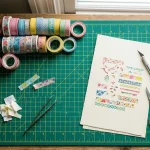
Washi tape is water-resistant but not completely waterproof: its natural paper fibers and rubber adhesive can easily withstand surface moisture and rain splashes, but full water submersion or dishwasher exposure will saturate the fibers and cause peeling unless sealed with a waterproof acrylic topcoat.
Washi tape has taken the crafting world by storm, celebrated for its vibrant colors and unique patterns. But how durable is it? If you’re like many crafters, you’ve likely experienced the joy of using washi tape for everything from scrapbooking to gift wrapping, only to wonder how well it holds up over time. In this article, we’ll dive into testing the longevity and strength of washi tape, addressing common concerns about its durability. Is it truly reliable for your projects, or does it leave you wanting? Let’s explore the characteristics that make washi tape a favorite among creatives, equipping you with the knowledge to make informed choices in your next crafting endeavor.
Is Washi Tape Waterproof? Real-World Moisture Resistance & Sealing Tips
Crafters and planners frequently ask: is washi tape waterproof, or will moisture ruin patterned rolls on water bottles, planters, and travel journals? Because authentic Japanese washi tape is crafted from natural mulberry (kozo, gampi, or mitsumata) fibers, its reaction to moisture depends heavily on exposure duration and sealing:
| Moisture Exposure Condition | Paper Fiber Response | Adhesive Hold Stability | Overall Durability | Waterproof Rating |
|---|---|---|---|---|
| Light Water Splashes & Rain | Water beads momentarily; dries without fiber warping | Unchanged (Hydrophobic rubber adhesive holds) | Excellent | Water-Resistant (8 / 10) |
| Hand Washing (Water Bottles) | Fibers absorb water after 2–3 minutes of contact | Edges begin lifting if sponged roughly | Moderate (1–3 weeks lifespan) | Semi-Resistant (5 / 10) |
| Full Submersion / Dishwasher | Paper dissolves and pulps under heat and high pressure | Complete adhesive failure | Immediate failure | Not Waterproof (1 / 10) |
| Sealed with Mod Podge / Acrylic Topcoat | Hermetically sealed under flexible polymer barrier | 100% waterproof bond protected from friction | Long-term permanent (6–18 months) | Fully Waterproof (10 / 10) |
How to Make Washi Tape 100% Waterproof
To use washi tape safely on cups, phone cases, and outdoor craft projects without moisture damage:
- Apply to a clean, dry surface: Wipe your item with 70% isopropyl alcohol to remove oil before applying tape.
- Apply 2 thin coats of Mod Podge Dishwasher Safe: Brush a light layer over the tape, overlapping the edges by 2mm onto the substrate. Allow 2 hours between coats.
- Cure fully: Allow the polymer sealant to cure for 72 hours before exposing it to water. Once cured, your washi tape design will withstand hand washing without peeling.
Frequently Asked Questions About Washi Tape Waterproofing
Is washi tape waterproof?
Washi tape is water-resistant against minor spills and quick splashes, but it is not completely waterproof. Because it is crafted from natural mulberry tree fibers, submerging it in water will eventually saturate the paper and weaken the adhesive unless sealed with an acrylic or Mod Podge topcoat.
How Washi Tape Compares to Other Tapes
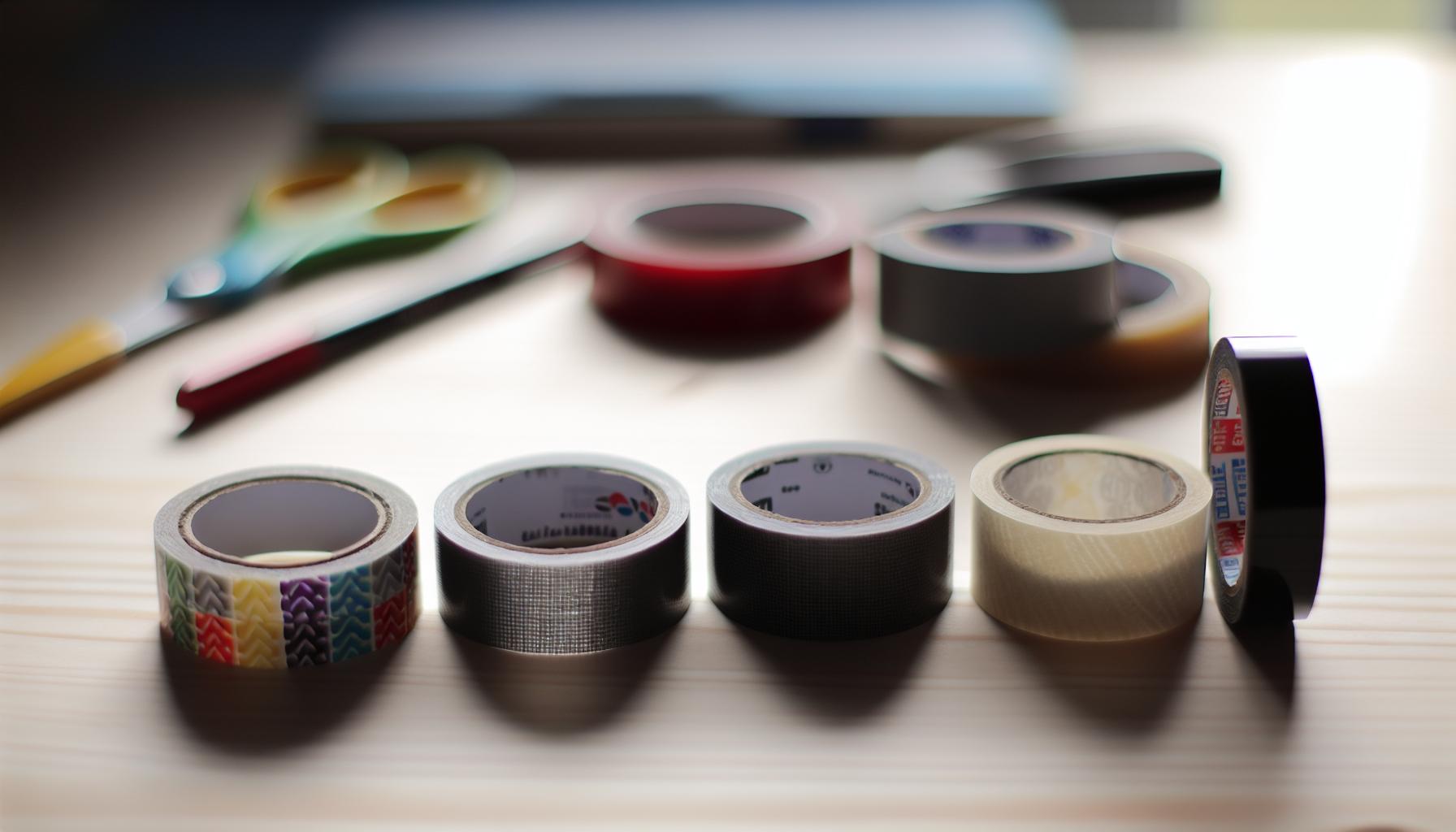
When it comes to tapes, washi tape holds a unique position in the market. Its lightweight, paper-like texture sets it apart from traditional adhesive tapes, such as duct tape or masking tape, each with their specific strengths and weaknesses. Unlike duct tape, which is known for its unparalleled strength and durability, washi tape focuses more on aesthetics and versatility. It’s ideal for decorative purposes, making it a favorite among crafters and for scrapbooking. While duct tape can hold things together securely, washi tape shines in its ability to add color and patterns with less commitment-easily removable and repositionable without leaving sticky residue.
Comparatively, masking tape serves a similar purpose to washi tape in many DIY projects, especially when it comes to painting and crafts. However, the adhesive on masking tape tends to be stronger, which can make washi tape a better option for temporary applications. If you’re looking for a tape that offers easy removal without damaging surfaces, washi tape is a clear winner. On the other hand, when tackling heavier tasks that require superior holding power, you might want to reach for a stronger alternative like painter’s tape or even packing tape.
When evaluating durability, washi tape comes equipped with its own strengths. While it may not boast the same longevity as heavier-duty tapes, it excels in its ability to adhere well to various surfaces without a significant loss of aesthetic thanks to its thin, flexible nature. That said, its endurance is best utilized indoors and in dry conditions; exposure to moisture or extreme temperatures can compromise its adhesive quality. It’s a fantastic tool for embellishments or light-duty tasks but might not hold up in harsher environments.
Ultimately, the choice between washi tape and more robust alternatives boils down to the specific needs of your project. For decorative flair, easy application, and removal, washi tape is hard to beat. If your focus is on strength and reliability for heavy-duty applications, you may want to opt for something else. Always consider what you value most in your projects-whether it’s aesthetics or raw power-when selecting your tape.
Understanding Washi Tape Composition and Features
Washi tape is often praised for its aesthetic appeal, but there’s so much more to this charming tape than meets the eye. Unlike traditional adhesive tapes that often focus purely on functional uses, washi tape is crafted from natural fibers, primarily from the bark of the mulberry tree. This unique composition gives washi tape its distinctive texture and lightweight quality, making it a favorite among artists and crafters alike. The beauty of washi tape lies not only in its decorative patterns and vibrant colors but also in its versatility. You can use it for everything from scrapbooking to gift wrapping, and even in home d├⌐cor projects.
One of the standout features of washi tape is its low-tack adhesive. This means it adheres well to surfaces but can be removed and repositioned without leaving sticky residue behind. This quality makes it particularly appealing for temporary applications and for those who enjoy flexibility in their craft projects. However, while this low adhesion is beneficial for many uses, it’s worth noting that it can impact durability. Washi tape is best suited for indoor use where conditions are controlled. Exposing it to moisture or extreme temperatures can weaken its adhesive properties, leading to peeling or lifting.
In terms of breadth of use, washi tape is incredibly accommodating. You can layer it, write on it, or even cut it into shapes to create custom designs that suit your project’s needs. Its easy application means that it’s a fantastic tool for crafters at any skill level. From children decorating their school projects to adults adding flair to their journal pages, washi tape’s simplicity is part of its appeal. As for durability, while it holds strong under typical conditions, it’s important to remember that it’s not designed for heavy-duty tasks. So, it excels for light applications, yet if you need something to withstand the rigors of outdoor exposure or constant handling, you might want to consider more robust tape options.
At the end of the day, understanding washi tape’s composition and features empowers you to unleash its full potential in your projects. Whether you’re making memories in a scrapbook, creating custom labels, or simply beautifying your planner, knowing what this tape can and cannot do will help you use it effectively.
What Factors Affect Washi Tape Longevity?
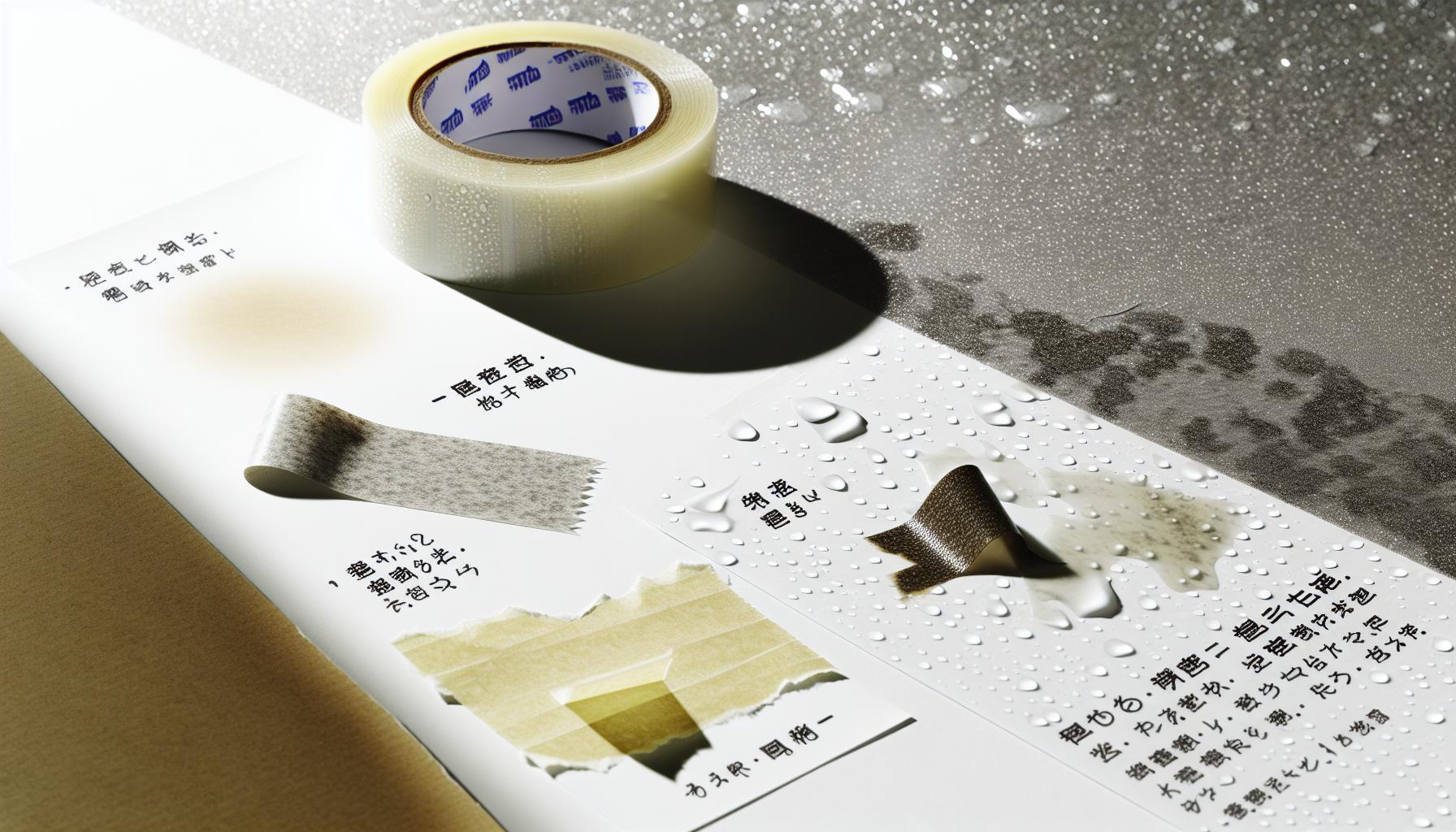
Washi tape can be a delightful addition to your crafting toolkit, but its longevity depends on several crucial factors. Understanding these elements will help you maximize the lifespan of your tape and ensure it looks great for as long as possible.
One major factor is the environment where the tape is used and stored. Exposure to moisture can weaken the adhesive, leading to peeling and loss of stickiness. High humidity or damp conditions are especially hazardous. If you’re using washi tape outdoors or in a bathroom setting, expect it to deteriorate more quickly. Likewise, extreme temperatures can negatively affect its performance. Prolonged exposure to heat can cause the adhesive to become too soft, while cold environments can make it brittle, compromising its ability to stick.
Another aspect to consider is the surface to which you’re applying the tape. Washi tape adheres best to smooth, clean surfaces. If you’re sticking it on uneven or textured materials, it’s likely to lift off more easily over time. Additionally, surfaces that release oils, such as certain plastics or varnished wood, can prevent proper adhesion. Cleaning surfaces before application can enhance the tape’s durability and lifespan.
The quality of the washi tape itself plays a critical role, too. Not all washi tapes are created equal; some are manufactured with stronger adhesives than others. When choosing tape, look for reputable brands that use high-quality materials. Investing a little more upfront can save you the headache of having to replace it frequently.
In summary, keeping your washi tape away from moisture and extreme temperatures, choosing the right surfaces, and using high-quality products are all essential for extending its longevity. By paying attention to these factors, you’ll be able to enjoy your decorative tapes without worrying about them losing their charm too soon.
Testing Methods: Evaluating Washi Tape Strength
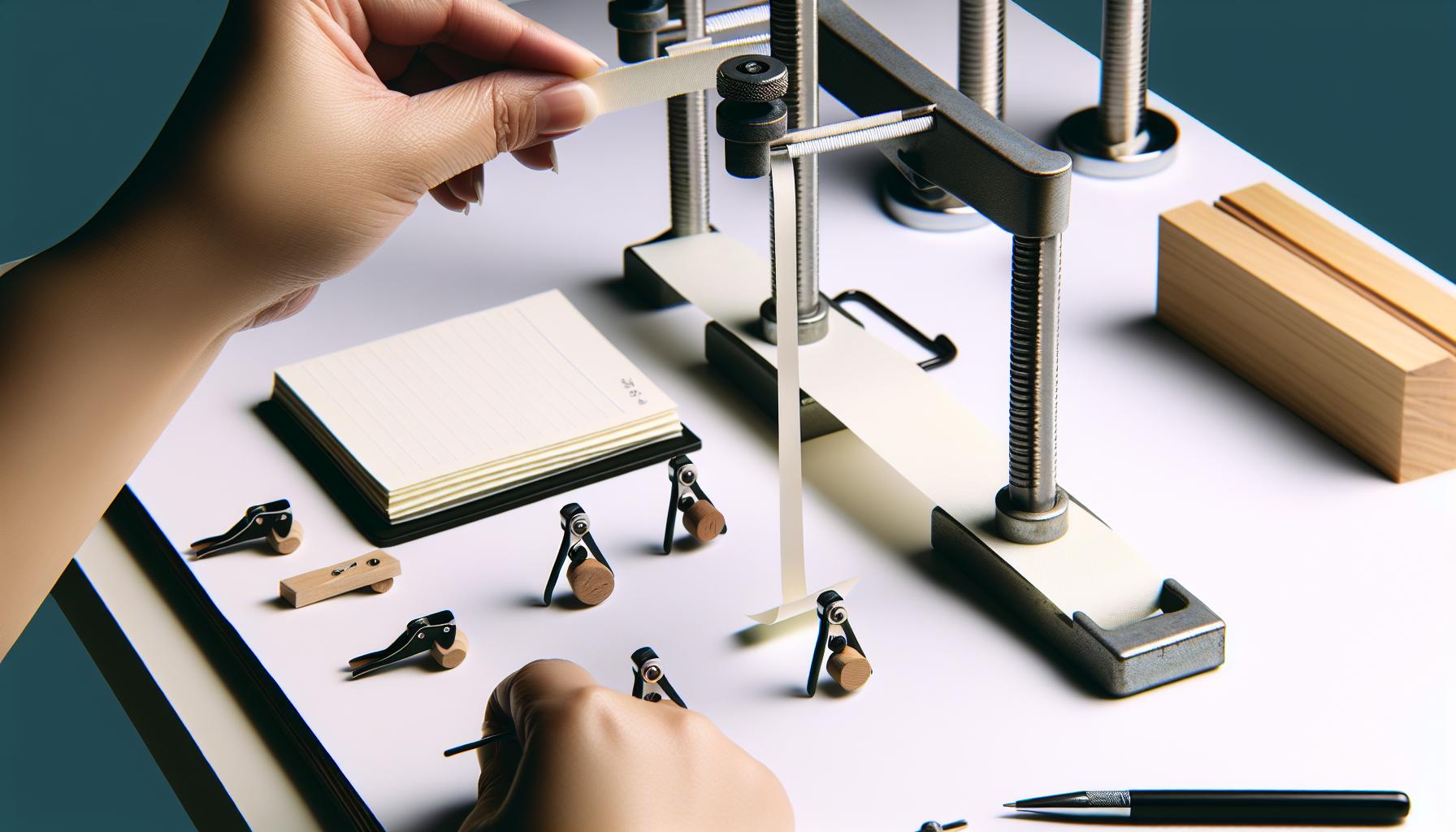
Testing the strength of washi tape isn’t just a matter of pulling at it until it tears. There’s an art to evaluating how well it holds up under various conditions. Whether you’re a crafter, a teacher, or someone who enjoys decorating your planner, knowing how to test and assess washi tape strength can save you from disappointment down the line.
To begin with, adhesion tests are key. You can perform a simple peel test: apply a strip of washi tape to different surfaces-like paper, wood, and plastic. After letting it sit for 24 hours, try peeling it off at different angles. Does it lift easily or does it cling tightly without leaving residue? This method helps you evaluate how well the tape adheres to various materials, which can be crucial for your projects.
Next, consider a stress test. After applying the tape, gently pull on it to simulate wear and tear. Doing this at varying angles will give you a good indication of its durability. If the tape starts lifting or tearing too easy, you might want to rethink its use for long-term projects. Additionally, environmental factors play a major role; testing how the tape holds up in humidity or cold conditions can provide real-world insights. For instance, if you’re creating decorations for a humid environment, it’s wise to see how well the tape performs in similar conditions before finalizing your designs.
Lastly, don’t overlook the time test. Stick some washi tape in a drawer for a few weeks and check back to see if the adhesive remains intact. This experiment can reveal if prolonged storage or exposure to elements affects the tape’s performance. By systematically testing washi tape through these methods, you empower yourself to make informed choices that enhance your crafting experience.
Real-Life Durability: Washi Tape in Everyday Use
Washi tape is often celebrated for its colorful designs and versatility, but how does it actually hold up under everyday conditions? You might be surprised to find that washi tape’s durability is better than its reputation suggests. Many creators, from scrapbook enthusiasts to serious crafters, successfully rely on washi tape for various projects, knowing that with proper use, they’ll enjoy reliable results.
When it comes to real-life applications, washi tape shines in decorative aspects. It adheres well to paper, making it perfect for crafting, journaling, or even gift wrapping. Users frequently report that it sticks nicely to a variety of surfaces without leaving a destructive residue, which means you can easily reposition it if necessary. However, it’s essential to remember that while washi tape can hold up beautifully, its durability may wane in conditions that involve significant wear and tear.
For practical longevity, use your creativity wisely. It thrives in lighter applications, like decorating your planner or personalizing notes. But if you’re considering washi tape for projects that require robust holding power-like constructing 3D models or hanging items if you’re unsure about the specific brands or styles, test a few different types first. Many crafters note that the longevity of washi tape can vary significantly between brands, depending on adhesive quality and materials.
Ultimately, understanding washi tape’s strengths and limitations is key to maximizing its utility. Store it properly, keep it away from excessive heat or moisture, and choose the right project for its use. With a little care, your washi tape can last longer than you might expect, making every roll a colorful asset in your crafting toolkit.
Common Misconceptions About Washi Tape Strength

Many people underestimate washi tape, thinking it’s just a pretty, decorative tape with little to no strength. This couldn’t be further from the truth. Yes, it’s lightweight and easy to reposition, but that doesn’t mean it can’t hold its own in terms of durability. Let’s dive into the common misconceptions surrounding washi tape’s strength and clarify what it can actually do.
One major myth is that washi tape is flimsy and only suitable for low-stress applications. While washi tape isn’t designed for heavy-duty tasks like duct tape, it excels in many creative areas. It adheres well to various surfaces, providing a reliable bond for scrapbooking, crafting, and even decor that won’t damage your walls. Many users have successfully reported using washi tape for hanging lightweight items or creating temporary displays. It’s important to note that the adhesive quality varies across brands, so it’s wise to test different types for your specific needs.
Another misconception is that all washi tape will leave a sticky residue behind when removed. While this can be true for low-quality tapes or those not meant for repositioning, many reputable brands have developed adhesives that allow for easy removal without a mess. Users often recommend brands that explicitly state they are repositionable, as they are designed to be moved without damaging surfaces or leaving residue.
Finally, many believe washi tape will quickly degrade or lose its stickiness over time. While it’s true that prolonged exposure to heat or moisture can affect its longevity, proper storage can significantly extend its life. Keep washi tape in a cool, dry place, and avoid pressing it down against itself too tightly, which can cause it to lose its original texture and adhesion. With the right care and usage, washi tape can surprise you with its endurance and functionality, proving to be an indispensable tool in any crafter’s arsenal.
Storing Washi Tape: Best Practices for Longevity
Properly storing your washi tape is essential for maintaining its longevity and ensuring it’s ready for your next creative project. Believe it or not, a simple storage solution can dramatically affect how well your tape performs. Here are some best practices that I’ve learned from experience and crafting communities.
First, keep it in a cool, dry place. Excessive heat or moisture can weaken the adhesive over time, causing your tape to become less sticky or even peel off entirely. Avoid areas like windowsills or near radiators where temperature fluctuations are common. An ideal spot might be a dedicated drawer or a storage box away from direct sunlight.
Another important point is to store your tape upright instead of laying it flat. This minimizes the risk of the adhesive side sticking to itself, which can ruin the tape’s smoothness and stickiness. Consider using a washi tape dispenser or a simple container that allows you to see the colors and patterns at a glance. This approach not only keeps your rolls in good shape but also adds a touch of organization to your workspace.
You should also be mindful of how tightly you secure your rolls. Avoid sealing them too tightly or with materials that could pull off the adhesive. A bit of air circulation can help keep the adhesive intact while allowing the tape to breathe and remain tacky.
Lastly, if you notice that a roll is starting to lose its stickiness, try reactivating the adhesive by rubbing it gently with your finger or using a bit of heat from a hairdryer at a low setting. This technique can prolong the life of your washi tape, turning what might seem like a failed roll into a usable tool for your projects.
By adhering to these simple storage strategies, you can significantly extend the lifespan of your washi tape, keeping it vibrant and sticky for many creative endeavors.
Washi Tape DIY Projects: Longevity Challenges
Washi tape is a versatile crafting material, but when it comes to DIY projects, longevity can be a challenge. Many people assume that once the tape is down, it will stay put forever. Unfortunately, that’s not always the case. Depending on the project and environmental factors, washi tape can struggle to maintain its integrity, leaving crafters frustrated.
First, consider the surface where you apply the tape. Washi tape adheres best to clean, dry surfaces. If you’re using it on textured or porous materials, like fabric or unfinished wood, expect some peel-up or lifting over time. High humidity can also impact the adhesive. For example, I once decorated a bathroom mirror with washi tape. Initially, it looked great, but the steam and moisture caused the edges to curl within weeks. Knowing your environment is key.
When creating more permanent projects, like home decor or gift wrapping, you might want to use a sealant or top coat over the tape. This can significantly improve longevity, as it protects the adhesive from moisture and dust that could compromise its stickiness. Other crafters have reported success using washi tape in conjunction with stronger adhesives for those high-impact projects where durability is non-negotiable.
Here are some tips to tackle longevity challenges:
- Test your materials: Always do a small test run to see how the tape reacts with your chosen surface.
- Seal it: Consider sealing projects with a clear finish or spray to protect the tape.
- Think seasonal: For temporary decor, embrace the short lifespan of washi tape; it’s meant for fun!
- Combine techniques: Use washi tape for the aesthetic while relying on strong glue for structural support.
By understanding how to work with washi tape and its potential weaknesses, you can maximize its utility in your DIY projects without compromising on style or functionality. Every project is a learning experience, so don’t hesitate to experiment!
Eco-Friendly Options: Is Washi Tape Sustainable?
Washi tape’s growing popularity in crafting sparks an important conversation about sustainability. As more people seek eco-friendly options, it’s essential to consider whether washi tape fits the bill. The answer? It can be a more sustainable choice compared to traditional adhesives, largely due to its natural composition and lower environmental impact.
Crafted primarily from the bark of trees like the mulberry, washi is biodegradable and often produced using less harmful chemicals compared to synthetic alternatives. Many brands focus on producing washi tape responsibly; look for those that source their materials sustainably and prioritize eco-friendly manufacturing practices. Choosing washi tape made from recycled materials can enhance its green credentials even further, ensuring that your crafting habits support sustainability rather than detract from it.
However, like all products, not all washi tape is created equal in terms of environmental impact. It’s wise to research brands and read labels to understand their environmental practices. Some manufacturers also provide details about their sourcing and production methods, which can help you make informed choices. Remember, even small shifts in our crafting materials can lead to significant changes in reduction of waste and promoting sustainability in our artistic endeavors.
Incorporating washi tape into your projects doesn’t just offer a creative outlet; it can align with your eco-conscious values, especially when paired with mindful purchasing habits. By opting for sustainably sourced washi, you not only enhance your crafts but also contribute positively to the planet. So the next time you’re diving into a DIY project, consider reaching for that beautifully patterned washi tape that’s as good for your craft as it is for the environment.
Tips for Choosing the Right Washi Tape
When it comes to choosing washi tape, it pays to be discerning. Not all tapes are created equal-some will withstand the test of time better than others, especially if you plan to use them in projects that require durability. Here’s what you should consider to ensure you select the right washi tape for your needs.
First, pay attention to the thickness and adhesive quality. Thicker tapes tend to hold up better in various applications, while those with strong adhesive will stick securely without peeling off easily. Look for brands that provide detailed product descriptions, especially regarding adhesive strength. If durability is your main concern, opting for washi tape labeled as “high-tack” might be beneficial.
Next, consider the print and finish. Some designs feature a matte finish, which can wear down more quickly or show wear and tear, while glossy finishes might repel dirt and moisture better. If you’re using the tape for crafting or labeling items that will see frequent handling, a glossy option might be a smarter selection.
Lastly, take a close look at customer reviews and brand reputation. User experiences can be highly telling about the actual performance of a product. Trusted brands often have established standards for quality, allowing you to go into your project with confidence. If possible, sample different brands to see how they perform in practice-this hands-on approach can guide your future purchases.
In summary, understanding the importance of tape thickness, adhesive strength, finish, and brand reliability will dramatically increase your chances of finding the right washi tape that meets your needs for durability and longevity. Happy crafting!
User Experiences: Durability Across Different Brands
Many users find themselves surprised by how different brands of washi tape perform in terms of durability. Not all washi tape is created equal; the composition, adhesive quality, and even the manufacturing process can lead to significant differences in lifespan and effectiveness. User experiences reveal a lot about what you can expect when it comes to using these tapes in various projects.
From hands-on feedback, it’s clear that some brands hold up remarkably well against wear and tear, while others may disappoint. For example, brands that advertise “high-tack” adhesive often live up to the hype, providing a strong bond that doesn’t easily peel off. These tapes are particularly favored by users who engage in intensive crafting or need the tape to endure environmental factors like humidity or temperature changes. On the flip side, some lower-cost alternatives may lack this strong adhesive, leading to frustrations when the tape starts lifting or doesn’t adhere well to certain surfaces.
In terms of print longevity, many users have reported that washi tapes with a glossy finish tend to show less wear over time compared to their matte counterparts. Glossy tapes are often more resistant to dirt and moisture, making them a better option for projects that may encounter spills or frequent handling. For instance, a user might find that their matte-finished washi tape starts to look worn after just a few weeks on a frequently handled planner, while the glossy variant maintains its vibrant colors and smooth surface.
When it comes to different types of projects, user experiences vary widely. Those who use washi tape for scrapbooking or decorative purposes often prioritize design over longevity, focusing on aesthetics rather than adhesive strength. Yet, when the tape doesn’t hold up perfectly, they can easily glue or sew items down afterward. However, if you need the tape for labeling items or creating temporary fixes, choosing a reputable brand known for its durability becomes essential.
To sum it up, your choice of brand can dramatically affect your experience with washi tape. By tapping into user experiences, you can avoid common pitfalls. Always check reviews-who doesn’t appreciate a product that not only looks good but also stands the test of time? Consider experimenting with different brands to see which best meets your specific crafting needs.
Q&A
Q: How long does washi tape last when used on projects?
A: Washi tape can last for months or even years, depending on factors like usage, storage conditions, and the materials it’s applied to. For best durability, apply it to clean, dry surfaces and avoid areas with high humidity, which can weaken adhesion over time.
Q: Is washi tape waterproof?
A: Most washi tape is not waterproof, making it less suitable for outdoor use or in wet environments. However, some brands produce water-resistant washi tape. Always check the product specifications if you need moisture resistance for your project.
Q: Can you remove washi tape without damaging surfaces?
A: Yes, washi tape is designed to be easily removable without leaving residue or damaging surfaces, making it ideal for temporary applications. Just peel it off slowly and at a low angle to minimize any chance of tearing the paper underneath.
Q: How does washi tape perform in extreme temperatures?
A: Washi tape generally performs poorly in extreme heat or cold. High temperatures can cause the adhesive to soften and become sticky, while cold can make it brittle. For projects exposed to variable temperatures, it’s advisable to choose specialty tapes designed for environmental extremes.
Q: Can you write on washi tape?
A: Absolutely! Washi tape is great for writing on, whether with markers, pens, or pencils. Just ensure the ink is dry before applying it to projects, especially if it will be handled frequently. Some inks or paints may smear, so test before use.
Q: How do different brands of washi tape compare in durability?
A: Durability varies between brands of washi tape. Higher-quality brands often have stronger adhesives that last longer. Be sure to read reviews or compare specifications when shopping to find a brand that meets your durability needs.
Q: Is there a way to extend the life of washi tape?
A: Yes, proper storage and handling can significantly extend the life of washi tape. Store it in a cool, dry place away from sunlight, and keep it rolled up and protected from dust and dirt to preserve its adhesive quality.
Q: What are common uses for washi tape that highlight its durability?
A: Common uses for washi tape include crafting, decorating, labeling, and gift-wrapping. Its ability to adhere well without causing damage makes it ideal for scrapbook projects, while its aesthetic appeal adds charm to various creations. For more ideas, check out the “Washi Tape DIY Projects” section of the main article.
The Way Forward
Now that you know how durable washi tape is, think about how you can use this versatile tool in your next project! Its strength and longevity make it perfect for everything from crafts to home organization. Still have questions? Check out our guides on how to use washi tape creatively or dive deeper into the art of traditional Japanese paper crafting!
Don’t miss out-subscribe to our newsletter for more tips and tricks or visit our product page to find the best washi tape for your needs. Your next creative masterpiece is just a roll away! Join the conversation below and share your experiences with washi tape. We’d love to hear how you use it!
Get our latest guides, news, and insights highlighted in your Google Search & AI Overviews.