
Have you ever marveled at the intricate beauty of calligraphy and wished you could create such stunning art yourself? Using an oblique calligraphy pen can elevate your writing, giving it that classic flair with effortless style. This specialty tool, designed with a unique angle, allows for bold strokes and delicate lines, making it a favorite among calligraphers. But if you’re unsure how to harness its potential, you’re not alone. Many beginners struggle with technique and comfort. That’s why mastering the oblique pen is crucial not only for creating beautiful letters but also for building your confidence as a calligrapher. In this guide, you’ll learn essential tips and techniques to help you succeed with this tool, making the journey into the world of calligraphy enjoyable and rewarding. So grab your pen and let’s explore the art of graceful writing together!
Choosing the Right Oblique Calligraphy Pen for You
Choosing the right oblique calligraphy pen can feel overwhelming, especially with so many options on the market. A well-chosen pen can dramatically enhance your writing experience and the quality of your letters. Start by understanding your individual needs and preferences. Are you a beginner or more experienced? Do you prefer lighter pens for longer writing sessions, or do heavier pens feel more stable in your hand? Your answer can guide your selection process.
When looking for an oblique pen, pay close attention to the nib. Nibs come in various sizes and types, influencing your line thickness and the intricacy of your designs. A broader nib is great for dramatic lettering, while a finer nib allows for detailed work. Additionally, consider the angle of the oblique holder. Some holders come with adjustable angles, allowing you to customize your writing position, which can be particularly useful as you progress in skill level.
Here are a few things to keep in mind when selecting your pen:
- Nib Size: Test different sizes to find one that feels comfortable.
- Holder Weight: Choose a holder that feels balanced when you write.
- Material: Wooden holders provide warmth, while metal can offer durability.
- Grip: Ensure the grip is comfortable and allows you to maintain control during writing.
Lastly, don’t hesitate to seek recommendations from the community. Connect with fellow calligraphers through social media or local workshops. Often, experienced users can offer insights based on their own journeys with different pens. Whether you opt for a handcrafted wooden holder or a modern, sleek design, choosing the right oblique calligraphy pen is about finding what feels right for you-and that journey is part of the fun.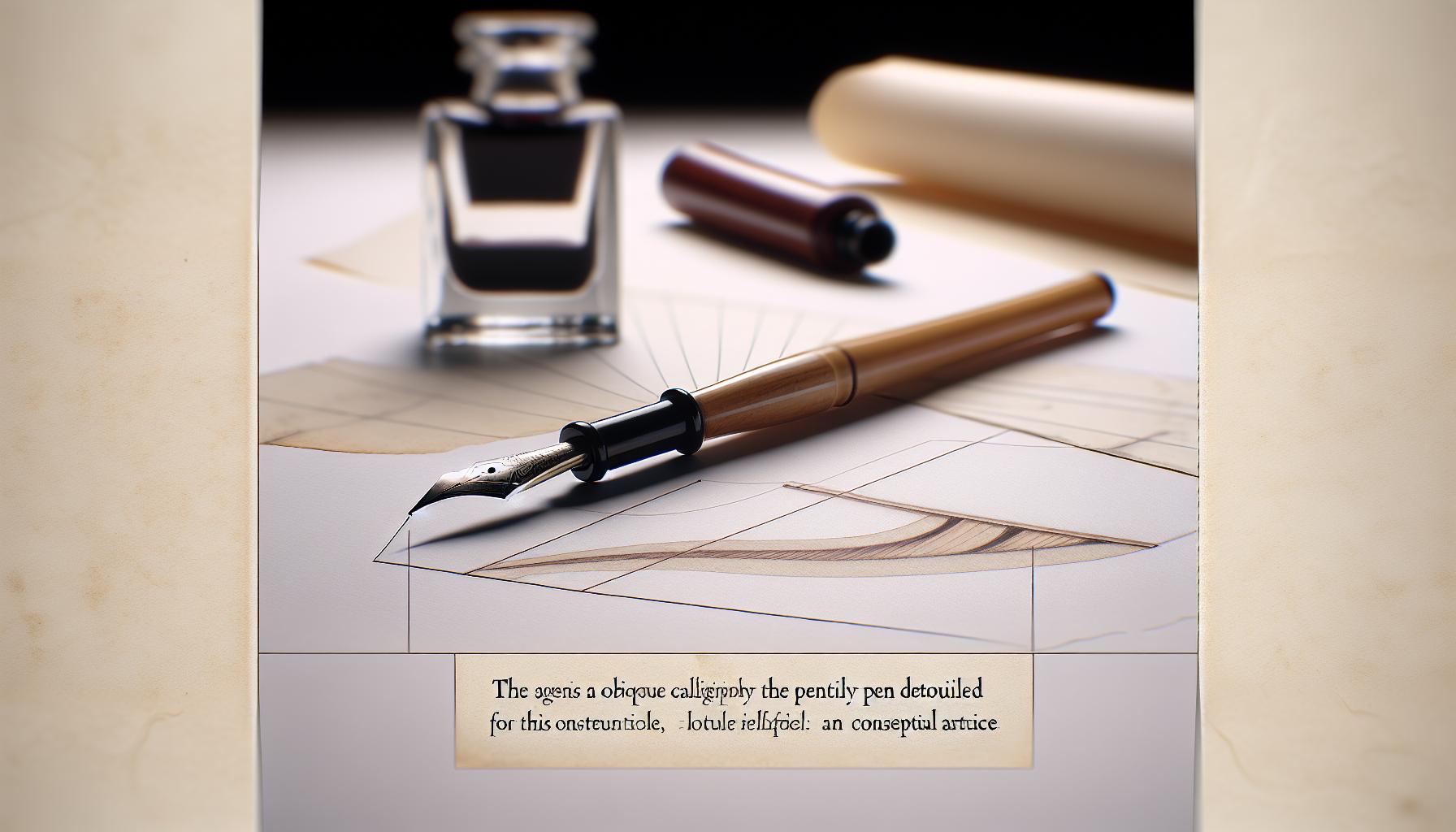
Understanding the Anatomy of an Oblique Calligraphy Pen
Understanding the intricacies of an oblique calligraphy pen is essential for anyone looking to elevate their lettering game. At first glance, these pens may seem just like any other writing tool, but in truth, they are finely tuned instruments designed specifically for beautiful, expressive writing. A well-understood oblique pen can dramatically enhance your technique and creativity, making your calligraphy journey much more rewarding.
The core components of an oblique calligraphy pen consist of the holder, nib, and the angle at which they work together. The holder is where the magic begins; its design allows for a comfortable grip that promotes control and stability. Typically made of wood or plastic, some holders come with adjustable angles to cater to your writing style or specific nibs you may choose to use. This adaptability enables you to find the optimal position for your hand, which is crucial for achieving those graceful strokes characteristic of calligraphy.
Next up is the nib – the heart of the pen. Nibs vary in size and shape, which has a direct impact on the ink flow and line width. A larger nib will deliver bold strokes ideal for dramatic flourishes, while a finer nib is perfect for intricate details and smaller lettering. Understanding how your chosen nib interacts with the pen’s holder is key. For instance, a well-matched nib and holder angle can help prevent excessive pressure on the nib, which can lead to damaging your tools or uneven ink flow.
Finally, don’t overlook the importance of ink. Different inks can yield different textures and colors, affecting the overall aesthetic of your work. Always experiment with various inks to discover what complements your style best. Remember, the beauty of using an oblique calligraphy pen lies not just in its design, but in how it feels in your hand and connects with your creative expression. Your comfort and confidence will shine through in your writing, so take the time to familiarize yourself with the anatomy of your pen-it’s worth it for the stunning results you’ll achieve!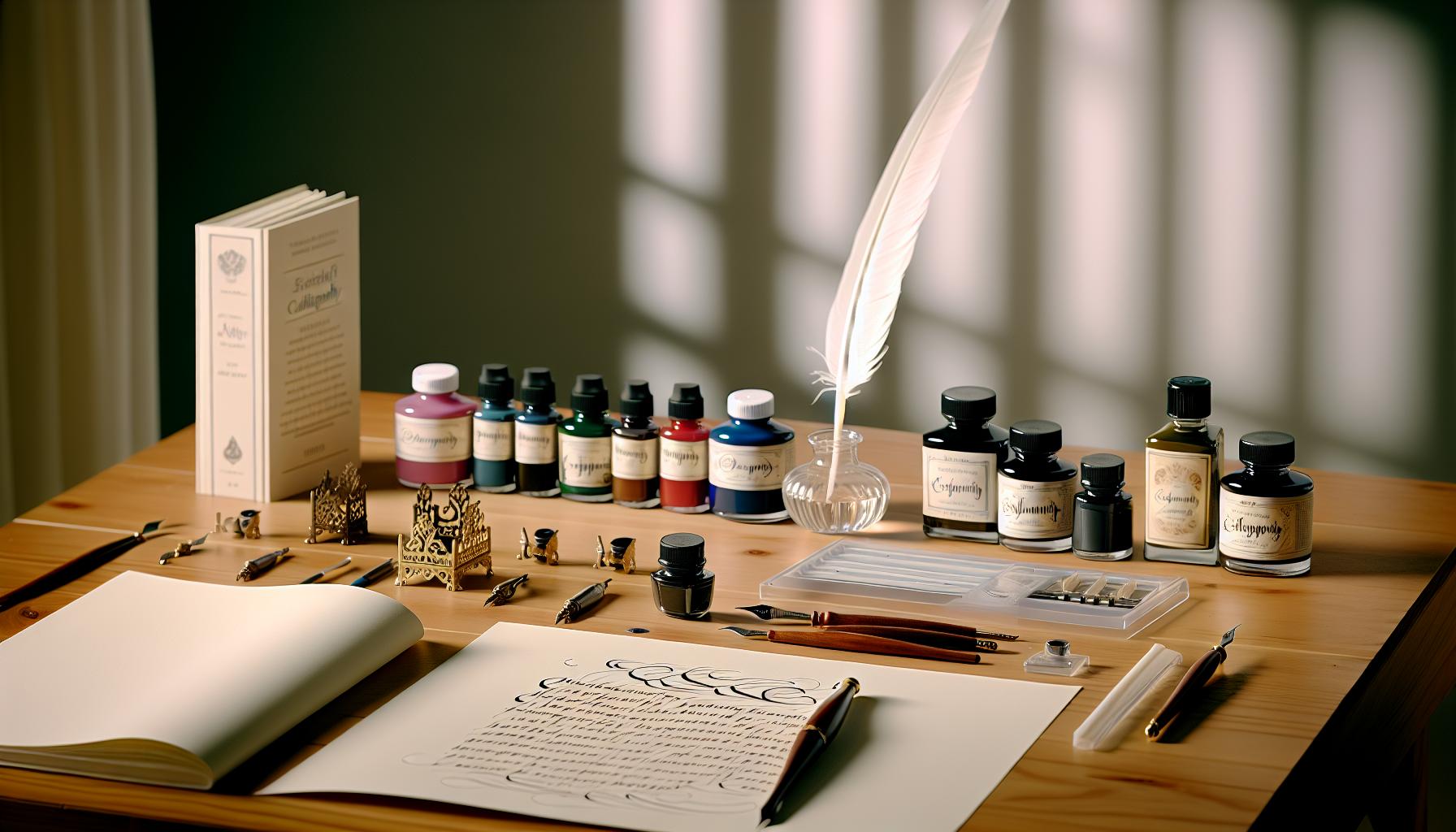
Essential Supplies for Successful Calligraphy
Starting your journey with an oblique calligraphy pen is thrilling, but having the right tools can either make or break your experience. Just like an artist needs quality paintbrushes and a musician requires finely tuned instruments, calligraphy enthusiasts must equip themselves with essential supplies to truly master this elegant art form. Here’s what you should consider adding to your toolkit for successful calligraphy.
To begin with, the oblique pen holder is paramount. Choose one that fits comfortably in your hand; this will directly affect your control and comfort while writing. Many holders are adjustable, which is a huge plus if you want to experiment with different nib angles or if your writing style evolves. Pair your holder with a selection of nibs-don’t get just one! Nibs come in various sizes and shapes, so keep a range handy for different styles and effects. For instance, broad nibs are perfect for bold strokes, while finer nibs allow for exquisite detail.
Next, let’s talk about ink. The right ink can elevate your work to new heights. Look for high-quality fountain pen ink or calligraphy ink, as these tend to flow smoothly and dry beautifully. While black ink is a classic choice, don’t shy away from experimenting with colors to find what inspires you. You might be surprised at how a rich burgundy or a shimmering gold can transform your pieces.
Additionally, it’s wise to have a reliable surface to write on. A smooth, thick paper will prevent bleeding and provide a substantial feel, but testing various textures can help you discover what works best. A sketchbook dedicated to your calligraphy practice can serve as an encouraging space for trial and error, where you can freely explore layout and design without pressure.
Lastly, don’t overlook the importance of cleaning supplies. Nibs can get clogged with dried ink, so invest in a cleaning solution or, at the very least, a simple water rinse. Having cleaning tools handy ensures your nibs and pens last longer and perform better, saving you money and frustration in the long run.
With these essentials in hand, you’re well on your way to creating stunning calligraphy pieces that reflect your unique style. Remember, the joy of calligraphy lies in the journey as much as the end product, so equip yourself and let your creativity flow!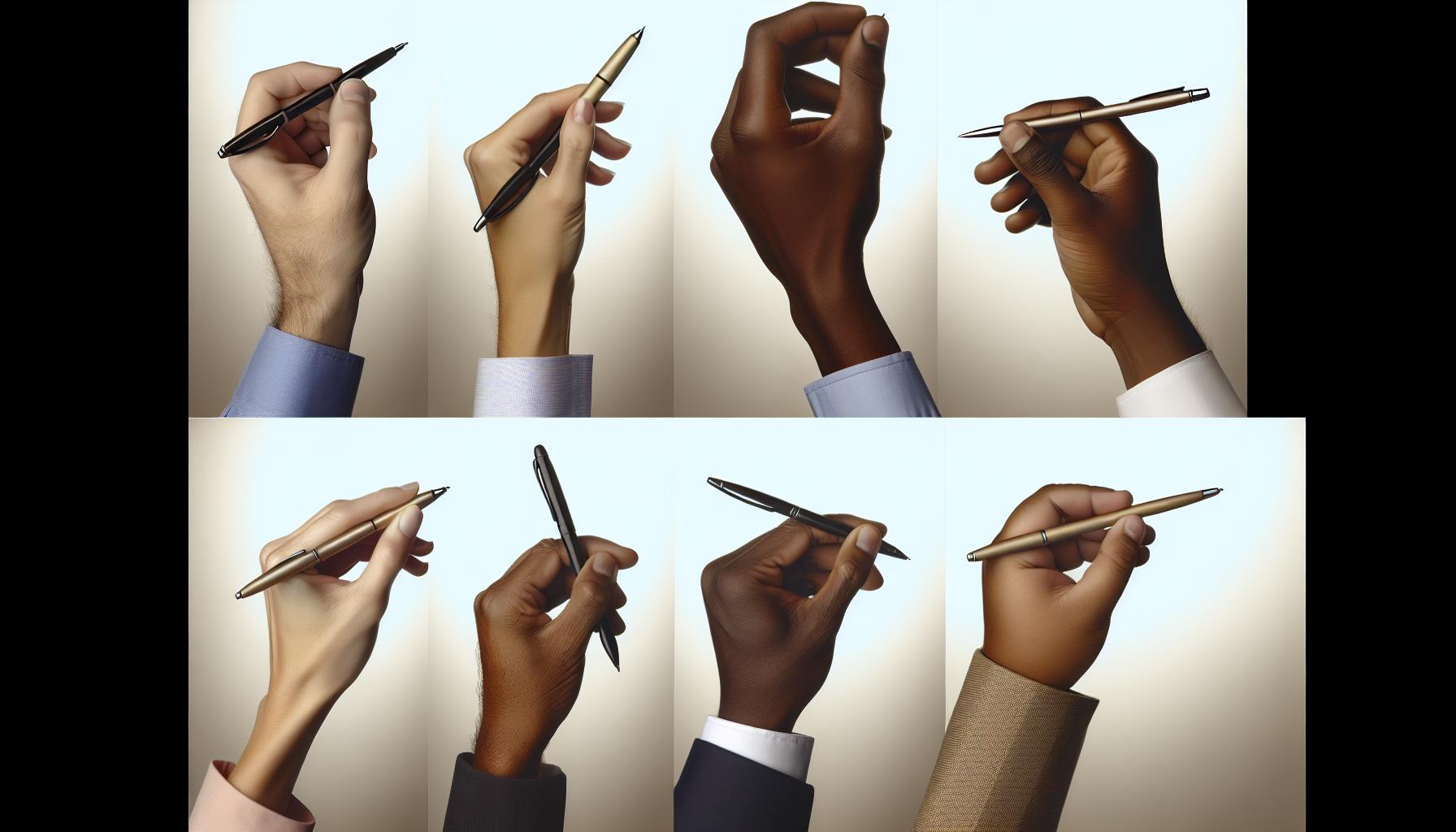
Basic Techniques: Holding Your Pen Correctly
When you first pick up an oblique calligraphy pen, it can feel a bit awkward, especially if you’re used to traditional straight pens. But don’t worry; mastering the grip is one of the most crucial steps to transforming your calligraphy from basic to breathtaking. The way you hold your pen sets the stage for your writing style, allowing for both comfort and finesse in your strokes.
Start by gripping the pen holder in a relaxed manner. Place it between your thumb and index finger, letting it rest comfortably against your middle finger. Your grip shouldn’t be too tight-think of it as holding a bird: firm enough to keep it from flying away, but gentle enough not to injure it. This light grip will give you better control and prevent hand fatigue during longer writing sessions. The oblique angle of the pen is designed to allow the nib to glide smoothly across the page, so it’s essential to keep your hold relaxed yet intentional.
Consider the angle at which the nib meets the paper. Position the nib at about a 45-degree angle to your writing surface-this helps create the beautiful thick and thin lines characteristic of calligraphy. If you’re unsure, practice on scrap paper and adjust as needed. Remember, the unique design of the oblique pen helps you maintain the correct angle without excessive effort, so lean into its advantages.
Lastly, practice your rhythm. Once you feel comfortable gripping the pen, take time to experiment with different stroke pressures. Light pressure gives you thinner lines, while applying more pressure creates those bold, striking strokes. As you write, keep an eye on the flow of ink and the marks you’re making; adjust your grip or angle as necessary. You’ll find that developing your personal touch and flow takes time, but with patience and practice, you’ll be well on your way to achieving that elegant script you envision. Your oblique calligraphy pen can become an extension of your artistic self, so embrace the learning process!
Mastering the Angle: How to Position Your Pen
Getting the angle right when using an oblique calligraphy pen can feel like one of those secrets that separates beginner scribblers from calligraphy artists. The angle at which you position the pen dramatically impacts the flow and style of your writing. Here’s how to master it.
Start with understanding the relationship between the nib and the paper. Aim for a precise 45-degree angle when placing your nib on the surface. This positioning allows the ink to flow smoothly while producing those attractive thick and thin lines that define good calligraphy. Don’t stress if hitting that angle feels challenging at first. Grab some scrap paper and experiment-finding your comfort zone is part of the learning curve. Your goal is to let the unique design of the oblique pen support a natural angle instead of forcing your wrist into an awkward position.
Another important aspect is how you tilt the pen holder itself. The oblique design means that the nib is off to the side-a shift that can feel strange but actually helps in achieving better strokes. Angle your wrist slightly, allowing the body of the pen to rest against your finger while the nib glides perpendicularly across the page. As you become comfortable, varying your pressure will give you different line widths, leading to stunning contrasts in your letters.
Always keep your movements fluid. Tension in your hand can ruin the delicate balance between nib and paper, so practice writing with an easy touch. With time, you’ll not only develop muscle memory for the angle but also for the rhythm of your hand and the flow of your ink. Each time you pick up your oblique pen, focus on the angle, and soon it will become second nature, allowing you to create letters that truly reflect your artistic voice.
Creating Beautiful Letters: Step-by-Step Guides
Creating beautiful letters with an oblique calligraphy pen can feel like an art form that you’re merely getting the hang of, but with some guidance, you’ll be crafting elegant scripts in no time. Let’s break down the process step-by-step to help you refine your technique and unleash your creativity.
First, start with some warm-up practices. Grab your pen and a fresh sheet of practice paper. Begin with basic strokes-upstrokes, downstrokes, and curves. These foundational elements are crucial. Focus on the pressure: apply light pressure for upstrokes, allowing for thinner lines, and more pressure for downstrokes to achieve those beautiful, bold lines. As you practice, pay attention to maintaining a consistent angle-around that magic 45 degrees-to ensure smooth ink flow and even letter shapes.
Once you’re comfortable with your strokes, it’s time to experiment with letters. Begin with simple forms like “o,” “a,” and “e.” Repetition is key. Write each letter several times, refining your approach with every iteration. After you’ve nailed these basics, challenge yourself with more complex letters such as “b” and “d.” These letters involve loops and descenders, so focus on your angles and pressure to maintain consistency throughout the process.
Next, consider how spacing impacts readability and aesthetic. As you write words, ensure equal spacing between letters and words. This brings more flow and balance to your overall look. Use guiding lines or a scale as a reference to keep your writing level and uniformly spaced. If you’re attempting flourishes or decorative elements, sketch them lightly first before committing with ink-this will help envision the final look while minimizing mistakes.
Lastly, don’t shy away from personal touches. Add your flair once you’re comfortable with form and function. Whether through unique letter shapes, playful flourishes, or varying line thicknesses, your adaptations will make your calligraphy stand out. Remember, practice makes perfect; each stroke is a step closer to your artistic voice. So pick up that pen, dive into practice, and watch as your letters transform into a captivating expression of art!
Common Mistakes and How to Avoid Them
Using an oblique calligraphy pen is a beautiful journey, but even seasoned artists can stumble. One common mistake is gripping the pen too tightly. This not only causes discomfort but also restricts the fluidity of your strokes. Instead, aim for a relaxed hold. Your hand should feel loose, allowing for graceful movements. The pen should glide rather than be forced through your paper.
Another frequent pitfall is neglecting the nib’s angle. Maintaining that ideal 45-degree angle is crucial for achieving the rich contrast between thick and thin strokes. If you find your letters lacking in definition, check your grip and angle; a minor adjustment can vastly improve your results.
Additionally, many beginners rush through the practice of basic strokes. Those warm-up drills-upstrokes, downstrokes, and curves-aren’t just a warm-up; they’re the foundation of good calligraphy. Take your time with these exercises. Each stroke builds muscle memory, setting you up for success with more complex letterforms.
Lastly, don’t underestimate the importance of spacing. Inadequate spacing can make your letters look cramped and unpolished. Use a guide or template to practice maintaining consistent distance between your letters and words. Just a bit of extra attention here can transform a good piece into something truly stunning. So remember, observe your technique, embrace your practice, and watch your skills flourish!
Exploring Different Calligraphy Styles with Your Pen
Exploring various calligraphy styles with an oblique pen opens up a world of creative possibilities. This versatile tool is ideal for producing elegant scripts, and once you grasp the basics, you’ll find it enhances different styles with ease. Think about it-each script has its personality. Whether you’re drawn to the classical elegance of Copperplate or the modern flair of brush lettering, your oblique pen can adapt beautifully.
One popular style is Copperplate, known for its graceful loops and flourishes. To tackle this, focus on maintaining a consistent angle while varying your pressure during strokes. This technique creates those delicate thin lines contrasted by bold, rounded sections, characteristic of Copperplate. Another engaging style is Spencerian, which offers a more organic flow with its sweeping curves. Here, the oblique pen shines; it allows for the smooth transitions necessary for beautiful letter connections. Take your time practicing the circular motions that define this style; they’re crucial for achieving that free-flowing look.
If you’re leaning towards something contemporary, consider Modern Calligraphy. It’s all about creativity and personal flair. Use your oblique pen to experiment with different thicknesses and pressure-altering your grip can yield striking variations in stroke width, giving your work a unique touch. Combine this with non-traditional shapes and whimsical lettering to truly make it your own.
Don’t forget styles like Gothic or Blackletter, which require precision and sharp angles. The oblique pen can help create those distinguished sharp points and heavy downstrokes, providing a stark contrast to the more fluid styles. Each of these styles not only enhances your skills but also allows your unique voice to shine through in your calligraphy journey. Embrace the diversity of techniques and find what resonates with you. With practice, your oblique pen will become not just a tool, but an extension of your artistic expression.
Maintaining Your Oblique Calligraphy Pen for Longevity
To keep your oblique calligraphy pen performing at its best, a little maintenance goes a long way. Many calligraphers overlook this vital aspect, but caring for your tools not only extends their life but also enhances your writing experience. Think of your pen as an extension of your hand; the better you treat it, the smoother and more enjoyable your calligraphy will be.
Start with the nib. After each session, gently clean the nib with lukewarm water or a soft cloth. Avoid using harsh chemicals, as they can damage the metal and affect the ink flow. If ink gets dried on, soak the nib for a few minutes to loosen it, then wipe it clean. This step is crucial, especially if you use pigmented or metallic inks, which tend to clog the nib more than regular ones.
Another important aspect is proper storage. Always store your pen horizontally or with the nib facing up. This prevents the ink from pooling at one end and makes for cleaner writing the next time you use it. If your pen comes with a cap or a case, use it! Protecting your pen from dust and potential damage will ensure it stays in top shape. And don’t forget to check the condition of the feed and the holder. If they become stained or worn, consider replacement parts to maintain optimal performance.
Lastly, invest in a quality ink that suits your style-some are thicker or more viscous than others, which can affect how well the pen works. Experiment with different brands to find one that offers a good flow and dries well, allowing you to create the stunning letters you envision. In short, with just a few simple steps, you can ensure your oblique calligraphy pen serves you well for many creative sessions to come.
Advanced Techniques to Elevate Your Calligraphy
To truly elevate your calligraphy game with an oblique pen, mastering advanced techniques is key. Think of these not just as extra skills, but as transformative methods that can give your work a distinctive flair. One technique to explore is *layering ink*. By varying your pressure while writing, you can create dynamic contrast within your letterforms. Start with a light stroke, then apply more pressure on the downstrokes. This adds depth and richness to your letters, making them pop off the page.
Another powerful method is *flourishing*. Flourishes are decorative strokes that embellish your letters. They can be a simple loop or an elaborate design extending from a letter. Practice these separately on scrap paper before incorporating them into your main project. It’s tempting to flourish everything, but moderation creates a more sophisticated look. Aim for balance; let the text be legible without overwhelming.
Utilizing Color and Texture
Don’t underestimate the impact of *color and texture* in your calligraphy. Using different inks can change the mood of your work dramatically. Experiment with metallic, pastel, or even gradient inks to add personality to your pieces. Mixing media, such as incorporating watercolor backgrounds or textured paper, can further set your calligraphy apart. The contrast between the smooth lines of your letters and a rough or abstract background creates visual interest.
Creating Custom Letterforms
Finally, take time to develop your own distinctive letterforms. Start by analyzing the styles you admire. Dismantle the shapes: what makes them appealing? Practice redesigning these letters to create a personalized font that reflects your artistic voice. Keep a consistent style for your uppercase and lowercase letters for a cohesive look. This customization not only enhances your skill but can also make your work genuinely unique.
By honing these advanced techniques, you’ll find your calligraphy not only improves but also transforms into a personal expression of your creativity. Keep pushing your boundaries, and don’t hesitate to experiment-this is where the magic happens.
Inspiration: Creative Projects Using an Oblique Pen
There’s something magical about working with an oblique calligraphy pen that truly transforms ordinary projects into extraordinary works of art. If you’re looking for creative projects that allow you to showcase your calligraphy skills while having fun, you’re in the right place. Here are some inspiring ideas that will not only help you practice but also encourage you to push the boundaries of your artistic expression.
Personalized Gifts
Creating personalized gifts is a heartfelt way to use your oblique pen. Imagine writing custom quotes, love notes, or personal messages on beautiful paper that you can later frame. You could make a meaningful piece for birthdays, weddings, or even just to say thank you. Consider pairing your calligraphy with watercolors to create a stunning background that complements your text, giving each gift a unique flair that’s sure to leave a lasting impression.
Decorative Home Accents
Why not turn your calligraphy into decorative home accents? Create beautiful banners or wall art with inspiring quotes or phrases that resonate with you. Using your oblique pen, you can incorporate decorative elements and flourishes to really make your letters stand out. Try using thick paper or canvas for durability, and experiment with layering different mediums like colored inks, gold leaf, or even fabric. These projects can be stunning conversation starters and instantly elevate your living space.
Unique Invitations and Stationery
Let your creativity shine by designing your own invitations and stationery. Whether it’s for a wedding, party, or even holiday cards, there’s nothing more personal than handmade invitations featuring your unique calligraphy. You can use your oblique pen to create elegant scripts or playful typography, depending on the theme. Consider adding embellishments like wax seals or custom stamps to give your stationery a luxurious, finished look.
Learning and Sharing
Don’t forget to document and share your journey. Start a blog or social media account dedicated to your calligraphy projects. This not only encourages you to keep creating but also connects you with a community of like-minded artists. Share progress shots, tips, and finished pieces. Engage with followers by hosting challenges or giveaways to further inspire others to pick up their pens and explore the beauty of calligraphy.
Getting creative with your oblique pen is about exploration and personal expression. Embrace these projects as opportunities to enhance your skills while bringing joy to both yourself and others. Remember, each stroke you make is a step toward not just mastering calligraphy, but also sharing your artistic voice with the world.
Frequently Asked Questions
Q: What are the advantages of using an oblique calligraphy pen?
A: The main advantages of an oblique calligraphy pen include better ink flow and the ability to create sharper angles during writing. This tool allows for more control over letterforms, making it ideal for various styles like Spencerian and Copperplate. For tips on choosing the right pen, check out the section on selecting your oblique pen.
Q: How can I troubleshoot ink flow issues with my oblique pen?
A: To troubleshoot ink flow issues, ensure your nib is clean and free from debris. Soak the nib in warm water and scrub gently with a soft brush if needed. Also, experiment with different inks, as some may clog more easily than others. For maintenance tips, see the section on keeping your pen in top shape.
Q: What types of nibs are best for oblique calligraphy?
A: The best nibs for oblique calligraphy typically include flexible options that can produce varying line widths, such as the Copperplate or G nibs. These nibs allow for expressive stroke variation. For more detailed guidance on nib selection, refer to the anatomy section of your oblique pen guide.
Q: Can beginners use oblique calligraphy pens effectively?
A: Absolutely! Beginners can use oblique calligraphy pens effectively by starting with basic techniques such as correct grip and pen angle. Practice consistently to build muscle memory. For additional beginner guidance, check out the step-by-step guides within the main article.
Q: What paper is best for using an oblique calligraphy pen?
A: The best paper for oblique calligraphy pen use should have a smooth surface and good ink absorption, like bristol board or smooth watercolor paper. This helps prevent bleed-through and keeps your lettering crisp. Explore various paper types mentioned in the essential supplies section for optimal results.
Q: How often should I clean my oblique calligraphy pen?
A: You should clean your oblique calligraphy pen after each use to prevent ink buildup and maintain performance. If you switch ink colors or notice reduced flow, clean it immediately. Detailed cleaning steps are laid out in the maintenance section of the article.
Q: What are some creative projects I can do with oblique calligraphy?
A: You can use oblique calligraphy for a variety of creative projects, including personalized greeting cards, invitations, and wall art. Experiment with different styles to enhance your projects. For inspiration, check out the creative projects section of the guide for unique ideas.
Q: How can I improve my oblique calligraphy skills?
A: To improve your oblique calligraphy skills, practice regularly, experiment with different styles, and participate in online calligraphy communities for feedback. Setting goals and tracking your progress can also help. For advanced techniques, refer to the advanced methods section in your article.
Concluding Remarks
Now that you’re equipped with the essentials of using an oblique calligraphy pen, it’s time to take your skills to the next level! Remember, practice is key. Start by experimenting with different techniques and styles to see what resonates with your creativity. If you’re eager for more, check out our guides on Mastering Calligraphy Strokes and Choosing the Right Ink for Your Projects-they’re just a click away!
Feeling inspired? Don’t wait! Share your progress with us in the comments below and connect with fellow calligraphy enthusiasts. Also, consider signing up for our newsletter to stay updated on new tips, tools, and exclusive resources that can enhance your calligraphy journey. Let’s craft something beautiful together! Your calligraphy adventure is just beginning, so keep exploring and expressing yourself.
Get our latest guides, news, and insights highlighted in your Google Search & AI Overviews.