
Replacing the ink in your calligraphy pen might seem daunting, but it’s a crucial skill for anyone passionate about beautiful writing. Did you know that the right cartridge can transform your lettering and enhance your creative flow? Many enthusiasts struggle with ink changes, fearing mess or damage to their beloved pens. But fear not-swapping cartridges can be smooth and hassle-free! In this guide, you’ll learn step-by-step how to seamlessly replace the ink in your calligraphy pen, ensuring you stay in the zone and keep creating stunning pieces. Let’s dive into the simple yet satisfying process that will keep your artistry flowing without interruption.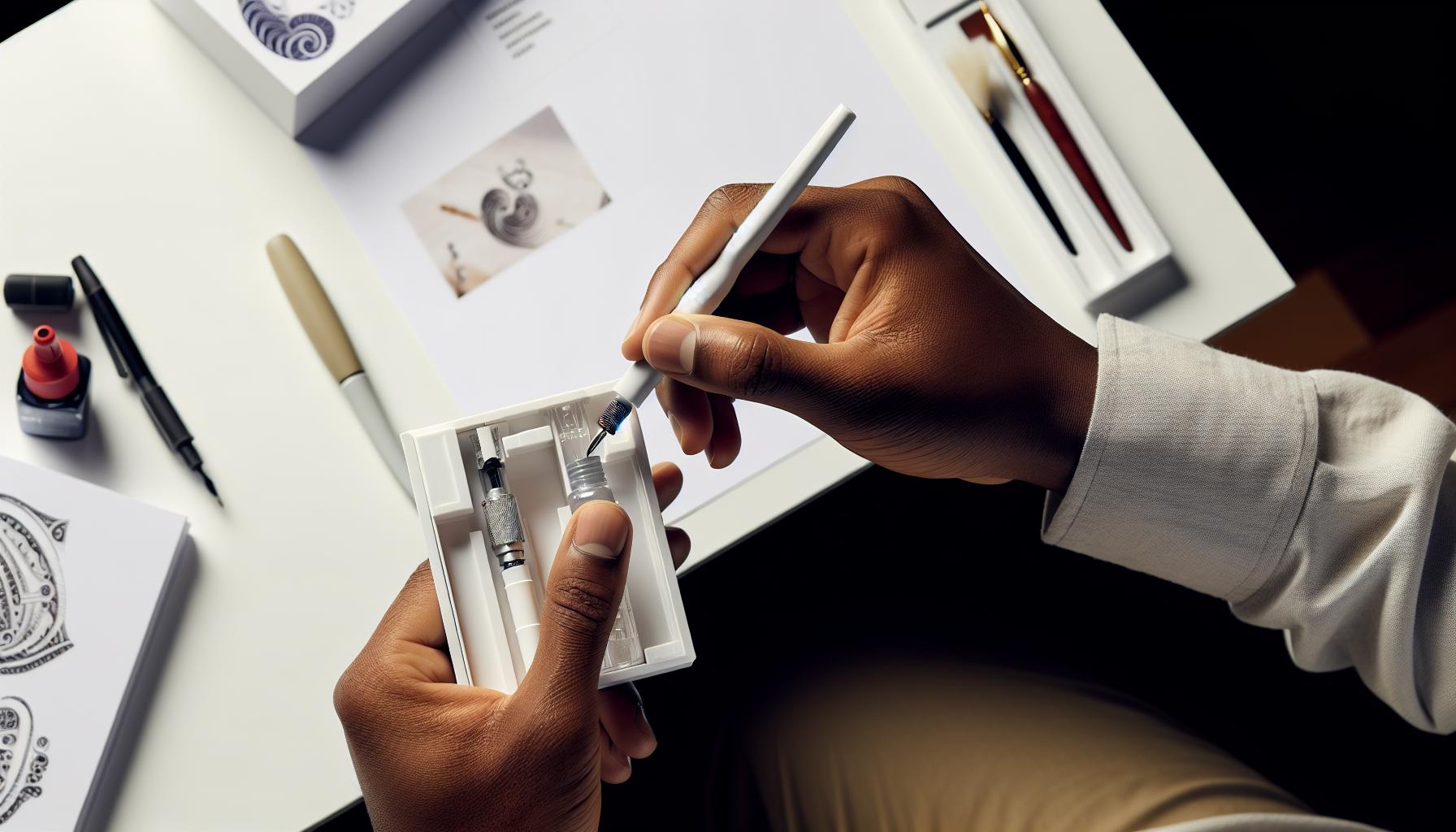
To pull an ink cartridge on a calligraphy pen, unscrew the barrel to expose the grip section, grasp the base of the depleted cartridge firmly with a paper towel, and pull straight outward away from the nib with a slight, gentle twist to release the suction seal without cracking the feed nipple.
Understanding Different Types of Calligraphy Ink
Different types of calligraphy ink can significantly impact both the process and the end result of your artwork. Understanding the distinction between them can elevate your skills and enhance the visual appeal of your projects. At the core, inks typically fall into two main categories: dye-based and pigment-based.
Dye-based inks are vibrant and offer smooth flow, making them ideal for beginners and those looking for bold colors. They tend to dry quickly and are often used in fountain pens or brush pens. However, they can be less lightfast and may fade over time if exposed to direct sunlight. On the other hand, pigment-based inks are known for their permanence and resistance to fading, which is crucial for archival works. They offer a more muted color palette and may require a bit more practice to master, as they can be more viscous and may clog finer nibs.
When replacing the ink in your calligraphy pen, consider the type of projects you’ll be working on. If you’re creating pieces that you want to last, opt for pigment-based inks. If you’re experimenting or learning, dye-based inks might be your best bet due to their accessibility and striking colors.
Using the right ink can dramatically improve your calligraphic practice. It affects not just the look but also the feel and flow of your writing instrument. So, take the time to explore and test different inks to see which one resonates with your style and meets your needs. Understanding these nuances will enhance your overall experience and help you produce beautiful, lasting calligraphy.
Choosing the Right Cartridges for Your Pen
Choosing the right cartridge for your pen can transform your calligraphy experience, making it smoother and more enjoyable. Many beginners underestimate the impact that cartridge selection can have on their work. The right cartridge not only affects ink flow but also the vibrancy and feel of your writing. When you choose wisely, you set the stage for beautiful, fluid lettering.
One of the first things to consider is the type of pen you’re using. Some pens are designed for specific cartridges, while others offer more versatility. Check the manufacturer’s recommendations to ensure compatibility. Do you prefer the bold colors of dye-based inks, or are you leaning more towards the permanence of pigment-based inks? Make your choice based on the projects you’re working on-if you’re crafting for longevity, pigment-based cartridges are a smart choice. For practice or quick projects, dye-based cartridges might be ideal since they are usually less expensive and readily available.
Next, think about the ink quality. Not all cartridges are created equal. Look for reputable brands known for their smooth flow and consistent performance. Reviews from other calligraphers can guide your choices significantly. When trying a new cartridge, consider purchasing a small pack first to see how well it performs in your pen and resonates with your style.
Finally, keep your own preferences in mind. Some calligraphers enjoy the subtle texture of specific inks and the feel of their nibs interacting with different media. Experimenting with various cartridges can reveal unexpected results that could deepen your appreciation for the art form. Whether you’re a beginner seeking to learn or a seasoned artist looking to perfect your craft, dedicating time to find the right cartridges pays off in your artistic journey.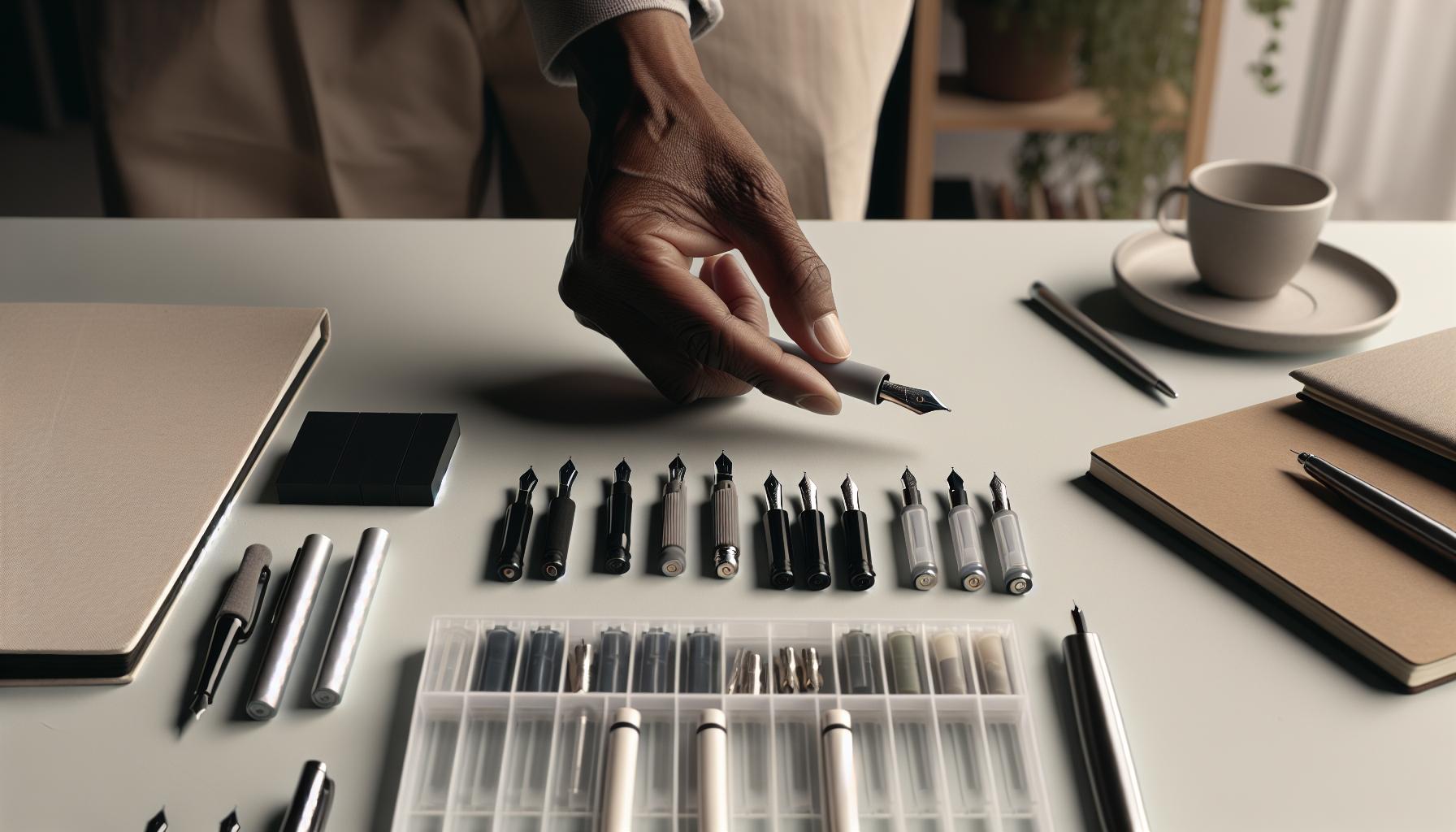
Step-by-Step Guide to Changing Ink Cartridges
Changing ink cartridges in a calligraphy pen can feel daunting, but with the right approach, it’s a seamless process that keeps your creativity flowing. First off, ensure you have your materials ready: a new cartridge, a paper towel or cloth, and your pen. You’ll want to work in a space that can handle a few ink spills-trust me, they happen!
Start by holding your pen firmly in one hand and gently twisting or pulling the old cartridge away from the nib. Some pens have a simple push-fit mechanism, while others may need a bit of finesse. If it resists, don’t force it, as you could damage the pen. Instead, check for any locking mechanisms or tabs that need to be disengaged. Once the old cartridge is out, you might notice a bit of ink residue; that’s normal. Use your paper towel to wipe it down, ensuring it’s clean and ready for the new cartridge.
Next, take your new cartridge and remove any protective seals or caps. Align it with the pen’s barrel and insert it firmly until you hear a click or feel it securely fit into place. This is crucial for ensuring a proper ink flow. After you’ve installed the new cartridge, give your pen a gentle shake or tap to encourage the ink to flow down to the nib. You might not see ink immediately; be patient! Sometimes, especially with thicker inks, it may take a moment for the ink to start flowing smoothly.
Finally, test your pen on a scrap piece of paper before you dive into your masterpiece. This ensures everything is working properly and allows you to get a feel for the new ink. If it’s not flowing immediately, don’t fret; just give it a few more shakes or lightly squeeze the barrel if your pen design allows it. Now you’re ready to enjoy your calligraphy with fresh ink!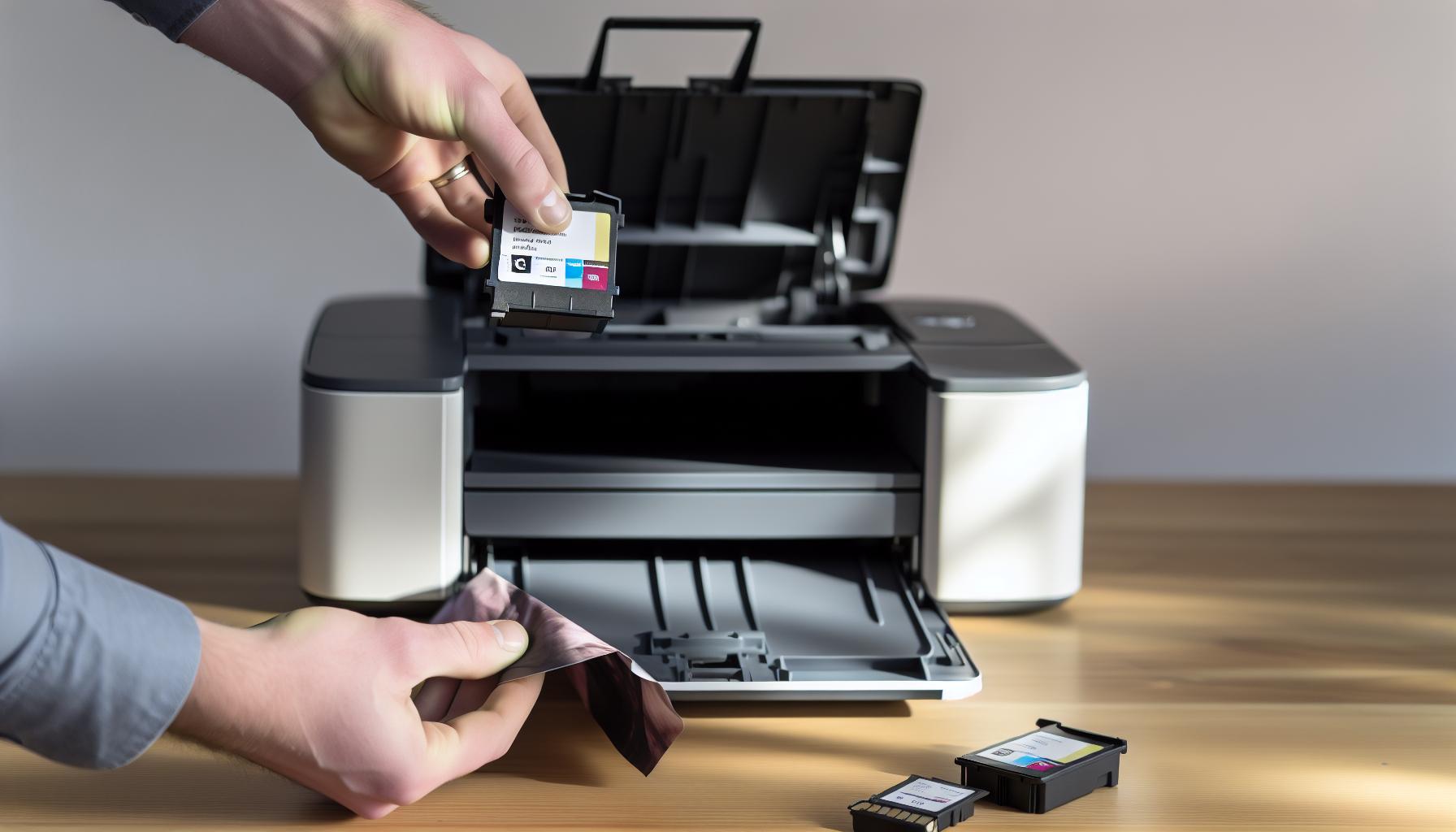
Tips for a Smooth Ink Swap Experience
Changing ink cartridges in your calligraphy pen can seem intimidating at first, but getting the swap right can actually enhance your creative flow. One of the key tips for a smooth experience is to always have a clean and organized workspace. Set up in an area where you feel comfortable and can afford a few minor ink spills. Use a paper towel to catch any messes; this will save you time and hassle later.
Another essential point is to follow the instructions that come with your pen. Each pen design can be slightly different, featuring unique cartridge mechanisms. Familiarize yourself with how your specific pen operates-does it have a twist, pull, or push mechanism? Wrong moves can lead to frustration, or worse, damaging your pen. If you’re unsure, watch a few tutorial videos online or consult the manufacturer’s guide, which can provide visual aids that help clarify the process.
When you’ve removed the old cartridge, inspect the new one carefully before insertion. Make sure there aren’t any protective seals that need to be removed. If your cartridge doesn’t feel secure once inserted, it may not flow properly, leading to skipped lines in your writing. Once you’ve installed the new cartridge, give your pen a couple of gentle shakes to help the ink start flowing. If the ink doesn’t flow right away, don’t panic-sometimes, it takes a moment for everything to settle. This patience will pay off when you see that first stroke on paper.
Lastly, always test your pen on scrap paper before diving into an important project. It may sound obvious, but this small step can save you from potentially messy or unsatisfactory results. Grab that paper and get a feel for your pen’s flow, ensuring you’re ready to create something beautiful. With these tips, you’ll swap ink cartridges smoothly and confidently, letting your creativity shine without interruption.
Common Mistakes When Replacing Ink
Changing ink in your calligraphy pen is more than just a simple swap; it’s a crucial moment that can dictate the success of your next masterpiece. Yet, even seasoned calligraphers can stumble over seemingly small details that turn the process into a frustrating affair. Here’s where understanding common pitfalls can save you time and energy, while ensuring your creative flow remains uninterrupted.
One of the most frequent mistakes is failing to check for protective seals on new cartridges. It may seem trivial, but neglecting to remove these can lead to ink not flowing properly, wasting both your time and resources. Another error is not securely connecting the new cartridge. If it doesn’t click or fit snugly, you might find yourself confronting skipped lines or interruptions in your writing. Always listen for that reassuring “click” when inserting a cartridge; it’s your confirmation that everything is in place.
Additionally, many people rush the initial ink flow. Patience is key here. After swapping cartridges, give your pen a gentle shake to encourage the ink to move, but resist the urge to immediately scribble away. Take a moment to let the ink settle. If you encounter gaps in flow after starting, it might just need a little coaxing.
Lastly, don’t underestimate the value of a pre-test on scrap paper. It’s an incredibly simple step that many overlook. Testing your pen not only ensures you’re ready to go but gives you a chance to familiarize yourself with the ink’s consistency and flow. This quick check can prevent disasters when you dive into an important piece.
By being mindful of these common mistakes, you can elevate your ink replacement routine from a chore into a seamless part of your creative process. Remember, preparation and awareness are your allies in a smooth ink swap!
How to Clean Your Calligraphy Pen After Ink Replacement
Cleaning your calligraphy pen after replacing the ink is a crucial step that many overlook. However, taking just a few minutes to do this can extend your pen’s life and enhance your writing experience. Residual ink can dry, clog, or even ruin delicate nibs, so don’t skip this part of your routine.
First, gather the right supplies: a small bowl of lukewarm water, a soft cloth or paper towel, and possibly a mild dish soap. Start by rinsing your nib gently under the lukewarm water. This helps dissolve any leftover ink. Avoid hot water, as it can warp some materials or loosen adhesive in your pen. If you’re working with a fountain pen, you may need to disassemble it according to the manufacturer’s instructions to access the nib more effectively.
After rinsing, gently wipe the nib and converter (if applicable) with the cloth to remove stubborn stains or residue. If you find that ink has hardened, a drop of mild dish soap in the water can aid in breaking down the ink. Just be sure to rinse all soap off thoroughly, as any residue could affect future ink flow. Once everything is clean, allow your pen to air dry completely before reassembling it or using it again.
Lastly, remember to clean your pen regularly-even if you’re switching between cartridges of the same color or brand. This practice not only ensures consistent ink flow but also helps maintain the integrity of your pen. With a little care, you can enjoy smooth, uninterrupted writing and keep your calligraphy tools in top shape for all your creative needs.
Maintaining Your Pen for Longevity and Performance
To get the most out of your calligraphy pen, taking a few simple steps to maintain it can significantly enhance its performance and longevity. Regular care isn’t just about keeping it clean; it’s also about ensuring that the pen is ready to deliver those smooth lines just when you need it. Did you know that neglecting your pen can lead to poor ink flow, snagging, or even permanent damage? Here’s how you can keep your writing instrument in top condition.
First off, always clean your pen after use. It’s tempting to just leave ink residue sitting, especially if you’re transitioning between colors. Residual ink can dry out and create blockages, making your next writing session frustrating. A gentle rinse with lukewarm water is often all it takes. For fountain pens, disassembling them will give you access to the nib and feed, ensuring a thorough clean. Remember, different inks can have varying levels of viscosity, so it’s essential to flush out any remnants to avoid cross-contamination.
Next, inspect your pen regularly for wear and tear. Check the nib for any bending or scratches; even slight imperfections can affect your writing quality. If your pen uses cartridges, make sure they fit snugly. Loose cartridges can lead to leaks or inconsistent ink flow. Investing in a good quality silicone grease can also help keep threads and seals running smoothly, extending the life of your pen, especially for those with converters.
Lastly, consider how you store your pen. Keeping it upright will help prevent ink from pooling in unintended areas, while a case can help protect it from dust and accidental damage. If you’ve got spare cartridges, store them away from heat and light, as these conditions can alter the ink’s composition. By paying attention to these details, you’ll not only enhance your writing experience but also safeguard your investment for many future masterpieces.
Exploring Alternative Inks for Calligraphy
If you think all calligraphy ink is created equal, think again. The world of ink offers a vast range of alternatives that can significantly enhance your writing experience, allowing for unique expression and creativity. Exploring these options can be both exciting and rewarding, especially when you find an ink that resonates with your style.
First up, let’s talk about pigment versus dye-based inks. Pigment inks tend to be more lightfast and resistant to water, making them ideal for artworks intended to last. They come in fewer colors compared to dye-based inks, which are vibrant and offer a broader palette but may fade over time. If you’re creating pieces that you want to stand the test of time, investing in high-quality pigment inks can be worth it.
Next, consider metallics and sheening inks. These specialty inks can add a dramatic flair to your calligraphy that standard inks often can’t match. Golds, silvers, and rich shimmer colors can elevate invitations, greeting cards, and art journaling projects. However, be mindful that these inks might require different maintenance and cleaning procedures for your pen, given their thickness and potential for clogging.
Another fascinating option is solvent-based inks. Known for their durability, these inks are perfect for writing on a range of surfaces, including leather and plastic. They might not be suitable for all pens, so always check compatibility before making a switch. Additionally, observe safety precautions when using these inks, as they can emit fumes that may not be ideal in enclosed spaces.
When it comes to choosing an alternative ink, testing is key. Don’t be afraid to experiment with different brands and types. Set aside some time to try out various inks on your preferred paper. This hands-on approach helps you discover the subtle differences in flow, dry time, and color saturation. The right ink can make a world of difference, turning a simple line into a work of art.
Incorporating alternative inks into your calligraphy arsenal not only broadens your creative horizons but also enhances the versatility of your writing. Whether you’re aiming for longevity, vibrancy, or unique textures, a little exploration can lead to remarkable results in your calligraphy projects. Embrace the journey of finding the perfect ink for your style!
Troubleshooting Ink Flow Issues
When you’re in the flow of creating beautiful calligraphy, nothing can be more frustrating than a pen that refuses to deliver ink smoothly. Ink flow issues can stem from several factors, but many can be easily resolved with a little know-how. Understanding these common problems can enhance your experience and keep your creativity flowing.
One major reason for poor ink flow is the compatibility of your cartridge with the pen. Always verify that you’re using the right cartridge type for your pen model. Mismatched cartridges can lead to inadequate ink delivery, making your writing experience feel uneven. Regularly check that the cartridge is seated properly. A loose cartridge can also interrupt the flow, so ensure it’s inserted securely.
Another common issue is dry ink or clogged nibs. If your pen has been sitting unused for a while, the ink can dry up and block the nib. To clear a clogged nib, gently flush it with water or use a specialized cleaning solution to break down any dried ink. It’s also helpful to periodically clean your pen, even if you’re not experiencing flow issues. This will help maintain optimal performance.
Temperature can significantly affect ink flow as well. If you’re working in a cold environment, the ink may thicken and become sluggish. On the other hand, excessive heat can cause ink to become runny or evaporate. Find a comfortable, consistent working environment to keep your ink and pen operating smoothly.
Lastly, consider how you’re holding your pen. An awkward grip can restrict ink flow. Experiment with your hold and angle as this can sometimes enable better ink delivery. If you’re still struggling, try switching inks. Some inks flow better than others depending on your specific pen and writing style.
By paying attention to these factors, you’ll be better equipped to troubleshoot and resolve ink flow issues. Keep experimenting and enjoy the process of honing your calligraphy skills!
Enhancing Your Calligraphy with Proper Ink Use
When you nail the ink choice for your calligraphy, your work transforms from good to jaw-droppingly great. The right ink can amplify your style, enhance your flow, and ensure every letter pops with personality. It’s not just about swapping cartridges; understanding how ink behaves with your specific pen can elevate your art.
To truly enhance your calligraphy, first, consider the viscosity of the ink. Thicker inks tend to create more pronounced, textured lines, perfect for bold styles, while thinner inks offer delicate strokes that sing in light scripts. If you’re aiming to convey emotion or flair, choose inks that complement your artistic intention. For example, shimmering or metallic inks can add an eye-catching finish, making your work stand out in any context.
Experimenting with Color is another game-changer. Calligraphy thrives on color dynamics. Don’t just stick to black or blue; explore variants! Pastel shades are fantastic for soft invitations, while vibrant colors suit lively projects. Keep in mind your work’s purpose; corporate materials may benefit from subdued tones, while personal greetings can embrace playful palettes.
Lastly, remember that proper ink storage is essential for maintaining performance. Keep your cartridges in a cool, dry place to prevent drying out or leakage, and don’t forget to clean your pen regularly. A well-maintained pen will deliver ink smoothly, ensuring that every stroke reflects your skill and creativity. Embrace these tips, and watch your calligraphy flourish with each fluid line you create.
Storing Unused Cartridges: Best Practices
Storing your unused ink cartridges properly can make a significant difference in their longevity and performance. Let’s face it: there’s nothing worse than reaching for that perfect color only to find it dry or leaking. To keep your cartridges in prime condition, follow these essential guidelines.
First off, temperature matters. Store your cartridges in a cool, dry environment away from direct sunlight. Extreme temperatures can weaken the cartridge structure and affect the ink quality. Ideally, keep them between 60°F to 75°F (15°C to 24°C).
Next up: position. Always store ink cartridges upright. This prevents any trapped air bubbles from disrupting the ink flow when you finally use them. It’s tempting to toss them into a drawer, but take a moment to organize them neatly in a box or a case specifically designed for ink storage.
Also, pay attention to expiration dates. Like many art supplies, ink can lose its quality over time. Check your cartridges regularly, and don’t hesitate to discard any that are getting old. It’s better to replace them than to risk a disappointing workflow-or worse, a ruined project.
Finally, consider a designated ink-storing container with a moisture-absorbing element, like silica gel packets, to keep excess humidity at bay. This is especially important if you live in a humid climate. By following these simple but effective practices, you’ll ensure that your ink cartridges are always ready to deliver smooth, vibrant lines every time you pick up your pen. Keep your inks in top shape, and your calligraphy will shine beautifully!
Frequently Asked Questions
Q: How do I know when to replace the ink cartridge in my calligraphy pen?
A: You should replace the ink cartridge in your calligraphy pen when you notice the ink flow slowing down, skipping, or producing faded lines. Regularly check for these signs, especially if you’re using the pen frequently. Keeping an eye on ink levels ensures a smooth and uninterrupted writing experience.
Q: Can I use different brands of ink cartridges in my calligraphy pen?
A: It’s essential to use ink cartridges compatible with your specific calligraphy pen brand. Mixing brands can lead to poor ink flow or damage to the pen. Always check the manufacturer’s recommendations for the best results. Stick to known brands for optimal performance.
Q: What should I do if my calligraphy pen is leaking after changing the ink cartridge?
A: If your pen leaks after changing the cartridge, first check if the cartridge is properly inserted. Make sure it’s seated correctly and tightened. If the problem persists, try a different cartridge, as it may be defective. Clean the pen thoroughly to prevent leftover ink buildup.
Q: How can I prevent my calligraphy ink cartridges from drying out?
A: Store ink cartridges in a cool, dark place away from direct sunlight and heat. Always cap your pen when not in use and avoid leaving it uncapped for extended periods. Regular use also helps keep the ink moist and ready for writing.
Q: What are the benefits of using refillable ink cartridges in calligraphy pens?
A: Refillable ink cartridges are environmentally friendly and cost-effective over time. They allow you to choose your favorite inks and customize colors, giving you greater creativity in your calligraphy projects. Investing in refillable options can enhance your writing experience.
Q: How long does an ink cartridge typically last in a calligraphy pen?
A: The lifespan of an ink cartridge varies based on usage, but generally, it can last anywhere from a few days to several weeks. Factors like writing frequency and style impact how quickly the ink depletes. Monitor your writing habits to gauge when you might need a replacement.
Q: Is it necessary to clean my calligraphy pen after changing the ink cartridge?
A: Yes, cleaning your calligraphy pen after changing the ink cartridge is highly recommended. This prevents ink contamination and ensures optimal flow for your new cartridge. Follow cleaning guidelines in your specific pen’s manual for best practices.
Q: What can I do to troubleshoot ink flow issues in my calligraphy pen?
A: To troubleshoot ink flow issues, start by checking for a clogged nib or dried ink. Gently clean the nib and feed with water or a suitable cleaning solution. Ensure the ink cartridge is correctly installed and filled. Regular maintenance can help avoid many flow problems.
For detailed tips and insights, check out sections on Troubleshooting Ink Flow Issues and How to Clean Your Calligraphy Pen After Ink Replacement in our article. Explore further for a smoother writing experience!
Insights and Conclusions
Now that you know how to replace ink in your calligraphy pen smoothly, it’s time to put that knowledge into practice! Remember, keeping your pen loaded with fresh ink not only enhances your writing experience but ensures your creativity flows uninterrupted. If you have any lingering questions or need tips on related topics, feel free to check out our articles on “Choosing the Best Ink for Calligraphy” and “Maintaining Your Calligraphy Tools.”
Don’t forget to subscribe to our newsletter for more insights into enhancing your artistic skills and stay updated on new content. Your journey in the world of calligraphy is just beginning-let’s make it an inspiring one! Share your thoughts and experiences in the comments below; we can’t wait to hear how your ink-swapping adventures turn out!
How to Pull Ink Catridge on Calligraphy Pen Without Leaks or Damage
Learning how to pull ink catridge on calligraphy pen mechanisms correctly prevents cracked feed nipples, ink-splattered fingers, and internal vacuum locks. Whether you are swapping spent ink or transitioning between contrasting pigment tones, following a structured extraction technique protects your pen’s delicate internal components:
| Extraction Stage | Correct Hand Technique | Critical Precaution |
|---|---|---|
| 1. Barrel Disassembly | Twist barrel counter-clockwise while holding ribbed grip section firmly | Never grip or torque the flexible nib tines |
| 2. Vacuum Release & Pull | Wrap cartridge base in tissue; pull straight back with a 2-degree micro-twist | Avoid sideways lateral bending which snaps plastic feed nipples |
| 3. Section Flushing | Submerge grip section in lukewarm water or bulb-syringe flush before re-seating | Prevents dried sludge from cross-contaminating fresh ink cartridges |
Pro Tips for Removing Jammed or Stubborn Cartridges
- Rubber Grip Pad: If the cartridge plastic is slick, use a small piece of latex rubber or clean silicone jar opener around the cartridge wall to multiply torque without cracking thin plastic.
- Warm Water Soak: If dried dye acts as adhesive between the cartridge bore and the feed collar, soak the submerged assembly in room-temperature water for 3–5 minutes to dissolve dried sugar binders.
- No Pliers: Never apply metal pliers or wire cutters to extract a stuck cartridge; crushing force will permanently shatter the pen’s internal receiver bore.
Frequently Asked Questions About Pulling Calligraphy Cartridges
How do you pull an ink cartridge on a calligraphy pen safely?
Unscrew the pen barrel to expose the grip section, grasp the base of the cartridge firmly with your thumb and forefinger (wrap in a paper towel to avoid ink stains), and pull straight outward away from the nib with a subtle, gentle twist to release the suction seal without snapping the feed nipple.
What should you do if an ink cartridge is stuck inside the pen barrel?
Never use metal pliers which crack the plastic barrel. Soak the joint in lukewarm water for 5 minutes to dissolve dried ink crust, or use a small piece of blue painter tape or a rubber grip pad around the cartridge rim to give extra purchase.
Get our latest guides, news, and insights highlighted in your Google Search & AI Overviews.