Consistent calligraphy ink flow is achieved by thoroughly stripping factory protective oils from new nibs, tuning ink viscosity with a drop of gum arabic or distilled water, and mounting a metal reservoir clip 1mm above the tip to maintain an unbroken capillary meniscus during heavy downstrokes.
In the world of calligraphy, ink flow can make or break your writing experience. Have you ever struggled with uneven ink distribution, causing your strokes to sputter or skip? You’re not alone. Knowing how to properly ink a calligraphy pen is essential to achieving those smooth, consistent lines that bring your artistic vision to life. Whether you’re a beginner or a seasoned scribe, mastering this technique can elevate your work and unleash your creativity. In this guide, we’ll walk you through the simple yet effective steps to load your pen for perfect flow, ensuring that each letter glides effortlessly onto the page. Get ready to transform your calligraphy practice and produce beautiful, fluid designs with ease!
Calligraphy Ink Flow: Professional Tips, Viscosity Tuning & Nib Prep
When studying calligraphy ink flow professional tips, master scribes know that 90% of flow issues—such as railroading, hard starts, and ink drops pooling on paper—stem from poor nib preparation and incorrect fluid viscosity rather than flawed hand technique:
| Flow Symptom | Root Mechanical Cause | Professional Remedy | Optimal Additive |
|---|---|---|---|
| Ink Won’t Flow (Hard Starts) | Factory protective oil repelling water-based ink | Stick nib into raw potato for 5 mins or clean with rubbing alcohol | None (Degrease surface) |
| Railroading (Hollow Double Lines) | Ink viscosity too thick to span flexing tines | Dilute with drops of distilled water; stir thoroughly | 1 drop of distilled water |
| Instant Ink Blobbing / Pooling | Surface tension too weak; ink rushes out all at once | Thicken ink; install or tighten reservoir clip | 1–2 drops of liquid gum arabic |
| Paper Bleeding & Feathering | Ink too wet for low-sized, porous craft paper | Switch to sized paper (Rhodia / Bristol) or thicken ink | Gum arabic or switch to iron gall |
The 3-Step Master Ink Prep Routine
- Step 1: Always degrease new nibs: Brand-new nibs arrive with an invisible oil coat to prevent rust in transit. Rub with toothpaste on a soft paper towel and rinse before inking.
- Step 2: Position the reservoir properly: If using a clip-on reservoir, ensure it sits exactly 1mm behind the nib’s slit tip. Touching the tip directly creates unwanted blobs.
- Step 3: Prime with water: If your pen sits idle for 60 seconds, touch the nib tip to a damp paper towel or water drop to instantly re-activate flow without re-dipping.
Frequently Asked Questions About Calligraphy Flow
What are the best professional tips to improve calligraphy ink flow?
To achieve flawless ink flow, always strip the factory oil from new nibs using alcohol or potato starch, attach a reservoir clip 1mm above the tip, and tune ink viscosity: add a drop of distilled water if ink drags, or a drop of gum arabic if it blobs onto paper.
How Ink Types Affect Your Calligraphy
Choosing the right ink for your calligraphy project can dramatically transform your writing experience and the overall aesthetic of your work. Ink types vary significantly in their characteristics-some are highly pigmented and perfect for vibrant designs, while others may be more muted or pastel, providing subtle elegance. Understanding how these differences affect your writing is key to achieving the desired outcome.
For instance, pigmented inks are known for their brightness and clarity. Inks like those from Bombay offer a rich vibrancy that’s essential for projects requiring bold expressions. They are also lightfast, so your creations remain stunning over time. On the other hand, if you prefer softer hues, consider using muted or pastel inks that enhance a more gentle style. Brands like Written Word Calligraphy have specific collections dedicated to these unique tones, perfect for adding a delicate touch to your designs.
Another crucial element is the viscosity of your ink. Thicker inks can lead to richer, more expressive strokes but may also clog your nib if not handled carefully. More fluid inks flow smoothly, providing quick and effortless writing but may require a steady hand to manage pooling or blotting. Testing various inks with your chosen nib and paper can help you find the perfect match, ensuring that your calligraphy flows seamlessly.
Finally, remember that ink isn’t just about color; it also affects the texture and feel of your writing. For instance, a matte ink can provide a different tactile experience compared to a glossy one. It’s worth experimenting with a few different types to discover what resonates best with your personal style and the techniques you wish to explore. Ultimately, the right ink will not only enhance the beauty of your work but also elevate your writing experience significantly.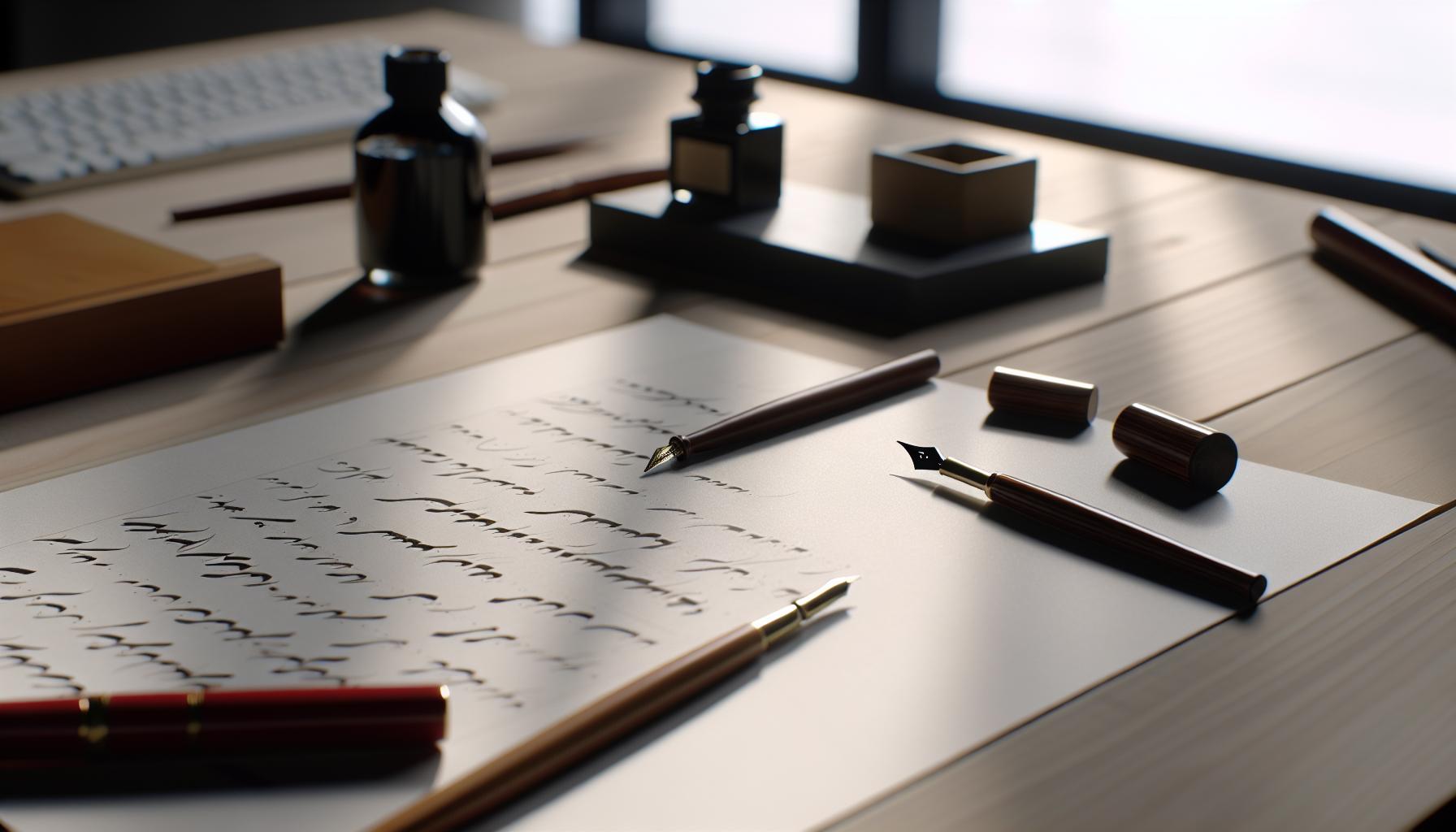
Choosing the Right Calligraphy Pen
Selecting the right calligraphy pen can make all the difference in your writing experience. It’s not just about aesthetics; the right pen can enhance your flow and control, making each stroke feel effortless and precise. When you’re browsing for calligraphy pens, consider your writing style, the types of projects you tackle, and your personal preferences.
There are primarily two types of calligraphy pens: dip pens and fountain pens. Dip pens, which come with interchangeable nibs, allow for a broader range of expression and can handle various ink types, including thicker inks. They’re fantastic for creating distinct styles and intricate designs. Fountain pens, on the other hand, offer convenience with built-in ink cartridges or converters. They’re excellent for consistency and everyday use, especially good for those who prefer smooth, fluid strokes without the need to constantly dip into ink.
When it comes to nib selection, look for different nib sizes and styles. For broader strokes, a broad nib or italic nib can create a dramatic effect, ideal for headers or decorative pieces. Thinner nibs are better for fine details or smaller lettering. Don’t hesitate to experiment with different nibs to find the one that suits your style best. The pen’s grip, weight, and balance are also crucial-these factors greatly affect how comfortable it feels during longer writing sessions.
Lastly, don’t overlook the importance of personal touch. Sometimes, a pen that feels right in your hand might not be the most technically advanced. If you connect with a pen’s design or feel, that can inspire your creativity and elevate your work. So, take your time exploring various options, and remember: the best calligraphy pen is the one that feels like an extension of your artistic expression.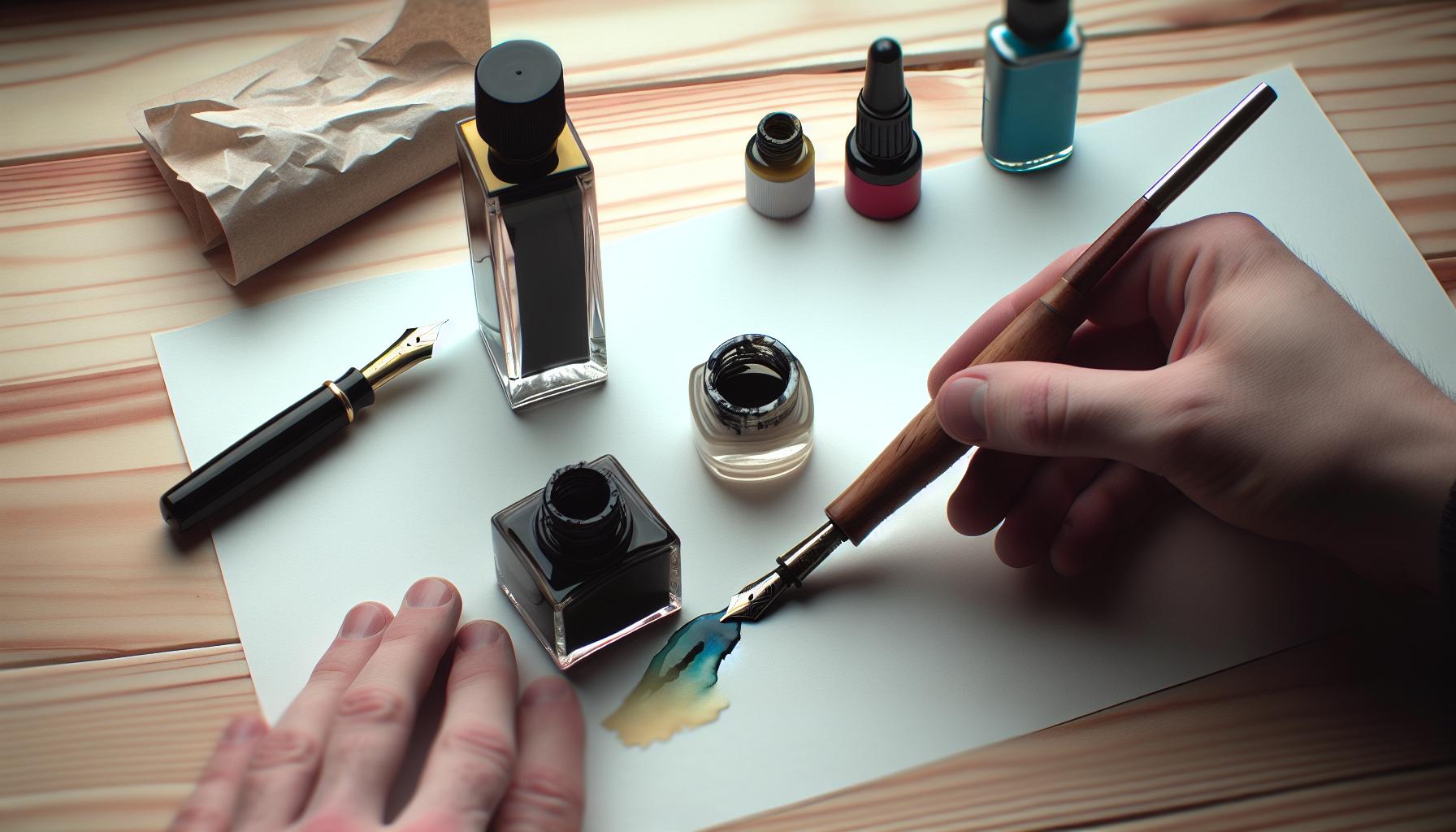
Step-by-Step: Loading Your Pen with Ink
Loading your calligraphy pen with ink is crucial for achieving that smooth, beautiful flow you crave in your writing. Whether you’re using a fountain pen or a dip pen, the method you choose can affect not just how the ink travels to the nib, but also how it distributes on the paper. Here’s how to get it right every time.
For fountain pens, start by choosing the right type of ink cartridge. Most pens come with disposable cartridges that fit snugly into the body of the pen. Hold the pen upright and gently insert the cartridge into the nib section until you feel it click into place. You might need to push firmly, but avoid using excessive force as this can damage the pen. If you’re using a converter, fill it with your desired bottled ink before attaching it to the nib section following the same method. Always give the pen a minute to allow the ink to flow to the nib.
With dip pens, the process is a bit different but just as straightforward. First, choose your ink-this is where you can explore various shades and types that suit your style. Use a droplet or glass pen to collect the ink and dip the nib into it, ensuring only the tips get immersed to avoid excess ink dripping. A well-loaded nib should draw ink about halfway up the nib’s vent hole. Shake off any excess gently before writing. As you write, you might need to dip the nib again, so keep your ink nearby for quick access.
Remember, whether you’re using a cartridge fountain pen or a dip pen, ink consistency is key. Thicker inks may require more frequent loading to maintain flow, while thinner inks often glide easily. Don’t forget to wipe the nib regularly to avoid ink build-up, which can affect ink flow and performance. With practice, loading your pen becomes second nature, and you’ll soon enjoy uninterrupted calligraphic expressions on paper.
Troubleshooting Ink Flow Issues
Struggling with ink flow while writing can be one of the most frustrating experiences for any calligrapher, whether you’re a seasoned pro or just starting out. When that beautiful nib fails to deliver a smooth line, it not only disrupts your flow but can also dampen your creativity. Fortunately, can often be a straightforward process, rooted in a few common practices that can save your writing session.
First, check your nib for clogs. Ink residue, dust, or even tiny fibers can obstruct the flow. A quick rinse with water can often clear these blockages. If you’re using a dip pen, ensure that you’re not dipping the nib too deep into the ink; this can lead to excess ink causing blotting or skipping. Aim for just the tip to be immersed. On the other hand, if you’re using a fountain pen, make sure the feed is properly aligned with the nib, and consider giving the pen a gentle squeeze (while it’s capped) to help the ink travel downwards to the nib.
Another crucial factor is the type of ink you’re using. Thicker inks or those with a high pigment concentration can be beautiful but may require more frequent dipping or a bit of thinning with distilled water. Conversely, if your ink is too thin, it might not adhere well to the nib, leading to a lack of control while writing. Always do a quick test on scrap paper to gauge performance before moving on to your intended project.
Additionally, environmental factors such as humidity can impact ink flow. In drier conditions, inks may thicken; whereas in more humid environments, they can become too fluid. Keeping your pen in a consistent climate can alleviate these issues. Regular maintenance, like cleaning your nib and ensuring proper ink consistency, plays a key role in achieving that ideal flow you desire. Don’t forget to experiment with different inks and nibs to find what feels best for your personal style!
Enhancing Your Calligraphy: Tips for Smooth Writing
Whether you’re a seasoned calligraphy artist or just starting out, smooth writing is essential for beautiful lettering. The flow of your pen is directly influenced by how you load your ink, and some simple techniques can dramatically enhance your experience.
To achieve a consistent line, make sure you’re using the right ink for your pen type. For dip pens, opt for thicker inks that provide rich color but require frequent dipping. Water-based inks are great, too, but consider thinning them with distilled water if they’re too viscous. A good rule of thumb is to test your ink on scrap paper before committing it to your project. This quick check helps you gauge how the ink flows and adheres to the paper.
Your grip and angle matter, too. Hold your pen at a 45-degree angle to maintain an optimal flow. Ensure your nib is clean and free of any obstructions-clogs can cause serious disruption during your writing. When you dip your pen, avoid immersing it too deeply; just the tip should be in the ink. This prevents excess ink from causing blots while also ensuring that the nib is primed for smooth strokes.
Lastly, if you notice the ink isn’t flowing well, consider your writing surface. A smoother paper can make a world of difference, allowing the ink to glide effortlessly. And always remember, practice makes perfect; so keep experimenting with different combinations of pens, inks, and techniques until you find what feels right for you. Happy writing!
Cleaning Your Calligraphy Pen for Longevity
To keep your calligraphy pen in prime condition, regular cleaning is non-negotiable. If you want smooth ink flow and vibrant strokes, taking time to care for your nib will pay off in the long run. Blockages from dried ink or residue can not only hinder your writing but can also damage the nib itself. Think of cleaning your pen as a ritual-one that elevates your craft and prolongs the life of your tools.
Start by rinsing the nib in lukewarm water after each use. This simple step will remove most inks and prevent them from setting. If you’re using acrylic inks, which can be tougher to clean, don’t hesitate to dip the nib in a small bowl of water mixed with a bit of dish soap. For stubborn residues, an old toothbrush works wonders-just be gentle to avoid scratching the nib. Always ensure you allow the nib to dry fully before storing it away, as moisture can lead to rust over time.
When you need a more thorough cleaning, consider using specialized pen cleaners available on the market. These cleaners are designed to dissolve ink more effectively than water alone. If you happen to enjoy experimenting, a quirky, yet effective method is using a potato! Simply insert the nib into a raw potato for a few seconds, then rinse it under water. The starch in the potato can help lift stubborn ink particles.
Remember, cleaning isn’t just about removing ink; it’s about maintaining the integrity of your tools for optimal performance. Your calligraphy will thank you with every stroke. So, don’t skimp on this crucial part of your routine-your work deserves the care!
Exploring the Best Inks for Calligraphy
Choosing the right ink for your calligraphy can make or break your experience. Not all inks are created equal; some are too watery, others too thick, and many don’t offer the pigment richness needed for beautiful lettering. When selecting ink, focus on performance characteristics like flow, opacity, and drying time. Opt for inks specifically designed for calligraphy, as they ensure smooth application and consistent results.
When trying various inks, consider your project goals. For instance, if you’re working on a wedding invitation, you might gravitate toward high-quality, pigmented inks for their vibrant appearance. Brands like Speedball offer a range of calligraphy inks that boast rich color and smooth flow, making them ideal for detailed work. Similarly, look into pastel collections if you want to add a unique flair to your artwork, as these nuances can bring your calligraphy to life in a subtle yet captivating way.
Maintaining consistent ink flow can depend heavily on the type of ink you choose. Some inks dry quickly, which can be an advantage when working in a humid environment but might require a more frequent dip during single-use projects. Others remain wet longer, allowing for more extended writing sessions but necessitating careful handling to avoid smudging. To navigate these challenges effectively, test out a few options to find your personal favorites that suit different occasions.
Lastly, don’t overlook how your ink interacts with the paper. The texture and absorbency of the paper can greatly influence the final look of your calligraphy. Always pair your chosen ink with compatible paper to achieve the best results. By experimenting with different combinations, you’ll discover what works best for your flow and your style. Happy calligraphying!
Maintaining Consistent Ink Flow in Different Conditions
Maintaining a steady ink flow while working on your calligraphy can sometimes feel like battling the elements. Changes in temperature, humidity, and even the type of paper you’re using can influence how well your ink flows. Here’s how you can adapt to different conditions and keep your writing smooth and beautiful.
When you’re writing in a humid environment, inks with quick-drying properties can save the day. If you find your ink is too sluggish under humid conditions, consider switching to one with a faster drying time. Always carry a few options; being prepared can help you counteract variable conditions. On the flip side, in dry climates, you might notice the ink tends to dry out more quickly than usual, which can lead to clogged nibs. In these cases, keep your ink liquid by using a drop or two of distilled water or a flow improver made specifically for calligraphy ink.
If you’ve been using the same ink for a long time, you may start to notice it behaving differently as conditions change. Unlike regular inks, calligraphy inks can be sensitive. Before starting a new session, try a quick test on scrap paper. This gives you a good idea of how the ink performs and whether it’s flowing consistently. Look for patterns-if the ink is pooling or skipping, it’s a sign you need to either adjust your technique or switch up inks.
Finally, consider your writing surface. The texture and absorbency of paper can make or break your flow. A rough surface may absorb ink too quickly, causing inconsistency, while overly smooth papers might not allow enough ink to be deposited onto the page. Experiment with different types of paper-practice with lower-quality options until you find what works best for your specific ink and conditions. Achieving the perfect paper-ink combination is key to maintaining a seamless flow throughout your calligraphy journey.
By staying mindful of your environment and the tools at your disposal, you’ll not only maintain consistent ink flow but also elevate the quality of your work. Keep testing and adapting; each piece you write is an opportunity to master your craft.
Advanced Techniques for Professional Calligraphers
When you’ve mastered the basics of calligraphy, it’s time to elevate your game. Advanced techniques can transform your writing from merely attractive to truly exceptional. One of the biggest challenges for any calligrapher is maintaining that perfect ink flow. It’s not just about the type of ink or pen-it’s about the entire process, including how you load the ink and adapt your technique to suit different styles and papers.
Start by exploring different loading methods. Dipping your nib directly into the ink bottle allows for a deep saturation, which is particularly useful for thick, flowing letters. Conversely, using a converter or cartridge can give you more control over the ink flow and help prevent overflow or clogs. Experiment with both techniques to find which suits your style. Additionally, incorporating a flex nib can give you expressive line variation, but it also requires practice to understand how much pressure to apply.
Create the Right Environment
Your writing environment plays a crucial role in ink flow. High humidity can cause ink to feel sluggish, whereas dry conditions can dry ink on the nib too quickly. Consider your workspace-using a humidity-controlled room or an ink humidifier can significantly improve performance. I often switch inks based on the season; lighter, water-based inks in summer and thicker inks in the winter.
Master the Angle
Another game-changing technique is mastering the angle of your pen. A slightly tilted approach not only helps with ink flow but also can create fascinating textures in your lettering. For instance, if you tilt your pen at around 30 degrees, you can achieve a smooth line with fewer skips. This requires practice, so get comfortable adjusting your grip and angle on the fly.
Finally, don’t forget about maintenance. Regularly clean your nib and pen to prevent buildup and ensure consistent flow. I’ve found that using a simple solution of warm water and mild soap often does the trick. Rinse thoroughly and let dry completely before storing. Consistency is key in calligraphy, and a little extra care can lead to significant improvements in your work.
By integrating these advanced techniques and adapting your approach, you’ll not only refine your ink loading process but will also enhance your overall calligraphy skills. Keep pushing boundaries, and don’t be afraid to experiment-each stroke is an opportunity to create something uniquely yours.
Calligraphy Pen Accessories You Should Know About
When it comes to elevating your calligraphy practice, the right accessories can make a significant difference in your experience and results. One of the most vital tools you can invest in is a quality ink well or bottle. Unlike simple dips, having a versatile ink well allows you to easily refill your nib without worrying about spills, and some designs even minimize air exposure to keep your ink fresh for longer.
Consider adding a nib cleaning solution to your toolkit. This not only prolongs the life of your nibs but also keeps ink flow smooth. Regular maintenance ensures that you won’t face unexpected clogs during your creative sessions. A simple cleaning regimen is often all it takes-just swish your nib in a small dish of cleaning solution or warm, soapy water right after use and let it dry.
Don’t underestimate the impact of a well-designed calligraphy pen holder. Whether you’re using an oblique holder for italic styles or a straight holder for traditional scripts, choosing one that suits your grip and preferences is crucial. Look for adjustable holders that can support multiple nib sizes, allowing you to experiment with different styles without having to purchase new holders each time.
Finally, consider investing in a good quality paper variety. The surface texture of your paper can either enhance or hinder ink flow. Heavier, smooth papers typically provide a better writing experience, preventing ink from feathering or bleeding. Having a selection of papers handy ensures you’re always prepared, regardless of technique or ink type. With these accessories in your arsenal, you’ll find that not only is your calligraphy more enjoyable, but your results will flourish as well.
Inspiration: Stunning Calligraphy Projects to Try
Get ready to unleash your creativity! Calligraphy is not just about beautiful handwriting-it’s a gateway to crafting stunning art pieces that express your personality and style. If you’re looking for fresh projects to inspire your work, consider diving into these ideas that will showcase your skills and let your newly inked pen flow effortlessly.
One fantastic project is creating custom greeting cards. Whether for birthdays, weddings, or holidays, hand-lettered cards add a personal touch that store-bought ones just can’t match. Use a variety of ink colors and styles to make each card unique. Experiment with different fonts-maybe a bold script for the main message paired with a delicate print for the details. As you load your pen, think about how ink flow can affect the richness of your letters-smooth, consistent ink will make those curves and flourishes sing.
Another exciting challenge is designing a calligraphic quote for framing. Choose a meaningful phrase or an inspiring quote; then, accentuate it with decorative elements such as flourishes or illustrations. Play with different sizes and styles of nibs to achieve varied line weights, enhancing the visual appeal. This project not only serves as decor for your space but also elevates your skills in managing ink flow while adding those intricate details.
You can also transform ordinary items into extraordinary pieces through personalized calligraphy. Consider adding your lettering to items like tote bags, canvas pouches, or even ceramics. By practicing how to load your pen just right, you can achieve the perfect balance of rich color and fluid lines. These custom items make for excellent gifts, and the recipients will appreciate the unique touch.
Lastly, why not host a calligraphy workshop? Gather friends or fellow enthusiasts and guide them through calligraphy techniques. Prepare sample projects for them to try their hand at, like envelope addressing or monogram design. Sharing your knowledge not only reinforces your own skills but also encourages creativity in others. Plus, seeing the joy on their faces as they load their pens for the first time is truly rewarding.
These projects are just starting points. Allow your imagination to flourish, and remember:
– Use varied ink types to explore different effects.
– Experiment with papers to find what enhances your style best.
– Always have your pen properly loaded for the best writing experience.
Your calligraphy journey is only limited by your creativity!
Frequently asked questions
Q: How do I know if my calligraphy pen is properly inked?
A: You can check if your calligraphy pen is properly inked by doing a quick test on scrap paper. If the ink flows smoothly without skipping, your pen is ready. If it sputters or flows unevenly, you may need to reload or adjust the ink level.
Q: Why is my calligraphy pen skipping while writing?
A: Skipping can happen due to dry ink or an improperly loaded nib. Ensure your nib is suitable for the ink type, and try reloading your pen by following the proper steps in your guide on loading calligraphy pens. This can enhance your flow significantly.
Q: What should I do if my ink is too thick for my calligraphy pen?
A: If your ink feels too thick, consider diluting it slightly with distilled water or switching to a pen designed for thicker ink. This adjustment can improve flow and reduce clogs, especially for detailed work.
Q: How can I fix an ink flow problem in my calligraphy pen?
A: To fix ink flow issues, start by cleaning the nib with warm water and ensure there are no blockages. Sometimes, air bubbles can interrupt flow, so tapping the pen gently can help. For further detailed troubleshooting, refer to the troubleshooting section of your article.
Q: Is it necessary to use specific types of ink for calligraphy pens?
A: Yes, using the right ink is crucial for optimal performance. Always select ink recommended for your pen type; for example, fountain pens need liquid ink, while dip pens may work best with thicker, more viscous inks. This ensures a smoother writing experience.
Q: When should I clean my calligraphy pen?
A: Clean your calligraphy pen after every use to prevent ink from drying and clogging the nib. If you switch ink colors or types, cleaning is essential to maintain the quality of your calligraphy. Regular maintenance extends the pen’s lifespan significantly.
Q: Can I use acrylic ink in my calligraphy pen?
A: Using acrylic ink is generally not recommended for most calligraphy pens as it can clog the nib. If you must use it, ensure it’s properly diluted and specifically designed for your pen. Refer to your article for safe ink recommendations.
Q: What are some techniques to improve my calligraphy ink flow?
A: To improve ink flow, make sure to use quality ink, regularly clean your nib, and load the pen correctly. Consider using a gentle hand pressure while writing, and practice consistent speed. Visit the enhancing tips section of your article for more detailed advice.
In Summary
Now you’re ready to tackle your calligraphy with confidence! By mastering how to ink a calligraphy pen, you can ensure perfect flow and beautifully consistent lines every time. Whether you’re addressing wedding invitations or crafting personal art, the right inking technique elevates your work to the next level. If you have any lingering questions or need more tips, don’t hesitate to check out our articles on choosing the best calligraphy tools or the art of letter alignment.
Ready to explore more? Dive into our selection of calligraphy pens or explore our resources on perfecting your technique. Don’t forget to sign up for our newsletter for the latest tips, trends, and exclusive offers. Your journey into the stunning world of calligraphy starts today-let your creativity flow! Share your inking experiences and join our community; we’d love to see the magic you create!
Get our latest guides, news, and insights highlighted in your Google Search & AI Overviews.