
Cleaning your calligraphy pen nib isn’t just about keeping it shiny; it’s essential for maintaining the smooth flow of ink and ensuring your artistry isn’t compromised. Did you know that regular maintenance can extend the life of your nib and improve your writing experience? Whether you’re a seasoned calligrapher or just starting out, you’ve probably encountered stubborn ink or clogged nibs that can disrupt your creative flow. The good news is that cleaning your nib is simple and requires no fancy products-just some good old tap water and a few household items. This guide will walk you through the essential steps to keep your nibs in top shape, allowing you to focus on what you love: beautiful writing. Let’s dive in and make maintenance a breeze!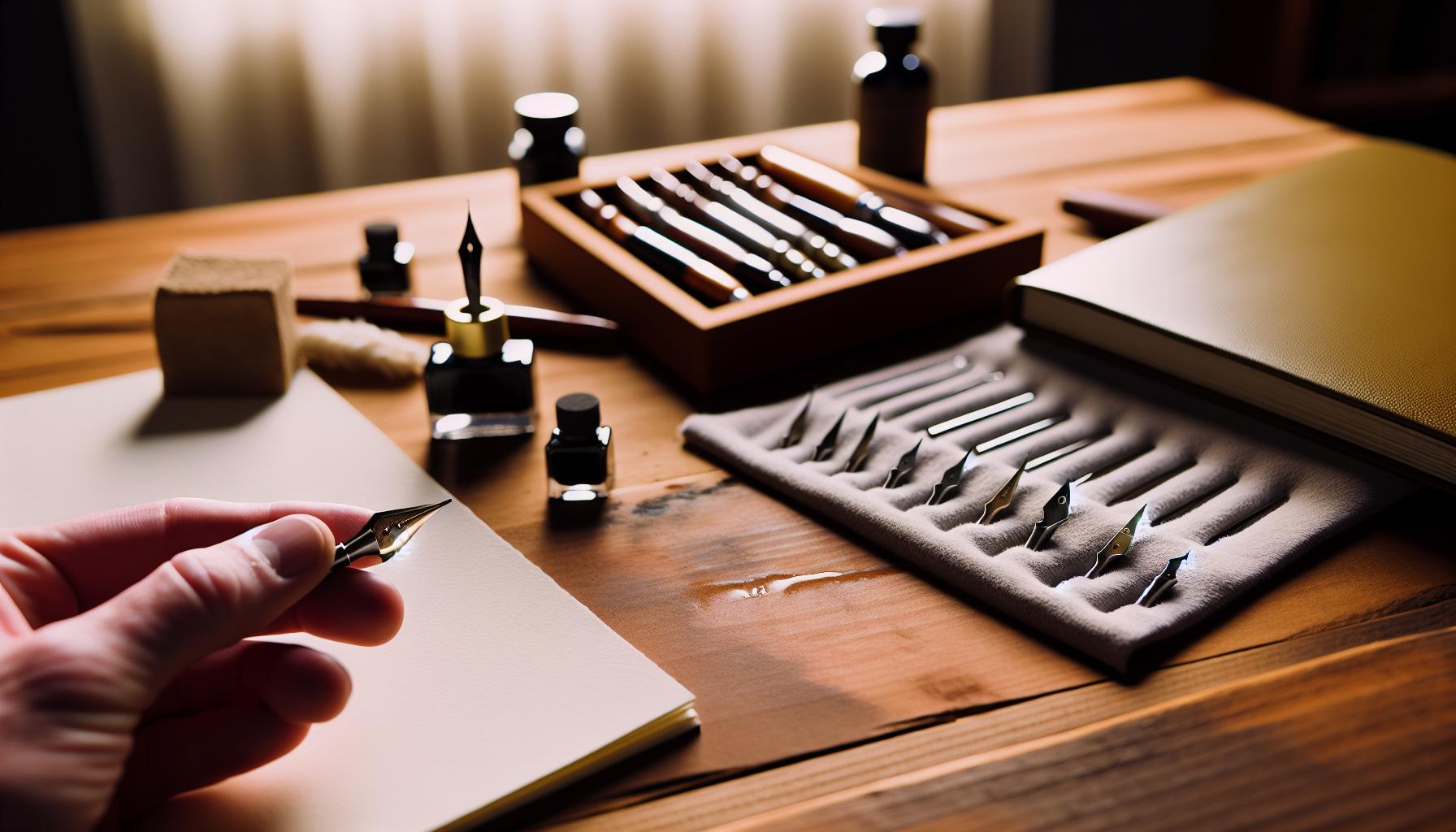
To clean calligraphy nibs, flush immediately under lukewarm water after writing, soak stubborn pigment in a 10:1 water-to-ammonia pen flush solution, use an ultra-thin brass shim to dislodge dried crust from the tine slits, and dry completely with a lint-free cloth to prevent rust.
How to Choose the Right Calligraphy Pen Nib for Maintenance
Choosing the right calligraphy pen nib is crucial not just for achieving your desired writing style but also for simplifying maintenance. Selecting a nib that matches your level of experience and writing needs can save you time and frustration in upkeep. For beginners, it’s wise to start with a reliable, forgiving nib such as the Nikko G, known for its versatility and ease of use. This nib performs well across various inks and surfaces, ensuring that you won’t struggle with poor ink flow or excessive clogging-issues paramount for calligraphy enthusiasts.
For those more experienced, consider the material and flexibility of the nib. Stainless steel nibs offer durability and consistency, while gold nibs provide a smoother writing experience and exceptional responsiveness. Remember, some nibs are designed for specific techniques or styles, such as broad-edged or pointed nibs. If you lean towards modern calligraphy, a flexible nib will enhance your strokes’ thickness variation, allowing for a more dynamic flair. Always keep in mind that how well a nib performs can directly impact how often you’ll need to clean and maintain it.
Lastly, think about the availability of replacement nibs for your chosen pen. Some models allow for easy swapping, which means you can quickly replace a worn-out nib without having to invest in a whole new pen. This feature not only simplifies maintenance but also allows you to experiment with different nibs to find your favorite. By prioritizing the right nib from the start, you set yourself up for a more enjoyable calligraphy journey and a simpler cleaning routine. Happy writing!
Understanding the Importance of Cleaning Your Nib
Keeping your calligraphy nib clean is fundamental for exceptional writing. A dirty nib can lead to inconsistent ink flow, smudges, and even permanent damage to your tools. When you skip cleaning, residue builds up from the ink’s additives, which can clog the nib and reduce its performance. This buildup doesn’t just affect your current piece; it can affect your entire calligraphy experience, leaving you frustrated and dissatisfied with your work.
Regular maintenance isn’t just about preserving your nib; it’s about enhancing your creativity. A clean nib glides smoothly across the paper, allowing for the fine details and elegance that define beautiful calligraphy. Think of it like caring for a musical instrument; the better you maintain it, the more beautiful the music-or in this case, your letters-will turn out.
Here are a few key points about why cleaning your nib is so important:
- Prevents Clogging: Regular cleaning removes ink remnants that can clog your nib, ensuring a steady ink flow for flawless writing.
- Extends Nib Life: Maintaining cleanliness prolongs the life of your nib, saving you money over time.
- Improves Performance: A clean nib performs better, giving you control over line thickness and feathering effects, crucial for intricate lettering.
- Enhances Ink Color: Residue can dull the appearance of your ink. A clean nib helps the true vibrancy of your ink shine through.
In summary, caring for your nib isn’t just maintenance-it’s an investment in your artistry. The more you nurture your tools, the more beautifully they’ll serve you, allowing your creativity to flourish unimpeded by equipment issues. Taking a few moments to clean your nib after each session can transform your experience and elevate the quality of your work.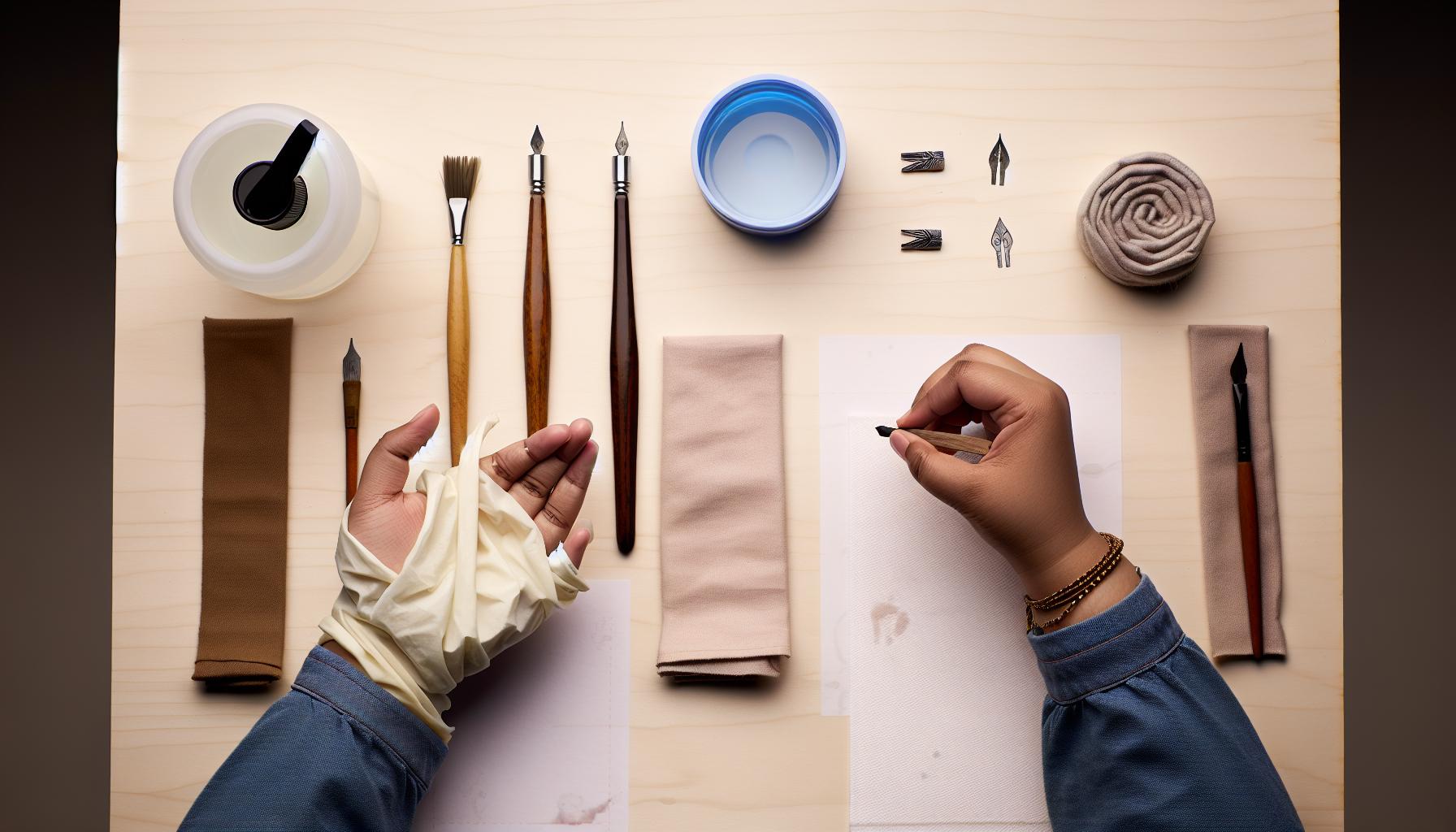
Step-by-Step Guide to Cleaning Calligraphy Nibs
Cleaning your calligraphy nib isn’t just about keeping your tools tidy; it’s a crucial step to achieve the best possible results in your writing. Without proper cleaning, ink residue can accumulate, which leads to clogs and inconsistent ink flow. Here’s a straightforward guide to ensure your nib stays in top condition.
Start by rinsing your nib under warm water to remove most of the ink. It’s best to do this immediately after you finish writing, as dried ink can be much harder to clean. After rinsing, apply a small amount of mild dish soap-like Dawn-and use a soft-bristled toothbrush or your fingers to gently scrub the nib. Make sure to pay attention to the tines, which are the two prongs of the nib where the ink flows. A soft brush works wonders in reaching those tight spaces without damaging the metal.
Once you’ve scrubbed away the residue, rinse the nib thoroughly under warm, running water to remove all soap. Be careful not to bend or apply too much pressure, as this can damage the nib’s shape. After rinsing, shake off excess water and dry the nib using a lint-free cloth or paper towel. Alternatively, you can let it air dry, which is usually just as effective.
For more stubborn ink remnants, you could soak the nib in a bowl of warm water for about 10 to 15 minutes before scrubbing. If you find that your nib isn’t performing as it should, it might be beneficial to use specialized nib cleaning solutions available on the market, or even try a drop of ammonia diluted in water, but these should be used sparingly and according to product instructions. By following these steps regularly, you’ll not only extend the life of your nib but also enjoy a smoother writing experience.
Common Mistakes to Avoid When Cleaning Nibs
Cleaning your calligraphy nib is an art in itself, but many enthusiasts unknowingly trip over common pitfalls that can lead to frustrating experiences. For instance, skipping immediate cleaning after use might seem harmless, yet allowing ink to dry on the nib turns an easy task into a chore. Dried ink can create stubborn clogs that require much more than a gentle rinse to remove, often risking damage to the delicate metal.
Another frequent mistake is using abrasive materials or harsh chemicals. Many calligraphers believe that tougher scrubbing equals better cleaning, but this couldn’t be further from the truth. Abrasive pads or strong solvent cleaners can scratch the nib and affect its performance. Instead, stick to mild soap and soft brushes, which provide thorough cleaning without risking damage. Using a toothbrush is an excellent choice-it reaches into the tines where ink loves to hide.
Don’t forget about drying your nib properly. After cleaning, many people neglect the drying process, leading to rust or corrosion over time. Whether you opt to air dry or use a lint-free cloth, make sure your nib is completely dry before storing it. Finally, remember to store your nib properly, away from extremes of temperature and humidity. Proper storage prolongs its life and keeps your writing smooth.
Avoid these missteps and take care of your calligraphy nib as if it’s a treasured tool-because it is! Being mindful during the cleaning process not only enhances your writing experience but also ensures that your nib performs at its best every time you pick it up.
Best Tools and Products for Nib Cleaning
Cleaning your calligraphy nib doesn’t have to be a daunting task if you have the right tools at hand. Using the best tools and products not only makes the process easier, but it also helps you maintain the performance and longevity of your nib. Here’s a breakdown of the essential items you should consider incorporating into your nib-cleaning routine.
Start with a simple solution: tap water. It’s often underappreciated, yet it effectively removes most ink residues without the need for harsh chemicals. For more stubborn ink, a few drops of mild dish soap mixed with water can work wonders. Just remember, avoid anything abrasive that could scratch the delicate surface of your nib.
Next on the list is a soft toothbrush. Your regular toothbrush can do the job, but a baby toothbrush is even softer and less likely to cause damage. Whether it’s removing dried ink or gently scrubbing the tines, a toothbrush allows you to reach into those tight spaces where ink likes to hide. After brushing, rinse thoroughly with tap water to ensure no soap remains.
Don’t overlook the value of lint-free cloths. These are perfect for drying your nib after cleaning, helping to prevent any corrosion. You might also consider using a soft paper towel, but make sure it doesn’t leave any fibers behind. Additionally, having some cotton swabs handy can be useful for getting into the tighter spots of your nib and ensuring a thorough clean.
Finally, if you prefer a specialized cleaning solution, many calligraphers recommend using a commercial nib cleaner. Products like the blue “nib cleaner” that some users have described as smelling like window cleaner are often just repackaged ammonia solutions that work well. However, if you’re on a budget, a simple mixture of water and mild soap will suffice for most cleaning needs.
To sum up, with just a few simple tools-tap water, a soft brush, and a lint-free drying cloth-you can keep your calligraphy nib in pristine condition. Taking time to invest in proper maintenance tools not only enhances your writing experience but also plays a crucial role in the overall health of your nib. Regular care ensures that every stroke is as smooth as it should be.
How Often Should You Clean Your Calligraphy Nib?
Cleaning your calligraphy nib regularly is crucial for maintaining its performance and extending its lifespan. Depending on how frequently you use your nib, the cleaning schedule can vary. If you’re using your nib daily, a quick clean after each session is ideal. This prevents ink buildup and ensures a smooth writing experience every time you pick up your pen. On the other hand, if you’re a casual user, cleaning your nib once every few uses should suffice.
For typical use, consider implementing a routine that involves a thorough clean every few weeks. During this cleaning, you should remove any larger ink clumps and ensure that the nib is completely clear of residue. A gentle scrub with a soft toothbrush and a rinse with tap water is usually all it takes. If you notice that ink is drying up in your nib during longer writing sessions, give it a quick rinse under running water during your work. This will keep the ink flowing smoothly and prevent your nib from becoming scratchy or unresponsive.
In instances where you’re switching ink colors, a quick rinse is a must to avoid muddy blends. Even if you’re just going from one shade of blue to another, the remnants of the first ink can affect the purity of the next. It’s easy to think, “It’s just a small amount,” but that little bit can significantly impact your results. Taking this extra moment can save you from frustrations down the line when you notice unexpected inconsistencies in your work.
Here’s a quick summary of your cleaning frequency:
- Daily Users: Clean after each session.
- Casual Users: Clean after every few uses.
- Color Changes: Always rinse during ink switches.
Establishing a cleaning routine not only ensures a better writing experience but also cultivates the habit of caring for your tools, leading to a more enjoyable and productive calligraphy practice.
Advanced Techniques for Thorough Nib Maintenance
Keeping your calligraphy nibs in top shape can elevate your writing experience dramatically. If you’re looking to go beyond basic cleaning, advanced maintenance techniques can help you maximize your nib’s lifespan and performance.
First, consider a more thorough cleaning routine using soaking techniques. After rinsing your nib, soak it for about 15-30 minutes in warm water, especially if you notice ink residues that are stubborn. For dried-on ink, adding a few drops of mild dish soap to the water enhances its cleaning power. This soak can help loosen the dried ink, making it easier to clean without scrubbing too hard, which can damage the nib’s delicate structure.
Next, explore the use of a toothbrush or a soft-bristled brush. After soaking, gently scrub the nib with the brush to dislodge any remaining particles. Pay special attention to the sides and fine grooves where ink tends to accumulate. You can also alternate between using a toothbrush and a fine cloth; while the brush gets into those hard-to-reach spots, the cloth can help polish the nib, adding to its shine and functionality.
Another crucial aspect of advanced care is the regular inspection of your nib. Look for signs of damage, such as chips or bends. If you notice any issues, try to gently reshape your nib using very fine tools, or replace it altogether if the damage is too severe. Keeping a close eye on your nib can prevent poor performance before it even starts.
Lastly, consider the storage conditions for your nibs. Always store them in a proper case or holder that protects them from dust and physical damage. It might seem simple, but keeping your nibs upright, away from heavy objects, will significantly prolong their life.
By implementing these advanced techniques, you’ll not only prolong the life of your nibs but also enhance your overall calligraphy experience. It’s about treating your tools with the respect they deserve!
Troubleshooting: What to Do if Your Nib Isn’t Performing
If your calligraphy nib isn’t performing as it should, don’t worry-you’re not alone. Many beginners and seasoned artists alike face issues with their nibs from time to time. The great news is that identifying and fixing common problems can often restore your nib’s function without the need for replacement.
One of the first things to check is whether your nib is clean. Dried ink or residue can hinder ink flow. Start by doing a simple soak. Submerge your nib in warm water with a few drops of mild dish soap for about 15-30 minutes. This helps to loosen stubborn ink without damaging the delicate metal. After soaking, use a toothbrush to gently scrub away any remaining particles, focusing on the grooves and sides where ink tends to accumulate. A clean nib should glide easily, allowing ink to flow smoothly.
Another common problem is how the nib is seated in the holder. If it’s too tight or not aligned correctly, it can affect performance dramatically. Make sure the nib is snug but not overly tight in the holder, and ensure it’s properly aligned for optimal ink flow. Sometimes, adjusting how you hold your pen can make a huge difference-experiment with different angles and grips to find what works best for you.
If your nib still isn’t cooperating, consider the type of ink you’re using. Not all inks are created equal; some are thicker and require a different nib that can handle higher viscosity. If you’re using a particularly thick ink, switch to a nib designed for that purpose or opt for a more fluid ink to see if that resolves the issue. Finally, don’t forget to inspect your nib for any signs of damage, such as bends or chips, as these can significantly impact performance. If you spot any damage, it might be time to replace your nib for a better writing experience.
Taking these steps can lead to a much more enjoyable calligraphy session. Remember, every nib has its quirks, and with a little troubleshooting, you can keep yours in flawless working condition!
Proper Storage Tips for Clean Calligraphy Nibs
Storing your calligraphy nibs properly is almost as important as cleaning them. If you’ve spent time maintaining your nibs, you want to ensure they remain in optimal condition between uses. A clean nib can easily pick up dust and debris if not stored correctly, leading to poor performance when you finally put pen to paper.
One effective method is to invest in a dedicated storage solution. A simple yet efficient option is a nib storage box, which offers several compartments to keep your nibs separated and protected. This prevents them from getting scratched or damaged by other tools. For instance, you might consider using a transparent sectioned box like the ArtBin Pen & Nib Box, which is designed specifically for this purpose. It provides an easy way to view and access my nib collection without fumbling through a drawer of various supplies.
Consider also the environment where you store your nibs. Keeping them in a dry, cool place can prevent rust and degradation. Avoid areas with high humidity, as moisture can lead to rusting, especially with metallic nibs. Additionally, protect your nibs from extreme temperatures; fluctuations can weaken the metal and affect performance.
Lastly, always store your nibs with their protective caps or covers on if available. This protects the delicate tines from bending or catching on things, ensuring your nibs are ready to perform when you need them. By taking a few simple steps for proper storage, you’re setting yourself up for a smooth writing experience every time you dive into your calligraphy practice.
The Benefits of Regular Nib Maintenance
Regular maintenance of your calligraphy nibs is not just a chore; it’s a game changer for your writing experience. When you take the time to keep your nibs clean and well-cared for, you’re ensuring smoother ink flow, sharper lines, and a more enjoyable creative process. Think of your nib as the most critical tool in your calligraphy kit-without proper care, even the best nibs can lead to frustrating writing sessions.
By cleaning your nib after each use, you’re preventing the buildup of dried ink and debris that can cause clogs and inconsistent performance. This simple habit not only extends the life of your nibs but also enhances the quality of your work. Consider how satisfying it is to pick up a nib that feels smooth and responsive rather than one that’s sticky or gunked up. Regularly maintaining your nib will keep your focus on the art rather than on troubleshooting issues that arise from neglect.
Additionally, the health of your nib can affect your overall calligraphy journey. For instance, if you’re preparing for a big project or event, clean nibs ensure that you’ll have reliable tools at your fingertips. On the flip side, neglecting them could result in unexpected interruptions, like having to stop mid-project to clean a clogged nib or worse, purchasing a replacement because the old one became unusable.
Lastly, embracing a routine for nib maintenance fosters a deeper connection with your craft. Each time you clean and care for your nib, you’re not only preserving a tool but also honoring the art of calligraphy itself. By integrating this practice into your process, you elevate not just the functionality of your tools but also the quality of the work you produce. So, take pride in your nib maintenance-your future self will thank you when the ink flows effortlessly and your creativity shines through every stroke.
How to Disassemble and Reassemble Your Calligraphy Pen
Disassembling your calligraphy pen might sound intimidating, but it’s a straightforward process that can significantly enhance your cleaning and maintenance routine. Understanding how to take your pen apart allows access to parts that can trap ink residue, making it essential for preserving the quality of your work. Here’s how to do it effectively, plus some tips to ensure you put it back together without a hitch.
To begin, gather your tools: a small cloth or paper towel, and if necessary, a pair of pliers (but handle these with care to avoid damage). Start by unscrewing the barrel of your pen from the nib holder. Most calligraphy pens have a screw mechanism, so turning it counterclockwise should loosen it. If your pen has a clip, be mindful of it; some designs require you to remove the clip before disassembling the pen completely.
Once you’ve separated the components, gently pull the nib from the nib holder. It’s crucial to do this slowly to avoid bending or damaging the nib. After removing the nib, you can rinse it under lukewarm water to eliminate any residual ink. This step is vital for maintaining the nib’s performance.
When it’s time to reassemble, ensure that the nib is thoroughly dried. Align it correctly with the nib holder – it should slide in smoothly without force. Then, carefully screw the barrel back onto the nib holder, making sure every part fits snugly. A good tip is to hold the pen at a slight angle when screwing the parts together, which can help avoid cross-threading.
Remember, reassembling your pen not only ensures you’re ready for your next calligraphy session but also reinforces good maintenance habits that extend the life of your tools. Taking this extra time for disassembly and cleaning can make a world of difference in your writing experience, so embrace the routine!
FAQ
Q: What is the best method for cleaning calligraphy pen nibs?
A: The best method for cleaning calligraphy pen nibs involves rinsing them under warm water to remove ink, followed by gently scrubbing with a soft toothbrush. This removes dried ink and ensures your nib performs optimally. For specific product recommendations, refer to the “Best Tools and Products for Nib Cleaning” section of our article.
Q: How can I prevent ink buildup on my calligraphy nib?
A: Prevent ink buildup by regularly cleaning your nib after use, and avoiding leaving it in ink for prolonged periods. Use a specific pen cleaner for deep cleaning to maintain performance, as detailed in the “Common Mistakes to Avoid When Cleaning Nibs” section.
Q: How do I know when my calligraphy nib needs cleaning?
A: Your calligraphy nib typically needs cleaning when you notice ink flow issues or when ink starts to dry on the tip. Regular maintenance helps maintain consistent performance, so refer to the “How Often Should You Clean Your Calligraphy Nib?” section for a recommended schedule.
Q: Can I use household items to clean my calligraphy pen nib?
A: Yes, household items like warm water and vinegar can be effective in cleaning calligraphy pen nibs. Avoid abrasive materials that could scratch the nib. More cleaning tips can be found in the “Step-by-Step Guide to Cleaning Calligraphy Nibs” section.
Q: Why is it important to clean my calligraphy nib regularly?
A: Regular cleaning of your calligraphy nib is crucial as it prevents corrosion and ensures smooth ink flow. This helps in producing consistent, quality writing. Check the “Understanding the Importance of Cleaning Your Nib” section for more insights.
Q: What should I do if my calligraphy nib is still clogged after cleaning?
A: If your calligraphy nib is still clogged after cleaning, try soaking the nib in warm water for a few hours, then gently scrub it with a toothbrush. For advanced troubleshooting techniques, see the “Troubleshooting: What to Do if Your Nib Isn’t Performing” section.
Q: Is it safe to disassemble my calligraphy pen for cleaning?
A: Yes, disassembling your calligraphy pen for cleaning is safe if done carefully. Ensure you follow the instructions in the “How to Disassemble and Reassemble Your Calligraphy Pen” section to avoid damaging your pen. Always clean nibs without force to prevent damage.
Q: What is the best way to store clean calligraphy nibs?
A: The best way to store clean calligraphy nibs is upright in a protective case, with nib covers if available. This prevents dust accumulation and potential damage. For more storage tips, take a look at the “Proper Storage Tips for Clean Calligraphy Nibs” section.
Closing Remarks
You’ve just learned how critical it is to keep your calligraphy pen nib clean for a smoother writing experience and longer tool lifespan. Don’t let grime and residue hold back your creativity! Implement these maintenance tips today and experience the difference in your calligraphy.
Looking for more ways to elevate your calligraphy skills? Check out our comprehensive guide on how to take care of your calligraphy pen here, or dive deeper into nib care strategies at Laura Hooper Design House here.
If you found this guide helpful, don’t keep it to yourself! Share it with friends, leave a comment below, and check back for more tips to enrich your calligraphy journey. Your path to stunning lettering starts with simple maintenance-let’s make pen care a priority!
Cleaning Calligraphy Nibs: Essential Deep-Clean & Maintenance Protocol
Properly cleaning calligraphy nibs is the single most critical habit for maintaining razor-sharp hairlines, preventing ink railroad skips, and protecting expensive nib metal from corrosive ink deposits. Whether you write with broad-edge italic dip pens, pointed flex nibs, or fountain pen feeds, adopting this systematic maintenance protocol guarantees peak writing performance:
| Ink Contaminant | Safe Cleaning Solvent | Action to Avoid | Safety Rating |
|---|---|---|---|
| Dye Fountain Pen Ink | Lukewarm distilled water + drop of Dawn | Boiling hot water (warps feed plastic) | Completely Safe |
| Dried Pigment / Shellac | Pen flush (distilled water + 10% ammonia) | Acetone or lacquer thinner (melts feeds) | Safe for Steel/Gold |
| Waterproof Acrylic / India Ink | Denatured alcohol or Higgins Pen Cleaner | Using in internal feed fountain pens | Dip Nibs Only |
Three Step Deep-Clean Protocol
- Immediate Session Rinse: Never let ink dry on the metal. Swirl the nib vigorously in clean water every 10–15 minutes during writing sessions and immediately wipe clean with a lint-free microfiber cloth.
- Ultrasonic or Soak Treatment: For nibs with stubborn dried sludge, submerge the metal in pen flush solution for 15 minutes. An ultrasonic bath set to a 3-minute cycle will effortlessly shatter microscopic binder deposits in the capillary groove.
- Tine Slit Flossing: Slide a 0.002-inch brass cleaning shim gently between the nib tines from breather hole to tip. This dislodges trapped paper fibers and dried pigment without misaligning delicate tines.
Frequently Asked Questions About Cleaning Calligraphy Nibs
What is the best solution for cleaning calligraphy nibs?
For fountain pen and manuscript nibs, use lukewarm distilled water mixed with 10% household ammonia and two drops of dish soap. For dip nibs with waterproof acrylic or India ink, use denatured alcohol or dedicated Higgins pen cleaner.
Can I use rubbing alcohol to clean my fountain pen calligraphy nib?
Never use rubbing alcohol on fountain pen nib sections or plastic feeds; alcohol dissolves celluloid, acrylic resins, and polystyrene feeds, permanently ruining the pen. Stick to water-based pen flush.
Get our latest guides, news, and insights highlighted in your Google Search & AI Overviews.