
Calligraphy pens work by harnessing capillary action and surface tension to draw liquid ink down a narrow feed slit between flexible tines onto the paper, allowing writers to vary line widths from hairline strokes to bold swells by simply altering downward hand pressure.
Did you know that the type of calligraphy pen you choose can dramatically change your writing experience? Understanding how a calligraphy pen works is essential for anyone looking to elevate their handwriting or artistic expression. These pens aren’t just tools; they’re instruments of creativity that can help you unlock your potential in beautiful lettering and design. Whether you’re a seasoned calligrapher or just starting out, grasping the mechanics behind these pens will help you create stunning, fluid strokes and achieve the effects you desire.
In this article, we’ll explore the anatomy of a calligraphy pen, including nib shapes, ink choices, and how each part affects your writing. You’ll discover techniques that will not only improve your skills but also enhance your enjoyment of this elegant art form. So, let’s dive into the world of calligraphy pens and see how mastering your tool can transform your craft!
How Do Calligraphy Pens Work? The Physics of Capillary Action & Tine Flex
To master lettering, artists must first understand how do calligraphy pens work at a mechanical and fluid-dynamics level. Unlike ballpoint pens that rely on a rotating sphere to drag thick oil-based paste onto paper, calligraphy pens utilize precise hydrostatic capillary channels:
| Pen Category | Ink Delivery Channel | Stroke Contrast Mechanism | Air Return System | Viscosity Tolerance |
|---|---|---|---|---|
| Dip Pen (Pointed / Flexible) | Capillary tension along hand-slit metal tines | Tines flex laterally apart under downstroke pressure | Open atmospheric exchange via breather hole | High (Walnut ink, sumi, acrylic, gouache) |
| Broad Edge / Italic Nib | Flat ground chisel edge capillary feed | Pen angle geometry (thick vertical downstrokes, thin horizontals) | Top-mounted reservoir clip or open breather | Medium to high |
| Fountain Calligraphy Pen | Comb feed capillary fins under feed channel | Pre-ground stub or flex tines | Internal air tube balancing cartridge pressure | Low (Dye-based fountain pen safe inks only) |
| Multi-Plate Parallel Pen | Dual parallel metal plates sandwiching ink | Full width edge vs sharp corner touch | Regulated cartridge feed | Low to medium pigment fluid |
The Three Laws of Calligraphic Ink Flow
- Surface Tension Meniscus: When the nib touches the paper, paper fibers create a higher capillary pull than the metal tines, drawing ink downward in an unbroken stream.
- The Breather Hole Air Exchange: As ink exits the nib, the round breather hole admits ambient air to prevent a vacuum lock that would stop ink flow.
- Pressure-Responsive Tine Flex: Applying downward force spreads the tines, broadening the ink meniscus to lay down bold downstrokes without scratching paper.
Frequently Asked Questions About How Calligraphy Pens Work
How do calligraphy pens work?
Calligraphy pens work by combining gravity and capillary action. Ink stored in a reservoir or nib channel is drawn downward through a fine slit between flexible metal tines. When the nib touches paper, surface tension pulls the ink onto the page, while pressing down flexes the tines apart to vary line thickness.
Understanding Calligraphy Pens: A Beginner’s Guide
When you first pick up a calligraphy pen, it may seem like a simple tool, but understanding its mechanics can take your writing from ordinary to extraordinary. Calligraphy pens are designed to help create beautiful, flowing letters with varying thicknesses and styles. There’s a bit of magic in how these pens work: they rely on a combination of pressure, angle, and ink flow to bring your artistic vision to life. Let’s dive into the essentials you need to know to get started on your calligraphy journey.
The anatomy of a calligraphy pen is crucial to mastering its use. Most calligraphy pens consist of a nib, barrel, grip, and ink reservoir. The nib, the part that touches the paper, comes in various shapes and sizes, allowing for different types of strokes. For beginners, using a flexible nib can help create thinner and thicker lines based on the pressure applied, while a stub nib creates a more consistent stroke. The barrel holds the ink and provides a comfortable grip, which is a big deal when you’re practicing for long periods. Paying attention to the grip is essential; an ergonomic design can make a world of difference as you explore your style.
When choosing your pen and starting out, don’t be fooled into thinking all pens are the same. You’ll find options like dip pens, fountain pens, and brush pens, each suited for different techniques and styles. Brush pens are great for beginners due to their ease of use and portability, while dip pens offer more control over ink application and line variation. Try a few to see what feels right in your hand-your comfort will directly influence the quality of your work.
Lastly, let’s talk about ink. Choosing the right ink is vital for achieving smooth, consistent strokes. Water-based inks are easier to clean and typically dry faster, while India ink can give you richer colors but may require more maintenance on your nib. Always remember to clean your tools thoroughly after each session to keep your calligraphy pen in prime condition. With the right understanding and a bit of practice, you’ll soon be creating beautiful pieces of art that reflect your unique style. Dive in and let your creativity flow!
The Anatomy of a Calligraphy Pen: Key Components
When you’re diving into the world of calligraphy, understanding what makes up a calligraphy pen can dramatically enhance your experience and results. Every component plays a vital role in how the pen performs and what kind of art you can create. Let’s break down the key parts that make calligraphy pens exceptional tools for artists and writers alike.
The Nib
At the very tip of your calligraphy pen is the nib, which is arguably the most crucial component. It’s the part that touches the paper and delivers your ink in beautiful strokes. Nibs come in various shapes and sizes, directly influencing line thickness. For instance, a flexible nib allows for dynamic lines that express light and heavy pressure, making it ideal for ornate scripts. On the other hand, a stub nib offers a consistent width, perfect for creating clean lines and block lettering. Nibs can be swapped out easily, providing a customizable experience depending on your project.
The Barrel
Next up is the barrel. This is the main body of the pen that houses the ink reservoir. Not only does it need to hold enough ink for uninterrupted writing, but it also should be comfortable to hold, especially during long practice sessions. A well-designed barrel can help you maintain a steady grip, allowing for better control over your strokes. Look for pens with ergonomic designs; they can significantly improve your writing experience.
The Grip
Don’t underestimate the grip! It connects you to the pen and can drastically affect your performance. A slip-resistant grip ensures that your hand doesn’t fatigue as you create, allowing for more fluid writing. Pen manufacturers often add materials like rubber or textured finishes to enhance comfort, so always take the time to choose one that feels good in your hand.
The Ink Reservoir
Finally, the ink reservoir is where the magic happens. Depending on the type of pen, you might find cartridges, converters, or even an open reservoir in dip pens. Each method has its pros and cons: cartridges are convenient and clean, converters allow you to use bottled ink for more color variety, and dip pens give the most control for traditionalists. Always consider the ink type when selecting your pen; some inks behave differently depending on the reservoir system.
Understanding these components helps you appreciate the artistry behind calligraphy tools. By selecting the right nib, barrel, grip, and ink reservoir, you can customize your calligraphy experience to match your style and preferences. With the right tools at hand, you’re not just writing; you’re creating a reflection of your creativity and flair.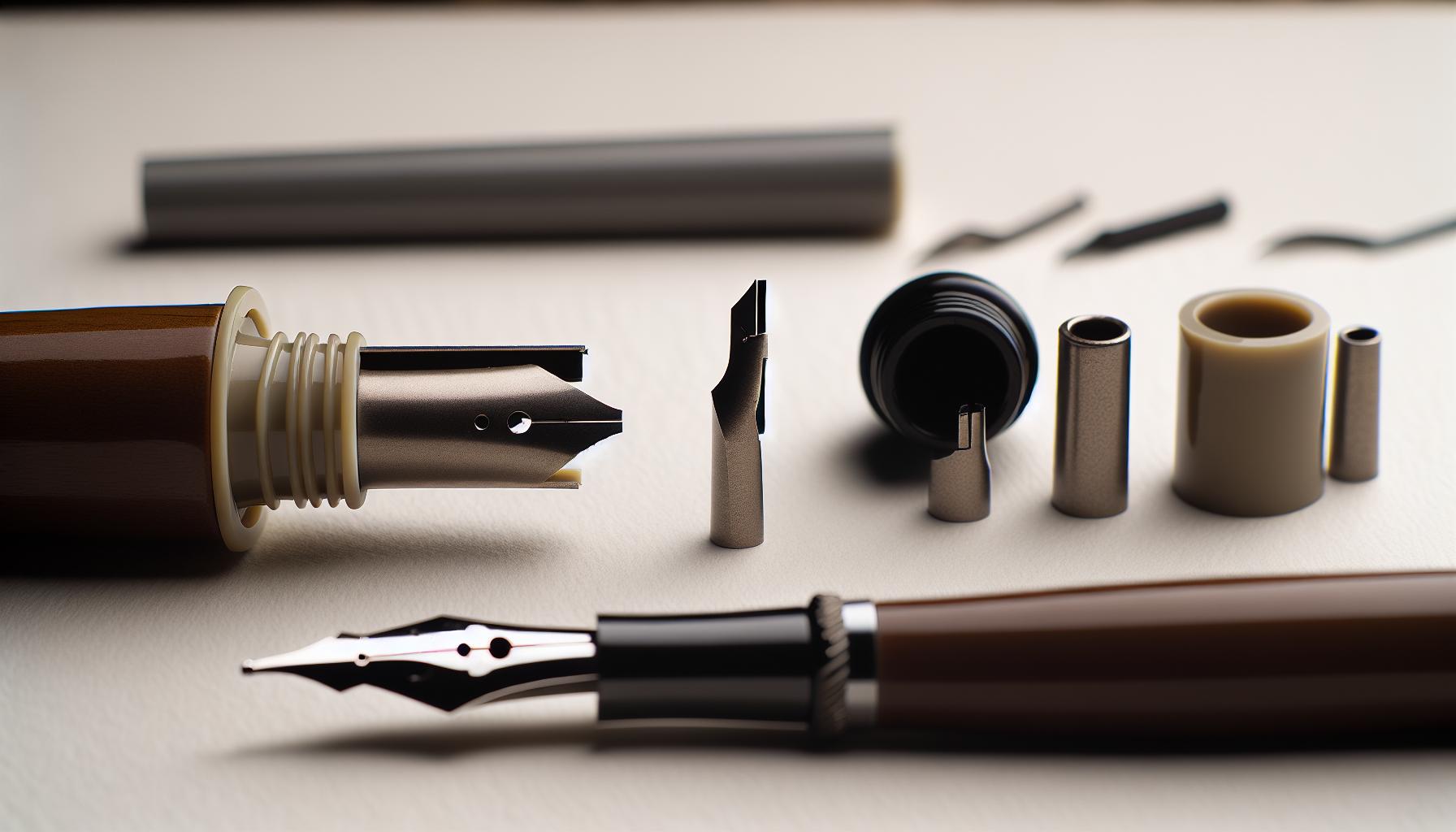
Different Types of Calligraphy Pens: Which One Suits You?
Exploring the various types of calligraphy pens can feel overwhelming, especially for beginners. Each pen design serves a unique purpose, and finding the right one can elevate your calligraphy experience from ordinary to extraordinary. Whether you’re crafting elegant invitations or personalizing greeting cards, understanding your options is key.
There are primarily three types of calligraphy pens to consider: dip pens, fountain pens, and brush pens. Dip pens are classic tools that allow for maximum control and variation in stroke width. They require you to dip the nib into ink regularly, making them favored by many traditionalists for their versatility and expressive capability. If you’re looking to experiment with different inks and textures, a dip pen is an excellent choice.
Fountain pens, on the other hand, are a fantastic blend of convenience and quality. They come with built-in ink reservoirs, which means you won’t have to worry about constantly dipping your nib. This type also offers a variety of nib sizes and shapes, allowing for a range of calligraphy styles with less fuss. If you’re someone who values speed and portability without sacrificing the artistry of writing, a fountain pen could be your best bet.
Lastly, brush pens are perfect for those who enjoy a more fluid style. They combine the effects of a brush with the convenience of a pen, making them ideal for modern calligraphy and brush lettering. They can come with either felt or actual brush tips, each providing a distinct feel and finish. If you want a tool that can create both bold strokes and delicate lines, a brush pen is an excellent choice.
To sum it up, selecting the right calligraphy pen depends on your preferred style, how comfortable you are with maintenance, and the level of customization you desire. Explore each type, try them out, and see which aligns best with your artistic vision. You’ll discover that the right pen not only complements your technique but also inspires your creativity.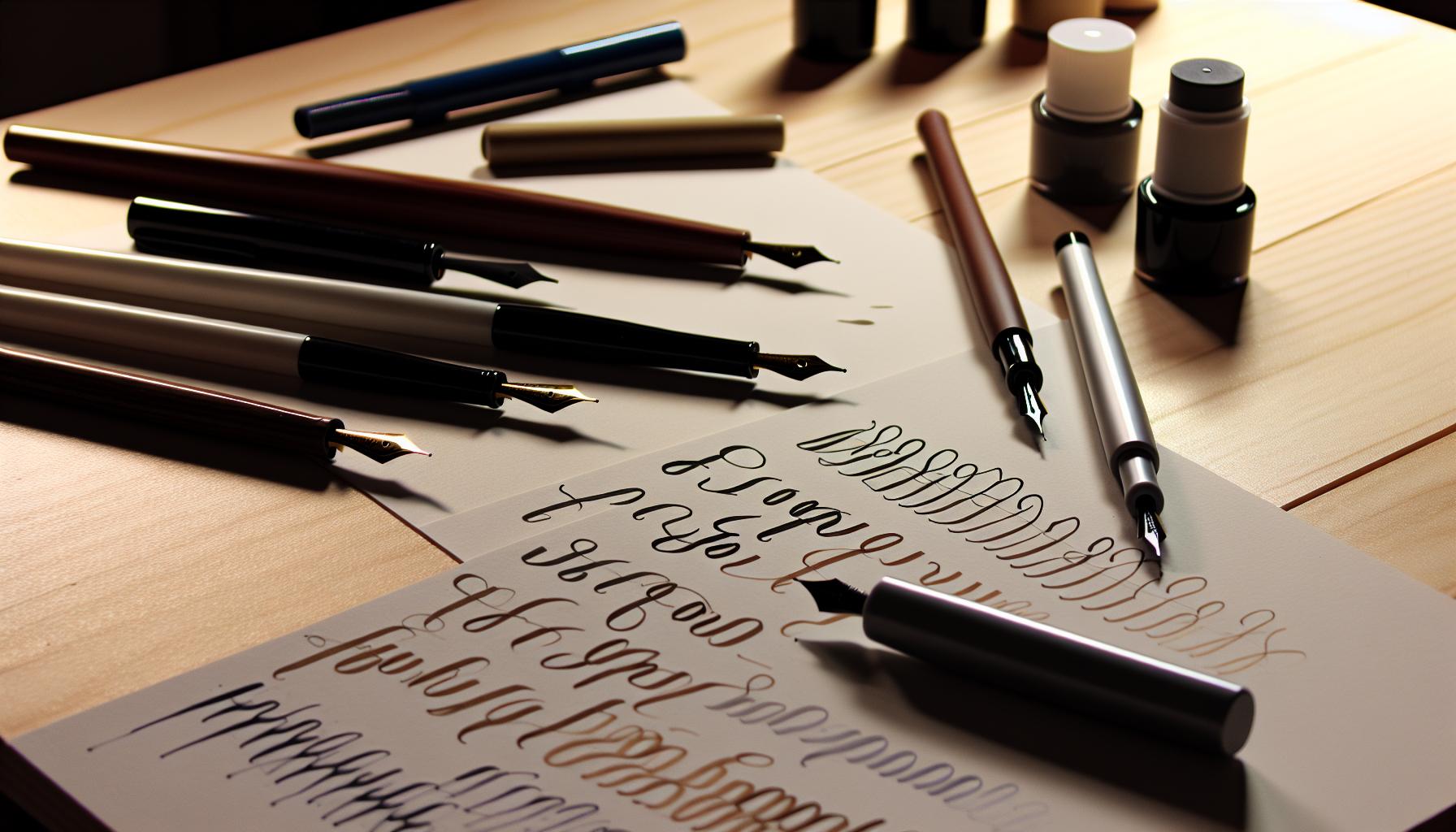
How to Choose the Right Ink for Your Calligraphy Pen
Choosing the right ink for your calligraphy pen can transform your writing experience from mundane to magical. The right ink not only affects how your work looks but also how smoothly your pen glides across the page. Less desirable ink can cause skips, blotches, or even damage your pen. Let’s dive into how to find the perfect match for your calligraphy needs.
Firstly, consider the type of pen you’re using. If you’re working with a dip pen, bottled inks made specifically for calligraphy are ideal. They often come in a variety of colors and are designed to flow easily, preventing skipping. Fountain pens, however, require ink in cartridges or bottled fountain pen ink. Choosing a high-quality ink that matches your pen ensures a consistent flow without clogging. Brush pens typically come pre-filled, but if you’re using refillable brush pens, look for flexible inks that allow for smooth transitions in line thickness.
Next, think about the finish and drying time of the ink. Some artists prefer pigment-based inks because they’re vibrant and offer excellent lightfastness, but they can take longer to dry. If you’re working on projects where smudging is a concern, you might opt for dye-based inks, which dry faster but may not be as vivid or fade-resistant as pigment options. This is crucial if you’re working on important pieces, like wedding invitations or art prints that will last over time.
Lastly, consider your creative vision. Are you looking for vibrant colors, metallic sheens, or even pastels? There are specialized inks available that fit specific aesthetics-think shimmering metallics for festive pieces or opaque inks for deep colors on dark paper. Test various inks on your paper choice to see how they interact and to find what best complements your style.
In summary, the ink you choose can significantly impact your calligraphy. Don’t hesitate to experiment with different styles and brands to discover what resonates most with your artistic approach. It’s as much about the feel of writing as it is about the final result, so enjoy the journey of exploring the right ink for your calligraphy pen.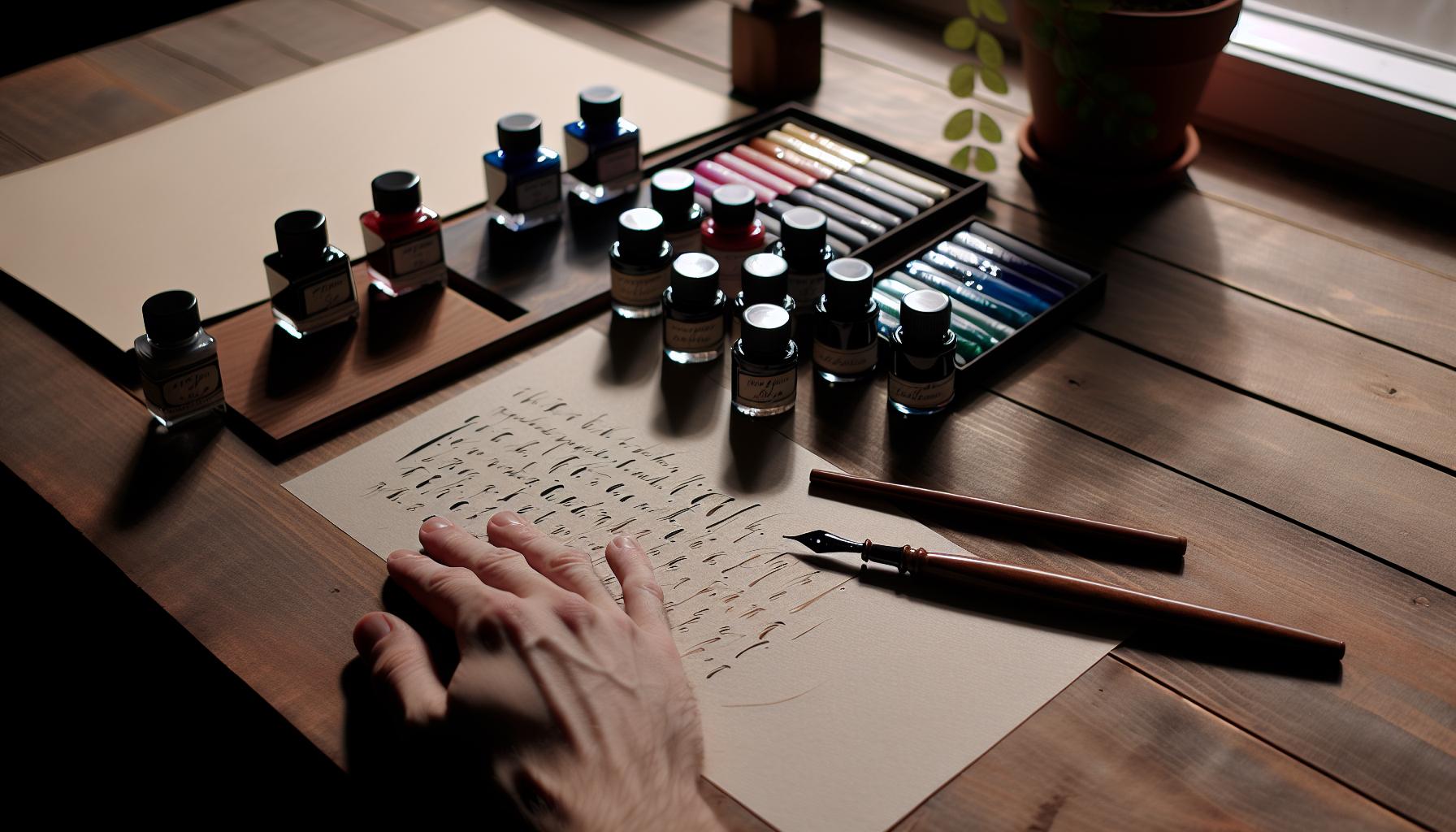
Mastering Calligraphy Pen Techniques: Tips and Tricks
When it comes to mastering calligraphy, the technique can transform your writing from simple script to stunning art. To truly harness the potential of your calligraphy pen, you need to understand a few essential techniques that will elevate your skills.
First off, grip matters. How you hold your pen can significantly influence your control and fluidity. Aim for a relaxed grip; hold the pen lightly but firmly between your thumb and index finger while letting it rest against your middle finger. This position allows for smoother movements and less tension, which is crucial when you’re working on long projects. Accessibility to your hand’s natural flow will lead to more beautiful strokes.
Next, let’s talk about pressure. Calligraphy is all about contrast-the thin parts of your letters should stand out against the thick lines. To achieve this, practice the pressure technique: apply more pressure on the downstrokes and less on the upstrokes. This controlled variation in pressure creates depth and character in your writing, making your pieces visually interesting. A simple exercise is to practice the basic stroke patterns-like ovals and lines-focusing on varying your pressure to get a feel for the flow of ink on the page.
Practice is key, but so is consistency. Set aside time regularly to hone your strokes and letterforms. Don’t just scribble away; focus on maintaining uniformity in your spacing, size, and slant. Use guidelines to help keep your letters aligned and proportional, which is especially helpful for larger projects. This will reinforce muscle memory, making each letter feel more natural over time.
Lastly, don’t shy away from experimenting. As you gain confidence, try different writing styles, such as Italic, Gothic, or modern brush lettering. Each style offers unique challenges and will help broaden your understanding of how your pen works. Collecting resources, whether it be books, online tutorials, or even joining a local calligraphy group, can provide ongoing inspiration and new techniques to try.
Incorporating these techniques will make a significant difference in your calligraphy journey. So pick up that pen with intention, practice with patience, and let your artistic voice shine through with every stroke!
Common Mistakes When Using Calligraphy Pens
When you’re starting with calligraphy, it’s easy to trip over some common mistakes that could derail your progress. Whether you’re excitedly practicing or in the middle of a meaningful project, awareness of these pitfalls can enhance your journey and help you achieve better results. A key mistake is rushing through your strokes. Each character deserves attention and care. If you hustle, you risk creating uneven lines and inconsistent thickness. Take your time to feel the flow of the pen on the paper-this is where the magic happens.
Another frequent error is not paying enough attention to grip and pressure. Holding your pen too tightly can lead to tension in your hand, stifling your creativity. Instead, adopt a relaxed grip. Let the pen glide across the page, varying your pressure to create contrast between thick downstrokes and lighter upstrokes. Practicing this will improve your overall letter shape and add that necessary flair to your work.
Consistency is crucial, and many beginners fail to maintain uniformity across their letters. This not only applies to the size and slant of the letters but also to spacing. Using guides can help, but it requires regular practice. Regularly revisit basic strokes, focusing on the mechanics of your writing. Over time, this will solidify the muscle memory necessary to produce beautiful, uniform letters without heavy reliance on guides.
Lastly, don’t fall into the trap of sticking rigidly to just one style. Calligraphy is about exploration and personal expression. Try different styles and techniques to discover what resonates with you. Each style has its nuances, and experimenting can reveal insights that elevate your work. Remember, the most profound growth comes from a combination of practice, exploration, and correcting mistakes. Embrace these challenges, and you’ll see your skills flourish.
Caring for Your Calligraphy Pen: Maintenance Essentials
Keeping your calligraphy pen in peak condition is essential for achieving flawless strokes and vibrant results. Think of your pen as an extension of your creativity; if it’s not well-maintained, it can hinder your artistic expression. Here’s how to ensure your calligraphy tools remain in top shape.
First, always clean your pen after each use to prevent ink buildup and clogging. This is especially crucial if you’re using thick inks or metallics, which can dry out and become impossible to remove. For fountain pens, simply fill it with clean water and flush out the ink until the water runs clear. If you’re using dip pens, rinse the nib under warm water and gently wipe it with a soft cloth. Don’t let ink sit in the reservoir for too long, as it can harden and damage the pen.
Storage is another key factor. Always store your calligraphy pens horizontally to prevent ink from pooling in one area, which can lead to leaks and uneven flow. Additionally, keep them in a protective case or a pen sleeve to avoid scratches and other physical damage. If you use a flexible nib, consider keeping them capped or in a capped holder to protect the delicate tip.
When you’re handling your pen, pay attention to the grip. A relaxed yet firm hold can prevent unnecessary wear and tear on the nib. Over time, if you notice the nib’s performance declining or if irregularities in line thickness arise, it might be time to replace it. Different nibs serve different purposes, and investing in a good quality replacement can make a world of difference in your calligraphy experience.
Finally, consider the environment where you practice. Excessive heat or humidity can affect both the ink and the pen itself. Aim for a stable atmosphere that’s not too dry or overly damp to prolong the life of your tools. By adhering to these maintenance essentials, you’ll not only enhance your calligraphy’s fluidity and precision but also ensure your pen stays as inspired as your creativity.
Exploring Creative Calligraphy Styles: Inspiration for All
There’s a world of creative possibilities waiting for you with calligraphy pens. Each stroke you make can be a dance of lines and curves, expressing your unique style and flair. Whether you’re just starting or looking to expand your repertoire, diving into various calligraphy styles can provide endless inspiration and help you find your voice.
One popular style is Modern Calligraphy, characterized by its freeform and whimsical approach. It allows for a personal touch, where you can play with letterforms, spacing, and flourishes. This style suits those who enjoy bending the traditional rules and want to incorporate elements like watercolor or mixed media into their work. If you love a laid-back, creative vibe, modern calligraphy is your playground.
Copperplate Calligraphy, on the other hand, is steeped in tradition. It’s a formal style known for its elegant curves and clear structure. This style often requires a bit more practice to master, but the smooth, flowing letters produced are worth the effort. If you want to create exquisite invitations or certificates that exude class, Copperplate could be the way to go. Engaging with these foundational techniques can help you appreciate the art form even more.
If you’re looking for inspiration, try exploring themes or events. For example, writing quotes on seasonal themes can be a refreshing way to blend creativity with nature’s changing aesthetics. Pairing different styles with seasonal motifs not only enhances your skills but also makes your work relatable and dynamic.
In sum, experimenting with various calligraphy styles not only enhances your skill set but also helps you develop a signature style. Engage with the rich history of calligraphy as well as contemporary trends, and don’t hesitate to seek out community input. Whether you join a local group or follow online forums, sharing progress with others can motivate you and provide new ideas. Remember, each pen stroke is a step in your artistic journey, inviting a personal touch to whatever you create. So, grab that pen and start exploring-your creativity knows no bounds.
The Benefits of Using Calligraphy Pens for Art and Writing
Using calligraphy pens for art and writing isn’t just a trend; it’s a powerful way to infuse personality and flair into your creations. The tactile experience of writing with a calligraphy pen fosters a deeper connection to your work, transforming simple letters into artistic expressions. Each stroke allows for flexibility; you can create bold, thick lines or delicate, airy scripts, enabling you to set the tone of your message-be it formal or whimsical.
Not only do calligraphy pens enhance your craft, but they also enrich your mindfulness practice. The rhythmic motion of writing can be meditative, pulling you into the present moment. Studies even suggest that engaging in artistic activities like calligraphy can reduce stress and improve mental well-being. It’s a creative outlet that encourages you to slow down and enjoy the process, making every piece of writing an opportunity to express your inner world.
Moreover, the visual beauty of calligraphy can elevate ordinary notes to extraordinary works of art. Personalizing invitations, greeting cards, or even daily journaling with calligraphy adds an impressive touch that recipients will treasure. It helps you stand out in a digital age saturated with uniform fonts and impersonal communication, reinforcing the value of craftsmanship. By practicing various techniques and styles, you not only improve your skill but also explore the multitude of ways you can communicate your ideas through art.
Ultimately, adopting calligraphy pens for your projects can transform how you convey messages. Each pen provides a different feel and stroke, allowing for endless experimentation and discovery. Embrace this tool to unlock your artistic potential, and let your creativity flow through each carefully crafted letter.
Advanced Techniques for Expert Calligraphy
The deeper you dive into calligraphy, the more you uncover layers of nuance and technique that can elevate your work from basic lettering to stunning art. Advanced techniques, like bouncing baseline and flourishing, can turn ordinary scripts into dynamic visual experiences. These methods require practice and an understanding of how pressure and angle affect your strokes, so let’s explore the essentials that can transform your calligraphy.
One powerful technique is the bouncing baseline, which creates a lively, rhythmic appearance in your writing. To achieve this, vary the height of your letters-some sit high, while others dip low. This approach adds an engaging flow that captures attention. Experiment with this by writing your phrase multiple times, altering the height of specific letters. Focus on maintaining fluidity and keeping the overall line balanced.
Flourishing is another advanced skill that breathes life into your letters. These decorative embellishments can be added to both ends of your strokes, or even within letters, to create sophistication and flair. Start with basic shapes like loops or curves, and gradually integrate them into your writing. Pay attention to the proportions; flourishes should complement your letters, not overwhelm them. It takes practice to find that balance, but when done right, flourishes can turn simple words into elaborate works of art.
To achieve consistency with these techniques, understanding the anatomy of your calligraphy pen is crucial. The nib size and type greatly influence your line variation and flow. For instance, a flexible nib allows for more dramatic pressure changes, which is perfect for dynamic styles, while a stiffer nib gives you more control for precise lettering. Test different nibs to see which one feels best suited to your personal style and the techniques you want to master.
Lastly, don’t shy away from combining styles. Take elements from different techniques-like pairing the bouncing baseline with flourishing-to create your unique aesthetic. Keep practicing. Record your progress and assess your work regularly. This persistent reflection will not only help you refine your skills but also enhance your creativity as you explore the breadth of possibilities with your calligraphy pen. Embrace these methods, and watch as your calligraphy evolves into a true form of artistic expression.
Troubleshooting Common Issues with Calligraphy Pens
When it comes to calligraphy, even the best pens can throw you a curveball. Understanding how to troubleshoot common issues with your calligraphy pen can save you from frustration and disappointment. Here’s a guide that’ll help you identify and resolve these pesky problems so you can get back to creating beautiful lettering.
First up, ink flow issues. If your ink isn’t flowing well, it can lead to uneven strokes or even skipping. This often happens if your nib is clogged. To fix this, soak the nib in warm water for a few minutes, then gently wipe it with a soft cloth. If it’s still not flowing, try a different ink. Some inks can be too thick or dry out quickly, so experiment with different brands or types to find the one that works well with your pen.
Another common problem is nibs fraying or breaking. Calligraphy nibs are delicate. If you’re pressing too hard, you can easily damage them. Pay attention to your grip and the pressure you apply while writing. Practicing with lighter pressure can help extend the life of your nibs. Additionally, always keep spare nibs on hand. They’re relatively inexpensive, and having a fresh nib ready can save a session gone wrong.
You might also encounter blobbing-that frustrating moment when too much ink suddenly splatters onto your paper. This usually occurs if the nib is overloaded with ink. Make sure to shake off any excess ink or lightly tap the nib on scrap paper before you start. If you’re still experiencing blobbing, check that you’re using the right ink consistency. Some fountain pen inks are formulated for smoother flow with less blobbing.
Lastly, if you notice your ink smudging, it’s often due to not allowing enough drying time. Certain inks take longer to set, especially if you’re using heavier lines or more elaborate flourishes. Consider using a fixative spray once your work is dry to prevent smudging-this can be a lifesaver for finished pieces. Always remember to test a small sample of your work to see how your chosen ink reacts on paper before diving into your main project.
By troubleshooting these common issues, you’ll not only improve your skills but also enjoy a more fluid and inspiring calligraphy experience. Remember, practice and patience are key. Each session helps you understand your tools better, allowing your creativity to shine through.
Resources for Further Learning: Books and Online Courses
Ready to dive deeper into the art of calligraphy? There’s a wealth of resources that can enhance your understanding and skills. Whether you’re a curious beginner or a seasoned scribe looking to refine your technique, books and online courses are invaluable.
Books to Consider:
- “The Art of Calligraphy: A Practical Guide to the Skills and Techniques” by David Harris: This book offers step-by-step instructions to master various calligraphy styles along with historical context-perfect for understanding how calligraphy evolved.
- “Calligraphy for Dummies” by Jim Bennett: A fantastic beginner-friendly option that breaks down the essentials into digestible segments. This book gives you practical exercises and tips on using your pen effectively.
- “Mastering Copperplate Calligraphy” by Eleanor Winters: If you’re interested in a specific style, this detailed guide focuses on Copperplate calligraphy, providing techniques and practice sheets to get you started.
Online Courses:
- Skillshare: This platform has a variety of courses that focus on different calligraphy styles. Look for classes that include demonstrations on how various pens work, helping you understand the unique features of each tool.
- Udemy: With a mix of beginner and advanced classes, Udemy has comprehensive courses that cover both the art of calligraphy and the technical aspects of using your pen, providing deeper insights into ink flow and pressure control.
- YouTube: There are countless free tutorials from experienced calligraphers. Searching for specific techniques or styles can yield visual guides that help reinforce your learning.
By investing time in these resources, you’ll gain not only technical skills but also a profound appreciation for the art of calligraphy. Remember, the more you practice and explore, the more confident you’ll become in your abilities. Don’t hesitate-grab a pen and start your journey into this beautiful world of letters!
Frequently Asked Questions
Q: How does the nib of a calligraphy pen affect my writing style?
A: The nib of a calligraphy pen plays a crucial role in your writing style. Nibs come in various shapes and sizes, affecting line width and flexibility. Chisel-shaped nibs create flat lines, perfect for traditional styles, while rounded nibs offer versatility for varied strokes. Experimenting with different nibs helps you find the perfect match for your style. For more details, check out our section on different types of calligraphy pens.
Q: Can I use regular ink with a calligraphy pen?
A: While you can use regular ink, it’s not always recommended. Many calligraphy pens require specialized inks for optimal flow and consistency. Using the wrong ink can lead to clogging and poor results. Always choose inks specifically designed for calligraphy to ensure the best performance. Refer to our guide on choosing the right ink for more information.
Q: Why is angle important when using a calligraphy pen?
A: The angle at which you hold your calligraphy pen significantly influences the thickness and style of your strokes. Generally, a 45-degree angle is recommended for most styles, allowing optimal ink flow and control. Modifying the angle can create different effects, so practice adjusting it to enhance your writing technique.
Q: How should I store my calligraphy pens to maintain their condition?
A: Proper storage is vital for the longevity of your calligraphy pens. Store them horizontally to prevent ink from pooling in one area, which can cause leaks. For fountain pens, ensure the nib is capped to avoid drying out. Consider keeping them in a case to protect them from dust and damage. For maintenance tips, visit our section on caring for your calligraphy pen.
Q: What is the best paper for calligraphy?
A: The best paper for calligraphy is typically smooth and thick to prevent ink bleed-through and ensure clean lines. Bristol board and watercolor paper are popular choices. Choose paper with some texture for unique effects. Consider trying different papers to find what works best for your style and ink type.
Q: How do I fix a scratchy nib on my calligraphy pen?
A: A scratchy nib can be frustrating, but you can fix it. Start by gently cleaning the nib to remove any dried ink or debris. If it’s still scratchy, you can smooth it by lightly rubbing it on a fine sanding pad. Just be careful to avoid altering the nib’s shape. For detailed troubleshooting advice, refer to our troubleshooting common issues section.
Q: What techniques can enhance my calligraphy skills?
A: Enhancing your calligraphy skills involves consistent practice and exploring various techniques. Focus on mastering upstrokes and downstrokes, practice creating consistent spacing, and experiment with different styles. Attend workshops or watch tutorials to gain new insights. For more tips, check out our mastering calligraphy pen techniques section.
Q: Can calligraphy pens be used on different surfaces?
A: Yes, calligraphy pens can be used on multiple surfaces, including paper, wood, and canvas. However, make sure to select the right ink, as some surfaces may require special inks or preparations to avoid smudging or bleeding. Always test on a small area first, especially when working on non-porous materials. For more creative ideas, see our section on exploring creative calligraphy styles.
Wrapping Up
Understanding how a calligraphy pen works unlocks a world of creativity and precision in your writing. Whether you’re perfecting your technique or exploring new styles, a calligraphy pen is your gateway to beautiful, personalized lettering. Don’t wait-grab your pen and start creating stunning designs today!
If you’re eager to dive deeper, check out our guides on the best inks for calligraphy and tips for maintaining your calligraphy tools. Got questions or want to share your experiences? Drop a comment below-your insights could inspire other budding calligraphers! For the latest tips and exclusive content, consider signing up for our newsletter. Remember, every stroke counts towards your artistic journey!
Get our latest guides, news, and insights highlighted in your Google Search & AI Overviews.