
Have you ever wondered how calligraphy pens manage to deliver smooth, consistent ink flow? Enter the piston filler-a marvel of design that combines functionality with elegance. This mechanism not only simplifies the refilling process but also enhances your writing experience. Understanding how a piston filler works can transform your calligraphy, allowing for uninterrupted creativity. Whether you’re a seasoned artist or just starting out, knowing the ins and outs of this filling system can elevate your craft and make writing a joy rather than a chore. Dive in as we explore the mechanism of piston fillers and uncover why they are essential for anyone serious about calligraphy.
What Is a Piston Filler in Calligraphy Pens?
Using a piston filler in a calligraphy pen is a game-changer for anyone who values smooth writing and the convenience of large ink capacity. At its core, a piston filler is a mechanism that allows you to draw ink directly from a bottle into the pen, making it perfect for artists and calligraphers who prefer different inks and want to avoid the hassle of disposable cartridges.
The piston filler works through a simple but effective design. It consists of a piston that is housed within the barrel of the pen. When you twist the knob or push the plunger, the piston moves forward or backward, creating a vacuum that draws ink into the reservoir. This mechanism ensures that you can fill the pen with exactly how much ink you need, minimizing waste and maximizing your creative time.
One of the standout features of piston fillers is their capacity. Unlike other filling mechanisms that limit how much ink you can store, piston fillers can hold a substantial amount, allowing for longer writing sessions without needing a refill. This not only saves time but also provides a more enjoyable experience, eliminating frequent interruptions during your calligraphy projects.
In summary, if you’re looking for reliability and performance in your calligraphy pens, a piston filler is an excellent choice. It enhances your writing experience by combining efficiency, capacity, and ease of use, making it a preferred option among many seasoned calligraphers.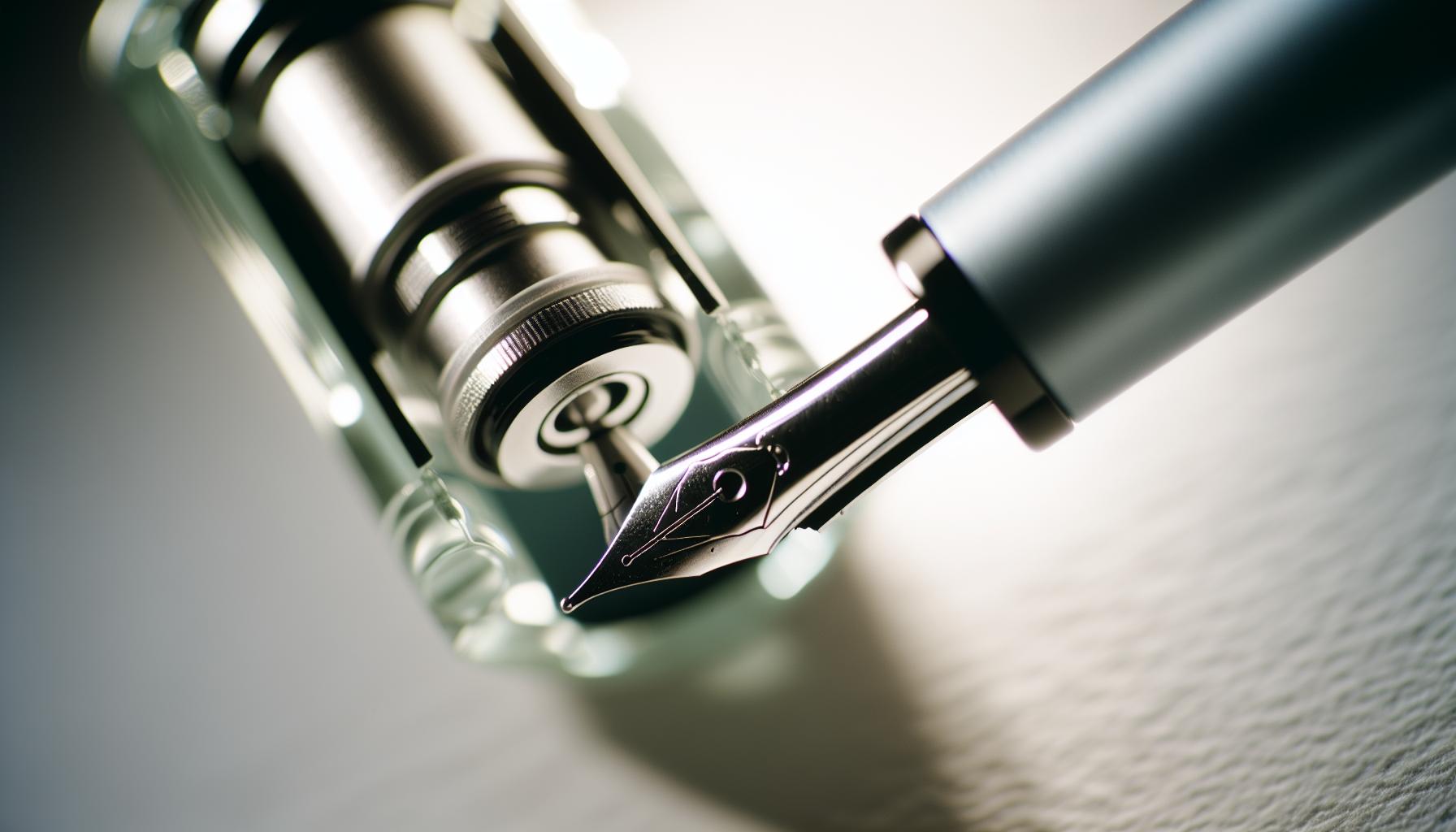
Understanding the Piston Filler Mechanism
The piston filler mechanism is a marvel of engineering that brings convenience and efficiency to your calligraphy experience. Picture this: with just a twist of the knob or a gentle push on the plunger, you can effortlessly draw ink directly from a bottle into your fountain pen. This isn’t just about filling your pen; it’s about harnessing a tool that understands your artistic needs, allowing for seamless transitions between colors and styles without the hassle of cartridges.
At the heart of this mechanism lies the piston itself, housed snugly within the pen’s barrel. When activated, the piston moves back and forth, creating a vacuum that pulls ink into the reservoir. This straightforward yet effective design is what sets piston fillers apart. Because they enable you to control the ink intake precisely, you can fill your pen with just the right amount of ink for your project, minimizing waste and keeping interruptions to a minimum.
The beauty of piston fillers doesn’t stop at their mechanism; they offer substantial ink capacity compared to other filling types. This means more time writing and less time worrying about refills-a key consideration for calligraphers who often engage in lengthy projects. With a piston filler, you can immerse yourself fully in your art, knowing that your ink supply won’t run dry at a critical moment.
In practical terms, utilizing a piston filler is straightforward, enhancing not just your writing experience but also your connection to the materials you’re using. Whether you’re experimenting with vibrant shades or flowing lines, the mechanism’s reliability supports your creativity with each stroke. Embracing a piston filler pen is stepping into a world where your artistry flows as freely as the ink in your pen.
Advantages of Using a Piston Filler
Using a piston filler pen can transform your calligraphy experience in ways that are both practical and rewarding. One of the standout advantages is the substantial ink capacity these pens offer. With a piston filler, you can carry a larger reservoir of ink compared to traditional cartridges or converters. This means fewer interruptions during your creative flow. Imagine the ease of executing long, uninterrupted writing sessions without the nagging worry of running out of ink midway through a project.
Another significant benefit is the ability to refill directly from an ink bottle, which not only saves you money over time but also provides access to a wider range of ink colors and types. When you’re able to experiment with various inks, you’re not just limited to the color choices in pre-filled cartridges. This versatility can lead to more vibrant and personalized calligraphy pieces. The piston mechanism essentially allows for a more eco-friendly approach; buying ink in bottles generates less plastic waste compared to disposable cartridges.
Furthermore, the precision with which you can fill your pen is unparalleled. The piston mechanism creates a vacuum that pulls ink in smoothly, allowing you to fill it to your desired level. This level of control minimizes waste, as you can avoid overfilling and messes that typically occur when using cartridges. Plus, many calligraphers find that using a piston filler enhances their connection with the medium itself; it deepens the tactile experience of writing, making it not just a task but an enjoyable ritual.
Embracing a piston filler pen means embracing a more engaged and satisfying approach to your art. You’ll find that the advantages extend beyond mere functionality-they contribute to the joy of creation, letting your artistic style flourish with each stroke. In the world of calligraphy, where every detail matters, the benefits of using a piston filler are hard to overlook.
Types of Piston Fillers: A Comparative Guide
Choosing the right piston filler pen can be a game-changer for calligraphers. There are a variety of piston fillers on the market, each with its own unique characteristics that suit different styles and preferences. Understanding these differences can help you select a pen that enhances your writing experience.
A popular type is the traditional piston filler, where a knob on the end of the pen rotates a rod within the barrel, creating suction that draws ink into the chamber. These are favored for their reliability and straightforward functionality. They’re ideal for those who appreciate a classic design with minimal fuss.
Next up is the vacuum piston filler. This innovative design operates on a different principle, utilizing a diaphragm that contracts and expands to create a vacuum that fills the pen. Vacuum fillers often hold more ink than traditional piston fillers, making them a favorite among those who write extensively. If you value fewer interruptions for refilling, this option is worth considering.
Another variant is the modified piston filler, which combines elements of both traditional and vacuum designs. This type may feature additional mechanisms for smoother operation or easier cleaning. Calligraphers who frequently switch inks appreciate how these fillers can provide versatile options while maintaining a user-friendly experience.
Lastly, don’t overlook sealed piston fillers. These are built to prevent ink from drying out, ensuring smooth writing and reducing the need for constant maintenance. Ideal for those who may not use their pens regularly, sealed piston fillers keep everything ready for whenever inspiration strikes.
When exploring your options, consider factors like ink capacity, ease of use, and maintenance requirements. Each type of piston filler has its pros and cons, so try a few to see which feels right in your hand and matches your calligraphy style. After all, a pen is not just a writing instrument; it’s an extension of your creativity.
How to Maintain Your Piston Filler Pen
To keep your piston filler pen in top-notch condition, regular maintenance is essential. These pens can last a lifetime if properly cared for, allowing you to enjoy every drop of ink without hiccups. Here are some straightforward yet effective maintenance tips.
First and foremost, cleaning your piston filler regularly is critical. After each use, especially when switching inks, flush the pen with clean water to prevent clogs and ink residues from damaging the piston mechanism. For stubborn ink, consider using a solution of pen cleaner or a gentle dish soap diluted in water. Just make sure to rinse thoroughly to avoid any leftover cleaning agent.
Another important aspect is to inspect the piston mechanism periodically. Look for any signs of wear or degradation, especially of the rubber seals and O-rings. If you notice leaks or difficulty in filling, changing these parts can often restore your pen to perfect working condition. It’s a good practice to keep an eye on how smoothly the piston moves-it should glide effortlessly. If it feels sticky or rigid, it might need a gentle lubrication with a silicone grease specifically made for pens.
Lastly, when storing your piston filler, keep it upright with the nib pointed up. This prevents ink from settling in the nib and clogging it. If you’re storing it for an extended period, use a converter or empty the barrel to avoid ink drying inside. A little bit of attention goes a long way, ensuring your piston filler continues to perform beautifully every time you pick it up. By integrating these simple habits into your routine, you’ll enhance both the longevity and reliability of your beloved writing instrument.
Common Issues with Piston Fillers and Solutions
Piston fillers can be a dream to use, but like any tool, they come with their own set of challenges. Knowing these issues ahead of time can make your calligraphy experience smoother and more enjoyable. One common problem is ink leakage. This not only creates a mess but can also ruin your writing. Leaks typically occur when the seals within the piston mechanism degrade, often due to wear and tear or improper cleaning. To fix this, inspect the piston seals regularly. If they look worn, replacing them can usually resolve the issue, restoring your pen to its former glory.
Another issue is difficulty filling the pen. If you find that the piston isn’t drawing ink properly, there might be air trapped in the mechanism or a blockage in the ink channel. To troubleshoot this, try filling the pen with the nib submerged in ink to ensure no air bubbles interfere with the process. If the problem persists, a thorough cleaning of the ink pathway can help remove any obstructions.
You might also encounter a sticky or jammed piston. Over time, the piston can become resistant to movement due to dried ink or dust accumulation. Regular cleaning will prevent this; using a silicone grease can keep the piston moving smoothly when reassembling it after cleaning. Always ensure you flush the pen after using different inks to minimize buildup.
Lastly, don’t overlook the importance of ink selection. Certain inks can be thicker or more viscous, leading to potential clogging. If you notice decreased ink flow, experiment with different ink brands known for their compatibility with piston fillers. Choosing the right ink can significantly reduce frustration and enhance your writing experience.
By being aware of these common issues and knowing their solutions, you can keep your piston filler performing beautifully, allowing you to focus on your calligraphy art without the distractions of mechanical failures.
Piston Fillers vs. Other Filling Mechanisms
The world of calligraphy pens presents a fascinating array of filling mechanisms, but none rival the elegance and efficiency of piston fillers. Unlike cartridge systems that offer convenience, piston fillers provide an advanced, refillable option that allows you to access a broader spectrum of ink choices and quantities. This flexibility not only enhances your writing experience but can also save money in the long run by reducing the need for disposable cartridges.
When we stack piston fillers against the more common filling mechanisms-like cartridge, converters, and eyedropper systems-several distinctions emerge.
Piston Fillers vs. Cartridge Pens
Cartridge pens are all about ease; you pop in a pre-filled cartridge, and you’re ready to write. However, you’re limited to the ink choices available in those cartridges. Piston fillers, on the other hand, allow you to use any bottled ink you desire, granting you far greater creativity in your writing. Plus, once they’re filled, many piston fillers hold a significant amount of ink, meaning fewer interruptions for refills during long writing sessions.
Piston Fillers vs. Converters
Converters offer a middle ground between cartridges and piston fillers-they let you use bottled ink but require a bit of manual effort to fill. While both converters and piston fillers enable versatility, piston fillers excel in efficiency. Once you fill a piston filler, you can write for a longer duration without needing to refill, which is essential for those immersive calligraphy sessions.
Piston Fillers vs. Eyedropper Systems
Eyedropper pens offer an extremely large ink capacity but often at the cost of convenience and cleanliness. Filling these pens can be messy, as you have to use a dropper, and they can lead to leaks if not sealed properly. Piston fillers generally strike a better balance-they provide a secure filling process with less mess while still offering a respectable ink capacity.
In choosing a piston filler, consider factors like ink capacity, ease of use, and the diversity of ink you want to experience. By understanding these differences, you can select a filling mechanism that enhances your writing art rather than complicates it, ensuring your creativity flows as smoothly as your ink.
Choosing the Right Piston Filler for Your Needs
When it comes to selecting a piston filler for your calligraphy needs, it’s not just about aesthetics or brand names-it’s about functionality that aligns with your unique writing style and preferences. A quality piston filler can elevate your calligraphy experience, offering both versatility in ink choices and efficiency in usage. So, how do you choose the right one for you? Here’s what to consider.
Start by assessing your typical writing habits. If you often find yourself lost in long sessions of calligraphy, a piston filler with a larger ink capacity becomes essential. You won’t want to interrupt the flow of inspiration to refill constantly. Look for models that boast a capacity of 1.5 ml or more; these can keep you writing longer without breaks. However, if you prefer to switch inks often to match different projects, consider a piston filler that’s easy to clean and allow for quick changes between colors.
Another vital factor is the ease of filling. Some piston fillers offer a more user-friendly design, which allows for a mess-free experience and smooth operation. Pay attention to the mechanism of the piston-those with a robust, well-designed mechanism will provide a satisfying filling experience that won’t lead to leaks or unexpected hiccups.
Don’t overlook the weight and size of the pen, too. A heavier pen might provide better control for intricate lettering, but it could become tiring for extended use. On the flip side, a lighter pen might feel more comfortable but less stable during writing. Test a few in-store if possible, or choose a reputable seller with a solid return policy.
Lastly, consider the aesthetics. While function is paramount, you also want to enjoy using a pen that visually inspires you. Look for finishes, colors, and designs that resonate with your personality. A beautiful pen can spark creativity and make your writing sessions even more enjoyable.
In conclusion, the right piston filler for you should enhance your calligraphy experience. By thinking carefully about your writing habits, preferences in filling mechanisms, and personal aesthetics, you’re more likely to find a piston filler that complements your artistry perfectly.
Tips for Refilling a Piston Filler Pen Easily
Refilling your piston filler pen can be smooth and simple once you get the hang of it. Many calligraphers prefer this filling mechanism for its ease of use and the ability to hold a larger volume of ink. To make your refilling process more efficient and less messy, consider these practical tips.
First, always start with a clean work area. Lay down a paper towel or an old cloth underneath your pen to catch any stray drips during filling. Ensure the ink bottle is full and easily accessible, and that you have any tools, like a pipette or funnel, handy if they’re needed.
When it comes time to refill, follow these steps:
Steps to Refill Your Piston Filler Pen
- Remove the cap: Unscrew or pull off the cap of your pen to access the nib.
- Fully extend the piston: Twist the filling mechanism to raise the piston fully to draw in ink. This prevents any air bubbles from forming.
- Submerge the nib: Dip the nib into the ink bottle deep enough to cover it but not so deep that you submerge the entire section of your pen.
- Press down the piston: Slowly push the piston down to force air out and draw in ink. Release it to suck in ink, then withdraw the nib from the ink.
- Wipe off excess ink: Use a cloth to wipe the nib and section before capping your pen to avoid smudging.
It’s crucial to maintain a steady pace and not rush through the filling process. This attention ensures that you avoid air bubbles, which can lead to skipping while you write. If you see air bubbles during filling, simply repeat the process by raising the piston and dipping the nib back into the ink.
Lastly, consider investing in a dedicated ink bottle with a narrow opening designed for fountain pens. This allows you to refill with precision, reducing spillage and mess. With these tips, refilling your piston filler pen can transform from a tedious task into a quick and enjoyable part of your calligraphy routine. Experience will build your confidence, so don’t hesitate to practice!
User Experiences: Why Calligraphers Love Piston Fillers
There’s a distinct charm that comes with using piston fillers in calligraphy, making these pens a favorite among many artists. The smooth ink flow and larger ink capacity are just the beginning. Calligraphers often share how piston fillers enhance their writing experience, bringing both artistry and practicality together in one tool.
One of the standout features of piston filler pens is their ability to hold large amounts of ink, which means fewer interruptions for refills during long writing sessions. This is especially crucial for those who spend hours crafting intricate designs or detailed lettering. Many artists appreciate the seamless, uninterrupted flow of ink, allowing for more fluid and expressive strokes without the constant worry of running out.
Moreover, the very act of filling a piston pen can be an enjoyable ritual. Calligraphers often describe the satisfaction of watching the piston draw ink into the chamber, creating a magical moment that connects them to the medium. This connection fosters a more intimate relationship with the pen, making each writing experience more meaningful.
Additionally, the ease of refilling enhances its appeal. Using a piston filler allows for fewer moving parts compared to cartridge or converter systems, which can sometimes be finicky. Artists love the straightforward, reliable mechanism, making it more straightforward to keep their tools ready for creativity. The design also minimizes the risk of leaks or ink blots, keeping their workspace clean and focused on the art itself.
In essence, piston fillers offer calligraphers a perfect blend of functionality and enjoyment, making each writing session not just productive but a delightful experience. Whether you’re a seasoned professional or a beginner, the charm of a piston filler can truly elevate your calligraphy journey.
Piston Filler Innovations: What’s New in 2023?
In 2023, there’s been an exciting surge of innovation in the world of piston filler pens that every calligraphy enthusiast should know about. Brands are pushing the boundaries, integrating advanced materials and designs to not only enhance performance but also elevate the overall writing experience. A key development is the introduction of premium materials, such as lightweight titanium and high-grade plastics, which make pens more durable while maintaining a sleek aesthetic. This is a game changer for those who write for long periods, as it reduces fatigue without sacrificing style.
There’s also been a focus on improved piston mechanisms. Newer models feature smoother and more reliable piston action, which not only makes filling easier but also minimizes potential leaks-a crucial benefit for artists who love their ink. Some manufacturers are even experimenting with self-cleaning systems that can help maintain the cleanliness of the ink chamber, taking the hassle out of maintenance and ensuring a pristine writing experience every time you pick up your pen.
Moreover, the advent of smart piston fillers is capturing attention. These pens can provide feedback on ink levels and notify users when they need a refill, which is incredibly useful for calligraphers who are deeply involved in intricate projects. Imagine never running out of ink in the middle of creating a masterpiece! The integration of technology with traditional writing tools is opening up new avenues for creativity and efficiency.
Finally, let’s not overlook the eco-conscious designs emerging in 2023. Many brands are adopting sustainable practices by using environmentally friendly materials that still deliver excellent performance. This commitment not only resonates with eco-aware consumers but also blends seamlessly with the artistry of calligraphy, making every stroke feel even more meaningful.
In essence, the innovations in piston filler pens this year are not just about improved functionality; they’re about enhancing the artistic experience. As calligraphers embrace these advancements, the connection between pen and artist grows stronger, resulting in pieces that are not only visually stunning but also a joy to create.
Frequently Asked Questions
Q: What are the benefits of using a piston filler in a calligraphy pen?
A: Piston fillers offer several advantages for calligraphers. They have a larger ink capacity, allowing for longer writing sessions without refilling. The mechanism also promotes a more consistent ink flow, enhancing the quality of your writing. Additionally, they can be easier to clean and maintain compared to other filling methods.
Q: How does a piston filler differ from a converter?
A: A piston filler is a self-contained system that draws ink directly into the pen’s body, while a converter merely allows you to use bottled ink through a separate cartridge system. Piston fillers often hold more ink, providing a more versatile writing experience for long projects.
Q: When should I maintain my piston filler pen?
A: You should maintain your piston filler pen regularly, ideally after every few refills or whenever you switch ink colors. Frequent cleaning prevents ink residue build-up, ensuring optimal performance. Consider disassembling your pen according to the manufacturer’s guidelines for thorough maintenance.
Q: What common issues might arise with piston fillers?
A: Common issues with piston fillers include ink leakage or difficulty in filling due to air bubbles. Regular maintenance and proper cleaning can help reduce these problems. If you encounter persistent issues, consult manufacturer guidelines or consider seeking professional help.
Q: Can I use any ink in a piston filler pen?
A: While you can generally use most fountain pen inks in a piston filler, it’s best to avoid extremely thick or particulate inks that could clog the mechanism. Always check for compatibility to avoid damaging your pen.
Q: Why do some calligraphers prefer piston fillers over other types?
A: Many calligraphers prefer piston fillers for their ink capacity and reliable flow, which are crucial for detailed work. The ease of use and cleaning also makes them a favorite among those who value consistency in their writing experience.
Q: How long does a piston filler last with regular use?
A: A well-maintained piston filler can last many years-often decades-under regular use. The specific lifespan depends on the quality of the pen materials and how well you take care of it. Regular maintenance will ensure its longevity.
Q: What innovations are emerging for piston fillers in 2023?
A: Recent innovations for piston fillers include enhanced materials for smoother mechanics and ergonomic designs that enhance comfort during use. Some manufacturers are also experimenting with adjustable filling mechanisms for more user control over ink intake.
Feel free to explore our sections on “Advantages of Using a Piston Filler” and “Choosing the Right Piston Filler for Your Needs” for more insights!
To Wrap It Up
Now that you’ve explored the fascinating world of piston fillers for calligraphy pens, it’s time to elevate your writing experience. Understanding how these mechanisms work empowers you to make informed choices about your tools. Don’t wait-dive deeper into our guides on choosing the right ink and maintaining your calligraphy pen to ensure every stroke is just as you envision.
Have questions or tips to share? I’d love to hear from you in the comments! If you found this article useful, consider subscribing to our newsletter for more insights and exclusive content. Remember, the right tools make all the difference in your calligraphy journey, so explore more about refilling techniques and pen care practices on our site. Let’s keep the creativity flowing! Your next writing masterpiece is just around the corner.
Get our latest guides, news, and insights highlighted in your Google Search & AI Overviews.