
Did you know that mastering calligraphy can boost your creativity and add a personal touch to any project? If you’ve ever struggled with your handwriting or wanted to create stunning letters quickly, using a brush pen might be your perfect solution. Brush pens combine the ease of a traditional pen with the expressive qualities of a paintbrush, making them ideal for beginners and seasoned crafters alike. Whether you’re crafting beautiful invitations, journaling, or simply exploring a new hobby, brush pen calligraphy can elevate your work to new artistic heights. In this guide, you’ll gain the essential techniques to create breathtaking letters with speed and ease. Ready to impress yourself and others? Let’s dive in!
Understanding Brush Pens: The Right Tools for Calligraphy
Understanding brush pens is essential for anyone venturing into the world of calligraphy. These versatile tools can transform your lettering from ordinary to stunning in no time. Brush pens feature flexible bristles that allow you to create beautiful variations in line thickness, which is key to achieving that elegant, hand-lettered look. Unlike traditional dip pens, they come pre-filled with ink, allowing for greater convenience and ease of use-perfect for beginners and seasoned calligraphers alike.
When selecting the right brush pen, consider the type of tips available. There are two main types: felt tips and brush tips. Felt-tip pens offer a stiffer consistency, making them easier to control, while brush tips, which resemble traditional paintbrushes, provide more flexibility and variation in strokes. This flexibility is vital for creating the contrasting thick and thin lines that define beautiful calligraphy. For those just starting out, I recommend trying a few different sizes-small, medium, and large-to see which suits your style best and provides the versatility you need for different projects.
Don’t overlook the importance of ink quality as well. Look for pens that use fadeproof and water-resistant inks to ensure your work lasts and remains vibrant. Brands like Koi and Tombow are renowned for their quality, offering a range of colors and tip sizes that cater to various styles and preferences. You can check out brush pen options on platforms like Amazon for a range of choices [1].
Remember, having the right tools can make a significant difference in your calligraphy journey. With the appropriate brush pen in hand, you’ll be well-equipped to explore the beautiful art of lettering with confidence and style.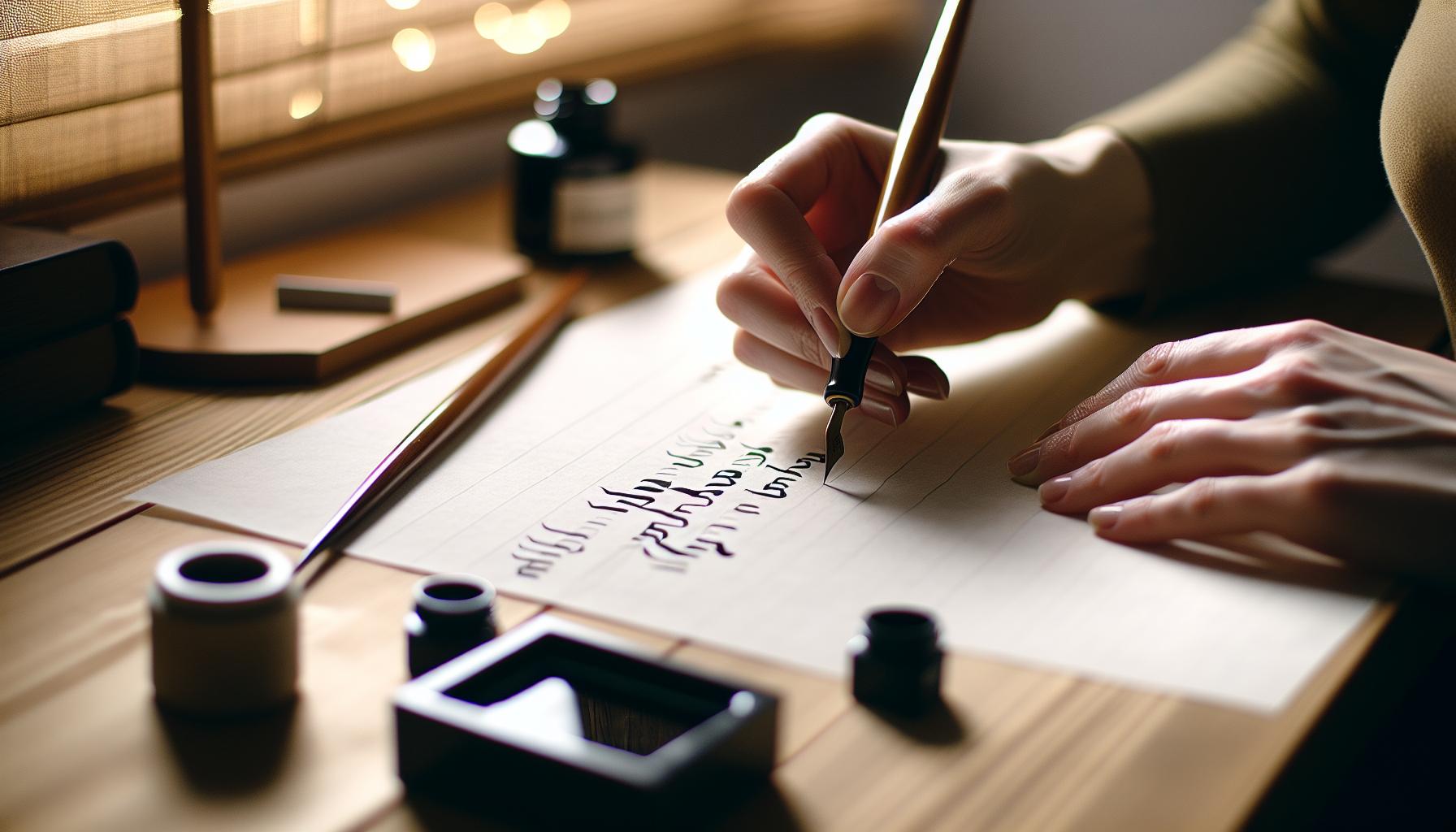
Mastering Basic Strokes: The Foundation of Calligraphy
To truly shine in the world of calligraphy, mastering basic strokes is non-negotiable. Think of it as the building block for every elegant letter you’ll create. The power of these strokes lies in their simplicity-once you get them down, they become the framework for everything else. The beauty of brush pens is how they allow you to create smooth transitions between thick and thin lines, giving your letters a professional touch without the steep learning curve associated with traditional calligraphy methods.
Start by practicing a few essential strokes repeatedly. Focus on the following:
- Downstrokes: Firm pressure creates thick lines, the foundation for bold lettering.
- Upstrokes: Light pressure results in thinner lines-these are key to creating contrast.
- Basic curves: Practice loops and spirals, which are prevalent in many letterforms.
- Connecting strokes: Work on how to link letters smoothly. This is where your practice will really pay off in crafting fluid words.
Using a guide sheet can be incredibly helpful. Draw or print outlines of these strokes and follow them until you feel comfortable freehanding them. Remember, consistency is key here. Pay attention to the pressure you apply, the speed of your movement, and the angle of your pen. These factors will greatly influence the final look of your lettering.
Don’t shy away from experimenting with your pen’s angle and the amount of pressure you apply. Each stroke you practice adds to your understanding of how to manipulate the brush pen effectively. The more you practice, the more intuitive these strokes will become. Soon, you’ll find yourself transitioning from basic strokes to creating unique, beautiful letterforms that stand out.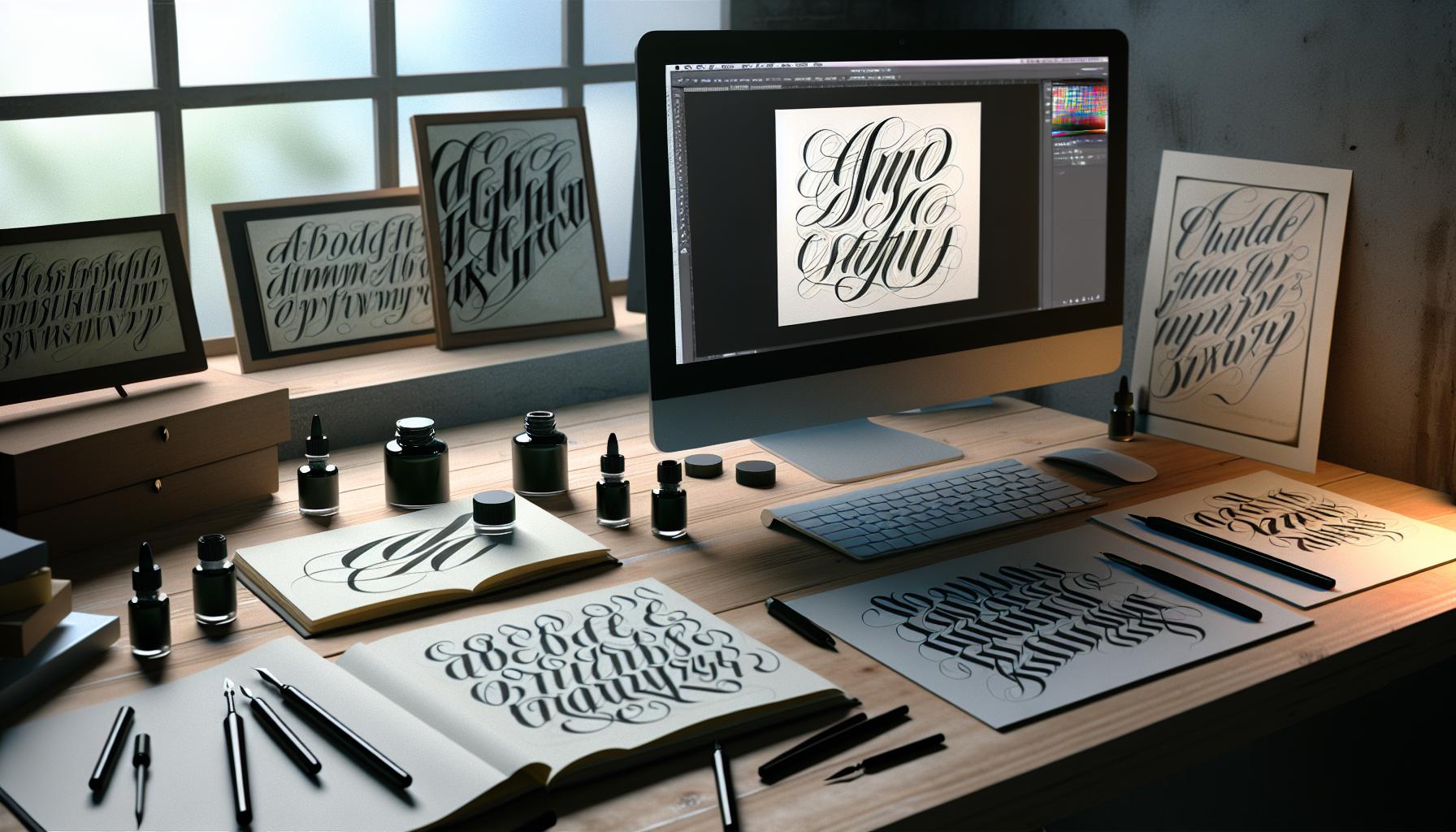
Achieving Stunning Letter Forms: Essential Techniques
To create stunning letter forms, it’s essential to combine technique with a bit of creativity. The beauty of brush pen calligraphy stems from the unique way you can manipulate the brush to form expressive, flowing letters. A great starting point is to understand the anatomy of the letters you want to create. Each letter consists of strokes that can be broken down into basic shapes. By focusing on these shapes, you’ll find that achieving a stunning letter form becomes more manageable.
Begin by practicing the fundamental shapes that make up the letters. Think of the letter ‘o’, for instance-it’s a rounded shape that can be produced smoothly with a simple upward stroke followed by a downwards curve. Similarly, letters like ‘a’ or ‘b’ incorporate curves and lines that can be practiced individually. Here are a few essential techniques to enhance your letter formation:
- Consistent Pressure: The key to beautiful brush strokes is varying your pressure. Apply firm pressure for thick downstrokes and lighter pressure for thin upstrokes. This dynamic contrast is what gives brush calligraphy its distinctive flair.
- Fluid Movement: Keep your hands relaxed to allow for fluid, natural movements. Try not to overthink your strokes-let your hand glide gracefully across the paper.
- Angle Awareness: The angle of your brush pen can drastically alter your strokes. Experiment with different angles to see how it affects the flow of your letters.
- Practice in Isolation: When learning a new letter, isolate its form from the rest of the word. Write it repeatedly until you feel comfortable incorporating it into a larger piece.
As you practice these techniques, consider how different styles affect your letter forms. Whether you go for a modern, whimsical style or something more traditional, the way you hold the brush and exert pressure can bring your unique touch to each piece. You might also find inspiration from various calligraphy styles-script, sans-serif, or even decorative-but always maintain your personal flair.
Regularly stepping back to assess your progress is vital. This reflection allows you to notice areas for improvement, such as uneven pressure or awkward transitions. Over time, these small adjustments will lead to extraordinary results. So, grab your brush pen, and let your creativity flow!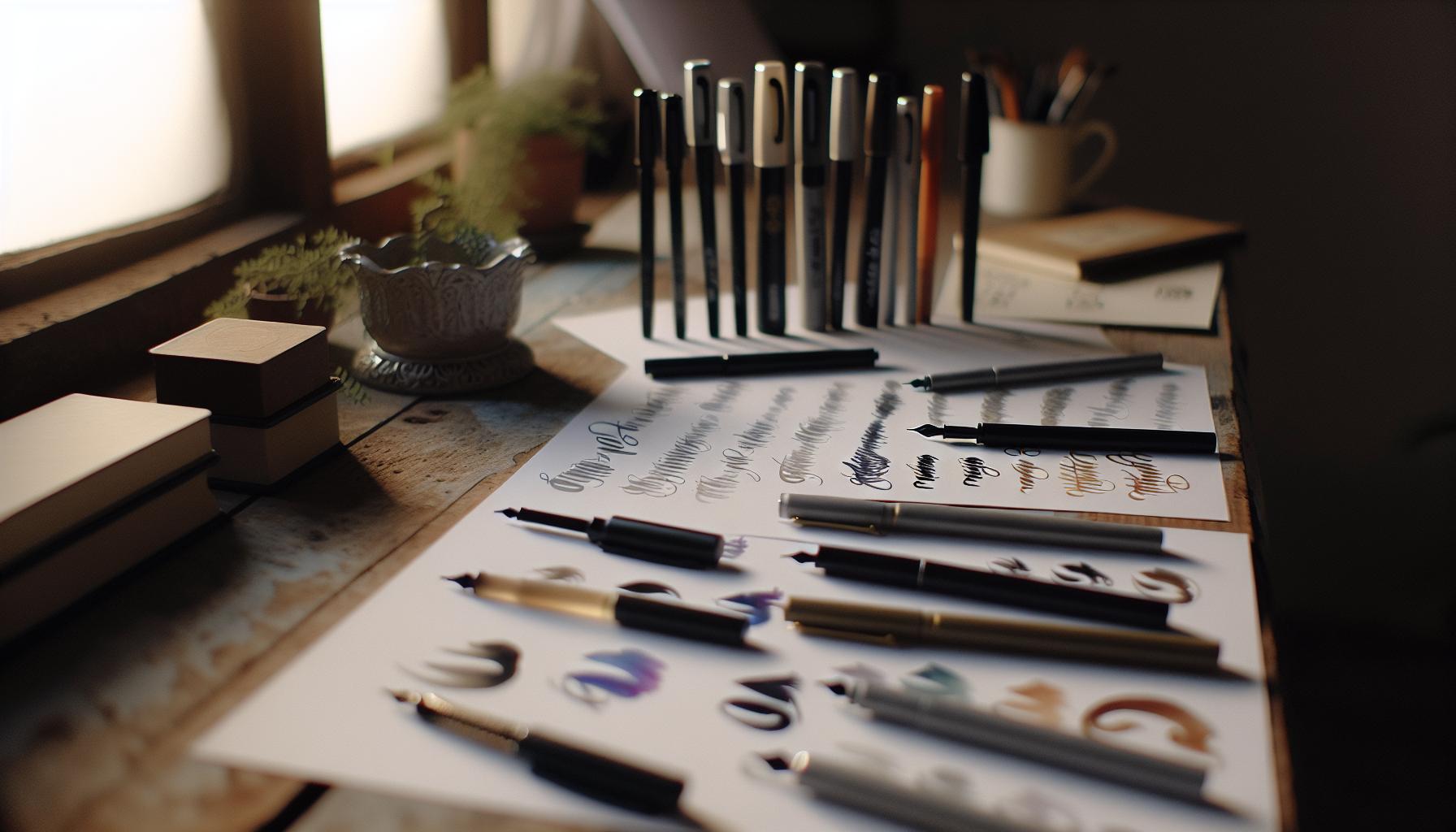
Choosing the Perfect Brush Pen for Your Style
When it comes to brush pen calligraphy, selecting the right pen can make all the difference in how easily you can create stunning letters. Not all brush pens are created equal; the perfect pen for you will depend on your individual style, experience level, and the specific techniques you want to master. A solid rule of thumb is to start with pens that offer a good balance of flexibility and control, allowing you to experiment without frustration.
One standout choice for beginners is the Tombow Fudenosuke Brush Pens. Their small tips provide excellent control, making it easier to achieve precise strokes. With both hard and soft nib options, you can experiment with differing levels of firmness, which is great for finding what feels most comfortable in your hand. These pens can help you understand how pressure affects your line thickness, which is crucial for mastering calligraphy techniques.
If you’re looking for a softer touch, larger pens like the Pentel Arts Sign Pen can offer a unique experience. These brush pens are floppier and might require a bit more practice to handle effectively, but they produce beautiful, flowing lines that can really enhance your writing style once you get the hang of them. For those ready to take a leap into more advanced styles, consider the Koi Coloring Brush Pens, which are ideal for vibrant coloring and intricate designs. However, be prepared to practice a lot, as their softness can make them tricky for beginners.
Ultimately, the ideal brush pen is the one that feels right for your grip and style. Don’t hesitate to experiment. Visit art supply stores where you can try different pens before buying, or look online for sample packs. The key is to find a pen that makes you excited to write. Remember, the right tool can not only enhance your skills but also make the process of creating beautiful calligraphy more enjoyable!
Creating Depth: Mixing Colors in Brush Calligraphy
Mixing colors in brush calligraphy can elevate your work to a whole new level, transforming simple letters into vibrant, dynamic art. It’s all about creating depth and interest through color blending, and you can do this effectively with just a few techniques and tools. By changing up your color combinations and blending methods, you’ll not only enhance your calligraphy aesthetic but also develop your unique style.
To start, pick a light and a dark color from your brush pen collection. A popular choice is the Tombow Dual Brush Pens, which feature a wide color range and are excellent for blending due to their water-based ink. Begin by applying the lighter color to your brush strokes. Once you’ve laid down your base, take the darker color and gently apply it to the edges or areas where you want more depth. Using a technique called “two-tone blending,” lightly drag the darker color into the lighter while the ink is still wet. This subtle transition creates stunning gradients that can give your letters a sense of movement and complexity.
Another method is using a blending palette. The plastic lid from your pen case makes a perfect spot for this. Squirt out a bit of the darker ink, and dip your brush pen into it. From there, you can scribble on a separate piece of paper to monitor how the two colors intertwine. This approach not only helps you visualize the blending process but also allows for experimentation with different shades. The goal is to achieve a smooth gradient, so don’t rush; take your time to play with the colors until you find a blend that excites you.
Finally, remember that practice is key. Don’t hesitate to try new color combinations or blending techniques. Creating depth through color not only enhances your calligraphy but also provides an exciting avenue for self-expression. Make it a part of your daily practice, and you’ll notice how your skills and creativity flourish!
Exploring Common Calligraphy Styles: Find Your Fit
Finding your niche in the world of calligraphy can feel overwhelming, especially with the myriad of styles available. But exploring various styles can not only enhance your skills but also help you discover your unique voice as a calligrapher. Calligraphy isn’t just about beautiful writing-it’s about expressing your personality through the pen. Different styles evoke different emotions and aesthetics, so let’s dive into some common ones to help you find what resonates with you.
One popular style is Modern Calligraphy, which combines traditional techniques with contemporary flair. It’s known for its playful, free-flowing shapes that often feature varying thicknesses, giving it a whimsical charm. If you fancy flexibility and creativity over strict rules, this style might be your go-to. It works well for everything from wedding invitations to personalized gift items.
In contrast, Copperplate Calligraphy is rooted in historical techniques and showcases beautiful flourishing and fine lines. This more structured style can be challenging at first, but mastering it offers a deep sense of accomplishment as well as potential for standout pieces. If precision and grace appeal to you, consider starting with Copperplate.
Another style, Brush Lettering, is highly approachable for beginners. Utilizing brush pens allows for a more dynamic and expressive feel while still looking polished. You can create bold strokes and fluid letters, making it suitable for casual projects like greeting cards or art prints. If you’re just starting and want to rapidly achieve stunning letters, brush lettering can be incredibly gratifying.
Experimenting with these styles gives you a foundation to build upon. Don’t be afraid to mix elements from different styles; some of the most beautiful pieces come from a fusion of techniques. Take the time to practice, play, and find out what feels right for you. Your calligraphy journey is uniquely yours-embrace it!
Speedy Tricks: Write Beautifully Without Sacrificing Time
Getting beautiful brush lettering down pat doesn’t have to take ages. In fact, with some smart techniques, you can speed up your calligraphy game while still creating stunning results. Here’s how to achieve that coveted balance of speed and elegance.
First off, practice your basic strokes thoroughly. Once you have a grip on these foundational elements, it’ll be easier to flow into letters and words without overthinking. Spend some time just focusing on upstrokes and downstrokes until they feel second nature. This will help you minimize fumbles and keep your rhythm steady when writing full words.
Next, consider simplifying your letterforms. While it’s tempting to dive into intricate flourishes, these can slow you down. Instead, develop a streamlined version of your style. For example, instead of elaborate swirls, opt for a clean baseline and consistent spacing. This not only quickens your process but also maintains clarity and readability in your work.
Additionally, keeping your tools in prime condition can significantly enhance your efficiency. Use a brush pen that feels comfortable and has a good flow. Brands like Tombow Fudenosuke are top picks for their control and versatility, especially when you’re learning to juggle speed and skill. Make sure your pen is well-inked and clean, as even a small interruption in flow can stall your progress.
Lastly, don’t shy away from practicing in batches. Choose a few words or phrases you want to perfect and repeat them multiple times without stopping. This not only builds muscle memory but also allows you to notice patterns that you can refine. Remember, as you become comfortable with the movements, speed naturally follows.
By focusing on these strategies, you’ll find that you can write beautifully in less time, freeing up your practice for other creative explorations. Embrace the journey!
Troubleshooting Common Calligraphy Issues
If you’re diving into brush pen calligraphy, you’ll inevitably face some hiccups along the way. It’s part of the journey, but the good news is, most issues have straightforward solutions. Recognizing these common pitfalls and knowing how to address them can make your calligraphy practice not just smoother but also way more enjoyable.
One issue often encountered is inconsistency in line thickness. You might aim for the perfect downstroke but end up with a wobbly line instead. This usually stems from pressure control. To remedy this, focus on practicing your upstrokes and downstrokes separately. Spend dedicated time just on the pressure you apply-light for upstrokes and firmer for downstrokes until this differentiation feels natural. Make it a habit to maintain consistent speed and pressure throughout your strokes; this will enhance your overall letter quality.
Another common struggle is running out of ink at critical moments. If you notice your strokes are turning weak or uneven, your brush pen may be running low. Keep a backup handy, or switch to a refillable pen system if you’re serious about your craft. Regularly check the ink levels in your pens before starting your practice session-this simple step can save you from frustrating interruptions.
You might also find that your letters start to bleed or smudge, especially if you’re using a paper that isn’t suited for brush pens. Choose a smooth, heavyweight paper designed specifically for brush lettering to tackle this issue. This will help you maintain clarity in your work and improve your overall flow. Testing out different papers can also be an enjoyable part of your journey; some will work better with certain inks or styles.
Finally, if you’re struggling to get the desired look or feel in your writing, it’s worth re-evaluating your brush pen choice. Not all brush pens are created equal; some offer more control and flexibility than others. As highlighted by many beginners, brands like Tombow Fudenosuke or Kuretake Zig provide a great blend of responsiveness and ease of use. Experiment with a few different types to find the one that best suits your unique style and preferences.
Brush pen calligraphy is meant to be fun and expressive, and troubleshooting these common issues is simply part of your growth as an artist. Embrace them, and remember that each mistake is just one step further on your path to mastery.
Elevate Your Technique: Advanced Brush Pen Tips
Shifting from basic brush pen techniques to advanced skills is where the magic truly happens. To make your calligraphy pop, experimentation is key. Not only with techniques but also with materials. Here are several tips and strategies to take your brush pen calligraphy to the next level.
Vary Your Pressure and Speed
Strong calligraphy often hinges on the control of pressure and speed. Aim for varied pressure on both upstrokes and downstrokes; lighter pressure for delicate lines and firmer for bold strokes creates more dynamic and engaging letters. As you practice, play with the pace at which you write-speeding up your upstrokes can provide a whimsical touch, while slowing down on downstrokes emphasizes strength and elegance.
Master Flourishes
Don’t hesitate to incorporate flourishes into your work. These can be added at the beginning or end of letters to enhance their beauty. Start small by adding a simple loop or wave, and as you get comfortable, build up to more elaborate designs. Remember, flourishes should complement your letters, not overwhelm them-so maintain balance and subtlety.
Explore Color Blending
Color can dramatically change the impact of your lettering. Mix colors directly on paper for a gradient effect or layer them using the “wet-on-wet” technique. Start by applying a light wash, then introduce a darker shade while the first layer is still wet. This method enriches the visual texture and depth of your work, setting your calligraphy apart.
Focus on Consistency Through Practice
Consistency is crucial for polished work. Set aside time just for refining your technique. Consider creating a series of practice sheets where you repeat individual letters or phrases repeatedly. This not only builds muscle memory but also helps you identify areas needing improvement. Tools such as grid paper can offer guidance on keeping proportions and alignments uniform.
By incorporating these advanced techniques, you can significantly elevate your brush pen calligraphy. Whether you’re blending colors, mastering pressure, or adding stylish flourishes, remember that innovation often arises from experimentation. Enjoy the process, and let your creativity shine through your strokes!
Inspiring Projects: Showcasing Your Calligraphy Skills
There’s something incredibly satisfying about seeing your calligraphy in action. Whether you’re creating beautiful greeting cards or eye-catching wall art, inspiring projects can truly showcase your skills and passion for brush pen lettering. Let’s dive into a few exciting ways to take your work off the practice paper and into the world!
Create Custom Greeting Cards
Handmade cards never go out of style, and your calligraphy can add a personal touch that store-bought cards just can’t match. Start by designing greeting cards for different occasions-birthdays, holidays, or thank you notes. Use colorful ink to match the occasion, and don’t shy away from decorations like washi tape or small illustrations. Personalizing your writing style to the theme of your card can create a memorable experience for the recipient.
Design Wall Art
Transform your calligraphy into stunning wall art. By selecting powerful quotes or personal mantras, you can create pieces that resonate deeply. Use larger sheets of paper or canvas for this project, and play around with different layouts. Mixing fonts or styles can create visual interest-try combining modern brush lettering with classic typefaces. Once you’re happy with your design, frame it or use it as part of your home decor.
Craft Personalized Gifts
Personalized gifts always stand out, and your calligraphy skills can help you create unique items. Consider etching a loved one’s name or a special date onto a wooden plaque, using your brush pen to create a design that they’ll cherish forever. Alternatively, create custom bookmarks featuring their favorite quotes or illustrations, making reading even more special for them.
Engage in Collaborative Projects
Connect with other artists or friends to work on collaborative pieces. This could involve designing a shared mural, contributing to a community art project, or even running a joint calligraphy workshop. These collaborations not only expand your creativity but also help you to learn from others and keep your passion fresh.
By embarking on these projects, you can not only showcase your growing skills but also add a personal flair to everyday items. So, grab your brush pens, let your creativity flow, and watch as you turn your calligraphy into beautiful art that others can admire and enjoy.
Building a Calligraphy Practice Routine: Stay Consistent
Consistency is key when it comes to mastering brush pen calligraphy. Setting aside dedicated time in your schedule, even if it’s just 15 minutes a day, will make a world of difference. The more you practice, the more comfortable you’ll feel with the brush pen, leading to smoother letters and better control. Start by creating a routine that works for you-maybe it’s in the morning with a cup of coffee or during a quiet moment in the evening. Whatever it is, carve out that time and stick to it.
To make the most of your practice sessions, focus on a structured approach. Start each session with warm-up strokes to get your hand used to the pen‘s pressure dynamics. Gradually incorporate various letter forms and strokes, building from simple to complex. Use practice sheets that outline basic strokes and letter forms, which will help to reinforce your skills as you progress. Don’t hesitate to track your improvements; it’s satisfying to see how far you’ve come over time.
Use a notebook specifically for your calligraphy practice. This serves as a personal log of your development and allows you to see your growth. You can also set goals for your practice sessions, such as mastering a particular letter style or experimenting with a new technique. When you have clear objectives, it feels rewarding to achieve them, and this motivation fuels your practice.
Lastly, be patient with yourself. Progress in calligraphy is often gradual, but every stroke counts. Celebrate your small victories-whether it’s a new technique you’ve mastered or simply a good session. Consistency not only solidifies your skills but also makes the process enjoyable. Keep at it, and you’ll soon find yourself producing stunning letters with ease and confidence.
Join the Community: Connect and Share Your Art
Connecting with fellow calligraphy enthusiasts can transform your practice and elevate your skills. There’s a vibrant community out there, filled with creators eager to share tips, inspiration, and encouragement. Whether you’re a seasoned calligrapher or just starting, reaching out to others not only provides motivation but also opens doors to new techniques and perspectives.
One of the best ways to immerse yourself in this community is through social media. Platforms like Instagram and Pinterest are treasure troves of calligraphy content. Join hashtags like #BrushPenCalligraphy or #CalligraphyCommunity to discover stunning works and techniques. You can easily share your creations, receive constructive feedback, and even connect for collaborative projects. Participating in challenges, such as daily lettering prompts, can also spark creativity and help you establish a daily practice.
Don’t underestimate the power of local meetups or workshops. Many artists host classes or casual gatherings where you can meet fellow calligraphers. These settings provide invaluable practice opportunities, personalized feedback, and a chance to learn from different styles. If in-person options are limited, consider online workshops. They’re flexible and can introduce you to people from all over the world, expanding your artistic circle.
Remember, sharing your art doesn’t just help you connect; it inspires others too. By posting your work, sharing your journey, and even showing your mistakes, you can create a welcoming space that encourages beginners and seasoned artists alike. So dive in, show off those stunning letters, and let the community uplift your calligraphy journey!
FAQ
Q: What is the best way to hold a brush pen for calligraphy?
A: Holding the brush pen correctly is crucial for fluid strokes. Grip the pen lightly, at about a 45-degree angle to the paper. This position allows the bristles to fan out, creating beautiful letterforms. Practice this grip consistently for smoother writing results. For further details, check the section on Mastering Basic Strokes.
Q: How can I practice brush calligraphy effectively at home?
A: To practice brush calligraphy effectively, set a regular routine and use printable practice sheets. Start with basic strokes to build muscle memory, then progress to letters and words. Dedicate at least 15-30 minutes daily for best results. Explore Building a Calligraphy Practice Routine for structured tips.
Q: What are common mistakes beginners make in brush calligraphy?
A: Beginners often hold the brush too tightly, resulting in uneven strokes. Additionally, rushing through practice can hinder progress. Focus on patience, proper grip, and consistent practice. Avoiding these mistakes will lead to significant improvement. More insights are found in the Troubleshooting Common Calligraphy Issues section.
Q: How do I clean my brush pen to maintain its quality?
A: To keep your brush pen in top shape, clean it after each use. Simply rinse the bristles under lukewarm water, gently squeezing them to remove ink. Avoid soaking the entire pen to preserve its integrity. Regular cleaning will enhance your pen’s longevity and performance.
Q: Can I use regular paper for brush calligraphy?
A: While you can use regular paper, it’s better to choose smooth, bleed-proof paper. This prevents ink from feathering and allows for cleaner strokes. Experiment with different types of paper to find what works best for your style. For material recommendations, refer to Understanding Brush Pens.
Q: What brush pen tips can help improve my speed while writing?
A: To improve your speed in brush calligraphy, focus on fluidity rather than perfection. Practice connecting letters in a cursive manner, and use techniques like faux calligraphy for quicker designs. The Speedy Tricks section offers more suggestions to enhance your writing pace.
Q: Is it possible to combine different colors in brush calligraphy?
A: Yes, mixing colors can add depth and creativity to your calligraphy. Use layering techniques or gradient styles for stunning effects. Experiment with combining colors on your strokes to create a unique look. Check out the section on Creating Depth: Mixing Colors in Brush Calligraphy for specific techniques.
Q: What materials do I need to start brush calligraphy?
A: To start brush calligraphy, you’ll need a good quality brush pen, smooth paper, and a practice tool (like a ruler). Optionally, gather water-based inks and a blending tool for advanced techniques. Refer to Choosing the Perfect Brush Pen for Your Style for more detailed recommendations.
Future Outlook
Now that you’ve learned the essential techniques for creating stunning letters with a brush pen, it’s time to put that knowledge into practice! Remember, the key to mastering calligraphy is consistent practice and experimentation. Don’t hesitate to explore our detailed guides on creating personalized fonts or adding beautiful ligatures to elevate your calligraphy skills even further.
Feeling inspired? Join our newsletter to get the latest tips right in your inbox and show us your creations in the comments below! Your journey in calligraphy doesn’t end here-dive into our resources and discover how tools like Calligraphr can help you create unique, custom fonts that reflect your style. Start exploring today, and let your creativity flow!
Get our latest guides, news, and insights highlighted in your Google Search & AI Overviews.