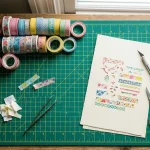

When it comes to crafting, decorating, and organizing, understanding the differences between washi tape and masking tape can elevate your projects. Did you know that while both serve unique purposes, their applications and aesthetics vary significantly? Washi tape is all about creativity and style, often featuring vibrant patterns and easy removability, making it ideal for embellishing journals and gifts. In contrast, masking tape is more utilitarian, designed primarily for precise painting and packing tasks.
If you’ve ever found yourself confused in the aisle of a craft store, you’re not alone. Many people grapple with the choice between these two tape types and what they can truly offer. By clarifying their distinct roles, you can make informed decisions that boost your creative efforts or home projects. So, let’s dive deeper into the essentials of washi and masking tape and uncover the key differences that will help you choose the right tape for your needs.
No, washi tape is not the same as masking tape. Washi tape is crafted from delicate, natural Japanese mulberry fibers with low-tack repositionable acrylic adhesive for art and damage-free paper crafting, whereas masking tape uses coarse crepe paper and aggressive rubber adhesive built for utility and paint-blocking.
What Exactly is Washi Tape?
Washi tape is a versatile, decorative adhesive tape that originated in Japan. Made from traditional Japanese paper, called “washi,” it offers a unique blend of style and functionality. This tape comes in various colors, patterns, and widths, making it a favorite among crafters, artists, and planners. What distinguishes washi tape is its semi-transparent quality, which allows it to layer beautifully, adding depth and texture to projects without overwhelming other elements.
One of the standout features of washi tape is its low-tack adhesive. This characteristic means it adheres well but can also be easily repositioned or removed without leaving residue. Thanks to its delicate composition, washi tape is perfect for use on paper products, such as journals, scrapbooks, and card making. Additionally, it has gained popularity for decorating items like phone cases, mugs, and even walls, as it can enhance aesthetic appeal with minimal commitment. Its gentle adhesive makes it particularly easy to use on delicate surfaces, allowing for a creative approach without the fear of damage.
Beyond its decorative uses, washi tape is a practical tool. Many people incorporate it into their organization systems, using it to label folders or color-code notes. Emphasizing creativity, washi tape invites experimentation-whether in DIY projects or simple home decor enhancements. It’s not just a craft supply; it’s a means of self-expression and a way to personalize everyday items. Regardless of the project, washi tape provides endless possibilities for creativity and customization.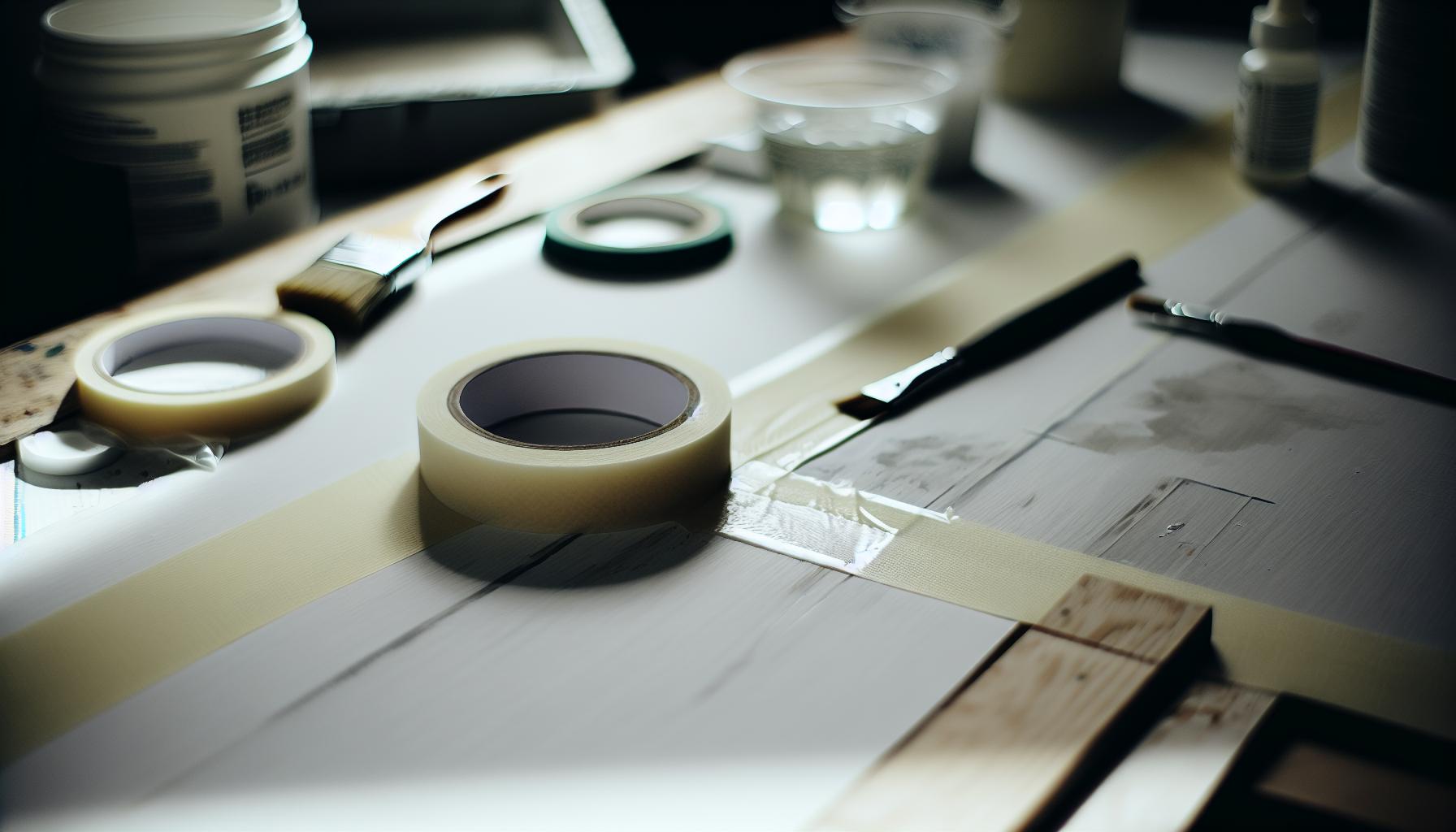
Understanding Masking Tape: The Basics
Masking tape is a staple in the world of DIY projects and home improvement, and understanding its characteristics can help you make informed choices for your next task. Unlike washi tape, which delights with its decorative appeal, masking tape is designed primarily for function. It’s a pressure-sensitive tape made from a thin and easy-to-tear paper, featuring a straightforward adhesive that makes it easy to apply and remove without leaving residue behind. The key advantage of masking tape is its ability to create sharp paint edges and protect surfaces during painting or repairs.
When it comes to types, conventional masking tape is often used for general applications, while specialty variants, like painter’s tape, offer even better adhesion and easier removal. This type is specifically formulated for painting projects, ensuring that paint doesn’t seep under the tape, resulting in a cleaner finish. Additionally, masking tape has a variety of widths, which translates to versatility for different tasks-from crafting to basic home repairs.
It’s worth noting that while masking tape is durable, it may not hold up as long outdoors, especially when exposed to moisture or extreme temperatures. But for indoor applications, it can be a reliable choice as it provides good hold for light tasks. Furthermore, its ability to conform to uneven surfaces ensures it can be used effectively in various situations.
Overall, masking tape serves a critical role in many projects, offering practicality and ease of use, making it a go-to for both amateurs and professionals alike. Whether you’re masking off areas for painting, organizing cords, or temporarily affixing lightweight materials, this versatile tape is an essential tool in any toolbox.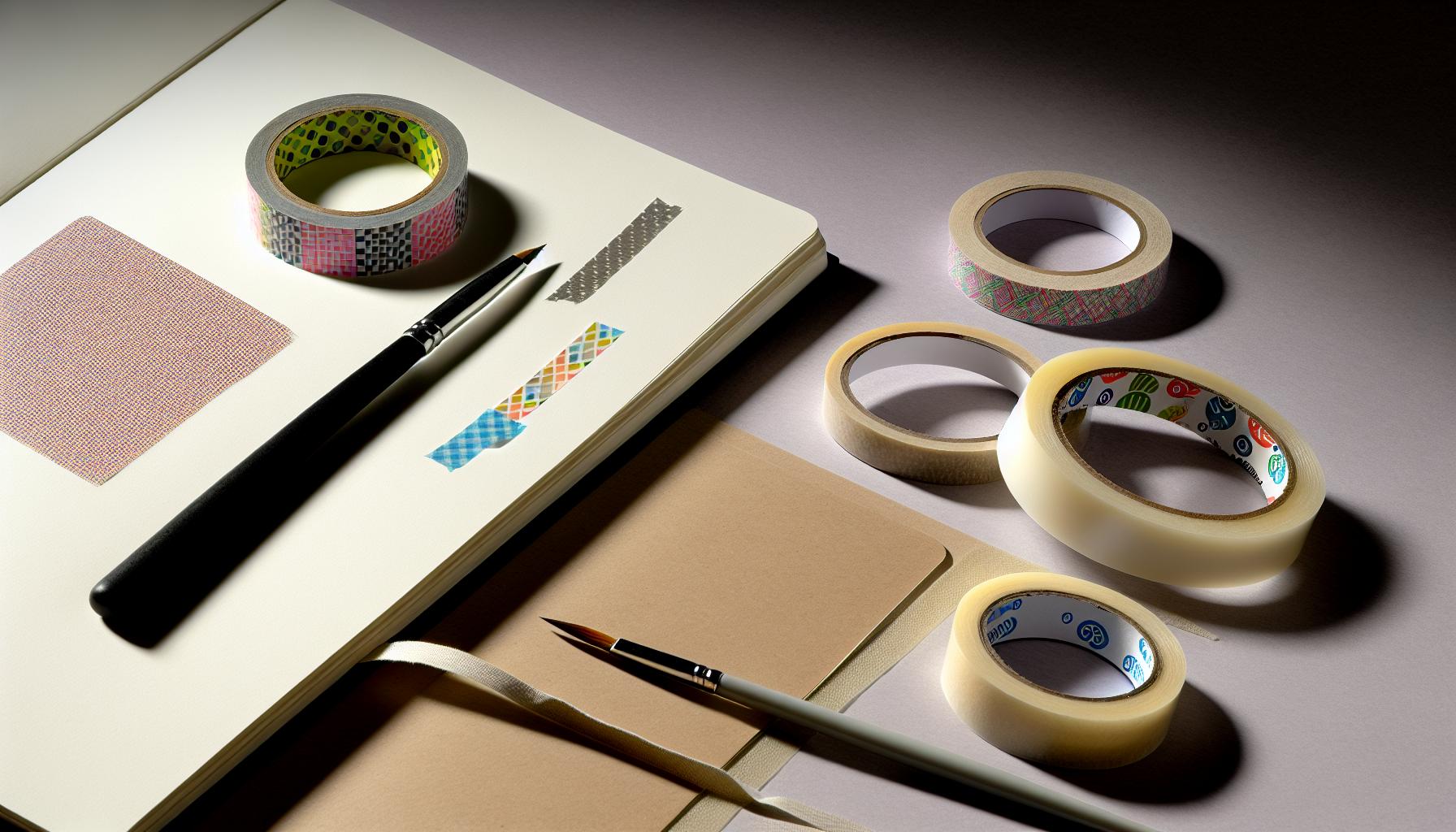
Key Differences Between Washi and Masking Tape
When it comes to choosing between washi tape and masking tape, understanding their distinct characteristics can greatly influence your project outcomes. Washi tape, crafted from traditional Japanese paper, is not just functional but is a form of art in itself. It comes in a multitude of colors and patterns, making it perfect for decorative purposes, such as scrapbooking, gift wrapping, and personalizing journals. Its gentle adhesive allows for easy repositioning, so you can confidently apply it without worrying about damaging surfaces or leaving sticky residue behind.
On the flip side, masking tape has one primary focus: functionality. It’s specifically designed for practical applications like painting, where clean edges are essential. The adhesive is stronger than that of washi tape, making it better suited for tasks where you need long-lasting hold on a variety of surfaces. Whether you’re using it for home improvement projects or to mask off areas when spray painting, masking tape excels at providing sharp lines and protecting surfaces from paint bleed.
Here are some key contrasts between the two:
- Material: Washi tape is made from thin, paper-like material, whereas masking tape is created from a thicker paper with a more robust adhesive.
- Adhesive Strength: Masking tape offers stronger hold, making it ideal for paint protection, while washi tape’s weaker adhesive is perfect for light, temporary applications.
- Repositionability: You can reposition washi tape easily without tearing it or harming the surface underneath. Masking tape can also be repositioned, but not as effortlessly.
- Usage: Washi tape shines in crafts and decor, while masking tape is best for technical projects like painting and repairs.
Ultimately, your choice depends on your specific needs. For crafts and decorative elements, washi tape provides flair and flexibility. For practical tasks where precision is key, you can rely on the robust nature of masking tape. Understanding these differences can help ensure you select the right tape for your next creative endeavor or home improvement project.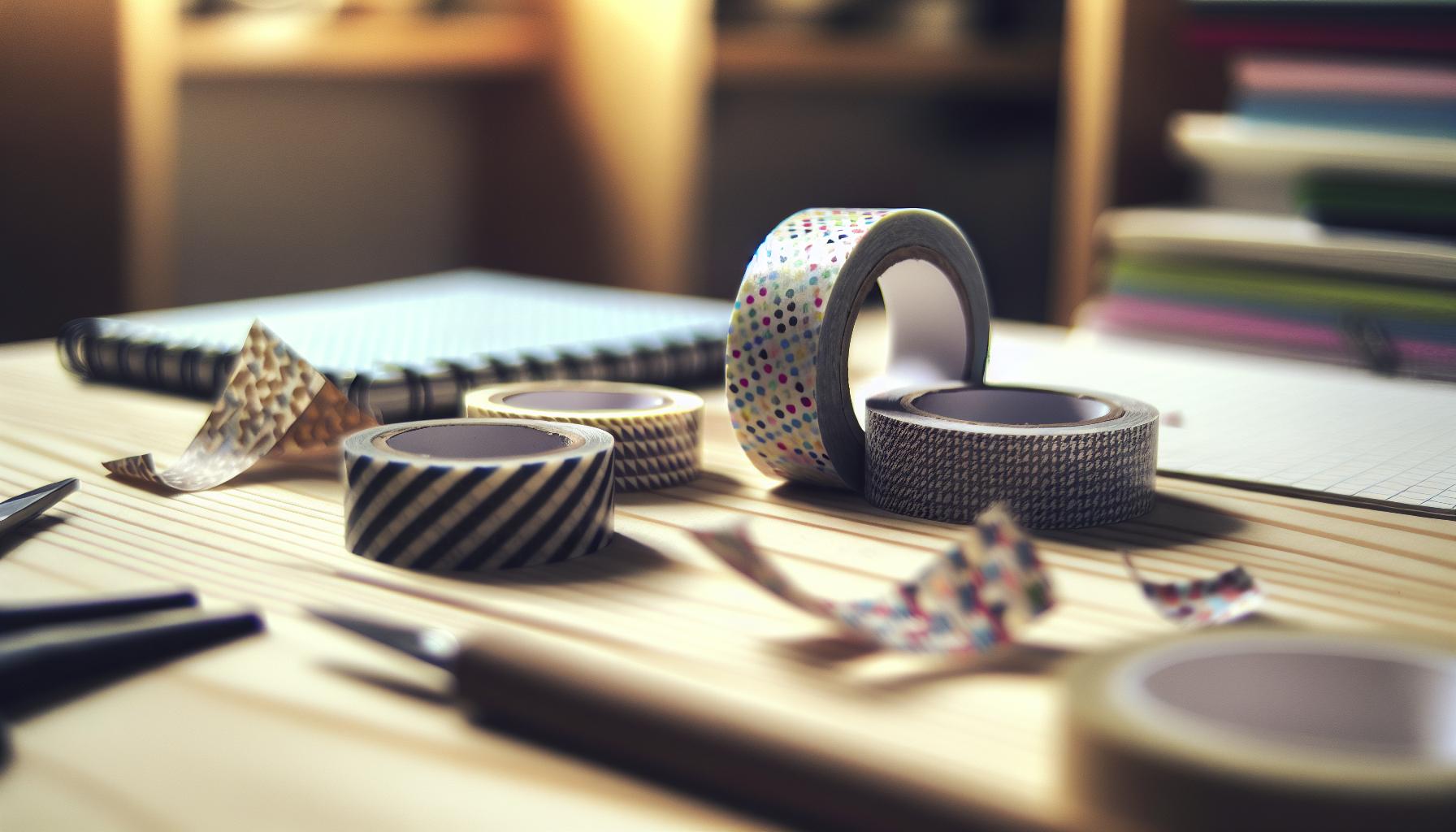
Pros and Cons of Using Washi Tape
Washi tape isn’t just a tape; it’s a creative powerhouse that can transform ordinary tasks into artistic expressions. Made from delicate Japanese paper, its flexibility and design possibilities make it a favorite among crafters. But before you dive into a washi tape project, let’s weigh its pros and cons to see if it’s the right fit for your needs.
One of the biggest advantages of washi tape is its versatility. You can use it in scrapbooking, journaling, decorating, or even gift wrapping. With countless colors and patterns to choose from, it lends a unique touch to any project. Plus, the gentle adhesive means it won’t damage surfaces when removed, making it perfect for those who love to tweak their designs. It’s also lightweight and easy to tear by hand, eliminating the need for scissors on many occasions.
However, washi tape does have its drawbacks. Its weaker adhesion means it’s not ideal for heavy-duty applications or where a strong, lasting hold is needed, like with painter’s projects. Additionally, its lower durability means it can wear out quickly in areas subject to friction or exposure to moisture. If you’re looking for a tape that will lay down clean, sharp lines for painting or secure heavy items, washi might disappoint.
Ultimately, the appeal of washi tape lies in its artistic potential and light touch. If your goal is to add flair and personality to your crafts, it’s a top choice. But for everyday tasks requiring strength or durability, consider where it might fall short. Knowing these pros and cons will help you incorporate washi tape thoughtfully into your creative endeavors.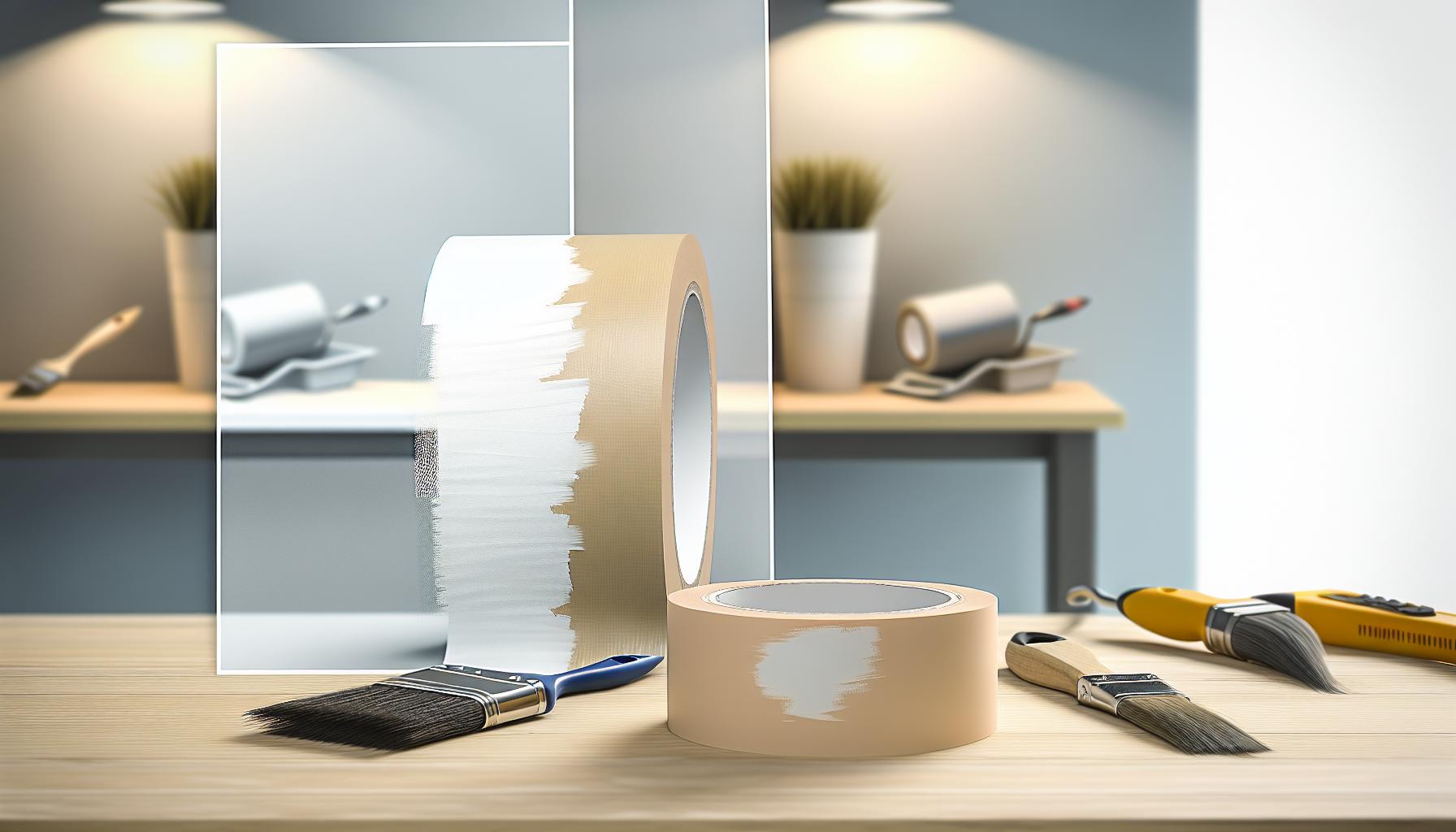
Pros and Cons of Using Masking Tape
Masking tape is a go-to solution for many projects, from painting rooms to crafts. Its strength lies in its versatility and reliability. Designed to withstand a variety of tasks, masking tape typically features a stronger adhesive compared to washi tape, making it ideal for holding surfaces together or protecting edges during painting and other applications.
One of the primary advantages of masking tape is its strong adhesion. This means it sticks reliably to various surfaces, ensuring clean lines when painting. It’s easy to tear and can be applied quickly, making it perfect for projects where time is of the essence. Additionally, its durability makes it suitable for both indoor and outdoor use, resisting moisture and maintaining its integrity over time.
However, masking tape is not without its drawbacks. While it adheres well, it can sometimes leave behind a sticky residue, especially if left on surfaces for extended periods. This can be frustrating during cleanup. Moreover, its tackiness varies among different brands, which may result in inconsistent performance across projects. If you’re working on something delicate or need to reposition tape frequently, you might find masking tape less forgiving than the gentle touch of washi tape.
In summary, masking tape is an essential tool for many practical applications, providing reliable adhesion and durability. While it has its pros, such as strong holding power, watch for the potential cons like residue and varied tackiness that could affect your projects. By weighing these factors, you can select the right tape to meet your specific needs and ensure successful results.
Creative Uses for Washi Tape
Washi tape is more than just a pretty addition to your craft supplies; it’s a versatile tool that can transform everyday objects into colorful works of art. Many people underestimate its potential, thinking it’s only for scrapbooking or journaling. In reality, this decorative tape can be used in countless creative ways that go way beyond the typical applications.
One fun use is for home décor. You can create stunning wall art by adhering strips of washi tape directly to your walls in geometric patterns or whimsical designs. This method is perfect for renters since washi tape is easy to remove and won’t damage the paint underneath. Consider using it to frame photos or create a focal point in a room. You can also customize furniture-just apply washi tape to the legs of a table or around a lamp cord to add a splash of color.
Washi tape shines in organization as well. It can jazz up storage containers, notebooks, and even your tech gadgets. Labeling with washi tape can add a personal touch while helping you keep everything tidy. Use it to mark important dates on your planner or color-code your calendar for different activities. The ability to write on some types of washi tape makes it perfect for creating labels that stand out.
Another innovative way to use washi tape is in gift wrapping. Instead of traditional tape, use washi tape to seal up parcels. It not only holds the wrapping paper in place but also adds a decorative element. Create matching tags by cutting out shapes from cardstock and using coordinating washi tape to embellish them. Recipients will appreciate the extra effort and creative flair.
For a touch of fun, think about using washi tape in your DIY projects. It’s perfect for decorating bookmarks, creating unique greeting cards, or even personalizing phone cases. The possibilities are endless. Plus, it’s so easy to apply and remove that you can experiment without worry. If you don’t like how something turns out, peel it off and try again!
In summary, washi tape is a colorful, adaptable tool that can enhance and personalize everything from home décor to organization efforts. Its unique qualities make it invaluable for creative projects, allowing you to express your style effortlessly. So, grab a roll and let your imagination run wild!
Practical Applications of Masking Tape
Masking tape is a staple in many households and workshops, renowned for its versatility and reliability. It’s primarily used for painting and crafting projects, but its applications extend far beyond just securing paper or creating neat paint lines. One of its standout features is its ability to provide temporary adhesion without leaving a sticky residue behind, making it suitable for a variety of tasks.
When it comes to practical applications, masking tape truly shines during painting jobs. It helps create crisp, clean edges that elevate the professionalism of your work. You can mask off areas to avoid paint spills or smudges, ensuring a sharp transition between colors. Utilizing wider strips makes quick work of larger surfaces, while thinner ones allow for precise detailing. Beyond painting, it’s incredibly useful for crafting. It can hold pieces together while glue sets or serve as a base for mixed media projects.
Another incredible use for masking tape is in organization. You can label drawers, storage bins, or shelves, writing directly on the tape for easy identification. This simple method transforms chaos into order without the need for expensive labels. If you’re into DIY or hobbies like scrapbooking and card-making, masking tape can also be used to create texture and dimension. Try using it to hold embellishments in place while you experiment with different layouts.
In addition to these hands-on applications, masking tape can come to the rescue in unexpected ways. For instance, if you’re moving, you can use it to mark where items go in your new space on boxes. It quickly aids in identifying fragile items, providing an extra layer of care during the hectic moving process. Furthermore, you can even use masking tape as a makeshift tool for various household fixes, like temporarily holding down loose wiring or securing small furniture pieces.
In summary, while it might seem just like a simple tape, its valuable qualities make masking tape a go-to solution in both creative and practical scenarios. Whether you’re painting your living room or organizing your workspace, having a roll of masking tape on hand can make all the difference.
Comparing Durability and Adhesiveness
When choosing between washi tape and masking tape, understanding their durability and adhesiveness can make a significant difference in your project. Both tapes serve unique purposes, but they aren’t interchangeable. Washi tape, known for its decorative patterns and slight translucence, is made from traditional Japanese paper. It’s gentle on surfaces but tends to have a light adhesive, making it great for short-term applications like scrapbooking, journaling, or temporary decor. If you’re looking for something that peels off cleanly without damaging your surface, washi tape is a favorite.
On the other hand, masking tape is designed for sturdier tasks. Its adhesive strength is significantly higher, which gives it the ability to hold up under more demanding conditions, like painting. You can cover large surfaces and create crisp lines because it adheres firmly, but still, it removes cleanly without leaving residue. This feature is vital for projects where precision is key, such as when masking off walls before painting.
Here’s a quick breakdown for clarity:
| Feature | Washi Tape | Masking Tape |
|---|---|---|
| Adhesiveness | Low to medium; removable and repositionable | Medium to high; strong and secure |
| Durability | Less durable; best for temporary use | More durable; suitable for heavy-duty projects |
| Surface Damage | Minimal; safe for most surfaces | Generally safe; may damage delicate finishes |
Ultimately, the choice between these two comes down to your project requirements. If your goal is decoration or light assembly, wash tape will serve you well. But for any job that requires more robust adhesion-like masking off areas for painting-masking tape is the way to go. By weighing their durability and adhesive strengths, you’ll better equip yourself to select the right tape for every project context.
Price Comparison: Washi Tape vs. Masking Tape
When it comes to choosing between washi tape and masking tape, one critical factor to consider is cost. Surprisingly, the price can vary widely depending on the brand, design, and type of tape you’re considering. Washi tape typically falls on the higher end of the price spectrum. It’s often marketed as a decorative item with unique patterns and colors, which can make it more expensive than basic masking tape. A standard roll of washi tape might range from $3 to $6, and limited edition or specialty designs can even push that upward to $10 or more.
In contrast, masking tape is generally more affordable, especially when bought in bulk. A basic roll of masking tape can cost less than $2. If you’re working on larger projects, like painting or DIY home improvement tasks, the cost efficiency of masking tape really shines. You can find multi-packs or wider rolls at a lower price per yard, which can save you money in the long run.
Here’s a quick comparison of typical price ranges for each type of tape:
| Type of Tape | Typical Price Range | Best For |
|---|---|---|
| Washi Tape | $3 – $10 | Decorative projects, journaling, scrapbooking |
| Masking Tape | $1 – $5 | Painting, general repairs, crafts |
When making your choice, consider not just the initial price but also the value you get for your specific needs. If you’re looking to add a personal touch to your crafts, the investment in washi tape is often worth it. However, if your project requires functionality and durability at a lower cost, masking tape is the way to go. Ultimately, understanding your application will guide you to the right choice in terms of both performance and budget.
How to Choose the Right Tape for Your Project
Choosing the right tape can make or break your project. It’s crucial to understand the differences between washi tape and masking tape before committing to a specific type. Wasabi tape is visually stunning and perfect for adding flair to your scrapbooks or journals, but its appeal lies in its aesthetics rather than its functional strength. If you’re embarking on a painting project or need something to hold up construction, masking tape is your go-to option.
When selecting a tape, start by assessing your project’s purpose. For decorative crafts, washi tape offers endless creativity with its array of colors and patterns, enabling you to personalize almost anything. It’s gentle on paper, making it perfect for layering in scrapbook projects or on greeting cards. On the other hand, for tasks requiring precision, such as painting or any industrial application, masking tape is ideal. It provides a clean edge and sticks well on various surfaces to keep paint from bleeding.
Here are some practical considerations to help you choose wisely:
- Project Type: Identify whether your project is decorative or functional. Choose washi tape for artistic endeavors, masking tape for things like painting or crafting.
- Adhesion Needs: Consider how strong of an adhesive you need. Wasabi tape has low adhesion, which is excellent for delicate surfaces but may not suffice for general repairs.
- Surface Compatibility: Think about where you’ll use the tape. Masking tape works well on walls and wood, while washi tape is perfect for lighter, less demanding projects.
- Budget: Factor in your budget, as washi tape can be pricier based on design and quality. Masking tape typically offers more bang for your buck on larger projects.
Remember, the best choice often aligns with your project’s specific needs and not just the tape’s look or price. By clearly defining your project requirements, you can select the tape that works best for you, ensuring a smooth and successful experience.
Tips for Storing and Maintaining Your Tapes
Storing your tapes properly can significantly extend their lifespan and maintain their effectiveness. Both washi tape and masking tape have their special needs, and a few simple practices can keep them in top shape. The first thing to remember is to store them in a cool, dry place away from direct sunlight. Exposure to heat and UV light can cause the adhesive to break down and the colors to fade, especially with washi tape, which often features intricate designs and vibrant hues.
Use a dedicated container to keep your tapes organized and tangle-free. A shallow drawer or a desktop organizer can work wonders. You can also repurpose smaller jars for individual rolls or create a wall-mounted display using hooks or clips. This not only makes it easier to see your options at a glance but also protects them from dust and accidental damage. Be mindful to keep the roll ends secure to prevent them from sticking to anything or unraveling.
When it comes to maintaining your tapes, check periodically for any issues. With washi tape, you might find that the adhesive gets less sticky over time. If you notice this, try pressing the tape onto a clean surface to reactivate the glue. On the other hand, masking tape can become brittle if stored incorrectly, losing its flexibility. If you rarely use a roll, consider wrapping it in plastic wrap to shield it from air exposure.
Finally, think about labeling or categorizing your tapes based on usage or color. This small step can save you time, especially during large projects. It also prevents you from accidentally using the wrong tape-nothing can be more frustrating than reaching for your reliable masking tape and finding washi tape instead! By following these storage and maintenance tips, you’ll enjoy the best performance from your tapes every time you need them.
Frequently Overlooked Benefits of Each Type
When it comes to crafting and DIY projects, the subtleties of washi tape and masking tape go beyond their primary functions. You might find yourself reaching for them interchangeably, but each type brings its own unique advantages to the table that you might not have considered yet.
Let’s start with washi tape. It’s not just about aesthetics; the inherent qualities of washi tape make it great for specific uses. Made from traditional Japanese paper, it’s lightweight and easy to tear, which makes it perfect for adding a decorative touch to everything from scrapbooks to gift wrapping. A forgotten benefit is that it’s repositionable and doesn’t leave a sticky residue, allowing for flexibility in design. You can layer it, overlap it, and even cut it into shapes without worrying about ruining the surface underneath. It’s excellent for temporary displays or decorations, especially in event planning where designs may need to change frequently.
On the other hand, masking tape might seem plain, but it’s a reliable workhorse in the realm of more practical applications. One of its underrated features is its ability to adhere firmly to surfaces without bleeding through paint, making it a favorite among painters and DIY enthusiasts. This tape excels at creating clean lines during painting tasks, ensuring professional-grade results. Additionally, many types of masking tape are designed to withstand varying weather conditions, making them suitable for outdoor projects like signage or marking pathways.
In a pinch, both types of tape can serve dual purposes, often leading to creative solutions that you might not have thought of at first. For instance, you could use washi tape to creatively label storage bins, bringing both order and color to your space, while masking tape can be used for quick repairs or temporary fixes. This versatility is a testament to their overlooked benefits in everyday use.
Ultimately, understanding these benefits can help you choose the right tape for your project, ensuring you not only achieve the desired aesthetic but also maintain functionality. Whether you prefer the strength and practicality of masking tape or the creativity and flexibility of washi tape, recognizing what each one brings to the table is key to unlocking your project’s full potential.
Q&A
Q: What is the primary use of washi tape compared to masking tape?
A: Washi tape is primarily used for decorative purposes like crafting and journaling, enhancing visual aesthetics. In contrast, masking tape is designed for practical tasks such as painting and repairs, providing a strong hold for temporary applications.
Q: Can washi tape be used for the same projects as masking tape?
A: While you can use washi tape for some projects, it isn’t a substitute for masking tape in tasks requiring a strong, temporary bond, like painting. Opt for masking tape when you need durability and clean lines; use washi tape for creative and decorative projects.
Q: How do the adhesive strengths of washi tape and masking tape differ?
A: Washi tape has a lighter adhesive which allows for easy removal and repositioning without damaging surfaces. Conversely, masking tape features a stronger adhesive for securing materials in place during projects, making it ideal for more demanding tasks.
Q: Is washi tape safe for all surfaces like masking tape?
A: Yes, washi tape is generally safe for most surfaces and can be easily removed without leaving residue. However, masking tape may not be suitable for delicate finishes, as its stronger adhesive can damage or peel surfaces when removed.
Q: What are some unique uses for washi tape that masking tape can’t match?
A: Washi tape shines in creative repurposing-think decorating planners, notebooks, and gift wrapping. Unlike masking tape, it can be layered, cut into shapes, or combined to create art, making it perfect for DIY aesthetics and home decor.
Q: Can I paint over washi tape like I do with masking tape?
A: No, it’s not recommended to paint over washi tape. Washi tape can bleed through, ruining your lines. Always use masking tape for paint jobs to ensure clean edges and prevent paint seepage, designed specifically for such tasks.
Q: How do the costs of washi tape and masking tape compare?
A: Typically, washi tape is more expensive per roll, reflecting its decorative nature and varied designs. Masking tape is usually more economical for bulk tasks, focusing on functionality rather than aesthetics. Consider your needs and budget when choosing between them.
Q: Where can I learn more about using washi and masking tape effectively?
A: For tips on using both types of tape, check sections like “Creative Uses for Washi Tape” and “Practical Applications of Masking Tape” in our article. You’ll find practical advice and innovative ideas that cater to different projects.
Concluding Remarks
Now that you know the key differences between washi tape and masking tape, which will best suit your creative projects? Both have unique qualities that can enhance your crafting experience, but the choice is yours! If you’re on the fence, why not explore our comprehensive guide on the Different Types of Washi Tapes for more inspiration? Additionally, check out our tips on using Washi Tapes for Your Scrapbooking Needs to take your projects to the next level.
Don’t miss out-subscribe to our newsletter for the latest tips, tricks, and deals on crafting supplies! We’d love to hear your thoughts or answer any questions you still have, so drop a comment below or share this with your crafty friends. Your crafting journey doesn’t end here; dive deeper into our resources and let your creativity flow!
Washi Tape vs Masking Tape: Key Chemical & Craft Differences
While both products fall under the broad category of pressure-sensitive paper tapes, the debate between washi tape vs masking tape comes down to paper fiber composition, adhesive chemistry, and intended functional longevity. Choosing the wrong tape can ruin fragile art prints or leave stubborn adhesive residue on painted drywall:
| Specification | Authentic Washi Tape | Standard Masking Tape |
|---|---|---|
| Base Fiber Material | Japanese Kozo (mulberry), Gampi, or Mitsumata bark | Bleached wood-pulp crepe paper |
| Adhesive System | Low-tack, water-based repositionable acrylic | High-tack synthetic or natural rubber solvent resin |
| Translucency & Tear | Semi-translucent; tears cleanly by hand across fibers | Opaque beige; rough fibrous tear with serrated dispenser |
| Surface Residue | Zero residue even after months on paper or painted walls | Bakes onto surfaces; leaves gummy residue after 24–48 hours |
| Primary Applications | Bullet journals, scrapbooks, packaging, gentle wall decor | Carpentry, heavy bundling, masking trims during house painting |
Three Rules When Choosing Between Washi and Masking Tape
- Paper and Photos: Always choose washi tape. Masking tape adhesive will tear the surface fibers of photographs, watercolor papers, and journal pages upon removal.
- Sharp Paint Lines on Wood or Metal: Use blue painter’s masking tape or specialized edge-treated masking tape. Washi tape is too thin and porous to prevent heavy solvent paint bleed across textured trim.
- Renter-Safe Wall Decor: Washi tape will never strip drywall paint or leave oily yellow stains, making it the premier choice for mounting posters and postcards in rental properties.
Frequently Asked Questions: Washi Tape vs Masking Tape
Is washi tape the same as masking tape?
No. While both are paper tapes, washi tape is crafted from natural Japanese mulberry fibers with ultra-low-tack, residue-free acrylic adhesive designed for decorative and repositionable use. Masking tape uses thick crepe paper and aggressive rubber adhesive intended for construction and temporary utilitarian holding.
Can washi tape replace blue painter’s tape?
Washi tape works well for watercolor blocking on paper, but for household painting on walls and baseboards, dedicated blue painter’s tape provides better paint barriers and solvent resistance.
Get our latest guides, news, and insights highlighted in your Google Search & AI Overviews.