
If you’ve ever marveled at beautiful handwriting, you know how captivating it can be. Using a felt tip calligraphy pen isn’t just about writing-it’s about transforming your thoughts into art. With the right techniques, you can create stunning lettering for invitations, greeting cards, or just for fun, impressing everyone around you. Many people shy away from calligraphy, worrying it’s too complicated or time-consuming. But here’s the good news: felt tip pens are incredibly user-friendly, making elegant writing accessible to everyone, regardless of skill level. So, whether you’re a beginner eager to dip your toes into the world of calligraphy or someone looking to refine your skills, this guide will equip you with essential tips and techniques to unleash your creativity. Get ready to elevate your writing and make every word count!
Choosing the Right Felt Tip Calligraphy Pen for Your Style
When it comes to picking the perfect felt tip calligraphy pen, understanding your personal style is key. Different pens can drastically affect your writing experience and the final look of your calligraphy. First, consider the pen’s tip size and shape: broad tips create bold strokes perfect for dramatic lettering, while fine tips allow for delicate details and precise lines. If you’re aiming for playful, expressive writing, a brush tip might be your best friend as it offers flexibility to vary the thickness with pressure. For beginners, I recommend starting with a medium point pen, striking a balance between control and creativity.
Next, think about the ink’s quality. Look for pens that utilize vibrant, water-based inks that dry quickly to prevent smudging. Some pens even offer refillable cartridges, which can be a cost-effective and environmentally friendly option. Test a few brands, as each can have unique flow characteristics; some pens glide smoothly, while others may require more pressure. If you want the best results, choose pens that lay down color evenly without skips or blotches.
Finally, don’t overlook the comfort of the pen’s grip. Calligraphy can be a lengthy process, and a comfortable grip can make all the difference during those marathon lettering sessions. Look for ergonomic designs that feel good in your hand, allowing you to maintain a relaxed grip. Remember, the right felt tip calligraphy pen isn’t just about how it looks on the page, but how it feels while you write.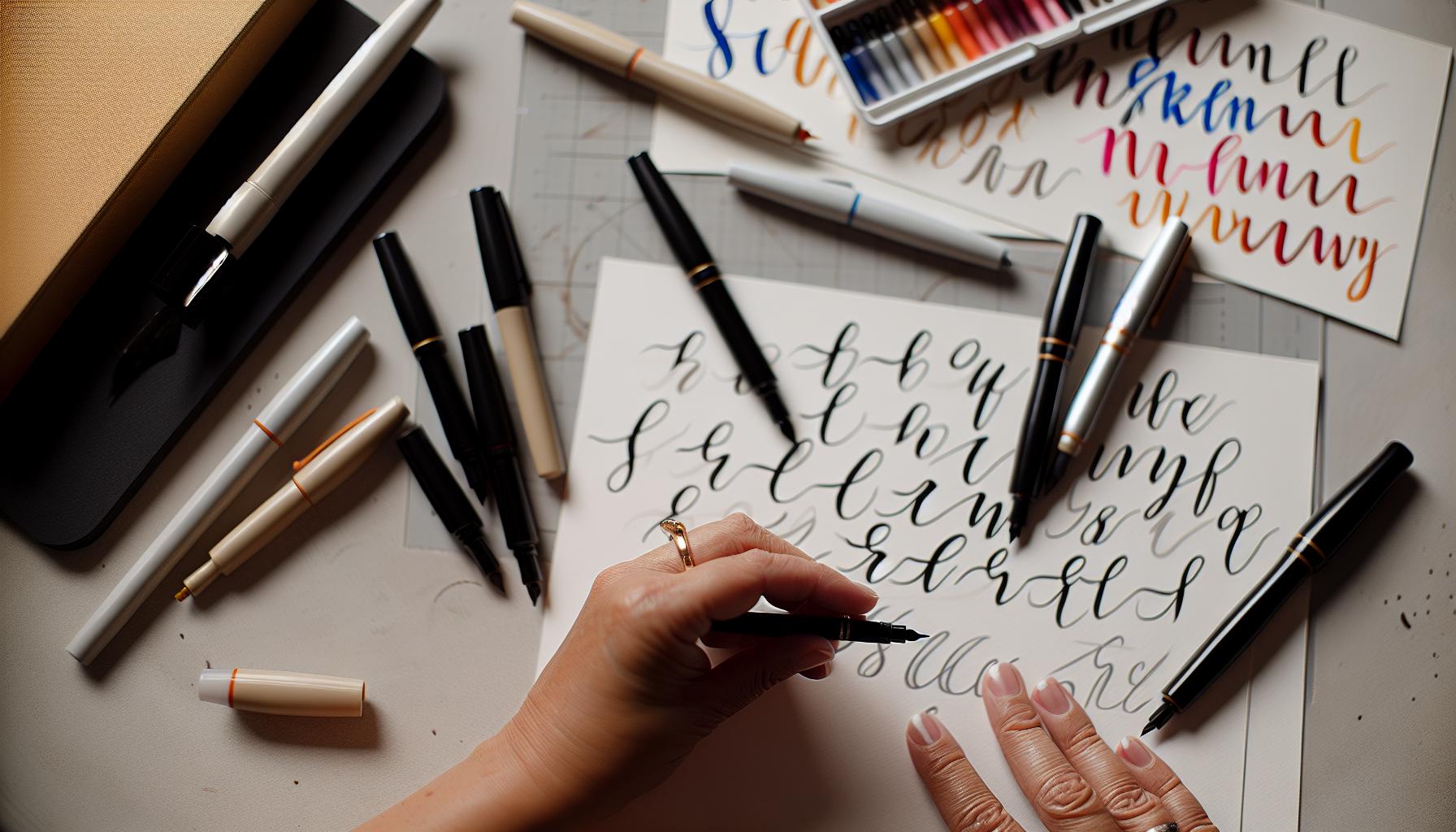
Essential Techniques for Beautiful Calligraphy
Creating beautiful calligraphy is more than just having the right pen; it’s about mastering essential techniques that transform your writing into art. Let’s dive into the core principles that can elevate your calligraphy skills, particularly when using felt tip pens.
One of the foundational techniques is pressure control. The beauty of calligraphy often lies in the contrast between thick downstrokes and thin upstrokes. When you write, apply more pressure on the downstrokes for that bold, defined line, then ease up on the upstrokes to achieve a lighter touch. This technique adds dimension and elegance to your letters. Practicing this variation will help instill muscle memory, allowing for smoother transitions between strokes over time.
Another critical element is consistent practice with basic strokes. Start by practicing simple shapes like loops, ovals, and lines. These form the building blocks of letters. Spend time creating these strokes in different directions and angles. Not only does this enhance your control and confidence, but it also allows you to experiment with different pen tips and ink flows, helping you find what works best for your style.
In addition to these techniques, don’t underestimate the power of letter spacing and alignment. Good calligraphy isn’t just about how the letters look individually; it’s also about how they work together as a whole. Using grids or guidelines can help maintain even spacing and ensure your letters align nicely, whether you’re writing a quote or crafting a greeting card. To practice this, try creating templates for common phrases you love, adjusting the spacing as necessary until it feels just right.
Finally, let your creativity flow by experimenting with styles and embellishments. Once you are confident in basic techniques, try incorporating flourishes or decorative elements into your work. Small additions like swirls or accents can make a significant impact and help your pieces stand out. Keep a sketchbook to jot down ideas and practice these embellishments before applying them in your final pieces.
By focusing on these key techniques, you’ll not only improve your calligraphy skills but also enjoy the process of creating beautiful, personalized pieces that reflect your unique style. Keep practicing, stay patient, and allow yourself to explore and grow as a calligrapher!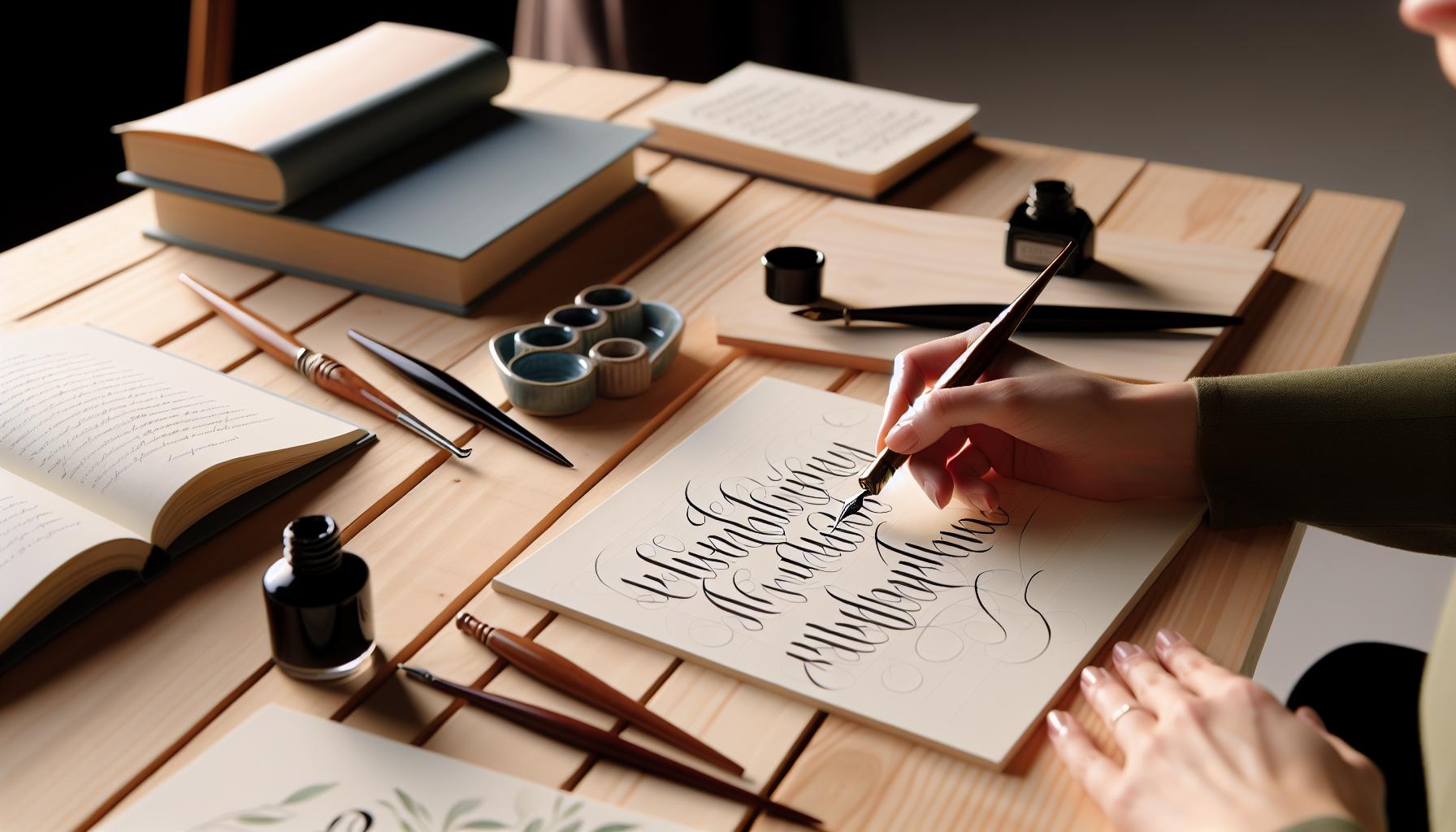
Mastering Basic Calligraphy Strokes with a Felt Tip Pen
Mastering calligraphy doesn’t just happen overnight-it requires understanding and perfecting the fundamental strokes that form the basis of beautiful lettering. Using a felt tip pen can make this process both accessible and enjoyable. The key is to start with the basics and gradually build your skills.
One of the best ways to begin is by practicing basic shapes. Each letter is essentially made up of a combination of lines, curves, and loops. Get comfortable with the following strokes:
- Downstrokes: Always apply more pressure here to create bold, thick lines.
- Upstrokes: Lighten your grip to draw fine, thin lines.
- Curves: Practice rounded shapes like ovals and arcs; these are crucial for letters like “o,” “c,” and “s.”
Focus on fluidity. Consistency in form is key, so pay attention to how you hold the pen and the pressure you apply. Aim for even spacing as you practice these strokes. To make this practice effective, consider creating a dedicated practice schedule. Dedicate at least 15 minutes a day to stroke practice, and keep track of your progress.
After you feel confident with individual strokes, start combining them to form letters. Practicing the alphabet is essential, but don’t overlook the importance of connecting letters to create words. Many calligraphers find that tracing over printed letters can help them understand the flow and transition between strokes.
Lastly, invest time in reflection. Examine your progress critically-what looks good? What needs work? This habit will push you to refine your technique and elevate your writing. By faithfully practicing these basic strokes with a felt tip pen and being mindful of your progress, you’re well on your way to mastering beautiful calligraphy.
Tips for Achieving Consistent Line Thickness
To achieve consistent line thickness in your calligraphy, particularly with felt tip pens, it’s essential to understand a few fundamental principles. The beauty of using felt tip pens lies in their ability to produce clean, crisp lines, but achieving uniformity does take practice and technique. One of the biggest challenges many beginners face is controlling the pressure applied to the pen. It’s crucial to remember: heavier pressure creates thicker lines, while lighter pressure yields thinner lines. Focus on this pressure differential right from the start to ensure your letters maintain their intended width.
Next, practice drawing your strokes slowly and deliberately. Rushing can lead to uneven lines, which disrupt the flow of your writing. Consider using guidelines to help maintain consistent letter height and spacing. Create your own templates with light pencil lines to serve as a foundation for your strokes. As your confidence grows, you’ll naturally begin to develop a steadier hand, which will translate to more uniform line thickness throughout your work.
As you work on consistency, it’s also helpful to experiment with different angles while writing; holding the pen at a slight angle can often produce a more even line as it allows for better ink flow from the nib. Regular practice will further enhance your muscle memory, enabling you to achieve those precise strokes more effortlessly.
Finally, don’t underestimate the importance of the paper you choose. Some papers are more forgiving than others when it comes to ink absorption and bleeding, which can affect the appearance of your lines. Smooth, high-quality paper allows for cleaner strokes and is a worthy investment for any calligrapher looking to enhance their work. Keep these tips in mind, and you’ll soon see your calligraphy transform with more precise, consistent lines.
Creating Stunning Lettering with Felt Tip Pens
is not just about the pen itself; it’s about harnessing your creativity and technique to bring your ideas to life. Felt tip pens are incredibly versatile, making them perfect for a wide range of calligraphy styles-from simple handwritten notes to elaborate invitations. The key is to understand how to utilize the unique properties of these pens while infusing your personal touch into each stroke.
To start, focus on your pen angle and grip. Unlike traditional nib pens, felt tip pens have a forgiving nib that allows for more freedom in how you write. Experiment with varying angles when you hold your pen; slightly tilting it can alter the line thickness and give your letters a unique flair. Try maintaining a consistent grip to develop a natural rhythm as you write, allowing your movements to flow. The right grip can significantly reduce fatigue during longer projects, which is a common issue many beginners face.
Color can transform your lettering into something truly eye-catching. Consider using a palette of complementary colors to create depth and interest. You can blend shades by layering colors while the ink is still wet or using a water brush to soften the edges of your letters. Another approach is to create gradients within your letters by transitioning from light to dark colors. This technique adds dimension and makes your lettering pop.
Get creative with layout and design. Don’t shy away from incorporating embellishments like flourishes or decorative elements. Adding small details can elevate your work and personalize your style. Use a ruler to create clean borders or design templates for practicing intricate designs. Additionally, playing with spacing and alignment can lead to stunning visual results. Remember, practice is your best friend-so take the time to explore various styles and techniques. With each stroke, you’re not just writing; you’re crafting a piece of art that reflects your individuality and passion for calligraphy.
Incorporating Color and Blending Techniques
Color is a game changer in calligraphy, especially when using felt tip pens. It allows you to breathe life into your letters and create stunning visual effects that catch the eye. Start by dreaming up a color palette that resonates with your project. Whether you’re using muted tones for an elegant invitation or vibrant hues for a celebratory card, the right colors can enhance the overall feel of your work.
To blend colors seamlessly, you can use a few techniques that yield fantastic results. One effective method is layering. Begin by applying your base color to the desired area, then while that layer is still wet, introduce a second color. The wet ink will allow the colors to merge naturally, creating beautiful gradients. If you’re aiming for softer edges, a water brush can be your best friend. Just lightly go over the area with the brush, and watch as the shades blend harmoniously together.
Another fun technique is to create a ombre effect within your lettering. Start with a light shade at the top of each letter and gradually transition to a darker shade toward the bottom. This not only adds depth but also gives the viewer’s eye a natural path to follow. Remember that practicing on scrap paper first can help you get the hang of blending without the pressure of ruining your final piece.
Lastly, don’t overlook the impact of contrasting colors. Using dark shades against light backgrounds-or vice versa-can make your letters pop like never before. Experiment with complementary colors to create stunning contrasts that draw attention. Keep trying different combinations; creativity knows no bounds when it comes to color in calligraphy! Just have fun with it, and over time, you’ll develop a unique style that reflects your personality.
Common Mistakes to Avoid in Calligraphy
Diving into calligraphy can be thrilling, but it’s easy to veer off course, especially with felt tip pens that can make or break your artistic flow. One common mistake is using the wrong paper. Felt tip pens require smooth surfaces, so avoid textured or highly absorbent papers, which can lead to feathering and uneven ink distribution. Choose either a dedicated calligraphy paper or a smooth, high-quality sketchbook to get the best results.
Another frequent misstep is neglecting to apply even pressure. Unlike traditional dip pens, felt tip pens can easily create inconsistencies if treated carelessly. When writing, ensure you’re using a consistent grip and pressure to maintain uniform line thickness. Many beginners press too hard, which wears down the nib and affects performance, causing frustration. A lighter touch usually yields cleaner results and prolongs the life of your pen.
It’s also essential to remember that practice truly does make perfect. Too many aspiring calligraphers expect remarkable results too quickly, leading to discouragement. Set aside dedicated time for practice sessions without any pressure to produce a masterpiece. You’ll find that, over time, muscle memory develops, and your letters will start to flow more naturally.
Lastly, color choice and blending techniques can be tricky. Avoid trying to blend too many colors at once. Instead, start with two or three that complement each other, and practice the layering techniques mentioned previously. This helps you avoid muddy colors and creates cleaner, more vibrant designs. Keep experimenting, and don’t shy away from making mistakes; they’re often the best teachers in your calligraphy journey. With awareness of these common pitfalls, you’ll be well on your way to creating stunning lettering that truly shines.
Ideas for Practicing Your Calligraphy Skills
One of the most enjoyable aspects of calligraphy is finding innovative ways to practice your skills. Whether you’re a beginner or a seasoned enthusiast, the key is consistency and creativity. Start by establishing a regular practice schedule-just 15 to 30 minutes a day can lead to noticeable improvements. One engaging method is to create a “calligraphy journal” where you write quotes, lyrics, or even daily reflections. This not only helps you hone your technique but also allows for personal expression.
Explore Themes and Styles
Why not challenge yourself with themed practice sessions? Pick a theme for the week, like nature or travel, and research different lettering styles associated with that theme. Use this as an inspiration for your practice, creating everything from illustrative letters of plant names to writing out snippets from your favorite travel books. This approach not only keeps your practice fresh but also helps you discover which styles resonate most with you.
Incorporate Digital Practice
If you’re tech-savvy, consider integrating digital platforms into your practice. There are numerous apps and websites that offer guided calligraphy exercises. Some even allow you to trace letters digitally before committing them to paper. This can be a fantastic way to visualize your progress without the pressure of perfecting each stroke on the first try.
Friendly Competitions and Collaboration
Don’t forget about the community aspect of calligraphy! Join online calligraphy groups or local clubs where you can participate in friendly competitions or collaborative projects. Challenge fellow calligraphers to write the same quote or phrase and compare different styles. This not only fosters a sense of camaraderie but also opens your eyes to new techniques and perspectives.
Utilize Simple Resources
Lastly, make use of readily available resources. Print practice sheets with various alphabets, or replicate fonts from your favorite books or designs. You can also try using graph paper to keep your letters consistent in size and spacing, which is particularly useful if you’re just starting out. The more varied your practice, the better nuanced your skills will become.
By finding enjoyable methods to practice, you’ll develop your calligraphy skills while keeping the process exciting and fulfilling. Remember, progress comes from practice, but the journey should be just as rewarding as the final results!
Inspiring Calligraphy Project Ideas to Try
Getting started with a felt tip calligraphy pen opens up a world of creative possibilities. You might be surprised at how many stunning projects you can tackle with just a pen and some paper. Whether you’re looking to beautify your home, create unique gifts, or just indulge in your passion for elegant lettering, these project ideas are sure to inspire you.
Start with designing personalized greeting cards. Handwritten notes can feel more intimate and heartfelt, especially when embellished with your calligraphy. Use your pen to craft special messages for birthdays, weddings, or holidays. You could even experiment with different layouts-try side-swirled scripts or bold headings to make each card stand out.
Another fun project is creating a calligraphy wall art piece. Choose a favorite quote or song lyric and transform it into a stunning work of art. You can play with colors by blending ink or using different shades to add depth. Frame your artwork and hang it up; it’ll not only personalize your space but also show off your skills to anyone who visits.
Consider making a calligraphy journal, where each page is dedicated to a different theme or concept. Document your growth by revisiting each project and noting down lessons learned or techniques you want to improve. This not only serves as a practical resource but also a beautiful keepsake of your artistic journey.
Lastly, sharing your creations on social media can foster community engagement and inspire others. Post photos of your projects, share your process, and maybe even host a challenge for others to join in on. Collaborating with fellow enthusiasts can open up new techniques and styles, enriching your calligraphy experience.
With felt tip pens, the key is to experiment and have fun. So, dive in and let your creativity flow!
Exploring Paper and Surface Options for Best Results
Choosing the right paper for calligraphy can make or break your experience. The texture, weight, and absorbency of the paper directly affect how your felt tip pen glides across the surface and how the ink appears once it dries. You want to avoid paper that is too rough, as this can cause skipping or uneven lines, and paper that’s too glossy can lead to smudges and bleeding. Instead, look for papers specifically designed for calligraphy or smooth, bright paper stock that offers enough grip without causing excessive drag.
Paper Types to Consider
When diving into calligraphy with felt tip pens, you’ll find that each paper type comes with its advantages. Here’s a quick breakdown:
- Watercolor Paper: This heavyweight paper often has a slight texture that adds an artistic flair to your letters. It handles water-based inks well and is great for blending techniques.
- Marker Paper: This smooth paper is specifically designed for use with markers and pens. It prevents bleeding and allows for vibrant colors, making it a fantastic choice if you’re after precision.
- Vellum: If you want something that feels luxurious, vellum is a semi-transparent paper that works beautifully for layering effects in your calligraphy. However, it’s crucial to test your pen here, as some inks can smudge.
- Branded Calligraphy Paper: Look for specialty brands that cater to calligraphy artists. They often come with guidelines printed, making practice easier as you hone your skills.
Testing and Experimentation
One essential part of choosing your paper is testing. Grab a few samples of different types and see how your felt tip pen interacts with them. Notice how the ink flows and whether there are any bleeding or feathering issues. It’s a joy to see how different papers can enhance your lettering style, so don’t hesitate to explore.
Also, consider the weight of the paper-heavier papers are great for projects that require additional layering or embellishment, while lighter papers suit practice and experimentation. Finding the perfect paper may take some time, but once you discover what works best for you, your calligraphy will flourish.
In short, investing time in selecting the right paper and surfaces can elevate your calligraphy to new heights. You’ll find that the right paper not only improves your technique but also enhances the overall aesthetic of your finished pieces. So, gather your materials and dive into this creative process!
Maintaining Your Felt Tip Calligraphy Pens
To get the most out of your felt tip calligraphy pens, regular maintenance is crucial. Without proper care, these companions of your creativity can dry out or lose their precision, ultimately affecting the quality of your work. Believe me, taking a few minutes to look after your pens can save you from frustration down the line.
First off, always cap your pens when you’re done using them. This seems simple, but it’s the best way to prevent them from drying out. If you’ve set your pen down and need to walk away, a quick cap ensures that your next session will be just as smooth as the last. Additionally, store your pens horizontally if you can. This positioning helps the ink distribute evenly, minimizing the risk of one end drying out faster than the other.
You might also want to clean the nib occasionally. Gently wipe the tip with a damp cloth or paper towel to remove any dried ink or debris. While many felt tip pens are designed for longevity, a little maintenance keeps them performing their best. If you notice your pen’s ink flow is uneven, try dipping the nib in water or a diluted cleaning solution for a few seconds, then blot it on a paper towel. This can often revive a pen that’s been sitting unused for a while.
Lastly, keep an eye on the ink levels. If your pen is running low, refill it or replace it before you lose that beautiful flow. Investing in higher-quality pens can also make a difference. Brands that provide good ink quality tend to have longer lifespans and better performance, which means less hassle for you. Trust me, caring for your felt tip calligraphy pens properly will not only enhance your writing experience but can also significantly extend their lifespan.
Advanced Calligraphy Techniques for Pros
To elevate your calligraphy from good to extraordinary, mastering advanced techniques with felt tip pens is essential. These tools are incredibly versatile, and knowing how to effectively use them can truly enhance your artistry. One powerful technique is the use of varied pressure. With felt tip pens, the pressure you apply can dramatically influence your line weight. When you push down harder, you create bolder strokes, while lighter strokes produce delicate lines. This dynamic range adds depth and interest to your lettering, making it visually appealing.
Creating Texture and Interest
To make your calligraphy stand out, consider incorporating textured techniques. Try mixing different stroke styles and using terms such as bounce lettering, where you vary the height and baseline of your letters, giving them an animated, lively feel. This technique works exceptionally well for quotes or headers in your projects. Another option is to use stippling or cross-hatching for shading, adding dimension and sophistication to your pieces. Don’t shy away from experimenting; sometimes, the most unexpected combinations can lead to stunning results.
Integrating Color with Control
Utilizing color effectively involves more than just choosing hues; it’s about blending them seamlessly. When working with felt tip pens, try a technique called layering. Start with your lighter color as a base and gradually build up to darker hues. This creates a smooth gradient effect, making your calligraphy both eye-catching and professional. To achieve proper blending, work on a smooth paper designed for markers to prevent bleeding and ensure crisp lines.
Avoiding Common Pitfalls
Even seasoned calligraphers can fall into bad habits. One common mistake is overloading the nib with ink, which often leads to smudging. Always double-check that you haven’t dipped too deeply into the ink-it’s better to add more gradually. Additionally, be mindful of your writing surface; avoid highly textured papers, as they can disrupt the flow of your pen and affect consistency. Instead, opt for smooth, high-quality papers that will provide a solid foundation for your artwork.
By embracing these advanced techniques and approaches, you’ll not only refine your skills but also develop a unique style that’s distinctly yours. The beauty of calligraphy lies in its personal touch-so let your creativity flourish!
Frequently asked questions
Q: What are the best felt tip calligraphy pens for beginners?
A: The best felt tip calligraphy pens for beginners are those with a flexible tip that allows for varying line thickness. Look for dual-tip pens that offer both fine and broad ends. Brands like Tombow and Faber-Castell are popular for their quality and ease of use. Experiment with a few to find your favorite!
Q: How do I practice calligraphy with a felt tip pen?
A: To practice calligraphy with a felt tip pen, start with basic strokes and letterforms. Use practice sheets to guide your hand and maintain consistent pressure. Regular practice, even just 10-15 minutes a day, can significantly improve your skill. Consider focusing on one letter or technique at a time.
Q: Can I use felt tip calligraphy pens on any type of paper?
A: While you can use felt tip calligraphy pens on most paper types, smoother papers yield the best results. Paper designed for markers or calligraphy can prevent bleeding and feathering. Experiment with different options, but avoid textured or very absorbent paper for cleaner lines.
Q: How do I maintain my felt tip calligraphy pens?
A: Maintaining your felt tip calligraphy pens is essential for longevity. Store them horizontally to prevent tip damage and ensure even ink flow. If the tip dries out, try gently rinsing it in water or using a blender pen to revive it. Regularly check for debris on the nib.
Q: What common mistakes should I avoid in felt tip calligraphy?
A: Common mistakes include applying uneven pressure, leading to inconsistent line thickness. Avoid rushing your strokes; practice slow, controlled movements. Additionally, don’t over-soak the nib in ink, which can cause bleeding or smudging. Recognizing and correcting these errors will improve your work!
Q: How can I incorporate color in my calligraphy projects?
A: To incorporate color in calligraphy, use a combination of colored felt tip pens or add watercolor backgrounds. Layering different shades can create stunning effects. Make sure the ink dries thoroughly before applying additional layers to prevent smudging. Experiment to find your unique style!
Q: What surfaces work best for calligraphy with felt tips?
A: For the best results, use smooth and non-textured surfaces for your felt tip calligraphy. Canvases, cardstock, and marker paper work well. Avoid ordinary printer paper, as it can cause the ink to bleed. Testing different surfaces can help you discover what works best for your technique.
Q: How can I enhance my felt tip calligraphy letters?
A: To enhance your letters, consider adding embellishments like shadows or highlights. Using a white gel pen can create effective contrasts. Experiment with different styles such as flourishes or connecting letters in unique ways. This will elevate your projects and make them visually appealing!
Feel free to explore each section of your article for deeper insights on these topics! Happy writing!
Wrapping Up
Now that you know how to use a felt tip calligraphy pen for instant beautiful writing, it’s time to put those techniques into practice! Create stunning notes, enhance your scrapbook, or elevate your invitations with the skills you’ve just learned. Don’t wait-get started today and unlock a new world of creativity.
If you have any questions or want to share your progress, drop a comment below! For more tips, check out our articles on “Mastering Brush Lettering” and “The Best Paper for Calligraphy,” which will deepen your skills and broaden your toolkit.
Feeling inspired? Sign up for our newsletter for exclusive content and updates. Your artistic journey continues here! Remember, every stroke you practice brings you closer to mastery. So grab your pen and start creating-your next masterpiece is waiting.
Get our latest guides, news, and insights highlighted in your Google Search & AI Overviews.