If you’re passionate about calligraphy, you know the importance of maintaining your tools. Did you know that properly cleaning your calligraphy pen nibs can significantly extend their lifespan? A clean nib ensures smooth ink flow and clearer, more vibrant strokes, which is crucial for achieving those stunning, artistic results you strive for. Neglecting this simple task can lead to frustrating skips and blots that derail your creativity. In this guide, we’ll dive into effective cleaning techniques that will not only help you preserve your nibs but also enhance your overall writing experience. Let’s ensure your calligraphy journey remains as beautiful and fluid as your lettering!
Choosing the Right Calligraphy Pen Nibs for Optimal Cleaning
Choosing the right calligraphy pen nib isn’t just about ensuring beautiful strokes; it also has a significant impact on how easy your nib will be to clean and maintain. The materials and design of the nib play crucial roles in how ink behaves as well as how it reacts to different cleaning methods. For instance, gold nibs are often smoother and resist corrosion better than steel, making them easier to clean. However, they might require more careful handling due to their softness. On the flip side, steel nibs can be more durable but may develop rust if not maintained properly.
The type of nib also affects how ink flows and how much tends to collect around the nib’s base. Fine nibs, while perfect for intricate details, can clog more easily with dried ink, which makes regular cleaning essential. Broad nibs can hold more ink and, consequently, may require less frequent cleaning, but when they do need it, the process can be labor-intensive due to their larger surface area. Think about your writing style and frequency of use to pick a nib that harmonizes with your cleaning routine.
If you’re regularly using your pens, consider investing in a few different nib types. Experiment with a variety to find which not only suits your writing style but also aligns with your cleaning preferences. Remember, the right nib can make your calligraphy experience smoother, not just in application but in maintenance too. Always ensure your choice complements your overall approach to care, as this can extend the lifespan of your tools and preserve the quality of your work.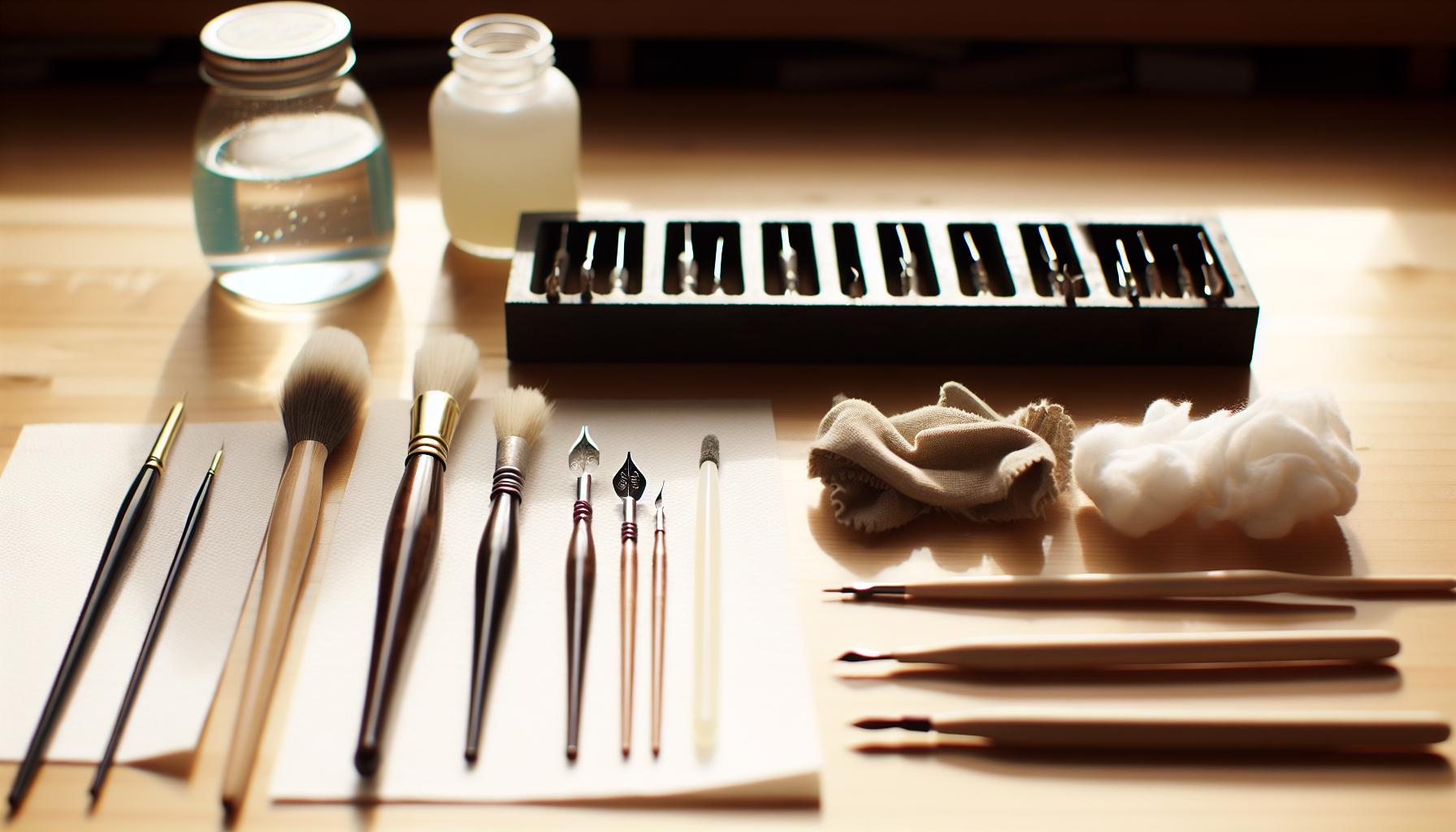
Essential Tools for Cleaning Your Calligraphy Pen Nibs
To keep your calligraphy pen nibs in top shape, having the right tools for cleaning is essential. A few simple items can make the difference between a nib that flows beautifully and one that’s clogged or damaged. First and foremost, you’ll need a good quality ink cleaning solution. Whether you choose a commercial cleaner or make your own with warm water and a bit of mild dish soap, having something safe and effective for ink removal is crucial.
Soft brushes or even an old toothbrush are invaluable for getting into those tiny crevices of your nib. This gentle scrubbing helps dislodge dried ink without risking damage. Moreover, soft, lint-free cloths come in handy for drying your nibs thoroughly after cleaning. Water retention can lead to rust, especially on steel nibs, so drying is key.
You might also find pipettes or syringes useful for applying cleaning solutions directly to the nib. They provide precision, ensuring the solution reaches every corner without excess running onto your desk or paper. For those stubborn cases, a simple bowl of clean water can allow for soaking the nib for a few minutes to loosen any build-up, but make sure to dry them promptly afterward.
Lastly, storage solutions, such as nib holders or protective cases, are important for maintaining cleanliness and preventing damage. When not in use, storing your nibs properly can prolong their life and keep them ready for your next creative endeavor. By equipping yourself with these essential tools, you’ll set the stage for effective cleaning, ensuring your calligraphy experience remains smooth and enjoyable.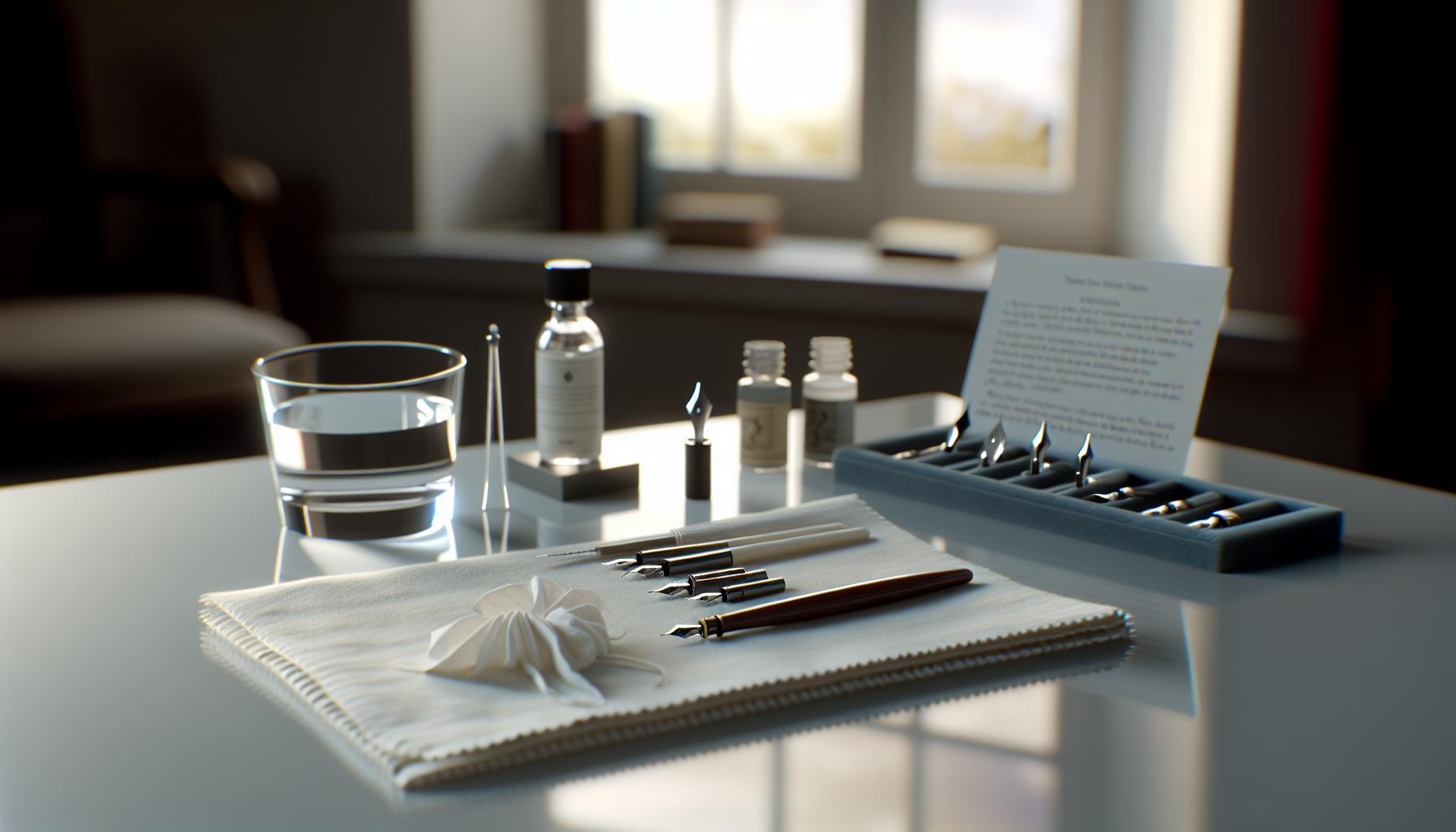
Step-by-Step Guide to Effectively Clean Your Nibs
To keep your calligraphy pen nibs functioning smoothly, a consistent cleaning routine is a must. If you’re facing clogs or inconsistent ink flow, don’t fret. With a few simple steps, you can effectively clean your nibs and extend their lifespan, ensuring you get the best out of your tools every time you write.
Start by gathering your cleaning supplies: a soft brush or an old toothbrush, a bowl of warm water, and your chosen ink cleaning solution-be it commercial or a simple mix of warm water and mild dish soap. Begin by flushing your nib under warm running water to remove any surface ink. This step is crucial, as it helps loosen dried ink that may be clogging the feed and nib. After rinsing, take your soft brush and gently scrub around the nib and feed, paying close attention to the tines, where ink tends to build up.
Next, for stubborn ink deposits, soak the nib in a bowl of soapy warm water for a few minutes. This loosens residual ink, making it easier to clean. After soaking, take the brush again to meticulously scrub any remaining ink, then rinse the nib thoroughly under running water. Once cleaned, shake off excess water and dry them carefully with a soft, lint-free cloth. Avoid using paper towels as they may leave fibers on the nib.
Finally, inspect the nib for any remaining grime and repeat the process if necessary. Store your nibs properly in a protective case to keep them safe and clean until your next project. Following these steps will not only keep your nibs in top shape but also enhance your overall calligraphy experience and tool longevity. Happy writing!
Common Mistakes When Cleaning Calligraphy Nibs and How to Avoid Them
Many calligraphers underestimate the importance of proper cleaning and maintenance of their nibs, and this oversight can lead to frustration and decreased performance. Here’s the kicker: cleaning your nibs might sound straightforward, but there are common traps that can sabotage your efforts and even damage your tools. For instance, rinsing nibs under hot water can seem like a quick fix, but excessive heat can warp or weaken certain nib materials, especially brass and some stainless steels. Always stick to warm or lukewarm water instead.
Another blunder is neglecting to clear out the feed area. Ink can dry and accumulate in this hard-to-reach spot, impacting the flow significantly. Don’t just clean the nib tip; use a soft brush or an old toothbrush to gently remove any deposits around the entire nib assembly and feed. Failing to address this can cause ongoing issues with ink delivery, no matter how meticulously you clean the nib itself.
While soaking nibs in water is effective, leaving them submerged too long can cause damage as well. A few minutes is plenty to loosen stubborn ink; after that, it’s best to check and scrub rather than let them linger. The goal is a thorough clean without compromising the integrity of the nib. Finally, drying methods matter. Avoid paper towels as they can leave fibers behind. Instead, use a soft, lint-free cloth to ensure your nibs stay pristine.
By sidestepping these common mistakes, you’ll not only keep your calligraphy nibs in peak condition but also enjoy a smoother, more satisfying writing experience. Remember, your nibs are an extension of your creativity-treat them with the care they deserve!
Maintaining Your Nibs: Tips for Extended Lifespan
When it comes to keeping your calligraphy pen nibs in top shape, a little effort goes a long way. Many artists don’t realize it, but proper maintenance can dramatically extend the life of your nibs and improve your writing experience. Think of your nibs as precious tools: the better you care for them, the longer they’ll serve you faithfully.
To maintain your nibs effectively, make it a habit to clean them regularly. After each use, especially with pigment-rich or highly viscous inks, rinse your nibs in lukewarm water to prevent ink buildup. This not only keeps them functional but prevents the frustration of a clogged nib midway through a project. Additionally, avoid soaking them for prolonged periods. Just a brief soak of a few minutes followed by gentle scrubbing with a soft toothbrush will suffice to keep them clear without risking damage.
Storage also plays a pivotal role in an nib’s lifespan. When you’re done for the day, store your nibs in a dedicated case or holder that protects them from bending or being knocked around. If you’re using multiple nibs, consider labeling them to avoid cross-contamination of ink types, which can lead to unpredictable results in your work. A clean, organized workspace does wonders for ensuring your tools remain in prime condition.
Lastly, don’t overlook the materials of your nibs. Different materials require different care. For instance, gold nibs might need gentler handling compared to nickel-plated ones. Familiarize yourself with the specific needs of your nibs based on their material-this knowledge is crucial. By prioritizing maintenance and understanding how to care for your tools, you can ensure that your calligraphy nibs not only last longer but also provide you with the best performance possible. Treat your nibs well, and they’ll reward you with smooth and enjoyable writing for years to come!
Troubleshooting: What to Do if Your Nibs Still Aren’t Clean
If your nibs still aren’t cleaning up as they should, it can be incredibly frustrating, especially when you’re itching to get back to your art. There are several reasons why residue might persist even after your best cleaning efforts, so let’s tackle this problem head-on. First, make sure you’re using the right approach. If you’re only rinsing your nibs in water, it might not be enough-especially if you’re dealing with stubborn inks. Try soaking them in a solution of lukewarm water mixed with a few drops of dish soap for about five minutes. This can help break down the remaining ink particles and make it easier to scrub them away.
Another common issue is the type of ink you’re using. Some inks, particularly those that are pigmented or have a heavier viscosity, can leave behind more residue that regular water simply can’t remove. In this case, consider using a dedicated ink cleaner, or even a tiny bit of vinegar mixed with water. Just make sure to rinse thoroughly afterward, as leftover cleaning solutions can also tarnish your nibs.
If, after all this, your nibs still aren’t cleaning up well, it might be time to switch up your cleaning tools. A soft toothbrush is a solid choice, but sometimes you might need something more specialized. A fine artist brush or even a cotton swab can help reach those pesky areas where grime likes to hide. For really stubborn cases, you might have to use a gentle abrasive, like baking soda, making a paste, and gently scrubbing the nibs. Remember to rinse well and dry them properly after using any abrasive materials.
Above all, never overlook regular maintenance. If you let a nib sit for too long without cleaning it after use, it’s going to be far more challenging to restore it. Make it a habit to clean your nibs after every use. Keeping an organized routine not only extends the life of your tools but also ensures that every writing session is a smooth experience.
Best Practices for Storage After Cleaning Your Nibs
After you’ve taken the time to clean your calligraphy nibs, how you store them can make all the difference in their performance and longevity. Proper storage not only protects these delicate tools from damage but also ensures they’re ready to use when inspiration strikes. Did you know that many calligraphy enthusiasts overlook this simple step, leading to premature wear and tear? Let’s dive into some best practices that will keep your nibs in top-notch condition.
First, always make sure your nibs are completely dry before storing them. Even slight moisture can lead to rust or corrosion, which renders a nib ineffective. After cleaning, gently pat them dry with a soft cloth or let them air dry in a well-ventilated area. Once dry, consider storing them in a dedicated container, such as a nib holder or a small, padded case. This protects them from dust and accidental impact, which can bend or damage sensitive tips. You can even use individual compartments or small dividers within a box to prevent the nibs from coming into direct contact with one another, reducing the risk of scratches.
Choosing the Right Environment
The environment in which you store your nibs matters too. Avoid humid areas, as moisture can be detrimental. A cool, dry place is ideal. For those living in particularly humid climates, consider using silica gel packs in your storage container to absorb excess moisture. This proactive measure can help prevent rust and extend the life of your nibs significantly.
Remember, not all nibs are created equal. If you have a collection of different types, keep a clear labeling system. This can include writing down the nib sizes and types on your storage container or using a chart. Knowing which nib to reach for in a pinch will save you time and frustration during your creative process.
In summary, effective storage is a critical step in maintaining your calligraphy nibs. Keep them dry, protect them from physical damage, and store them in a suitable environment. By following these simple yet essential practices, you’ll ensure your nibs stay sharp, functional, and ready for your next masterpiece. Prioritize this aspect of your calligraphy routine-your future self will thank you!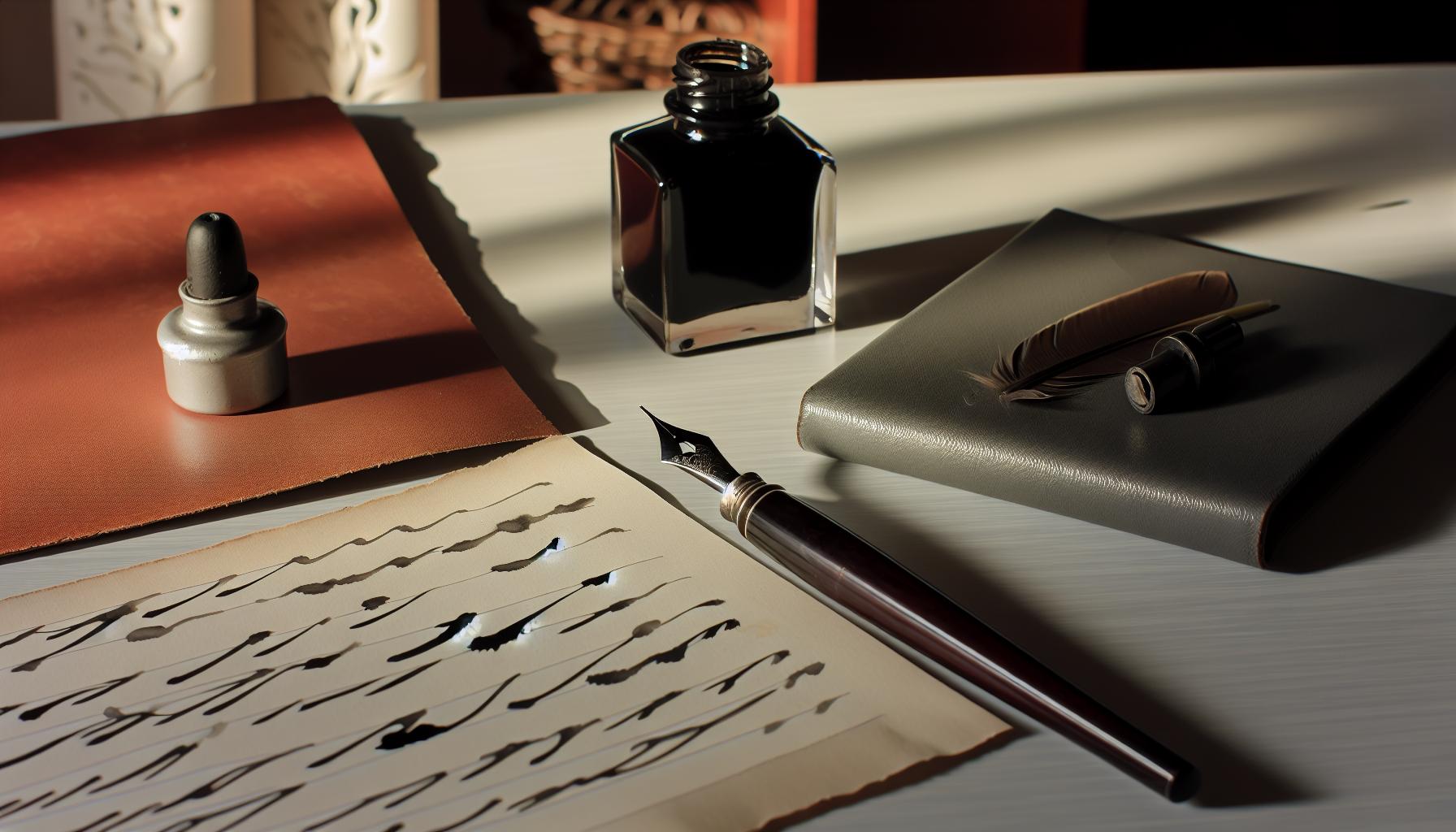
When to Replace Your Calligraphy Pen Nibs
Knowing can make all the difference in your work’s quality. Over time, regular use can wear down your nibs, affecting their ability to create crisp lines and fluid strokes. A dull or damaged nib not only frustrates your creative process but can also lead to inconsistent ink flow and subpar results, which no calligraphy enthusiast wants. So, how do you determine when it’s time to retire your favorite nib for a fresh one?
First, pay attention to how the nib feels while you’re writing. If you notice that it’s harder to draw smooth lines or if you’re constantly having to adjust your pressure to get the desired effect, that’s a clear sign the nib is losing its edge. Visible damage is another key indicator. Chips, bends, or irreparable rust mean it’s time for a new nib. A little maintenance can extend the life of your nibs, but eventually, every nib has its limit.
Regular inspection is essential. After each session, give your nibs a once-over. Look for signs of wear and tear or discoloration, especially if you notice any unusual resistance while writing. If your writing has gone from effortless to laborious, trust your instincts-replace that nib. Additionally, if you’ve been using a specific nib for a particular style or technique and it’s no longer performing, don’t hesitate to switch it out.
Finally, keep an eye on how often you clean them. If you’ve been cleaning your nibs diligently but they still aren’t performing well, it might be a sign of deeper wear that can’t be fixed with cleaning alone. Remember, the investment in replacement nibs is minor compared to the frustration and poor results of trying to make an old nib work. Prioritize your art; replacing your nibs regularly is key to maintaining the quality of your calligraphy.
Different Materials: How They Affect Cleaning Techniques
Cleaning calligraphy pen nibs isn’t just about maintaining hygiene; it deeply affects your art’s quality. Understanding how different materials influence cleaning techniques is crucial for any calligrapher. From steel to gold, each material has distinct properties that can alter both the cleaning process and the nib’s longevity.
Steel nibs, for instance, are the most common and can be quite durable. However, they are prone to rust if not cleaned properly. After using steel nibs with water-based or iron gall inks, it’s essential to rinse them immediately under warm water and dry them thoroughly. Avoid soaking them for too long, as prolonged exposure to moisture can lead to rust spots that compromise the nib’s performance. A gentle brush with a soft toothbrush can help remove stubborn ink residue without damaging the nib.
Gold nibs, on the other hand, offer a smoother writing experience and are resistant to corrosion, but they require extra care. While they don’t rust, they can suffer scratches and dents if mishandled. Clean gold nibs with a light touch-use warm, soapy water and a soft cloth to wipe them down. After cleaning, make sure to rinse well to avoid soap residue that might affect ink flow. It’s a good idea to avoid abrasive materials or any cleaning solutions that could scratch the surface.
Other Material Considerations
Different specialty nibs, such as flexible or calligraphy-specific nibs, demand tailored care. These flex nibs often contain soft metals that can be easily damaged, so cleaning them requires even more caution. Use a softer brush and follow the same rinsing practices as you would with gold nibs. If you’re using acrylic paints or other pigments, brush your nibs more frequently during your session to prevent those materials from drying and clogging.
In summary, recognizing the material of your nib can dramatically change your cleaning regimen. Adopting appropriate cleaning techniques not only prolongs the life of your nibs but also enhances your writing experience. Prioritize gentle cleaning methods tailored to each type, and you’ll keep your tools in prime condition, ready for whatever creative endeavor calls to you.
Cleaning Specialty Nibs: What You Need to Know
Cleaning specialty nibs requires a nuanced approach, as each type can behave differently under common cleaning methods. These nibs are often designed for specific techniques, meanings they may be crafted from delicate materials or feature unique shapes. Whether you’re working with flexible, pointed, or specially designed calligraphy nibs, knowing how to maintain them is key to ensuring they perform well and last longer.
For flexible nibs, take particular care when cleaning. These nibs are often made from softer metals and can easily bend or break if treated too harshly. After using your flexible nib, gently rinse it under warm water immediately to avoid letting any ink dry in and clog the tines. For stubborn ink, use a soft brush, like a baby toothbrush, but be sure to apply minimal pressure to avoid damaging the delicate structure.
Special attention is also needed with pointed nibs, which can accumulate ink residue easily due to their fine tips. It’s essential to clean them more frequently during use-this means rinsing them out every few minutes if you’re working on a longer piece. If you’ve been using pigmented inks or gouache, have a small bowl of warm soapy water handy for quick dips followed by rinsing. Avoid using hot water, as this can warp the nibs, especially if they’re made from flexible materials.
Finally, if you have specialty nibs designed for specific techniques, like those used in illustration or script styles, be sure to read and follow any specific cleaning instructions from the manufacturer. Each type may have recommended cleaning agents or techniques that are best for maintaining their integrity and performance. Regular maintenance not only keeps your nibs clean but also ensures a smoother writing experience and better ink flow with every stroke.
Recommendations for Safe and Effective Cleaning Solutions
When it comes to cleaning your calligraphy pen nibs, using the right solutions can make all the difference in keeping them in peak condition. A gentle approach is crucial, as harsh chemicals can lead to damage or reduced lifespan of these delicate tools. First and foremost, opt for warm water as your primary cleaning agent. It’s effective for dissolving most types of ink without causing harm to the nib materials. Avoid hot water, as it can warp the nibs, especially those made from softer metals.
For a deeper clean, especially after using pigmented inks, a few drops of dish soap in warm water can be helpful. This combination breaks down stubborn residues without the risk of damaging your nib. Just remember, after soaking the nibs for a few minutes, rinse them thoroughly to ensure no soap remains; this can impact your ink flow later on.
Specific cleaning solutions you might consider include:
- Household Vinegar: Ideal for dissolving dried ink. Mix one part vinegar with four parts water for an effective soak.
- Isopropyl Alcohol: This can be used for stubborn stains, especially if ink stands out. Use it sparingly and rinse well.
- Specialty Calligraphy Nib Cleaners: If you’re serious about your calligraphy, invest in cleaners designed specifically for nibs. They are gentle yet effective.
Always apply cleaning solutions with a soft cloth or cotton swabs rather than abrasive materials. These can scratch your nibs or cause other forms of damage. After cleaning, drying your nibs completely is vital. A soft, lint-free towel works best for this purpose.
Lastly, ensure you understand the compatibility of your cleaning solutions with the material of your nibs. Some materials may react differently; when in doubt, testing on a less valuable nib is a smart move. With the right care, your calligraphy nibs will provide a smoother writing experience and last much longer.
Expert Insights: Calligraphy Pros Share Their Tips
You can save your calligraphy nibs from a shortened lifespan simply by adopting a careful, consistent cleaning routine. Many calligraphers swear by the tried-and-true method of using warm water as a primary cleaning agent. This isn’t just an old wives’ tale; it’s one of the best ways to dissolve ink without damaging delicate nib materials. After all, nothing ruins a beautifully crafted piece faster than a clogged nib!
Let’s talk about the specifics. A few pros recommend adding a gentle touch of dish soap to your warm water for deeper cleans, especially after working with pigmented inks. Rinse thoroughly afterwards-residual soap can mess with your ink flow, and no one wants to deal with that. Some experts also prefer using a mix of vinegar and water. Vinegar is fantastic for dissolving dried ink, but avoid soaking for too long; you want to break up the residue, not soak the nib in acidic conditions for hours.
Have you ever noticed your inks behave differently depending on the nib’s condition? Dirty nibs definitely affect your results. If you’re using isopropyl alcohol, do so sparingly and remember to rinse thoroughly afterward to maintain your nib’s integrity. Another simple tip: always use soft cloths or cotton swabs for cleaning-getting too abrasive can create scratches or damage.
Don’t forget to dry your nibs properly! Using a lint-free towel can help. If you’re serious about your calligraphy, consider investing in specialty nib cleaners-they’re designed to restore and refresh nibs. Remember, the better care you take of your tools, the better results you’ll achieve in your art. A meticulously cleaned nib will perform better and last longer, letting you focus on your creative expression rather than maintenance.
Frequently asked questions
Q: How often should I clean my calligraphy pen nibs?
A: You should clean your calligraphy pen nibs after every use to prevent ink build-up and maintain optimal performance. Regular cleaning also extends the life of your nibs, ensuring they remain smooth and effective for your calligraphy projects.
Q: What is the best way to remove dried ink from calligraphy nibs?
A: To remove dried ink, soak the nib in warm water mixed with a mild soap for several minutes. Use a soft brush or cloth to gently scrub away residue, ensuring no particles remain that could affect performance. Follow up with a rinse in clean water.
Q: Can I use harsh chemicals to clean my calligraphy nibs?
A: No, you should avoid harsh chemicals, as they can damage the nib material. Instead, opt for gentle cleaning solutions like warm soapy water or specialized pen cleaners that are safe for your nibs. This protects their finish and functionality.
Q: Why does ink clog my calligraphy pen nibs?
A: Ink may clog your calligraphy pen nibs due to drying ink within the feed or nib after prolonged use. Factors like using fast-drying inks or not cleaning the nib regularly contribute to clogs. To prevent this, maintain a routine cleaning schedule.
Q: What tools are essential for cleaning calligraphy pen nibs?
A: Essential tools include soft brushes, lint-free cloths, and warm, soapy water. These tools help you gently clean without scratching or damaging the nib surface. Keep your cleaning setup organized for efficient maintenance.
Q: How can I safely store my cleaned calligraphy nibs?
A: After cleaning, dry your nibs thoroughly and store them in a dedicated holder or case to prevent damage. Avoid storing nibs in damp environments, as moisture can lead to rust and deterioration. Check the storage tips in our Maintaining Your Nibs section for more insights.
Q: Is it normal for calligraphy nibs to rust?
A: Yes, it is normal for some calligraphy nibs, especially those made from metal, to rust if not maintained properly. Regular cleaning and thorough drying after each use can prevent rusting and ensure your nibs last longer.
Q: When should I consider replacing my calligraphy pen nibs?
A: You should consider replacing your calligraphy pen nibs when they show signs of excessive wear, rust, or damage. If you notice inconsistent ink flow or if the nib feels rough, it’s time to invest in a new nib for better performance.
The Way Forward
Now that you know how to effectively clean your calligraphy pen nibs, you’re well on your way to extending their life and enhancing your writing experience. Don’t let dirt and ink residue stifle your creativity any longer-take action today! By maintaining your tools, you not only ensure the quality of your artwork but also save money in the long run.
For more tips on calligraphy techniques, check out our guide on “Choosing the Right Calligraphy Pen” or explore our detailed page about “Mastering Brush Lettering.” If you have any questions or insights, feel free to drop a comment below!
Don’t miss out on our newsletter for exclusive tips and updates that will elevate your calligraphy skills. Remember, every stroke matters, and with the right care, your nibs will continue to inspire your best work!
Get our latest guides, news, and insights highlighted in your Google Search & AI Overviews.