Did you know that in 1990, Chuck Taylors were a staple in every shoe closet? Whether you were shooting hoops or just hanging out with friends, these iconic sneakers were everywhere. But have you ever wondered how much they actually cost back then? Understanding the price of Chuck Taylors in 1990 not only gives us insight into sneaker culture but also shows how style, branding, and consumer spending have evolved over the years. If you’re a sneaker enthusiast or just nostalgic for the classics, you’ll appreciate how much value these timeless shoes offered. Let’s take a closer look at the pricing landscape of that era and see what made Chuck Taylors a must-have for so many.
The Popularity of Chuck Taylors in the 1990s
In the 1990s, Chuck Taylors were more than just sneakers; they became a symbol of youth culture and rebellion. The decade was marked by a surge in popularity for these canvas shoes, often associated with the burgeoning grunge movement and the rise of alternative rock. Bands like Nirvana and Green Day championed the laid-back, anti-establishment aesthetic that Chuck Taylors embodied, making them a staple not just for music fans but for anyone looking to express their individuality.
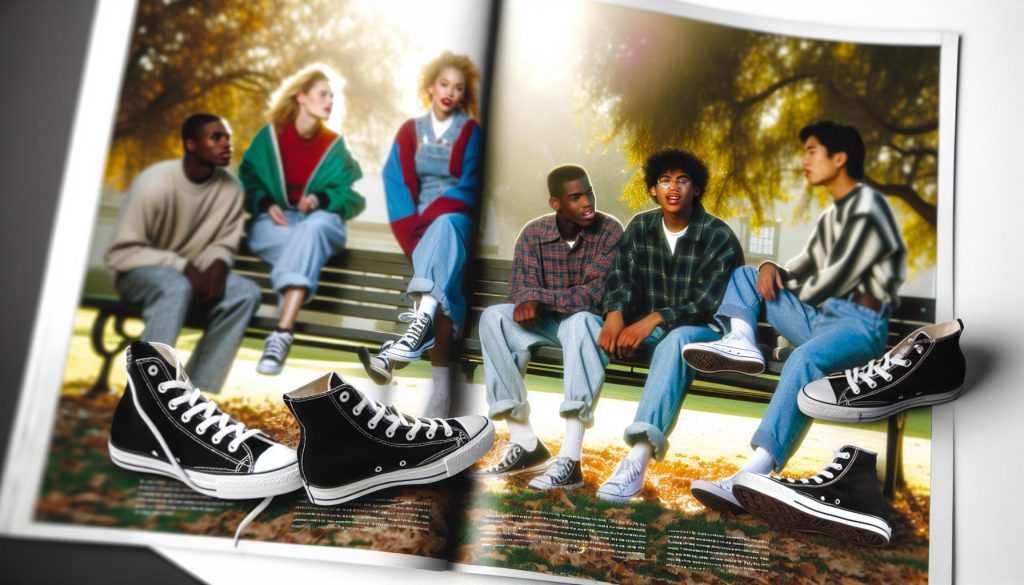
These shoes were incredibly versatile, seamlessly fitting into various subcultures from punk to hip-hop. Kids and teens embraced them not only for their comfort but also for their ability to be styled in countless ways-paired with baggy jeans, skirts, or even formal wear. Retailers made Chuck Taylors accessible, with prices averaging around $30 to $40, positioning them as an affordable option for the style-conscious youth who wanted to stand out without breaking the bank.
Chuck Taylors also saw a rebranding of sorts during this era; as they became synonymous with counterculture, their presence in pop culture solidified their status. They were often featured in movies and television shows, seen on the feet of characters who epitomized the carefree spirit of the ’90s. This association only bolstered their popularity, making them a must-have for anyone looking to capture that iconic look. The combination of affordability, cultural relevance, and the unique identity they provided was a perfect storm, ensuring that Chuck Taylors dominated the footwear scene throughout the decade.
A Look at 1990 Prices Across Retailers
In the early 1990s, Chuck Taylors were not just fashionable; they were a staple for countless young people looking for a statement to make without uttering a word. Prices varied slightly across retailers, but you could generally snag a pair for around $30 to $40. This price point made them accessible to most teens, ensuring that whether you were hitting the skate park or hanging with friends at a café, you could do so in style.
Retail Landscape
Let’s break down how retailers approached pricing during that time:
- Foot Locker: Typically offered basic models around $34.99.
- Famous Footwear: Priced their inventory starting at $29.99, making them competitive.
- Sporting Goods Stores: Many catered to the sneaker culture, selling classic Chucks often for $36.99.
This pricing allowed for variety; some stores had sales that could drop prices to the mid-$20s, making them even more attractive for budget-conscious shoppers.
While brands today have expanded the design palette and technological offerings, back then, simplicity was key. The classic black and white options were the most popular. The consistent pricing across different retailers reinforced the idea that Chuck Taylors were a universal choice-everywhere you looked, someone was likely wearing them.
In a nutshell, if you were a teen in 1990, investing in a pair of Chuck Taylors was as much about style as it was about embracing a culture that favored individuality and self-expression. These prices didn’t just reflect an expense; they signified a lifestyle choice, making it easy for anyone wanting to step into their own iconic look.
What Influenced Chuck Taylor Pricing Then?
The pricing of Chuck Taylors in the 1990s wasn’t just a reflection of shoe manufacturing costs; it involved multiple factors that shaped their accessibility and popularity among young shoppers. One major influence was the cultural movement of the time. The 90s saw a rise in alternative music scenes, skate culture, and the grunge aesthetic, all of which embraced Chuck Taylors as a timeless symbol of individuality and rebellion. This cultural resonance allowed retailers to maintain competitive pricing strategies while ensuring strong demand among teens looking to express their identity.
Another significant factor was the brand’s marketing strategy. Converse’s focus on maintaining the Chuck Taylor brand as an affordable and stylish option appealed to cost-conscious teenagers. The wide base of target consumers meant that competition among retailers was fierce. Retailers like Foot Locker and Famous Footwear were pushing prices as low as $29.99 or $34.99, driving down costs through volume sales and promotions. This accessibility ensured that virtually any teen could afford a pair, reinforcing the shoe’s status as a must-have item during this vibrant decade.
Additionally, the simplicity of the design played a role. In an era of growing consumerism, Chuck Taylors stood out for their lack of flashy technology or complex features. The classic canvas and rubber design, available in basic colors, kept production costs low, which translated into the retail prices that became commonplace. Thus, it wasn’t just about the shoes themselves but their symbolic value as part of youth culture – a blend of affordability, self-expression, and community connection all wrapped into a single, stylish package.
Comparison of 1990 Price vs. Today’s Cost
In 1990, Chuck Taylors could be snagged for as little as $29.99 to $34.99, depending on the retailer and any ongoing promotions. Fast forward to today, and we see these iconic shoes typically retailing between $60 and $75, with some limited editions even reaching higher price points. This stark contrast highlights not just inflation but also the nostalgic and collectible value Chuck Taylors have garnered over the years.
When adjusting for inflation, the price of Chuck Taylors in 1990 would be roughly equivalent to about $60 today. While this aligns neatly with current pricing, it’s essential to think about what that money buys in today’s market compared to then. Back in the 90s, Chuck Taylors represented not just a fashion statement but also a symbol of rebellion and individuality, accessible to teenagers of all backgrounds. Today, while they still maintain that appeal, they also compete in a saturated market filled with a plethora of sneaker options offering advanced technology and brand collaborations.
One reason for the increase in price is the brand’s shift toward more exclusive, limited-edition releases, fueled by a thriving sneaker culture that values collectibility. Vintage pairs, often admired for their nostalgia and worn by celebrities and musicians, can fetch hundreds, even thousands, of dollars among collectors. This growing appreciation has repositioned Chuck Taylors from mainly an everyday sneaker into a coveted fashion staple, often seen on runways and in high-end boutiques.
In short, while the retail price has increased, the cultural significance of Chuck Taylors-a blend of affordability, style, and historical legacy-remains a compelling part of their story. Even if you’re paying more today than you would have in 1990, the power of this shoe, anchored in personal expression and collective memory, makes them worth every penny.
The Resurgence of Retro Chuck Taylors
The appeal of Chuck Taylors has surged in recent years, riding a wave of nostalgia that connects generations. This resurgence isn’t just about retro aesthetics; it’s about embracing a cultural icon that has stood the test of time. Originally popular in the 1990s among youth as a symbol of individuality, they are now once again a go-to sneaker for anyone wanting to express their unique style.
Today, brands frequently tap into the nostalgia factor, producing limited edition releases and vintage-inspired designs that resonate with those who wore them growing up-and attract a new generation discovering them for the first time. This phenomenon can be seen in the collaboration between Converse and high-fashion designers, which elevates the classic sneaker to a status symbol. People are no longer just buying shoes; they’re investing in a piece of history that reflects a personal story.
What’s more, the internet has played a significant role in this revival. Social media platforms are flooded with images of influencers and regular folks alike sporting Chuck Taylors, showcasing their versatility. From casual outfits to high-fashion runways, these sneakers fit seamlessly into various styles, proving their timelessness.
For those looking to tap into this trend, here are some practical tips to consider when shopping for retro versions:
- Research Vintage Models: Familiarize yourself with key styles and colors to find that perfect pair that complements your wardrobe.
- Explore Online Marketplaces: Sites like eBay and Etsy can have hidden gems-just ensure you authenticate what you purchase.
- Attend Sneaker Events: Cultivate connections within sneaker communities to discover special releases and moderate pricing.
All of this combined speaks to a broader consumer trend: people are not only wearing Chuck Taylors; they’re celebrating their legacies. Whether it’s for comfort or style, these sneakers maintain their status as a staple that transcends generations-showing that some things truly can come back in style, often better than ever.
Consumer Trends: Who Wore Chuck Taylors in 1990?
In the 1990s, Chuck Taylors were more than just sneakers; they were a powerful cultural symbol worn by a diverse crowd. From grunge rockers to hip-hop artists, the Chuck Taylor All-Star became a staple across various subcultures. Bands like Nirvana and Green Day embraced these canvas shoes, solidifying their connection to the punk and alternative music scenes. This era saw Chuck Taylors become synonymous with rebellion and self-expression, particularly among youth who found in them a way to assert their individuality.
Not just limited to music scenes, Chuck Taylors were sported by people from all walks of life. They found their way into high schools as the unofficial shoe of choice for students wanting to express their style without breaking the bank. Their price point, typically around $30 to $40 in the early ’90s, made them accessible for teens who needed footwear that could stand up to everyday wear and align with their growing sense of personal style. The simplicity of the design, combined with the broad range of colors and patterns available, allowed wearers to customize their look easily.
The sneaker’s versatility meant that it could easily transition from a day at school to weekend concerts, embodying the free-spirited nature of the decade. Moreover, they were often seen paired with everything from jeans to dresses, illustrating how they transcended mere functionality. The trend of layering and mixing styles also made them a favorite among fashion-forward individuals who valued comfort alongside aesthetic appeal.
Ultimately, Chuck Taylors in the ’90s became more than just an accessory; they represented a lifestyle choice for many. The ability to wear them while expressing personal style allowed sneakers to forge their path to becoming timeless fashion staples that we still see today. The casual yet impactful aesthetic of Chuck Taylors continues to resonate with new generations, proving that this classic design is far from fading away.
Collectible Values: Vintage vs. New
In the world of sneakers, few brands hold the same nostalgic charm as Chuck Taylors. The vintage models from the 1990s can fetch impressive sums among collectors, often far outpacing the cost of new pairs today. While you could score a pair of original Chuck Taylors for about $30 to $40 in 1990, genuine vintage styles, especially those in mint condition or unique colorways, can sell for hundreds-or even thousands-of dollars in today’s market.
When considering whether to invest in vintage or new Chucks, there are a few key factors to keep in mind. Vintage sneakers not only carry a sense of history but can also represent specific cultural moments or styles. Finding a pair that resonates with a personal story-perhaps a colorway worn by a favorite band or style from the era-can transform your purchase from merely functional to iconic. Collectors often seek limited editions, collaborations, or models featuring particular branding, and these items can command high prices at auctions or resale markets.
However, it’s essential to weigh the appeal of these collectibles against the practicality of new models. Today’s Chuck Taylors still maintain that classic aesthetic while often incorporating slight design improvements in comfort and durability. For many, the decision leans on personal preference: Do you value the vintage allure and potential investment of older models, or are you more interested in the functionality and fresh designs of the current offerings? Ultimately, whether you’re after the nostalgia of the past or the stylish practicality of modern designs, Chuck Taylors continue to be a relevant and fashionable choice.
In conclusion, when exploring Chuck Taylors, consider not only the collectible value but also what resonates with your personal style and lifestyle needs. The vintage market offers a glimpse into sneaker culture’s rich history, while new designs maintain their timeless appeal in everyday fashion.
Chuck Taylors in Pop Culture: A 1990 Perspective
The 1990s were a vibrant decade for Chuck Taylors, a time when these classic sneakers weren’t just footwear but a cultural phenomenon. They embodied the spirit of rebellion and individuality that defined the era. From grunge to hip-hop, Chuck Taylors were featured prominently in various music videos, movies, and on the feet of beloved celebrities. The likes of Kurt Cobain and Aaliyah helped elevate these shoes from basketball courts to style icons, driving their popularity among youth culture.
In the world of film, Chuck Taylors made unforgettable appearances. They were the go-to choice for characters in films like “Reality Bites” and “10 Things I Hate About You.” This presence in cinema solidified the sneakers as symbols of youthful defiance and casual coolness, resonating with a generation eager to express their personalities through fashion. The shoes became synonymous with a laid-back attitude, making them perfect for college students and skaters alike.
Moreover, Chuck Taylors were not just shoes; they were a canvas for self-expression. Artists and fans alike began customizing their Chucks, doodling on them or painting them, which added to their appeal. The DIY spirit of the 90s embraced these sneakers as a way to stand out, leading to an even broader acceptance in streetwear culture.
As a testament to their influence, the cost of Chuck Taylors in 1990 hovered around $30 to $40, making them accessible to a large crowd. This affordability helped facilitate their penetration into various subcultures. Whether you were a punk rocker, a skater, or a fan of alternative music, you could easily grab a pair and join the movement.
Ultimately, the 1990s were pivotal for Chuck Taylors, establishing the brand not only as a staple in sneaker culture but as an enduring symbol of individuality and rebellion, continuing to resonate with consumers even decades later.
Iconic Models: What Styles Were Available?
Chuck Taylors in the 1990s came in a variety of iconic styles that appealed to diverse subcultures, making them a must-have footwear choice for anyone looking to make a statement. The classic All Star silhouette remained the backbone of the brand, available in high-top and low-top variations that accommodated different fashion tastes. The high-top version, with its ankle support and striking canvas, was particularly popular among skateboarders and punk rockers, embodying a sense of rebellion and freedom.
Other standout models included the Chuck Taylor 2, which was introduced later, but its design roots can be traced back to the 90s experimentation with colors and patterns. During this era, consumers began to see Chuck Taylors in not just the traditional black and white but also in vibrant hues like electric blue, fiery red, and even patterns like plaid and polka dots, allowing individuals to express their personality through their footwear. This ability to customize and choose distinct colors played a key role in the shoes’ appeal, especially among teens and college students who wanted to embody the vibrant spirit of their generation.
Moreover, collaborations with artists and musicians led to special edition Chuck Taylors that further influenced the sneaker culture. These limited releases meant that owning a pair of Chucks was not just about comfort but also about cultural relevance and status. The shoes often made appearances in music videos and were favored by icons like Nirvana’s Kurt Cobain, seamlessly integrating them into the cultural fabric of the decade.
In terms of price, a pair of classic Chuck Taylors cost around $30 to $40 in 1990, making them accessible to a broad audience. This affordability meant that regardless of trends, these shoes could unite punks, skaters, and hip-hop fans, making them a staple across different scenes. The iconic models and styles of Chuck Taylors not only catered to the aesthetic of the 90s but also reinforced their status as symbols of youth culture and rebellion.
Understanding Inflation: Chuck Taylors and Buying Power
The classic appeal of Chuck Taylors transcends generations, and delving into their cost in 1990 offers fascinating insights into buying power and inflation. Back then, you could snag a pair for about $30 to $40-a price that made them accessible to a wide array of consumers, from punk rock enthusiasts to mainstream teens. At this rate, Chucks were not just shoes; they were a cultural phenomenon, bridging gaps between different subcultures.
Fast forward to today, and prices have inevitably risen. The same pair of Chucks might now set you back somewhere between $50 and $70, depending on the model and retailer. This shift doesn’t solely reflect brand adjustments or rising production costs; it’s also a testament to inflation. According to the U.S. Bureau of Labor Statistics, the cumulative rate of inflation from 1990 to 2023 is significant, which understandably impacts today’s prices. What cost $30 back then would need to be about $65 today to maintain comparable purchasing power. This upward trend illustrates how inflation has shaped our perception of affordability over time.
You might wonder, though, how this price evolution affects consumer behavior. In 1990, the price of Chucks allowed anyone to partake in the cultural moment; they were not merely a trend but a staple for diverse communities. Today’s prices, while still affordable compared to luxury sneakers, may lead some to view them as a splurge rather than a standard choice. Yet, the durability and timeless style of Chuck Taylors ensure that they remain a worthwhile investment for many.
Understanding this dynamic gives us perspective on how Chuck Taylors maintain their status as timeless footwear. Despite price increases, the brand has managed to stay relevant and is often seen as an affordable classic among more expensive sneaker options. As we navigate through rising costs, it’s clear that the spirit of Chuck Taylors as a must-have continues to thrive, testament to their universal appeal and enduring connection to youth culture.
Why Chuck Taylors Remain Timeless and Affordable
Chuck Taylors are more than just sneakers; they’re a cultural staple that has woven itself into the fabric of fashion over the decades. What keeps them relevant and priced reasonably in today’s market? One critical factor is their undeniable versatility. Whether you’re styling an edgy punk outfit or opting for a laid-back casual look, Chuck Taylors fit seamlessly into any aesthetic. This adaptability is one reason why they maintain their status as a beloved choice.
Moreover, the brand’s commitment to quality plays a significant role in their long-standing popularity. Though prices have risen from the 1990 figures of around $30 to $40 to current prices of $50 to $70, people still see the value in this investment. Their durability means you’re not just buying a pair of shoes; you’re making a purchase that lasts, often showing signs of character and wear that add to their charm over time. Many owners attest to having their Chucks for years, with a little clean-up, they look almost brand new.
Another factor is the nostalgic pull of retro styles. The resurgence of interest in vintage fashion has drawn younger generations to Chucks, further embedding them into modern culture. This appreciation for retro is not limited to just nostalgia; it speaks to a broader consumer trend favoring authenticity and simplicity in a world increasingly dominated by fast fashion. Chuck Taylors represent a timeless choice that transcends fleeting trends, appealing to those looking for both style and substance.
Ultimately, the affordability factor remains compelling. Even with price increases, they’re comparatively cheaper than many high-end sneaker brands, allowing a wider audience to enjoy their iconic design. As they continue to resonate across different demographics and cultures, Chuck Taylors will likely endure as a go-to option for anyone seeking an enduring symbol of style that’s easy on the wallet.
The Future of Chuck Taylors: Pricing Predictions
As Chuck Taylors continue to captivate generations, predicting their future pricing involves considering several key factors. Interestingly, while the price tag for a classic pair hovers around $50 to $70 today, expectations suggest a balance will be struck between affordability and brand evolution. Given the rising cost of materials and production-coupled with a growing demand for retro styles-consumers might see gradual price increases. However, the brand’s commitment to keeping them accessible means price hikes are likely to be minimal.
One major influence on future pricing will be the overarching trend towards sustainability. As consumers increasingly value eco-friendly practices, companies like Converse may invest in sustainable materials and production methods. This could initially raise prices but might also attract a new consumer base willing to pay a premium for environmentally responsible products.
Consumer Sentiment and Brand Loyalty
Another determining factor is consumer sentiment. Chuck Taylors are not just shoes; they’re a statement. Brand loyalty plays a significant role here. Younger buyers particularly value brands that resonate with their values-style, authenticity, and social responsibility. If Converse successfully aligns with these sentiments, they might retain their pricing structure or even solidify it, making Chuck Taylors a staple investment-much like they were in the ’90s.
In essence, while some fluctuations are anticipated, the iconic status of Chuck Taylors and the brand’s strategic focus on sustainability and consumer engagement suggest they’ll remain a popular and relatively affordable choice. Whether you’re a sneakerhead or simply someone who appreciates a classic look, Chuck Taylors will likely maintain their unique position in the market. So, if you’re eyeing a new pair, now might be a great time to invest before potential changes unfold.
Faq
Q: How much did Chuck Taylors sell for in the early 1990s?
A: In the early 1990s, Chuck Taylors typically sold for about $30 to $50. Depending on the model and retailer, prices could vary, but this range reflects the general market cost during that decade.
Q: What was the price difference for Chuck Taylors based on style in 1990?
A: In 1990, classic styles like the Chuck Taylor All Star were generally priced around $30, while high-top versions or special editions could be priced up to $50. Styles influenced the overall pricing significantly.
Q: Were Chuck Taylors considered expensive in 1990?
A: Chuck Taylors were considered affordable in 1990, especially compared to other sneaker brands. With costs around $30, they were accessible to many consumers, contributing to their popularity during that time.
Q: How did Chuck Taylor prices compare to other sneakers in the 1990s?
A: In the 1990s, Chuck Taylor prices were generally lower than many brand-name basketball sneakers, which often ranged from $60 to over $100. This affordability made Chuck Taylors a popular choice for casual wear.
Q: What were some factors that influenced the pricing of Chuck Taylors in the 1990s?
A: Factors influencing Chuck Taylor pricing in the 1990s included production costs, popularity among youth culture, and marketing strategies during the decade that reinforced their iconic status as casual footwear.
Q: Did the pricing of Chuck Taylors in 1990 vary by retail store?
A: Yes, pricing for Chuck Taylors varied by retailer. Stores like Foot Locker and Payless often had slight price differences, influenced by sales and promotions, leading to prices ranging from $30 to $50 across different locations.
Q: How has inflation affected Chuck Taylor pricing since the 1990s?
A: Since the 1990s, inflation has caused the price of Chuck Taylors to increase significantly. While they cost around $30 back then, similar models today often retail for about $60 or more, reflecting changes in the economy and manufacturing costs.
Q: What were some popular models of Chuck Taylors available in 1990?
A: In 1990, popular models included the Chuck Taylor All Star Hi and Low, as well as special editions featuring different colors and patterns that catered to various fashion trends of that era.
The Conclusion
So there you have it! We’ve unveiled the intriguing history behind Chuck Taylors’ pricing in 1990. If you’re as fascinated by retro sneaker culture as we are, don’t miss our deep dive into sneaker evolution over the decades here and uncover how iconic shoes like these shaped today’s fashion scene here.
Before you go, why not sign up for our newsletter for the latest on vintage styles? Plus, if you’re curious about current sneaker trends or looking to shop, check out our curated guides here. Don’t let this spark of nostalgia fade-share your Chuck Taylor stories in the comments below! Keep exploring your passion for vintage footwear; there’s always something new to learn!
Get our latest guides, news, and insights highlighted in your Google Search & AI Overviews.