Removing washi tape from walls might seem straightforward, but many of us have faced the frustration of peeling away tape only to find damage underneath. Did you know that improper removal techniques can lead to unsightly marks and even paint chipping? This guide is your go-to resource for mastering a damage-free method to safely take down washi tape. Whether you’re redecorating, switching up your wall art, or simply tidying up your space, understanding how to remove that tape without leaving a trace is essential. Stick around as we share expert tips and techniques that ensure your walls stay pristine. Your home deserves that fresh look without any of the unwanted aftermath, and we’re here to help make that happen effortlessly!
Understanding Washi Tape: What You Need to Know
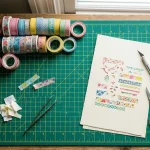
Washi tape is a versatile tool that has taken the DIY world by storm, known for its colorful patterns and ease of use. But before you grab that roll for your next project, it’s crucial to understand how it interacts with surfaces like walls. Unlike traditional duct tape, washi tape is designed to be removable and is typically made from natural fibers, which gives it a light, low-tack adhesive. This means it can be a fantastic option for temporary decor-think wall art or gift-wrapping-without the commitment of more permanent adhesives. However, not all washi tapes are created equal, and the adhesion strength can differ significantly between brands and styles.
When it comes to removal, the low-tack nature of washi tape often leads people to believe it won’t cause any damage. Unfortunately, that’s not always the case. Factors such as the type of wall paint, texture, and how long the tape has been applied can influence whether you’ll end up with peeling paint or residue. If you’ve ever pulled off a strip and gasped at what lies beneath, you’re not alone. So, before applying that decorative tape, consider how it might affect your walls later on. This knowledge prepares you and sets the stage for a successful removal process.
Understanding the implications of using washi tape on walls can help you use this creative tool without the worry of damage. Always test a small area first. This practice not only safeguards your walls but also ensures that your decorating remains a stress-free and enjoyable experience.
Why Does Washi Tape Damage Walls?
Washi tape can brighten up any room, but it can also lead to unexpected damage when removed improperly. The underlying issue lies in the tape’s adhesion properties and how they interact with different wall surfaces. You might think it’s safe because washi tape is low-tack, but that doesn’t tell the whole story. Over time, the adhesive can bond more firmly with the wall, especially if it’s left on for long periods. The longer it sticks, the harder it becomes to remove without causing problems.
Different wall surfaces react unpredictably to washi tape. If you have painted walls, the type of paint plays a critical role. For instance, glossy paints may hold up better, while flat or matte finishes are more likely to peel off with the tape. Textured walls present another challenge; the uneven surfaces can create areas for the adhesive to cling to more effectively, leading to potential damage when you finally decide to take that tape down.
Consider also the environmental factors. High humidity or extreme temperature changes can affect the adhesive’s strength and how it interacts with your walls. If the tape becomes overly sticky due to heat or moisture, it’s even more likely that removing it will result in ripped paint or residue left behind. To avoid these issues, always test a small, inconspicuous area before decorating extensively. This precaution can save you from surprise damage and will help you understand how your specific walls will react to the tape.
Ultimately, using washi tape on walls can be a great decision, but being aware of these factors can equip you to make better choices about applying and removing it safely.
Essential Tools for Damage-Free Removal
To effectively remove washi tape without damaging your walls, you need to arm yourself with the right tools. It’s crucial to prepare adequately before pulling off that charming tape you’ve used for decoration. The right approach can save you from peeling paint, leftover residue, or worse, unsightly marks on your walls. Let’s dive into the essential tools that will help you achieve a damage-free removal.
Heat Source: A hairdryer or heat gun is your best friend here. Gentle heat softens the adhesive, making the tape easier to peel away. Just a few seconds of warmth can significantly reduce the risk of damaging your wall.
Plastic Scraper: Having a plastic scraper handy helps lift the edges of the tape without scratching your walls. Avoid metal tools; they’re more likely to cause damage. A credit card can also work in a pinch for this purpose.
Adhesive Remover: If the tape leaves behind sticky residue, a gentle adhesive remover is invaluable. Make sure to choose one that is safe for your wall type. Test it on a small, hidden area first to avoid damage.
Clean Cloth or Paper Towels: Use a soft cloth or paper towel to wipe the area after removing the tape. This helps to clean any leftover adhesive and prevents smudges from forming.
Rubbing Alcohol or Vinegar: For stubborn residue, rubbing alcohol or a vinegar solution works great. Apply a small amount to a cloth and gently rub the area until clean, ensuring you don’t saturate your walls.
By having these tools at your disposal, you’ll not only make the tape removal process easier but also protect the integrity of your wall surfaces. Remember, the goal is to create a beautiful space that you can easily reconfigure without the stress of damage!
Step-by-Step Guide to Safely Remove Washi Tape
Removing washi tape from your walls can feel daunting, especially if you’re worried about damaging the paint or leaving behind sticky residue. Fear not! With a careful approach, you can achieve a seamless removal that keeps your walls looking pristine. Here’s how to do it effectively.
Start by softening the adhesive. Grab your hairdryer or heat gun and set it to a low heat setting. Hold it a few inches away from the tape and gently warm the area for a few seconds. This will loosen the adhesive bond, making it easier to peel off the tape. Keep the heat moving; you don’t want to concentrate too long on one spot to avoid damaging the paint.
Next, take your plastic scraper or credit card and carefully lift one edge of the tape. Begin peeling slowly at a 45-degree angle. If you encounter resistance, pause and apply a bit more heat to that section. Patience is key here-yanking it off can lead to tearing or wall damage.
Once the tape is off, check for any leftover adhesive. If you find some, apply a small amount of your adhesive remover or a mix of rubbing alcohol and water to a clean cloth. Gently rub the residue until it lifts off, being careful not to saturate the area too much. Finally, wipe the surface with a dry cloth to eliminate any cleaner and prevent streaks.
Follow these steps, and you’ll find removing washi tape can be a breeze-keeping your walls fresh and undamaged, ready for your next decorating adventure!
Common Mistakes to Avoid When Removing Tape
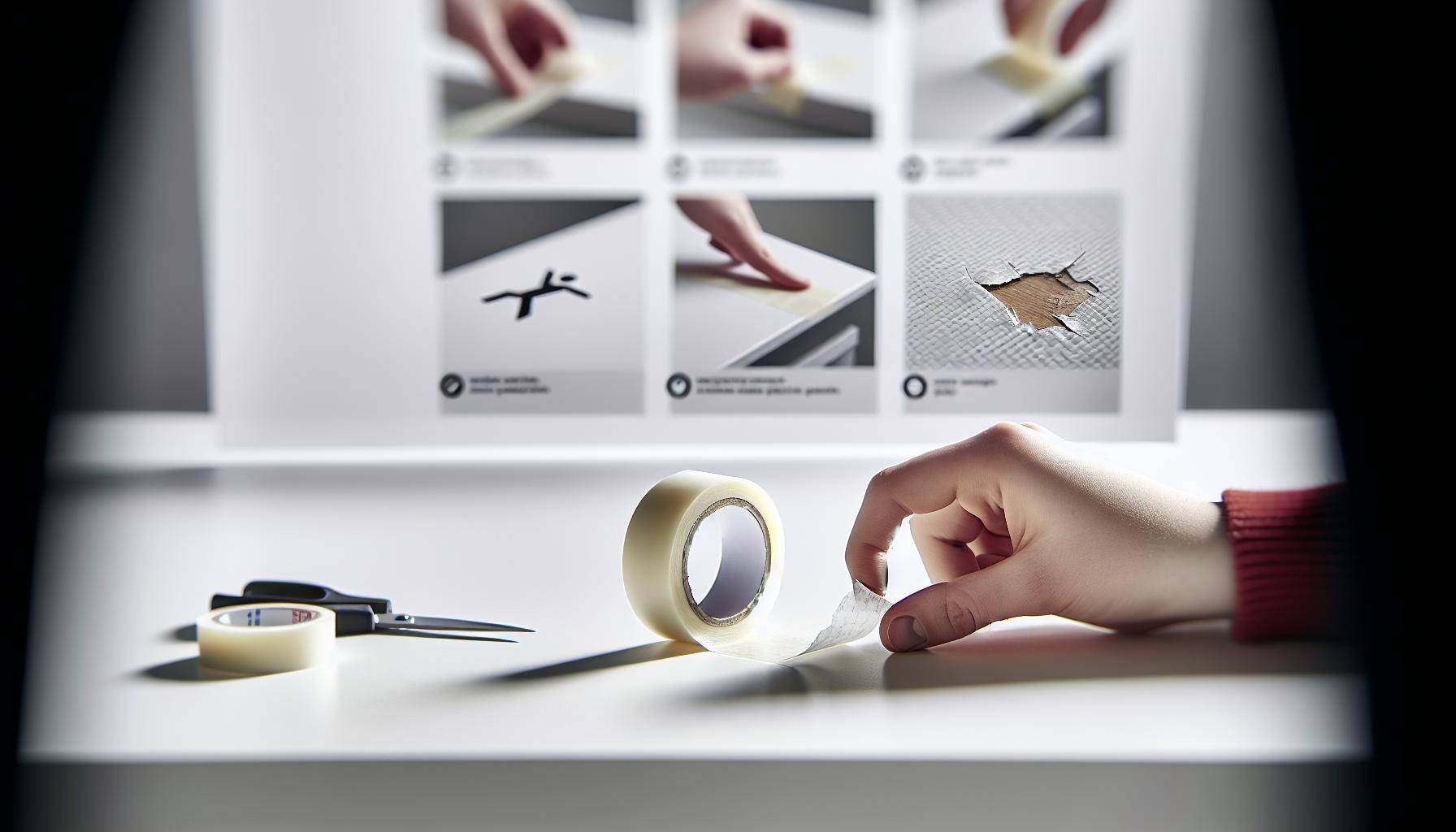
When it comes to removing washi tape, many people make avoidable mistakes that can lead to damage or an unsightly mess. One of the biggest blunders is attempting to rip off the tape quickly. This can tear the tape before it fully comes off and, worse, pull paint or texture with it. Instead, always peel it away slowly and at a 45-degree angle. This method helps reduce strain on your wall’s surface, minimizing the risk of damage.
Another common mistake is skipping the step of softening the adhesive. Failing to heat the tape before removal can cause the tape to resist and stick more firmly to the wall. Use a hair dryer on a low setting to gently warm the tape, making the adhesive more pliable and easier to remove. This small adjustment can make all the difference in preserving your wall’s integrity.
People often underestimate the power of patience. Rushing the process not only invites damage but can also leave behind sticky residues that are frustrating to clean. After removing the tape, always take the time to check for leftover adhesive and use an appropriate cleaner. Rubbing alcohol or a dedicated adhesive remover can help clear any remnants without harming your wall.
Lastly, many forget to perform a patch test on a small, inconspicuous area before diving into wider removal. This is especially important if your walls are painted in vibrant colors or if you haven’t painted them in a while. Performing a little test can reveal how well your wall reacts to adhesive removal products, saving you from potential headaches later. By avoiding these pitfalls, you can ensure a smooth, damage-free washi tape removal experience.
Alternative Methods for Bond-Free Removal
There’s nothing quite like the versatility of washi tape, but when it’s time to remove it, you might find yourself facing some sticky situations. Fortunately, there are alternative methods that can help you remove washi tape without damaging your walls, making the process easier and more effective.
One of the most reliable methods involves using a mix of gentle heat and precise peeling techniques. Instead of yanking the tape off abruptly, try warming it up first. Grab a hair dryer and set it to a low heat setting. Gently direct the warm air over the tape; the heat will soften the adhesive, making it easier to peel away without ripping or leaving residue. When you start peeling, do so slowly and at a 45-degree angle. This method not only reduces the risk of tearing the tape but also minimizes the chances of pulling away paint or wallpaper.
Another effective approach is utilizing common household items to aid in the removal process. Rubbing alcohol, for instance, can work wonders. Dampen a soft cloth with rubbing alcohol and gently dab it along the edges of the tape. Allow it to penetrate for a minute or two before trying to peel it off. The alcohol helps to dissolve the adhesive, resulting in a smoother removal experience. Just remember to perform a patch test on a small area first to ensure it won’t affect your wall’s paint finish.
Finally, if you find the tape stubbornly stuck, consider using a plastic scraper or an old credit card. Slide the edge of the card gently beneath the tape, lifting it gradually as you move along. This method not only helps to avoid direct contact with your wall but also provides an additional means of support as you peel the tape away. By integrating these techniques, you can make your washi tape removal a breeze, leaving your walls pristine and undamaged.
Post-Removal Care: Keeping Your Walls Pristine
After successfully removing washi tape, it’s crucial to give your walls a little extra attention to keep them looking pristine. The removal process can sometimes leave behind slight residue or reveal unintentional imperfections. To ensure your walls are as good as new, follow these practical care tips.
Start by thoroughly inspecting the area where the tape was. Look for any sticky residue that might have clung to the surface. For any remnants, a soft cloth and a gentle adhesive remover or a bit of rubbing alcohol can effectively clean the area. Just dampen the cloth slightly and wipe the surface-never soak the wall, as excess moisture can lead to paint bubbling or damage to the underlying material. For textured surfaces, a gentle scrub with a dish sponge may help lift stubborn residue without harming the texture.
Don’t overlook the importance of touch-ups. If you notice any paint chipped or peeled off during the tape removal, use the same color paint to repair these spots. A small brush or sponge can help you apply the touch-up paint smoothly. This not only keeps your walls looking fresh but also preserves the integrity of your décor. If needed, consider a final pass with a clean, dry microfiber cloth to buff the area and restore its luster.
Finally, to maintain the beauty of your walls in the long term, think about preventative measures for the future. For instance, applying a clear protective coating or using painter’s tape designed for delicate surfaces can minimize risks when you want to use washi tape again. Staying proactive with these post-removal practices will help ensure your walls remain a beautiful backdrop for your creative expressions.
How to Prevent Washi Tape Damage in the Future
To protect your walls and prevent damage when using washi tape in the future, a few thoughtful strategies can make all the difference. First off, choose the right type of washi tape-some brands are specifically designed to be less damaging on paint and other surfaces. Look for tapes labeled as “removable” or “delicate,” as these options are generally gentler on walls and leave less residue behind.
It’s also important to prepare your walls properly before applying any tape. Clean the surface to remove any dust or oily residue; this helps the tape adhere better and reduces the chance of pulling off paint upon removal. If you’re dealing with freshly painted walls, wait at least two weeks before applying tape. This gives the paint adequate time to cure and bond, decreasing the likelihood of damage.
When applying washi tape, consider using a lighter touch. Press it down gently rather than smushing it into the wall. Additionally, avoid placing the tape in direct sunlight or on areas with high humidity, as these conditions can affect adhesion and increase the chances of damage during removal.
Finally, always test a small piece of tape on an inconspicuous area before going all in. This step allows you to observe how your walls react and adjust your approach accordingly. By implementing these proactive strategies, you can enjoy decorating with washi tape while keeping your walls in pristine condition.
Creative Uses for Washi Tape Without Damaging Walls
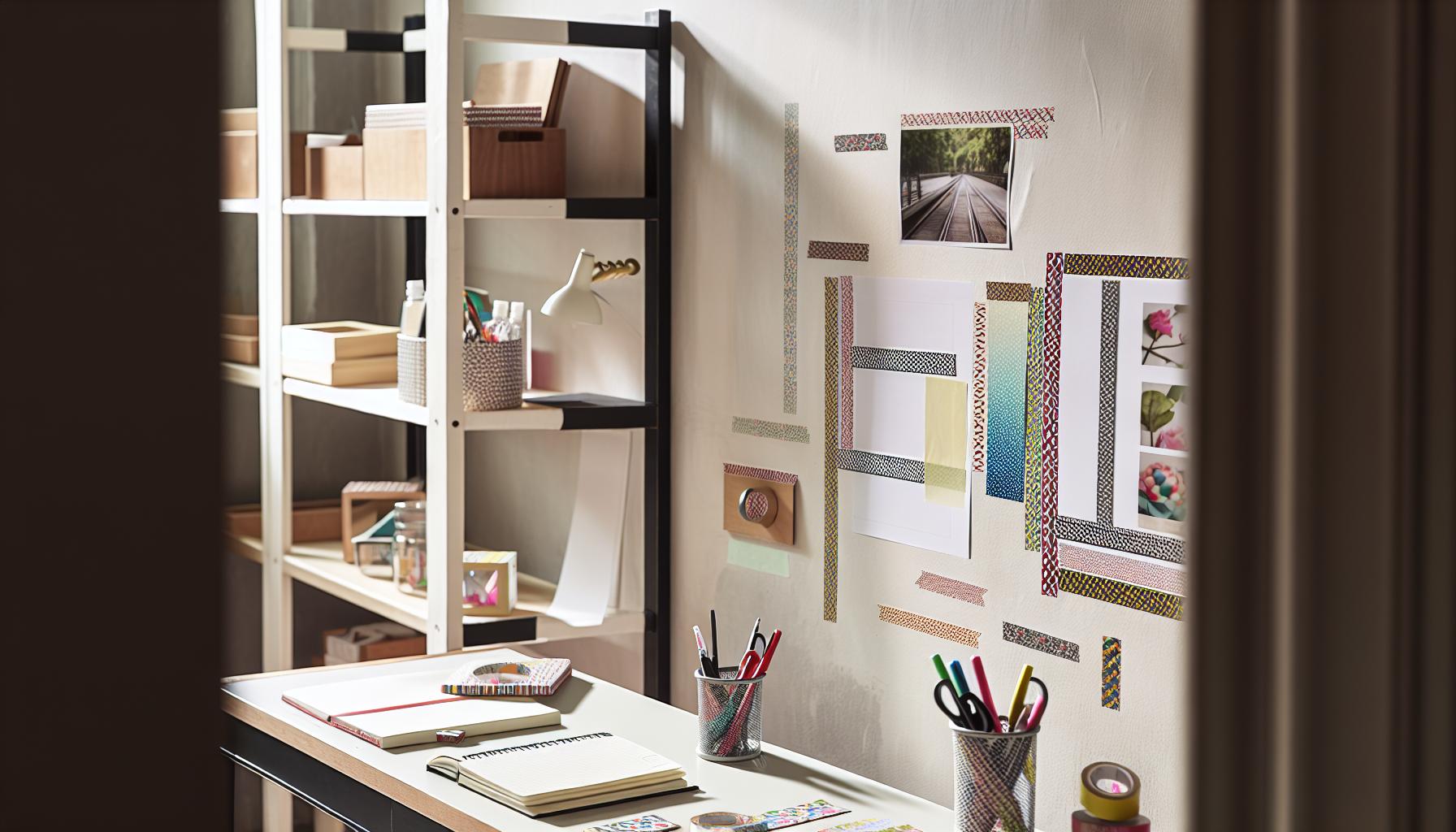
Washi tape isn’t just pretty-it’s an incredibly versatile tool that can add flair to your living space without the headache of wall damage. Whether you’re decorating for a special occasion or looking to refresh your home’s aesthetic, there are countless creative uses for washi tape that respect your walls while expressing your style. Here are some practical, damage-free ideas to get you started.
First up, create temporary art displays. Use washi tape to make frames around your favorite photos or artwork directly on the wall. This approach not only showcases your items but also allows you to change them out easily without harm. Simply peel off the tape and replace the art whenever inspiration strikes.
Next, consider marking out areas on the floor or wall. This could be for a fun kids’ corner, a temporary study area, or just to designate different spaces in a room. By using washi tape, you can outline boundaries in a colorful way without the commitment of painting or using stickers that might damage the paint when removed.
Don’t forget about labeling. If you’re organizing your space, washi tape can be a simple yet effective way to create labels on shelves, bins, or drawers. Write on the tape with a permanent marker, then stick it to the surface. When you need to change things up, just peel the tape off; it won’t damage the underlying surface.
Another idea is to make fun DIY wall decor. Cut washi tape into different shapes-like hearts, stars, or abstract designs-and arrange them on your walls. These ephemeral designs can bring a playful touch to any room, and when you’re ready for a change, simply remove them without a trace left behind.
Lastly, exploring seasonal decorations can really keep your space feeling fresh. Use washi tape to create holiday-themed decorations. For instance, during the holiday season, you might make a washi tape tree or stars that you can peel away when the season ends.
Experiment with these creative applications to leverage washi tape’s aesthetic benefits while keeping your walls intact. With a little imagination, you can transform your space in delightful ways that are still kind to your living environment.
Exploring Washi Tape Adhesion Strengths: What Matters?
When it comes to using washi tape, understanding its adhesion strength can truly enhance your decorating experience. Not all washi tapes are created equal-some are designed to stick more firmly than others, which can affect how they perform on your walls. Knowing how and where to use various types of washi tape can help you achieve beautiful looks without the hassle of damage or residue upon removal.
Different adhesion strengths play a significant role in how well the tape adheres to surfaces and how easily it comes off. Generally, washi tape is known for being low-tack, which means it shouldn’t damage your walls when you peel it away. However, the performance can vary based on the wall surface, like matte paint versus glossy finishes. For example, on textured or porous surfaces, some tapes may not stick well, while on very smooth surfaces, they might adhere more strongly. Consider testing a small piece of tape on an inconspicuous area before committing to your design.
Choosing the right type of washi tape for your project also matters. If you’re looking for something that’s easy to reposition, opt for tapes that are labeled as “removable” or “repositionable.” These are great for making temporary displays, while tapes that claim to be “permanent” should be reserved for more long-lasting applications. A little trial and error can go a long way in finding the best product for your particular wall types, decorations, and preferences.
The environmental conditions in your space can also influence adhesion strength. For instance, high humidity may impact how well the tape sticks, while cooler temperatures might make it more brittle, making it easier to tear. Always keep these factors in mind, especially if you plan to display seasonal decorations or art that you may want to change frequently. By understanding these nuances, you can enjoy the creative flexibility of washi tape with confidence, knowing you can remove it without any worries about wall damage.
Best Practices for Reapplying Washi Tape Successfully
When it comes to getting the most out of your washi tape, there’s a particular finesse each time you reapply it. Properly adhering your washi tape can mean the difference between a temporary decoration and a masterpiece that lasts just long enough. The secret lies not just in choosing the right tape but also in mastering the technique to ensure it sticks properly without damaging your walls.
Start by ensuring that your surface is clean and dry. Dirt, dust, or moisture can interfere with the tape’s adhesion, leading to peeling or lifting edges. Wipe down the area where you plan to stick the washi with a soft cloth or cleaning wipe, then allow it to dry completely. If you’re reusing tape that’s already been applied before, make sure it’s free of any debris or residue from previous use. Not only does this extend the lifespan of your tape, but it also secures a cleaner finish when you reapply.
When you’re ready to place your tape, practice smooth application. Simply peeling the tape off its backing can lead to bubbles or misaligned edges. Lay the tape down gradually, starting at one end and smoothing it out as you go. Use a straight edge, like a ruler, to press into the tape and eliminate air bubbles, ensuring a flat and flush adhesion. For added assurance, particularly on textured surfaces, consider using a tape runner or adhesive dots strategically to reinforce weaker areas.
No one wants to deal with washi tape that doesn’t stick the way it should, especially after investing time in creating a stunning design. Pay attention to the type of tape you’re using; some are specifically crafted for repositioning, while others cling tightly and are meant for longer-term applications. Understanding your washi tape’s adhesive qualities is crucial for achieving the best results. As a rule of thumb, if the environment is particularly humid or the surface very smooth, opting for a more high-tack washi tape can yield better results while ensuring that your decor remains intact and alluring.
With these techniques, your washi tape application experience can be seamless and satisfying, allowing you to transform your walls without fear of damage. So go ahead, peel, stick, and create-your walls are ready for some creative flair!
FAQs About Washi Tape Removal and Wall Care
Removing washi tape from your walls can seem daunting, but with the right approach, you can do it without damaging your paint or wallpaper. Many people worry that adhesive will come off with the tape, or worse, that it will pull off some of the paint. But here’s a reassuring fact: when done correctly, washi tape won’t cause damage.
One common question is why some tapes leave sticky residue while others don’t. This often depends on the adhesive properties of the tape. Washi tape tends to be gentle, but if it’s left on too long, it can start to set into the surface. To avoid this, try removing the tape soon after use-ideally within a few hours or a few days if it’s been on a textured wall. If tape has been on the wall longer than that, pulling it off slowly and at a low angle is crucial. This technique helps to minimize the stress on the adhesive layer against the wall.
Another frequent concern is how to proactively prevent damage during removal. Always start by warming the tape slightly using a hairdryer. The heat softens the adhesive, making it easier to peel off. As you pull, do so slowly and at a 45-degree angle. If you notice the tape is resistant, ease off and apply a little more heat-this keeps the adhesion softer and preserves your wall.
For those who find themselves frequently using washi tape, a smart tip is to consider using a decorative washi with lower adhesive strength for temporary uses. By doing this, you reduce the risk of residue and make removal a breeze. Lastly, after you’ve removed the tape, check your wall. If you spot any remaining adhesive, a gentle wipe with a cloth dampened with warm water usually does the trick.
Here’s a quick summary of steps to remember for damage-free removal:
- Remove timely: Pull it off soon after applying to prevent the adhesive from setting.
- Apply heat: Use a hairdryer to warm the tape before removal.
- Pull gently: Take your time and keep the angle low.
- Inspect afterward: Check for any residue and clean it gently.
By staying mindful of these tips and strategies, you’ll find that washi tape can be an incredibly versatile tool for decorating without the long-term consequences many fear. Whether it’s trying out new designs or quickly rotating art on your walls, you can confidently use washi tape knowing that, with just a little care, your walls will remain pristine.
Faq
Q: What’s the best way to peel off washi tape without damaging the wall?
A: The best way to peel off washi tape is to pull it off slowly and at a 45-degree angle. This technique minimizes stress on the wall surface. If needed, warm the tape slightly with a hairdryer to soften the adhesive before removal, making it even easier and safer for your walls.
Q: Can I use washi tape on all wall types?
A: Not all wall types are suitable for washi tape. It’s typically safe on smooth, painted walls, but textured surfaces or freshly painted walls may be more prone to damage. Always test a small patch before applying washi tape over large areas to avoid potential issues.
Q: How can I remove washi tape residue from the wall?
A: To remove washi tape residue, gently rub the area with a cloth dampened with warm soapy water. For stubborn residue, use rubbing alcohol on a cotton ball. Always test in an inconspicuous area first to ensure it doesn’t affect your wall’s finish.
Q: Is it safe to use washi tape in rental apartments?
A: Yes, washi tape is generally safe for rental apartments as it’s designed to be removable without leaving damage. However, always check with your landlord about specific policies, especially regarding freshly painted walls or other surface types.
Q: How can I prevent washi tape from damaging my walls?
A: To prevent damage, avoid applying washi tape on fresh paint or textured surfaces. Use a gentle touch when applying and removing it. Additionally, keep the tape on the wall for shorter periods to reduce adhesive strength over time.
Q: When is the best time to remove washi tape from the wall?
A: The best time to remove washi tape is when it’s been on the wall for less than two weeks. The adhesive is less likely to bond strongly with the wall surface during this time, making removal smoother and damage-free.
Q: What should I do if washi tape tears while removing it?
A: If washi tape tears while removing, stop pulling and gently peel off the remaining part slowly. If it’s stubborn, use a warm hairdryer to soften the adhesive. Then carefully lift the torn piece away from the wall.
Q: Are there any specific cleaning products I should avoid when removing washi tape?
A: Yes, avoid using harsh chemicals or abrasive cleaners when removing washi tape, as they can damage the wall finish. Stick to mild soap, water, or gentle adhesive removers. Always perform a patch test to ensure safety for your wall surface.
Key Takeaways
Now that you know how to remove washi tape from your walls without causing any damage, it’s time to put that knowledge into action! Remember, patience is key-take your time to ensure a smooth removal process, saving your walls from potential scuffs. If you have any questions or find a method that works even better, drop a comment below!
For more tips on home improvement, check out our guides on “Safe Removal Methods for Other Wall Decor” and “DIY Wall Repair Techniques” to keep your space looking its best. Don’t miss out-sign up for our newsletter for exclusive home care tips and updates! You’ve got this, and we’re here to support your decorating journey every step of the way.
Get our latest guides, news, and insights highlighted in your Google Search & AI Overviews.