
Washi tape is a versatile and beautiful tool for crafters, but sometimes it just won’t stick as well as you’d like. Did you know that the quality of your base surface can dramatically affect adhesion? In this article, “How to Make Washi Tape Stick Better: 5 Proven Tricks,” we’ll explore practical strategies to enhance your tape’s performance, ensuring your creative projects look their best. Whether you’re using it for scrapbooking, gift wrapping, or home decor, understanding how to make washi tape adhere effectively can save you a lot of frustration. So, let’s dive into these expert tips that will help your washi tape stay put, so you can focus on unleashing your creativity!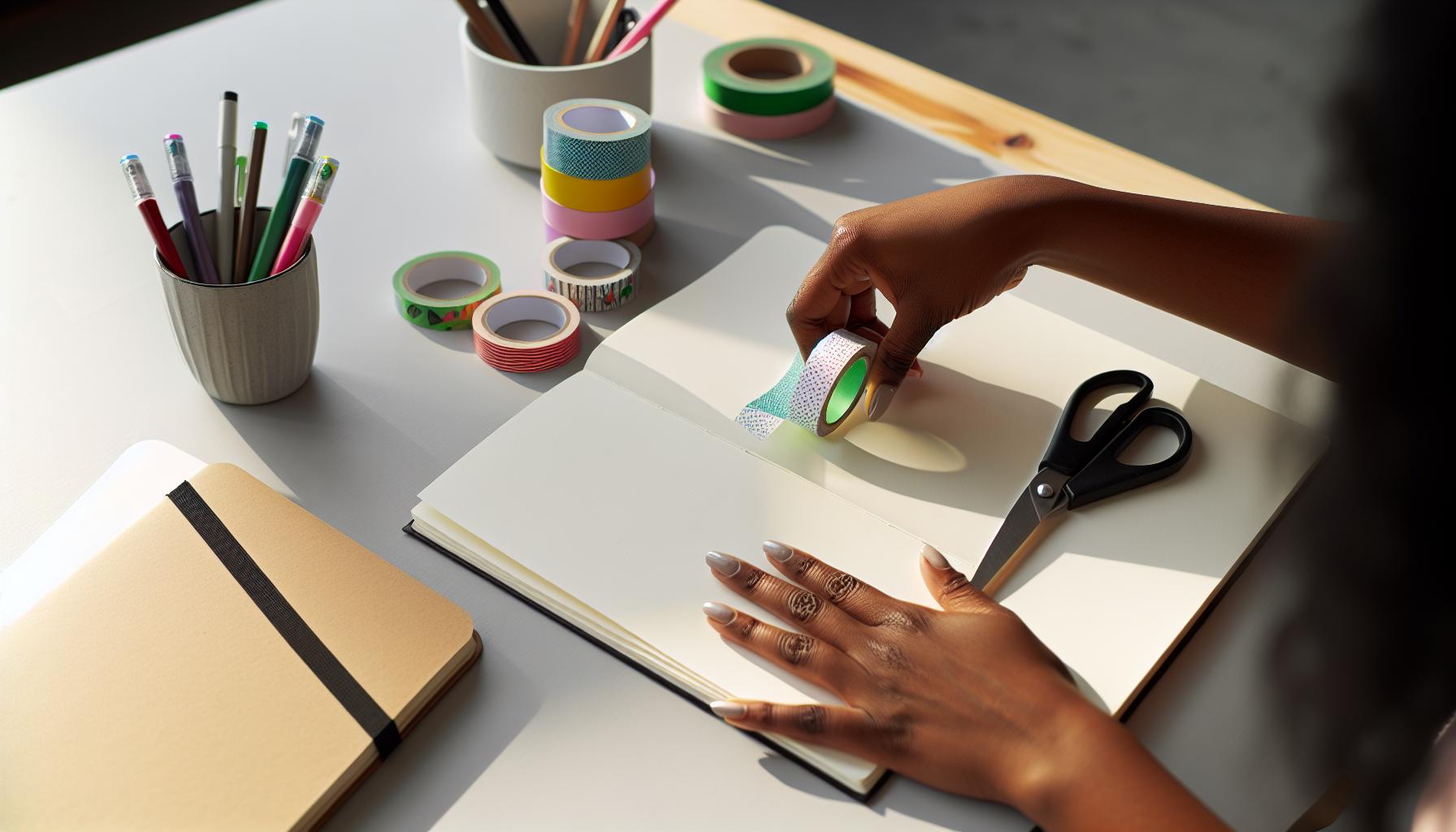
How Washi Tape Works: The Basics You Need to Know
Washi tape is more than just a decorative material; it’s a versatile crafting tool that can elevate your projects when you understand how it works. Made from traditional Japanese paper, washi tape is known for its unique texture and lightweight properties, which allow it to stick well to many surfaces. What sets washi tape apart is its adhesive-typically a low-tack, repositionable glue that lets you easily lift and reposition the tape without damaging the underlying surface.
The adhesive plays a critical role in how effectively washi tape adheres. It won’t cling as strongly as duct tape, the appeal lies in its ability to be removed and reapplied without leaving sticky residue, making it ideal for scrapbooking, card making, or home decor. That said, some surfaces are more compatible than others. Smooth, clean surfaces like glass, paper, and finished wood offer the best adhesion. For textured or porous surfaces, the tape may struggle to stick firmly. Knowing these characteristics is key to maximizing the potential of your washi tape.
When using washi tape, a few simple practices can enhance its performance. Ensure the surface is clean and dry before application-oil, dust, or moisture can significantly reduce stickiness. Another trick is to press firmly along the tape’s length after application to secure it better. Occasionally, the initial stick may diminish over time as the tape ages or if it’s stored improperly. If that happens, don’t worry! Simply adding a touch of pressure or pairing with an alternative adhesive can revive its effectiveness without compromising its aesthetic charm.
Understanding the basics of how washi tape works lays the groundwork for countless creative applications. Experiment with different surfaces and techniques, and don’t shy away from pushing the boundaries of what this delightful tape can do. With a little knowledge, washi tape can transform your crafting experiences from simple to extraordinary.
Understanding Washi Tape Adhesives and Their Limitations
Washi tape has captured the hearts of crafters everywhere, but understanding its adhesive properties is crucial to maximizing its potential. The key to washi tape’s charm lies in its low-tack adhesive, which allows for easy repositioning-a major draw for many users. However, this feature also means it might not hold up as well on all surfaces, and being aware of these limitations can save you from frustration.
Many people underestimate how the surface you’re applying washi tape to can impact its performance. Smooth, non-porous surfaces like glass and metal provide excellent adhesion because they allow the tape to make full contact, enhancing its stickiness. However, on textured or porous materials, like untreated wood or fabric, the adhesive can’t always form a solid bond. This leads to reduced stickiness and can cause the tape to lift over time. To ensure the best results, always check the surface texture before applying your tape.
It’s also important to consider environmental factors. Humidity and temperature can affect how well washi tape adheres. For instance, if you’re crafting in a damp room, that moisture can weaken the adhesive, causing the tape to peel off. Similarly, if you’re working on insulating materials, such as foam, the tape might not adhere properly due to their porous nature. Adjusting your environment and choosing suitable surfaces can make a big difference.
If you’ve been battling stickiness issues, don’t lose hope! A simple trick is to press down firmly on the tape after application, ensuring it adheres adequately. In a pinch, you can use a bit of additional adhesive like a glue stick or double-sided tape for areas where washi tape tends to struggle. This combination can give your projects the longevity they need while maintaining that beautiful decorative touch. With a little understanding and the right techniques, you’ll unlock the full potential of washi tape in your crafting toolkit.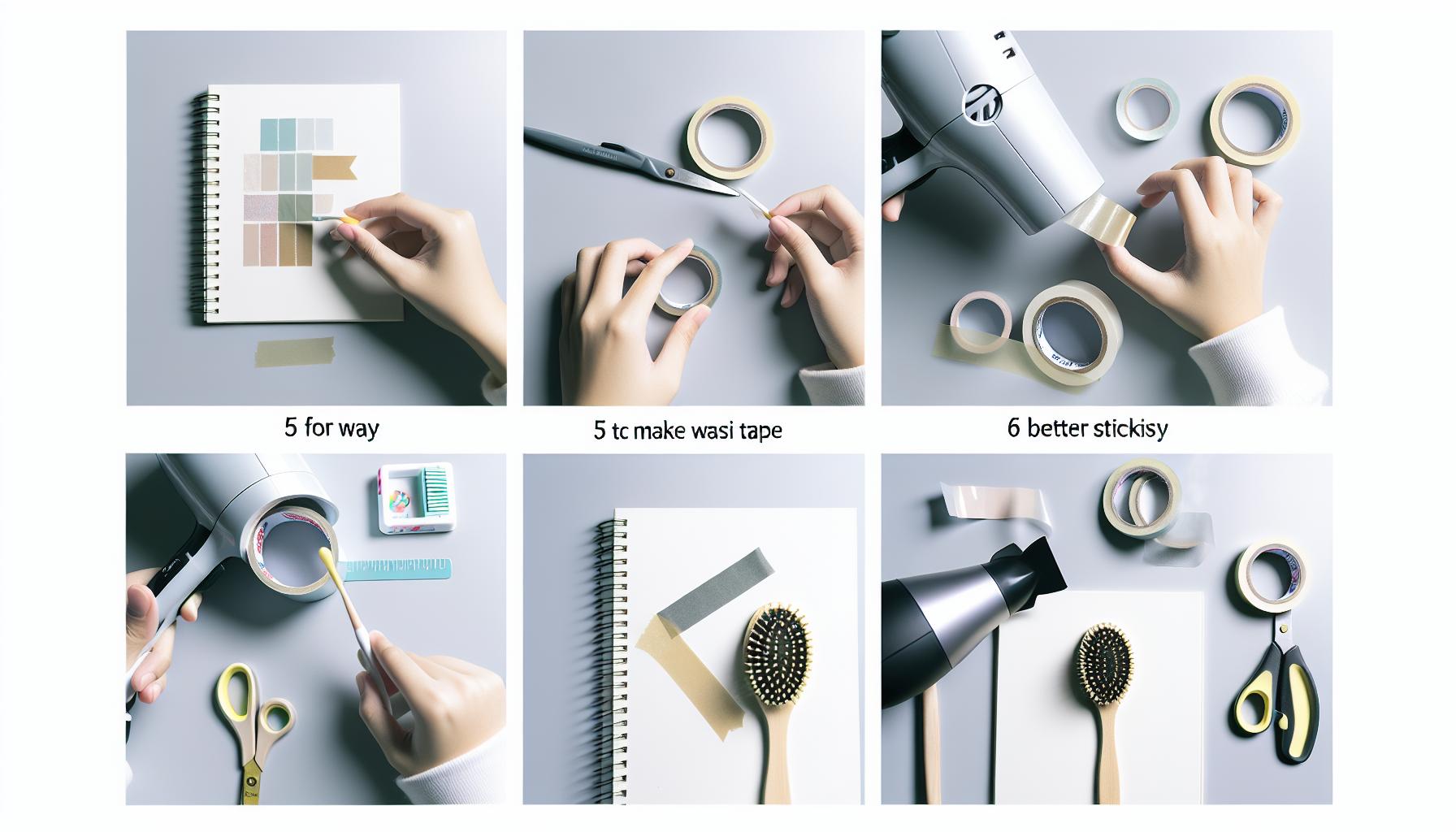
5 Proven Tricks to Make Washi Tape Stick Better
Washi tape can be a dream for crafters, but sometimes making it stick can feel like a puzzle. If you’ve struggled with washi tape lifting or peeling, you’re not alone. Thankfully, there are several effective tricks to enhance its adhesive powers. Here’s how to elevate your washi tape game and ensure it stays put.
Start with a clean slate: Before applying washi tape, make sure your surface is spotless. Dust, oils, or residues can sabotage adhesion. Clean surfaces with a damp cloth and let them dry completely. This helps the tape bond more effectively. For extra security on smooth surfaces, consider using a little bit of rubbing alcohol on the area. It evaporates quickly, leaving no residue behind, just a perfectly prepped space for your tape.
Next, try pressing down firmly after application. Rubbing the tape gently with your fingers or a bone folder can help push out any air bubbles and ensure full contact with the surface. Another trick? Use a heat source. Briefly running a hairdryer over the washi tape can activate the adhesive, making it stick better. Just keep the heat at a distance to avoid damaging your tape or the surface underneath.
Humidity can also play a significant role in adhesion. If you’re crafting in a humid environment, try using a fan or dehumidifier to decrease moisture in the air. For dry conditions, a little bit of misting your tape can sometimes enhance its stickiness. Finally, when in doubt, don’t hesitate to supplement with a bit of additional adhesive. A glue stick, double-sided tape, or even Mod Podge can support washi tape in holding up against time and wear, particularly for high-use projects.
Incorporating these tips will not only help keep your washi tape secure but will also expand your creative possibilities. With the right techniques, you’ll find that your washi tape can stick better and perform beautifully in your crafting adventures.
Choosing the Right Surface for Optimal Adhesion
Choosing the right surface for washi tape is crucial if you want to maximize its adhesion and enhance your crafting experience. Not all materials are created equal when it comes to holding tape securely, and knowing the ins and outs of your chosen surface can make a world of difference. For instance, smooth surfaces like glass, metal, and glossy paper typically offer excellent adhesion because they create a tighter seal with the adhesive on the tape. However, porous or textured surfaces, such as unpainted wood or fabric, may absorb some of that adhesive, leading to potential peeling.
When working with surfaces, always consider the finish. A clean, slick finish is a dream for washi tape, but if you find yourself needing to use a more textured or uneven surface, don’t fret. You can often prep these surfaces with a light sanding or by applying a clear sealer to create a smoother layer for better tape adherence. Another effective strategy is to apply the washi tape after the surface has been treated with a layer of Mod Podge or another clear adhesive. This not only adds grip but also creates a bond that can stand the test of time.
Here are a few tips on selecting the optimal surfaces:
- Smooth Surfaces: Glass, ceramic, metal, and glossy paper usually provide the best adhesion.
- Painted or Sealed Wood: Smooth, finished wood can work well, but avoid raw or porous wood unless you seal it first.
- Fabric: Washi tape can be tricky on fabric. It’s best suited for applications that won’t be washed or heavily manipulated.
- Plastic: Some types of plastic can work, but test on a small area first, as some textures may hinder adhesive performance.
Always remember, a little preparation goes a long way. Cleaning the surface before application-ensuring it’s free from dust, dirt, and oils-plays an essential role in enhancing adhesion. With these mindful choices, you can ensure that your washi tape sticks better, showcasing your creativity without the frustration of lifting edges or peeling corners.
Enhancing Washi Tape Durability: Tips and Tricks
When you want your washi tape projects to stand the test of time, enhancing the durability of that delicate, decorative strip becomes essential. We all love washi tape for its versatility, but let’s be honest: it can sometimes peel or lift when we least expect it. The good news? There are proven strategies to give your tape a fighting chance against the elements-be it time, moisture, or mishaps.
First, consider layering your tape. By applying a thin layer of clear-drying glue (like Mod Podge or a similar product) underneath the washi tape, you’re creating a stronger bond with the surface. This not only aids adhesion but also adds an extra layer of protection. Additionally, a sealing coat over the top of the washi tape, applied once you’re satisfied with the design, can significantly enhance durability. This simple step prevents dirt and moisture from compromising your artwork and helps maintain the vibrancy of the tape.
Surface Prep Matters
Before applying washi tape, always ensure your surface is clean and dry. Dirt, dust, and oils can create barriers that interfere with adhesion. Wipe down surfaces with a gentle cleaner, and if you’re working with porous materials, consider sealing those too. A sealed surface, like painted wood, provides a smoother, more appealing canvas for washi tape. This preparatory work makes all the difference, ensuring that your tape sticks better and survives whatever life throws at it.
Regularly check your projects for wear and tear. If you notice edges lifting, it might be time for a quick touch-up with a thin line of adhesive. Embrace the beauty of imperfection; sometimes, adding new layers or overlapping designs can breathe new life into your work. Remember, using washi tape should be an enjoyable and creative process-taking these extra steps will keep the fun alive while ensuring your creations look fantastic for longer.
Creative Ways to Use Washi Tape Without Losing Stickiness
When it comes to washi tape, the right techniques can transform your creative projects from temporary to long-lasting. To ensure that your tape remains sticky and secure, consider these effective methods of application that not only enhance durability but also add a flair to your designs.
One of the smartest ways to use washi tape without worrying about stickiness is to create layered designs. For example, when applying washi tape to a journal page or photo album, start by using a clear-drying glue beneath the tape. This extra adhesive will reinforce the bond between the tape and the surface, helping it stay in place longer. Plus, layering different tapes can create stunning visuals; experiment with various colors and patterns for an aesthetically pleasing look.
Additionally, think creatively about your surfaces. Try adhering washi tape to items like glass jars or plastic containers. These materials often make washi feel less secure, but you can maximize adhesion by cleaning the surface thoroughly and even lightly sanding it if needed. A light texture gives the tape something to grip onto. You might also consider sealing everything with a clear coat after application to lock in your design and keep the colors vibrant.
Finally, engage with versatility by repurposing washi tape in projects that lend themselves to easy removal or reapplication, like gift wrapping or temporary decor. If you apply it to boxes or wrapping paper, it can add a lovely touch without the fear of it ripping or tearing things apart later. Plus, if the adhesive begins to lose its grip, simply reinforce it with a small dab of craft glue or reposition it slightly; the flexibility of washi tape allows you to be creative without commitment. Each new approach not only curates a unique aesthetic but also enhances the longevity of your artistic endeavors.
Common Mistakes That Weaken Washi Tape Adhesion
Many crafters unknowingly undermine their washi tape’s stickiness due to common mistakes. Understanding these pitfalls can significantly improve your experience and the longevity of your projects. Let’s dive into what can go wrong and how to avoid it.
One major issue is applying washi tape to surfaces that aren’t clean. Dust, oils, or moisture can create a barrier between the tape and the material, weakening adhesion. Before you stick down your tape, make sure to wipe the surface with a soft cloth and a gentle cleaner. For extra grip, you can lightly sand smooth surfaces to create texture, providing a better surface for the adhesive to cling to.
Another frequent mistake is over-stretching the tape during application. Washi tape is delicate and can lose its stickiness if pulled too hard. When placing the tape, apply it gently and avoid any excess tension. If you need to reposition the tape, do it carefully. Pulling too aggressively can distort the tape and compromise its adhesive quality.
Also, consider the environment. High humidity and extreme temperatures can affect adhesive properties. If you’re storing washi tape in a warm, moist area, it’s likely to lose its stickiness faster. A cool, dry place is best to maintain its quality. Lastly, always reseal the original packaging after use to prevent the tape from drying out.
By addressing these common mistakes-cleaning surfaces, avoiding over-stretching, controlling environmental factors, and proper storage-you’ll ensure your washi tape sticks better and enhances your crafting projects effectively.
Storing Washi Tape for Long-Lasting Stickiness
To keep your washi tape in prime condition, proper storage is essential. Did you know that how you store your washi tape can dramatically affect its stickiness and overall usability? Whether you’re a passionate crafter or just someone who loves using washi tape for everyday tasks, storing it correctly can extend its lifespan and maintain its adhesive quality.
First off, always keep your washi tape in a cool, dry place. High humidity and extreme temperatures can weaken the adhesive, resulting in a tape that won’t stick when you need it to. Aim to store your rolls away from direct sunlight as well, since UV rays can also diminish the tape’s quality over time. A simple drawer or a dedicated craft box can work wonders when it comes to preserving your tape.
Another effective method is to keep the tape in its original packaging whenever possible. Manufacturers design these packages to protect the integrity of the adhesive. If you frequently use your washi tape, consider using a storage solution like a tiered organizer or a washi tape dispenser, which allows you to see your collection at a glance while keeping everything neatly tucked away.
Don’t forget to seal any opened rolls after use! If you notice your tape starting to lose its stickiness, it’s often due to exposure to air and dust. Resealing the tape with a small piece of plastic wrap or even sticking it back into the original packaging can help maintain its adhesive properties. By taking these straightforward steps, you’ll ensure that your washi tape remains ready to use whenever inspiration strikes.
Alternative Adhesives to Pair with Washi Tape
When you’re using washi tape, finding that perfect adhesion can sometimes feel like a game of trial and error. If you’ve ever struggled with it sticking where you want, pairing your tape with alternative adhesives can be a game changer. These additional adhesives can enhance the holding power of your washi tape, especially on tricky surfaces or in projects that require a bit more permanence.
One excellent option is to use a paint-on craft glue. This type of adhesive can create a more permanent bond without overwhelming the design of your washi tape. Simply spread a thin layer underneath your tape before applying it. Be cautious with how much glue you use; too much can seep through the tape and impact its appearance.
Double-sided tape is another quick fix. It’s discreet, and applying it beneath your washi tape can provide extra support, particularly for paper crafts or decorative projects where appearance matters. Make sure the double-sided tape adheres securely to the surface before layering your washi tape on top.
You might also consider a repositionable adhesive spray. This option offers versatility, allowing you to move your tape if needed. It’s excellent for projects where you’re unsure about the final placement. Just spray a small amount on the surface before applying the tape-this will give you a bit of wiggle room. However, be mindful of the spray’s dry time and how it might affect any designs on the tape.
Finally, liquid glue sticks are a practical choice if you’re working with thicker washi tapes or applying them to more textured surfaces. They offer strong adhesion while being easy to apply. For the best results, apply the glue stick to the area where you intend to place the tape, pressing it down firmly afterward to ensure a tight bond.
In conclusion, if you find washi tape not sticking as well as you’d hoped, explore these alternatives. With the right adhesive partner, you can enhance the versatility and durability of your washi tape crafts, ensuring that your creative efforts stand the test of time.
Expert Tips for Crafting with Washi Tape
Crafting with washi tape can elevate your projects, but mastering its use requires some insider knowledge. One crucial tip is to always prep your surface before applying washi tape. Make sure it’s clean and dry; moisture or dust can severely affect adhesion. If you’re working on something textured, consider flattening the area with sandpaper to create a smoother canvas against which the tape can grip.
When it comes to application, don’t just slap the tape down haphazardly. Take your time to smooth it out as you lay it down, using a bone folder or your fingers to push out air bubbles and ensure an even contact. This little extra effort can make a huge difference in how well the tape sticks and looks. If you find that a section isn’t adhering well, lift it gently and reapply for a better bond.
Another expert trick is to layer your washi tape wisely. Instead of relying on a single strip, experiment with multiple layers to create a design that not only looks good but also offers enhanced adhesion. This is particularly effective in scrapbooking and card making, where textures and dimensions add interest. Don’t shy away from combining different patterns and colors, either-stacking two or three designs can create a vibrant mosaic effect that catches the eye.
Lastly, think long-term with your washi tape projects. If you’re using it for decorative purposes, like creating borders or accents, consider sealing them with a clear acrylic spray or a proper adhesive finish. This not only improves durability but also helps prevent peeling and fading. Your creative efforts deserve to last, and a little protection goes a long way.
By following these tips, not only will your washi tape stick better, but your projects will look more polished and professional. Dive into your creativity and put these ideas into practice; your finished pieces will reflect your careful planning and attention to detail.
Troubleshooting Washi Tape Adhesion Issues
It’s frustrating when your washi tape just won’t stick the way you want it to. Whether you’re working on a scrapbook, making cards, or decorating your space, adhesive issues can really throw a wrench in your plans. Troubleshooting these adhesion problems often comes down to a few key areas: surface preparation, environmental factors, and the type of tape you’re using.
Start with the surface. You’ve probably heard this before, but it’s crucial: clean and dry is the name of the game. Any dust, oil, or moisture can compromise the adhesive. Before applying washi tape, give the surface a good wipe down with rubbing alcohol or a damp cloth, then let it dry completely. For textured surfaces, try sanding them lightly to make them more tape-friendly. If you’ve already got the tape down and it’s not sticking, carefully peel it up and reapply after proper surface prep.
Next, consider the environment. Humidity, temperature, and the condition of the tape itself can all impact adhesion. If you’re experiencing high humidity, the tape’s adhesive may not perform well until the environment dries out. Conversely, if it’s too dry or cold, the adhesive might harden. A simple solution? Use your washi tape indoors where conditions are controlled. And speaking of the tape, make sure you’re storing it properly-keep it in a cool, dark place to maintain its sticky quality.
Don’t forget the type of washi tape you’re using. Not all washi tapes are created equal; some brands have better adhesion than others. If you frequently face adhesion issues, it might be worth experimenting with different brands to find one that adheres better. For a more permanent bond, consider pairing washi tape with a light adhesive spray or glue stick, ensuring a secure hold without sacrificing the decorative aspect.
By paying attention to these details, you can tackle those pesky adhesion issues head-on. With a little troubleshooting, your washi tape creations will stick beautifully, allowing your creativity to shine through.
Exploring the Art of Washi Tape Decoration
There’s something uniquely captivating about the versatility of washi tape when it comes to decoration. This decorative adhesive, with its rich colors and designs, can transform ordinary items into eye-catching masterpieces. Whether you’re sprucing up a planner, personalizing gifts, or creating wall art, the possibilities are endless. One of the most rewarding aspects of using washi tape is the ease with which you can apply it and remove it without damaging the underlying surface, allowing for experimentation as you go.
To get started, think about your theme and color palette. Consider combining various patterns for a dynamic look, or stick to a monochromatic scheme for a more sophisticated feel. The beauty of washi tape lies in its ability to blend well with other materials, gel pens, or even paint. For instance, you can use washi tape to mask off areas for painting, achieving clean lines that highlight your decorative designs. Just be sure to press the edges down firmly to prevent paint from seeping underneath.
Moreover, if you want to elevate your washi tape game, try layering it. You can overlap different widths and prints to create depth and texture in your projects. This technique is particularly effective for creating borders, embellishments on scrapbook pages, or even custom gift wrapping. A standout idea is to create a washi tape collage on a canvas; it’s a fantastic way to showcase creativity while refining your decor style.
Finally, remember the importance of planning your layout before you start sticking. Lay out your tape on a flat surface to visualize the design, adjusting placement until it feels right. You can even take a picture of your arrangement for reference when applying. With just a few tried-and-true techniques, you’ll soon find yourself as an artist well-versed in the art of washi tape decoration. Embrace the potential and let your creativity shine!
Q&A
Q: How do I increase the stickiness of washi tape?
A: To enhance washi tape stickiness, try applying a thin layer of clear craft glue to the surface before sticking the tape. This creates a stronger bond and prevents peeling. You can also press down firmly after applying the tape to improve adhesion.
Q: What surfaces work best with washi tape?
A: Washi tape sticks best to smooth, dry surfaces like paper, cardboard, and glass. For improved adhesion, avoid textured finishes or surfaces that are oily or damp. Check the section on Choosing the Right Surface for Optimal Adhesion for more tips.
Q: Can washi tape be reused without losing stickiness?
A: Yes, washi tape can be reused! To maintain its stickiness, store it on a clean, dry surface and avoid touching the adhesive side too much. Consider wrapping it on a spool to keep it smooth and dust-free.
Q: Why does my washi tape keep curling up?
A: Curling can occur from temperature changes or humidity. To combat this, ensure your tape is stored in a cool, dry place, and apply it firmly to a flat surface to prevent lifting. Refer to Common Mistakes That Weaken Washi Tape Adhesion for solutions.
Q: How can I prevent my washi tape from lifting over time?
A: To prevent lifting, make sure the surface is clean, dry, and free from any oils. Additionally, applying a clear coating over the tape after adhering it can help lock it in place. Explore the section on Enhancing Washi Tape Durability: Tips and Tricks for more ideas.
Q: What alternative adhesives can I use with washi tape?
A: You can use double-sided tape or glue dots to enhance the adhesion of washi tape on tricky surfaces. For more information, check the Alternative Adhesives to Pair with Washi Tape section of the article.
Q: Is there a way to remove washi tape without damaging surfaces?
A: Yes, to safely remove washi tape, gently peel it back at a low angle. If it’s stuck, use a hairdryer on low heat to slightly warm the adhesive, making it easier to lift off. This prevents damage to delicate surfaces.
In Summary
Now that you know how to make washi tape stick better, don’t stop here! Implement these proven tricks today and see the difference for yourself. Whether you’re crafting, decorating, or organizing, sticking effectively can elevate your projects to the next level.
If you want to dive deeper into the world of washi and learn creative applications, check out our article on Washi Paper: Japan’s Timeless Craft of Handmade Beauty or explore Washi: A History of Japanese Papermaking for some fascinating insights.
Don’t forget to share your experiences in the comments below! Your feedback not only helps us grow but builds a community of enthusiasts just like you. For more tips and tricks, subscribe to our newsletter for regular updates, and be part of our exciting crafting journey!
Get our latest guides, news, and insights highlighted in your Google Search & AI Overviews.