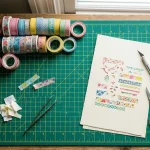

Washi tape is a favorite among crafters and DIY enthusiasts for its versatility and aesthetic appeal, but does it leave behind residue? This concern is common, especially for those who want to preserve the integrity of their surfaces after using this decorative tape. Whether you’re planning a project for your home or working on a creative endeavor, knowing the effects of washi tape is crucial to achieving the best results. In this article, we’ll explore how washi tape interacts with different surfaces, the potential for residue, and tips to ensure a clean removal. Stick around to discover how to use washi tape effectively and avoid the sticky situations that can arise!
Does Washi Tape Leave Residue? Understanding the Basics
Washi tape is a favorite among crafters and DIY enthusiasts for its vibrant colors and patterns, but one question frequently arises: does it leave residue? The good news is that, in most cases, washi tape is designed to be easily removable. This means it typically does not leave behind sticky marks or residue on the surfaces to which it’s applied. However, the reality can vary depending on a few factors such as the type of surface, the duration of use, and the specific adhesive used in the tape.
When you peel off washi tape, you might find that some surfaces, especially porous ones like cardboard or painted walls, can experience a bit more stickiness left behind. This is often due to the fibers within those materials absorbing some of the adhesive. For smooth, non-porous surfaces such as glass or plastic, the tape is much easier to remove without any residue. As a general rule, if you’re using washi tape for short-term purposes, like decorating a planner or gift wrapping, you typically won’t have any issues. The tape adheres well, but when it’s time to remove it, it should come off cleanly.
To maximize the benefits of washi tape and minimize any potential residue, consider testing a small piece on an inconspicuous area first. This way, you can gauge how well it sticks and whether it leaves any residue when removed. If you’re planning to display it for an extended period, or on a tricky surface, you might want to explore different brands or types of washi tape, as some are specially formulated to ensure a residue-free experience.
The Different Types of Washi Tape and Their Adhesives
When you’re diving into the world of washi tape, it’s crucial to understand that not all tapes are created equal. The different types can significantly impact how well they stick and whether they leave any residue behind. Generally, washi tape is made from rice paper and has a low-tack adhesive that makes it removable without much fuss. However, variations exist that cater to different needs and preferences.
Types of Washi Tape:
- Standard Washi Tape: The most common type, featuring a variety of colors, patterns, and widths. It offers a moderate adhesive strength, ideal for scrapbooking and crafts.
- Low-Tack Washi Tape: Specifically designed for easy removal, this tape is perfect for temporary applications like wall art or planner decoration. It typically leaves very little residue, making it a favorite for those who value clean surfaces.
- Fabric Washi Tape: Made from fabric like cotton or linen, this type provides a unique texture and flexibility. The adhesive on fabric washi may be slightly more aggressive, so checking for residue on delicate surfaces is advisable.
- Clear Washi Tape: This transparent option is great for subtle designs and layering. The adhesive’s characteristics can vary widely based on the manufacturer, so it’s important to test it before permanent use.
- Eco-Friendly Washi Tape: For the environmentally conscious, these tapes are made from recycled or sustainable materials and often use plant-based adhesives. They usually perform similarly to standard washi tapes but can vary in stickiness.
Understanding Adhesives
The adhesive used in washi tape is usually a rubber-based or acrylic formula. Rubber-based adhesives tend to cling well but might leave behind some residue, especially on textured or porous surfaces. In contrast, acrylic adhesives are generally cleaner and offer a residue-free experience. Knowing the specific adhesive type can help you choose the right tape for your project, especially when multiple layers or extended use are involved.
Moreover, the adhesive’s effectiveness can change based on the conditions it’s exposed to, such as temperature and humidity. If you’re working in a high-humidity environment, for instance, some adhesives might bond more strongly, risking more residue upon removal. Always consider these factors alongside the type of washi tape, and you’ll be well on your way to a successful project without the sticky aftermath.
How Washi Tape Differs From Other Tapes
Washi tape stands out in the tape universe for its unique characteristics and applications. While traditional tapes like masking or duct tape are designed for strength and adhesion, washi tape prioritizes versatility and aesthetics. Its paper-like texture and vibrant patterns make it particularly appealing for crafters and DIY enthusiasts, allowing for creative uses ranging from decorating planners to adding flair to gifts.
One of the most noticeable differences is the adhesive nature. Washed tape typically utilizes a low-tack adhesive, which means it adheres well enough to stay in place but can be removed easily without damaging surfaces or leaving a sticky residue. In contrast, many other tapes have stronger adhesives, which can often result in lingering residue or even surface damage upon removal. For example, while duct tape is great for tough jobs, it’s infamous for its adhesive strength that often leaves unwanted marks or gunk behind.
Another aspect that sets washi tape apart is its application. Where other tapes might be used primarily for functional tasks, washi tape invites creativity. It’s less about holding things together firmly and more about enhancing, decorating, and personalizing items. You can layer it, tear it, or write on it, making it an incredibly flexible medium for artistic expression. This creativity-friendly characteristic means that it’s perfect for temporary applications-unlike packing tape, which is meant for secure, long-term binding, washi tape is all about fun, spontaneous designs.
In sum, if you’re looking for an easy way to brighten up your projects without the worry of damaging surfaces or leaving residue, washi tape is your best friend. Just remember, its low-tack nature can vary by brand and type, so always test it out on a small area first, especially when using it on delicate or porous materials. This way, you can fully enjoy its decorative potential without any sticky aftermath.
Short-Term vs. Long-Term Use: What to Expect
Using washi tape can dramatically change how you approach your crafting or decorating projects. It’s essential to understand how washi tape performs over time in different scenarios. Short-term use typically allows you to explore the tape’s aesthetic charms without substantial commitment. You can easily reposition or remove washi tape, making it perfect for temporary applications like decorating a planner or creating a custom greeting card. When you peel it off, you’re generally met with no residue, thanks to its low-tack adhesive formulation. In fact, many crafters use this feature deliberately, switching designs often for a fresh look.
On the other hand, using washi tape for long-term projects requires a bit more consideration. While this tape can last several months when applied to surfaces like walls or furniture, the risk of residue increases the longer it stays put. Factors such as humidity, surface texture, and the specific brand of washi tape can influence how cleanly it comes off. For instance, tapes with a more aggressive adhesive may offer a stronger hold, but they might also leave a sticky trace when removed after extended use. Always test your chosen tape in a small spot to assess its performance if you’re planning a more permanent application.
When it comes to long-term durability, don’t forget that washi tape is designed primarily for decoration rather than binding. So if you’re using it for craft projects that might take a beating, consider incorporating a more robust tape alongside it. Use washi for lighter touches and embellishments, while saving stronger adhesives for heavy-duty tasks. In summary, embracing the short-lived nature of washi tape can open new avenues for creativity, but knowing its limitations in long-term scenarios will keep you prepared for any sticky situations.
Factors That Influence Residue Left by Washi Tape
Using washi tape can be a delightful experience, but there are a few critical factors that influence whether it leaves behind residue when you remove it. Understanding these aspects can enhance your crafting and decorating endeavors, bringing both beauty and functionality to your projects.
First, the adhesive quality of the washi tape plays a significant role. Different brands and types of washi tape feature various adhesive strengths. Generally, those with a lighter, low-tack adhesive are less likely to leave residue when removed, making them ideal for temporary applications. However, if you opt for tapes with stronger adhesives, you might encounter sticky remnants, especially if they’ve been on a surface for a prolonged period.
Another important factor is the surface material where the tape is applied. Washi tape adheres effectively to smooth surfaces like paper or glass, resulting in minimal residue. Conversely, textured surfaces such as wood or fabric can trap adhesive particles, increasing the likelihood of residue upon removal. Always consider the texture when selecting a surface for your washi tape projects; if you’re working on something rough, test a small area first to see how it interacts.
Environmental conditions also impact residue issues. High humidity and temperature can affect the adhesive’s performance, potentially making it more aggressive. If you’re using washi tape in a damp or warm setting, be mindful that it may bond more tightly over time, thus increasing the risk of residue. In such cases, consider using washi tape in well-ventilated and climate-controlled environments for better results.
Lastly, the duration of adhesion is critical. The longer you leave washi tape in place, the stronger the potential bond becomes, which could lead to residue issues upon removal. For temporary designs or accents, change things up frequently. Regularly refreshing your washi tape application not only sparkles creativity but also minimizes the chances of sticky surprises when you finish your project.
By paying attention to these various factors, you can enjoy using washi tape to its fullest without worrying about unwanted residue spoiling your creative efforts.
Cleaning Techniques: Removing Washi Tape Residue
Getting rid of washi tape residue doesn’t have to be a major hassle. With just a few practical techniques, you can easily restore your surfaces to their pristine state. The first step is to gather your cleaning supplies, which might include rubbing alcohol, adhesive remover, or even a simple warm, soapy water solution. Always start with the least aggressive option to protect your surface.
For basic cleaning, start by dampening a cloth with rubbing alcohol or soapy water. Gently rub the sticky area in circular motions. This method usually dissolves the adhesive without damaging the surface underneath. If you’re dealing with a stubborn residue, consider using an adhesive remover; these are specifically formulated to break down sticky substances. Apply a small amount onto a cloth, and work it into the residue until it starts to lift. Make sure to rinse the area afterward to remove any remaining product.
If you find yourself with residue on more delicate surfaces, like paper or painted walls, here’s a softer approach: use a pencil eraser. It’s surprisingly effective for lifting grime without risking damage. Simply rub the eraser over the residue, and you’ll see it begin to come off.
Also, keep in mind that timing can be crucial. Tackling residue soon after removal minimizes the chances of it setting in. If you’ve waited too long and the residue’s bonded strongly, applying heat from a hairdryer can help soften the glue, making it easier to remove. Just be careful not to overheat the area, especially on sensitive materials.
In short, with these straightforward techniques, you can effectively manage and remove washi tape residue while keeping your projects looking sharp. Remember, a little care goes a long way in preserving your crafts and surfaces.
Best Practices for Using Washi Tape Without Leaving Marks
Using washi tape in your crafts and projects can be a delightful experience, but it’s essential to keep residue at bay for a cleaner finish. To maximize the joy of washi tape without the headache of sticky marks, here are some tried and tested practices.
First, choose the right surface. Washi tape adheres best to smooth, dry surfaces like cardstock or glossy paper. Try to avoid porous or textured materials that might attract more adhesive buildup. When applying washi tape, press down gently; a light touch holds it in place without exerting too much adhesive. If you’re planning to remove it later, it’s even better to apply it to surfaces that have been treated with a light coating of wax or varnish.
Timing is everything. If you know you might want to reposition the tape, peel it off carefully within a few hours of application. The longer it stays on, the stronger the bond becomes, which increases the likelihood of residue. When it’s time to remove the tape, do it slowly and at a low angle, pulling it back onto itself rather than straight up. This method helps reduce the risk of tearing or leaving behind sticky remnants.
Additionally, you can pre-treat your surface with a protective layer. A quick application of a clear craft sealant not only adds a safeguard against residue but also allows for easier tape removal later. Test different types of washi tape, too-some brands come with lighter adhesives specifically designed to be less sticky, reducing potential cleanup issues.
Lastly, if you’re unsure how the tape will handle on a specific surface, do a test run. Apply a small section, leave it for a day, and then see how easily it comes off. This simple step can save you from unpleasant surprises down the line and help inform your creative process. With these best practices, you can enjoy all the creative possibilities of washi tape while keeping your projects looking pristine.
Washi Tape Options That Are Residue-Free
Washi tape can be a crafty person’s best friend, especially when you find residue-free options that won’t ruin your projects. Some manufacturers cater specifically to this need, creating washi tape with low-tack adhesive that ensures easy removal without leaving any stickiness behind. Think about it: a tape that lets you freely decorate your notebooks, scrapbooks, or home decor while keeping surfaces pristine is a game-changer!
When browsing for washi tape, look for brands that advertise their products as “removable” or “non-adhesive.” These tapes often use a silicone-based adhesive or specially formulated light adhesives that stick just enough to hold but won’t cling tightly enough to leave a mark. Here are some popular options:
- MT Washi Tape: This Japanese brand is known for its wide array of designs, and it offers various products labeled as low-tack.
- Masking Tape from Scotch: Look for their decorative options that are specifically designed for easy removal.
- Hearty Craft Washi Tape: Many crafters love this brand for its gentle adhesive that holds well yet leaves no trace.
It’s also helpful to keep in mind that the tape’s longevity on a surface plays a role in residue left behind. Even the best residue-free tapes can sometimes leave a bit of stickiness if left for extended periods. As a practical tip, always check product descriptions and reviews to find tapes that explicitly mention their user-friendly removal properties. Exploring these options will inevitably enhance your crafting experience while minimizing the hassle of cleanup, allowing you to create freely!
User Experiences: Real Stories on Washi Tape Residue
Using washi tape can be a delightful experience, but many crafters and decorators have learned the hard way that not all tapes are created equal when it comes to residue. Countless users have shared their tales of triumph-and frustration-when it comes to what happens after they peel off that pretty tape.
One user shared a joyful experience about using washi tape to brand her homemade gift boxes. She loved the bright colors and patterns but was wary about leaving marks. After opting for a reputable brand known for its low-tack adhesive, she felt relieved to find that the tape came off cleanly even after a few days. However, she did notice a slight stickiness when left on for extended periods. The simple lesson? Always test a small area first, especially if you’re applying the tape to something valuable.
Another crafter shared a different perspective. She used washi tape to decorate her planner each month. While she adored the aesthetic, she cautioned others about “aging” tape. When she left some designs on for a couple of weeks, they left behind a faint residue, which led her to realize that some surfaces are more prone to cling than others-especially glossy paper. This insight underlines the importance of considering the surface when choosing where to stick your tape.
If you’re hesitant, consider starting with projects that won’t be permanently affected-like temporary wall art or scrapbook decorating. Test! User experiences show that a quick peel off a small corner can tell you everything you need to know before tackling the project.
Here are a few user-shared best practices that can help mitigate any residue woes:
- Start Simple: Use washi tape on less valuable surfaces to build confidence.
- Consider Time: For temporary decorations, use the tape for shorter durations to minimize residue.
- Keep Educated: Follow DIY groups or forums that frequently discuss the latest brands and their reputations.
Ultimately, user experiences highlight the beauty of washi tape-it’s a fantastic, versatile tool in crafting-but every roll has a story. Tread wisely, and you’ll soon be sharing your successes too!
Creative Ways to Use Washi Tape Without Worrying About Residue
Using washi tape is a fantastic way to add color and creativity to your projects. But, let’s face it, the fear of leaving behind sticky residue can be a deal-breaker for many. Fortunately, there are clever ways to maximize the beauty of washi tape without worrying about the mess it might leave behind.
One of the best approaches is to use washi tape in areas where it’s intended for temporary use. Think decorating for a birthday party or seasonal decor; this way, you can enjoy the aesthetic without the commitment. Consider creating a decorative edge on tablecloths or wrapping around jars for unique centerpieces. When the event is over, simply peel it off-no harm done!
Another smart strategy is to pair washi tape with other materials that can help mitigate residue. For example, using a piece of cardstock as a base can anchor the tape while providing a smoother surface, which generally reduces stickiness when removed. You could also layer washi tape over painter’s tape. The painter’s tape acts as a barrier, allowing you to enjoy washi’s charm without risking any marks or sticky bits once pulled away.
Now, for the artistic souls out there, consider using washi tape as a way to create temporary wall art. It’s perfect for making geometric patterns, simple quotes, or even entire murals that can easily be removed or updated with new designs. Just remember to avoid low-quality washi tapes that may cling stubbornly; stick with brands known for their non-residue properties to ensure a hassle-free experience.
Lastly, embrace the versatility of washi tape in journaling and crafting. You can use it to highlight important notes or as bookmarks that won’t mar your pages. When you’re ready to change things up, just lift the tape gently-without the worry of residue spoiling your favorite book or notebook.
In summary, with a little creativity and the right approach, washi tape can be your crafting best friend, allowing you to transform your projects while maintaining a cleanup-free finish.
Frequently Asked Questions
Q: How can I prevent washi tape from leaving residue?
A: To prevent washi tape from leaving residue, choose high-quality tape known for low tack. Test it on a small area first, and avoid applying it to delicate surfaces. When removing, do so slowly and at a low angle to minimize residue. Check out our section on Best Practices for Using Washi Tape Without Leaving Marks for more tips.
Q: What surfaces are best for washi tape application?
A: Washi tape adheres well to a variety of surfaces, but it’s best on smooth, non-porous materials like plastic, glass, and coated cardstock. Avoid porous surfaces like raw wood or fabric, as they can absorb the adhesive. For more insights, see the section on The Different Types of Washi Tape and Their Adhesives.
Q: Is washi tape safe for wall paint?
A: Yes, most washi tapes are safe for wall paint and can be removed without damaging the surface. However, always conduct a small test first, especially on freshly painted walls. This will help ensure you don’t accidentally lift any paint. Learn more about Factors That Influence Residue Left by Washi Tape in the article.
Q: Can I reuse washi tape after it’s been applied?
A: Reusing washi tape is possible, but its adhesive may weaken after the first use. To maximize reuse, gently lift it off and store it in a cool, dry place. For more creative tips, check out the Creative Ways to Use Washi Tape Without Worrying About Residue section.
Q: What should I do if washi tape residue sticks?
A: If you find residue left by washi tape, you can typically remove it with warm water and a soft cloth or rubbing alcohol on a cotton pad. For tougher spots, try using a gentle adhesive remover. Refer to our Cleaning Techniques: Removing Washi Tape Residue section for detailed methods.
Q: Are there washi tapes specifically designed to be residue-free?
A: Yes, some brands offer washi tapes labeled as residue-free. These are often formulated with a special adhesive designed to be gentle on surfaces. Explore our review of Washi Tape Options That Are Residue-Free for recommendations on specific products.
Q: How long can washi tape stay applied before it becomes hard to remove?
A: Generally, washi tape can stay applied for several weeks without issue, but the longer it stays, the more likely it can leave residue. For extended use, make sure to use a low-tack version. Check our section on Short-Term vs. Long-Term Use: What to Expect for more guidance.
Q: Why does washi tape sometimes leave residue?
A: Washi tape may leave residue due to surface adhesive interactions, especially on porous surfaces or materials with low paint quality. Additionally, humidity and temperature can affect adhesion. For a deeper understanding, refer to Factors That Influence Residue Left by Washi Tape.
Concluding Remarks
Now that you know whether washi tape leaves residue, you’re better equipped to use it confidently in your projects. Remember, quality matters! Choosing the right washi tape can greatly minimize any concerns about residue. If you’re feeling inspired, check out our guide on “Creative Ways to Use Washi Tape” or “Best Practices for Adhesive Removal” for even more insights.
Don’t wait to elevate your crafting game! Explore our blog for tips, product recommendations, and DIY ideas that keep your creativity flowing. Got thoughts or experiences with washi tape you’d like to share? Leave a comment below-we love hearing from you! Stick around and discover how to make the most of your crafting supplies without any sticky situations.
Get our latest guides, news, and insights highlighted in your Google Search & AI Overviews.