
Have you ever admired the graceful strokes of calligraphy and wondered how those stunning letters are created? Using an oblique calligraphy pen can transform your handwriting into art. This specialized tool, angled to produce unique line thickness and texture, is essential for anyone wanting to master the elegant art of calligraphy. Whether you’re a seasoned artist or just starting out, understanding how to properly use an oblique pen will elevate your skills and enhance your creativity. With a few key techniques and a bit of practice, you’ll be able to write beautifully, impressing yourself and others with each flourish. Ready to dive in and unlock your calligraphic potential? Let’s explore how to angle your way to excellence!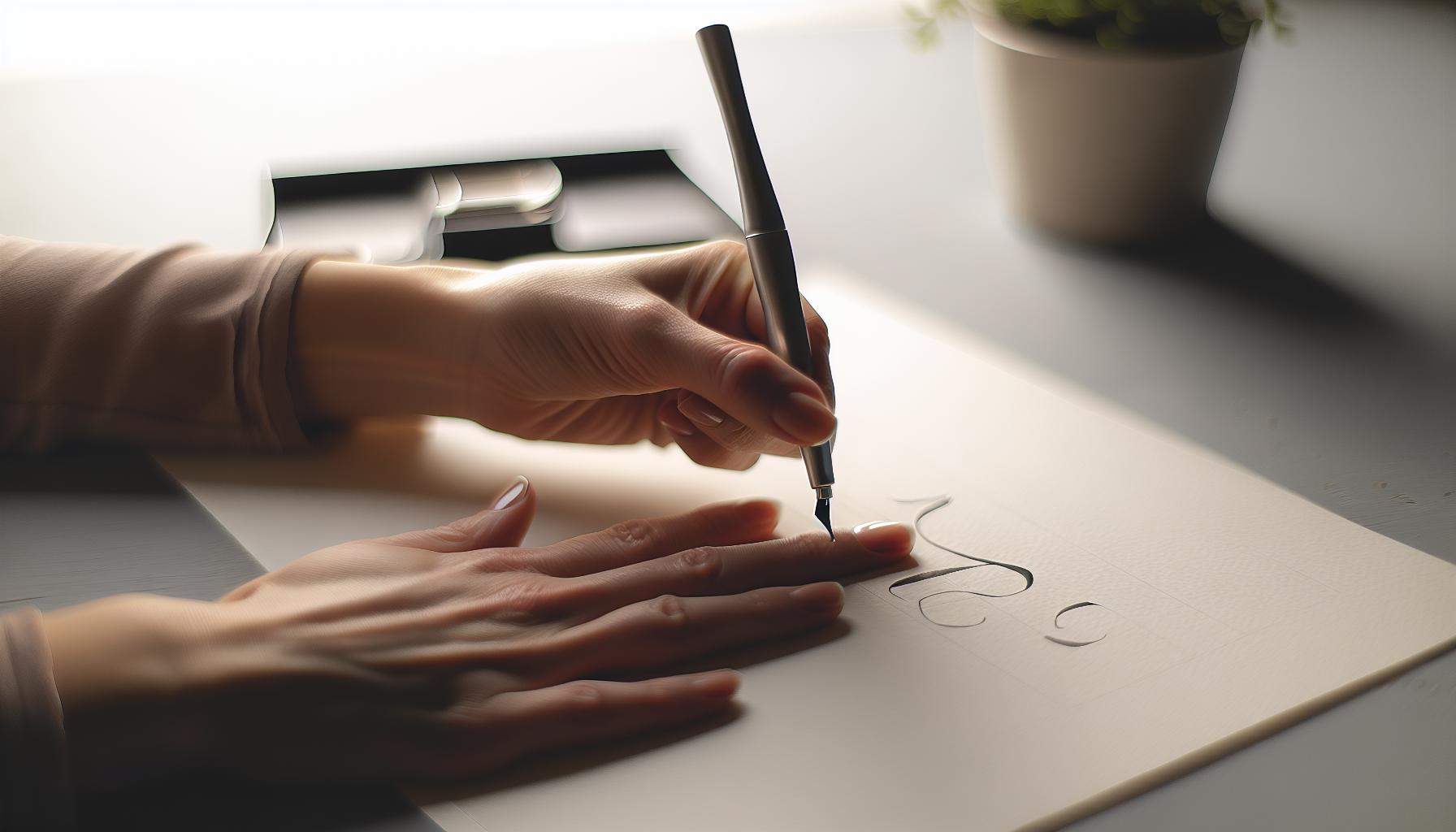
Selecting the Right Oblique Calligraphy Pen for Your Style
Choosing an oblique calligraphy pen isn’t just a matter of picking up the first one you see; it’s about finding the tool that feels right for your unique style and expression. The perfect pen should fit comfortably in your hand and inspire confidence as you create beautiful letterforms. With a variety of materials, shapes, and nibs available, understanding what works best for your artistic vision can elevate your calligraphy from average to stunning.
Start by considering the nib type. Different nibs produce various line qualities. If you prefer delicate, sharp lines for elegant scripts, a thinner nib is your friend. For broader lines that stand out, look for a stub or broad nib. Experimenting with a few options can help you discover which best suits your writing style. The pen holder also plays a crucial role. Most calligraphers gravitate towards a straight holder, but an oblique holder allows for better angle control, especially for scripts that demand precision at a specific tilt.
When it comes to handle materials, you’ll find choices ranging from wood to plastic. Wooden holders often offer a traditional feel and can be aesthetically pleasing, but don’t dismiss plastic ones-they’re often lighter and can be easier to manage for longer sessions. Pay attention to the grip as well; a comfortable grip means less hand fatigue, which is essential for those longer writing projects.
Lastly, don’t overlook the ink. The right ink can make a world of difference in how your letters look on the page. Consider whether you want waterproof ink or something that blends beautifully when wet. Picking the right combination of pen and ink tailored to your style and needs can unlock new levels of creativity and help you master the art of oblique calligraphy.
Mastering the Basics: Holding Your Oblique Pen Correctly
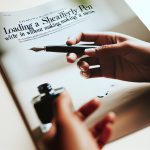
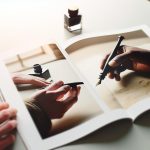
Getting the grip right on your oblique calligraphy pen can transform your writing experience. The way you hold your pen not only affects your comfort but also plays a crucial role in achieving the beautiful strokes you’re aiming for. Start with your thumb and index finger; they should form a gentle but firm triangle around the pen holder. Your grip should be relaxed to avoid cramping, so don’t squeeze too tightly. Ideally, the pen should rest lightly against the base of your fingers, allowing your wrist and fingers to move fluidly as you write.
To master the angle, position your pen at approximately 45 degrees to the paper. This tilt is key to unlocking the potential of the nib and ensuring your ink flows smoothly. If you’re new to this, try writing a few practice strokes while adjusting the angle slightly to find what feels most comfortable and natural for you. Remember, a consistent angle will yield consistent results, so aim to maintain that 45-degree tilt throughout your practice.
Another critical aspect of holding your oblique pen involves your wrist and arm movements. Your wrist should pivot rather than your fingers, enabling soft, graceful arcs. This technique allows your strokes to remain steady and precise. Use your arm to guide your movements-try drawing large letters or flourishes. This practice can help you get a feel for how your pen interacts with the paper and build muscle memory for smoother writing.
Lastly, don’t forget about posture. Sit up straight and keep your arm extended comfortably, without reaching excessively. Your paper should be angled in a way that feels instinctive, allowing your hand to glide across the surface with ease. Taking the time to adjust your hold and stance will bridge the gap between you and the stunning calligraphy you’re capable of creating. Remember, every artist’s grip is unique, so don’t hesitate to tweak your hold until it aligns with your personal style.
Finding the Perfect Angle: Adjusting Your Pen for Success
Finding the perfect angle when using an oblique calligraphy pen can be the game changer you’ve been searching for. A well-adjusted pen not only enhances your comfort but also brings your artistry to life. Aim for that magical 45-degree angle to the paper; this position allows the nib to glide effortlessly, ensuring a smooth ink flow. If you’re feeling uncomfortable, don’t hesitate to play with the angle. Everyone’s hand position is slightly different, so don’t be afraid to tilt it a little more or less until you find what works best for you.
As you practice, consider the motion of your writing hand. Your wrist should be free to pivot, allowing graceful arcs rather than stiff lines. When you maintain that soft wrist motion, your strokes will feel more controlled and fluid. Experiment with larger motions, drawing big letters and flourishes. This exercise helps you gauge how your pen interacts with the paper, fostering muscle memory for future writing sessions.
Take note of your posture, too. Sitting up straight while keeping your arm in a natural position helps prevent fatigue and enhances your range of motion. Adjust your paper angle so it feels intuitive; this small shift can help you maintain that all-important 45-degree tilt without straining. By taking time to set up your environment-your grip, angle, and posture-you create the ideal conditions for your calligraphy skills to flourish, leading you closer to creating stunning, precise letterforms.
Essential Techniques for Beautiful Letterforms
To craft gorgeous letterforms with your oblique calligraphy pen, you’ll want to embrace specific techniques that elevate your writing from basic to breathtaking. One of the first aspects to hone is your line pressure. Light pressure on the upstrokes and heavier pressure on the downstrokes creates contrast that gives life to your letters. It’s this dynamic interplay that enhances elegance, making your work visually appealing.
Practice consistent, fluid strokes by focusing on the movement rather than just the letter shapes. A great way to start is by writing out the alphabet while consciously adjusting your grip and the angle of your pen. Maintain a relaxed grip-too tight can lead to fatigue and shaky lines. As you write, aim to achieve a balance between speed and control. Moving slower at first gives you the precision you need, allowing you to form beautifully rounded curves and sharp edges.
Practice and Variation
An effective technique for mastering beautiful letterforms is to incorporate varied sizes and styles in your practice. Experimenting with different scripts-like Copperplate, Spencerian, or even modern calligraphy-can provide inspiration and broaden your skill set. Consider creating practice sheets that showcase these variations side by side. Here’s a simple way to organize your practice:
| Script | Characteristics | Suggested Practice |
|---|---|---|
| Copperplate | Elegant, thin upstrokes, thick downstrokes | Write the alphabet, focusing on thin-to-thick transitions |
| Spencerian | Flourished, interconnected letters | Practice long connected words for flow |
| Modern | Free-form and expressive | Experiment with varying heights and angles |
In addition to line pressure and stroke variation, consider adding flourishes and embellishments gradually. Start with basic strokes like swirls and loops, integrating them into your letters once you feel comfortable. Each flourish should enhance your letterforms without overwhelming them-less is often more in calligraphy.
By implementing these techniques, you not only enhance the beauty of your letterforms but also develop a signature style that reflects your personality and artistic voice. Consistent practice, attention to detail, and a desire to experiment will make your calligraphy skills flourish.
Common Mistakes to Avoid with Oblique Calligraphy
Many aspiring calligraphers stumble when first using an oblique pen, often leading to frustration and unsatisfactory results. One of the most common mistakes is not holding the pen correctly. If your grip is too tight, you’ll find your hand tenses up, resulting in shaky lines and uneven strokes. Aim for a relaxed grip that allows fluid movement. Switch between writing sessions to loosen up your hand and promote comfort.
Another pitfall is neglecting the angle of the nib. The oblique pen is designed to create specific types of strokes-adjusting the angle can significantly alter the outcome of your letters. If you find your letters are appearing too flat or lacking the desired contrast, experiment with tilting your pen. A 45-degree angle is a good starting point, but don’t be afraid to adjust further until you discover what works best for your style.
Inconsistent pressure on your strokes is also a frequent issue. New calligraphers often apply the same amount of pressure for both upstrokes and downstrokes, which leads to uniformity rather than the dynamic contrasts that make calligraphy beautiful. Focus on applying light pressure during upstrokes and heavier pressure during downstrokes to foster depth and elegance in your work. Remember, it’s this contrast that transforms an average letter into something that truly sings.
Lastly, many overlook the importance of practice and patience. Expecting immediate perfection can lead to discouragement. Set aside time each week to experiment and refine your technique. Use practice sheets to cultivate your skills with different scripts and embellishments, and don’t be afraid to showcase your progress. Mistakes are part of the journey-embrace them as learning opportunities that ultimately enhance your craft. By steering clear of these common mistakes, you’re setting yourself up for a more fulfilling and successful calligraphy experience.
Tools and Materials to Enhance Your Calligraphy Skills
To excel in calligraphy with an oblique pen, the right tools and materials can make all the difference. First and foremost, investing in a quality oblique pen holder is essential. These holders are designed to provide the ideal angle for your nib, which is crucial for mastering the smooth strokes required in calligraphy. You can choose between wood, plastic, or metal holders, each offering a different feel and grip, so it’s worth trying out a few to see what fits comfortably in your hand.
Next, consider the nibs you’ll use. Not all nibs are created equal. For beginners, a versatile nib like the Brause 361 or the Nikko G is a great starting point. These nibs provide a good balance of flexibility and control, making it easier to achieve those lovely thick downstrokes and delicate upstrokes that give calligraphy its characteristic flair. Don’t forget to stock up on various nib sizes! Experimenting with different widths can help you develop a style that’s uniquely yours.
Additionally, you’ll want to pay attention to the ink you choose. Inks come in a variety of formulas, from traditional bottled ink to more modern, pigment-based options. Each type has its pros and cons; for instance, traditional inks can provide rich, vibrant colors but may require a bit more practice to master flow and consistency. On the other hand, pigment-based inks often have a smoother flow and are less prone to clumping. Always test inks on your paper of choice to ensure compatibility and see how they perform when applying pressure with your nib.
Lastly, don’t underestimate the power of good paper. Investing in high-quality, smooth, and bleed-proof paper will allow your work to shine. Brands like Rhodia and Strathmore offer pads that are perfect for practicing calligraphy, ensuring that your nib glides smoothly without catching or tearing. Overall, by carefully selecting your tools and materials, you’re setting yourself up for a successful and enjoyable calligraphy journey. Embrace the process, and remember that the right materials can elevate your artistry to new heights!
Exploring Different Styles: Modern vs. Traditional Lettering
There’s a fascinating world of calligraphy styles waiting for you as you delve deeper into your journey with the oblique pen, and understanding the differences between modern and traditional lettering is key to developing your unique flair. Traditional calligraphy is rooted in historical scripts with a strong emphasis on precision and form. Think beautiful Italics and Gothic lettering, where each letter is painstakingly crafted to uphold the artistry of centuries past. You’ll notice the elegance in their thick and thin strokes, a reflection of the meticulous techniques employed by master calligraphers over the years.
In contrast, modern lettering embraces a more relaxed and expressive vibe. It’s all about creativity; there are fewer rules, allowing for personal interpretation and style innovation. You can experiment with varying thicknesses, whimsical flourishes, and even integrate other mediums, like watercolor or markers. Modern calligraphy often incorporates elements from different styles, enabling you to mix and match techniques and forge your own path.
As you explore these styles, consider what resonates with you the most. Are you drawn to the formal elegance of traditional scripts, or does the freedom of modern lettering excite you? Engaging with both styles can enhance your skills significantly. Practice traditional forms to establish a solid foundation, then let your creativity shine through in modern designs.
Tips for Each Style:
- Traditional: Focus on consistent pressure and angle. Use classic nibs like the Brause 361 for precision.
- Modern: Use flexible nibs and don’t be afraid to experiment with letter proportions and styles.
Dive into books, tutorials, and even online communities to see how others blend these styles. The beauty of calligraphy is in its ability to evolve; allow yourself the freedom to explore both modern and traditional forms, and watch your skills flourish.
Advanced Tips for Creating Flourishes and Embellishments
Flourishes and embellishments can transform your calligraphy from ordinary to extraordinary. They’re not just decorative-when used effectively, they can enhance the personality of your letters and emphasize the overall flow of your piece. Start by observing how different strokes connect and how you can extend them to create visual interest. For instance, the classic curl at the end of a letter not only adds flair but serves to guide the eye seamlessly into the following letter, creating a cohesive look.
To create stunning flourishes, begin with the basics. Practice simple curves and swirls separate from your letterforms. Focus on maintaining a consistent angle with your oblique pen, as this will help in achieving clean lines and smooth transitions. A common technique is to lift the pen slightly at the end of a stroke, allowing a tapering effect that adds elegance. As you gain confidence, introduce more complex shapes-think loops and loops that shadow or intertwine with your letters.
Once you have a handle on basic flourishes, consider their placement. Anchoring flourishes to specific letters can guide viewers’ attention and create a balanced design. For example, adding a flourish to the beginning of an “F” can lend an inviting look, while a swirl at the end of an “S” can extend the line’s visual appeal. Just remember, less is often more; overdoing embellishments can overwhelm your design.
Lastly, don’t shy away from experimenting. Incorporate different materials like metallic inks or watercolor to bring depth and richness to your flourishes. Connecting with other calligraphers online or through workshops can also provide fresh perspectives and inspire new techniques. Embrace the process, let your creativity flow, and watch how your skills and style flourish.
Maintaining and Caring for Your Oblique Calligraphy Pen
Using an oblique calligraphy pen can truly elevate your lettering game, but caring for it is just as crucial as mastering your strokes. A well-maintained pen not only lasts longer but also ensures that you get the best results in your work. First, after each use, clean the nib carefully. Dip it in water (or the appropriate cleaning solution for your ink) and gently wipe away any excess ink. Avoid using harsh cleaners; a soft cloth or paper towel works perfectly. This prevents clogging and maintains the nib’s sharpness.
Next, pay attention to the holder. It’s easy to forget about it, but a clean holder contributes to smoother writing. Regularly wipe it down with a damp cloth to remove any fleeting inks or oils from your fingers. If you’ve been using a dip pen, make it a habit to store the nibs in a dedicated case to protect them from bending or damage. Remember, the angle at which the nib is stored can also affect its longevity; a slanted position will help keep the nib in top shape.
Also, consider the type of ink you’re using. Some inks are more viscous and can lead to clogs or wear on the nib if not cleaned thoroughly. Experiment with different inks to find one that flows well with your pen while also being easy to clean. Finally, store your pen in a cool, dry place when not in use. This avoids unnecessary exposure to humidity and extreme temperatures, which can warp the holder or damage the nib. Even the best artist can’t create beautiful calligraphy with a poorly maintained tool, so take care of your oblique pen, and it will reward you with stunning results.
Inspiring Resources: Books and Online Communities for Calligraphers
Looking to take your oblique calligraphy skills to the next level? You’re not alone, and the resources available today can be an incredible help. Whether you’re just starting or looking to refine your craft, there are numerous books and online communities that can provide inspiration, guidance, and support.
Books to Enrich Your Practice
Diving into the right literature can be a game changer. Here are some must-have titles:
- The Art of Calligraphy by David Harris – This book covers fundamental techniques and styles, including tips specifically for oblique pen users.
- Mastering Copperplate Calligraphy by Eleanor Winters – For those interested in learning a refined script, this book is perfect, featuring detailed instructions on using an oblique pen.
- Calligraphy in 24 Hours by Margaret Shepherd – Great for beginners, this book offers a structured approach to get up and running with beautiful lettering quickly.
These books aren’t just about techniques; they often provide historical context and aesthetic inspiration, helping you to connect deeply with the art form.
Online Communities for Support and Inspiration
In the digital age, finding a community is easier than ever. Here are some excellent online platforms where you can connect with other calligraphers:
- Instagram – Follow hashtags like #ObliqueCalligraphy and #CalligraphyCommunity to find incredible artists and share your work.
- Facebook Groups – Groups such as “Calligraphy & Hand Lettering” are vibrant places for sharing tips and showcasing your projects.
- YouTube – Channels like The Postman’s Knock and Amanda Arneill offer visual tutorials and walkthroughs, perfect for learning the intricacies of oblique calligraphy.
By engaging in these communities, you can gain feedback, share your work, and learn from experienced calligraphers, which can be invaluable as you refine your techniques.
Remember, the journey in calligraphy is as much about the process as it is about the end result. So, grab a book, join a community, and let the inspiration flow!
Showcasing Your Work: Display and Share Your Calligraphy
Sharing your calligraphy not only showcases your progress but also connects you with a community that shares your passion. Whether you’re posting on social media or preparing a physical display, the presentation of your work can elevate your art. It’s more than just showing off; it’s about telling a story and inviting others into your creative journey.
One compelling way to feature your work is to curate a portfolio that highlights different styles and techniques. Take clear, well-lit photographs of your best pieces, and consider varying your shot angles to capture the textures and nuances of the ink and paper. Use natural light whenever possible-it tends to showcase your calligraphy’s true colors and details better than harsh indoor lighting. For social media, platforms like Instagram are perfect for sharing these images. Craft thoughtful captions that explain your inspiration or the techniques used, and use relevant hashtags (#ObliqueCalligraphy, #LetteringArt) to reach a broader audience.
Engaging with Your Audience
In addition to showcasing your work, engaging with your audience is key. Respond to comments and questions about your pieces-people love to learn about your process! You can also create time-lapse videos of your calligraphy sessions. These not only demonstrate your skills but also provide insight into how you work, which can inspire fellow calligraphers. Platforms like TikTok and Instagram Stories are excellent for this type of content, allowing you to share snippets of your journey in a fun, engaging way.
Participating in Challenges and Exhibitions
Another great way to display your art is by participating in calligraphy challenges or exhibitions. Many online communities host monthly themes-join in, and share your contributions! Not only does this prompt you to create regularly, but it also lets you see how others interpret similar themes, broadening your artistic perspective. If you’re feeling bold, consider organizing a local exhibition. Display your favorite pieces in a café or art gallery, making sure each piece tells a part of your story. This brings more visibility to your work and further establishes your presence in the calligraphy community.
Remember, the key to showcasing your calligraphy is to be authentic. Let your personality shine through your posts, and don’t shy away from sharing both your successes and your learning experiences. Embrace the journey!
Frequently Asked Questions
Q: What is the best angle to use when holding an oblique calligraphy pen?
A: The best angle for holding an oblique calligraphy pen is typically between 30 to 45 degrees to the paper. This angle helps ensure the nib glides smoothly, creating beautiful strokes. Experiment within this range to find what feels most comfortable for you. For more insights, check out our section on finding the perfect angle.
Q: How can I achieve consistent pressure while using an oblique calligraphy pen?
A: To achieve consistent pressure with your oblique calligraphy pen, practice maintaining a steady hand and using a light grip. Focus on using your wrist to guide the pen rather than your fingers. This technique helps create uniform strokes that enhance your lettering quality. For more tips, refer to our essential techniques section.
Q: What type of ink is best for oblique calligraphy?
A: Non-waterproof, smooth-flowing inks are best suited for oblique calligraphy, as they provide a more fluid experience. Brands like Noodler’s and Higgins are popular choices. Test different inks to find one that works well with your nib and paper type. Explore our tools and materials section for further guidance.
Q: How do I clean my oblique calligraphy pen properly?
A: To clean your oblique calligraphy pen, flush the nib with water or an appropriate ink cleaner immediately after use. Gently wipe away any residue to prevent clogging. Regular maintenance keeps your pen in optimal condition. For detailed care tips, see our section on maintaining and caring for your oblique calligraphy pen.
Q: Which paper types are best for practicing oblique calligraphy?
A: The best paper types for practicing oblique calligraphy are smooth, bleed-proof papers such as Bristol board or watercolor paper. These are designed to handle ink well and prevent feathering or bleeding. Explore various options to see which you prefer. Check our tools and materials section for popular recommendations.
Q: Why is an oblique pen better for calligraphy than a straight pen?
A: An oblique pen is often preferred for calligraphy because it allows for better angle control, enabling the creation of more dynamic and expressive strokes. The unique design helps achieve a consistent line thickness while providing comfort during long writing sessions. For more about styles, visit our section on exploring different styles.
Q: What are some common struggles beginners face with oblique calligraphy?
A: Beginners often struggle with correct pen angle, consistent pressure, and improper grip. These difficulties can lead to inconsistent strokes and frustration. Practice regularly and focus on the fundamentals to overcome these challenges. For solutions, see our section on common mistakes to avoid.
Q: How can I find my personal style in oblique calligraphy?
A: Finding your personal style in oblique calligraphy takes experimentation. Try different nibs, inks, and letter shapes until you discover what resonates with you. Studying various styles can also inspire your unique touch. For more guidance, check out our section on inspiring resources.
Concluding Remarks
Now that you’re equipped with the techniques to master the oblique calligraphy pen, it’s time to put your skills to the test! Remember, practice is key to unlocking your potential and achieving excellence in your lettering journey. Don’t hesitate-grab your pen, choose your favorite ink, and start creating beautiful works of art today!
For even more tips and tricks, check out our articles on the best inks for calligraphy and advanced calligraphy techniques. If you’re still feeling unsure, feel free to drop your questions in the comments below. We love hearing from fellow enthusiasts and are here to help!
Before you go, don’t forget to sign up for our newsletter to receive exclusive updates and resources directly in your inbox. Your calligraphy adventure starts now-keep exploring, and let’s create something amazing together!
Get our latest guides, news, and insights highlighted in your Google Search & AI Overviews.