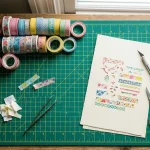

Have you ever admired the beauty of calligraphy and wished you could create those stunning letters yourself? Using a calligraphy marker pen is your gateway to transforming everyday writing into art. Whether you want to enhance your invitations, personalize gifts, or simply explore a new creative outlet, mastering this skill can be incredibly rewarding.
In this guide, you’ll discover essential techniques for wielding a calligraphy marker pen effectively, from understanding the fundamentals of pen pressure to the secrets of creating bold, beautiful letters. You don’t need to be a professional artist to get started; just a little practice and the right tips will have you crafting eye-catching designs in no time. So, let’s dive into the wonderful world of calligraphy and unlock your potential to impress and inspire with every stroke!
How Calligraphy Marker Pens Work

When you pick up a calligraphy marker pen, you’re not just holding a tool; you’re wielding a gateway to creativity. Calligraphy marker pens work on the principle of controlled ink flow, giving you the power to create beautifully crisp lines and stunning letterforms. These pens utilize a felt tip that comes in various sizes and shapes-some are broad and designed for bouncy letters, while others are fine-tipped for intricate details. The choice of a pen often depends on the style of calligraphy you wish to achieve, making familiarity with how they function essential for any lettering enthusiast.
The ink inside these pens is specially formulated to flow smoothly and dry quickly, preventing smudging and allowing for easy layering of colors. Some types may use water-based inks, which are easier to blend and can be activated with water for effects such as washes, while others use permanent, alcohol-based formulas that are more resilient but less forgiving in terms of blending. Understanding the characteristics of the ink can greatly enhance your calligraphy practice, allowing you to make informed choices based on your desired outcomes.
Additionally, the angle at which you hold the pen plays a vital role in your calligraphy results. Different styles of writing can require different angles-for example, traditional Italics may be best executed at a specific tilt. Practicing diverse angles helps you get comfortable with the pen’s flow and pressure sensitivity, which is crucial for achieving those luscious thick and thin strokes characteristic of beautiful lettering. By experimenting with your grip and technique, you’ll quickly discover the nuances of how your chosen marker pen works and the effects you can produce with it.
Choosing the Right Calligraphy Marker Pen

When it comes to calligraphy, the right marker pen can make or break your creative expression. Choosing one isn’t just about grabbing the first pen you see; it’s about understanding how different features can enhance your lettering style. Consider the tip size first-broad tips are fantastic for bold strokes and bouncy letters, while fine tips excel at intricate details and delicate flourishes. If you’re leaning toward a certain calligraphy style, matching your pen to that style is key. For instance, brush pens offer flexibility and allow for dynamic thick and thin lines, essential for traditional brush lettering.
Next, think about the ink type. Water-based inks are great for blending and layering but can sometimes smudge if you’re not careful. On the flip side, alcohol-based inks are resilient and quick-drying, making them less prone to smudging but challenging if you want to blend colors. My advice? Keep a couple of pens with different ink types in your arsenal so you can switch it up based on your project.
Don’t underestimate the importance of grip and comfort. You might find that certain pens feel better in your hand than others, especially during long sessions of practice. If you’re unsure, try a few pens out at your local art store. Many shops have testers available, and holding a pen can help you feel its balance and weight.
Lastly, consider your skill level. Beginners might benefit from markers that offer more control and consistent flow, while experienced calligraphers may prefer a range of pens for various effects. Balancing your personal preference with the technical aspects of each pen will lead to a richer calligraphy experience. Ultimately, the right calligraphy marker pen is one that feels natural and inspires you to create, making your lettering journey enjoyable and fulfilling.
Mastering Basic Calligraphy Strokes

To create beautiful calligraphy, mastering basic strokes is essential. These fundamental movements form the backbone of elegant lettering, and when executed with precision, they bring your words to life. Start by practicing the upstroke, which should be light and delicate, followed by the downstroke, where you can apply more pressure to achieve that characteristic contrast of thick and thin lines in calligraphy. It’s this variation that gives your letters depth and personality.
As you become comfortable with these two primary strokes, work on the overturn-an upward movement followed by a gentle curve-and the compound curve, which combines an upward and a downward stroke to create a flowing line. These strokes are often found in lowercase letters, making them crucial for developing your style. Focus on maintaining a steady hand and consistent speed; this is where practice really pays off. Use grid paper or specialized practice sheets to help guide your hand and maintain the proper height and slant of each letter.
Next, incorporate the oval stroke, which is fundamental for letters such as ‘o’, ‘a’, and ‘d’. An oval helps you understand the flow of letters and encourages smooth transitions between strokes. Practice drawing ovals in different sizes and orientations to enhance your control over the pen. Remember to relax your grip; too much tension can hinder your flow and make strokes shaky.
Lastly, don’t forget about connecting strokes. Once you’ve practiced individual strokes, combine them to form letters and words. Incorporate ligatures (where letters connect seamlessly) to add a professional touch to your writing. Repeating these combinations will help you develop muscle memory, making it easier to flow naturally during longer projects. With dedication and practice, you’ll find that the basic strokes become second nature, paving the way for intricate designs, styles, and personal flourishes.
Techniques for Bold Lettering
To achieve bold lettering with a calligraphy marker, understanding pressure control is key. The beauty of calligraphy lies in the variation between thick and thin lines, and using a marker pen allows for striking bold effects that can enhance your work significantly. Start by practicing your downstrokes with firm pressure-this is where you’ll build that necessary thickness. When you apply pressure to the nib while drawing downwards, allow the pen to glide smoothly; this will give you those bold lines that stand out beautifully against thinner upstrokes.
Experiment with different techniques to amplify your bold lettering. One effective method is to outline letters after writing them. Write your words in a lighter hand first, then trace over the downstrokes again with more pressure. This not only adds depth but also emphasizes the fluidity and dynamic nature of calligraphy. You can also try focusing on specific letters or sections of words, enhancing particular areas to draw the eye-think about emphasizing the first letter of a word or creating striking contrasts within a single letter design.
Utilizing layering can also create stunning bold effects. Try writing the same letter multiple times, slightly offset each time, allowing the lines to overlap. This technique builds depth and can create an almost shadowed effect. In addition, don’t shy away from using color; bold lettering can pop even more when paired with vivid hues, so experiment with markers that have a rich pigment.
Lastly, consider the medium you are working on. Thick papers can absorb color differently and influence how bold your lettering appears. Experiment with textured papers, which can add a nice tactile element to your work. Remember, practice makes perfect; bold lettering takes time to master. Keep refining your technique, and soon you’ll create striking, confident letters that truly stand out.
Creating Beautiful Flourishes and Decorations
Creating stunning flourishes and decorations can elevate your calligraphy from simple to spectacular. These embellishments add character and elegance, transforming your writing into a piece of art. The beauty of using a calligraphy marker pen is that it allows for bold expressions while still being manageable for both beginners and experienced artists.
To get started, think of flourishes as the visual punctuation of your calligraphy. They can be added to the ends of letters, connected between words, or even as standalone decorative elements. Practice these essential techniques:
- Loops and Swirls: Experiment with tight and wide loops. Incorporating swirls at the ends of letters can create a graceful appearance.
- Bouncing Baselines: Allow your lowercase letters to dip and rise above the baseline. This playful approach adds movement to your writing.
- Trailing Lines: Extend one or two strokes from your letters. These lines can lead into another letter or fade out to create a sense of flow.
Once you’ve got a feel for these techniques, consider layering various elements. Use lighter strokes for initial outlines and then go over them with heavier pressure to create depth. Colors can also enhance your flourishes:
- Contrasting Hues: Use a bold color for your main lettering and a softer shade for flourishes to make them pop.
- Metallics and Shimmers: Markers in metallic or shimmery colors can add a stunning effect, particularly in decorative pieces for special occasions.
Lastly, don’t forget the importance of practice. Start by reviewing your basic strokes and introducing flourishes gradually. As you gain confidence, you’ll discover your unique style. Remember, every flourish you create tells a part of your story-let your creativity shine through! With time and experimentation, your calligraphy will showcase not only your skill but also your personal flair.
Combining Colors for Stunning Effects
Using color in your calligraphy isn’t just about making it pretty-it’s a powerful way to convey emotion and style. Color combinations can transform your lettering from simple to spectacular, making your work stand out. Whether you’re a beginner or looking to enhance your skills, understanding how to pair colors effectively will elevate your calligraphy game.
Start by selecting a color palette that speaks to you. A well-balanced scheme can include a main color, an accent color, and a neutral. For instance, if you choose a rich blue as your main color, a soft golden hue can serve as an accent, while a subtle gray might work well as a neutral background. When combining colors, think about the emotional tone you’re looking to set: warm colors like reds and oranges exude energy, while cool colors like blues and greens offer calmness.
Experiment with layering techniques to add depth and dimension. Use your primary color for bold lettering and consider highlighting certain letters or strokes with an accent color. For example, you can use metallic markers to outline your main text, giving it a radiant effect. Another fun method is to create a gradient effect where you blend two colors together-this can be achieved by lightly overlapping colors while the ink is still wet or by practicing your strokes to achieve a smooth transition.
Remember to keep contrast in mind; selecting colors that are visually distinct from each other will help your work stand out. A common approach is to use a light color against a dark background or vice versa. Not only does this enhance readability, but it also adds visual interest. Experimenting with complementary colors (colors opposite each other on the color wheel) can create an eye-catching dynamic.
Don’t shy away from testing your color combinations before committing them to your main piece. Use scrap paper to try out different ideas and see how they resonate with your style. With time and practice, you’ll not only find what works best for you but also develop a unique approach that expresses your creative voice through color in your calligraphy.
Tips for Maintaining Your Calligraphy Markers
To ensure your calligraphy markers stay vibrant and ready for creating bold, beautiful letters, maintaining them is essential. Contrary to popular belief, these tools require more than just occasional use; they thrive on care and attention. One key aspect is storing them properly. Always store markers horizontally to prevent drying out or clogging the tips. If you’re using brush-tip markers, keep the nibs facing down to maintain the ink flow.
Another important factor in maintenance is regular cleaning. After each session, wipe the tips of your markers with a soft cloth or paper towel to remove any excess ink or debris. This simple act can prevent your markers from becoming clogged and prolong their lifespan. If you notice any tips drying out, consider adding a few drops of water or blending solution to revive them. Don’t be afraid to test your markers on scrap paper before committing to your final piece; this way, you can avoid any surprises that may arise from dried-out or clogged tips.
Also, pay attention to the ink. Different markers may require specific storage conditions. For example, alcohol-based inks might react poorly if exposed to extreme temperatures. Keep your markers in a cool, dry place, away from direct sunlight. This will help maintain the integrity and consistency of the ink.
Lastly, keep an eye on your markers’ lifespan and don’t hesitate to replace them when they start to lose vibrancy or precision. Investing in quality markers will yield better results and a more enjoyable calligraphy experience. Remember, well-maintained markers not only perform better but also enhance your overall creative process, allowing you to focus on what you love-creating stunning lettering.
Essential Supplies for Calligraphy Beginners
Whether you’re just starting your calligraphy journey or looking to refine your technique, having the right supplies can make all the difference in achieving those bold, beautiful letters. First and foremost, a quality set of calligraphy marker pens is essential. Look for markers that have both fine and brush tips, allowing for versatility in your strokes. Brands like Tombow and Sakura are popular choices among beginners for their ease of use and vibrant ink.
Beyond the markers, consider investing in a good quality paper designed for ink usage. Regular printer paper can bleed and lead to smudgy results, while smooth, heavyweight paper will handle ink beautifully, allowing your letters to glide effortlessly across the surface. Using practice pads specifically designed for calligraphy can also be a game-changer; they usually feature guidelines to help you maintain consistent letter sizes and spacing.
Another critical supply is a ruler or straight edge. This might seem basic, but having a tool to help establish baselines can drastically improve your letter alignment and overall composition. Paired with your ruler, a pencil is handy for sketching out your designs lightly before going over them with ink. This reduces the fear of making mistakes and lets you experiment with different layouts.
Lastly, don’t underestimate a comfortable working environment. A well-lit space with a sturdy table can keep you focused and motivated. Consider having a dedicated calligraphy toolbox or caddy for easy access to your supplies whenever inspiration strikes. A little organizational effort will save you time and allow you to dive straight into creating beautiful work. Remember, the right tools empower your creativity and help you build confidence in your budding calligraphy skills.
Common Mistakes to Avoid in Calligraphy
It’s easy to get swept up in the excitement of learning calligraphy, especially when wielding a vibrant marker pen. However, many beginners trip over common pitfalls that can quickly dampen their enthusiasm. Addressing these mistakes early can save you time, frustration, and disappointment, so let’s dive into what to watch for.
One major blunder is applying too much pressure while writing. Calligraphy is all about the contrast between thick and thin lines, which you achieve by varying your pressure. If you press down too hard, you’ll lose that delicate touch, resulting in letters that look more like blobs than beautiful script. Instead, practice holding your pen lightly, letting the marker do the work.
Another frequent error is neglecting to warm up before starting a project. Just like athletes stretch before a game, you should warm up your hands and ink. Spend a few minutes practicing basic strokes-upstrokes, downstrokes, loops-on scrap paper. This simple step can greatly improve your control and consistency as you transition into your final piece.
Many beginners also overlook the importance of consistent spacing. It might seem minor, but uneven gaps between letters can take away from the overall beauty of your work. Using guidelines or graph paper can help keep your letters evenly spaced, giving your calligraphy a polished, professional look. Additionally, pay attention to the size of your letters; not every letter needs to be the same height, but there should still be a harmonious flow throughout your writing.
Finally, don’t underestimate the power of practice. Perfection doesn’t happen overnight; it requires patience and persistence. If you make a mistake in a piece, don’t discard it immediately. Instead, see what went wrong and learn from it. Keep a collection of your practice sheets to track your progress. You’ll be amazed at how much you improve over time.
Avoiding these common mistakes can make your journey into the world of calligraphy much more enjoyable. Remember, every expert was once a beginner, and with each stroke, you’re one step closer to mastering the art of lettering.
Exploring Different Calligraphy Styles
can be one of the most exciting aspects of using marker pens. With their flexibility and vibrant colors, marker pens open the door to various artistic expressions. Each calligraphy style offers a unique way to convey emotion and personality through lettering, so let’s dive into some popular ones you can start experimenting with right now.
One of the most accessible styles is modern calligraphy. It combines traditional techniques with a contemporary flair, allowing for creativity and spontaneity. With a marker pen, you can easily create varying thicknesses in your strokes, which is essential for this style. Think casual elegance – letters can be loopy and free, with added flourishes that give each piece a personal touch. The beauty of modern calligraphy lies in its imperfections; don’t strive for uniformity. Embrace the unique qualities of each letter and experiment with different ligatures and connections.
Next up is brush lettering, closely related to calligraphy but characterized by its use of brush strokes. This style emphasizes the brush-like effect, which can be effortlessly achieved with flexible marker pens. Start by practicing basic strokes to get comfortable with the pen’s pressure variability. Letters appear more dynamic with the swells and pinches that brush lettering encourages. Play around with blending colors to elevate your lettering even further; ombre effects can look stunning and on-trend.
For those looking for a more structured approach, Gothic or Blackletter calligraphy is richly detailed and dramatic. This style is known for its strong vertical lines and ornate forms. Using a fine-tipped marker pen can help in mastering this intricate style, which often includes elaborate capitals and decorative touches. Practice breaking down the letters into their basic components and build from there. Using guidelines can help maintain the structure and precision characteristic of Gothic styles.
Lastly, don’t shy away from playful scripts like whimsical or decorative lettering. These styles are perfect for expressing joy and creativity without strict adherence to traditional rules. Here, you can experiment with quirky shapes, vibrant colors, and fun embellishments. This is the place to let your imagination run wild-think balloons, stars, or hearts to accentuate your writing.
No matter which style resonates with you, remember that practice is key. Each style offers something different, both in technique and aesthetic. Try them out, mix and match, and find your unique voice through the wondrous world of calligraphy. The only limitation is your imagination!
Inspiration: Showcasing Your Calligraphy Works
When you’ve perfected your technique with calligraphy marker pens, it’s time to showcase your beautiful works. Whether you’re sharing on social media, entering contests, or simply displaying your pieces at home, showcasing your calligraphy is a vital part of the artistic journey. The excitement of seeing your creation come to life transforms your practice into a form of art that others can appreciate.
One effective way to showcase your work is through social media platforms like Instagram or Pinterest. Create a dedicated account for your calligraphy, where you can post not just finished pieces, but also behind-the-scenes looks at your process. Share photos of your sketching, inking, and even the mistakes along the way. Engaging captions can draw your audience in; talk about what inspired a particular piece or share your thoughts on a specific technique. Utilizing relevant hashtags can help your work get discovered by fellow calligraphy enthusiasts and attract new followers interested in your unique style.
Consider participating in online challenges or local art fairs as another means of showcasing your calligraphy. Joining challenges can provide a theme that sparks your creativity, while art fairs allow you to reach a broader audience. Look for calligraphy-focused events or general art showcases in your area. Not only does this give you the chance to meet other artists, but you also promote a local art community.
Creating a Portfolio
Having a cohesive portfolio can also be an excellent way to present your work. This doesn’t just mean a handful of your best pieces; think of it as a narrative of your artistic journey. Include various styles and techniques that reflect your versatility, but ensure they align with your signature style. Physical portfolios are great for in-person events, while digital versions (think websites or PDFs) allow you to reach a wider audience without geographical limitations.
Feedback and Growth
Don’t shy away from feedback. Sharing your work also opens the door to constructive criticism. Join online forums or local calligraphy groups where you can share your pieces and receive input. This kind of interaction not only fosters growth but can also ignite new ideas and collaborations. Remember, each piece you create adds to your unique voice as an artist, so take pride in showcasing every step along the way. Embrace the community and let your journey inspire others just as much as their stories inspire you.
How to Sell Your Calligraphy Art Online
If you’ve put in the time to master bold and beautiful letters with calligraphy marker pens, you might be wondering how to turn that skill into a profitable venture. Selling your calligraphy art online can be straightforward and rewarding, drawing on the growing demand for unique, handmade artwork. Start by exploring the right platforms; websites like Etsy, Instagram, and your own blog can showcase your work effectively. Each platform has its unique audience, so think about where your style resonates best.
Create stunning product listings that stand out. Use high-quality images that highlight the detail of your letters, perhaps with different angles or styling options. Don’t forget to write engaging descriptions-tell your buyers the story behind each piece, how it was created, and what makes it special. This connection can turn a casual browser into a buyer. Pricing can be tricky; do some research on similar artworks to find a sweet spot that covers your material costs while valuing your time and effort.
Building a following is crucial. Share your process, from initial sketches to finished pieces, and engage your audience. Post consistently and utilize hashtags to increase visibility. Consider offering digital downloads of your work, which can be a quick way to sell and eliminate shipping hassles. Running promotions or giveaways can also spark interest and encourage sharing among followers.
Finally, customer service is key. Communicate promptly, and handle any inquiries or issues with care. Encourage feedback and make adjustments as needed to improve your offerings. With commitment and creativity, your calligraphy art can flourish online, tapping into a vibrant community that appreciates the beauty of handmade crafts.
Frequently asked questions
Q: How do I choose the right calligraphy marker pen for bold lettering?
A: To choose the right calligraphy marker pen for bold lettering, look for markers with a broad tip or brush tip that allows for thick downstrokes. Brands like Pentel and Tombow offer great options. Test various pens to find one that feels comfortable and produces the desired line thickness. For more tips, check out the “Choosing the Right Calligraphy Marker Pen” section in the article.
Q: What paper is best for using calligraphy marker pens?
A: The best paper for calligraphy marker pens is smooth, heavyweight paper to prevent bleeding and feathering. Look for marker or bleed-proof paper, often made for calligraphy. Experiment with different types to find which surface complements your style best. Explore this in more detail in the “Essential Supplies for Calligraphy Beginners” section.
Q: Can I create beautiful lettering on any surface with a calligraphy marker pen?
A: While you can attempt lettering on many surfaces, achieving the best results is typically on paper. Surfaces like cardboard or canvas can work, but choose your pen based on the surface texture to ensure the ink adheres well. For more guidance, see the “Techniques for Bold Lettering” section.
Q: How can I practice calligraphy techniques for better results?
A: You can practice calligraphy techniques by dedicating time daily to write alphabets and words using guides or templates. Consistency is key, so use grid paper for maintaining proper spacing and alignment. The “Mastering Basic Calligraphy Strokes” section offers specific drills to enhance your skills.
Q: What common mistakes should I avoid when using calligraphy markers?
A: Common mistakes include pressing too hard, which can damage the nib, and rushing the strokes, which affects the quality. Always lift the pen for sharp corners and practice proper pressure for varying line thicknesses. Check the “Common Mistakes to Avoid in Calligraphy” section for more insights.
Q: How can I add flourishes to my calligraphy letters?
A: You can add flourishes by lightly sketching them first or using embellishments that enhance your lettering style. Start with simple loops and swirls, gradually incorporating them into your letters. The “Creating Beautiful Flourishes and Decorations” section provides more detailed techniques.
Q: Is it possible to combine colors using calligraphy marker pens?
A: Yes, combining colors with calligraphy marker pens is possible by layering different shades or using a blending technique with a lighter tone. This creates stunning visual effects in your lettering. Refer to the “Combining Colors for Stunning Effects” for tips on effective color blending.
Q: How do I maintain my calligraphy marker pens to ensure longevity?
A: To maintain your calligraphy marker pens, always recap them after use to prevent drying out. Store them horizontally and regularly clean the nibs with a damp cloth. For more maintenance tips, see the “Tips for Maintaining Your Calligraphy Markers” section.
Future Outlook
Now that you know how to wield your calligraphy marker pen for those bold and beautiful letters, it’s time to put your skills into action! Don’t just stop here-explore our other resources on mastering different calligraphy styles and transforming your handwriting into a unique font with Calligraphr. Remember, practice is key, so start creating today!
Feeling inspired? Share your creations with us in the comments below or on social media. If you want to keep honing your skills, sign up for our newsletter to get tips, tricks, and exclusive content straight to your inbox. Let’s keep this creative journey going-your beautiful lettering awaits!
Get our latest guides, news, and insights highlighted in your Google Search & AI Overviews.