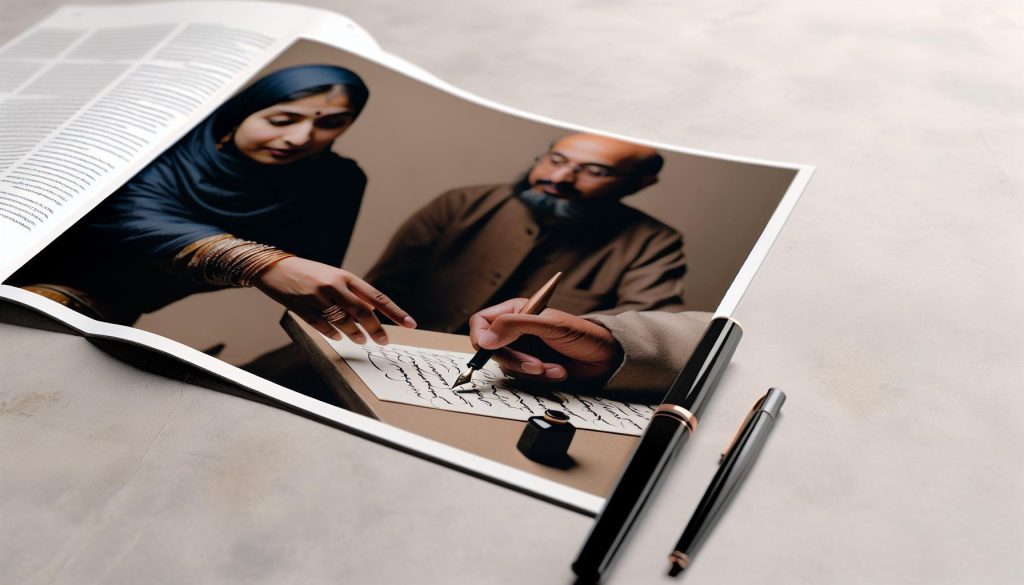
There’s something undeniably special about using a fountain calligraphy pen. Unlike standard writing instruments, these elegant tools transform your handwriting into a beautiful art form. If you’re looking to elevate your note-taking, invitations, or simply want to explore a new creative outlet, this guide is for you.
Many people struggle with achieving a fluid, stylish script, but mastering a fountain pen can unlock your writing potential. With just a few techniques, you can create graceful letters that express your personality and leave a lasting impression. Engaging with this timeless craft not only enhances your writing but also builds a sense of accomplishment. Curious about how to get started? Let’s dive into the world of fountain calligraphy pens and discover how easy it can be to write elegantly, whether for personal enjoyment or special occasions.
Choosing the Right Fountain Calligraphy Pen for You
Choosing the right fountain calligraphy pen can feel overwhelming, especially with the myriad options available. But remember, the best pen for you is one that feels comfortable in your hand and suits your unique writing style. Start by considering the nib size-nibs come in various widths, influencing the thickness of your lines. Beginners might find a medium nib versatile for most styles, while those aiming for more intricate work may prefer fine or broad nibs.
When selecting a pen, also think about the body material and weight. A lightweight pen can provide longer writing sessions without tiring your hand, while a heavier pen might offer more control. Test a few different styles and weights if possible; many art supply stores offer demo pens. Don’t overlook the grip design, as a comfortable hold can significantly enhance your overall experience.
Lastly, consider the type of ink you’ll be using. Some pens are designed for specific ink types, like bottled ink versus cartridges. It’s worth trying both to determine what works best for you. Ultimately, investing in a quality fountain pen that feels good and meets your needs will enhance your calligraphy journey and allow your creativity to shine.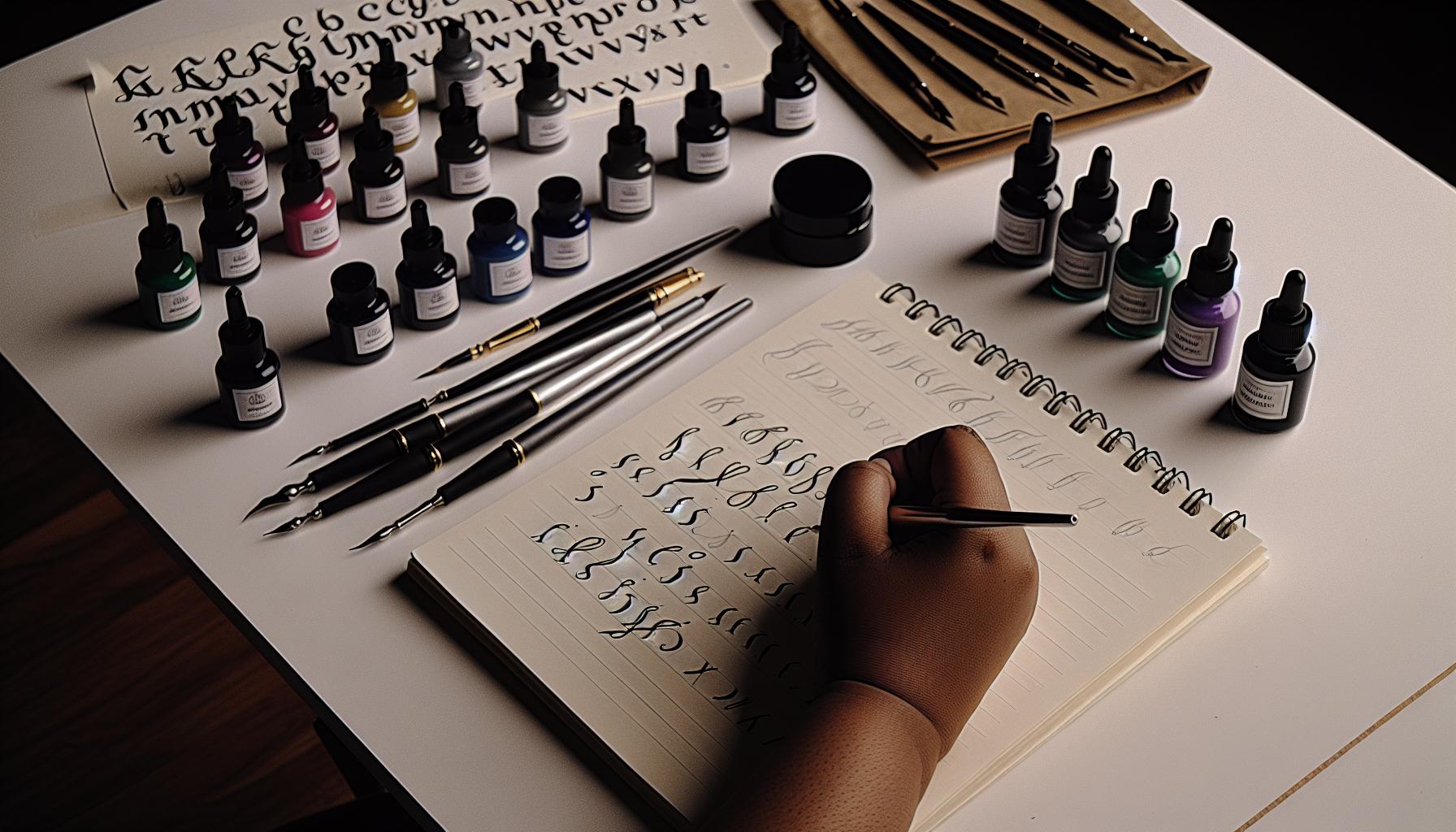
Essential Calligraphy Techniques for Beginners
Starting with fountain calligraphy can be both exciting and a bit intimidating. With the right techniques, you’ll soon create beautiful letters that showcase your personality and style. One essential technique is understanding pressure and release. Fountain pens are forgiving, allowing you to create varied line thickness simply by applying different pressure. When you press harder, you’ll produce a thicker line; release the pressure for a thinner line. This simple adjustment can instantly elevate your calligraphy.
Another key aspect is mastering your stroke direction. Each letter requires specific strokes that contribute to its unique shape. Practice forming basic shapes-like circles and lines-using different angles. Focus on smooth transitions and consistent pressure. Start slow to build muscle memory, then gradually increase speed as you grow more confident. It’s all about repetition; the more you practice, the more natural it will feel.
Don’t forget about the importance of consistency in your spacing and alignment. Use guidelines to help keep letters uniform, especially when you’re creating words or phrases. Lightly drawing lines with a pencil can help you maintain proper height and width-then simply erase them afterward. This discipline in your practice will help develop a clean, polished final result.
Lastly, embrace the artistry of flourishes and embellishments as you become comfortable with basic letters. Adding a few extra swirls or loops can personalize your work and make it visually appealing. Study existing calligraphy styles for inspiration, but remember to infuse your own flair. Enjoy the journey, and let each stroke reflect your creative spirit!
Mastering Fountain Pen Grip and Posture
To truly excel in fountain calligraphy, mastering the grip and posture while writing is non-negotiable. A proper grip doesn’t just enhance your control over the pen; it also significantly influences the quality of your strokes. Most beginners tend to hold their pens too tightly, which can hinder fluidity. Instead, aim for a gentle yet firm hold. Think of it as extending your fingers gracefully around the pen; this will allow for easier movement and less fatigue during longer writing sessions.
When it comes to positioning, your posture plays just as crucial a role. Sit comfortably at a table or desk, ensuring your body is relaxed and aligned. Keep your shoulders down and relaxed, and don’t hunch over. Your forearm should rest lightly on the table, allowing the pen to glide over the paper effortlessly. Position the paper at an angle that suits your natural writing style, which often means tilting it slightly to the left if you’re right-handed, or to the right if you’re left-handed. This adjustments help in maintaining a consistent line and a fluid motion without awkward wrist angles.
Key Points to Remember
- Grip: Hold the pen lightly between your thumb and index finger, with the rest of your fingers supporting it.
- Wrist Position: Keep your wrist straight and allow it to pivot gently while writing.
- Posture: Maintain a relaxed and upright posture, with your shoulders down and elbows slightly away from your body.
Regularly assessing your grip and position can help curb bad habits early on. If you feel strain in your hand or wrist, take a break and adjust your hold. Over time, it’ll become second nature, leading to a more sustainable practice and beautiful results. By focusing on these elements, you’ll lay a solid groundwork for mastering the elegant art of fountain calligraphy.
How to Prepare Your Fountain Calligraphy Pen
Getting started with a fountain calligraphy pen is an exciting venture, but preparation is key to ensuring a smooth writing experience. One of the first steps is to familiarize yourself with your pen. Depending on the model, your fountain pen may come with a cartridge, converter, or nib already installed; however, you may need to fill it with ink before writing. If you’re using a cartridge, simply insert it into the pen until you hear a click. For ink converters, you’ll draw ink from a bottle – a process that can feel like a mini art project in itself.
To ensure your pen performs at its best, it’s also crucial to give it a cleaning before your first use. Dismantle your pen according to the manufacturer’s instructions, and rinse the nib and feed under lukewarm running water. This simple rinse removes any factory lubricants or dust that could affect your writing. After rinsing, gently dry it with a soft cloth or let it air dry. This step is often overlooked but can drastically improve the flow of ink and the overall writing experience.
Another important aspect is the choice of ink. Not all inks are created equal; some are thicker or have different drying times. Opt for a fountain pen-specific ink that flows easily and dries quickly to avoid smudges. If you’re experimenting with colors, start with small amounts to see how they behave. Clear bottles help to see the ink level, which is especially handy for knowing when to refill.
Finally, test your pen on a piece of practice paper before committing to your calligraphy project. Experiment with different strokes to understand how your pen behaves under different pressures and angles. This knowledge will help you create the beautiful flourishes and letterforms that fountain calligraphy is known for. Embrace your unique style and don’t hesitate to adjust your technique as you grow more comfortable with your tool.
Understanding Inks: Best Choices for Calligraphy
Choosing the right ink for fountain calligraphy is crucial to achieving those smooth, elegant lines we all admire. Not all inks are created equal; the wrong choice can lead to frustratingly inconsistent performance. Start by selecting a fountain pen-specific ink. These inks are formulated to flow smoothly through nibs and reduce the likelihood of clogging. Pigment inks offer vibrant colors, but they can dry slowly and require more maintenance. Dye-based inks, on the other hand, are often easier to clean and flow more reliably, making them a great choice for beginners.
It’s also important to consider the drying time of the ink. High humidity or certain types of paper can increase drying time, leading to smudges. If you tend to move your hand across the paper as you write, opt for a quick-drying ink. Brands like Noodler’s and Diamine offer a wide range of colors and drying times, so you can find the perfect match for your style and needs.
The color of the ink can greatly affect the aesthetic of your writing. While classic black or blue inks are always safe choices, don’t shy away from experimenting with vibrant hues or metallic inks for special projects. Just be cautious with colors that have heavier particles or glitter, as they can clog your pen more easily. If you’re testing new colors, using a small sample before committing to a full project is wise; this helps you see how the ink behaves on different papers and with varied strokes.
Finally, keep in mind the pH level and waterproof quality of the ink. Some inks are more resilient and won’t bleed when exposed to moisture, while others may fade over time under sunlight. Understanding these attributes can aid in preserving your artwork when showcasing it or using it for correspondence. With the right ink at your disposal, you’ll be well on your way to crafting stunning calligraphy pieces that reflect your individual style.
Creating Beautiful Flourishes and Letterforms
can elevate your fountain calligraphy from simple writing to an art form that truly captures attention. The key lies in understanding the dynamics of your pen and the fluidity of your movements. Each stroke should feel like an extension of your hand; when you master this, you unlock a world of stunning visuals.
A good starting point is to practice basic shapes. Start with loops, swirls, and straight lines. These fundamentals are the building blocks for more complex letterforms. Use practice sheets or graph paper to guide your hand. As you become comfortable, begin incorporating these elements into your letters. Here’s how you can enhance your flourishes:
Tips for Flourishes
- Think before you write: Visualize how each letter can be styled. For example, consider how an ‘f’ can flow into the next letter or how a ‘g’ can extend with a flourish.
- Vary your pressure: The beauty of calligraphy lies in contrast. Apply pressure for downstrokes to create thickness and lighten up for upstrokes.
- Experiment with angles: Tilting your pen slightly can change the stroke’s character, giving you versatile results.
- Practice different styles: Explore various calligraphy styles, from modern to Gothic, as each has its unique flourish potential.
As you start to integrate these tips into your writing, remember that practice is essential. Don’t rush the learning process. Set aside time dedicated solely to experimenting with unique letterforms. You’ll find your style evolving as you become more adept at transitions between letters.
Lastly, embrace the imperfections. Each flourish or unintentional curve adds character to your work. A gentle reminder: sometimes less is more. Overly ornate flourishes can detract from readability. Balance is key. With patience and creativity, your scribbles will transform into eye-catching pieces that reflect your individual flair.
Common Mistakes to Avoid with Fountain Pens
Using a fountain calligraphy pen can be a transformative experience, but it’s easy to stumble if you’re not aware of common pitfalls. Many beginners rush into writing without understanding the nuances of their tools, leading to frustration and subpar results. By recognizing and avoiding these mistakes, you can elevate your calligraphy game significantly.
One common misstep is choosing the wrong nib size for your project. If you’re aiming for delicate details, a fine nib is crucial, yet some may opt for broader nibs thinking they’ll get more flow. This can lead to messy results and lack of precision. Also, be mindful of your nib’s angle. Holding it too upright can cause it to scratch or skip, while too low an angle can lead to ink flow issues.
Another frequent error is neglecting ink quality. Not all inks are suitable for calligraphy; using a fountain pen ink that’s too thin can cause unintended bleeding, while overly thick inks can clog the nib. Always test your inks on practice sheets to ensure they suit your style. Lastly, many newcomers forget to clean their pens regularly. Dried ink can severely affect performance, leading to frustrations that might discourage you from continuing.
To sum it up, being aware of these common mistakes-like selecting the wrong nib size, improper nib angle, poor ink choice, and neglecting maintenance-can save you time and enhance your calligraphy practice. Each session with your fountain pen should feel rewarding, not like a battle against your tool. So, take a moment to familiarize yourself with your pen, choose your materials wisely, and enjoy the art of beautiful writing.
Caring for Your Fountain Calligraphy Pen
Taking care of your fountain calligraphy pen is essential if you want it to serve you well for years to come. Regular maintenance not only enhances performance but also enriches your writing experience. Neglect might lead you to frustration when you encounter issues like skipping or inconsistent ink flow-problems that can be easily avoided with a little care.
Start by cleaning your pen frequently. If you’ve switched inks or haven’t used your pen in a while, a good rinse can work wonders. Flush the nib and feed with room-temperature water. For stubborn ink residues, particularly the thicker or pigmented inks, consider using a gentle pen cleaner. Avoid hot water as it can damage the components. Remember, less is often more-don’t overdo it; a thorough but gentle cleaning is all you need.
Another key aspect is proper ink storage. Keep your inks in a cool, dark place. Exposure to sunlight or extreme temperatures can alter their consistency and flow characteristics. When filling your pen, make sure not to overfill; a quarter to half full is usually sufficient. This minimizes the risk of ink bubbles forming, which can lead to clogging.
Inspect your nib regularly. If you notice any issues, like fraying or misalignment, it might be time for professional help or a nib adjustment. Likewise, store your pen horizontally or in a dedicated pen case to prevent damage. These small steps not only ensure your pen performs beautifully but also enhance your joy of using it, transforming your calligraphy sessions into a delightful practice rather than a frustrating chore.
Exploring Different Calligraphy Styles
There’s a world of creativity waiting within the art of calligraphy, and exploring different styles can ignite your passion and elevate your skills. Each calligraphy style has its own flair, potential, and rules, but they all share a common foundation in the art of writing beautifully. Whether you’re captivated by the elegance of Copperplate or the playful curves of Modern Calligraphy, understanding these distinct styles can guide you in making the right choices for your personal projects.
Popular Calligraphy Styles
- Copperplate: Known for its looping ascenders and descenders, this classic style is perfect for formal invitations or elegant notes. Its fine lines and flourished letters lean into the beauty of traditional penmanship.
- Gothic: This style boasts bold, angular letters that often evoke a historical or medieval feel. Gothic is great for dramatic titles, signage, or any project where you want to make a strong statement.
- Brush Lettering: Emphasizing fluid strokes and a more casual approach, brush lettering combines elements of traditional calligraphy with a modern twist. It’s versatile and suitable for personal projects, like greeting cards or social media posts.
- Modern Calligraphy: This style embraces creativity and individuality, allowing for a mix of print and cursive. You have the freedom to experiment with different letterforms and flourishes, making your work uniquely yours.
When choosing a style, think about the context in which you’ll use your calligraphy. Are you creating wedding invitations? Copperplate might be ideal for its elegance. Planning to decorate your living space? Modern calligraphy could allow a more relaxed expression. To master these styles, practice regularly. Use your fountain pen to experiment with pressure, angle, and stroke variation, which are crucial for achieving the desired look.
Don’t hesitate to draw inspiration from other calligraphers. Explore social media platforms where artists share their techniques and finished works. Participating in workshops or online classes can also provide you with the feedback and community support that enrich the learning experience. Ultimately, the joy of calligraphy lies in your ability to express yourself-so dive in, try different styles, and find the voice that resonates with you!
Showcasing Your Calligraphy: Ideas and Projects
There’s something truly special about sharing your calligraphy. Whether it’s a hand-lettered card for a friend’s birthday or elegant wedding invites, showcasing your work can bring joy not just to you, but to others as well. Here are some creative ideas to help you display your calligraphy with flair and purpose.
Start with personal projects that resonate with you. Hand-lettered quotes can transform a blank wall into an inspiring space. Choose a meaningful phrase or a motivational quote, then explore different styles. You can frame your artwork or create a collage of smaller pieces for a more dynamic display. This not only adds beauty to your home but also allows you to practice your skills regularly.
Consider creating greeting cards or custom stationery. Using your fountain calligraphy pen, design cards for various occasions. Whether it’s a thank-you note or an invitation, each card can showcase your unique handwriting style. Plus, handmade cards have a personal touch that store-bought ones can’t rival. You might even start a small side business selling your calligraphy creations online or at local craft fairs.
Another great project is to work on table settings or decor for events. If you’re attending a wedding, offer to create place cards or a guest book. For your own gatherings, try making handwritten menus or signage that reflects the theme of your event. This not only enhances the overall aesthetic but also gives you a chance to flex your calligraphy skills in a practical and fun way.
Lastly, don’t underestimate the power of social media to showcase your progress and finished pieces. Platforms like Instagram offer great opportunities to connect with fellow artists and share your journey. Use relevant hashtags, join calligraphy challenges, and engage with a community that appreciates your art. This can open doors to new projects, collaborations, or even just the encouragement you need to keep pursuing your passion.
Each time you showcase your calligraphy, whether in personal or public realms, you’re not just sharing art; you’re sharing a part of yourself. Let your creativity flow and watch as it inspires not only you but everyone around you.
Troubleshooting Fountain Pen Issues
Using a fountain calligraphy pen can be a delightful experience, but it’s not without its hiccups. Every calligrapher, regardless of skill level, faces at least a few issues along the way. Understanding how to troubleshoot common problems can save you time and frustration, allowing you to focus on creating beautiful letters instead.
One of the most frequent issues is skipping or inconsistent ink flow. This can be caused by several factors, such as a clogged nib or the ink running out. To fix a clogged nib, try gently rinsing it under warm water, and make sure it’s completely dry before re-inking. If the pen is running low on ink, it’s time to refill or replace the cartridge. Always ensure you’re using the right type of ink, as certain inks may be too thick for your nib, causing further issues.
Another common problem is bleeding or feathering, which can ruin your carefully crafted letters. This typically occurs with low-quality paper or if you are applying too much pressure. To counteract this, switch to a smoother, higher-quality paper specifically designed for calligraphy. Adjusting your writing speed can also help; writing too slowly can lead to excess ink pooling on the page, while writing too quickly can lead to inaccuracies. Strive for a balance to maintain clean lines.
Lastly, if your letters consistently look uneven or shaky, it might be a sign of poor grip or posture. Make sure you’re holding the pen lightly, letting it glide without too much pressure. Your wrist and elbow should be relaxed to allow for fluid movement. Take the time to practice basic strokes and maintain proper posture to enhance your control over the pen.
Here’s a quick recap of troubleshooting tips:
- For skipping: check for clogs and refill ink as needed.
- To avoid bleeding: use quality paper and adjust your writing speed.
- If letters look shaky: focus on grip and posture for better control.
By keeping these tips in mind, you can tackle any fountain pen problems that arise, ensuring that your calligraphy practice remains enjoyable and productive.
Where to Find Calligraphy Resources and Communities
Finding the right resources and communities for calligraphy can elevate your skills and inspire your creativity, especially if you’re using a fountain pen. There’s a wealth of information out there, from online tutorials to forums where you can connect with fellow enthusiasts. Engaging with others who share your passion can provide a boost to your learning curve, as well as valuable tips and tricks that you might not find in books.
Start with online platforms where calligraphy aficionados gather. Websites like Reddit have dedicated subreddits such as r/calligraphy, where you can ask questions, share your work, and get feedback from all skill levels. Facebook groups also offer a robust community, some specifically focusing on fountain pen calligraphy. Search for groups that match your interests, whether you’re into modern calligraphy, traditional scripts, or innovative styles. These communities often host challenges, which can spark creativity and push you to try new techniques.
Don’t underestimate the power of YouTube, either. There are countless channels dedicated to calligraphy where instructors provide step-by-step tutorials, focusing on everything from basic strokes to advanced techniques. Watching someone else demonstrate the correct pen grip and posture can be incredibly helpful, especially if you’re a visual learner. For instance, channels like “The Postman’s Knock” or “Cynthia M. Smith” are fantastic starting points.
For more hands-on experience, seek out local workshops or classes. Many art supply stores and community colleges offer courses in calligraphy, where you can learn under the guidance of an experienced instructor. These settings provide the chance to ask questions in real time and receive immediate feedback. Plus, you get the added benefit of meeting people in your area who share your interest in this elegant art form.
In summary, diving into the world of calligraphy resources and communities can transform your practice from solitary to social. Connect with others, watch tutorials, and seize every opportunity to learn-your calligraphy journey will flourish as a result!
Q&A
Q: What are the common mistakes when using a fountain calligraphy pen?
A: Common mistakes include using too much pressure while writing, not maintaining a consistent angle, and failing to clean the nib regularly. Avoid these errors for smoother writing and better ink flow. Check the “Common Mistakes to Avoid with Fountain Pens” section for more tips.
Q: How do I fix ink flow issues in my fountain calligraphy pen?
A: To fix ink flow issues, ensure the nib is clean and free of dried ink. Additionally, check that the ink cartridge is properly seated or the converter is filled. For more troubleshooting tips, refer to the “Troubleshooting Fountain Pen Issues” section.
Q: Why is grip important in fountain calligraphy?
A: Grip is crucial because it affects comfort and control, leading to better letterforms. A relaxed hold allows for fluid motion, reducing fatigue during long writing sessions. Learn more about this in the “Mastering Fountain Pen Grip and Posture” section.
Q: What types of ink are best for fountain calligraphy pens?
A: The best inks for fountain calligraphy are water-based and pigment-based inks designed specifically for fountain pens. These inks prevent clogging and deliver rich color. For detailed choices, check out the “Understanding Inks: Best Choices for Calligraphy” section.
Q: How can I create unique flourishes in my calligraphy?
A: To create unique flourishes, practice varying the pressure on your pen while drawing loops and swirls. Experiment with different letter styles for inspiration. For specific techniques, refer to “Creating Beautiful Flourishes and Letterforms.”
Q: What is the ideal angle for writing with a fountain calligraphy pen?
A: The ideal angle for writing is typically 30 to 45 degrees to the paper. This angle allows for optimal ink flow and better control without straining your wrist. For more on this, visit “Mastering Fountain Pen Grip and Posture.”
Q: How can I learn different calligraphy styles?
A: To learn different calligraphy styles, practice using instructional books or online tutorials. Join calligraphy communities for feedback and resources. Explore “Exploring Different Calligraphy Styles” for tailored advice and style breakdowns.
Q: When should I clean my fountain calligraphy pen?
A: Clean your fountain pen after each use or if you notice ink flow issues. Regular cleaning prevents clogging and maintains writing quality. For a complete guide, see the “Caring for Your Fountain Calligraphy Pen” section.
Key Takeaways
Now that you’re armed with the skills to master your fountain calligraphy pen, it’s time to put your creativity to the test! Remember, practice makes perfect-don’t hesitate to experiment with different inks and papers to truly find your unique style. If you’re eager to enhance your skills further, check out our guides on advanced calligraphy techniques and choosing the right paper for fountain pens.
Ready to dive deeper? Join our newsletter for exclusive tips, offers, and inspiration delivered straight to your inbox! Your journey into the beautiful world of elegant writing is just beginning, so engage with us in the comments or share your creations with our community. Let’s stay connected as you continue to flourish in your calligraphy journey. You’ve got this!
Get our latest guides, news, and insights highlighted in your Google Search & AI Overviews.