
If you’re a lefty looking to master the art of calligraphy, you might feel a bit outnumbered in a world of right-handed tutorials. But don’t worry-using a calligraphy pen as a left-hander comes with its own unique advantages and techniques. Whether you’re aiming for elegant invitations, creative journaling, or simply expressing your artistic side, knowing how to hold your pen and position your paper is crucial. Many lefties struggle with smudging ink and awkward hand angles, but with the right tips, you can glide through the learning curve and develop a beautiful handwriting style. In this guide, we’ll explore effective strategies specifically designed for left-handed calligraphers. Read on to unlock secrets that will elevate your calligraphy game and help you express your creativity with confidence!
How Calligraphy Pens Work for Lefties
When it comes to calligraphy, left-handed writers often face unique challenges that can hinder their creative expression. Understanding how calligraphy pens work is crucial for overcoming these obstacles. Traditional calligraphy pens are designed with a nib that can flex and create varying line widths, but for lefties, the angle of writing and the pressure exerted can significantly affect performance. A well-designed pen can make a world of difference in achieving those beautiful strokes.
To start, left-handed artists should choose pens that provide a comfortable grip and smooth flow of ink. The angle of the nib is key; many left-handed calligraphers find angled or oblique nibs perform better, allowing for better visibility and control. It’s essential to test out different nib styles to see which suits your hand position the best. Some popular options include broad edge nibs for dramatic calligraphy and flexible nibs for finer details. The right pen helps you maintain fluid motion without excessive smudging-a common struggle for lefties.
Additionally, the ink type and paper choice can’t be overlooked. Fast-drying inks help reduce smudges that often plague left-handed writers, and selecting paper with a smooth finish minimizes drag. Investing in quality materials tailored to your needs will enhance your calligraphy experience. Ultimately, experimentation is key. Explore various pen configurations, inks, and papers to find your perfect calligraphy setup, and never hesitate to reach out to fellow lefties for guidance. You’ll be amazed at how the right tools can unlock your calligraphic potential!
Essential Grip Techniques for Left-Handed Writers
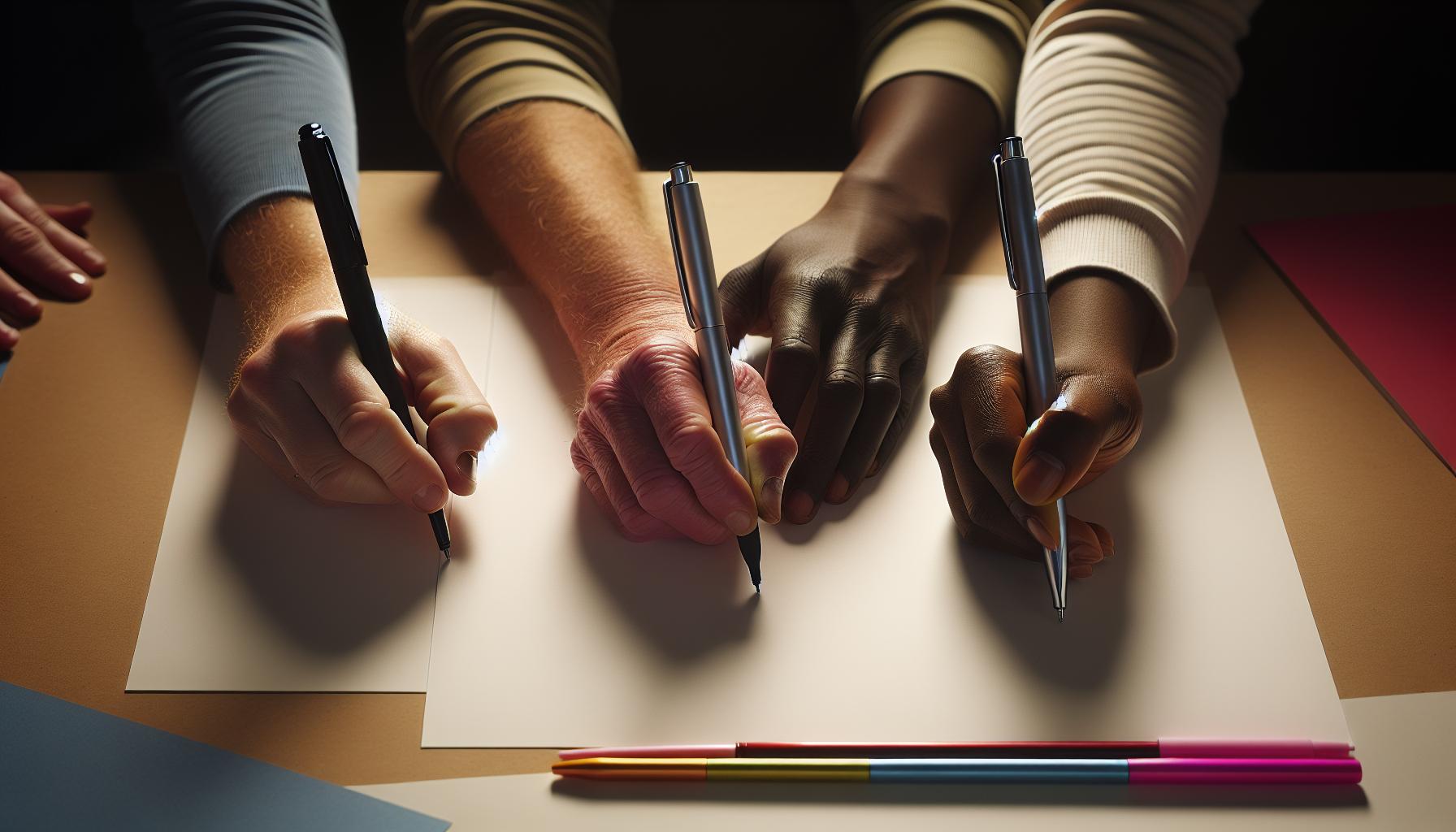
It’s no secret that left-handed writers face unique challenges in calligraphy, especially when it comes to grip techniques. The way you hold your pen can make a significant difference in the flow of your writing and the overall quality of your strokes. The key isn’t just about holding the pen correctly – it’s about maintaining control while ensuring comfort, which can sometimes feel elusive for lefties.
Start by experimenting with your grip. Many left-handed calligraphers benefit from a relaxed grip, where the pen rests lightly against the fingers. Unlike right-handed writers who can often use a more traditional grip, lefties might find comfort in holding the pen at an angle. Try holding the pen between your thumb and index finger, with your middle finger lightly supporting it. This allows for more flexibility and reduces hand fatigue during longer sessions. Remember to keep your wrist flexible-allow it to move naturally as you write. This can help avoid tension that leads to mistakes or inconsistency.
Another essential technique focuses on the angle at which you hold the pen. Adjusting the pen angle not only affects the line quality but also impacts visibility. Aim for about a 30 to 45-degree angle with the nib pointing upwards slightly. This positioning helps you maintain a clear line of sight as you work, minimizing the natural curl of your hand that can obscure your writing. As you practice, pay attention to your pressure; consistent, even pressure is crucial for smooth strokes and optimal ink flow.
Don’t hesitate to explore various grip styles as you develop your handwriting. Adding a slight twist of your wrist or modifying the index finger’s position can change everything. And always keep tools available that suit your left-handed needs, like pens with ergonomic designs. Ultimately, find what feels right for you; everyone’s grip will look a bit different. With time and practice, the right grip can help transform your calligraphy from a struggle into a beautiful expression of your artistry.
Choosing the Right Calligraphy Pen for Lefties
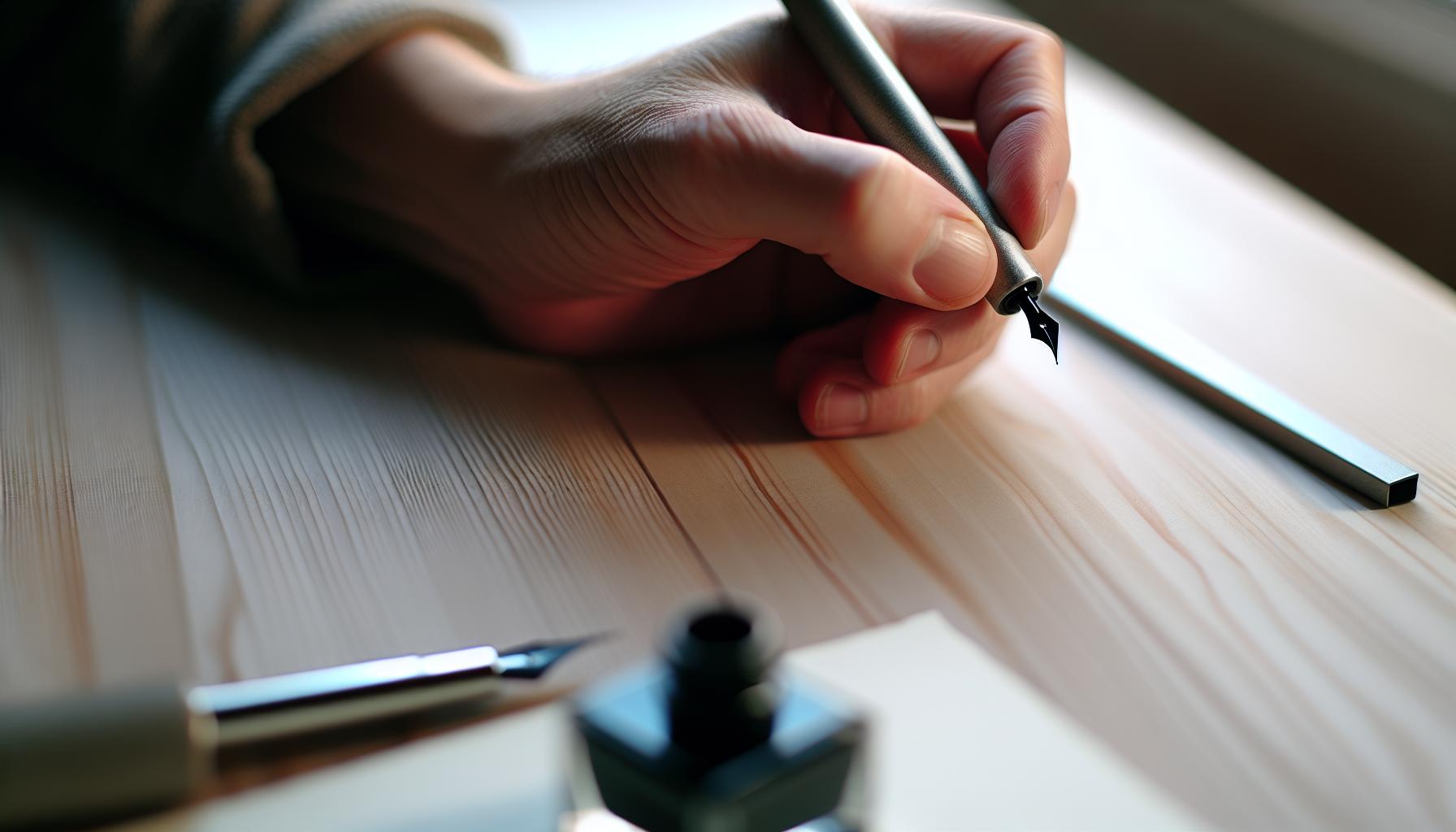
When it comes to calligraphy, selecting the right pen can be a game-changer for left-handed writers. Many lefties struggle with traditional fountain or calligraphy pens designed primarily for right-handed users, which often leads to uneven ink flow and awkward positioning. However, with a bit of insight, you can choose tools that work harmoniously with your natural writing style, making the art of calligraphy both enjoyable and fulfilling.
First, consider the pen’s grip and design. Left-handed calligraphy pens usually feature a more ergonomic shape that accommodates your grip. Look for pens that have a comfortable, contoured body to prevent hand cramps during those long practice periods. Pen nibs are another critical factor; broader nibs can be challenging for left-handers as they can smudge ink across your writing. Instead, opt for fine to medium nib sizes, which tend to glide more smoothly and allow for better control as you write. Brands like Speedball and Manuscript offer left-handed models that combine comfort with functionality.
Another important aspect is the ink itself. Choose fast-drying inks to prevent smudging. Inks specifically designed for calligraphy often dry quicker than conventional inks, giving you the freedom to glide your hand across the page without worrying about ruining your work. Experiment with different brands to see which flows best for your preferred pen and paper combination.
Finally, don’t overlook the paper. Not all paper will work well with all pens, especially for left-handers, where ink smudging can be a real concern. Look for paper that’s designed specifically for calligraphy; these papers are usually thicker and have a smoother finish, helping to prevent bleed-through and promote even ink distribution. Experimentation with various combinations will lead you to those perfect tools that enhance your calligraphy experience and set you on the path to creating stunning works of art.
Inks and Papers: Best Options for Left-Handed Calligraphers
When it comes to creating beautiful calligraphy, selecting the right ink and paper is just as crucial as your pen choice, especially for left-handed writers. Many lefties often encounter unique challenges with smudging and ink flow, making it vital to choose products that minimize these issues. Understanding your options can elevate your calligraphy game and help you express your creativity without the frustration of constantly wiping ink from your hand or page.
For left-handed calligraphers, fast-drying inks are a game changer. These inks minimize the risk of smudging, allowing you to write quickly and confidently without worrying about the trail your hand leaves behind. Look for inks specifically crafted for calligraphy. Brands like Noodler’s, Pelikan, and Sennelier offer inks that dry quickly, but you’ll want to test a few to see which works best with your chosen pen and paper. Additionally, the viscosity of the ink matters; a thicker, more viscous ink may flow better through the nib without pooling, which can lead to smudging.
When it comes to paper, opt for a surface designed explicitly for calligraphy. The ideal paper should be smooth and thick enough to handle multiple layers of ink without bleed-through or warping. Brands like Strathmore, Canson, and the Clairefontaine line provide excellent options that work well for calligraphy. You might want to consider vellum or bristol paper for their smooth texture and longevity. Experimenting will be key; try a few different types to see how they interact with your ink and nib.
Don’t forget about the size and texture of the paper. A good rule of thumb is to choose slightly textured paper if you’re using a broader nib, as it allows for some ink absorption, but stick with smoother finishes for fine nibs to ensure a clean line. Remember, though, that every lefty has unique preferences, so be patient in finding the ideal combinations that resonate with your style and comfort. Whether you’re crafting elegant invitations or journaling, the right ink and paper can make all the difference in your calligraphy journey.
Adjusting Your Writing Angle for Optimal Flow
Finding the right writing angle is crucial for left-handed calligraphers. Unlike right-handed writers, lefties often face challenges with ink flow and visibility. Adjusting your angle can make all the difference in achieving a smooth and consistent line. It’s not just about comfort; the right position impacts your control over the pen and the overall aesthetics of your work.
Start by positioning the paper at a slight angle to your body. Typically, this means tilting your sheet to the right, creating a comfortable visual alignment. Experiment with angles between 30 to 45 degrees. This can help your hand glide across the page while minimizing the chance of smudging. Remember to keep your wrist relaxed to maintain flexibility, allowing for fluid movements as you write. You might find that a rotation of the paper decreases the strain on your hand, providing a more natural writing experience.
Another technique involves how you hold the pen itself. For left-handers, gripping the pen at a slight backward angle can help maintain visual clarity without obstructing your view of the nib. A comfortable grip combined with the right paper orientation will encourage better ink flow and reduce the risk of blots or skips. Pay attention to how your pen interacts with the paper surface, as this can also impact your writing angle.
Finally, don’t hesitate to adjust your setup based on the type of calligraphy you’re practicing. Different styles might benefit from varying angles. For instance, modern calligraphy often allows for more freedom in movement, while traditional scripts may require more precision and stability. Keep experimenting until you find the sweet spot that works for you-your natural instincts will guide you toward the best angle for your unique handwriting style.
Specialized Left-Handed Calligraphy Styles
The beauty of calligraphy for left-handed writers lies in the ability to blend personal style with technical skill. Lefties often face unique challenges in this art form, such as ink smudging or difficulty seeing where they’re writing. However, embracing specialized calligraphy styles can enhance your experience and produce stunning results that showcase your individuality.
One approach to consider is modern calligraphy, which offers a relaxed and expressive style. Unlike the rigid structures of traditional scripts, modern calligraphy invites experimentation with letter shapes and flourishes. This flexibility can be particularly beneficial to left-handed writers, as it allows for a more natural hand position and movement. You can play with various tools, such as brush pens or fountain pens, to find a tool that feels comfortable, all while incorporating your own flair into each stroke.
Another rewarding avenue is italics, which often requires less precision compared to more formal scripts. Focus on the fluid motion of each letter-emphasizing the slant and the connecting strokes. As a lefty, maintaining a consistent angle is crucial, so position your paper at an angle that reduces the strain on your wrist while allowing you to glide smoothly from one letter to the next. This style not only accommodates your writing technique but also produces elegant and legible results.
Ultimately, the key is to explore and adapt. Test different styles like copperplate or gothic, adjusting your grip and paper position to find what suits you best. Left-handed calligraphy can be a journey of self-discovery, where each style you try can inform and enhance your unique print. Embrace the quirks of your left-handedness, lean into the challenges, and create pieces that are distinctly yours. With practice and creativity, you’ll find that left-handed calligraphy isn’t just achievable; it’s an incredible outlet for your artistic expression.
Avoiding Common Left-Handed Calligraphy Struggles
Left-handed calligraphers face distinct challenges that, when acknowledged and addressed, can turn into opportunities for refined technique and artistic expression. One of the biggest hurdles is ink smudging, as most lefties naturally drag their hands across the writing surface. To combat this, try positioning your paper at a slight angle-experiment with a position that feels comfortable yet allows your wrist ample room to maneuver without touching wet ink. Many left-handed calligraphers find the leftward tilt helps mitigate smudging and provides a clearer view of their work.
Another common struggle is the visibility of strokes. Lefties often have to contort their hands into awkward positions to see what they’ve just written. One solution is to practice writing from the bottom of the page upwards. This inverted style allows you to see each stroke without obstruction and can actually help develop a unique flair in your work. Additionally, using a transparent or lighter ink on a darker paper might enhance visibility as you work, making it easier to track your progress.
Adapting grip techniques can also make a significant difference. Many left-handed writers mistakenly grip their pens too tightly, which can cause uneven pressure and disrupted fluidity in their strokes. Focus on a relaxed grip, holding the pen closer to its tip for better control and to enhance fluid motion. It can be beneficial to use ergonomic pens designed for left-handed users, as these can help reduce strain during writing sessions.
In terms of practice, consider incorporating specific exercises to assist in overcoming these struggles. Try writing out simple strokes and letters repeatedly to build muscular memory while paying attention to your wrist and hand positioning. Integrating these strategies will help you gain confidence and ultimately lead to stunning calligraphic pieces that reflect your unique style, turning the challenges of left-handedness into strengths.
Practicing Calligraphy: Exercises for Left-Handers
Practicing calligraphy as a left-handed writer presents a unique set of challenges, but with the right exercises, you can elevate your skills and confidence. One effective approach is to focus on basic strokes, which form the foundation of letter creation. Spend time practicing vertical, horizontal, and curved lines. Start slow and gradually increase your speed as you gain control. Consider using graph paper or a guide that helps maintain consistent angles and spacing.
Another great exercise is to form letter shapes using repetitive actions. Start with a single character, such as “o,” and write it in a fluid motion until you feel comfortable. Move on to letters like “a” and “d,” which incorporate both straight and curved lines. By repeating each letter multiple times while paying attention to your grip and wrist position, you build muscle memory and develop a more fluid writing style.
To specifically address the common struggles of left-handers, try writing from the bottom of the page toward the top. This method reduces the chance of smudging and helps you maintain visibility on your strokes. You might also want to practice writing with your paper tilted at a slight angle to further minimize smudging while enhancing the natural flow of your pen.
Lastly, consider doing creative experiments, like varying your ink colors or trying different papers. This variety not only keeps your practice engaging but also allows you to explore how different mediums affect your writing style. Regular practice with these techniques will help you not only overcome challenges but also develop a personal calligraphic identity that showcases your skills brilliantly.
Tips for Maintaining Consistency in Your Handwriting
To achieve consistency in your calligraphy, especially as a left-handed writer, it’s crucial to establish a solid foundation in both technique and mindset. One of the best strategies is to maintain a regular practice schedule. Dedicate specific times each week to work on your calligraphy. Like any skill, consistency in practice is key; the more time you spend writing, the more your muscle memory will develop. Create a calming and distraction-free environment, as it will help you focus solely on your handwriting.
Using a light hand can significantly improve your consistency. Lefties often have a tendency to press too hard on the nib, which can lead to uneven lines and unwanted pressure on your wrist. Experiment with lighter strokes and find a balance that allows your pen to glide smoothly across the page. Additionally, pay close attention to your grip. Make sure you’re holding the pen in a way that feels comfortable and natural, as this will directly affect your control over the pen and the fluidity of your writing.
Another important factor is to keep your writing medium consistent. Whether it’s a specific type of paper or a favored ink, using the same materials during your practice sessions can lead to more predictable results. You might try different papers that suit ink flow and retention better for left-handed writers; for instance, smoother papers can help prevent ink bleeding and smudging.
It can also be helpful to set up guidelines to keep your letters uniform. Use grids or guide sheets if necessary. These tools can serve as visual aids, helping you maintain consistent heights and widths in your letters. And don’t forget-patience is key! Perfection takes time, so celebrate small achievements in your journey as a calligrapher. Keep refining your skills, and before you know it, you’ll notice a remarkable improvement in the consistency of your handwriting.
How to Clean and Care for Your Calligraphy Pen
To keep your calligraphy pen in shape and prolong its lifespan, proper cleaning and care are crucial. Left-handed calligraphers, in particular, may find that their writing styles can sometimes lead to ink pooling or smudging, making it even more essential to maintain a clean pen. Here are some practical steps and tips to help you manage your calligraphy tools effectively.
Start by cleaning your pen after each use. This prevents ink from drying and clogging the nib. Rinse the nib under lukewarm water, letting the water flow through the nib to flush out residual ink. If you’ve used a particularly stubborn ink or if your pen has been left unused for some time, consider submerging it in warm water for a few minutes. To ensure all residue is removed, use a soft brush, such as a toothbrush, to gently scrub the nib and feed. Avoid harsh scrubbing, as this can damage the delicate components.
Once it’s clean, make sure to dry your pen thoroughly. Pat the nib with a clean, lint-free cloth or paper towel, being careful not to apply too much pressure, which can bend or damage the nib. For reservoir pens, empty out any remaining ink and rinse the reservoir as well. Proper drying prevents rust and ensures the smooth flow of ink during your next writing session.
Store your calligraphy pen properly when not in use. Keep it upright in a holder to prevent the nib from getting damaged. If you use cartridge pens, it’s a good idea to remove cartridges that are nearing the end of their life, as old ink could dry out and clog the pen. If you’ve been using a bottled ink setup, consider investing in a pen case designed for calligraphers that includes sections for nibs and ink pots; this not only protects your tools but also keeps you organized.
Regular maintenance can greatly enhance the performance of your calligraphy pen and improve your overall writing experience, especially as a left-handed writer. By following these cleaning and care tips, you can ensure that your pen remains an extension of your creativity for years to come.
Resources for Left-Handed Calligraphy Enthusiasts
Left-handed calligraphers often find themselves navigating a world predominantly designed for righties, but that doesn’t mean you should compromise on your art. There’s a wealth of resources out there tailored specifically to meet the needs of left-handed writers, whether you’re just starting or looking to refine your skills.
One fantastic way to gain insights is by joining online communities centered around left-handed calligraphy. Platforms like Instagram and Pinterest are goldmines for discovering tips, techniques, and stunning works of art. You’ll also find a variety of instructional videos on YouTube that focus on left-handed calligraphy practices. Look for channels that specifically mention techniques for lefties to get the most relevant advice.
Books and Online Courses
There are several excellent books dedicated to calligraphy, many of which include sections specifically for left-handed writers. Titles like *The Art of Calligraphy* by David Harris provide not only techniques but also the historical context behind the craft. In terms of online education, platforms like Skillshare and Udemy offer courses taught by experienced calligraphers, some of whom are left-handed themselves. These courses often cater to different skill levels, so you can choose one that fits your current ability.
Tools and Supplies
Having the right supplies can make a significant impact. Look for calligraphy pens designed for left-handed users-these often feature nibs and grips that accommodate a natural writing posture. Specialty inks and papers that reduce smudging can also enhance your experience. Blogs and review sites focusing on art supplies often highlight these products, providing personal reviews from fellow left-handers.
Finally, don’t underestimate the power of practice and community support. Consider attending local workshops or meet-ups with other calligraphy enthusiasts. These gatherings are not only a great way to improve your skills but also to connect with others who share your passion.
With these resources at your fingertips, you’re well-equipped to embrace your calligraphy journey as a left-hander, ensuring that your unique style shines through every stroke. Dive in and enjoy the beautiful world of calligraphy!
Inspiring Left-Handed Calligraphers and Their Works
Left-handed calligraphers often inspire us with their unique styles and techniques, showcasing that artistry knows no handedness. Noteworthy figures in this niche have taken the challenge of adapting traditional methods and tools to suit their needs, creating stunning works that resonate with beauty and skill. Let’s dive into a few inspiring left-handed calligraphers whose dedication and creativity can motivate your own journey.
One standout is Jessica Hische, a renowned letterer and illustrator. Her work beautifully blends calligraphy with modern design, creating letters that flow effortlessly. Hische exemplifies how left-handed artists can innovate while staying true to classic aesthetics. You can learn a lot from her techniques, especially how she angles her pen to enhance the fluidity of her lines. Her social media platforms are filled with behind-the-scenes glimpses of her process, making it easier for you to glean tips that work.
Another notable name is Ian Barnard, who, though mildly ambidextrous, shares a great deal of wisdom for left-handed calligraphers. He emphasizes the importance of practicing unconventional strokes and encourages experimenting with different pen pressures on various papers. His tutorials often highlight techniques specifically designed for lefties, and his engaging style makes learning enjoyable. Following his work can provide practical insights that’ll help refine your own techniques and nurture your personal style.
To connect with more left-handed calligraphers, consider joining online groups dedicated to this art form. Many talented individuals share their techniques, struggles, and triumphs, creating a supportive network. Engaging with these communities can spur your creativity and help you overcome common left-handed challenges like smudging or awkward angles.
In summary, exploring the works of these inspiring calligraphers and actively participating in supportive communities can greatly benefit your practice. Embrace the unique perspective you bring as a lefty, and don’t hesitate to share your own artistic journey. Who knows? Your work might inspire the next wave of aspiring calligraphers!
Frequently Asked Questions
Q: What are the best calligraphy pens for left-handed writers?
A: The best calligraphy pens for left-handed writers include those with ergonomic designs, such as the fountain pen with a fine nib or brush pens with flexible tips. Look for pens that minimize ink smudging and dry quickly to enhance your writing experience, ensuring your work stays clean and sharp.
Q: How can left-handed calligraphers improve their technique?
A: Left-handed calligraphers can improve their technique by experimenting with different grips and angles. Practicing with specialized left-handed guides, adjusting your pen position to avoid smudges, and utilizing smooth paper can also significantly enhance your fluidity and consistency in writing.
Q: What angle should left-handed calligraphers use when writing?
A: Left-handed calligraphers should typically use an angle of about 30 to 45 degrees to the right of the vertical. Adjusting your hand position to this angle can help achieve smoother strokes and reduce wrist strain, enabling a more comfortable writing experience.
Q: Are there specific calligraphy styles that suit left-handed writers better?
A: Yes, styles like modern calligraphy and italic script tend to be more forgiving for left-handed writers. These styles allow for more upward strokes and less pressure on the paper, making them easier to master while avoiding common smudging issues.
Q: How can left-handed calligraphers avoid smudging their work?
A: To avoid smudging, left-handed calligraphers should write slowly and use quick-drying inks. Additionally, employing a paper towel or scrap paper under your hand can protect your writing while you work, maintaining the integrity of your finished piece.
Q: What paper is best for left-handed calligraphy?
A: The best paper for left-handed calligraphy is smooth, bleed-proof paper that allows ink to dry quickly. Look for papers like Bristol board or hot-press watercolor paper, which provide a nice surface for flowing, clean strokes without feathering or smudging.
Q: How often should left-handed calligraphers practice to improve?
A: Left-handed calligraphers should aim to practice at least a few times per week, even if only for 15-30 minutes. Consistent practice helps build muscle memory and improves comfort with the pen, enhancing overall skill and confidence in your calligraphy.
Q: Can left-handed individuals learn traditional calligraphy styles effectively?
A: Yes, left-handed individuals can learn traditional calligraphy styles effectively. With the right techniques and tools,, they can master styles like Copperplate or Gothic. Focus on finding the right grip and angle to suit your writing style, and you’ll see improvement over time.
In Conclusion
Now that you’ve learned how to master your calligraphy pen as a lefty, it’s time to put those tips into practice! Remember, every stroke brings you one step closer to elevating your writing skills. If you’re eager to dive deeper, check out our guide on selecting the best calligraphy supplies or explore techniques to enhance your lettering style.
Don’t forget to subscribe to our newsletter for more exclusive content and join our community of passionate writers in the comments below-share your progress and any questions you have! Your journey into the beautiful world of calligraphy is just beginning, and we’re here to support you every step of the way. Keep practicing, stay inspired, and let your creativity shine!
Get our latest guides, news, and insights highlighted in your Google Search & AI Overviews.