
Using a calligraphy pen for the first time can be exhilarating but also intimidating. Did you know that many beginners struggle with the basic techniques that can make or break their experience? If you want to avoid common pitfalls and unleash your creativity, this guide is for you. We’ll walk through essential tips and tricks that will make your first attempts at calligraphy enjoyable and successful. Whether you’re looking to craft beautiful wedding invitations or just express yourself artistically, understanding the right techniques is crucial. Dive in, and let’s turn your ink strokes into art while sidestepping the mistakes many beginners make. Your calligraphy journey starts here!
Choosing the Right Calligraphy Pen for Beginners
When stepping into the world of calligraphy, the type of pen you choose can significantly affect your experience and, ultimately, your outcome. Many beginners start with a fascination for beautiful letters but can easily feel overwhelmed by the multitude of pen options available. Here’s the truth: selecting the right calligraphy pen doesn’t have to be complicated. It’s about finding a pen that aligns with your style and comfort level.
The most common types for beginners include fountain pens, brush pens, and dip pens. Fountain pens are excellent for their ease of use; they offer consistent ink flow and don’t require frequent refilling. Brush pens, on the other hand, mimic the fluidity of a paintbrush and are great for achieving varied line thickness based on pressure, making them ideal for modern calligraphy styles. Dip pens provide the most versatility, allowing you to swap out nibs for different effects, but they do require practice with ink dipping and can be a bit messier.
When deciding, pay attention to the nib size and flexibility. A medium nib is often a safe bet for beginners, providing a balanced experience without overwhelming you with too much line variation. Flexible nibs can create beautiful flourishes but take more skill to control. Additionally, consider your grip; a pen with an ergonomic design can make long practice sessions much more enjoyable, preventing hand fatigue. Ultimately, the right pen should feel comfortable in your hand and inspire you to create.
Experiment with different pens to discover what feels best for you. Take your time exploring each style, and don’t hesitate to invest a little more in a quality pen that suits your needs. Each stroke you make will bring you closer to developing a unique style that reflects your personality and creativity in calligraphy.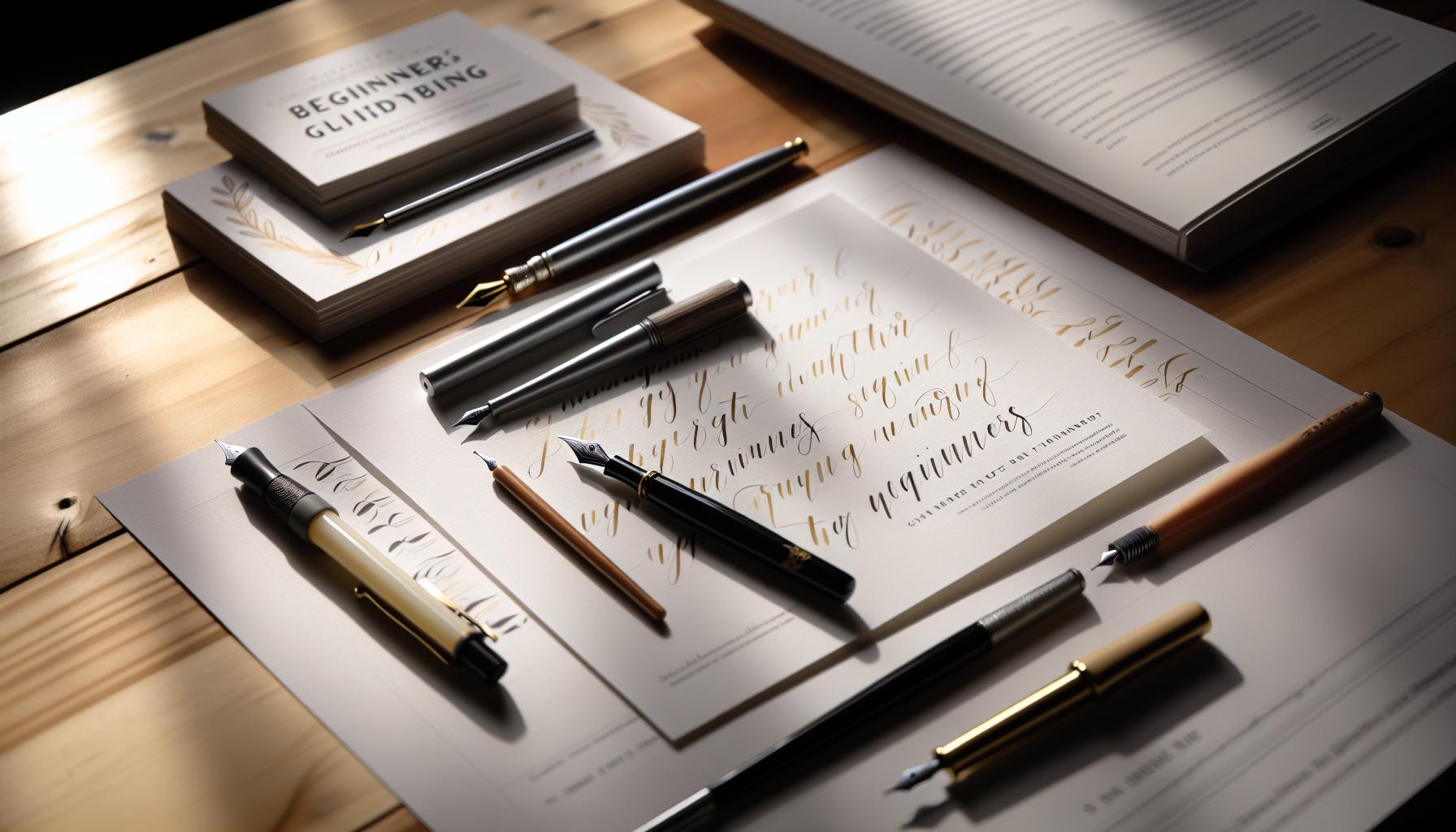
Essential Supplies for Your Calligraphy Journey
To truly embark on your calligraphy journey, having the right supplies is crucial. It’s not just about the pen; your overall experience and the quality of your work will improve significantly with a thoughtfully assembled toolkit. First, start with your primary tool-the pen. Choose between brush pens, fountain pens, or dip pens based on your comfort and desired style. Brush pens are fantastic for beginners due to their ease of use and versatility in line width. Fountain pens offer convenience with consistent ink flow, while dip pens allow for a wide variety of nibs that can create different styles but may take some getting used to.
Next, invest in quality ink. Water-based inks are popular among beginners because they’re easier to work with and clean up compared to their oil-based counterparts. You’ll also want to select paper that can withstand ink without bleeding through-look for smooth, quality paper specifically designed for calligraphy. This type of paper allows for crisp edges and helps prevent frustration from smudges or paper tearing. If you want to practice, affordable sketch pads can work too, just keep in mind they might not yield the same level of finesse as dedicated calligraphy paper.
Furthermore, don’t overlook the importance of guidelines and templates. When you’re just starting out, having lines to follow can help keep your lettering consistent. You can easily find printable templates online or even create your own to practice different styles. Enhance your practice with a straightedge ruler and a few pencils to draft light guidelines.
It’s also wise to consider cleaning supplies. Ink can be messy, so keeping paper towels and an ink cleaner handy will save you from unexpected leaks and spills. As you gather your supplies, remember, this journey is about finding what works best for you. Don’t be afraid to explore different tools and materials. Each supply can significantly impact your learning and creativity, paving the way for the beautiful art of calligraphy you wish to create.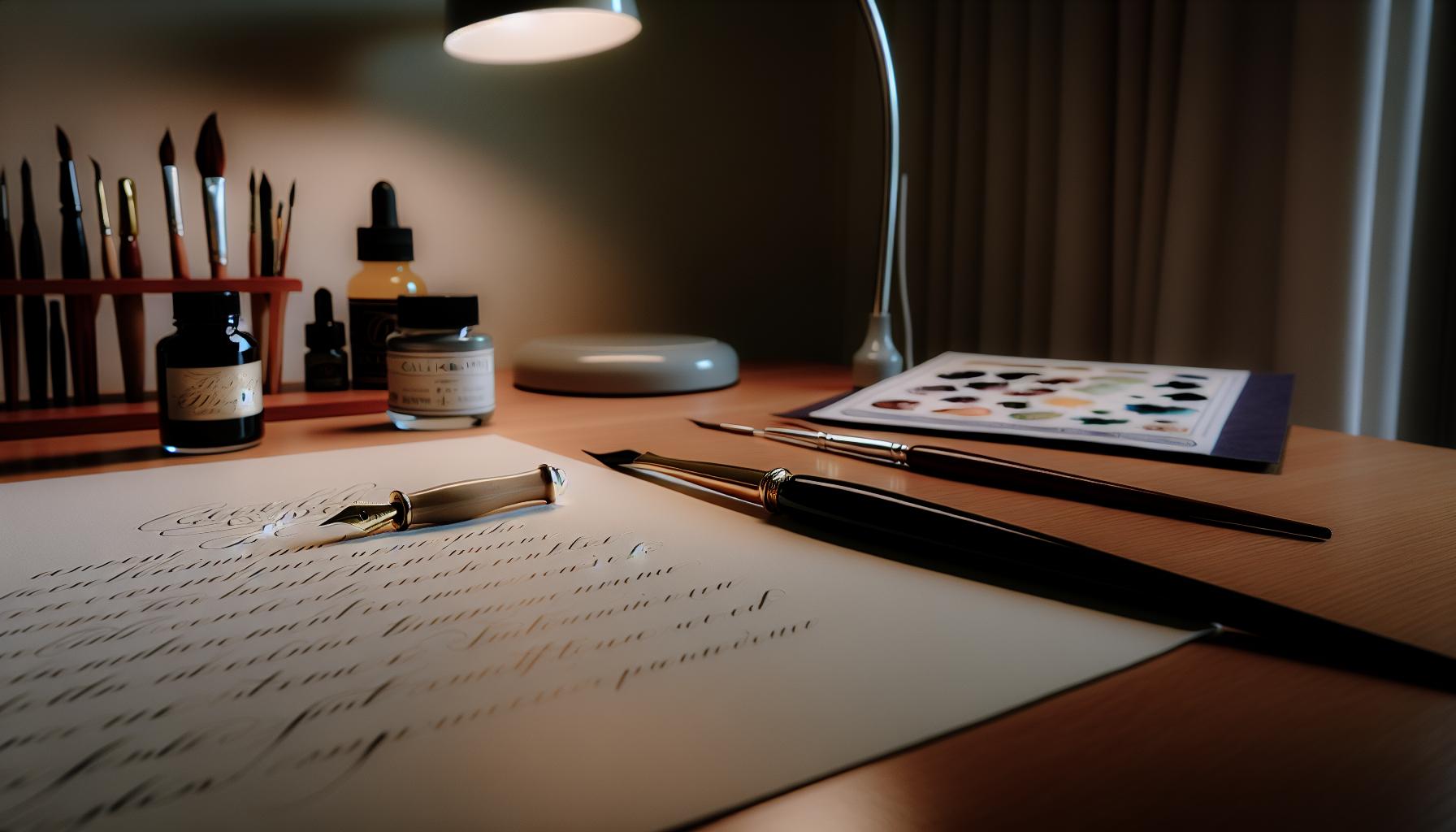
Mastering Basic Calligraphy Strokes
Mastering the essential strokes in calligraphy can feel daunting at first, but it’s the foundation of your artistic journey. These strokes define your personal style and can elevate your work from basic to beautiful with practice. Start with the fundamental motions, such as upward and downward strokes, loops, and connectors.
To begin, hold your pen at a 45-degree angle. This angle is key; it allows the nib to glide smoothly across the paper and creates those elegant thick and thin lines that characterize calligraphy. Aim for controlled, steady movements. Here are some fundamental strokes to practice:
- Upward Stroke: Light pressure on your pen; let the nib trace a fine line upwards.
- Downward Stroke: Increase pressure for a thicker line as you draw downward.
- Loop: Create a round loop, practicing both the entry and exit points.
- Connector: Practice the transition between letters with smooth connecting strokes.
As you practice these strokes, keep a notebook dedicated to your calligraphy exercises. Track your progress by repeating each stroke multiple times, and don’t rush. It’s all about muscle memory and finding a rhythm that feels comfortable for you. Expect to see variations in your strokes as you experiment with pressure-this variation is what brings your letters to life.
Don’t forget-mistakes will happen; they’re part of the learning process. Instead of getting frustrated, view each slip-up as a lesson. By recognizing what went wrong, you can adjust your technique and improve over time. With patience and regular practice, you’ll soon find that your confidence builds alongside your skills.
Common Mistakes to Avoid When Starting
Starting your calligraphy journey can be thrilling, but it’s easy to stumble into common pitfalls that hinder your progress. For many beginners, the excitement can lead to impatience. You might rush through practice sessions, overlooking the importance of mastering the fundamentals. Remember, calligraphy is an art that requires finesse. Slow down and take the time to perfect your strokes. Consistent practice with focus will lead to better results than erratic, rushed attempts.
Another frequent mistake is not experimenting with the pressure applied to the pen. Finding the balance between light and heavy pressure is crucial for achieving those beautiful thick and thin lines that define calligraphy. Many beginners either press too hard or don’t press down enough, which can result in flat, lifeless letters. Start with light strokes, gradually increasing pressure on your downward motions, and pay attention to how the nib interacts with the paper. This trial-and-error process not only enhances your technique but also contributes to developing your unique style.
Additionally, it’s tempting to become overly critical of your work right from the start. Many new calligraphers get discouraged by their perceived imperfections. Embrace imperfections as part of your creative process! Keep a notebook where you not only practice strokes but also note your thoughts. Reflecting on your journey and recognizing improvement, however incremental, can help build your confidence. And don’t shy away from revisiting old projects with a fresh perspective; what once felt inadequate may reveal valuable insights on your growth.
Finally, avoid sticking to only one style or resource. Explore and dabble in various calligraphy styles and techniques. This not only keeps your practice sessions exciting but also broadens your skill set. Joining online communities or local workshops can provide fresh ideas and inspire you as you share your experiences with fellow calligraphy enthusiasts. The world of calligraphy is vast, and finding your niche will only enhance your enjoyment and mastery of the craft.
Understanding Ink Types and Their Impact
Understanding the different types of ink available is essential for anyone serious about calligraphy. Each type brings its unique properties to the table, impacting both the process and the final result of your work. Choosing the right ink can make the difference between a frustrating experience and a smooth, enjoyable one.
Ink types generally fall into two categories: pigment-based and dye-based inks. Pigment-based inks are less prone to fading and water damage, making them an excellent choice for works that you want to last. They produce a rich color and are often more opaque, which means that they can cover mistakes better and provide more consistent results on different types of paper. On the other hand, dye-based inks are usually more vibrant and flow more easily, helping your pen glide over the paper. However, they can sometimes bleed and are more susceptible to fading over time, so consider this when making a selection.
Ink viscosity also plays a significant role in your calligraphy experience. Thicker inks tend to sit on the surface and require more effort to move the pen, while thinner inks flow more freely, which can help in achieving those delicate strokes. If you’re just starting out, trying a variety of inks can be beneficial. You might prefer one that offers a good balance of flow and opacity for your style.
Finally, don’t underestimate the impact of ink color. While black is the classic go-to for beginners, experimenting with different colors can add personality to your work. Just ensure that the ink complements your paper’s texture and color to achieve the best result. Consider keeping a journal to test out different inks and paper combinations, documenting what works best for you. This practice not only builds your confidence but also helps refine your technique as you discover how each ink behaves under your hand.
How to Prepare Your Calligraphy Workspace
Creating the right environment for your calligraphy practice is just as crucial as mastering the technique itself. Picture this: a well-organized, calm space where your creativity can flow without interruptions. This isn’t just about aesthetics; it’s about ensuring you’re set up for success, especially when you’re new to using a calligraphy pen.
Start by choosing a flat, stable surface to work on. Your desk or dining table is ideal. Ensure it’s at a comfortable height, so you don’t strain your back or shoulders. Your chair should support good posture; remember, you’ll be spending a good amount of time in this spot. Good lighting is essential too-natural light works wonders, but if that’s not an option, invest in a quality desk lamp that imitates daylight. This will help reduce eye strain and enable you to see your strokes clearly.
Next, gather your supplies and keep them within reach. A tidy workspace not only makes it easier to find what you need but also minimizes distractions. Organize your tools, such as different calligraphy pens, inks, and papers. Consider using a small caddy or drawer to keep everything in order. Having a dedicated area for practice-not just a corner of another workspace-helps build a habit. Lay out everything you’ll need, including practice sheets and reference materials, making your transition into calligraphy smooth and enjoyable.
Finally, incorporate a few personal touches that inspire you. This could be a favorite quote, some art books, or even a small succulent plant. Your workspace should feel welcoming and energizing. By curating your environment, you’re not only setting the stage for your calligraphy practice but also fostering a positive mindset that encourages exploration and growth. With these elements in place, you’re ready to plunge into the wonderful world of calligraphy without the fuss!
Step-by-Step Guide to Holding a Calligraphy Pen
Getting comfortable with your calligraphy pen is crucial to achieving beautiful results. If you grip it too tightly or hold it awkwardly, you’ll struggle to produce the elegant lines that define calligraphy. Here’s how to hold your pen properly, setting you up for success right from the start.
Start by positioning your pen between your thumb and index finger, similar to how you’d hold a regular writing instrument. This grip allows for flexibility and control. Your middle finger should gently support the pen from below. It’s important that your grip is relaxed-too much pressure will tire your hand quickly and lead to shaky lines. The goal is to keep the pen stable while allowing for fluid movement.
Next, aim to hold the pen at a slight angle-around 30 to 45 degrees relative to the paper. This angle is vital as it will influence the stroke width and the flow of ink. You want to find a position that feels natural, so don’t hesitate to adjust until you feel comfortable. Remember, practice is key here; the more you use the pen, the more natural it will feel.
Finally, let your wrist relax. Instead of just moving your fingers, incorporate your whole arm for larger strokes. This technique helps create smoother, more controlled lines. Practice using long, sweeping motions as you write out simple shapes or letters. Gradually, you’ll build up muscle memory, making it second nature to hold your pen correctly while you create beautiful letterforms. Stick with it, and you’ll find that mastering this foundational skill will enhance your calligraphy experience significantly.
Practicing with Guidelines and Templates
There’s no denying that can transform your calligraphy journey from frustrating to fulfilling. These tools are your roadmap, helping you navigate the intricacies of letterforms and spacing, especially when you’re just starting out. Using guidelines not only helps maintain consistent sizing but also trains your eye to understand the flow and structure of each character, which is crucial in developing your unique style.
Start by printing out or drawing guidelines on blank paper. You can create simple lines to represent baseline, x-height, and ascenders/descenders. These should reflect the specific style you are attempting to master. For instance, if you are practicing a more ornate script, your guidelines should be more pronounced to accommodate those elegant loops and flourishes. Once you have your guidelines set up, grab your calligraphy pen and start tracing over these lines. The repetitive motion will reinforce muscle memory, making it easier to remember what a well-formed letter looks and feels like.
Templates are another fantastic resource. You can find pre-made templates online for various alphabets and styles. These templates serve as a useful reference point and a benchmark for your practice. Try not only tracing them but also writing alongside them, aiming to match the flow and rhythm of the letters. As you gain confidence, start experimenting with the templates by adding your personal flair-this is where your unique style begins to emerge.
Lastly, don’t overlook the power of feedback. If possible, share your practice sheets with friends or seek out online communities. Posting your work can provide valuable insights on what’s working and what areas need improvement. Remember, every stroke counts, and using guidelines and templates strategically will set you on the path to developing beautiful, fluid calligraphy.
Exploring Different Calligraphy Styles
When it comes to calligraphy, diving into various styles can be one of the most exciting yet daunting parts of your creative journey. Each style tells a story and can evoke different emotions-be it the elegance of Copperplate or the boldness of Gothic script. Understanding the nuances of these styles not only helps you choose which speaks to you most but also enhances your overall skill set.
Discovering Popular Styles
There’s a myriad of calligraphic styles, and each has its own set of characteristics. Here are a few popular ones to explore:
- Western Script: Known for its fluid lines and elegant strokes, Western script encompasses styles like Italic and Copperplate, perfect for formal invitations or elegant letters.
- Gothic: This style is characterized by its bold, angular shapes and is often associated with medieval manuscripts. It’s striking for titles and decorative work.
- Brush Lettering: A modern take that combines the fluidity of brush strokes with calligraphy, making it approachable and trendy for personal and social signage.
- Chinese Calligraphy: This ancient art form focuses on brush technique and the philosophy of balance and stroke order, inviting a meditative practice as you learn.
Choosing Your Style
Start by experimenting with a few different styles to see which resonates with you. You might find that a style like Italic allows for fluid movement, whereas a Gothic style might present a rich challenge that enhances your control. Don’t be afraid to mix techniques; many calligraphers develop a personal style that combines elements from various traditions.
A great way to practice is to create a “style portfolio.” Dedicate a sketchbook to each style you try. Write quotes or phrases you love in each style, and you’ll not only see your progress but also create a reference for the future. This also allows you to evaluate what feels most comfortable and aesthetically pleasing to you-crucial for your growth as a calligrapher.
Finally, observe and learn from existing works in each style. Books, online tutorials, and community workshops are invaluable resources. Engaging with other enthusiasts can inspire new techniques and keeps the passion alive. Remember, it’s about the journey as much as the destination-each letter penned is a step closer to finding your signature style.
Tips for Building Confidence in Your Skills
Starting with calligraphy can feel intimidating, but building confidence in your skills is absolutely achievable with the right mindset and approach. One of the key factors to gaining confidence is consistency. Set aside regular practice time to familiarize yourself with your pen and ink. Even short, focused sessions can work wonders for your comfort level. Remember, progress isn’t always visible day by day, but over time, your hands will grow accustomed to the movements required for beautiful lettering.
Another effective way to boost your confidence is to embrace mistakes as part of the learning process. Every calligrapher, no matter how seasoned, has made their share of errors. When you make a mistake, see it as an opportunity to reflect on what went wrong. Instead of discarding a piece, try to learn from it. Perhaps you’ll notice that your hold or pressure was inconsistent. This mindset shift transforms frustration into a valuable part of your journey.
Additionally, practicing with guides or templates can significantly reduce anxiety about freehand writing. Use resources like printable calligraphy sheets that allow you to trace or follow along. This not only helps improve your precision but also gives you a reassuring framework to build your skills. As you fill out these templates, you’ll start to see your letters take shape, which can be incredibly motivating.
Don’t overlook the power of community. Surround yourself with fellow enthusiasts through workshops, online forums, or social media groups. Sharing your work and receiving constructive feedback creates a supportive environment that fosters growth. Watching others progress can inspire you and remind you that every calligrapher started somewhere. Celebrate your small wins, share your journey, and remember: every stroke you make is a step toward mastering this beautiful art form.
Troubleshooting Common Calligraphy Problems
Starting with calligraphy can feel a bit like navigating a maze, especially when things don’t go as planned. Don’t worry-most beginners encounter a handful of common issues that can be quickly resolved. Understanding what might go wrong and how to fix it can make all the difference on your calligraphy journey.
One of the most frequent problems is inconsistent ink flow. If your pen isn’t getting enough ink, or if it’s leaking everywhere, check the nib and ink supply. For fountain pens, make sure you’re using the right ink cartridge. If you’re using a dip pen, ensure that the nib is properly dipped, but not overloaded. A simple shake can help eliminate excess ink on the nib. Similarly, for felt-tip pens, if the tip seems dry, try storing the pen horizontally for a while or giving it a tap against a sheet of scrap paper to encourage ink flow.
Another common hurdle is hand fatigue, especially if you’re gripping the pen too tightly. Remember, a light grip is key to smooth motion. If your hand gets tired too quickly, try taking regular breaks or stretching your fingers. Also, adjusting your writing angle can reduce strain-experiment with different positions until you find what’s comfortable. A relaxed hand not only feels better but leads to smoother, more controlled strokes.
Finally, let’s address uneven letter sizes. If you notice that some letters are substantially bigger or smaller than others, it may be time to revisit your practice with guidelines. Practicing with pre-printed sheets or using grid paper can help you maintain consistent sizing. As you develop your skills, try drawing guides lightly in pencil, making it easier to keep track of proportions without the lines showing in your final work.
Addressing these issues will boost your confidence and enhance your calligraphy experience. Remember, it’s all part of the learning curve. The more you practice and troubleshoot, the more fluid and enjoyable your writing will become.
Resources for Further Learning and Inspiration
Looking to take your calligraphy skills to the next level? Whether you’re struggling with basic strokes or just eager for inspiration, there are countless resources at your fingertips that can help you refine your technique and spark creativity.
Start with online tutorials and classes, which can offer structured learning at your own pace. Websites like Skillshare and Udemy feature courses tailored for beginners, covering everything from foundational techniques to advanced styles. YouTube is another goldmine for free tutorials where experienced calligraphers share tips and demonstrations. Just search for “beginner calligraphy” or “calligraphy techniques” to find a wealth of videos that cater to your learning style.
Books are also invaluable. Titles like The Complete Calligraphy Handbook and The Art of Calligraphy provide detailed guidance on tools, techniques, and styles. Look for workbooks specifically designed for practice; they often include tracing guides that can help you learn control and fluidity. Don’t forget the classics too-check your local library for books on historical scripts that could inspire a deeper understanding of the art form.
Additionally, communities can play a vital role in your learning journey. Joining online forums or social media groups dedicated to calligraphy can connect you with fellow beginners and seasoned pros. Share your work, get feedback, and even participate in challenges that encourage consistent practice. Sites like Instagram and Pinterest are great for discovering artists and for viewing unique styles that can ignite your creativity.
Lastly, consider setting up a dedicated calligraphy space that feels inviting. Surround yourself with inspiration, maybe some of your favorite quotes in beautiful scripts, and always keep your materials organized. This not only makes practice easier but can also serve as a daily reminder of your creative goals. Embrace the journey-every stroke is a step toward improving your technique and developing your unique style!
Faq
Q: How do I start using a calligraphy pen as a beginner?
A: To start using a calligraphy pen, first, choose a beginner-friendly pen, such as a fountain or dip pen. Practice holding the pen at a 45-degree angle to the paper, and make light strokes to get comfortable with the pressure and flow of the ink. Refer to the “Step-by-Step Guide to Holding a Calligraphy Pen” section for detailed instructions.
Q: What are common mistakes to avoid when using a calligraphy pen?
A: Common mistakes include applying too much pressure, which can cause ink blots, and rushing the strokes. Always take your time, practice consistent pressure on your pen, and be mindful of your ink flow. Check the “Common Mistakes to Avoid When Starting” section for more insights.
Q: How can I improve my calligraphy skills quickly?
A: To improve quickly, practice daily using guidelines and templates. Focus on mastering basic strokes thoroughly before moving on to full letters. Join calligraphy communities or classes for helpful feedback and tips. The “Practicing with Guidelines and Templates” section can provide specific tools to enhance your skills.
Q: What ink should I use for calligraphy?
A: Use water-based inks or specifically formulated calligraphy inks to prevent bleeding and ensure smooth flow. Avoid using standard fountain pen ink, as it may not perform well with all calligraphy pens. Check out the “Understanding Ink Types and Their Impact” section for more detailed recommendations.
Q: How can I set up my workspace for calligraphy?
A: To set up your calligraphy workspace, choose a flat, well-lit surface free from distractions. Keep your tools organized and have a refillable ink bottle and a clean rag nearby for any spills. The “How to Prepare Your Calligraphy Workspace” section offers tips for an ideal setup.
Q: What are the best practices for holding a calligraphy pen?
A: Hold the pen lightly, with your fingers forming a comfortable grip while maintaining control. Keep your wrist relaxed and move from your elbow for wider strokes. The “Step-by-Step Guide to Holding a Calligraphy Pen” section provides helpful visuals to perfect your grip.
Q: How do I choose the right calligraphy style for beginners?
A: As a beginner, start with simpler styles like Copperplate or Italic that emphasize clarity and flow. Avoid overly intricate styles until you’re comfortable. Explore “Exploring Different Calligraphy Styles” to find one that resonates with you and matches your goals.
Q: Why is practicing consistently important for learners of calligraphy?
A: Consistent practice builds muscle memory, improving your control and confidence with the pen. Aim for focused, short sessions rather than infrequent long periods to reinforce skills without frustration. For strategies, see the “Tips for Building Confidence in Your Skills” section.
The Conclusion
Now that you’re equipped with the basics of using a calligraphy pen, it’s time to put those skills into practice and avoid common pitfalls. Remember, mastering calligraphy takes time, so don’t rush it! If you’re eager to dive deeper, check out our articles on “Common Calligraphy Mistakes” and “Choosing the Right Calligraphy Pen.” These resources will help you polish your technique and expand your toolkit.
Ready for your next step? Grab your pen and start practicing today! Share your progress in the comments-your journey could inspire others. And if you want more tips and tutorials, consider signing up for our newsletter; it’s a great way to stay connected and keep your skills sharp.
Don’t forget to explore our selection of high-quality calligraphy supplies to ensure you have the best tools for the job. Your beautiful lettering is just a few strokes away!
Get our latest guides, news, and insights highlighted in your Google Search & AI Overviews.