
Loading a manuscript calligraphy pen might seem daunting at first, but it can actually be a quick and enjoyable process. If you’ve ever struggled with inkwells that leak or tips that won’t flow, you’re not alone. The right technique not only saves you time but also enhances your writing experience, allowing you to focus on your creativity rather than your supplies. In this guide, I’ll share simple steps to fill your pen effectively, ensuring you’re ready to craft beautiful lettering without the frustration. Let’s dive in and discover how you can keep your pen performing at its best, so you can enjoy every moment of your calligraphy journey!
To load a calligraphy pen, unscrew the barrel from the grip section, press a compatible cartridge or piston converter firmly onto the feed nipple until the internal seal punctures, and allow 30 to 60 seconds of vertical capillary draw before initial lettering on scrap paper.
Choosing the Right Manuscript Calligraphy Pen for You
Choosing the right manuscript calligraphy pen is like picking the perfect tool for an artist; it can dramatically impact your work and your enjoyment of the art. Different pens offer varying levels of control, flexibility, and ink flow, which can greatly influence the final product of your artistry. Whether you’re just beginning your calligraphy journey or you’re a seasoned pro, selecting a pen that suits your style and needs will enhance your creative process.
First, consider the type of nib you’re drawn to. Broad nibs are fantastic for dramatic strokes and flourish, ideal for invitations or decorative pieces. On the other hand, fine nibs provide precision for detailed work and smaller writing. You might also find adjustable nibs, which allow you to switch between broad and fine writing, offering versatile performance depending on the project. Don’t forget about grip comfort; a pen that feels good in your hand makes a world of difference during longer writing sessions.
Next, think about ink compatibility. Some pens perform better with specific ink types-whether it’s bottled ink, cartridges, or even brush pens. Experimenting with various inks can yield surprising results, so don’t hesitate to test a few. It’s also wise to choose brands recognized for their quality. Read reviews and ask fellow calligraphers about their experiences to find a reliable pen that suits your artistic flair.
Lastly, pay attention to your budget. There’s a vast range of prices, from economical options perfect for beginners to luxurious ones that might be considered a worthy investment for advanced users. The right pen for you will strike a balance between quality and affordability, ensuring that you have the best tool at your disposal without breaking the bank. Take your time to explore various options, and remember: the best pen is the one that inspires you to create beautifully.
Essential Supplies for Loading Your Pen
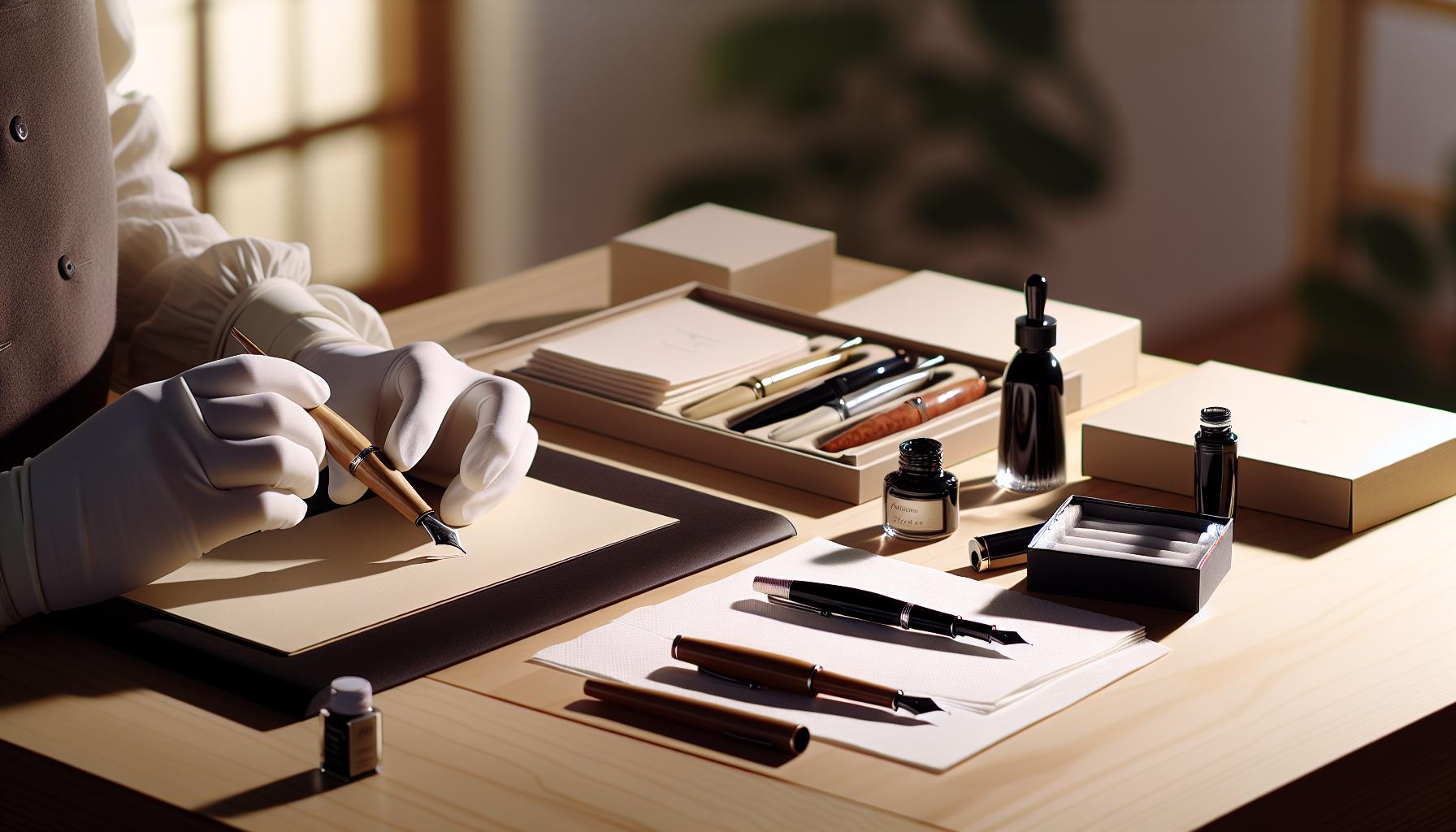
To get your manuscript calligraphy pen ready for a smooth writing experience, having the right supplies on hand can make all the difference. A well-stocked workspace not only streamlines the ink loading process but also sets you up for success on your creative projects. Here’s what you’ll need to load your pen efficiently.
Start with quality ink that’s compatible with your pen. Whether you’re using bottle ink or cartridges, make sure it’s designed for calligraphy. Bottled inks come in a variety of colors and consistencies, allowing for experimentation and creativity. When using a bottle, you’ll need a syringe or an ink dropper for easy filling. For those using cartridges, familiarize yourself with how to insert them properly, as some pens require a little more finesse to avoid ink spills.
Next, gather essential tools that simplify the loading process. A clean workspace is crucial; spills happen, and ink can stain surfaces. Have a paper towel or wipes handy for quick clean-up. A small jar or cup for dipping your nib in ink can also be useful, especially if you prefer traditional dipping methods. Additionally, keep a nib holder and extra nibs available, since switching nibs can alter the flow and style of your writing, allowing for more versatility in your calligraphy.
To maintain a consistent ink flow, consider using a nib that matches the ink’s viscosity. If you’re working with thicker inks, a broader nib will help. If you’ve got thinner inks or are seeking a more delicate line, choose a finer nib. Sometimes, it might take several trials to find the perfect combination, so don’t hesitate to experiment!
With these supplies in place, you’ll be well-equipped to load your manuscript calligraphy pen effectively. Each step of the process can enhance your craft and help you achieve the results you’re looking for. Happy writing!
Step-by-Step Guide to Loading Your Pen
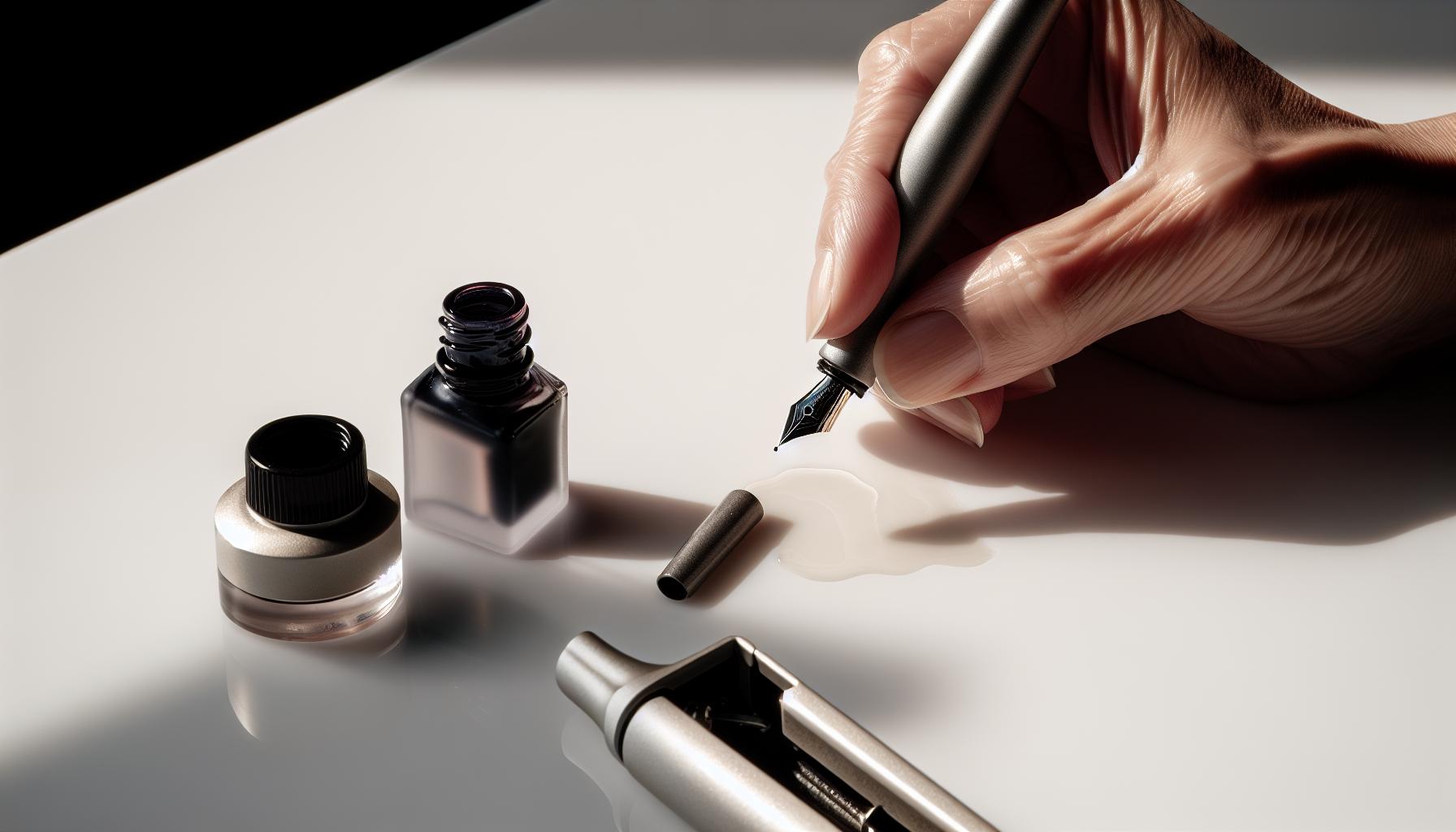
To fill your manuscript calligraphy pen quickly and easily, follow a few straightforward steps that will help prevent common issues and ensure a smooth writing experience. Start by gathering your supplies: high-quality ink suited for your pen type, a clean workspace, and your chosen filling tool-whether that’s a syringe, dropper, or just the cartridge if that’s your preference. It’s essential to have everything organized before you begin, as an uncluttered space will make the loading process much smoother.
Step-by-Step Loading Instructions
- Prepare Your Ink: If using bottled ink, shake it lightly to mix any settled pigments. If you’re using cartridges, make sure you have the right type for your pen.
- Filling Method: For bottled ink:
– Syringe/Dropping Method: Draw ink into your syringe or dropper, filling it to about three-quarters full. When ready, carefully insert the nib into the bottle and slowly expel the ink into the reservoir. This method reduces air bubbles that can disrupt ink flow.
– Dipping Method: Dip the nib into the ink, ensuring it is submerged enough to fill the nib but not so deep that it clogs. Lift it out slowly, allowing any excess to drip back into the bottle.
- Check the Nib: After filling, take a moment to inspect the nib. Wipe away any excess ink that might cause messy lines or splatters. A clean nib ensures a more controlled ink flow.
- Test Before Use: Once loaded, test the pen on a scrap piece of paper. This lets you check the flow and make adjustments if needed. If it skips or sputters, it might be air in the feed or nib; simply press it down gently on the paper until you see ink start to flow smoothly again.
By carefully following these steps, you achieve an optimally loaded calligraphy pen, ready to unleash your creativity without interruptions. Remember, practice makes perfect-so don’t hesitate to repeat these steps until it feels second nature. Happy writing!
Common Mistakes When Filling Calligraphy Pens
When it comes to filling calligraphy pens, even small missteps can disrupt your writing experience. One common mistake is rushing through the filling process. Did you know that taking your time can save you from frustrating ink issues later on? Many beginners underestimate the importance of thoroughly preparing both their ink and pen. If you skip the crucial step of shaking bottled inks or checking cartridge compatibility, you might end up with poor ink flow or even damage to your pen.
Another frequent error is overfilling the ink reservoir. It may seem intuitive to fill it to the brim, but this can lead to leaking and spills when you reattach the nib. Instead, leave a little space to accommodate any movement and pressure applied during writing. This small change can have a significant impact on your calligraphy sessions.
It’s also easy to neglect nib maintenance right after loading ink. Many people forget to wipe away the excess ink from the nib, which can cause blotting and messy lines. Taking just a few seconds to ensure the nib is clean can make your writing look more polished and professional.
Finally, testing your pen on scrap paper before diving into your project is vital. Neglecting this simple step might leave you surprised by inconsistent ink flow or even skips mid-sentence. By being aware of these common pitfalls and making a conscious effort to avoid them, you can enhance your calligraphy experience and produce work you’re proud of. Happy practicing!
Troubleshooting Ink Flow Issues
If you’ve ever been in the middle of a calligraphy project and found your pen just won’t cooperate, you know how frustrating ink flow issues can be. This common frustration often comes down to a few critical details that, when overlooked, can derail your writing experience. Addressing these problems quickly can save you time and ensure your creativity flows as smoothly as the ink should.
First, check whether your ink is compatible with your pen. Not all inks play nicely together! If you’re using bottled ink, give it a good shake before loading it into your pen. This step ensures any settled pigment is mixed back in, promoting an even flow. For cartridge systems, make sure you’re using cartridges that are specifically designed for your pen model-using the wrong type can often lead to clogs or inadequate flow.
Another frequent culprit behind poor ink flow is insufficient cleaning. Residual ink or debris from previous fills can block the nib. Fortunately, cleaning your pen doesn’t require fancy tools-just warm water and a soft cloth. Run water through the nib until it runs clear, then gently wipe any excess ink off the nib with the cloth. This simple step can significantly improve your pen’s performance and help prevent frustrating interruptions while you’re writing.
If you’ve done all this and your pen still stutters, it might be time to inspect the nib itself. Look for any signs of damage or wear. A bent nib can disrupt proper ink flow, while a dried nib might just need a little moisture. Dip the nib in clean water for a moment to loosen any dry ink, then wipe it clean. Keeping your nib well-maintained is as crucial as the ink you choose.
Lastly, don’t forget about gravity! Sometimes, a change in your position while writing can cause the ink to flow improperly. Make sure your workspace is conducive to using your pen comfortably and that your writing surface is level. If flow issues persist, you might simply need to “prime” your pen by tapping the nib gently on your paper or giving your pen a brief shake to get the ink flowing.
By keeping these troubleshooting tips in mind, you can tackle ink flow issues head-on and get back to creating stunning calligraphy pieces without unnecessary interruptions. Your writing deserves to be as beautiful and seamless as you envision!
Cleaning Your Pen for Optimal Performance
Keeping your calligraphy pen clean isn’t just good practice-it’s essential for optimal performance. A clean pen ensures that your ink flows smoothly, preventing those frustrating skips and blobs that can interrupt your creative flow. Think of your pen as a finely tuned instrument; just like a musician would care for their guitar or violin, you should give your pen the same attention.
Start by rinsing your pen regularly, especially after you switch inks or finish a project. Here’s how to do it effectively:
- Warm Water Rinse: Run warm water through your pen nib for a few seconds. This helps dissolve any dried ink and flush out residue.
- Nib Inspection: After rinsing, closely inspect the nib for any remaining ink. If you see any stubborn bits, use a soft cloth with warm water to gently wipe it down.
- Air Dry: Let your nib dry completely before reloading. Moisture can affect how the ink flows, leading to dilution or uneven color.
Don’t underestimate the importance of cleaning your feed- that’s the part that delivers ink to the nib. A clogged feed can turn a reliable pen into a frustrating one. Occasionally, soak the nib and feed in warm water for about 15 minutes, then gently use a soft brush to clear any blockages.
Staying proactive about maintenance can save you from performance issues down the line. Always make it a point to clean your pen after heavy use or when you notice any sign of sluggishness in ink flow. By incorporating these simple cleaning rituals into your routine, you’ll ensure your pen remains a trusty companion on your calligraphy journey, allowing your creativity to shine without interruption.
Advanced Techniques for Ink Loading Efficiency
Loading your manuscript calligraphy pen efficiently can mean the difference between a smooth writing experience and an ink-splattered disaster. Mastering the art of ink loading not only saves you time but enhances your creative flow. Here’s how to fill up quickly and effortlessly, turning a mundane task into part of your artistic ritual.
Start with a few simple yet effective techniques that ensure your ink flows consistently from the moment you begin. Use a syringe or dropper for more controlled ink loading. This precision is especially useful when working with thicker inks or when you want to avoid air bubbles. Simply draw the ink into the syringe and express it gently into the pen reservoir until it’s full. Not only will this speed up the process, but it minimizes mess-the last thing you want is ink on your hands when you’re trying to create!
Another critical tip is to submerge the nib in the ink bottle for a few seconds before filling. This allows the nib and feed to draw in ink through capillary action, ensuring that your pen is fully saturated. If your pen has a piston mechanism, we recommend pulling the piston back slightly as you twist to load; this creates a vacuum that helps suck in more ink.
Lastly, consider the angle at which you’re filling your pen. Holding the pen at about a 45-degree angle can optimize the flow of ink into the nib and feed. It helps prevent air from getting trapped inside, which can lead to inconsistent ink flow later. This way, your first strokes will be smooth and uninterrupted, letting you focus on your creativity rather than squeezing out blobs of ink.
Incorporate these advanced techniques into your routine, and you’ll find that loading your pen becomes a swift and satisfying process, freeing you to concentrate on the art of calligraphy itself. A little practice goes a long way, and soon enough, you’ll be filling your pen with confidence!
Choosing the Right Ink for Different Projects
Choosing the right ink for your calligraphy projects can make all the difference in your writing experience. The right ink not only affects the flow and appearance of your lettering but also impacts your overall enjoyment and success in calligraphy. Whether you’re working on greeting cards, invitations, or personal projects, knowing your options is key.
First, consider the type of ink you need. For everyday practice and light projects, a water-based ink can be ideal. It’s easy to clean, comes in various colors, and flows smoothly in most pens. If you’re looking for something more vibrant and long-lasting, pigment-based inks or India ink are excellent choices. These inks offer rich colors and are less prone to fading over time, perfect for art pieces or anything that needs to stand out.
Next, pay attention to viscosity. Thicker inks can create bold lines, but they may require more frequent cleaning of your pen to avoid clogs. On the other hand, thinner inks flow easily but might bleed on thinner papers. Experimenting with different inks will help you find the perfect balance for your style and the surfaces you write on. A general rule of thumb is to match the ink’s viscosity with the pen nib size-larger nibs handle thicker inks better, while fine nibs benefit from thinner formulations.
Finally, think about the color and finish. Standard black and blue inks are versatile, but don’t shy away from metallics and pastels if they suit your project’s aesthetic. For example, a striking copper ink can elevate a wedding invitation, while a softer grey might be more appropriate for personal journaling. Also, be aware of how the ink will look when dry-some inks change color slightly, and finishes like gloss or matte can affect the final appearance.
Ultimately, finding the perfect ink for your calligraphy projects comes down to trying different options and tuning them to your projects. Each project can have its own needs, so approach ink selection as an opportunity to explore and expand your creative expression. With the right ink in your pen, you’ll be able to create beautiful, flowing letters that elevate your work from good to extraordinary.
Maintaining Your Calligraphy Pen for Longevity
To ensure you’re getting the most out of your manuscript calligraphy pen, maintaining it properly is vital. Good maintenance can extend the life of your pen and keep your writing experience smooth and enjoyable.
Start with regular cleaning. After each session, remove any remaining ink from the nib and feed. Flush the pen with water or use a specialized cleaning solution to prevent ink residue buildup, which can eventually clog the nib. If you’re using pigment-based inks, a more thorough cleaning every few weeks is essential, as these can dry and harden, making future use difficult. A simple cup of lukewarm water can be very effective-just immerse the nib and gently work out the ink with a soft cloth or brush.
Next, consider the storage conditions. Store your pen upright to prevent ink from pooling or drying out at the nib. If your pen is cartridge-based, ensure that ink cartridges are not left in the pen longer than necessary, as dried ink can damage components. Keeping your pen in a protective case can also safeguard it from physical damage and environmental factors that might degrade the materials over time.
Lastly, inspect for wear and tear regularly. Check the nib for any signs of damage or bending. If you notice the tip is not as sharp as it used to be, sharpening or replacing it can enhance your writing experience. Investing in a few replacement nibs or parts can save you from needing to buy a new pen altogether.
By committing to these simple routines, you’ll keep your manuscript calligraphy pen in top shape, ultimately leading to better performance and a long-lasting companion for all your calligraphy needs.
Creative Uses for Your Manuscript Calligraphy Pen
Kicking off your creative journey with a manuscript calligraphy pen opens up a world of artistic possibilities beyond simple writing. Picture this: you’ve just filled your pen with rich, vibrant ink, and your first stroke glides across the paper, turning your words into works of art. Whether you’re personalizing gifts, crafting home décor, or simply exploring your creative side, there’s no shortage of ways to make your calligraphy pen shine.
One of the most delightful applications of your calligraphy skills is creating personalized stationery. Imagine designing beautiful note cards adorned with elegant lettering that reflects your style. You can customize them for any occasion-birthdays, thank you notes, or even just to send a casual message to a friend. The tactile experience of writing and the character that calligraphy lends to each piece can transform ordinary correspondence into cherished keepsakes.
In addition to stationery, your pen is perfect for making unique decorations. Try embellishing glassware or ceramics with calligraphy. Use a porcelain pen or food-safe ink to script guests’ names on wine glasses for a personalized touch at your next gathering, or create decorative plates with inspirational quotes. This approach not only adds charm to your home but can also serve as thoughtful gifts that carry a personal touch.
Another excellent use for your manuscript calligraphy pen is to incorporate it into mixed-media art projects. Why not integrate your words into paintings, collages, or scrapbook pages? Calligraphy can add an elegant flair and convey meaning that complements your visual art. Experiment with layering your text over washed-out colors or bold patterns to create depth and intrigue. The beauty of being able to load your pen easily and quickly means you can explore these projects with spontaneity and joy.
Lastly, consider the potential for creating one-of-a-kind signs or banners for events. Whether you’re planning a wedding, a party, or just a cozy family meal, hand-lettered signs can elevate your décor. Use your pen to craft menu boards, welcome signs, or even playful quotes displayed prominently. The personal effort and artistry involved not only enhance the event’s atmosphere but also create memorable experiences for everyone involved.
With these ideas, your manuscript calligraphy pen isn’t just a tool-it’s a gateway to expressing your creativity in countless ways. So pick up that pen, fill it with your favorite ink, and let each stroke carry your imagination into new realms!
Tips for Practicing Calligraphy with a Loaded Pen
If you want to master calligraphy with your newly loaded pen, practice becomes your best friend. Focus on understanding how your pen interacts with the ink and paper, which is crucial for achieving that fluid elegance that makes calligraphy so captivating. Start with basic strokes and flourishes. Get comfortable with the pressure and angle, as these elements significantly affect the thickness and flow of your lines. Remember, it’s not just about pretty letters; it’s about developing your own style.
As you practice, try setting a specific theme for your session. Maybe it’s all about swirling lowercase letters one day, and the next you could focus on capitalized flourishes. This targeted approach keeps your practice time fresh and exciting. Use graph paper or lined sheets as your canvas. This ensures you maintain consistent size and spacing, which is essential in calligraphy. Don’t shy away from repetition-writing the same letter repeatedly can help you refine your technique and build muscle memory.
Next, consider your environment. Ensure it’s well-lit and free from distractions. Music can be a great companion, but choose something that complements your mood rather than disrupts your focus. When you feel relaxed, you can harness your creativity more effectively. Also, keep a journal of your practice sessions. Note what works, what doesn’t, and any personal breakthroughs. Reflecting on your progress not only boosts motivation but also helps identify areas for improvement.
Lastly, don’t forget to allow yourself some mistakes. They’re part of the learning curve. Instead of getting frustrated, embrace them. Think of each error as a learning opportunity that sharpens your skills. Experiment with different inks, papers, and styles as you progress. The more you play with your pen, the more your personal connection to your calligraphy will deepen, unleashing a unique style all your own. Keep practicing, and soon, you’ll find that calligraphy becomes not just a skill but a deeply satisfying form of expression.
Frequently Asked Questions
Q: How do you know when a Manuscript calligraphy pen is filled properly?
A: You can tell a Manuscript calligraphy pen is filled properly when ink starts to flow evenly through the nib without skipping or blotting. To check, scribble on scrap paper; if the line is consistent, it’s ready to go. For more filling tips, refer to the Step-by-Step Guide to Loading Your Pen section.
Q: What ink types work best with Manuscript calligraphy pens?
A: The best ink types for Manuscript calligraphy pens are water-based and pigment-based inks, as they provide smooth flow and vibrant colors. Avoid heavy inks that can clog the nib. For detailed choices, see Choosing the Right Ink for Different Projects.
Q: Why does my Manuscript pen skip while writing?
A: Skipping in your Manuscript pen often occurs due to insufficient ink flow or air bubbles. Ensure your pen is filled correctly and check for nib damage. Cleaning your nib regularly can also help prevent this issue. For solutions, check the Troubleshooting Ink Flow Issues section.
Q: Can you use watercolor ink in a Manuscript calligraphy pen?
A: Yes, you can use watercolor ink in a Manuscript calligraphy pen, but ensure it is finely filtered to avoid clogging. Always clean your pen thoroughly afterward to maintain performance. Refer to Cleaning Your Pen for Optimal Performance for best practices.
Q: How often should I clean my Manuscript calligraphy pen?
A: You should clean your Manuscript calligraphy pen after each use or whenever you change ink colors. Regular cleaning prevents ink buildup and ensures consistent flow. For more cleaning techniques, check out the Cleaning Your Pen for Optimal Performance section.
Q: What should I do if my Manuscript pen dries out?
A: If your Manuscript pen dries out, start by soaking the nib in warm water for a few minutes, then refill it with ink. If the ink flow remains inconsistent, consider cleaning the nib thoroughly. For details on maintaining your pen, refer to the Maintaining Your Calligraphy Pen for Longevity section.
Q: How can I improve my ink loading technique for better results?
A: To improve your ink loading technique, try submerging the nib deeper into the ink while filling to ensure it captures more ink. Additionally, allow your pen to sit inverted briefly to let ink flow down to the nib. For advanced techniques, see the Advanced Techniques for Ink Loading Efficiency section.
Q: What common errors should I avoid when filling a calligraphy pen?
A: Avoid overfilling your calligraphy pen, which can lead to leaks and messy writing. Also, don’t forget to test ink flow after loading. Check the Common Mistakes When Filling Calligraphy Pens section for a comprehensive guide on this topic.
Final Thoughts
Now that you’re equipped with the know-how to load your Manuscript calligraphy pen with ease, it’s time to put that knowledge into practice and create beautiful lettering! Remember, filling your pen correctly not only enhances your writing experience but also allows your unique style to shine through. If you have any lingering questions about pen maintenance or calligraphy techniques, don’t hesitate to check out our guides on “Caring for Your Calligraphy Tools” and “Exploring Different Calligraphy Styles.”
Join our community of passionate calligraphers by signing up for our newsletter-stay updated with tips, tutorials, and inspiration delivered right to your inbox! Ready to dive deeper into the world of calligraphy? Explore our resources to elevate your skills and unleash your creativity. Your next masterpiece is just a stroke away! Explore, practice, and don’t forget to share your beautiful creations with us in the comments below; we love seeing your progress!
How to Load a Calligraphy Pen (Cartridge, Converter & Dip Methods)
Knowing how to load a calligraphy pen correctly is the foundation of steady ink flow, crisp hairline transitions, and preventing accidental leaks. Depending on whether your tool is a cartridge-based manuscript pen, a piston converter fountain pen, or an open dip nib with a clip-on brass reservoir, the ink loading mechanics differ substantially:
| Loading Mechanism | Best Ink Formulation | Key Mechanical Step | Primary Advantage |
|---|---|---|---|
| Standard Cartridge | Dye-based fountain pen ink | Firm axial push onto feed puncture nipple | Zero mess, portable, pre-measured volume |
| Piston Converter | Water-soluble fountain/calligraphy ink | Submerge nib breath hole, twist piston counter-clockwise | Economical bottled ink access, custom mixing |
| Dip Nib with Reservoir | Pigmented India ink, gouache, sumi ink | Brush or dropper directly into top brass spring reservoir | Extreme line contrast, waterproof pigments |
Three Step-by-Step Rules to Prime Ink Flow
- Axial Alignment: When pressing a cartridge into the section, push directly along the pen’s axis without angling sideways. Angled pressure can warp or fracture the internal feed tube.
- Capillary Seeding: Once the puncture bead dislodges, hold the pen vertically pointing downward for 45 seconds. Lightly touch the nib breather slit to a damp lint-free paper towel to pull ink through the feed channels without aggressive shaking.
- Never Use Waterproof India Ink in Feed Pens: Unless using a traditional dip nib, avoid shellac-based or binder-heavy inks in manuscript pens with internal feeds; dried shellac permanently clogs micro-fissures.
Frequently Asked Questions About Loading Calligraphy Pens
How do you load a calligraphy pen with an ink cartridge?
Unscrew the barrel from the grip section, insert the narrow puncture end of the cartridge firmly onto the feed nipple until you feel or hear it puncture, then hold the pen vertically downward for 30 to 60 seconds to allow gravity and capillary action to prime the feed.
Why won’t ink flow after loading a manuscript calligraphy pen?
Trapped air in the feed channel or dried residual pigment often blocks initial flow. Gently squeeze the sides of the cartridge or dip just the tip of the nib in lukewarm water for two seconds to break surface tension and activate the capillary channel.
Get our latest guides, news, and insights highlighted in your Google Search & AI Overviews.