
Starting with a calligraphy pen can feel daunting, but it doesn’t have to be. Did you know that a common frustration among beginners is getting that first ink flow just right? With the right tips, you can transform this challenge into a smooth, enjoyable experience. In this guide, we’ll explore essential steps to ensure your pen delivers ink perfectly, helping you create beautiful strokes from the very first line. Whether you’re looking to enhance your journaling, personalize your cards, or simply express your creativity through hand lettering, mastering the initial ink flow is crucial. Dive in to discover straightforward, practical advice that will get your calligraphy pen ready to unleash your artistic potential.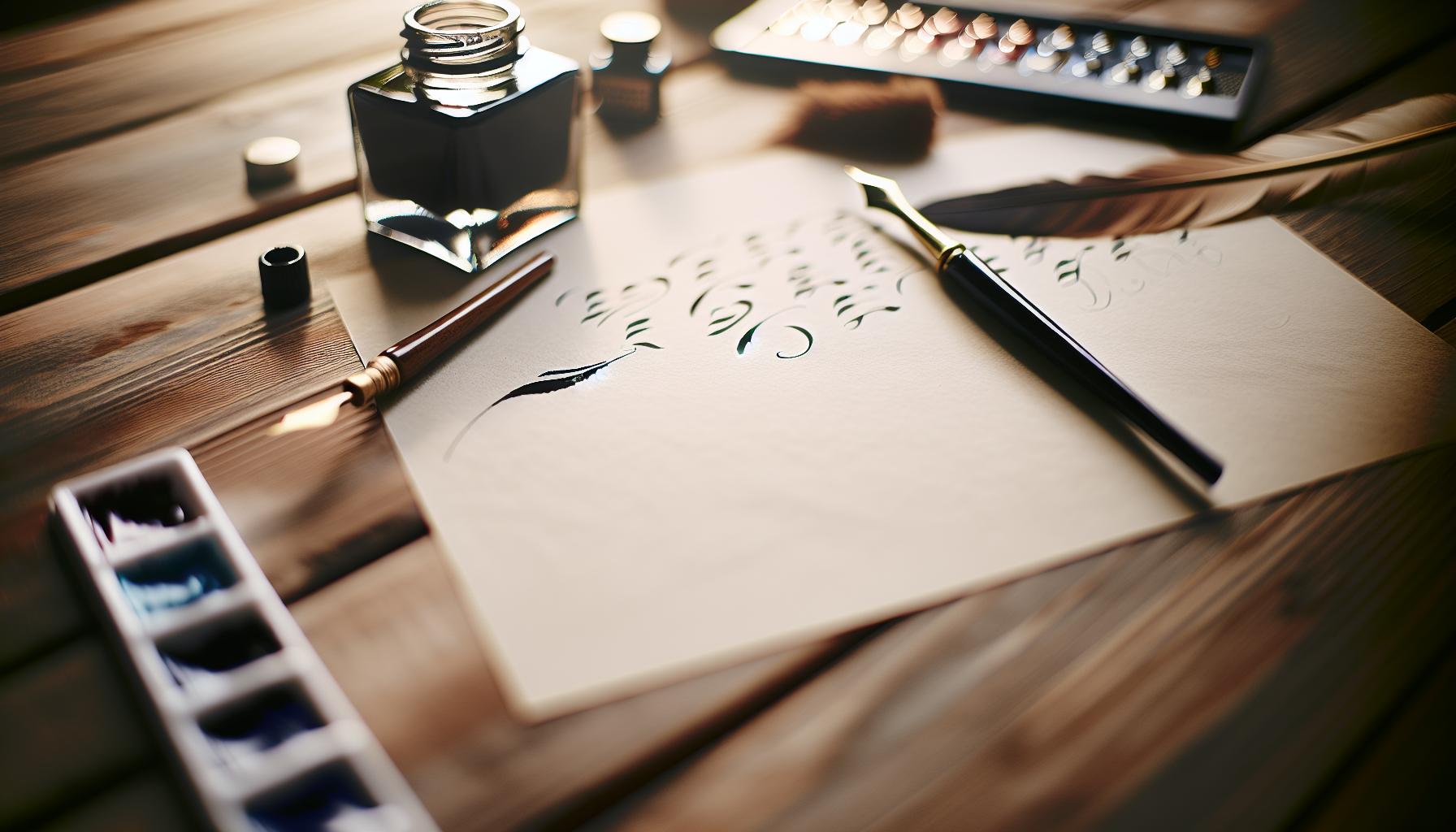
Getting to Know Your Calligraphy Pen Basics
To embark on your calligraphy journey, understanding the basics of your pen is crucial. Calligraphy pens come in various styles, including dip pens, fountain pens, and brush pens, each offering unique advantages. Dip pens, for instance, allow for a range of nib sizes and styles, giving you the flexibility to create everything from bold strokes to fine lines. Fountain pens, with their internal ink reservoir, offer convenience and fluidity. Brush pens combine the artistry of a brush with the usability of a pen, perfect for fluid lettering. Whichever you choose, familiarizing yourself with each type’s feel and response will greatly enhance your ability to write beautifully.
Getting comfortable with your calligraphy pen starts with proper handling. Hold the pen at a 45-degree angle to your writing surface, which allows ink to flow smoothly without pooling. Finding the right grip is personal; some prefer a relaxed hold while others like a firmer grip on their pen. Experiment until you find what feels right. It’s also essential to practice applying the right amount of pressure; too little won’t produce enough ink, while too much can damage the nib. Regular practice, even with simple strokes, establishes muscle memory and control.
Also, consider the paper you’re writing on. Smooth, high-quality paper can make all the difference in how your ink flows and how your calligraphy looks. Texture can create friction that hinders ink flow, while slick surfaces may allow for smooth strokes. Pairing the right paper with your chosen pen will elevate your work and make the experience enjoyable. As you delve deeper into the world of calligraphy, your pen will become an extension of your artistic expression, and understanding its nuances is the first step toward mastery.
Essentials for Choosing the Right Ink
Choosing the right ink for your calligraphy pen can make or break your writing experience. The ideal ink not only flows smoothly from your nib but also enhances the beauty of your letters. Here are some essential tips to guide you in selecting ink that works best for your style and preferences.
First, consider the type of pen you’re using. Different pens require different types of ink. For instance, dip pens thrive with bottled inks that are often pigmented and flow well. If you’re using a fountain pen, look for inks specifically formulated for that purpose; they should be thinner to prevent clogging the feed. Brush pens can usually handle a variety of inks, but make sure they’re not too thick, as they may impede the nib’s flexibility.
Next, think about the ink’s consistency and drying time. A thicker ink might offer richer colors but could lead to clogs, while a thinner, faster-drying ink can help you work more efficiently and reduce smudging. If you’re working on a project where speed is essential, opt for quick-drying formulations. Additionally, consider testing different inks on your paper before committing to a large project because the way ink interacts with paper can vary significantly.
Color is another vital element to keep in mind. While traditional black or blue inks are classic choices, don’t hesitate to explore vibrant hues. Different colors can bring your calligraphy to life, whether for personal projects or professional invitations. Just ensure that the color you choose complements both your pen and paper to achieve the desired effect. Experiment with various shades until you find the ones that resonate with your style.
Lastly, always prioritize quality. While it might be tempting to opt for cheaper options, investing in good-quality inks pays off in performance and beauty. High-quality inks will give you a consistent flow, vibrant colors, and a professional finish that truly enhances your calligraphy skills. Take time to find the right ink-your pen and, ultimately, your art will thank you.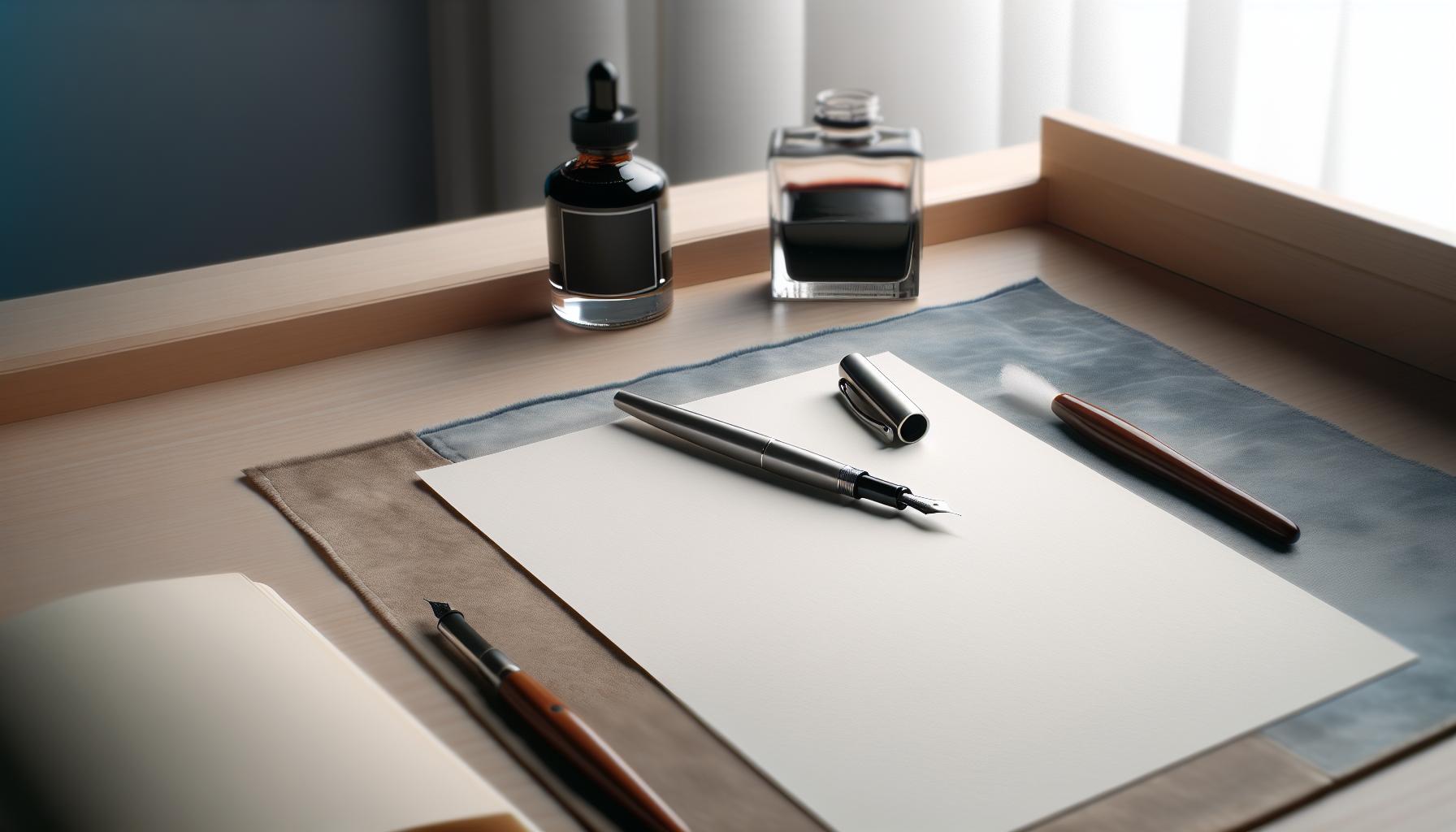
How to Prepare Your Pen for Ink Flow
Getting your calligraphy pen ready for that first perfect stroke is crucial. Imagine the excitement of watching ink flow effortlessly from your nib to the page, transforming your ideas into beautiful lettering. But before that magic happens, there are essential steps to take to ensure your pen is primed for action.
Start by checking that your pen is clean and properly assembled. For dip pens, this means making sure there’s no old dried ink or debris stuck to the nib. If you’ve just purchased a new nib, it might have a protective coating that can hinder ink flow. In this case, gently wash the nib with mild soap and water, then dry it thoroughly to ensure it’s clean and ready for use. As for fountain pens, ensure the nib is securely attached, and any converter or cartridge is properly in place.
Next, it’s time to fill your pen with ink. For dip pens, dip the nib into the ink so that the reservoir (the small slit in the nib) is filled but avoid over-saturating – you want it to be just enough to produce a clean line without dripping. If you’re using a fountain pen, it’s important to fill the converter or insert the cartridge correctly. After filling, give your pen a couple of shakes or taps to encourage the ink down to the nib.
Don’t forget to test the ink flow on scrap paper before jumping into your calligraphy project. Start with light strokes to see how the ink behaves. If it’s too runny or too thick, you might need to adjust your technique or choose a different ink. This initial practice can save you from unexpected surprises on your final piece.
Getting consistent ink flow isn’t just about the pen; it also involves your writing pressure and speed. Practice maintaining a gentle, even pressure on the nib as you write to create smooth, fluid lines. If you notice the ink flow being inconsistent, it might be a sign to clean the nib again or check your ink choice. With these steps in mind, you’ll be well on your way to creating stunning calligraphy that flows as beautifully as your thoughts.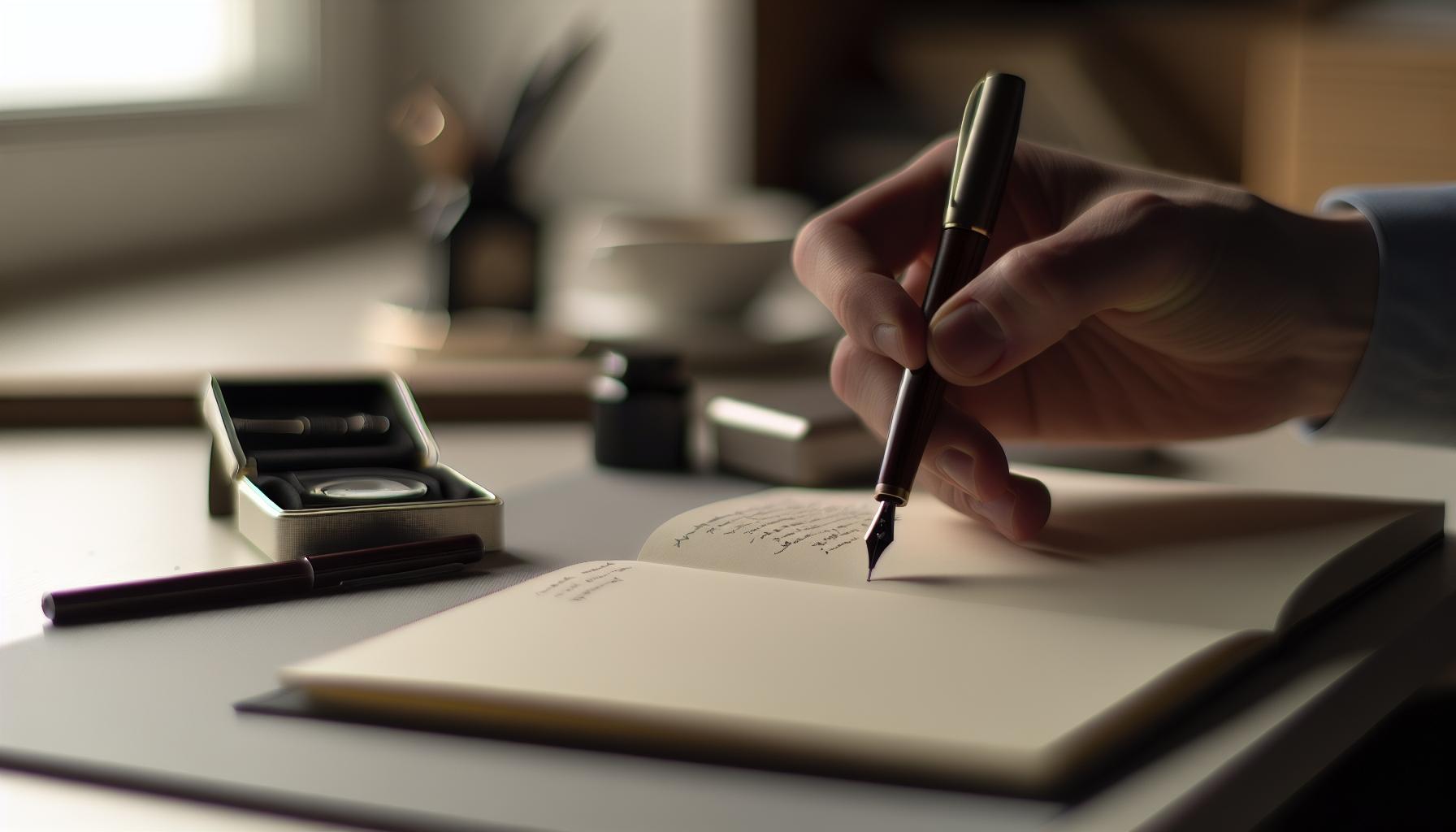
Techniques to Prime Your Pen Properly
Getting your calligraphy pen ready isn’t just a matter of filling it with ink and hoping for the best. There are specific techniques that can help ensure a smooth, consistent flow right from the first stroke. Think of priming your pen as a ritual-one that sets the stage for beautiful lettering.
Start by wiping the nib gently with a soft cloth or tissue. This removes any dust or residues that might interfere with ink flow. If you’re using a new nib, it’s especially crucial to clean it because manufacturers often coat them with a substance to prevent rusting during shipping. After wiping, dip the nib in water briefly, then dry it off. Following this, you’ll want to begin the actual priming process by dipping the nib into your ink.
While submerged, make sure just the right amount is picked up by the reservoir. You don’t want it over-saturated-this can lead to messy drips when you start writing. For dip pens, rotate the nib gently while it’s in the ink to ensure it fills evenly. For fountain pens, if you’re using a converter, fill it by twisting or pulling as needed, ensuring there are no bubbles trapped inside that could impede flow. Then, give it a light shake to help the ink find its way down to the nib.
Before diving into your main project, test the pen on some scrap paper. This practice not only shows you how well the ink flows but also helps you gauge the pressure needed for your strokes. If you notice any skipping or inconsistent lines, it might be time to adjust your technique, possibly even cleaning the nib again or examining your ink choice. Every pen has its quirks, and getting to know them is part of the calligraphy journey. Remember, your confidence will grow as you become more familiar with these techniques, transforming potential frustration into the joy of creating beautiful lettering.
Troubleshooting Ink Flow Issues
When your calligraphy pen starts to disrupt the flow instead of fluidly gliding across the page, it can feel like your art is being stifled. Ink flow issues are often the most frustrating part of calligraphy, but understanding how to troubleshoot them can transform your experience. First, always check your nib. A clogged or dirty nib is the most common culprit behind inconsistent flow. Gently clean it with warm water or a nib cleaner to remove any dried ink or debris.
Another factor to consider is the type of ink you’re using. Not all inks are created equal; some are thick and may require dilution or a specific type of nib to flow consistently. Test a drop of your ink on scrap paper before starting your project. If it’s too thick, consider switching to a more suitable calligraphy ink or adding a little water to thin it out (but be careful not to dilute it too much!).
If you’re dealing with a fountain pen and notice skipping or uneven strokes, make sure the ink cartridge or converter is properly filled. Sometimes air bubbles can form, blocking the ink’s passage to the nib. A gentle shake or tapping can help release trapped air. In the rare instance where the feed mechanism is blocked, disassembling the pen for a thorough cleaning might be necessary.
Lastly, technique plays a significant role in achieving a smooth writing experience. Ensure you’re applying the right amount of pressure-too little won’t allow ink to flow, while too much can cause damage. Practice on scrap paper, adjusting your grip and pressure until you find that sweet spot where the magic happens. With these tips, you’ll quickly get your ink flowing smoothly, allowing you to focus on what really matters: enjoying the beauty of your calligraphy.
Creating Consistent Ink Flow Patterns
Creating beautiful and consistent ink flow patterns in calligraphy is essential for elevating your writing from average to extraordinary. Even small inconsistencies can disrupt the aesthetic flow and make your work appear less polished. To achieve that smooth, uninterrupted line, focus on three core elements: pen preparation, ink consistency, and writing technique.
First, ensure your calligraphy pen is primed correctly. A common mistake is to skip the prep work. Always start with a clean nib. If there’s any dried ink or dust, clean it gently with warm water or a specialized nib cleaner. This simple step prevents clogged ink channels and promotes even flow right from the get-go. Additionally, let your pen sit with ink in it for a few minutes before you start writing. This gives the feed time to absorb the ink adequately, helping to ensure a steady flow.
Next, be mindful of the ink you use. Not all inks are created equal; some are naturally thicker than others and may require some adjustment. If you find the ink overly viscous, consider diluting it slightly. However, do this sparingly-too much water can weaken the color and saturation. For those using bottled inks, make sure they’re specifically designed for calligraphy, as regular drawing inks can dry too quickly or not adhere well to the paper.
Lastly, practice makes perfect when it comes to technique. Experiment with different pressures as you write: too much tension can create scratchy lines, while too little might lead to inconsistent flow. Hold the pen at an angle that feels comfortable yet allows you to maintain control. Regular practice on rough paper can also help you find your rhythm. Write out simple patterns or repetitive strokes to identify where your flow falters and adjust accordingly. With patience and dedication, you’ll not only create consistent ink flow patterns but also develop a distinctive style that makes your calligraphy stand out.
Tips for Practicing Calligraphy with Ease
Practicing calligraphy can feel overwhelming, especially when you’re just getting started. But here’s the truth: mastering this art form is more about method than madness. With the right approaches, you can turn your practice sessions into joyful explorations rather than tedious chores. Embrace these tips to simplify the process, boost your confidence, and enhance your calligraphy skills.
First and foremost, create a dedicated workspace that you love. This doesn’t have to be fancy; just a clean, well-lit area where you can leave your materials out encourages you to practice more consistently. Having everything laid out, from your pens and inks to practice paper, makes it easy to dive in whenever inspiration strikes. You’ll also want to establish a practice routine. Just fifteen minutes a day can produce noticeable improvements over time, so don’t underestimate the power of short bursts of practice.
Technique is crucial, but remember to keep it playful. Try writing in different positions-laying down, sitting at a desk, or even standing-until you find what feels most comfortable. Consider incorporating fun prompts or challenges, like writing a favorite quote or trying to replicate a new style. Mixing up your practice not only keeps things interesting but also helps you develop your unique style. Some calligraphers even enjoy listening to music or podcasts while they write; it adds a layer of enjoyment and distraction that can make the time fly.
Finally, don’t be too hard on yourself. Mistakes are part of the journey. Each stroke is an opportunity to learn and refine your skills, so celebrate your progress, however small. Share your work on social media or with friends; feedback can be incredibly motivating. Remember, the more you write, the better you’ll get, so keep your ink flowing and enjoy the process!
Understanding Different Nib Types and Uses
Choosing the right nib can make or break your calligraphy experience. With a variety of nib types available, understanding their specific uses is essential to finding the best fit for your style. Each nib has unique characteristics that impact line quality, flexibility, and the overall aesthetic of your writing. Let’s dive into the details.
Types of Nibs
- Pointed Nibs: These are perfect for modern calligraphy and flourishing. Their flexibility allows for beautiful thick and thin lines, giving your script a dynamic look.
- Broad-Tipped Nibs: Best suited for traditional calligraphy styles, these nibs create bold strokes and are ideal for lettering that requires consistent weight.
- Falcon Nibs: Known for their unique shape, falcon nibs offer a blend of flexibility and control, making them great for both beginners and seasoned calligraphers.
- Flexible Nibs: These are designed to adapt to pressure, allowing for wider lines when pressed down. They’re great for achieving a hand-lettered feel but can require more control.
When selecting a nib, consider your preferred calligraphy style. For flowing scripts like Spencerian or Copperplate, a pointed nib is usually the best choice. If you’re into bold Gothic lettering, a broad-tipped nib will give you the consistent width you need.
Nib Maintenance
Don’t underestimate the importance of nib maintenance. Regularly clean your nibs by soaking them in warm water to remove ink residue, which can affect performance. A well-maintained nib prolongs its life and keeps your ink flow smooth, reducing the frustration of skipping or blotting during your writing sessions.
The nib you choose influences not just how your calligraphy looks, but also how enjoyable the writing process is. Experiment with different nibs, find what feels right in your hand, and make sure to practice with each one to understand its capabilities. Remember, the right tools can transform your calligraphy journey into a truly rewarding experience.
Maintaining Your Calligraphy Pen for Longevity
The secret to a satisfying calligraphy experience often lies in the care and maintenance of your pen. A well-maintained calligraphy pen not only enhances the quality of your writing but also extends its lifespan. Imagine sitting down to create something beautiful, only to be met with skipping ink or a scratchy nib-frustrating, right? To avoid these pitfalls, start by establishing a routine for maintaining your pen.
Regular Cleaning: After each use, take a moment to clean your nib. Soaking it in warm water helps dissolve ink residue that could clog the flow. For stubborn remnants, a soft brush can work wonders. Just be careful not to apply too much pressure, as you might damage the nib. Remember, a clean nib ensures smooth ink flow and prevents unwanted hiccups during your writing sessions.
Storage Matters: How you store your pen is just as crucial as how you clean it. Always store your pen upright or horizontally to prevent ink from pooling and drying out in the nib. If your pen has a cap, use it! Be mindful of temperature and humidity, too-extreme conditions can affect both the ink and your pen’s materials, potentially leading to warping or ink separation.
Regular Inspections: Periodically take your pen apart to check for wear. Inspect the nib for signs of damage, such as bending or roughness, and ensure the feed is clear of blockages. If something seems off, addressing it early can save you a lot of hassle down the line.
By investing time in these maintenance practices, you’re not just protecting your investment; you’re also setting yourself up for a more enjoyable calligraphy journey. Your pen is your brush in this art form, and treating it well will undoubtedly reflect in your work. Happy writing!
Exploring Advanced Techniques for Calligraphy
To elevate your calligraphy skills, diving into advanced techniques can make a world of difference. A key point is developing control over ink flow. It’s not just about getting the ink to the nib; it’s about manipulating the flow for shadowing, shading, and varying line thickness. Experiment with different nib pressures as you write. For instance, applying light pressure can create delicate hairlines, while a bit more pressure will yield bold strokes. This dynamic use of pressure will transform flat writing into expressive calligraphy.
Ink Manipulation Techniques
Understanding how to work with your ink is crucial. Don’t hesitate to dilute it with a bit of water for lighter shades or thicker strokes. This practice allows for a richer palette and gives you more options for artistry. Gingko leaves or black paper can also enhance ink color, providing stunning contrasts that bring your calligraphy to life. Always keep a practice book dedicated to experimenting with these techniques.
Combining Styles
Another advanced method is mixing different styles of calligraphy. This can seem daunting, but it’s quite rewarding. Start by practicing basic script styles, then gradually blend cursive with block lettering, or even include decorative elements like flourishes. For example, try incorporating Gothic elements into modern scripts. As you merge these styles, you’ll cultivate your unique voice, making your calligraphy stand out.
Tools and Materials
Consider branching out with tools beyond traditional nibs. Brush pens can allow for an entirely new experience in blending techniques. They offer softer, more stroke-focused writing that can complement your traditional pen work. Additionally, switching up your paper can affect your work’s final look. Use textured or colored papers for added visual interest and depth.
Mastering these advanced techniques not only enhances your skills but also infuses your work with your own artistic flair. Continue exploring and pushing your boundaries, and you’ll be amazed at how your calligraphy evolves. Happy crafting!
Common Mistakes to Avoid in Calligraphy
Starting out with calligraphy can feel overwhelming, but avoiding common pitfalls makes a world of difference. For many beginners, the most frequent mistake is impatience. It’s tempting to rush through filling a page, thinking that more practice equates to faster improvement. In reality, taking the time to understand your pen and ink flow is crucial. If you’re not careful, you’ll end up frustrated with inconsistent results. Instead, slow down and focus on the technique.
Another common error is not properly priming the pen before use. To get the best ink flow, you should always ensure that the nib is prepared. Skipping this step can lead to scratchy lines or uneven ink distribution. A quick dip in ink or a light flick to start the flow can save you from messy writing. Always test your pen on scrap paper before committing to a project.
Finally, many newbies are unaware of the impact of paper choice. Using the wrong type of paper can lead to feathering or bleeding, which ruins your calligraphy. Opt for smooth, high-quality paper designed for ink. It’s worth spending a little more for the right materials, as they can elevate your work significantly. Remember, your tools greatly influence your outcomes, so invest wisely!
In short, take your time, prime your pen, and choose the right paper. Avoiding these common mistakes will set you on the path to mastering your calligraphy skills and creating beautiful pieces you can be proud of.
Beyond Basics: Transforming Your Calligraphy Skills
Getting comfortable with your calligraphy pen can unlock a world of artistic expression. It’s not just about learning strokes; it’s about understanding how to bring your tools to life. Remember, the pen is an extension of your unique style, and mastering it can transform your approach and open doors to advanced techniques.
To elevate your skills, start experimenting with different inks. Each ink has a unique flow and color saturation that impacts your writing style. Go for high-quality, pigmented inks, as they provide better coverage and a richer look to your letters. Formulating your own ink blends can also lead to intriguing results. Combine colors to find shades that resonate with your personal aesthetic, and document these mixtures for future reference. This exploration enriches not just your pieces but your entire calligraphy practice.
Next, consider the variety of nibs available. Each nib type offers distinct line qualities and can significantly alter your lettering style. Try flexible nibs for more expressive lines, or a stub nib for crisp, bold letters. Spend time practicing with various nibs to discover which best suits your handwriting. Changing nibs can refresh your work, leading you to explore new styles or techniques that you didn’t think suited you.
Finally, focus on creating consistent flow patterns. Start by practicing the foundational strokes repeatedly until you can replicate them without hesitation. A great exercise is to use the same stroke repeatedly, varying only the pressure. Document your progress and make adjustments as necessary. This helps in developing muscle memory and improves your overall writing confidence. Each letter you practice contributes to a coherent style-before you know it, you’ll have a signature that feels truly your own.
In short, diving deeper into the tools and techniques of calligraphy will unleash your creativity and refine your skills. Embrace experimentation, explore different materials, and keep practicing. Your journey in calligraphy is not just about what you create, but how you express who you are through your art.
Q&A
Q: How do I know if my calligraphy pen is properly primed?
A: To check if your calligraphy pen is primed, hold it at a slight angle and gently squeeze the ink reservoir while tapping the nib on paper. If ink flows smoothly, your pen is ready. If not, readjust the ink level and repeat the process. For more tips, see the “Techniques to Prime Your Pen Properly” section in the article.
Q: What should I do if my calligraphy pen is skipping?
A: If your calligraphy pen skips, it may be due to inadequate ink flow or a clogged nib. Clean the nib with water or a soft cloth and ensure the ink is flowing freely. You can find additional troubleshooting steps in the “Troubleshooting Ink Flow Issues” section of the article.
Q: Can I use regular ink for my calligraphy pen?
A: While it’s tempting to use regular ink, it’s best to choose ink specifically designed for calligraphy pens. This ink is formulated to flow smoothly and prevent clogging. Check out the “Essentials for Choosing the Right Ink” section for ideal options that work best.
Q: How often should I clean my calligraphy pen?
A: Clean your calligraphy pen after each use to maintain optimal performance and avoid ink drying in the nib. Regular cleaning helps prevent clogs and ensures a consistent flow. For cleaning techniques, refer to the “Maintaining Your Calligraphy Pen for Longevity” section in the article.
Q: What is the best way to store my calligraphy pen?
A: Store your calligraphy pen upright to prevent ink from pooling in the nib. If your pen has a cap, keep it capped to protect it from dust and drying out. You can find more storage tips under the “Maintaining Your Calligraphy Pen for Longevity” section.
Q: How do I choose the right nib size for calligraphy?
A: Selecting the right nib size depends on your handwriting style and the look you want to achieve. Fine nibs create delicate lines, while broader nibs produce bold strokes. Explore different nib types in the “Understanding Different Nib Types and Uses” section for more guidance.
Q: Why is my calligraphy ink not flowing smoothly?
A: Smooth ink flow can be hindered by several factors, including air bubbles, ink viscosity, or a clogged nib. Try adjusting the pen angle, tapping it lightly on paper, or cleaning the nib as described in the “Troubleshooting Ink Flow Issues” section for solutions.
Q: Should I use fountain pen ink for my calligraphy pen?
A: While you can use fountain pen ink, it’s not ideal for all calligraphy pens. Check your pen’s specifications before using fountain ink, as some may require specialized inks. For more details, see the “Essentials for Choosing the Right Ink” section in the article.
Final Thoughts
Ready to unleash your creativity with your calligraphy pen? By mastering ink flow techniques, you’re on your way to crafting stunning lettering that stands out. Remember, practice makes perfect, so don’t hesitate to explore our guide on “Choosing the Right Calligraphy Pen” to find the perfect tools for your journey. Also, check out “Calligraphy Styles You Can Master” for inspiration on what to create next.
Want to stay updated and continue improving? Sign up for our newsletter for exclusive tips and tutorials. Feeling stuck or have questions? Share your thoughts in the comments! Your fellow calligraphy enthusiasts are here to support you. Let’s turn those ink flows into beautiful art together. Keep practicing, keep creating-your next masterpiece is just a stroke away!
Get our latest guides, news, and insights highlighted in your Google Search & AI Overviews.