
Quick Answer: If you are researching when were calligraphy pens created, the timeline spans several ancient and industrial breakthroughs: Ancient Egyptian marsh reed pens (*calamus*) were invented around 3000 BCE; bird feather quills became standard across European monasteries around 600 CE; and flexible mass-manufactured steel calligraphy split-nibs were created in the 1820s in Birmingham, England by John Mitchell and Joseph Gillott.
Did you know that the calligraphy pen, a tool that blends art with writing, has shaped how we express ideas for centuries? Understanding who invented this instrument isn’t just about crediting a creator; it’s about appreciating the evolution of artistic expression and communication. As we delve into the history of the calligraphy pen, you’ll discover how this tool transformed from rudimentary implements into the refined extensions of our creativity we use today. Whether you’re a seasoned artist or a curious novice, knowing the origins of the calligraphy pen can deepen your appreciation for the craft. Join me on this journey through time to explore the innovations that have made elegant writing accessible to all.
The Evolution of Writing Instruments: From Quills to Calligraphy Pens
The journey of writing instruments from quills to calligraphy pens is not just a tale of evolution; it’s a narrative woven into the fabric of communication itself. In ancient times, people used natural materials like reeds and feathers, which were dipped into ink and used to create beautiful scripts. These quills, primarily made from goose and swan feathers, provided a flexible nib that allowed for variations in line thickness, a crucial feature for decorative writing. However, as humanity’s needs grew more complex, so too did the tools of writing.
Honing in on calligraphy, the Renaissance period gave birth to a more structured approach to writing that emphasized aesthetic elegance alongside legibility. The development of metal nibs marked a turning point. Unlike quills, metal nibs offered durability and precision. Innovators began experimenting with different shapes and sizes of nibs, creating a variety of pens tailored for specific styles, such as Gothic, Italic, and Copperplate.
Today, the sophisticated calligraphy pens we use blend tradition with modern technology. There are fountain pens with interchangeable nibs that allow for a range of line qualities, and brush pens that mimic the effect of a paintbrush. These innovations have made calligraphy more accessible. Options like disposable dip pens and flexible markers help both amateur and professional calligraphers achieve stunning results without the extensive setup that traditional tools require.
This evolution reflects our continuous desire to express ourselves beautifully. Whether you’re mastering a classic script or designing contemporary lettering, understanding the tools’ history can deepen your appreciation and guide your selection of the right instrument. As you explore the rich heritage of calligraphy pens, remember: each pen tells a story shaped by centuries of artistry.
Understanding Calligraphy Pens: Types and Features
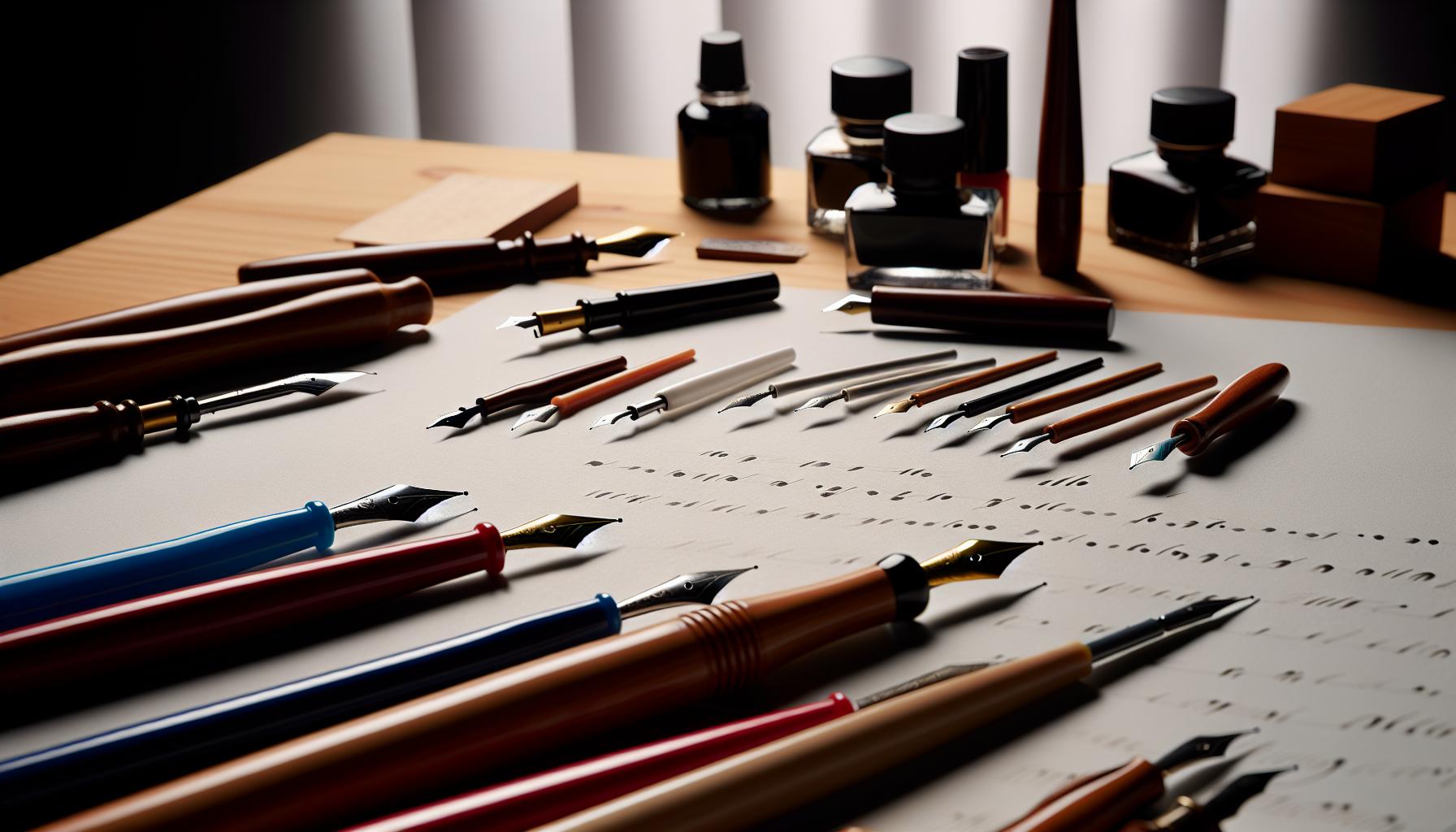
Calligraphy pens, with their rich heritage and diverse designs, are more than just tools; they’re gateways to expressive artistry. Understanding the various types and features of these pens can elevate your calligraphic skills, whether you’re a beginner or a seasoned pro. From the classic dip pens to modern brush pens, each variety offers unique characteristics that can greatly affect your writing experience and the final outcome of your work.
Types of Calligraphy Pens
- Dip Pens: Classic dip pens consist of a pen holder and interchangeable nibs. The nibs come in various shapes and sizes, allowing for a range of line thicknesses and styles. This versatility makes them ideal for traditional scripts like Copperplate or Spencerian. To use, simply dip the nib into ink and start writing, but be prepared to re-dip frequently.
- Fountain Pens: These pens are designed for ease of use with a built-in ink reservoir. They come with nibs that can range from fine to broad, catering to different lettering styles. Many fountain pens allow for nib swapping, so you can customize your tool to fit your project. For calligraphers, fountain pens can offer the perfect blend of convenience and artistic expression.
- Brush Pens: Mimicking the strokes of a traditional brush, these pens feature flexible tips that can produce both thick and thin lines. Ideal for modern calligraphy and lettering, brush pens are often filled with water-based ink, providing a smoother, more fluid writing experience. They’re fantastic for practicing loose, freeform styles.
- Marker Pens: Felt-tip markers designed for calligraphy come in various nib widths and can produce vibrant, bold strokes. These are great for beginners and for those seeking quick results, as they don’t require the same level of care and setup as other types. They can also be used for lower-pressure projects like invitations and greeting cards.
Essential Features to Consider
When selecting a calligraphy pen, several features can enhance your writing experience:
- Nib Flexibility: The flexibility of a nib affects how thick or thin your lines can be. Stiffer nibs are best for consistent, precise strokes, while flexible nibs allow for dynamic line variation, producing decorative flourishes.
- Ink Flow: The ability of a pen to deliver ink smoothly is crucial. Poor flow can lead to skipping or inconsistent marks, frustrating the calligrapher. It’s essential to test pens to find those that provide a satisfying ink flow for your handwriting style.
- Grip Comfort: Since calligraphy requires extended periods of writing, a comfortable grip can make a significant difference. Look for pens with ergonomic designs or cushioned grips to reduce hand fatigue.
- Maintenance: Some pens require cleaning and care, especially dip and fountain pens. Understanding the maintenance requirements of your pen will help you keep it in the best condition for long-term use.
In exploring these options, remember that the right calligraphy pen is not just a tool; it’s an extension of your artistic expression. Experiment with different types and features until you find your perfect match, and let the art of calligraphy unfold in your hands.
The Origins of Calligraphy: Historical Context and Influences
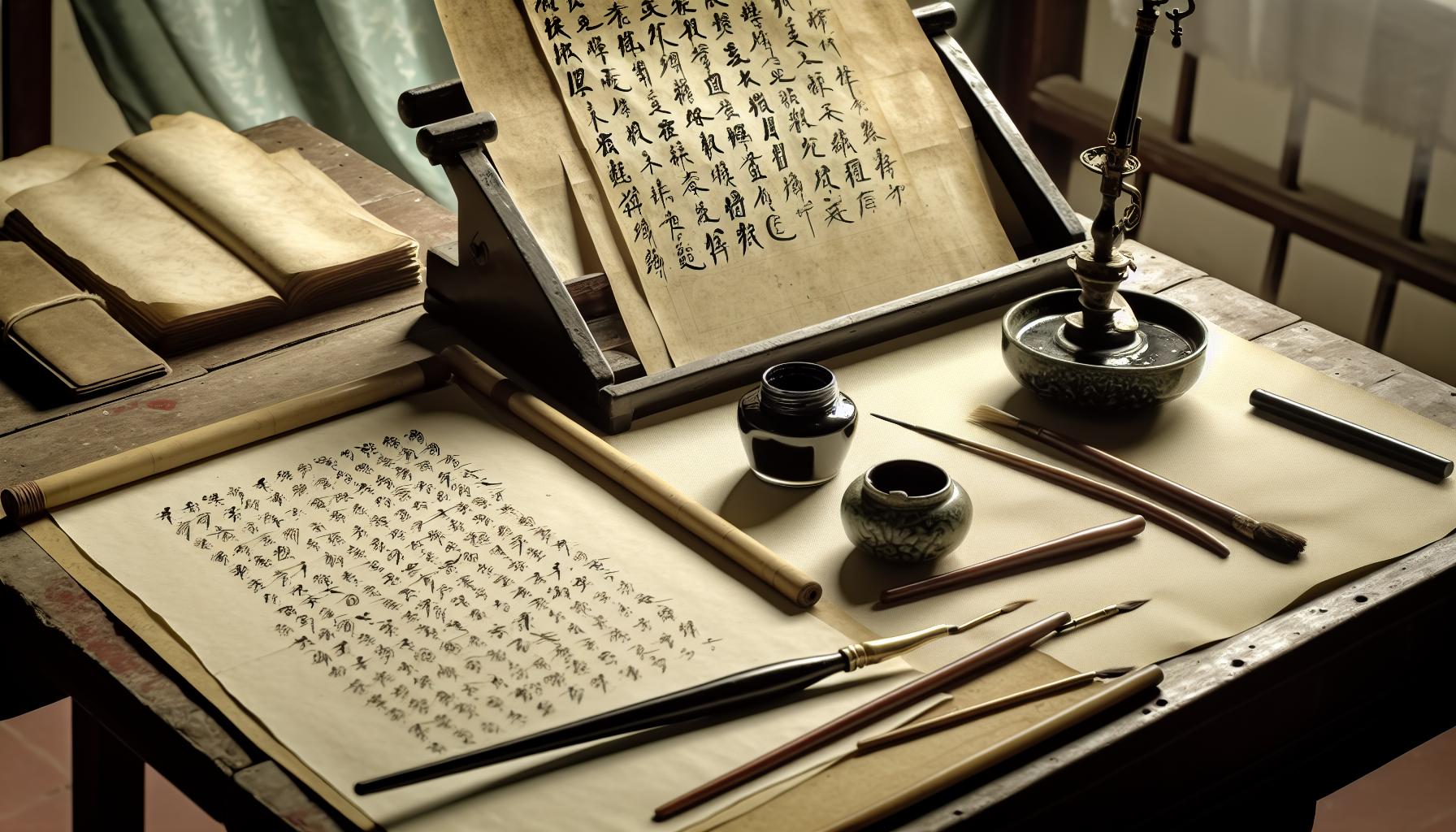
From the ancient civilizations of Mesopotamia to the fine art of modern calligraphy, the tools we use to write have evolved significantly. The calligraphy pen, specifically designed for artistic writing, carries a history that reflects cultural changes, technological advancements, and artistic development over centuries. Understanding its origins helps us appreciate not just the pen itself, but the art it facilitates.
Writing instruments have roots in early tools like reeds and brushes used in China and Egypt, where scribes honed their skills on paper-like materials. The Romans adopted and adapted these tools, leading to the creation of quills made from bird feathers. Quills provided flexibility and variety in line thickness, enabling more expressive forms of writing and marking a pivotal moment in the development of calligraphy. The quill pen dominated until the 19th century when the introduction of metal nibs revolutionized writing, making it more accessible and consistent.
The calligraphy pen we recognize today combines aspects of its predecessors with modern innovations. Early on, calligraphy was not just a means of communication; it was a revered art form, integrated into religious texts and significant documents. As cultures intermingled through trade and conquest, distinct styles emerged, reflecting their unique aesthetics and ideologies. From the intricate scripts of Islamic calligraphy to the elegant strokes of Chinese brush calligraphy, each cultural context influenced the development of writing tools tailored to those specific styles.
In contemporary times, the resurgence of interest in hand lettering and calligraphy has led to diverse tools designed with varying techniques in mind, offering calligraphers an extensive range of choices. The evolution of these tools mirrors our quest for creativity and personal expression, ensuring that every stroke has the potential to convey beauty and meaning. By understanding where these tools came from, we can better harness their capabilities in our artistic pursuits, connecting with the centuries of artistry that preceded us.
Who Pioneered the Calligraphy Pen? Key Figures in Its Invention
The history of the calligraphy pen is enriched by notable figures whose innovations shaped its evolution. One of the pivotal characters in the realm of writing instruments is Lewis Waterman, who in 1884 patented the first reliable fountain pen, transforming how people wrote and preserved variability in line width-all essential for calligraphy. Waterman’s pen utilized a feed system that ensured a steady flow of ink, allowing artists to create smooth transitions in their lettering and facilitate intricate designs without the frequent interruptions of manual refilling associated with quills.
Another influential name is Edward Penfield, a designer whose work in the late 19th and early 20th centuries popularized the use of aesthetic design in writing instruments. Penfield’s focus on merging form and function helped raise public awareness of calligraphy as an art, encouraging not only skilled artisans but also everyday users to appreciate the beauty of hand lettering. His artistic contributions can still be seen in many modern calligraphy pens, where aesthetics play as much a role as practicality.
Throughout history, famous calligraphers such as Donald Jackson, who served as the calligrapher to the Queen of England, have also contributed to the craft’s prominence as an artistic discipline. Jackson’s work on the Saint John’s Bible blended traditional techniques with contemporary design, showcasing how calligraphy can convey deep meaning while pushing modern boundaries. His approach illustrates that the pen is not just a tool, but a bridge to artistic expression.
As an aspiring calligrapher, understanding these figures and their inventions provides valuable insights into selecting the right tools. You’ll find that the pens they shaped, like the classic dip pen or even contemporary brush pens, each lend themselves to different styles and techniques. Knowing the legacy behind these tools can inspire both beginners and seasoned artists to explore the depths of their creativity. Choosing the right pen can have a profound impact on style development, ultimately aiding you in creating exquisite and expressive handwritten artworks.
The Craftsmanship Behind Calligraphy Pens: Materials and Design
The craftsmanship behind calligraphy pens is an intricate dance of materials and design, each element playing a crucial role in the tool’s performance. Strong attention to detail in the development of a calligraphy pen ensures that it not only looks appealing but also serves the precise needs of artists. From the earliest quills to modern masterpieces, understanding what goes into these pens can enhance your appreciation and execution of calligraphy.
Materials Matter
When it comes to materials, the choice is vital. Most calligraphy pens feature nibs made from metals like stainless steel or gold. Stainless steel nibs are durable and affordable, making them an ideal choice for beginners. They provide a smooth flow of ink and resist wear. Gold nibs, on the other hand, offer a luxurious feel and greater flexibility, allowing for expressive line variations with ease. Additionally, high-quality nibs are often alloyed with other metals to enhance performance and longevity.
The barrel of the pen, which houses the nib, can be crafted from various materials, including plastic, wood, or metal. Wooden barrels bring an artisanal quality, offering a warm tactile experience that connects the writer to the tradition of calligraphy. Metal barrels provide durability and a modern aesthetic, while plastic is lightweight and often colorful, appealing to younger artists.
Design Elements
The design of a calligraphy pen impacts how it feels in your hand and influences your writing style. Pens are ergonomically designed to ensure comfort during prolonged use. Consideration of grip shapes, weights, and balances affects your control over the pen’s movement. A well-designed grip not only reduces fatigue but also allows for greater precision, essential for intricate work.
Moreover, the ink reservoir is another feature that can vary significantly. Some calligraphy pens use ink cartridges for convenience, while others, like piston-fillers or eyedropper pens, offer flexibility in ink selection. Choosing the right system can influence your writing experience, especially when working with different inks that provide unique textures and colors.
Ultimately, the marriage of materials and design in calligraphy pens is about more than aesthetics; it creates a tool that encourages creativity. As you explore various pens, remember that what feels right in your hand can drastically affect your writing journey. Investing time in selecting the perfect pen can lead to a deeper connection with your art and a more fulfilling creative experience.
The Artistic Importance of Calligraphy Pens in Different Cultures
Across centuries and cultures, writing instruments have served not just as tools for communication but as vehicles for artistic expression. Calligraphy pens hold a distinguished place in this narrative, symbolizing cultural identity and tradition in various societies. From the intricate scrolls of the Middle Ages to the elegant brush strokes of East Asian calligraphy, these pens are essential in preserving and conveying the rich heritage of their respective cultures.
In the Islamic world, for instance, calligraphy becomes a profound form of art due to the cultural and religious restrictions on depicting figures. Script, particularly using the calligraphy pen, evolved to convey beauty and spirituality. Thuluth and Naskh scripts exemplify this artistry; skilled calligraphers became revered figures, and their creations adorned the walls of mosques and the pages of revered texts. The artistry of these scripts showcases not just skill but also the cultural reverence of language itself.
Similarly, in East Asia, particularly within Chinese and Japanese traditions, the brush pen plays a pivotal role. Here, the act of writing is a meditative practice, where each stroke conveys emotion and intention. The sumi-e style of ink wash painting emulates calligraphy strokes, demonstrating the interconnectedness of these art forms. The brush’s flexibility allows artists to create dynamic variations, emphasizing the importance of mastery over the tool. Each character captures the essence of thought and feeling, transforming mere words into artworks.
Moreover, the artistic importance of calligraphy pens isn’t limited to traditional practices. In modern contexts, they serve as instruments of revival and innovation. Enthusiasts across the globe rediscover these tools, blending ancient techniques with contemporary designs and purposes. From modern hand-lettering trends to graphic design, the fundamentals of calligraphy are experiencing a renaissance. Artists fuse traditional styles with personal interpretations, breathing new life into age-old practices.
Investment in a quality calligraphy pen isn’t just about performance; it’s about bridging past and present, connecting to cultural histories, and expressing individuality. Whether you’re creating a piece steeped in tradition or exploring your style, understanding the cultural contexts behind these beloved tools enriches your practice and appreciation of the art.
Modern Innovations in Calligraphy Pen Technology
The world of calligraphy pens has evolved dramatically, driven by both technological advancements and artistic innovation. Today’s calligraphy pens are far more than simple writing instruments; they are designed for creativity and precision. New materials and mechanisms have transformed how we express our artistic visions. For instance, the advent of modern ink formulations allows for smoother flows and vibrant colors that traditional inks may not achieve. This means that whether you’re a beginner or a seasoned pro, you can enjoy the benefits of tools that enhance your creativity and reduce frustration.
One significant innovation is the development of adjustable nibs. These pens can change in size and shape, allowing calligraphers to vary their strokes without needing multiple pens. This flexibility is a game-changer for styles that require different nib widths, giving artists the freedom to experiment with nuances in their work. Additionally, modern brush pens equipped with flexible tips mimic the behavior of traditional brushes but offer the convenience of ease of use and portability. They allow for dynamic line variation that can capture the essence of both calligraphy and watercolor painting, appealing to diverse artistic pursuits.
Another exciting aspect of modern calligraphy pen technology is the rise of digital calligraphy. Software and apps designed for tablets enable artists to create stunning digital calligraphy with the simple swipe of a stylus. This technology not only democratizes art-making-making it accessible to anyone with a device-but also allows for the blending of traditional techniques with modern design principles. The ability to easily edit and iterate on designs encourages exploration and creativity in ways that traditional tools might limit.
As we look to the future, we can expect ongoing improvements in materials and design, not only for calligraphy pens but also for the entire crafting experience. The fusion of art and technology promises tools that inspire a new generation of calligraphers, bridging the historical foundations of this art form with contemporary expression. Investing in these innovations means embracing a rich tapestry of history while creating your unique narrative in the world of calligraphy.
How to Choose the Right Calligraphy Pen for Your Style
When it comes to selecting the right calligraphy pen, understanding your style and purpose is essential. Different pens excel in various techniques, and knowing what fits your artistic vision can completely transform your writing experience. For instance, if you lean towards traditional scripts and classic calligraphy, a fountain pen with a variety of nib sizes may intrigue you. These pens offer control and versatility, allowing you to create both fine lines and broader strokes, ideal for flourishing techniques.
If you’re exploring modern styles or prefer flexibility, brush pens can be a game changer. Their soft, flexible tips allow for dynamic expressions, helping you easily achieve varying line widths and watercolor-like effects. Many new artists love brush pens for their accessibility – they feel more like painting than traditional penmanship. For those delving into digital calligraphy, tablets and styluses can replicate the fluidity of traditional pens while offering the advantages of software editing.
Key Considerations When Choosing a Calligraphy Pen
- Nib Type: Choose between hard or flexible nibs based on the look and feel you prefer. A stiff nib gives precise control, while a flexible nib can add an expressive touch.
- Ink Compatibility: Ensure your pen works with the ink type you want to use, whether it’s traditional ink, gel, or even watercolor.
- Grip Comfort: Since calligraphy can be time-consuming, a comfortable grip is vital. Pens with ergonomic designs can make longer sessions more enjoyable.
- Purpose: Are you creating invitations? Working on practice skills? The intended use can dictate the pen type that’s most suitable for you.
By considering these aspects, you not only enhance your calligraphy journey but also pay homage to the historical evolution of writing tools that have paved the path for the instruments we cherish today. Each choice you make reflects not just your personal style but the rich legacy of calligraphy.
Beginner’s Guide to Using Calligraphy Pens: Tips and Tricks
The beauty of calligraphy lies not just in the strokes you make but in the journey you take to master the pen. Starting with calligraphy can seem daunting, but with the right tips in your toolkit, it becomes a delightful exploration of creativity. Understanding how to hold your pen is foundational. Grip it lightly, allowing the nib to rest comfortably on the paper. Over-gripping can lead to fatigue and messy lines. Practice a relaxed grip while maintaining control to create fluid motions.
Get familiar with your pen’s nib. Different nibs, whether they’re pointed or broad, produce various effects. Experimenting with these will help you find your preferred style. If you’re using dip pens, remember to keep the nib clean; ink buildup can affect performance. Likewise, if you’re working with brush pens, practice creating different strokes by varying your pressure-press harder for thicker lines and lightly for delicate ones. Don’t shy away from just doodling; it’s a great way to loosen up and discover your unique style.
Practice Makes Perfect
Consistency is key. Dedicate time each week to practice, but focus on quality over quantity. Instead of rushing through the alphabet, take a day to refine just a few letters. You’ll see improvement faster this way. Also, consider using guides or tracing sheets, especially if you’re learning specific styles. As you grow more comfortable, you can phase these out in favor of freehand work.
Lastly, don’t forget to admire your progress-every stroke is part of your artistic evolution. Join online communities or local workshops to share your work and gain inspiration. Remember, even the great masters started as beginners. Embrace the learning curve and enjoy every moment spent with your calligraphy pen!
Calligraphy vs. Hand Lettering: What’s the Difference?
When diving into the world of beautiful lettering, it’s easy to confuse calligraphy with hand lettering. Both are art forms that involve creating letters and symbols, but they each have distinct characteristics that set them apart. Calligraphy is often described as “the art of beautiful writing,” characterized by its focus on technique, discipline, and the use of specific tools like calligraphy pens. It’s a skill steeped in history, often requiring years of practice to master various styles, such as Copperplate or Gothic.
On the other hand, hand lettering is more of a creative expression, where the artist crafts each letter in their own unique style. Unlike calligraphy, which is based on established scripts and rules, hand lettering allows for a mix of styles and can incorporate elements from calligraphy, typography, and illustration. You might use a calligraphy pen for both, but with hand lettering, there’s usually more freedom to bend the rules and experiment without the constraints of traditional forms.
- Structure: Calligraphy emphasizes structured forms and consistent style; hand lettering allows for more organic variations.
- Tools: Calligraphy typically employs specialized pens and nibs, while hand lettering can use anything from markers to brushes.
- Purpose: Calligraphy often serves ceremonial or formal purposes, while hand lettering is frequently used in more casual contexts like signs or social media graphics.
Understanding these differences can enhance your lettering practice. If you’re leaning towards a more formal approach, investing time in mastering calligraphy can be incredibly rewarding. For those who prefer creative freedom, exploring hand lettering can unleash your artistic voice. Both art forms celebrate creativity and elegance, making them essential skills for any lettering enthusiast.
The Future of Calligraphy Pens: Trends and Predictions
The landscape of calligraphy pens is rapidly evolving, driven by both technological advances and a resurgence of interest in traditional arts. As we look ahead, several trends are emerging that promise to shape the future of calligraphy tools. For starters, there’s a noticeable shift towards hybrid technology. Many artists are now using digital tools to draft designs before committing them to paper with traditional pens. This fusion allows for precision and ease of editing, enhancing creativity while still embracing the tactile experience of writing.
Moreover, sustainability is becoming a core consideration in the manufacturing of calligraphy pens. Artisans are exploring eco-friendly materials, such as recycled metals and biodegradable plastics, as consumers demand products that align with their values. Brands that can marry quality craftsmanship with environmental responsibility are likely to gain traction in a market increasingly focused on sustainability.
The rise of personalized tools also plays a significant role in the future of calligraphy. Customizable nibs and pen bodies are gaining popularity, allowing artists to express their individual styles more deeply. This trend isn’t just about aesthetics; it provides practical benefits, such as improved comfort and ease of use, which can enhance the overall writing experience.
In addition, social media platforms are fostering a vibrant community of calligraphy enthusiasts who are sharing techniques, styles, and innovations at an unprecedented rate. This exchange not only inspires new trends but also pressures manufacturers to adapt quickly to maintain relevance. As more people share their work online, we can expect an increase in demand for unique and diverse calligraphy tools that cater to a wide range of artistic expressions.
For both beginners and seasoned calligraphers, keeping an eye on these trends can open doors to new techniques and approaches, making the journey of letter creation both exciting and rewarding. Whether you’re looking for a pen that feels great in your hand, is gentle on the environment, or embraces digital innovations, the future of calligraphy pens is indeed promising.
Exploring Calligraphy Styles and Techniques for Enthusiasts
Exploring the intricate world of calligraphy is like stepping into a vibrant tapestry of culture and history, with each pen stroke telling a story. From the sweeping curves of Copperplate to the bold flair of Gothic letters, there’s a style to match every artist’s voice. But to truly appreciate these forms, one must understand the techniques and tools that bring them to life.
A key part of mastering calligraphy lies in choosing the right pen. Calligraphy pens can be categorized into a few main types: dip pens, fountain pens, brush pens, and even digital tools. Each type offers unique advantages depending on the style you’re trying to achieve. Dip pens are often favored for traditional scripts, providing a direct connection between the ink and the nib, while fountain pens are convenient for long writing sessions due to their refillable ink systems. If you’re drawn to fluid, expressive styles, brush pens can create a wide range of line thicknesses that mimic brush strokes, making them ideal for modern calligraphy.
Techniques to Enhance Your Calligraphy
- Experiment with Pressure: Varying the pressure on your nib or brush allows you to create distinct thick and thin lines. This is crucial for scripts like Italic or Spencerian.
- Practice Consistency: Regular practice can help you maintain consistent letter height and spacing, which is vital for readability and aesthetic balance in your work.
- Master the Basics: Start with foundational strokes and basic letter forms before moving on to more complex scripts. Mastery of the basics can greatly enhance your ability to innovate.
One of the exciting aspects of calligraphy is how it evolves alongside technology. Digital calligraphy platforms have emerged, enabling artists to experiment with styles and share their work globally. These tools often provide customizable features that traditional pens don’t, making it easier to play with different aesthetics without the mess. Plus, it encourages learning through community engagement, as tutorials and resources are just a click away.
By immersing yourself in various calligraphy styles and techniques, you open doors to a creative journey that reflects your personality and artistic vision. Whether you’re honing your skills with a traditional pen or embracing the latest digital innovations, the art of calligraphy allows you to express yourself in a truly unique way.
FAQ
Q: What materials were originally used to make calligraphy pens?
A: Calligraphy pens were initially made from materials such as wood, metal, and quills from birds like geese or swans. The flexibility of these materials allowed for varied line thickness, essential for calligraphic styles. Exploring different materials can enhance your writing experience.
Q: How did the invention of the fountain pen impact calligraphy?
A: The invention of the fountain pen in the 19th century made calligraphy more accessible by allowing longer writing sessions without frequent ink refills. This innovation also promoted precision in line work, helping calligraphers develop their skills with greater ease.
Q: Why are calligraphy pens considered an art form?
A: Calligraphy pens are considered an art form because they enable expression through intricate letterforms and styles. The skill involved in using these pens transforms writing into visual art, reflecting the calligrapher’s unique style and creativity.
Q: What distinguishes a calligraphy pen from a regular pen?
A: A calligraphy pen features a nib designed for varying line widths, while regular pens typically have a uniform tip. This design allows calligraphy pens to produce thicker downstrokes and thinner upstrokes, essential for calligraphic techniques.
Q: How have calligraphy pens evolved over time?
A: Calligraphy pens have evolved from simple quills and brushes to modern options like fountain pens and felt-tip calligraphy markers. Each advancement has introduced new techniques and styles, enhancing the art of writing.
Q: When should I use a brush pen versus a traditional dip pen?
A: Use a brush pen for flexible, spontaneous strokes, ideal for modern calligraphy styles. Opt for a dip pen for more precise control and traditional techniques, such as Copperplate, where intricate detail is required.
Q: What are some famous calligraphers throughout history?
A: Notable calligraphers include M. de la Rue, who championed the use of the pointed pen, and Edward Johnston, who advanced modern calligraphy. Understanding their contributions can enhance your appreciation for the craft and inspire your own practice.
Q: How can I improve my skills with a calligraphy pen?
A: To improve your calligraphy skills, practice regularly using guidelines and exercises tailored for different styles. Joining a community or taking a class can provide feedback and motivation, enhancing your growth as a calligrapher.
Insights and Conclusions
Understanding the evolution of the calligraphy pen not only enriches your appreciation for this elegant tool but also connects you to a rich heritage of artistry. Now that you know who invented the calligraphy pen and its historical significance, it’s time to explore how to harness its power in your own writing. Ready to take your writing to the next level? Check out our guides on calligraphy techniques and best ink choices to get started!
Have thoughts or questions? We’d love to hear from you in the comments below. Also, don’t miss the chance to subscribe to our newsletter for more tips and insights on enhancing your writing skills. Delve deeper into related topics, like the art of modern calligraphy or the influence of famous calligraphers throughout history, and keep your creative journey alive. Your next masterpiece awaits!
When Were Calligraphy Pens Created? Historical Milestones from Reed to Steel
Understanding the question of when were calligraphy pens created requires examining how human writing tools progressed through distinct metallurgical and agricultural milestones. Long before modern mass manufacturing, calligraphers handcrafted their own instruments from organic materials found in nature.
Chronology of Calligraphy Instrument Inventions
- The Egyptian Reed Pen (c. 3000 BCE): Scribes along the Nile harvested sturdy wetland reeds, shaping a chisel edge and cutting a vertical slit down the spine to channel carbon soot inks onto papyrus.
- The Medieval Feather Quill (c. 600 CE): Monks and royal scriveners adopted Molted goose and swan flight feathers. When cured in heated sand and carved with a penknife, quills offered unprecedented spring and razor-thin hairlines for manuscript illumination.
- The Birmingham Steel Nib Revolution (1820s): Hand-carving quills was slow and inefficient. In the 1820s, British inventors John Mitchell and Joseph Gillott patented punch-press stamping techniques, manufacturing high-carbon steel split nibs capable of holding ink through surface tension.
- The Fountain Calligraphy Reservoir (1884 to Present): Lewis Waterman’s capillary feed innovation allowed calligraphy pens to store liquid ink internally, freeing letterers from carrying portable inkhorns and inkwells.
| Historical Instrument | Invention Timeframe | Originating Culture | Writing Characteristics |
|---|---|---|---|
| Reed Pen (*Qalam / Calamus*) | c. 3000 BCE | Ancient Egypt & Mesopotamia | Stiff broad edge, bold angular characters |
| Bird Feather Quill | c. 600 CE | Medieval Europe | Flexible broad edge, sharp hairline flourishing |
| Machine-Stamped Steel Dip Nib | 1822–1828 CE | Birmingham, England | Consistent elasticity, fine copperplate swelling |
| Self-Filling Fountain Pen | 1884–1910 CE | United States & Britain | Continuous capillary ink flow, portable drafting |
Get our latest guides, news, and insights highlighted in your Google Search & AI Overviews.