
Choosing the right calligraphy pen can feel overwhelming, especially for beginners eager to create beautiful lettering. Did you know that the type of pen you start with can significantly influence your learning curve and enjoyment of the art? This guide aims to demystify the world of calligraphy pens, helping you find the perfect tool that matches your style and goals. Whether you’re drawn to the fluidity of brush pens or the precision of dip pens, we’ll explore factors like nib types, ink flow, and ergonomics to ensure you make an informed choice. As you embark on this creative journey, understanding your options will empower you to express yourself confidently. Let’s dive in and discover which calligraphy pen will be your ideal match!
Choosing the Right Calligraphy Pen for You
Choosing the right calligraphy pen can feel like a daunting task, especially for beginners who are just getting into this beautiful art form. The good news? It doesn’t have to be. Understanding a few key factors can help you find a pen that feels right in your hand and opens up a world of creativity. Think of it this way: the right pen can make your learning experience smoother, enhance your skills faster, and keep your enthusiasm high.
First, consider the nib. For beginners, flexible nibs can provide a lovely variety in line thickness as you apply different levels of pressure. However, if control is what you seek, then a stub nib might be your best bet; it offers a consistent line width and is particularly forgiving. The pen holder is equally important; ensure it fits comfortably in your hand. Many beginners benefit from a straight holder, but as you grow more comfortable, you might explore oblique holders that can really enhance your writing style.
When it comes to ink, your choice can also influence your calligraphy journey. Water-based inks are easy to clean and less intimidating for newcomers, while pigment-based inks tend to be richer in color but may require more care when cleaning. Remember, buying a good-quality beginner kit that includes various nib sizes, holders, and inks can save you time and money as you start experimenting with different styles.
Ultimately, hands-on testing is invaluable. If possible, visit an art supply store to try out different pens before making a commitment. Feel the weight, test the grip, and see how each pen flows on paper. You’ll quickly discover what feels comfortable and inspires your creativity the most. Starting your calligraphy journey with the right tools can transform not just your technique but your entire experience-so take your time and choose wisely!
Essential Features of Beginner Calligraphy Pens
Choosing the right calligraphy pen can significantly impact your experience and progress as a beginner. It’s essential to identify the features that will suit your needs and help you develop your skills. To start, consider the nib, as it plays a crucial role in your writing. Flexible nibs allow for a dynamic range of line thicknesses, which can enhance your calligraphy style, especially if you apply varying pressure. They’re great for expressive feedback, making them ideal for decorative styles. On the flip side, a stub nib offers a consistent line width, perfect for beginners who prefer a reliable and straightforward writing experience.
Next up is the holder. You want something that feels comfortable in your hand, as you’ll be using it for extended periods. A straight holder is often the go-to for newcomers because it provides a straightforward grip. Once you feel more confident, you might want to explore oblique holders, which can help create elegant, slanted letters and broaden your calligraphic repertoire.
Another critical consideration is the ink. For newbies, water-based inks are typically more forgiving. They’re easier to clean up and less intimidating to use, allowing you to focus on your technique without worrying about staining your materials. Alternatively, pigment-based inks offer rich colors but require a bit more attention to prevent clogging or buildup in your nib. Starting with a good-quality beginner kit that includes various nib sizes and holders can set you on the right path, ensuring you have the tools to experiment with different styles and find out what resonates most with you.
Finally, remember that personal preference is key. What works for one beginner might not work for another. I highly recommend trying out various pens in a local art supply store, feeling the weight, and testing how they flow on paper. This hands-on approach will guide you to the perfect tools that not only improve your technique but also inspire your creative journey. So, take your time to explore, and don’t hesitate to invest in quality options that will support your growth in the fascinating world of calligraphy.
Top Picks: Best Calligraphy Pens for Starters
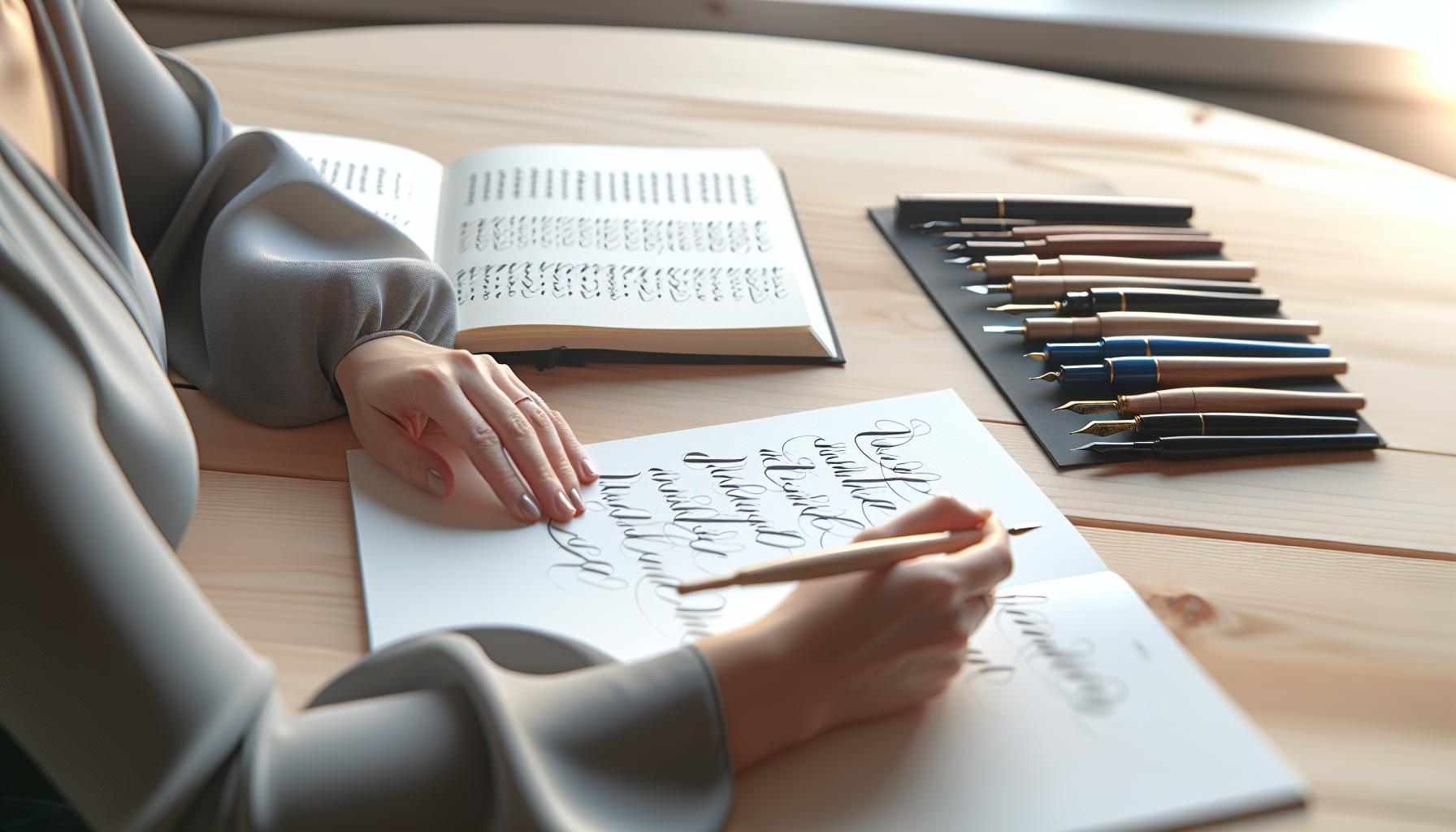
Finding the right calligraphy pen can be a game-changer for beginners eager to express their creativity through lettering. There are a multitude of options available, each with unique qualities that can influence your writing experience. Here are some top picks that stand out for their accessibility, versatility, and user-friendly features.
Dip Pens
Dip pens are often favored for their flexibility and expressive capabilities. A great starting option is the Speedball Dip Pen Set. This kit generally includes a variety of nibs, allowing beginners to experiment with different line widths and styles. The pen holder is comfortable to grip, which is crucial for longer writing sessions. Pair this with some water-based inks, like those from Dr. Ph. Martin’s, and you’ll have everything you need to dive into your calligraphy adventure.
Brush Pens
If you’re looking for something that’s both flexible and easy to use, consider brush pens. The Tombow Dual Brush Pens are a top-notch choice. They feature a flexible brush tip that mimics the effects of traditional calligraphy while being much easier to control for beginners. Plus, they come in an array of vibrant colors and are easy to blend, opening the door to creative shading techniques right from the start.
Felt Tip Pens
For those who want a low-commitment introduction to calligraphy, felt tip pens like the Crayola Brush Tip Markers can be perfect. They’re easily accessible and inexpensive, making them ideal for practice. Their tips allow for a nice variation in line thickness, and they come in packs with a variety of colors, perfect for experimenting without the fear of ruining expensive materials.
Nib Pens
Another standout option is the Pilot Parallel Pen. Unique for its dual nib system, it allows for a range of line widths and produces crisp lettering that’s great for beginners. The ink flow is consistent, and it’s incredibly easy to clean, making it a hassle-free choice as you develop your skills.
Choosing the right pen involves a bit of trial and error, but starting with these top picks geared towards beginners will give you a solid foundation. Remember, the best pen is the one that feels comfortable and meets your creative needs. So grab a few, experiment, and enjoy the journey of mastering this beautiful art form!
How to Hold a Calligraphy Pen Properly
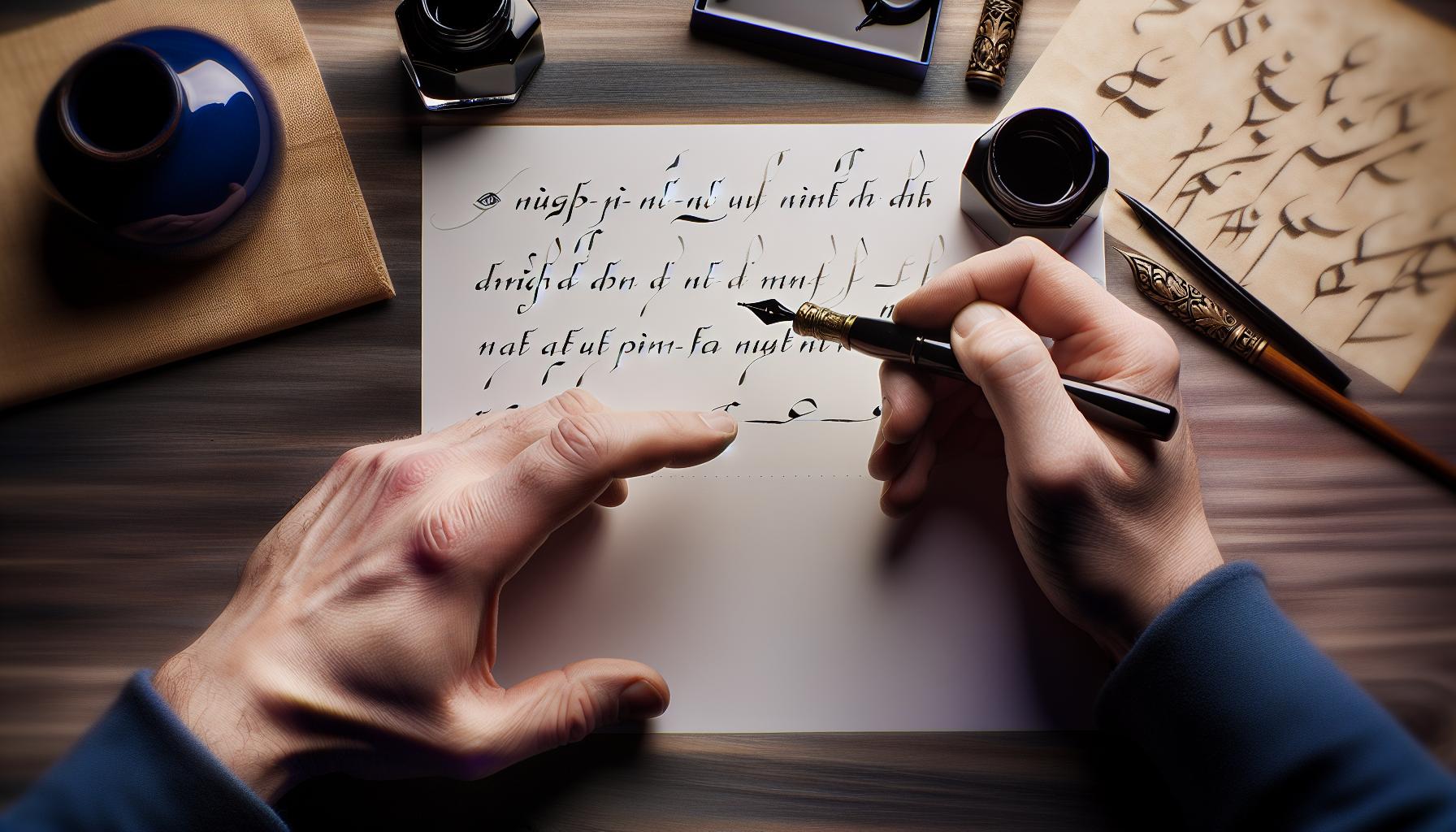
Getting your grip right on the calligraphy pen is crucial-it’s the difference between smooth, flowing letters and clunky, awkward strokes. Holding the pen properly can seem like a small detail, but it impacts the overall quality of your work and your comfort during longer writing sessions. Let’s simplify this process so you can focus on crafting beautiful letters.
To start, hold your pen at a 45-degree angle to the paper. This positioning allows the nib to make better contact with the surface and enables the ink to flow freely. You’ll want to rest the pen against the first knuckle of your index finger, which should be slightly below the grip area. Your thumb should then pinch the pen gently, not tightly, to give you control without cramping your grip. The middle finger should support the pen from underneath, helping to stabilize it while you write.
Here are some key tips to remember:
- Relax Your Grip: A common mistake is gripping the pen too tightly, which can lead to hand fatigue and awkward strokes. Keep your grip firm yet relaxed.
- Position Your Fingers: The index finger should control the pen‘s movement, while the thumb and middle finger provide support. Your fingers should not cover the nib.
- Mind the Angle: Adjust the angle of the pen as needed to maintain that essential 45-degree tilt for optimal flow and line variation.
- Posture Matters: Sit up straight, and keep your arm relaxed. Rest your wrist lightly on the paper; this helps anchor your hand and gives you better control.
With practice, you’ll find a grip that feels natural and comfortable. So, take your time to adjust and experiment. Remember, the more relaxed and fluid your grip, the more expressive your calligraphy will turn out. Happy writing!
Basic Calligraphy Techniques Every Beginner Should Know

When diving into the world of calligraphy, mastering several fundamental techniques can dramatically improve your results and enjoyment. One key skill every beginner should focus on is the art of pen pressure. Varying your pressure on the nib while writing creates different line thicknesses, adding character to your letters. For instance, applying more pressure on the downstrokes and lighter pressure on the upstrokes creates that beautiful contrast that defines elegant lettering styles.
Another crucial technique is practicing your strokes. Start with simple shapes like circles, loops, and lines to get a feel for how your chosen pen responds. This stage is all about building muscle memory. Try writing the same stroke repeatedly, paying attention to consistency in size and shape. Soon, you’ll find it easier to form letters that look fluid and connected. Moreover, don’t shy away from using guidelines. Lightly drawn lines on your paper can help keep your writing straight and uniform, which is especially helpful for beginners still getting accustomed to how their pens work.
Remember also to familiarize yourself with the basic calligraphy styles. While it’s tempting to aim for ornate scripts right away, starting with a simple script will help you understand the foundational aspects of letterforms. Styles like sans serif or basic italic offer sturdy, manageable forms. As you gain confidence, you can explore more complex styles, experimenting with flourishes and embellishments.
Lastly, embracing patience and practice is essential. Allow yourself the freedom to make mistakes; they’re an invaluable part of learning. Set aside dedicated time each week to practice, and celebrate your progress, no matter how small. With perseverance and the right techniques, you’ll see improvements that’ll keep you inspired and motivated on your calligraphy journey. Happy writing!
Common Mistakes to Avoid When Starting
Starting your calligraphy journey can be exciting, but it’s easy to stumble over some common pitfalls that can hinder your progress. One of the biggest mistakes beginners make is rushing into using advanced pens without mastering the basics. It’s tempting to grab the flashiest dip pen or brush pen because they look cool, but starting with simpler, more forgiving tools is key. A block lettering pen or a beginner-friendly brush pen will help you grasp the essential techniques without the frustration that can come from using complex tools.
Another frequent error is neglecting proper grip and posture. many new calligraphers cling too tightly to their pens, which can lead to stiff, uneven strokes. Instead, hold your pen lightly, letting it glide across the paper. Your posture matters, too-sit up straight, angle your paper comfortably, and keep your wrist relaxed. This not only improves control but also helps with comfort during longer practice sessions.
Additionally, many beginners overlook the importance of practice sheets and guidelines. It’s easy to freestyle right away, but adhering to guidelines helps maintain consistent letter height and spacing. Create or print practice sheets that align with the style you’re learning, and don’t hesitate to trace over them at first. This allows you to focus on the flow and form of each letter without getting bogged down by the urge to write perfectly right away.
Lastly, remember that calligraphy is a marathon, not a sprint. It’s common to feel discouraged by initial results, but every calligrapher has gone through this. Set realistic goals, celebrate small victories, and keep a positive mindset. Making mistakes isn’t just normal; it’s part of learning. Embrace them, learn from them, and most importantly, keep practicing! Your skills will grow faster than you think, so keep your ink flowing and your spirit high.
Maintenance Tips for Your Calligraphy Pens
To keep your calligraphy pens in top shape, regular maintenance is essential. Just like any tool, a little care goes a long way in preserving the performance and lifespan of your pens. Here are some straightforward tips to help you maintain them effectively.
First, always clean your pens after use. Inks, especially those that are water-based, can dry and clog the nib, which will affect your writing. For fountain pens, rinse the nib under warm water until the water runs clear, and for brush pens, gently wash the bristles with soapy water to remove residual ink. Remember not to use abrasive materials which could damage the nib or bristles. This simple habit keeps your pens ready for action whenever inspiration strikes.
Storage habits are equally important. Store your brushes and dip pens vertically (nib side up) to prevent damage to the tipping. This way, the bristles retain their shape and the nibs stay intact. If you use fountain pens, consider keeping them capped with the nib pointed downwards to prevent ink from drying in the nib. Use a dedicated case or a pen holder to keep them organized and avoid accidental damage.
Also, be mindful of the ink you choose. Some inks can be more prone to causing clogs or deterioration. Investing in good-quality inks designed for calligraphy will pay off. And, if you notice your pen isn’t writing smoothly, a quick dip in a nib cleaner can sometimes solve the issue.
Finally, don’t hesitate to replace the nibs or brushes when they show signs of wear. They’re designed to wear down over time, and replacing them will give your writing a fresh feel. By taking these maintenance steps, you’ll be able to enjoy your calligraphy journey without unnecessary frustrations, ensuring your tools are as reliable as your skills are growing.
Exploring Different Calligraphy Styles for Beginners
Diving into the world of calligraphy is an exciting journey, rich with creativity and self-expression. One compelling aspect that makes this art form so captivating is the variety of styles available, each with its own personality and flair. Whether you’re drawn to the elegance of cursive scripts or the bold strokes of Gothic lettering, understanding these styles can help you choose the right pen and technique that suits your preferences.
Among the classic styles, Copperplate is a popular choice for beginners. Characterized by its graceful, flowing letters, Copperplate requires a pointed pen to achieve the fine lines and dramatic thick-thin transitions. This style is perfect for creating invitations or formal notes. In contrast, Italic is a great alternative if you’re seeking a slightly more modern and versatile look. This slanted script offers a balance of readability and style, making it ideal for everyday use and decorative projects.
Then there’s Brush Calligraphy, which has surged in popularity thanks to its relaxed, artistic vibe. Using a brush pen, you can create expressive and spontaneous letters that embody a personal touch. This style is incredibly forgiving for beginners, allowing for a range of line thicknesses based on your brush strokes. For those who enjoy a touch of whimsy, Modern Calligraphy blends different elements to create unique compositions that may not adhere strictly to traditional forms. With its emphasis on creative flair, it invites experimentation with flourishes and embellishments.
When exploring these different styles, remember that the right pen can enhance your practice. For sharper scripts like Copperplate, a dip pen with various nib sizes will offer precision. If you lean towards brush calligraphy, invest in a good set of brush pens that provide flexibility and control. As you experiment, keep in mind that the best way to find your style is to practice consistently and allow your personality to shine through your work.
Engaging with these diverse styles will not only bolster your skills but also enrich your calligraphy experience. Embrace the freedom to blend techniques and discover what speaks to you, and don’t hesitate to explore online resources and communities for inspiration and guidance. Happy lettering!
Affordable vs. Premium Calligraphy Pens: What to Choose?
When it comes to calligraphy pens, one of the first decisions you’ll face is whether to go for affordable options or splurge on premium brands. Both have their merits, but understanding what you need as a beginner can make all the difference in your experience and results. Many newcomers wonder if spending more money truly equates to better quality; the answer isn’t always straightforward.
Affordable calligraphy pens can be a fantastic way to start your journey. They often come in sets, which is perfect for beginners who want to experiment with different styles without breaking the bank. For instance, many brush pen sets are well under $20 and can produce great results, allowing you to explore various techniques and find your niche without committing to high-end options right from the start. Brands like Tombow and Crayola offer quality pens that perform well for everyday practice and light projects.
On the flip side, premium pens can provide a level of precision and comfort that budget options might not match. Brands like Pilot, Manuscript, or Speedball offer dip pen kits and high-quality brush pens that deliver a smoother writing experience and finer control. The nibs of premium pens often have better construction and material quality, which translates to more consistent results. If you find that you’re serious about pursuing calligraphy as a hobby or even a profession, investing in a premium pen can pay off in the long run.
Ultimately, the choice between affordable and premium calligraphy pens should align with your goals. If you’re just dabbling in the art form, starting with affordable options lets you test the waters. However, as your skills develop and you want to refine your technique, exploring premium options could elevate your work significantly. Remember, the best pen is the one that feels right in your hand, so don’t hesitate to try both to see what suits your style best!
Personalizing Your Calligraphy Experience
To truly make your calligraphy experience yours, personalization is key. From the moment you choose a pen that feels direct and intuitive in your hand, you set the stage for your artistic journey. The right pen isn’t just functional; it should resonate with your style and comfort, allowing for effortless expression. Don’t be afraid to try various nibs and ink types to find what best aligns with your unique flair. Understanding that calligraphy is not merely about replicating styles, but about infusing your personality into each stroke, can transform your practice from a technical task into an enjoyable creative outlet.
Consider customizing your writing surface as well. Using specialty papers-like smooth, heavyweight paper or textured watercolor paper-can enhance your calligraphy while also providing a distinct finish to your projects. Experimenting with different surfaces influences the flow and appearance of your ink, making it another avenue for personal expression. Additionally, don’t overlook the power of color; mixing and matching ink colors not only reflects your mood but can drastically change the nuances of your work.
Engaging with the calligraphy community can further enrich your experience. By sharing your work and seeking feedback, you gain new insights and inspiration that can spark your creativity. Participating in online forums or local workshops allows you to connect with other enthusiasts who can offer valuable tips and support. You might even discover new techniques or styles that resonate with you, adding another layer to your personalized journey.
Finally, set goals that reflect your personal interests. Whether it’s mastering a specific style, creating custom pieces for friends, or even exploring digital calligraphy, having a clear vision keeps you motivated. Remember, every artist starts somewhere, and your unique approach is what will ultimately set you apart. Enjoy the process, embrace your mistakes, and let your individual style shine through in every letter you craft.
Online Resources and Communities for Calligraphy Enthusiasts
Connecting with fellow calligraphy enthusiasts can dramatically enhance your learning journey. The world of calligraphy is rich with resources, and diving into online communities is one of the best ways to develop your skills. Whether you’re a complete beginner or someone looking to refine your technique, there’s a wealth of information just a click away.
Social media platforms, particularly Instagram and Pinterest, are treasure troves for calligraphy inspiration. Follow accounts dedicated to penmanship, and you’ll find endless ideas for styles and projects. Engage with tags like #calligraphy, #lettering, or #moderncalligraphy to discover tutorials and sneak peeks into the practices of seasoned artists. Additionally, YouTube is filled with instructional videos that cover everything from basic strokes to more advanced techniques. Watching others can provide valuable insights into how they handle their tools and paper.
Online forums and communities, such as those on Reddit or dedicated Facebook groups, are fantastic for discussions and feedback. You can share your work and receive constructive criticism-these environments foster growth and creativity. Look for local workshops or meetups advertised in these groups; personal interaction can often sharpen your skills faster than practicing alone.
Consider also exploring resources like Skillshare or Udemy, where you can find structured courses tailored to various skill levels. Many instructors share tips that come from years of experience, which can save you time as you navigate the early days of your calligraphy journey. Don’t shy away from asking questions in these spaces; the community is usually very supportive and eager to help newcomers.
Joining these online resources not only equips you with knowledge but also introduces you to like-minded individuals who share your passion. Embrace these opportunities to learn, share, and grow in your calligraphy journey!
Getting Inspired: Calligraphy Projects for Beginners
There’s something incredibly rewarding about creating art with your own hands, and calligraphy is no exception. Whether you’re just starting out or looking for new projects to spark your creativity, diving into specific calligraphy projects can provide a perfect avenue to practice and develop your skills. Here are some engaging ideas to help you get started and inspire your artistic journey.
Greeting Cards
One of the simplest yet most fulfilling projects is creating personalized greeting cards. Use elegant scripts for birthdays, holidays, or simply to send a note to a friend. You can experiment with different styles, from modern to traditional, and even incorporate illustrations or watercolor washes for added flair. This project not only allows you to refine your penmanship but also gives your loved ones something special created just for them.
Quotes and Inspirational Prints
Transform your favorite quotes into beautiful pieces of art. You don’t have to be an expert to make something stunning. Choose a quote that resonates with you, and practice your lettering on high-quality paper. Consider using embellishments like flourishes or decorative borders to enhance the final look. Once you’re satisfied, frame it or share it on social media to connect with others who appreciate your art.
Place Settings or Menu Designs
For those occasions when you host a gathering, take your calligraphy skills to the table! Create beautifully scripted place settings or menu cards. Not only does this elevate the dining experience, but it also provides a fantastic opportunity for you to practice different lettering styles under pressure. Plus, these projects allow you to play with various papers and colors, making each piece unique.
Calligraphy Challenge
Finally, consider undertaking a calligraphy challenge. Set a theme or a word for each day of the week or month, and create a piece based on that theme. This kind of project nurtures discipline and encourages exploration of different styles and techniques. You can document your progress on Instagram with relevant hashtags to engage with fellow enthusiasts and keep yourself accountable.
Getting your hands dirty with calligraphy projects not only hones your skills but also fosters creativity. Whether you choose to craft cards or indulge in artistic endeavors like framed quotes, each stroke of the pen adds to your growth as a calligrapher. So gather your pens, select a project, and let your creativity flow!
Frequently Asked Questions
Q: What type of calligraphy pens are best for beginners?
A: Felt-tip and brush pens are excellent choices for beginners. They are user-friendly, require minimal setup, and offer varied line thickness. These pens help you practice basic strokes without the complexity of dip pen setups, making them ideal for learning calligraphy techniques.
Q: How much should I spend on my first calligraphy pen?
A: For beginners, it’s wise to invest around $10 to $30. This range allows you to find quality pens that provide a good learning experience without breaking the bank. You can explore various brands within this budget to discover what feels best for you.
Q: Can I use regular pens for calligraphy?
A: While regular pens can be used, they lack the flexibility and control of calligraphy-specific pens. Using the right tools enhances your learning and helps produce more aesthetically pleasing results. For serious practice, opt for pens designed for calligraphy.
Q: What are the essential features to look for in a beginner calligraphy pen?
A: Look for comfortable grip, easy flow of ink, and a nib that allows for varied line widths. A flexible nib can also enhance your writing style, enabling you to create beautiful, flowing letters as you practice fundamental techniques.
Q: When should I switch from practice pens to more advanced calligraphy pens?
A: Switch to advanced pens when you’re comfortable with basic strokes and ready to explore different styles. This typically occurs after a few weeks of consistent practice. Transitioning allows you to refine your skills with tools that offer greater precision and creativity.
Q: Where can I find beginner-friendly calligraphy resources online?
A: Websites like YouTube, Instagram, and dedicated calligraphy forums offer ample resources. Many platforms provide tutorials, step-by-step guides, and community support to help you connect with other calligraphy enthusiasts and improve your skills.
Q: Why is practicing calligraphy important for beginners?
A: Regular practice is crucial as it builds muscle memory and helps you develop consistent strokes. It allows you to refine your technique, gain confidence, and ultimately create beautiful lettering. Set aside daily time to practice for the best results.
Q: What common mistakes should beginners avoid when starting calligraphy?
A: Beginners should avoid rushing through practice, neglecting to warm up, and not paying attention to pressure techniques. Taking your time and focusing on each stroke will significantly improve your outcomes and help you create more polished work.
Insights and Conclusions
Now that you know which calligraphy pen is best for beginners, it’s time to take action! Remember, the right tool can enhance your skills and make your learning experience enjoyable. Don’t hesitate-grab your pen and start practicing today! Also, check out our guide on calligraphy techniques and paper types, which can further elevate your art.
If you have any questions or want to share your progress, drop a comment below or visit our community forum. Your feedback is invaluable! And if you haven’t yet, consider signing up for our newsletter for tips, exclusive content, and updates on new resources designed to inspire and support your calligraphy journey.
By exploring these resources, you’ll not only refine your calligraphy skills but also become part of a vibrant community. So, gear up, get writing, and let your creativity flow!
Get our latest guides, news, and insights highlighted in your Google Search & AI Overviews.