If you’re diving into the beautiful world of calligraphy, you might be surprised by how much the right pen can elevate your practice. Whether you’re a beginner or a seasoned artist, the pen you choose impacts not just your technique but also your enjoyment. With countless options available, finding the best pen for your needs can feel overwhelming. That’s why we’ve crafted this ultimate selection guide-to help you navigate the maze of styles, tips, and recommendations, ensuring you find the perfect tool to express your creativity. From the smooth flow of ink to the ergonomic design, we’ll explore how each feature can enhance your lettering experience. Let’s unlock the potential of your calligraphy journey together!
What Makes a Great Calligraphy Pen?
A great calligraphy pen isn’t just about aesthetics; it’s about how it feels in your hand and the lines it produces. Comfort is paramount-you’ll often be writing for extended periods, so a lightweight pen that fits well between your fingers can make a significant difference. Look for materials that offer a good grip, whether it’s a rubberized surface or a natural shape that conforms to your hand.
Another critical aspect is the nib’s capability. The nib determines the pen’s line variation and overall responsiveness as you write. Soft nibs flex when you apply pressure, creating beautiful thick and thin strokes, while firmer nibs provide precision and control. Experimenting with different nib sizes is essential because they can dramatically alter your writing style. For example, a fine nib can give you delicate details, while a broader nib is perfect for bolder scripts.
Ink compatibility also plays a vital role. High-quality, flowing ink can elevate your calligraphy experience, ensuring smooth application without skipping. Whether you prefer liquid inks for dip pens or cartridges for fountain pens, invest in good ink that complements the pen and your style.
Ultimately, a great calligraphy pen is one that connects with you personally. It should inspire your creativity, feel comfortable, and help you produce the writing style you envision. Don’t hesitate to try various types until you discover what truly enhances your craft.
Types of Calligraphy Pens Explained
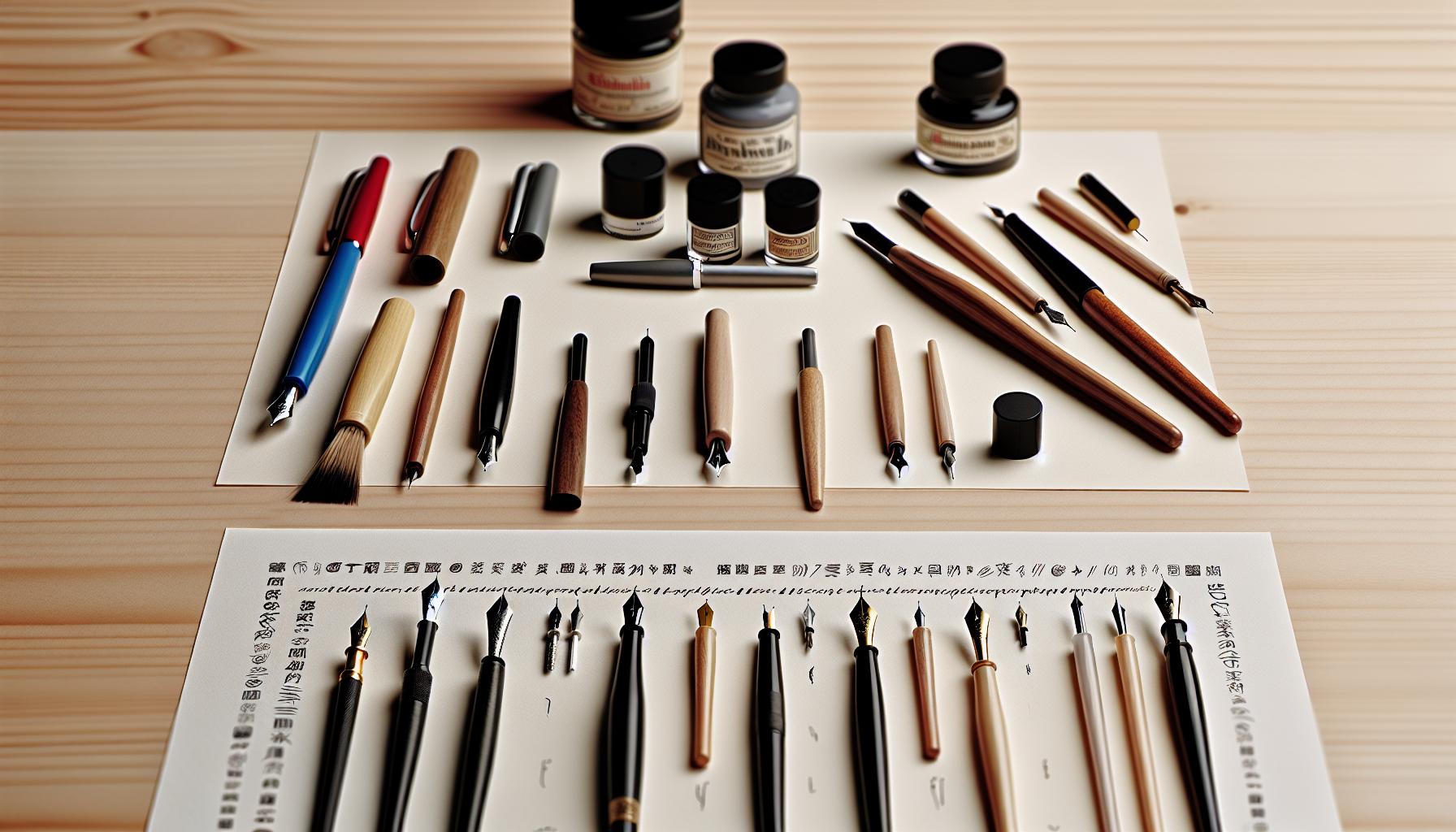
Different calligraphy pens can dramatically change your writing experience, giving you the versatility to explore various styles and techniques. Each type of pen offers distinct characteristics that cater to different calligraphy needs. Here’s a breakdown to help you navigate the options.
Dip Pens
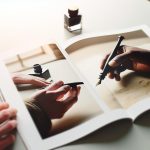
Dip pens are traditional tools that consist of a handle and a removable nib. They offer unparalleled control over line variation and are perfect for intricate designs. Since the nib can be changed, you have the freedom to choose from a large selection of nibs, each providing different effects-from fine, delicate lines to bold strokes. However, they require you to dip the nib in ink often, which might be a drawback for some. The beauty of dip pens lies in the artistry they enable; dedicated calligraphers often prefer them for their precision and expressiveness.
Fountain Pens
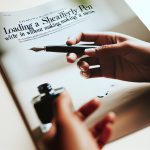
Fountain pens are a convenient choice that marries elegance with ease of use. These pens have a built-in ink reservoir and come in various nib types, including flexible and stub nibs for calligraphy. Their smooth flow of ink allows for consistent results, making them ideal for those wanting to blend traditional calligraphy with modern flair. Fountain pens also offer different filling mechanisms, such as cartridges or converters, giving you flexibility in ink selection. If you’re just starting out, a fountain pen can be a friendly introduction to the world of calligraphy.
Brush Pens
Brush pens combine the characteristics of a paintbrush with the convenience of a pen. They come with flexible brush tips that enable you to create beautiful, flowing strokes akin to brush lettering. These pens are particularly popular for projects that require a more expressive style, like modern calligraphy. Brush pens are available in various types, including water-based and alcohol-based inks, which can influence the final look of your work. They’re great for experimenting with different techniques, making them a favorite among both beginners and seasoned artists.
Marker Pens
Marker pens, particularly those designed for lettering, often feature a chisel or broad tip, allowing for easy thick and thin lines. They’re excellent for quick projects and are available in a wide range of colors. Their convenience makes them suitable for creating bulk invitations or signage. However, while they’re great for producing clear, bold lines, they might lack the finesse a nib pen offers for detailed work.
Choosing the right pen often becomes a personal journey based on your unique style and desired effects. Don’t hesitate to experiment with various types to discover which best suits your artistic vision, as your pen can be as much a part of your style as the techniques you employ.
Essential Features to Look for in a Calligraphy Pen
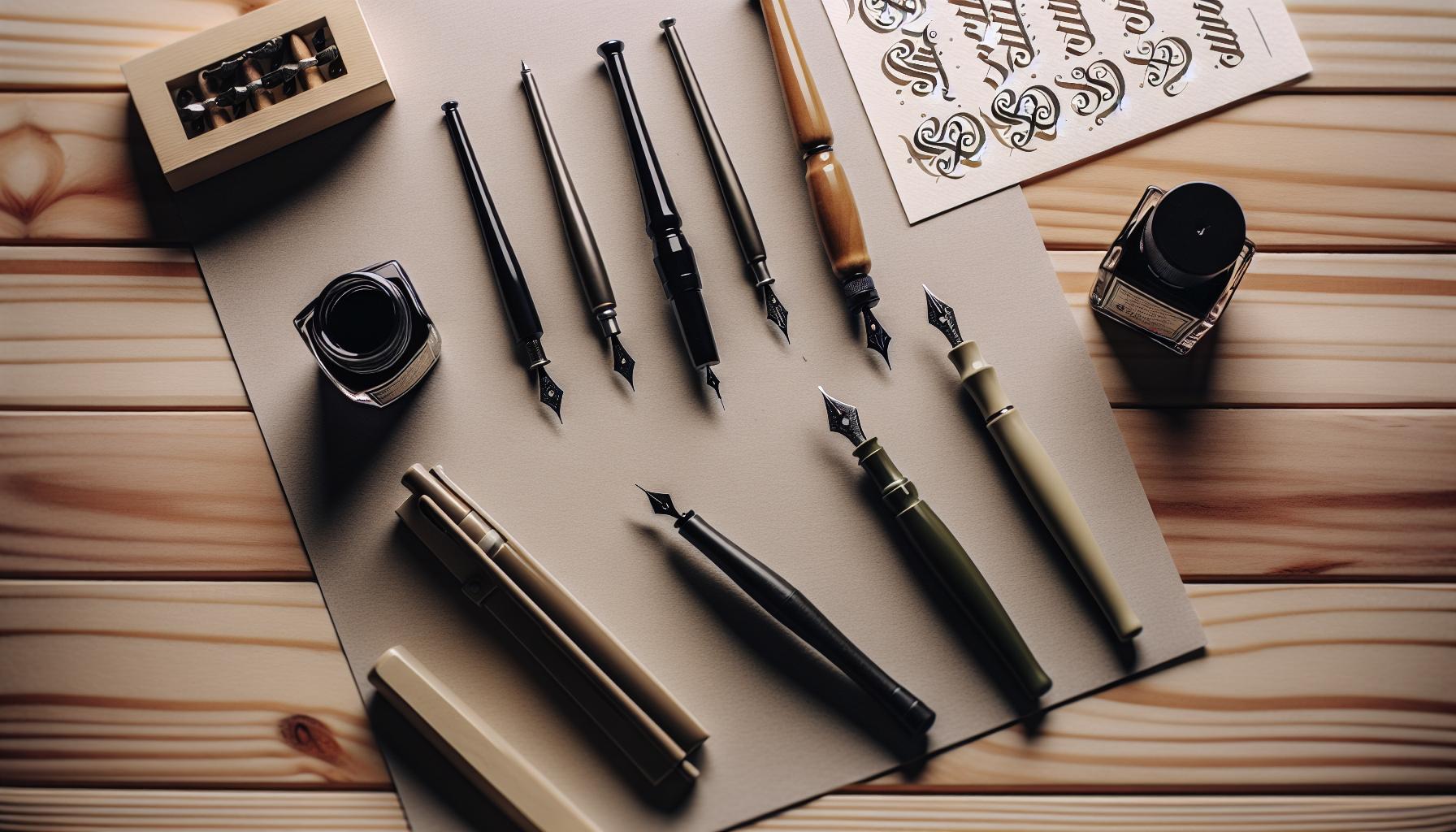
Choosing the right calligraphy pen can make all the difference in your writing journey. With so many options available, understanding the essential features of a great calligraphy pen is crucial to achieving your artistic vision. Here’s what to look for to ensure you select a tool that enhances your craft.
First and foremost, nib flexibility is a key feature. If you’re aiming for varied line thickness and expressive styles, pens with flexible nibs are ideal. They allow you to apply pressure to create thick downstrokes and light, airy upstrokes. For those who prefer precision, a firmer nib will provide more consistent line widths. Don’t overlook the nib size; it affects everything from the delicacy of your work to the level of detail you can achieve.
Another important aspect is ink flow. A consistent flow of ink prevents skips and blots, allowing for smooth and uninterrupted writing. Consider whether the pen uses cartridges, converters, or built-in reservoirs. Each has its advantages; cartridges are convenient for on-the-go creativity, while converters provide a wider selection of inks.
Additionally, grip comfort plays a significant role in your writing experience. A pen that feels good in your hand can prevent fatigue during longer sessions. Look for ergonomic designs or textured grips that help maintain control without slipping. As you explore different styles, finding a pen that balances well in your hand will enhance your comfort and performance.
Lastly, don’t forget about material quality. High-quality materials ensure durability and can affect the overall feel of the pen. Whether you opt for a classic wood finish or a sleek metal body, investing in a well-crafted pen can significantly enhance your calligraphy practice. Remember, a great pen is more than just a tool; it’s an extension of your creative expression.
Top Brands to Consider for Calligraphy
Choosing the right brand for your calligraphy pens can elevate your writing and inspire your creativity. Several brands consistently stand out in the calligraphy community, renowned for their quality, innovation, and variety. Here’s a closer look at some top names that calligraphers swear by, whether you’re just starting or are a seasoned professional.
1. Pilot
Pilot pens are a go-to for many calligraphy enthusiasts, thanks to their reliable performance and accessibility. The Pilot Parallel Pens are particularly popular for their dual nibs, allowing for varied line widths and unique styles. With vibrant ink options that flow smoothly, these pens are perfect for both beginners and experienced artists.
2. Tombow
Tombow is synonymous with quality in the calligraphy world, especially known for their brush pens. The Tombow Fudenosuke Brush Pen, which features both hard and soft tips, is excellent for achieving expressive lettering styles. Its blend of flexibility and control gives you the ability to create beautiful brush strokes that can adapt to different lettering techniques.
3. Kuretake
If you’re looking for traditional Japanese calligraphy tools, Kuretake provides some of the best options. Their brush pens, like the Zig Brushables, are famous for their versatility. These pens feature dual tips for varied line widths and vibrant colors, making them a favorite among artists who enjoy blending and layering.
4. Speedball
For those who lean towards classic dip pens, Speedball is a trusted choice. Their calligraphy sets often come with a selection of nibs and a well-crafted pen holder, making it easy to explore different styles. Coupled with high-quality inks, Speedball’s products are ideal for those who appreciate traditional techniques in modern forms.
5. Manuscript
Manuscript is another brand that offers a comprehensive range of calligraphy pens suitable for various skill levels. Their fountain pens with interchangeable nibs are excellent for those looking to experiment with different script styles. Manuscript’s focus on education also provides many resources for beginners, supporting those new to calligraphy.
Investing in the right brand means not only ensuring quality but also finding a pen that resonates with your style and technique. Whether you’re drawn to the precision of a dip pen or the ease of a brush pen, understanding your preferences will help guide your choice. Remember, the best pen is one that feels right in your hand and inspires your creativity.
How to Choose the Right Pen for Your Style
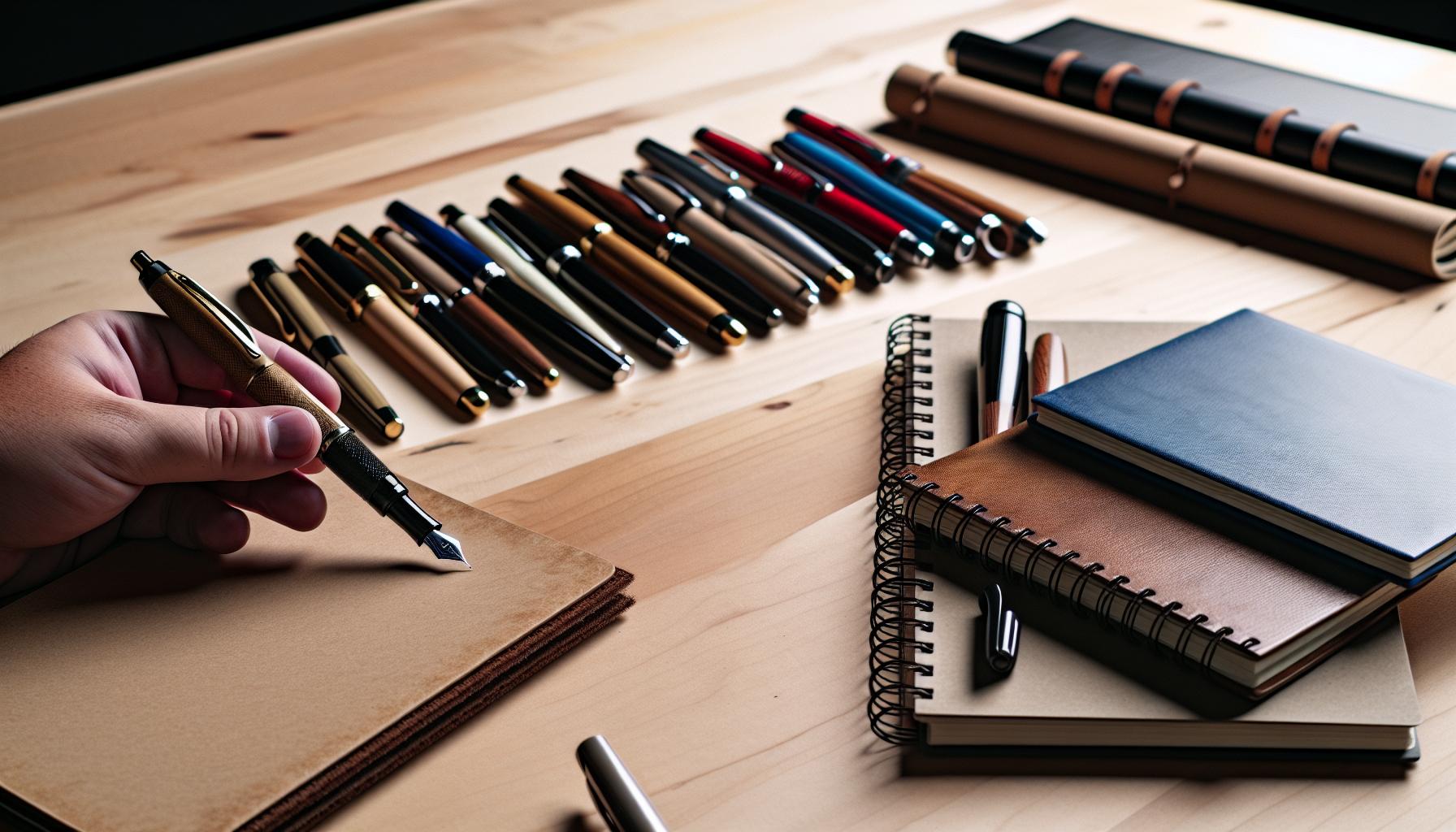
Finding the perfect calligraphy pen is like discovering the right paintbrush for an artist-it’s essential for expressing your unique style and bringing your vision to life. The right pen can dramatically influence your technique, comfort, and even the final appearance of your artwork. With so many options available, how do you determine which one aligns best with your artistic voice?
Start by reflecting on your calligraphy style. Are you drawn to elegant scripts, bold lettering, or perhaps a mix of both? Different pens serve different purposes. For instance, if you admire the flowing strokes of copperplate or pointed pen calligraphy, a flexible nib is your best bet. Look for pens with specific nib sizes, such as those from brands like Speedball or Manuscript that cater to traditional styles. On the other hand, if you prefer brush lettering, the soft tips of Tombow or Kuretake pens will help you achieve those sweeping, dynamic strokes.
Next, consider your level of experience. Beginners might benefit from pens that are user-friendly and forgiving, like Pilot’s Parallel Pens, which offer smooth lines without requiring extensive technique. As you grow in skill, you might want to explore more advanced options, such as fountain pens with interchangeable nibs or specialized brush pens that allow for greater expression. These tools can help elevate your projects and provide versatility as your style develops.
Ultimately, the best way to find your ideal pen is through experimentation. Don’t hesitate to try different brands and types. Maybe visit a local art supply store where you can feel the pens in your hand and see how they work on paper. Keep in mind that comfort matters-something that feels awkward in your grip will hinder your creativity. Invest in a few pens that resonate with you, and you’ll soon discover how they enhance your artwork. Choose wisely, and let your calligraphy journey flourish!
Beginner-Friendly Pen Recommendations
Finding the right pen can be a game-changer for beginners stepping into the world of calligraphy. It’s about striking the right balance between ease of use and the potential to grow as your skills improve. Luckily, several beginner-friendly pens can help you achieve beautiful lettering without overwhelming you with technical difficulties.
One of the go-to options for those just starting out is the Pilot Parallel Pen. This pen features a unique, dual-sided nib that allows for a broad spectrum of strokes. With its smooth ink flow and ease of control, it’s perfect for learning basic letterforms while giving you that satisfying glide. The Pilot Parallel Pen also comes in various nib widths, so you can experiment with different styles, from thick, bold letters to delicate scripts.
Another fantastic choice is the Tombow Fudenosuke Brush Pen. Its flexible brush tip provides just the right amount of resistance, allowing beginners to create varied stroke thickness as they practice their upward and downward movements. The pen also has a firmer tip variant, making it versatile enough to transition into more complex designs and techniques over time.
If you’re leaning towards traditional nibs, consider the Speedball Oblique Pen Holder with Nibs. This set introduces you to dip pens, which can yield stunning results once you gain some confidence. Although it may seem daunting, the oblique holder’s design helps to maintain a comfortable grip, making it easier for you to navigate and create those elegant scripts. Pair it with some high-quality calligraphy ink, and you’re well on your way to creating art that’s not just lettering but a true expression of style.
In sum, the best advice is this: choose pens that resonate with you and your artistic goals. Experimenting with these beginner-friendly options can lead to a deeper understanding of calligraphy and the development of your unique style. Don’t be afraid to make mistakes-they’re part of the learning process. With practice and the right tools in hand, you’ll be crafting beautiful letters in no time!
Advanced Pen Options for Experienced Calligraphers
For those seasoned in calligraphy, the right tool can elevate your work from beautiful to breathtaking. As an experienced calligrapher, you likely have a deep understanding of various pen types and their unique traits. The best advanced options not only enhance your skill but also inspire creativity and precision in your writing.
When delving into advanced pen options, consider the versatility of the oblique nib holder. This type allows for smooth transitions and varied angles, which is essential for flourishing and dynamic lettering styles. When paired with high-quality nibs like the Brause 361 or the Gillott 404, you’ll find that these nibs provide excellent line variation and a crisp, clean line that makes your words sing. The oblique holder’s comfortable grip promotes longer writing sessions without discomfort, helping you achieve the levels of detail and intricacy calligraphy demands.
Another fantastic choice is the brush pen, particularly those with dual tips. Pens like the Pentel Touch or the Tombow Dual Brush Pen offer the flexibility to switch between fine precision and bold strokes seamlessly. These pens are perfect for creating expressive scripts or floral elements within your lettering. They’re portable too, making them ideal for calligraphers who like to sketch ideas on the go.
As you explore the ink to complement your advanced pen choices, opt for pigment-based inks for their rich color saturation and archival quality. Brands like Sennelier or Winsor & Newton offer inks that glide smoothly and dry quickly without feathering, ensuring your work remains crisp over time.
Finally, maintain a regular cleaning routine for your pens to keep them in top condition. Frequent maintenance helps prevent clogging and ensures that your strokes remain consistent, crucial for developing your distinctive style. Remember, the perfect pen does more than just write; it becomes an extension of your artistic voice. Embrace the tools that feel right in your hand, and watch your calligraphy flourish.
Tips for Maintaining Your Calligraphy Pens
Maintaining your calligraphy pens is crucial to ensuring they perform as beautifully as they produce. Neglecting them can lead to frustrating clogs, uneven ink flow, and a diminished writing experience. Fortunately, with a few simple practices, you can keep your tools in impeccable condition and ready for your most ambitious projects.
First and foremost, cleaning your pens regularly is essential. Depending on how frequently you use your pens, you might want to clean them after every session or at least once a week. For fountain pens or dip pens, rinse the nib thoroughly under warm water to remove any dried ink. Use a soft cloth to gently wipe away residue. If ink has dried more stubbornly, a gentle soak in warm water or a solution specifically designed for pen cleaning can help. Always ensure the nib is completely dry before reusing or storing it.
Another important aspect is storing your pens correctly. For nibs and holders, keep them in a safe place where they won’t be knocked around. A dedicated carrying case or specific storage box can prevent damage. If you’re using brush pens, store them horizontally to avoid the ink settling at one end. This technique ensures an even flow of ink when you use the pen next.
Lastly, pay attention to your ink selection and usage. Not all inks are created equal, and some can clog more easily than others. Pigment-based inks are often recommended for their consistency and flow, but they need to be cleaned more vigilantly. Always cap your pens when not in use, as exposure to air can dry out the nib or cause ink to thicken inside the reservoir.
Incorporating these practices into your routine will not only extend the life of your calligraphy pens but also enhance your overall writing experience. Your calligraphy tools are an extension of your creativity, and taking care of them will let your artistry shine through beautifully.
Ink Selection: What Works Best for Calligraphy
Choosing the right ink can make or break your calligraphy experience. With so many options available, it’s crucial to select one that works harmoniously with your pen and style. Whether you’re crafting elegant invitations or practicing the art on sketch pads, the right ink can enhance the flow and permanence of your work.
Types of Ink to Consider
There are a few primary types of ink used in calligraphy, each with its own characteristics:
- Water-Based Inks: These inks are easy to clean and are great for beginners. They flow smoothly and are available in a wide variety of colors. However, they may not be waterproof unless specifically formulated that way.
- Pigment-Based Inks: Known for their vibrancy and permanence, pigment inks are excellent for archival purposes. They can be a bit thicker, which may require you to clean your nibs more frequently to avoid clogs.
- Dye-Based Inks: These inks are typically more fluid and produce bright, bold colors. They are often used for fountain pens and may not be lightfast or waterproof.
- India Inks: A favorite among traditional calligraphers, India ink is dense, dark, and waterproof. It’s great for creating strong lines but can be tricky to clean from nibs.
Choosing the Right Ink for Your Style
Think about what you want to achieve with your calligraphy. If you’re aiming for vibrant, expressive pieces, watercolors or dye-based inks might be up your alley. For long-lasting pieces, go for the pigment-based variety. If you enjoy working with brush pens, water-based inks that flow easily will serve you well.
Maintenance and Considerations
No matter what ink you choose, remember that maintenance is key. Always cap your ink bottles tightly to prevent drying out. Regularly cleaning your tools after use can prevent buildup that disrupts ink flow. When experimenting with a new ink, test it out on a scrap piece of paper first to see how it interacts with your pen and your handwriting style.
With the right ink selection, you’ll seamlessly elevate your calligraphy projects, ensuring that each letter flows with the grace and beauty you envision.
Common Mistakes to Avoid with Calligraphy Pens
Getting into calligraphy can be incredibly rewarding, but many newcomers stumble over some common pitfalls that can hinder their progress. One major mistake is not taking the time to understand the different types of pens available. Using the wrong tool can lead to frustration and unsatisfactory results. For instance, if you’re attempting traditional scripts with a brush pen designed for modern styles, you’ll likely struggle. Always choose a pen that aligns with your calligraphy style and technique.
Another frequent issue is neglecting maintenance. Calligraphy pens-especially dip pens-require regular cleaning to perform well. Failing to do so can result in clogs and uneven ink flow, which could ruin your work. After every session, make it a habit to clean your nibs and store your pens properly. This simple step can significantly extend the life of your tools and enhance your writing experience.
Additionally, many people underestimate the importance of pressure and angle. In calligraphy, achieving the correct angle and applying the right amount of pressure can drastically affect line quality. A common mistake is holding the pen too rigidly. Allowing a fluid motion can help create those lovely thick and thin lines that characterize beautiful calligraphy. Spend some time practicing your grip and experimenting with angles to find what works best for you.
Lastly, don’t overlook the paper you’re using. Not all papers are created equal for calligraphy, and using the wrong one can lead to feathering or bleed-through. Avoid standard printer paper; instead, opt for smooth, high-quality papers designed for ink and markers. Testing different papers can be a game-changer in achieving cleaner lines and better finishes.
By paying attention to these areas, you’ll ensure a more satisfying and productive journey into the world of calligraphy. Embrace the process, learn from these mistakes, and watch your skills flourish!
Expert Recommendations from Calligraphy Artists
The right calligraphy pen can transform your experience from mediocre to magical. Many seasoned calligraphers advocate for investing in quality tools because they can significantly elevate your craft and push your skills further. Here’s what the experts say about selecting your ideal pen.
First, many artists swear by the versatility of dip pens, particularly for traditional calligraphy styles. Popular choices include the Brause EF66 and the Zebra G. These nibs allow for fine control over pressure and line variation, essential for achieving that classic thick-and-thin look. You might also hear praises for the Nikko G, known for its durability and smooth ink flow, making it a great option for beginners and intermediates alike.
For those leaning toward modern calligraphy, brush pens are often recommended. The Tombow Fudenosuke brush pen offers varying degrees of firmness, allowing for different styles and line widths. Artists appreciate its ease of use and the way it mimics traditional brush strokes, making it perfect for quick practice sessions or finished pieces. Additionally, professionals often recommend having a range of brush pens on hand to experiment with different textures and effects.
Don’t overlook the power of experimenting. Many calligraphers emphasize trying multiple pens to discover what fits your style best. As Calligraphy artist John Doe puts it, “Each pen has its unique personality; find the one that speaks to your flow.” This personal connection can enhance your confidence and creativity in your work.
Maintenance is crucial too. Regular cleaning, especially for dip pens, is something experts stress. It ensures consistent performance and longevity. A well-maintained pen becomes an extension of your hand, creating a seamless writing experience. Use warm water and a gentle brush to clean your nibs, and always store them upright to prevent damage.
In essence, don’t rush the process of finding your perfect pen. Take your time to explore, test, and allow your style to evolve with your tools. The path of discovery in calligraphy is as rewarding as the final piece itself.
Q&A
Q: What type of pen is best for beginners in calligraphy?
A: Beginners should consider using a fountain pen or brush pen for calligraphy. These pens are user-friendly, allowing for smooth ink flow and flexible strokes, making it easier to create beautiful lettering as you practice. Look for pens with beginner kits that include instructional guides.
Q: How can I improve my calligraphy skills?
A: Practice consistently and focus on basic strokes to enhance your calligraphy skills. Try copying styles from your favorite calligraphers and utilize practice sheets to maintain uniformity. Joining workshops or online classes can also provide valuable feedback and tips from professionals.
Q: What is the difference between pointed and broad-tipped pens in calligraphy?
A: Pointed pens allow for intricate detailing, perfect for scripts like Copperplate, while broad-tipped pens produce bold strokes, suitable for Gothic or modern calligraphy. Choosing depends on your preferred style and the types of letters you want to create.
Q: How do I choose the right ink for my calligraphy pen?
A: Select an ink that is specifically formulated for calligraphy, such as fountain pen ink or calligraphy ink. Ensure it’s compatible with your pen type and provides smooth flow without clogging. Experiment with colors to find what best complements your style.
Q: Can I use regular pens for calligraphy?
A: While you can use regular gel or ballpoint pens for simple lettering, they won’t deliver the same effect as specialized calligraphy pens. Investing in proper calligraphy tools will yield better control and visual appeal in your work.
Q: What are some common mistakes to avoid in calligraphy?
A: Avoid rushing through practice; take your time to ensure proper form. Also, don’t neglect pen maintenance-keeping your nib clean is crucial. Overly heavy pressure can also damage your pen, so aim for consistent, light strokes.
Q: How can I create personalized calligraphy art for gifts?
A: Choose a meaningful quote or phrase and practice writing it in your preferred style. Use quality paper and focus on layout and design elements. Consider adding decorative touches like flourishes or illustrations to enhance the personalization.
Q: Is it necessary to use special paper for calligraphy?
A: While it isn’t strictly necessary, using smooth, bleed-proof paper can significantly improve your calligraphy results. It prevents ink from feathering and allows for cleaner lines. Look for paper labeled as ideal for calligraphy or brush lettering to get the best outcomes.
Closing Remarks
Now that you know how to choose the best pen for your calligraphy projects, it’s time to put pen to paper and unleash your creativity! Remember, the right tools can transform your writing and help you express your unique style. If you’re still uncertain which pen suits your needs, consider exploring our detailed reviews of the best calligraphy inks and papers to enhance your experience even further.
Feeling inspired? Don’t wait-try out the recommended pens today and start crafting beautiful letters. If you enjoyed this guide, check out our article on mastering calligraphy basics and sign up for our newsletter for tips and exclusive content. Your journey in calligraphy could be just beginning-let’s keep the creativity flowing! Join our community below to share your progress and connect with others who are just as passionate about lettering as you are. Happy writing!
Get our latest guides, news, and insights highlighted in your Google Search & AI Overviews.