
Have you ever admired the elegance of handwritten invitations or the beauty of personalized cards and wondered how to create that stunning look yourself? Writing calligraphy with a dip pen is not just an art form; it’s a way to add personal flair to your projects and express your creativity. In this guide, we’ll dive into classic style techniques that will help you master the fundamentals of this timeless craft. Whether you’re looking to enhance your decor, create one-of-a-kind greetings, or simply explore a new hobby, calligraphy opens up a world of possibilities. As you learn to wield your dip pen, you’ll discover not only a skill but also a calming, meditative practice that can transform your writing experience. So, let’s embark on this journey together and unlock the beauty of calligraphy!
Mastering the Basics of Calligraphy Dip Pen
Mastering calligraphy with a dip pen opens up a world of elegance and personal expression. It’s a skill that can transform ordinary writing into art. Here’s how to get started on this rewarding journey.
To begin, select a comfortable dip pen that feels good in your hand. A nib that suits your grip and style is crucial. Each nib creates different line variations, so don’t hesitate to experiment until you find the one that feels right for you. Ensure your ink is of high quality; it influences the flow and vibrancy of your letters. Remember, patience is key. When starting, take your time to practice basic strokes, as they form the foundation for every beautiful letter you’ll create.
Next, focus on your grip and posture. Hold the pen lightly between your thumb and index finger, allowing your middle finger to support it. A relaxed hand leads to smoother strokes. Position your body comfortably, keeping your paper at an angle that allows for fluid movement. Practice consistent pressure-pressing harder for thick lines and lightly for thin strokes.
As you practice, don’t just create letters; think about the rhythm and flow of your writing. Engaging with your tool in this way will lead to a more genuine calligraphic style. It’s in the subtleties of your strokes where you’ll infuse personality into your work. Start with simple words, merge letters, and soon, you’ll be crafting beautiful phrases that tell a story. Remember, every master was once a beginner, so enjoy the process and let your creativity shine.
Essential Tools for Classic Calligraphy
To truly embrace the art of classic calligraphy, gathering the right tools is essential. Having high-quality instruments in your toolkit not only enhances your craft but also brings the joy of creation. Start with a reliable dip pen. The comfort of a well-balanced pen can significantly affect your writing experience. Look for a pen holder that feels good in your hand and allows for fluid movement. Consider trying a couple of different styles, as finding the perfect match might take some experimentation.
Another crucial component is the nib. Nibs come in various shapes and sizes, each producing different line widths and effects. For classic calligraphy, pointed nibs are commonly used, as they allow for expressive thick and thin strokes. It’s worth investing in a set of nibs to see which one resonates with your style. Don’t shy away from experimenting with various types; the right nib can transform your letters into stunning art.
When it comes to ink, quality matters. A smooth, consistent ink flow is vital for creating those elegant lines we strive for in calligraphy. Depending on your chosen style, you might opt for water-based, acrylic, or even traditional walnut ink. Each offers unique effects and finishes. Testing different inks on your preferred paper can help you find the ideal combination for your projects.
Lastly, don’t underestimate the importance of good paper. A fine-quality, smooth paper will support your nib’s movement and prevent excessive bleeding, ensuring clean lines. Look for paper specifically designed for calligraphy, which is often heavier and has a fine texture. Using proper tools creates a solid foundation that will make your journey through the beautiful world of classic calligraphy both rewarding and enjoyable.
Understanding Calligraphy Styles: Classic vs. Modern
When diving into calligraphy, one of the first decisions you’ll encounter is whether to embrace classic or modern styles. Each has its charm, techniques, and intended applications that can dramatically influence your writing and artistic expression. Classic calligraphy is renowned for its timeless elegance, grounded in historical traditions. Techniques like broad nib strokes and flowing script exemplify this style’s grace. Fonts like Copperplate or Gothic carry rich histories; they’re meticulous and often require keen attention to detail, making practice essential to master their nuances.
In contrast, modern calligraphy breaks free from strict historical guidelines, inviting more creativity and personal expression. You’ll find a broader variety of tools here; brush pens, markers, and even digital tools are fair game. The strokes are more fluid, allowing for a playful mix of thick and thin lines. Modern calligraphy often employs vibrant colors and varied textures, encouraging an artistic flair that resonates with contemporary aesthetics. If your goal is to create pieces that reflect your personality or incorporate personalization like wedding invitations, embracing modern techniques might be your ideal route.
Both styles have their places in the art of writing; choosing one isn’t strictly about preference but about the feeling and context you want to convey. For instance, if you’re crafting something formal-be it an elegant invitation or a classical quote-classic styles might serve you better. On the other hand, if you’re looking to create vibrant art pieces or stylish quotes for social media, modern calligraphy allows more freedom for individual expression. Invest time exploring both genres; they each offer unique value and can enrich your overall calligraphic toolkit. Don’t hesitate to borrow elements from one style to enhance the other-fusion often leads to breathtaking results.
Choosing the Right Ink for Your Dip Pen
The right ink can transform your calligraphy from good to breathtaking, making it a crucial consideration for anyone using a dip pen. When choosing ink for classic calligraphy, you want something that flows smoothly, dries at the right pace, and enhances the beauty of the written letterforms. Not all inks are created equal, and understanding the differences can help you create artwork that sings off the page.
Start with calligraphy-specific inks. These are formulated to work well with dip pens, offering a consistency that’s compatible with fine nibs. Look for inks that have a rich pigment saturation; this will give you the deep, vibrant colors that classic styles are known for. Iron gall ink-historically popular among calligraphers-can create stunning results with its deep blacks and rich tonal variety. However, be cautious as it can be corrosive over time; good maintenance of your tools is essential if you choose this.
Another great option is permanent acrylic inks. These are versatile, come in a wide array of colors, and are less harmful to your nibs. They dry quickly, making them ideal for layering and mixed media works. If you enjoy a bit more flexibility and experimentation, consider colored inks or metallic inks to add flair to your projects. After all, classic doesn’t mean you can’t sprinkle in some personality!
Lastly, remember to test your ink before committing to a lengthy project. A quick practice on similar paper can reveal how the ink behaves-whether it bleeds, how it interacts with your nibs, and how well it dries. This small step can save you from potential frustration later. Choosing the right ink isn’t just about aesthetics; it’s about enhancing your overall calligraphy experience and ensuring your work embodies the elegance of classic styles.
Perfecting Your Grip: Hand Position for Precision
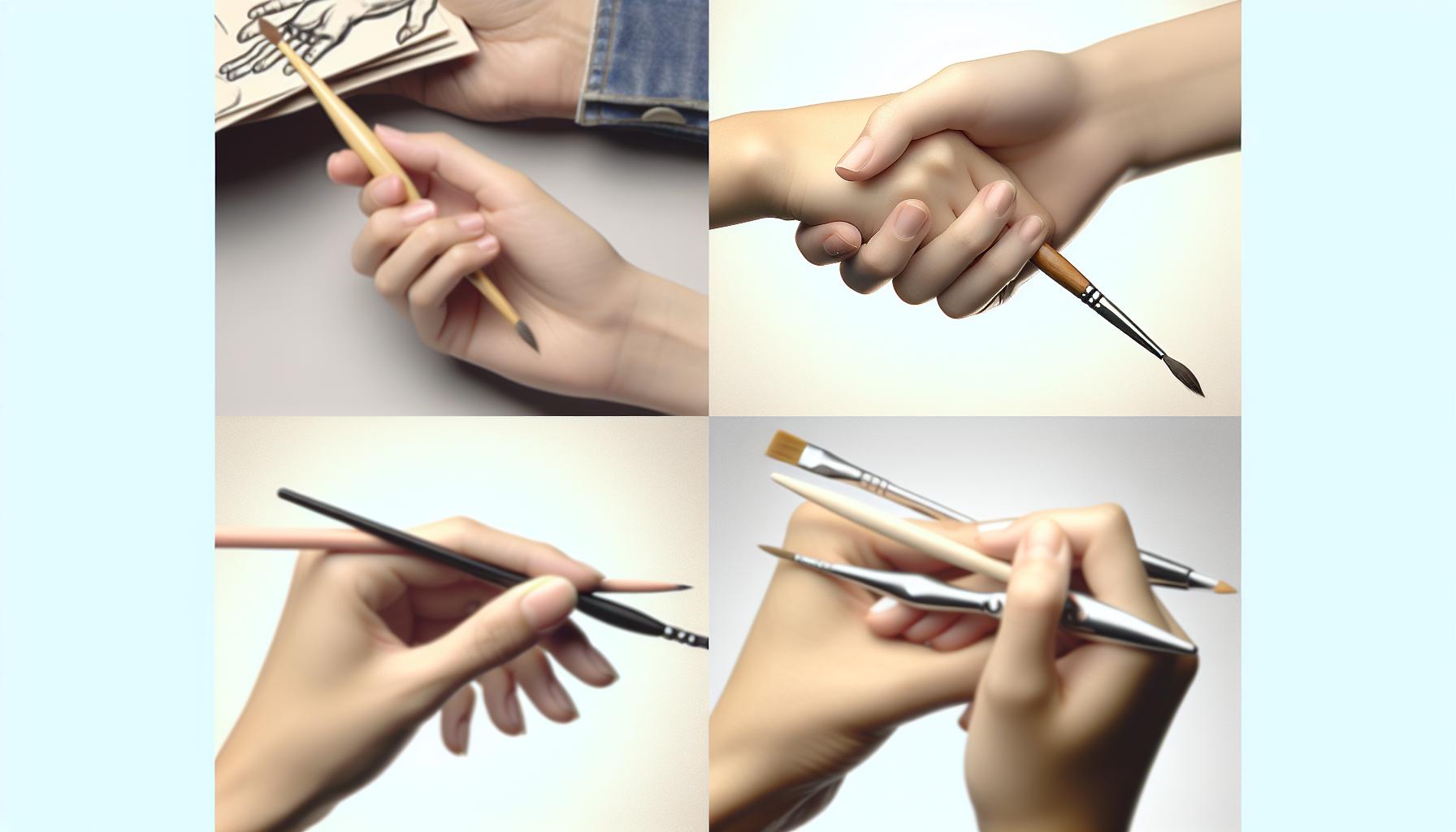
Getting your grip right on a dip pen is crucial for successful calligraphy. A poor grip can lead to shaky lines and inconsistent letterforms, but a well-executed hold sets the foundation for precision and control. When you hold your pen correctly, you can feel the ink flow and easily manipulate the nib to create beautiful strokes.
Start by positioning the pen between your thumb and index finger. Your thumb should be on one side, while your index finger rests on top, applying gentle pressure. Use your middle finger to support the underside of the nib. This three-point grip will help stabilize the pen without cramping your hand. Keep your grip relaxed-tension leads to fatigue and errors. The ideal angle for holding your pen is around 45 degrees from the paper; this allows the nib to glide smoothly while preventing it from scratching.
It’s also important to consider your wrist and arm position. Your wrist should be loose, allowing for fluid movement, but not so loose that you lack control. Position your forearm on the table for added stability, and let your hand float above the page. This way, you can achieve broader strokes without dragging the nib. Adjust your body to find a comfortable distance from the paper; too close can cramp your movements, while too far can cause strain.
Finally, practice is essential. Spend time writing simple lines and strokes to find what feels best for you. Experiment with the grip and angle until creating consistent, elegant letterforms becomes second nature. Trust your instincts-you’ll develop a grip that suits your unique style over time. The combination of a relaxed grip, proper positioning, and consistent practice will make your journey into classic calligraphy not only successful but enjoyable.
Basic Strokes that Form Classic Letters
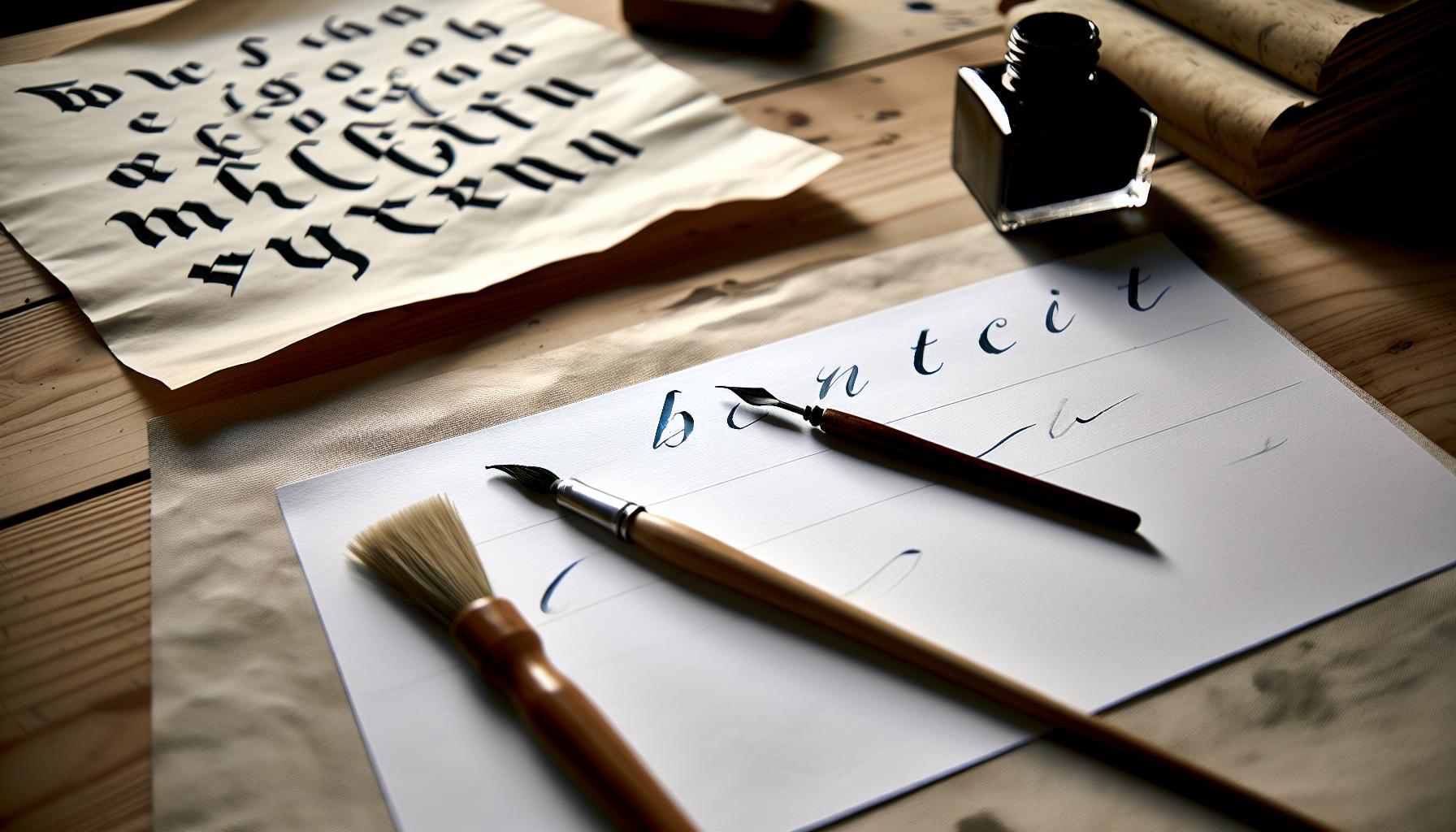
To truly master classic calligraphy with a dip pen, it’s essential to grasp the fundamental strokes that make up the letters. Every elegant letterform you admire stems from a combination of simple strokes. Understanding these basic movements not only builds your technique but also helps you develop a distinctive style.
Begin with the basic strokes: the upstroke and downstroke. Upstrokes are light and thin; they require a gentle touch to create delicate lines. When moving upwards, keep the nib at a steep angle to minimize ink flow and avoid scratching the paper. Downstrokes are where your pen will press down with more weight, creating a bold, rich line. Adjusting the pressure is key here-learning to transition between these strokes smoothly is what breathes life into your writing.
Common Basic Strokes
- Upstroke: A thin, light stroke moving upwards, ideal for the beginning and ending of letters.
- Downstroke: A heavier stroke that defines the letter’s structure, providing visual weight.
- Curve: Circular or semi-circular strokes that form the basis of many letters like ‘C’ or ‘O’.
- Loop: A technique used in letters such as ‘g’ and ‘l’, adding flair and personality.
As you practice, focus on staying consistent with your stroke width and pressure. Keeping a steady hand is vital; you might find it helpful to create practice sheets featuring these strokes. Gradually incorporate them into letters. For example, practice writing ‘a’-begin with a downstroke, move into an upstroke to form the bowl, and finish with a light flick.
Experimentation is part of the journey! Once you feel confident, you can embellish these basic strokes with ascenders and descenders to create a sense of rhythm and flow in your writing. The beauty of calligraphy lies in its evolution; as you refine your strokes, you’ll begin to develop a unique style that speaks to your artistic voice.
Creating Elegant Letterforms: A Step-by-Step Guide

Creating beautiful letterforms is the heart of classic calligraphy, and mastering this art begins with understanding the foundational structure of each letter. Each character you write should appear balanced and fluid, ensuring that your handwriting flows gracefully across the page. To lay the groundwork, start by focusing on each letter’s individual components. This method not only enhances your technique but also helps forge a distinct style that reflects your artistic vision.
Begin with basic shapes. For instance, the letter ‘o’ is a perfect circle, while ‘v’ and ‘u’ are formed with simple diagonal strokes. Break down each letter into recognizable segments. Take the letter ‘a’: start with a downstroke, curve up to the left, then create the bowl with a gentle flick. Practicing these basic shapes in isolation allows you to focus on achieving precision in each stroke.
Step-by-Step Practice for Key Letters
- Letter ‘b’: Start with a downstroke that extends slightly above the x-height, then curve into a loop for the bowl. Enhance the connection to the ascending stroke, ensuring it’s consistent.
- Letter ‘s’: Create an initial upstroke leading into a downstroke that curves to form the distinct two-humped shape of ‘s’, practicing this flow until it feels natural.
- Letter ‘k’: Begin with a downstroke, then add the upper arm with a swift upward stroke and finish by drawing the lower arm diagonally to the right.
Maintain focus on spacing and alignment as you start connecting letters. Each movement should complement the next to create a harmonious look. Using guidelines on your paper can vastly improve your ability to maintain consistent height and spacing. Once you master individual letters, integrate them into simple words, taking note of joins and ensuring no awkward breaks.
The beauty is in the practice; embellishing these forms with creativity as you gain confidence can lead to stunning results. Seeking inspiration from classic works can also help guide your stylistic choices. Remember, each artist’s touch is unique, and as you refine your technique, your letters will begin to take on a life of their own, transforming mere ink on paper into captivating art.
Connecting Letters and Crafting Words
Connecting letters in classic calligraphy isn’t just about making words; it’s about creating a fluid rhythm that carries your message across the page. This flow elevates your writing from basic lettering to art. As you transition from one letter to the next, each connection should feel natural and intentional. Imagine each word as a dance, where every stroke complements the last, leading the reader’s eye smoothly along.
To begin, pay special attention to the entry and exit strokes of each letter. These strokes serve as the bridge between characters, so they should be designed purposefully. For example, when moving from ‘h’ to ‘e’, allow the last stroke of the ‘h’ to curl downward slightly, creating a natural path into the next letter. This small detail connects the letters visually and enhances the overall flow.
Here are a few tips for achieving fluid connections:
- Practice transitions: Isolate pairs of letters that frequently appear together, like “th” or “cl”. Write these connections repeatedly until the transitions feel smooth.
- Watch your spacing: Consistent spacing between letters is crucial. Too much space can break the visually connected flow, while too little can make your letters appear cramped. Use guidelines or dots to measure space as you practice.
- Embrace ligatures: Some letter combinations can be written as a single, fluid shape rather than separate letters. For instance, the “fi” combination in classic calligraphy often works better as a ligature to maintain aesthetic qualities.
As you gain confidence, start exploring different styles of lettering that may influence your connections. Classic script often features tall ascenders and deep descenders, providing opportunities for more elaborate joins. Don’t shy away from experimenting with how letters can interact; let your style evolve as you discover what feels right in your hands. Your unique flair can transform standard words into breathtaking artistry that speaks volumes beyond the ink on the page. Let each word you craft not only convey meaning but also showcase your distinct voice and style.
Advanced Techniques: Flourishes and Enhancements
When it comes to elevating your calligraphy with the art of flourishes and enhancements, think of them as the icing on the cake. These decorative elements add personality and flair, transforming plain letters into stunning visual statements. Flourishes can be intricate loops, swirls, or even simple extensions that complement the basic strokes within your script. Mastering these techniques not only showcases your style but also invites more creativity into your work.
To start incorporating flourishes, focus on key areas where they enhance your writing. Consider the ascenders, descenders, and final strokes of letters-these are prime spots for embellishments. For instance, the terminal stroke of a lowercase ‘g’ or ‘y’ can elegantly curl back towards the left, creating a pleasing visual rhythm. Make sure to practice these flourishes separately at first; repetition will help you smooth out any awkward motions that could disrupt the flow of your overall script.
Tips for Mastering Flourishes
- Slow it down: When adding flourishes, don’t rush. Slow and deliberate movements help maintain control and finesse.
- Use guidelines: Light pencil marks can help establish where your flourishes should begin and end; this will keep your letterforms consistent.
- Experiment with pressure: Varying the pressure on your dip pen can add depth to your flourishes, with thinner lines for delicate elements and thicker strokes for bold statements.
As you grow comfortable with flourishes, consider how they can enhance your overall composition. Not only can they make single letters more dynamic, but they can also connect to create stunning word forms and titles. Remember, the goal isn’t just to add flair for flair’s sake; you want each flourish to feel intentional and harmonizing with the rest of your writing. The art of flourishes isn’t merely decorative-it’s about communication. The right flourish can convey elegance, playfulness, or solemnity, depending on your choice and execution.
Integrating flourishes into your calligraphy practice will open new avenues for expression. As you refine these techniques, you’ll notice not just an improvement in your skills, but also a deepening of your connection to the art of writing. Let each stroke be a reflection of your unique voice, inviting others to appreciate the beauty that lies within handcrafted letters.
Common Mistakes and How to Avoid Them
Starting out with calligraphy can feel daunting, and even seasoned artists make mistakes that trip them up. Understanding these common pitfalls not only saves you time but also helps you hone your skills more effectively. One of the biggest errors is neglecting the fundamental strokes. People often rush into letterforms without truly mastering the basic movements. Remember, each letter is built from simple shapes. Spend time perfecting these strokes; they’re the foundation of everything you’ll create.
Another frequent mistake is having inconsistent pressure on the pen. If you press too hard, your lines become too thick, and if you press too lightly, they become too thin. This inconsistency can lead to a disjointed appearance in your work. Practice varying pressure through repetition. Try using a light grip and gradually increase pressure during slanting strokes to observe how it affects your line width.
Also, beware of your hand position. A common error is gripping the pen too tightly or holding it at an awkward angle. This can lead to fatigue and hinder your control. Instead, hold your dip pen loosely and let it rest comfortably in your hand. Find a position where your wrist can pivot smoothly. Consistently check your grip, adjusting it to ensure ease and comfort during longer writing sessions.
Finally, not planning your layout can lead to crowded letters or awkward spacing. Before you start, sketch a light outline for your composition. Use guidelines and practice spacing with pencil marks to get a sense of proportion and balance. This simple step can significantly enhance the overall aesthetic of your calligraphy. By addressing these common mistakes early on, you’ll set yourself up for greater creativity and precision in your dip pen calligraphy.
Caring for Your Dip Pen and Tools
is essential to maintaining their performance and longevity. A little effort goes a long way in ensuring that your writing experience remains smooth and enjoyable. First and foremost, it’s crucial to clean your nib after every session. This prevents ink build-up that can lead to clogging or corrosion. Use warm water to rinse the nib, dry it gently with a soft cloth, and store it upright if possible. If you’ve worked with pigments or acrylic inks, consider using a bit of soap in your rinse to ensure all residue is removed.
Your nibs are susceptible to damage, so handling them with care is key. Never press too hard when writing; let the pen do the work for you. When not in use, keep your nibs in a protective case or holder, and avoid leaving them in ink for an extended time. This protects them from bending and keeps your workspace clean.
Regular maintenance of your pen holder is equally important. Wipe it down occasionally to remove any ink or dust. If your pen holder is wooden, lightly sand it down if it becomes rough over time, and apply a food-safe finish to preserve its surface. For metal holders, ensure there’s no rust or tarnishing.
Additionally, consider investing in a dedicated calligraphy toolkit. This can include a small container for water, paper towels, and a cleaning brush specifically for your nibs. Having your tools organized not only keeps your space tidy but also enhances your creative flow. In calligraphy, your tools are an extension of your artistry, so treat them with the respect they deserve, and they’ll reward you with beautiful work for years to come.
Inspiration: Classic Calligraphy in Art and Design
Classic calligraphy isn’t just a writing technique; it’s an art form that bridges history and modernity, breathing life into art and design. From hand-lettered invitations to ornate signs, the elegance of classic penmanship captures attention like few other mediums can. Think of the stunning visual appeal when a well-crafted quote is presented in exquisite calligraphy-it’s an instant conversation starter. Not only does it showcase the talent of the artist, but it also transforms simple text into a piece of art that resonates with viewers on an emotional level.
Integrating Calligraphy into Modern Design
When creating designs, consider how you can incorporate classic calligraphy to add depth and character. It’s not limited to traditional uses; modern designers frequently blend calligraphy with digital designs, using it for logos, branding, and typography. This fusion of the old and new can result in striking visuals that stand out in a crowded marketplace. For instance, pairing calligraphic headings with clean, sans-serif fonts creates a beautiful contrast that can elevate any project.
Exploring Calligraphy in Various Art Forms
Calligraphy also finds its way into various artistic expressions. In fine art, artists might use lettering as a means of storytelling, incorporating text into paintings and mixed media works. Calligraphy workshops are popping up everywhere, fostering a community that appreciates and learns the art form. You might find local art galleries showcasing pieces that feature calligraphy, demonstrating its versatility.
For those looking to spark their creativity, consider these actionable ideas:
- Create personalized gifts-write a heartfelt message in calligraphy on card stock for a touch of elegance.
- Design event stationery-wedding invitations and programs are perfect canvases for calligraphy.
- Incorporate quotes into home décor-canvas prints with calligraphic designs can serve as inspiring focal points.
Embracing the artistry of classic calligraphy opens up a world of creative potential. Whether you’re a seasoned calligrapher or just starting, let the elegance of your pen strokes inspire your design choices. It’s not just about crafting beautiful letters-it’s about creating an experience that resonates visually and emotionally with your audience.
Faq
Q: What are the best paper types for practicing calligraphy with a dip pen?
A: The best paper types for practicing calligraphy with a dip pen are smooth and heavyweight papers, such as marker paper or cardstock. These types prevent bleeding and provide a solid surface for your pen, allowing for clean lines and precise strokes. For a smoother experience, avoid textured or overly absorbent papers.
Q: How can I improve my calligraphy speed and control?
A: To improve your calligraphy speed and control, practice consistently with various drills focusing on strokes and letterforms. Gradually increase your writing speed while maintaining precision. You can also record your progress to track improvements. Consider following the “Basic Strokes that Form Classic Letters” section in your article for tailored exercises.
Q: What techniques can enhance the elegance of my calligraphy?
A: Techniques that can enhance the elegance of your calligraphy include adding flourishes, varying line thickness, and incorporating decorative elements like serifs. Focus on slow and deliberate movements to ensure quality. Refer to the “Advanced Techniques: Flourishes and Enhancements” section in your article for specific examples.
Q: Why is ink consistency important in calligraphy?
A: Ink consistency is crucial in calligraphy because it affects the smoothness and flow of the ink onto the paper. Consistent viscosity helps prevent skipping or blotting, allowing you to create clean and uniform strokes. Always test your ink on scrap paper before starting your writing session.
Q: When is the best time to clean my dip pen?
A: The best time to clean your dip pen is immediately after use. This prevents ink from drying and clogging the nib. Simply soak the nib in water and gently scrub with a soft brush. For detailed care tips, check the “Caring for Your Dip Pen and Tools” section in your article.
Q: How do I choose the right nib size for different calligraphy styles?
A: Choosing the right nib size involves considering the style of calligraphy you wish to achieve. Larger nibs create bolder, more expressive strokes, while smaller nibs offer detail and precision. Experiment with different sizes to see which best suits styles like italic or gothic.
Q: What common mistakes should I avoid in calligraphy?
A: Common mistakes in calligraphy include applying too much pressure, inconsistent angle of the nib, and rushing through strokes. Focus on maintaining a steady hand and practicing slowly. Refer to your “Common Mistakes and How to Avoid Them” section for more insights.
Q: How can I incorporate calligraphy into my art and design projects?
A: You can incorporate calligraphy into your art and design projects by adding personalized elements to invitations, artwork, or signage. Experiment with layouts and styles to complement your designs. Check out the “Inspiration: Classic Calligraphy in Art and Design” section in your article for more creative ideas.
Key Takeaways
Now that you’ve discovered how to master the classic techniques of dip pen calligraphy, it’s time to put your skills into action. Remember, practice makes perfect! Share your progress with us in the comments below, or tag us on social media; we’d love to see your beautiful creations!
For those eager to deepen their calligraphy knowledge, check out our guide on “Choosing the Right Ink and Paper for Calligraphy” and “Exploring Different Calligraphy Styles.” These resources will elevate your skills even further. Don’t forget to subscribe to our newsletter for exclusive tips and special offers!
Your calligraphy journey has just begun-take the next steps today! Grab your pen and let the ink flow; the art of beautiful writing awaits!
Get our latest guides, news, and insights highlighted in your Google Search & AI Overviews.