
Dip pen calligraphy is more than just a beautiful writing style; it’s a timeless art form that connects us to history and creativity. If you’ve ever admired elegant letters on invitations or art pieces, you know the allure it brings. But here’s the catch: many shy away from trying it, fearing that it’s too complicated or inaccessible.
In this guide, we’ll demystify dip pen calligraphy and break it down into simple, manageable steps. Whether you’re looking to personalize your stationery, create stunning gifts, or simply enjoy a relaxing hobby, mastering dip pen calligraphy can fulfill those wishes. You’ll learn the essentials-from selecting the right tools to mastering basic strokes-allowing you to express yourself with style and confidence. So grab your pen, and let’s embark on this creative journey together!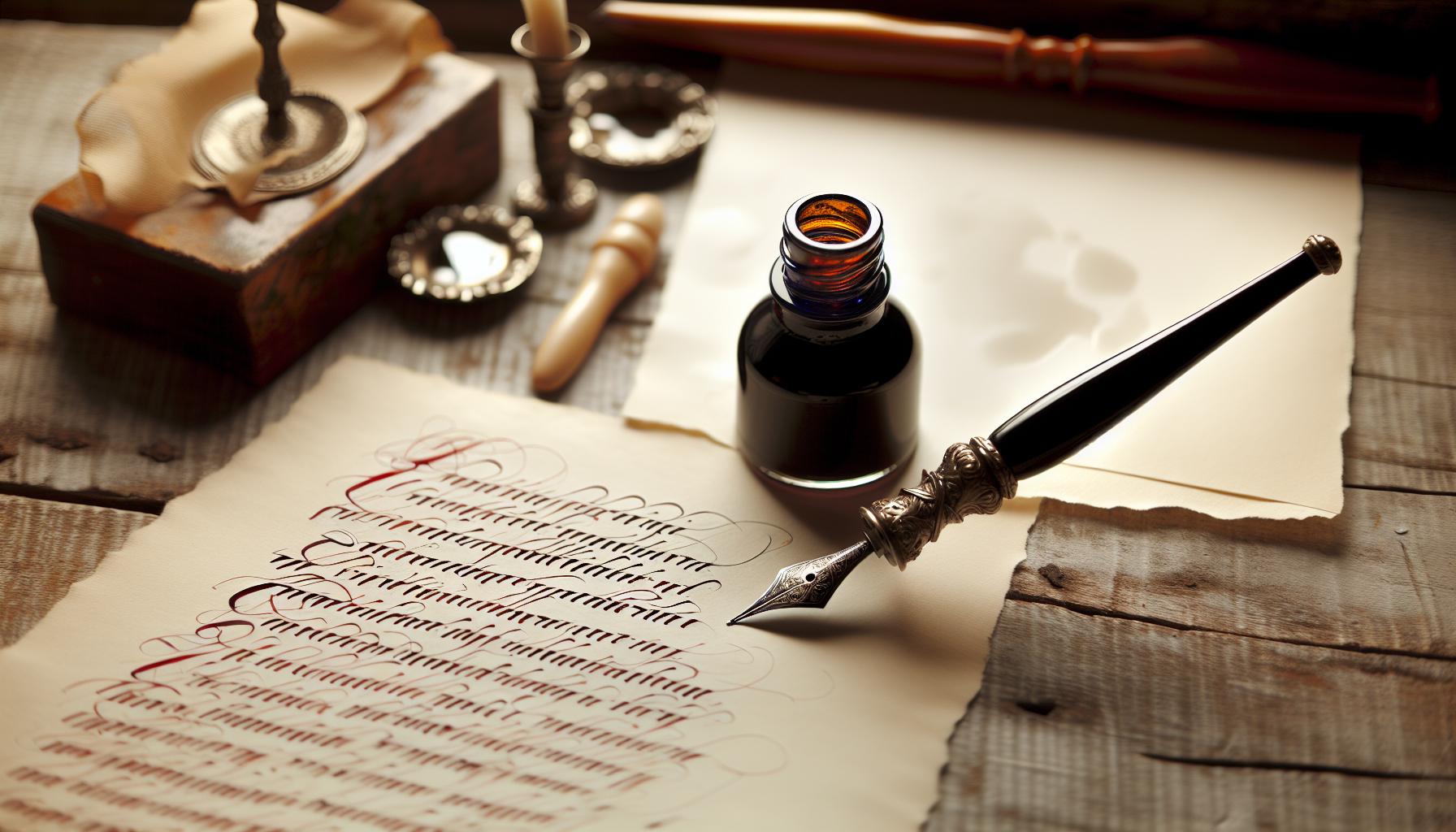
Understanding Dip Pen Calligraphy: The Basics
Dip pen calligraphy is not just a skill; it’s an art form that invites you to engage deeply with each stroke. With a rich history that spans centuries, this technique allows you to create beautiful lettering that captivates and communicates. The essence of dip pen calligraphy lies in its tactile nature-each line you create is influenced by the pressure and angle of your pen, offering a unique expression that can’t be replicated by digital fonts.
To get started, it helps to understand the components of the dip pen. The set-up includes a nib, which takes on various shapes and sizes, allowing for different styles of writing. The ink is loaded onto the nib, and as you draw it across the paper, you can create variations from thick to thin lines-this is where the real magic happens. Using the correct posture and grip, you’ll find that focus and flow become your allies, facilitating a rhythmic experience as you translate your thoughts into beautiful words.
Practice is key in mastering dip pen calligraphy. Focus on basic strokes, and don’t rush into complete letterforms. By breaking down the elements, you’ll cultivate precision and confidence. Engage with the process, enjoy the rhythm of your movements, and watch as your unique style unfolds. This art form invites experimentation, so feel free to explore different nibs and inks until you find what resonates with your creative spirit. The journey into dip pen calligraphy is as fulfilling as the end product-each piece you create tells a story, influenced by your personal touch and the techniques you’ve embraced.
Essential Tools and Materials for Calligraphers
To dive into dip pen calligraphy, having the right tools at your disposal is crucial. The right equipment not only enhances your writing experience but also impacts the quality of your work. Starting with the essentials, you’ll need a few fundamental items to get going.
First, let’s talk about the dip pen itself. A good-quality dip pen typically consists of a pen holder and interchangeable nibs. The holder can be made from wood, plastic, or metal, and should feel comfortable in your hand. Nibs come in various shapes and sizes, which determine the thickness of the lines you create. Experimenting with different nibs can help you find the one that best suits your style. In my experience, starting with a flexible nib such as a Brause or Nikko G can provide a good balance between control and line variation.
Next, you’ll need ink-this is where your personal taste can really shine. Traditional calligraphy inks are water-based or pigmented, offering a range of colors and opacities. It’s a good idea to start with black or a dark color, as it allows for crisp, clear strokes. Make sure to choose an ink that’s suitable for dip pen use; some inks designed for fountain pens can be too thin and won’t hold up as well.
Paper is another vital component; you’ll want something smooth and bleed-proof to allow for clean lines. Look for paper specifically designed for calligraphy or fountain pens, ideally with a weight of 90 lb (200 gsm) or more. This thickness will prevent ink from feathering or bleeding through the page.
Finally, don’t forget about accessories. A small dish or inkwell for your ink, a blotter or paper towel for wiping your nib, and a good-quality eraser for any mistakes will enhance your workflow. Having your workspace organized can save time and keep you focused.
With the right tools assembled, you’re setting the stage for a rewarding journey into the world of dip pen calligraphy. Embrace the tactile experience, and let your creativity flourish!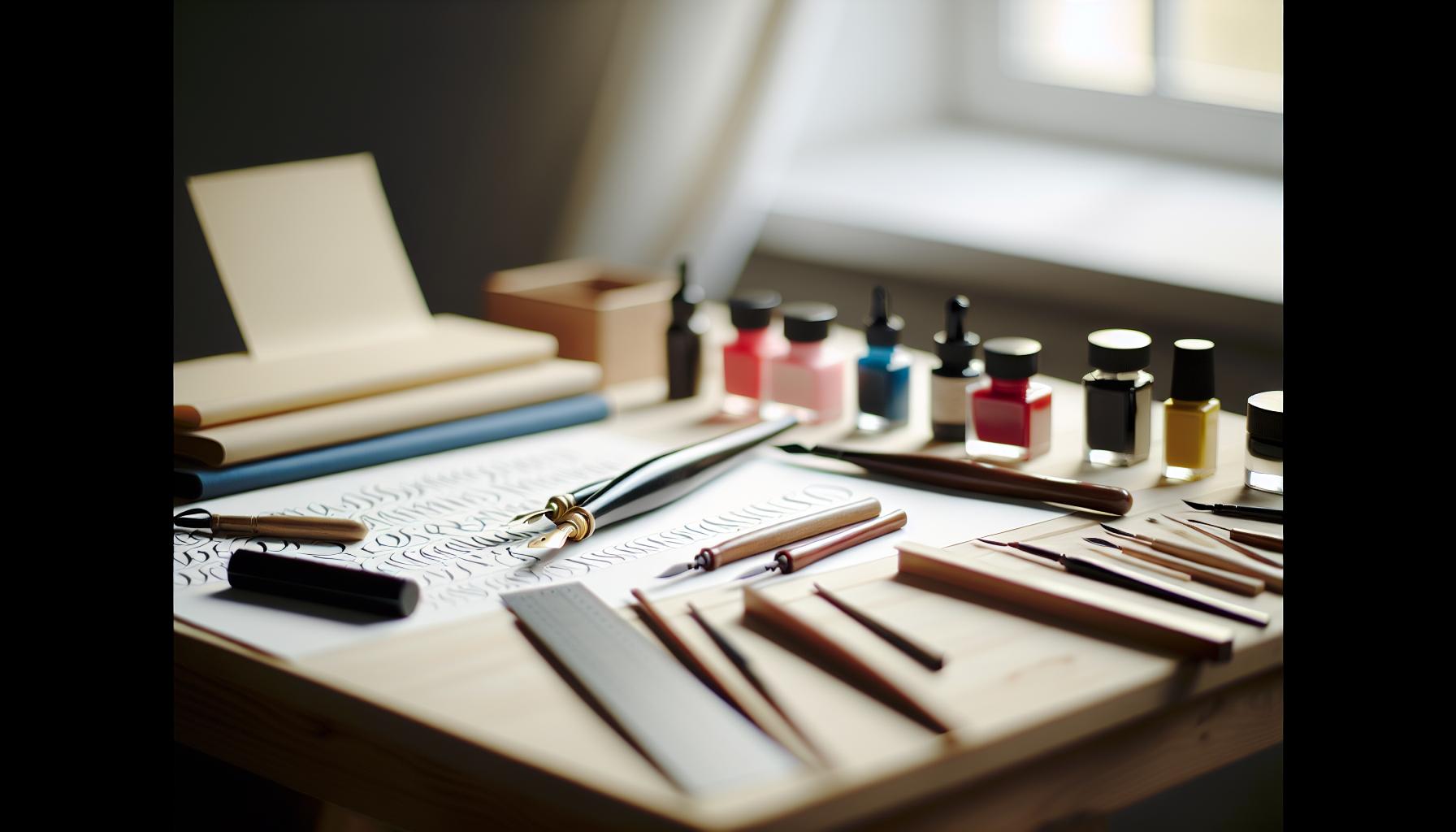
Step-by-Step Guide to Dip Pen Technique
When diving into dip pen calligraphy, mastering the technique can feel like learning a dance; it requires practice, patience, and a little finesse. Here’s a straightforward guide to get you started with the fundamentals of dip pen usage and help you create beautiful lettering with ease.
First, hold your pen correctly. Your grip should be relaxed yet firm, allowing fluid movements. The nib should be angled slightly towards you, about 45 degrees from the paper’s surface. This angle not only allows for smoother ink flow but also contributes to the beauty of your strokes. Start with light pressure-let the pen glide over the paper instead of pressing down hard. This light touch reduces the risk of smudging and scratchy lines.
Next, practice your strokes. Begin with simple lines and shapes. Try creating basic upstrokes and downstrokes: for upstrokes, apply very little pressure to the nib; for downstrokes, increase the pressure to create thicker lines. Gradually incorporate more complex movements, such as loops and curves, to build your control and confidence. Here are a few common strokes to practice:
- Upstroke – light pressure for thin lines.
- Downstroke – increase pressure for thicker lines.
- Entry and Exit Strokes – these are crucial for connecting letters smoothly.
Consistency is key, so take your time to refine each stroke. It’s often helpful to draw guidelines on your paper-this can be as simple as light pencil lines to keep your writing straight and evenly spaced.
Once you feel comfortable with strokes, start writing letters. A great way to develop letterforms is to refer to exemplars or guides of calligraphy styles. Focus on one letter at a time, ensuring you incorporate the strokes you’ve practiced. Remember, practice leads to improvement, so don’t be discouraged by initial imperfections.
Lastly, throughout this process, be mindful of your ink. Dip your nib only partially into the ink-about a third should suffice. Too much ink can lead to unwanted blotting, while too little will result in skipped strokes. Regularly cleaning your nib during practice sessions will also help maintain a smooth writing experience and prevent buildup.
With these steps, you’ll be well on your way to mastering dip pen calligraphy. Embrace the learning process, enjoy the flow of the pen, and watch your skills grow. Happy writing!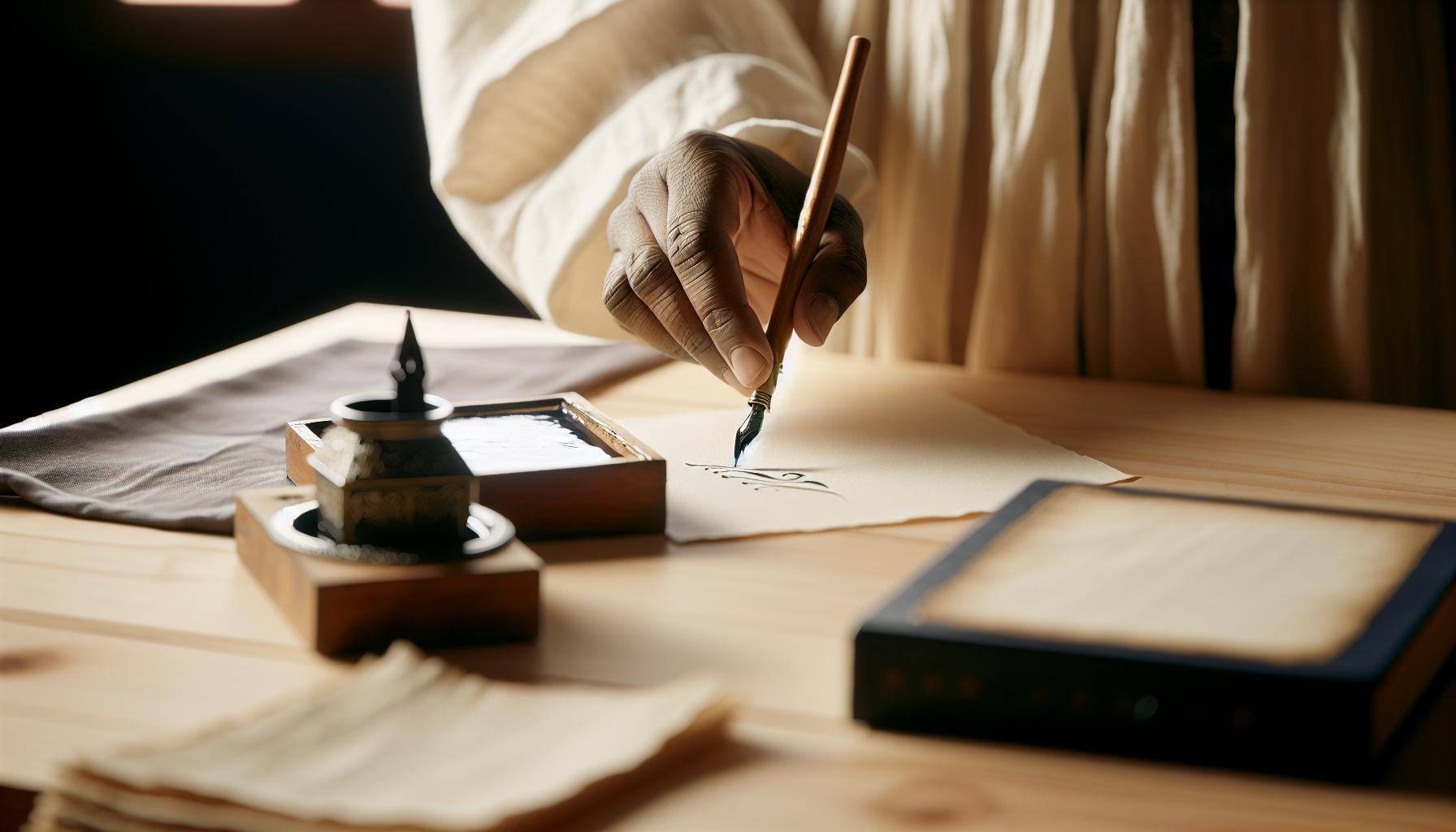
Choosing the Right Ink for Your Style
Choosing the right ink can make all the difference in your dip pen calligraphy experience-trust me, I’ve been there. With a sea of options available, the key is understanding how different inks can impact your work. The wrong ink might bleed or dry too quickly, while the right one can elevate your letters to new artistic heights.
First, consider the viscosity of the ink. Inks that are too thick can clog your nib, while inks that are too thin may run or bleed on your paper. For beginners, a medium viscosity fountain pen ink or specially formulated calligraphy ink is often a great starting point. They provide a good balance between flow and control. Look for inks labeled as “calligraphy ink”; they’re typically designed to work well with dip pens and improve your writing experience.
Next, think about color and opacity. Traditional black ink is classic, but don’t shy away from experimenting with colors. Inks made from pigments tend to be more opaque and vibrant, while dye-based inks may offer a wider range of colors but can sometimes lack that depth. If you’re working on special projects, metallic or iridescent inks can add stunning finishing touches, but keep in mind they might require a different nib or technique for best results. Remember, if your goal is precision, opt for inks that are known for their sharp lines.
Testing Your Ink
Before committing to one type, do a little test. Write a few lines on your preferred paper to see how the ink flows and dries. Pay attention to factors like smoothness and drying times. It’s also wise to check how the ink behaves on various papers, as some may warp or feather with certain inks. Ultimately, the best ink for you is one that matches your style and the effects you want to achieve.
Finally, don’t overlook maintenance. Certain inks can gunk up your nib if not cleaned thoroughly. Always have a cleaning solution handy and make regular cleaning part of your practice. By choosing the right ink and caring for your tools, you’re setting yourself up for success in creating beautiful dip pen calligraphy. Happy writing!
Perfecting Basic Strokes and Letterforms
To truly master dip pen calligraphy, you need to embrace the foundational elements of basic strokes and letterforms. These are the building blocks that will support your journey into beautiful lettering. Each stroke carries its own characteristics and nuances, and understanding these will greatly enhance your overall writing style.
First off, recognize that each letter is composed of simple shapes and strokes. Start with the basics: practice lines, curves, and loops. These shapes may seem mundane, but they form the essence of your calligraphic technique. Set aside time for drills where you consistently repeat each stroke. For example, vertical and horizontal lines can help you gauge the pressure needed on your nib while horizontal strokes are crucial for the thin and thick contrast that defines calligraphy.
When practicing letterforms, focus on the posture of your pen and the angle at which it meets the paper. A consistent angle (typically around 45 degrees) allows for desirable line thickness and character definition. Pay attention to your grip as well; a relaxed grip helps you maintain smooth motion. As you craft each letter, imagine building it stroke by stroke rather than forming it in one swoop. For instance, an “o” begins with a circular stroke; the “d” adds a vertical line, and the “b” layers an additional downstroke.
Practicing Strokes
Here’s a quick breakdown of essential strokes to practice:
- Upstrokes: These should be light and delicate. They give your letters an airy feel.
- Downstrokes: Apply more pressure here for that bold, defined line contrast.
- Curved strokes: Experiment with the arcs in letters like “c” and “s”. They enhance flow in your writing.
- Loopy strokes: Incorporate loops in letters like “g” and “y” to add personality to your script.
Remember to constantly evaluate your progress. Take breaks to revisit your earlier work and note improvements or areas needing attention. Also, try experimenting with different nib sizes; larger nibs create bolder strokes, while finer ones lend themselves to intricate details.
Incorporating these strokes into letterforms will build your confidence and flair. Start with lower-case letters, as they’re often simpler, then progress to the more complex upper-case styles. With continuous practice, you’ll find a rhythm and style that feels authentic and expressive to you. Keep your momentum going, and soon, those basic strokes will morph into a compelling script that showcases your individuality!
Exploring Classic Calligraphy Styles
is like embarking on a journey through time, where each script whispers tales of culture and artistry. The beauty of calligraphy lies in its variety; different styles have emerged across centuries and continents, each offering a unique aesthetic and emotional appeal. Whether you’re drawn to the elegance of Italics or the boldness of Gothic scripts, understanding these styles can enrich your creative expression and inspire your own work.
One of the most revered styles is Copperplate, characterized by its flowing, ornate letters and elegant loops. This style relies heavily on thin upstrokes and thick downstrokes, achieved through varying the pressure on the nib. It’s commonly used for formal invitations and beautifully captures a sense of grace and fluidity. In contrast, the Gothic style showcases sharp angles and a robust, structured appearance. This historical script is often used in medieval manuscripts and exudes a sense of grandeur and strength. Practicing Gothic can improve your control and give your letters an impressive presence.
Another compelling style is Foundational Hand, which serves as a bridge between traditional and modern calligraphy. This style emphasizes simplicity and legibility, making it an excellent starting point for beginners. It encourages a steady hand and a clear understanding of spacing, essential skills for any calligrapher. If you’re looking to inspire emotion and a personal touch, consider the Modern Calligraphy style, which allows more freedom and creativity with strokes and letterforms. It’s often characterized by playful flourishes, varied spacing, and a more informal tone, perfect for personal projects like greeting cards or art prints.
To truly master these styles, spend time studying their unique characteristics through practice and experimentation. Create practice sheets that outline specific strokes, and dedicate sessions to each style, gradually integrating elements that appeal to you. Remember, the key to calligraphy is not just replicating the forms but infusing your own personality into them. As you explore these classic styles, you’ll find that each offers a different toolset, enriching your calligraphy practice and broadening your artistic horizons.
Tips for Maintaining Your Dip Pen
Maintaining your dip pen doesn’t just extend its lifespan; it significantly enhances your calligraphy experience. After all, a well-cared-for nib produces the crisp, clean lines that are essential for beautiful lettering. Here are some straightforward, actionable tips to keep your dip pen in top shape.
Start with cleaning your nib after each session. Depending on the ink you use, residue can quickly build up and clog the nib, affecting your strokes. Simply dip the nib in water, or use a gentle brush (like an old toothbrush) to scrub away any dried ink. For more stubborn remnants, soak the nib in warm water for a few minutes. Avoid harsh chemicals, as they can damage the nib’s finish. After cleaning, make sure to dry the nib thoroughly to prevent rusting.
Storage Matters
How you store your dip pen can make all the difference. Always store your pen upright to avoid ink leaking into areas where it shouldn’t go. If you’ve just finished using a dip pen, don’t let the nib sit in the ink. Instead, wipe it clean with a soft cloth before storing. Consider investing in a protective case or pen holder specifically designed for dip pens. Keeping your pen in a safe spot away from moisture and dust ensures its longevity and performance.
Nib Replacement
Don’t hesitate to replace your nibs when they show signs of wear. Nibs can become dull or bent, which directly affects your writing. You can typically purchase replacement nibs separately, so there’s no need to replace the whole pen. When choosing new nibs, experiment with different types to find those that best suit your style-each offers a distinct experience.
By following these tips, you’ll establish a routine that keeps your dip pen performing beautifully. Regular maintenance lets you focus on what you love most: creating stunning calligraphy.
Common Mistakes and How to Avoid Them
Starting out with dip pen calligraphy can be daunting, but it’s the common mistakes that often trip beginners up. Many new calligraphers struggle with maintaining consistent pressure on their nib, which can lead to uneven lines and unreadable letters. The key is to keep a light hand while practicing controlled pressure. If you’re pressing too hard, you might damage your nib or create blotches on your page-both frustrating outcomes you can easily avoid. Try to relax your grip; your hand should flow along with the movement of the nib, rather than forcefully pressing against the paper.
Another frequent pitfall is the choice of ink. Not all inks are created equal for dip pen use. Some can be far too thick or too thin, leading to smudges or skips while writing. Always test your ink before committing to a project. If it feels off, it probably is. Thinning inks with a little water or switching to a different brand can make a world of difference in how the ink behaves on the page. Remember, consistency in your ink is as crucial as your pen technique.
Additionally, many beginners neglect the importance of practice and patience. Everyone wants to create beautiful calligraphy right away, but like any art form, it takes time to hone your skills. Set realistic goals and practice regularly. Don’t be discouraged by initial failures. Instead, learn from them. Record your progress, and you might surprise yourself with how far you’ve come within just a few weeks. Consistent practice of small techniques-like basic strokes and letterforms-combined with a willingness to refine your approach can lead to stunning results.
Lastly, it’s all about the workspace. A cluttered or uncomfortable workspace can distract you and impair your focus. Create a designated area that’s free of distractions, with adequate lighting and a comfortable chair. Having all your tools organized and within reach keeps you in the zone, allowing you to fully immerse yourself in the art of calligraphy. By being mindful of these common mistakes and taking simple steps to avoid them, you’ll find your calligraphy journey much smoother and enjoyable.
Creating Stunning Calligraphy Projects
When it comes to dip pen calligraphy, creating stunning projects is a delightful way to showcase your skills and express your creativity. Imagine transforming everyday items into personalized masterpieces-think custom invitations, beautifully framed quotes, or unique thank-you cards. These projects not only highlight your abilities but also make perfect gifts or keepsakes for yourself.
To kickstart your journey, consider exploring various formats for your calligraphy. Use high-quality paper that suits the project’s purpose, whether it’s smooth card stock for invitations or textured paper for a rustic look. Don’t shy away from experimenting with color-traditional black ink has its charm, but vibrant hues can add a new dimension to your work. Use gilding, watercolor, or even metallic inks to create eye-catching effects. Always remember, the project’s context matters; for instance, a wedding invitation might benefit from elegant, flowing scripts, while a playful birthday card could feature fun, bubbly lettering.
A solid foundation in basic strokes will give you the confidence to branch into more intricate designs. Lay out your project beforehand; sketching light pencil guidelines can help you maintain consistent spacing and alignment. Once you’re ready to ink, take your time. It’s better to go slow and enjoy the process than to rush and risk mistakes. As you gain confidence, incorporate decorative elements such as flourishes, borders, or illustrations that complement your text. These details can elevate your projects from simple to stunning.
Lastly, never underestimate the power of presentation. Once you’ve completed your masterpiece, think about how it will be displayed. A well-framed piece or a beautifully wrapped card enhances the overall impact of your work. As you create and share your calligraphy projects, celebrate your progress. Each piece not only captures your artistic growth but can also inspire others to explore the art of calligraphy themselves. Embrace the journey, and let your creativity flourish!
Incorporating Calligraphy into Crafts
Incorporating dip pen calligraphy into your crafts can elevate everyday projects into something truly special. Imagine a simple scrapbook page transformed with beautifully penned headings, or a plain gift tag adorned with stylish lettering that adds a personal touch. Whether you’re embellishing gifts, card making, or decorating home décor items, calligraphy allows you to express creativity uniquely and meaningfully.
One simple way to get started is by personalizing your everyday items. Craft customized thank-you cards or invitations for special occasions; the elegance of your calligraphy will make each card a cherished keepsake. For gifts, consider writing a favorite quote or a heartfelt message on a note that accompanies your present. Dividing your craft projects into manageable sections helps too. Start by choosing your papers and materials, then sketch out what you want to write before committing ink to paper. You’ll find that planning your layout can save you time and frustration later.
Additionally, try incorporating calligraphy into home décor. Select a meaningful quote that reflects your style, and create a framed piece for your wall. Mix in watercolor backgrounds or illustrations to complement your writing. Just remember, the beauty of your handwritten words can shine even more with the right visual elements. Hang a calligraphic quote above your workspace for daily inspiration, or design place cards for your dining table that guests will admire.
As you dive into combining calligraphy and crafts, don’t hesitate to experiment with different surfaces and styles. Use wooden boards for rustic signs, or explore using fabric for a unique twist. The versatility of dip pen calligraphy means you can personalize almost anything. So gather your materials, unleash your imagination, and watch as your crafted pieces come to life with the flowing elegance of your calligraphy!
Advanced Techniques: Flourishing and Layout
To truly elevate your dip pen calligraphy, mastering flourishing and layout techniques is essential. Flourishing involves adding embellishments and decorative strokes that enhance your lettering, allowing your pieces to stand out. It’s like giving your calligraphy a signature flair, which can turn simple letters into intricate works of art. The key is to practice consistently, starting with basic flourishes-loops, swirls, and tails. As you grow more comfortable, you can experiment with more complex designs.
Start by examining your current lettering styles. Identify where you can incorporate flourishes without overwhelming the main text. For example, consider adding a flourish to the beginning or end of a letter. This gives your calligraphy a more dynamic look. You can also enhance the spacing between words or sections to create visual appeal. Use larger flourished letters at the beginning of sentences or important sections, which draws the reader’s eye and adds elegance.
Tips for Mastering Flourishing
- Practice Makes Perfect: Dedicate time each week to practice your flourishes separately from your main lettering. Use practice sheets that allow you to refine your technique without the distraction of writing words.
- Go Slow: When adding flourishes, slow down. This allows you to control your pen better, ensuring that the strokes are smooth and intentional.
- Use Reference Material: Look at samples from other calligraphers. Analyzing how they incorporate flourishes can provide inspiration and guidance.
Layout Considerations
Creating a stunning layout is just as important as mastering your strokes. The arrangement of your letters impacts how your work is perceived. A well-structured layout ensures that your message is both readable and visually pleasing.
- Whitespace Matters: Don’t shy away from empty spaces; they can help your text breathe and make the overall design less cluttered.
- Alignment Techniques: Experiment with different alignments-centered, left, or right-justified-depending on the mood and purpose of your piece. Each choice affects how the viewer interacts with your work.
- Hierarchy of Information: Use size, color, and spacing to create a visual hierarchy. Highlighting titles or important phrases with larger or bolder strokes directs attention effectively.
Incorporating these advanced techniques of flourishing and layout not only enhances your calligraphic style but also makes your work more visually captivating. With practice and creativity, you can transform your writing from simple lettering into a sophisticated art form that’s uniquely yours. Remember, the goal is not just to create letters but to express your personality and style through every stroke.
Resources for Further Learning and Inspiration
One of the best ways to enhance your dip pen calligraphy skills is to immerse yourself in a wealth of resources tailored to inspire and educate. Dive into online platforms where calligraphy communities thrive, such as Instagram or Pinterest. These sites are filled with stunning visuals and tutorials that can spark creativity and introduce new techniques. Follow experienced calligraphers and engage with their content; seeing their processes can demystify complex techniques and help you find your own style.
Books are another invaluable resource. Consider titles like “The Art of Calligraphy” by George Nolan or “Modern Calligraphy: A Start-up Guide to Hand-Lettering” by Caitlin Conniff. These books offer structured approaches to learning, complete with exercises that guide you from basic strokes to sophisticated letterforms. Often, they also include sections on flourishing and layout, which can elevate your work significantly.
Online Courses and Workshops
Don’t overlook the power of online courses. Websites like Skillshare or Udemy offer comprehensive classes taught by professional calligraphers. These courses typically cover various aspects of dip pen calligraphy-from fundamental techniques to specific styles such as Copperplate or Spencerian. Joining a workshop, whether online or in-person, provides an interactive environment where you can receive immediate feedback and tips tailored to your needs.
Practice Makes Perfect
Finally, create a dedicated practice routine. Set aside time each week to focus solely on your skills. Use practice sheets, and don’t hesitate to experiment with different inks and papers. Document your progress in a calligraphy journal to track improvements and note what techniques resonate with you. Remember, the journey to mastering dip pen calligraphy is all about enjoying the process and expressing your unique artistic voice. So stay curious, keep experimenting, and let your creativity flow!
FAQ
Q: What are the best beginner tips for using a dip pen for calligraphy?
A: Start with the right grip. Hold your dip pen at a comfortable angle, typically around 45 degrees to the paper. Practice basic strokes regularly to build muscle memory and control. Use smooth, even pressure on the nib while varying your speed for different effects. For more tips, check the “Step-by-Step Guide to Dip Pen Technique” section.
Q: How do I avoid smudging ink when using a dip pen?
A: To avoid smudging, let your ink dry briefly before touching the area. Use a blotter or absorbent paper underneath your work. Consider working from left to right if you’re right-handed, or from right to left if you’re left-handed, to prevent accidental smearing. For more insights, see “Common Mistakes and How to Avoid Them.”
Q: Can I use different types of paper for dip pen calligraphy?
A: Yes, various papers can impact your calligraphy. Smooth, heavyweight papers are ideal as they prevent bleeding and feathering. Experiment with different textures and weights to find what works best for your style. For more on paper selection, refer to the “Essential Tools and Materials for Calligraphers.”
Q: What types of ink are recommended for dip pen calligraphy?
A: Waterproof and pigmented inks are often recommended for dip pen calligraphy. They provide bold, consistent colors and resist fading. Ensure the ink is specifically formulated for dip pens to avoid clogging. For detailed ink choices, consult the “Choosing the Right Ink for Your Style” section.
Q: How can I improve my calligraphy flourishes?
A: To enhance your flourishes, practice basic strokes and experiment with added curves and loops. Focus on fluid motion and consistency. Incorporate flourishes gradually into your letters instead of overwhelming them. Check out “Advanced Techniques: Flourishing and Layout” for more expertise.
Q: What mistakes should I avoid in dip pen calligraphy?
A: Common mistakes include using too much pressure, which can damage the nib, and not allowing the ink to flow properly. Additionally, avoid rushing your strokes; take your time to create smooth lines. For further prevention strategies, refer to “Common Mistakes and How to Avoid Them.”
Q: How do I care for my dip pen and nibs?
A: Clean your dip pen and nibs after each use to maintain performance. Soak the nib in water or a specialized cleaner, and gently scrub with a soft brush. Avoid using abrasive materials. For more maintenance tips, see “Tips for Maintaining Your Dip Pen.”
Q: Where can I find inspiration for dip pen calligraphy projects?
A: Numerous resources exist for inspiration! Online platforms like Pinterest and Instagram offer a wealth of ideas. Additionally, explore calligraphy books or local workshops to discover new techniques and styles. For additional resources, look at the “Resources for Further Learning and Inspiration.”
Future Outlook
Thanks for exploring the art of dip pen calligraphy with us! You’ve learned how to simplify this classic art form, making it accessible and enjoyable. Now, it’s time to put your pen to paper and start creating! Don’t wait-grab a pen, any ink, and practice those strokes. Remember, the more you write, the better you’ll get!
If you found this guide helpful, check out our related articles on calligraphy techniques and tips for choosing the best ink for your projects. You can also join our newsletter for exclusive insights and offers. Share your calligraphy creations in the comments or on social media-we’d love to see your progress!
Embarking on your dip pen journey doesn’t have to be daunting. With patience and practice, you’ll not only master this form but also discover your unique style. Keep exploring, keep creating, and let your passion flow!
Get our latest guides, news, and insights highlighted in your Google Search & AI Overviews.