
Have you ever been captivated by beautiful lettering and wanted to create something similar yourself? Brush pen calligraphy offers a fantastic way to express your creativity, allowing you to make stunning artworks with just a few strokes. Whether you’re looking to personalize gifts, enhance your home decor, or simply enjoy a relaxing hobby, mastering brush pen techniques can empower you to bring your artistic vision to life.
In this guide, you’ll learn not just the basics of using brush pens, but also tips and techniques that will elevate your lettering skills, regardless of your starting point. From choosing the right pens to understanding pressure control, we’ll cover everything you need to embark on your calligraphy journey. So, grab your brush pens and let’s dive into the art of contemporary lettering!
Understanding the Brush Pen: Types and Tips
When it comes to brush pen calligraphy, understanding the different types of brush pens available can significantly enhance your experience and results. Brush pens vary widely, each designed for specific styles and techniques. For beginners, it’s crucial to know that some popular options include the Tombow Fudenosuke, known for its fine tip and controllable flow, making it ideal for creating delicate strokes and variations in line thickness. The Stabilo Pen 68 offers vibrant colors and a sturdy felt tip, which is great for bolder lettering styles. Alternatively, the Sharpie brush pens provide a versatile alternative that many find easy to handle, especially for those just starting their calligraphy journey.
When selecting a brush pen, consider the flexibility of the nib. A soft nib allows for greater variation in stroke width, perfect for expressive styles, but may require more practice to control. On the other hand, a firmer nib gives more precise lines, making it easier to produce consistent results. Additionally, the ink type matters-water-based inks are usually easier to blend and layer, allowing for creative shading and effects.
Here are some tips to help you get the most out of your brush pen:
- Experiment with pressure: Applying different pressure can change the thickness of your strokes, so practice applying both light and heavy pressure to gauge how your pen responds.
- Practice basic strokes: Before jumping into full letters, practice individual strokes to build confidence and control.
- Keep your hands comfortable: Find a grip that feels natural to you; this will help maintain control over your strokes.
- Choose the right paper: Smooth, bleed-proof paper can elevate your lettering work, helping the pen glide effortlessly.
The more you understand your tools, the better you’ll get at creating stunning calligraphy. Experimenting with different types of brush pens will not only help you find your preferred style but also unleash your creativity in ways you might not expect.
Essential Tools for Stunning Calligraphy
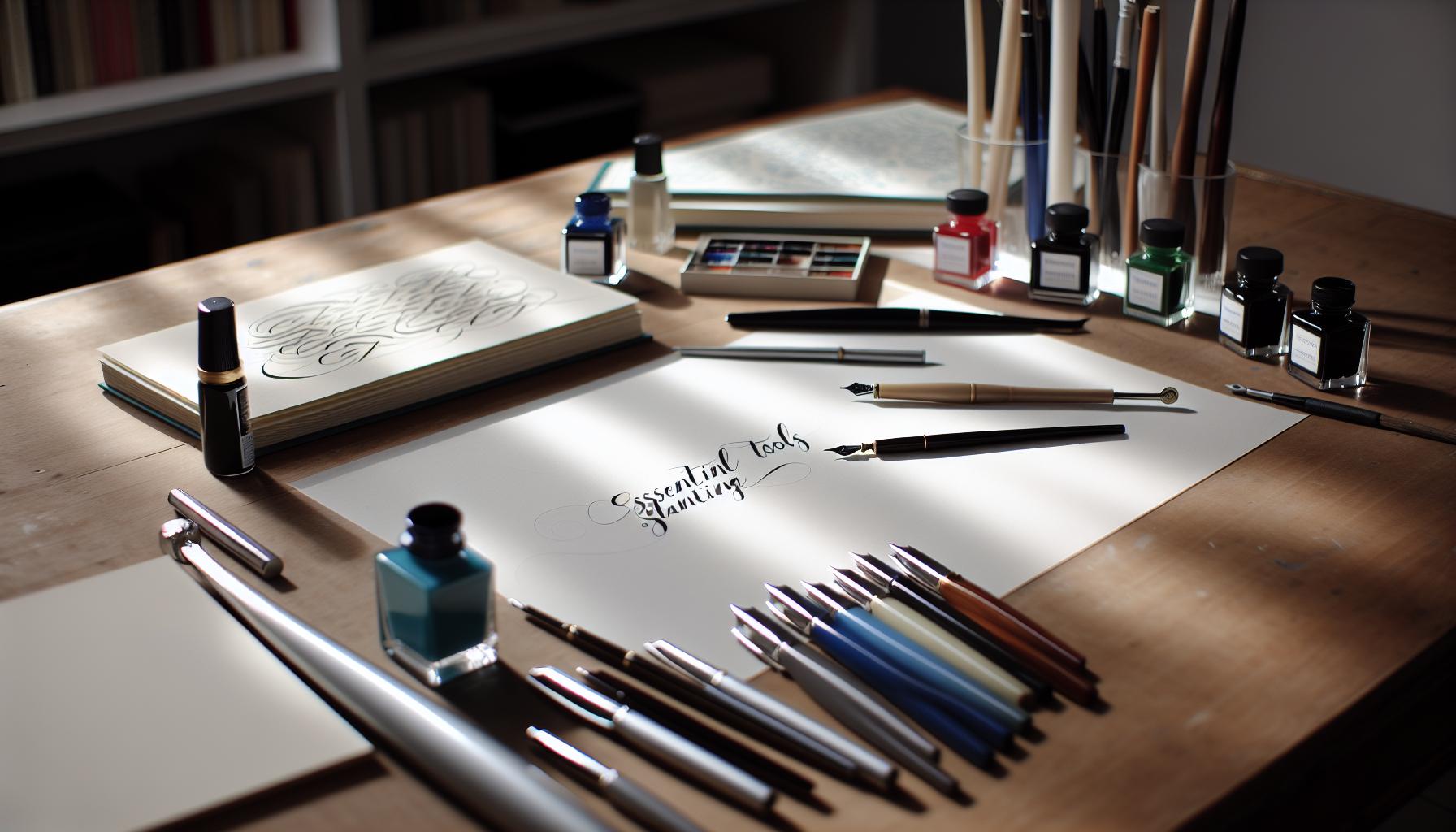
Getting started with brush pen calligraphy doesn’t have to be daunting. With the right tools at your disposal, you can create stunning lettering that will impress and inspire. The essential supplies you’ll want to gather can significantly impact your practice and the quality of your work. Let’s dive into what you’ll need to bring your calligraphy to life.
First and foremost, invest in a good selection of brush pens. While there are numerous brands and models to choose from, consider starting with popular options like the Tombow Fudenosuke for its fine tip and versatility, or the Stabilo Pen 68, which provides vibrant colors and a strong felt tip. Each pen offers unique characteristics, so it’s worth experimenting with a few to find what feels comfortable and works best for your style.
Next, don’t underestimate the importance of quality paper. Look for smooth, bleed-proof paper that won’t absorb ink too quickly, allowing for clean, precise lines. Marker paper is specifically designed for this purpose and can really elevate your writing. If you’re just starting out, even regular printer paper can suffice, but upgrading to specialized calligraphy paper can make a noticeable difference.
Additionally, tools like a ruler, pencil, and eraser are vital for setting guidelines that help maintain consistent letter height and spacing. A lightpad can also come in handy for tracing exercises, enabling you to focus on stroke techniques without the pressure of creating from scratch.
To wrap it up, think about personalizing your toolkit with a few extras that inspire creativity. Maybe a beautiful sketchbook for practice or a selection of colored inks for adding flair to your projects. The right tools not only aid your technique but also make the creative process enjoyable and fulfilling. Embrace the art of brush pen calligraphy, and remember, the journey is just as beautiful as the final product.
Basic Techniques for Brush Pen Calligraphy
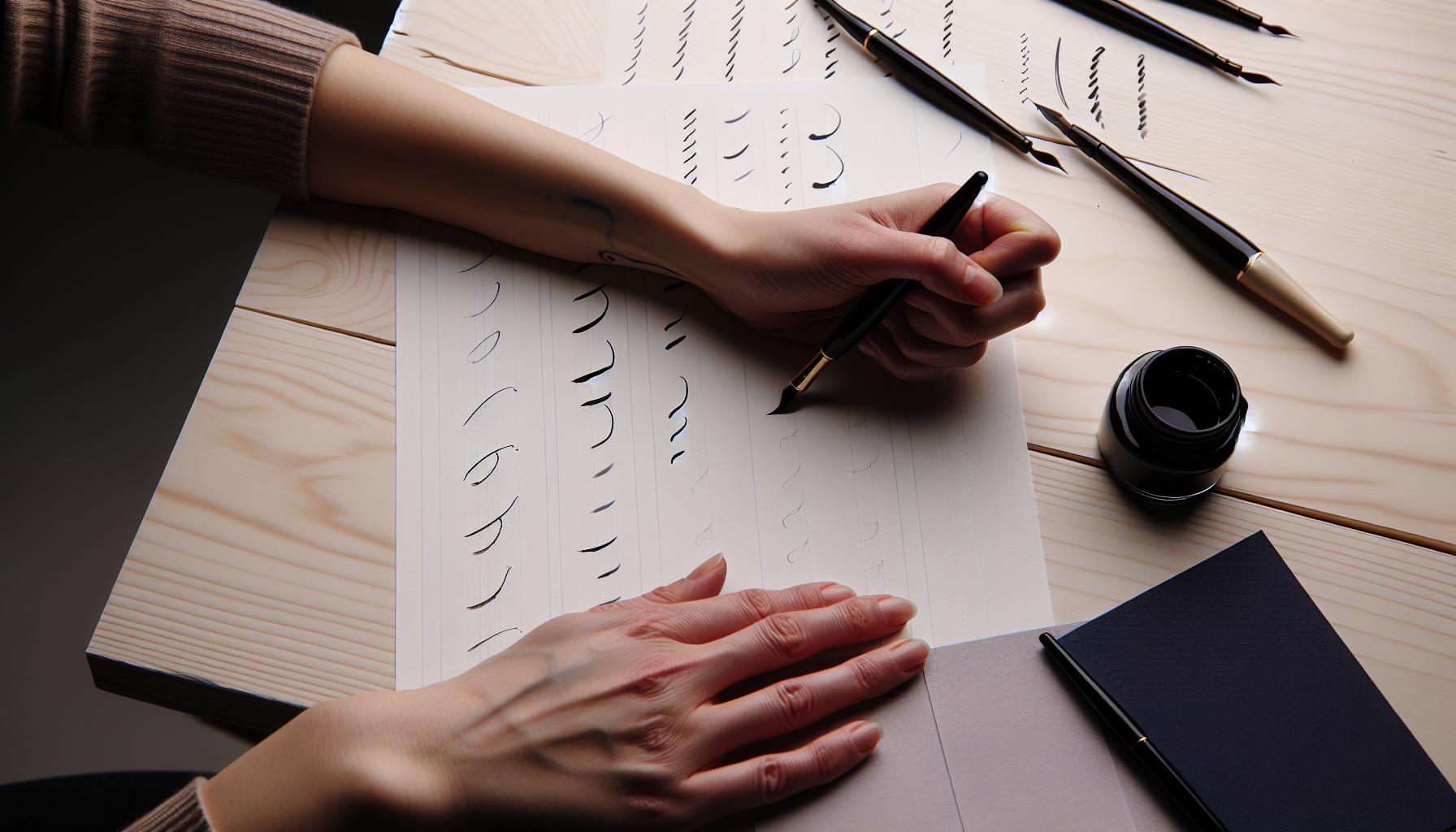
Getting comfortable with brush pen calligraphy involves mastering a few essential techniques that form the foundation of your lettering journey. One of the first techniques to practice is pressure control-this is where most beginners struggle the most. Brush pens are designed with flexible bristles that vary in thickness depending on how much pressure you apply. Downstrokes should be thick, which is achieved by pressing down harder, while upstrokes are thin as you lift the pen gently. This contrast creates the beautiful flow that characterizes modern calligraphy.
Another pillar of brush pen calligraphy is mastering basic strokes. Each letter is built from simple shapes and movement patterns. Start by practicing the following fundamental strokes:
- Uphill Strokes: Light pressure, lifting the pen as you go.
- Downhill Strokes: Firm pressure yielding a thick line.
- Curves: Experiment with both tight and loose arcs to add flair.
- Ovals: These form the basis of letters like ‘o,’ ‘a,’ and ‘g.’
Once you feel comfortable with these strokes, begin combining them to create letters. Don’t rush; take your time to really understand how each line contributes to the overall shape of each character. A common exercise is to write the alphabet repeatedly, focusing solely on your form and line quality rather than speed or the end result.
As you progress, think about incorporating contemporary styles into your practice. This might mean experimenting with different angles, varying the pressure even more dramatically, or adopting unique flourishes on certain letters. The beauty of brush pen calligraphy is in its personal touch. Don’t hesitate to let your creativity flow-your style will evolve as you gain more experience.
Most importantly, be patient with yourself. Each stroke you practice is a step toward refining your technique. Take breaks when needed; they can help prevent frustration and keep your creativity fresh. With regular practice and an open mind to try new things, you’ll soon find your rhythm and style in the captivating world of brush pen calligraphy.
Mastering Letter Formation: Start with the Basics

To truly thrive in brush pen calligraphy, you need to start with mastering letter formation. This is where the magic happens, turning basic strokes into beautiful letters. The first step is understanding that every letter is built from a series of simple shapes and movements. Think of letters as the intricate patterns formed by your pen gliding gracefully across the page.
Start by practicing various letter shapes, focusing on the basic formations. Here are a few foundational letters to get you going:
- A: Combine a thick downstroke for the left leg, a thin upward stroke to meet at the top, and a horizontal line in the middle.
- B: A solid downstroke followed by two curves-practice the contrast between thick and thin.
- C: A gentle curve that gracefully sweeps from the top, emphasizing the light upstroke.
Once you grasp individual letters, practice connecting them. This is where you’ll learn about flow and rhythm, essential for creating beautiful scripted text. Don’t rush this process; take your time to notice how each letter interacts with the next. Practice writing common words or your name repeatedly until you feel comfortable with the transitions.
You can also explore using guides or templates to assist you in visualizing letter proportions and alignments. Many online resources offer free printable worksheets specifically designed for brush pen users. As you get more confident, begin adding personality to your letters with flourishes, varying your pressure, and playing with slants and styles. Each practice session not only sharpens your skills but also helps you discover your unique voice in calligraphy. Trust the process, be patient, and let your creativity unfold.
Creating Contemporary Styles with Brush Pens
Embracing contemporary styles in brush pen calligraphy opens a world of creativity and expression. Whether you’re looking to add a modern twist to traditional lettering or simply want to create something uniquely yours, mastering these styles can make your work stand out. The beauty of contemporary calligraphy lies in its fluidity-it’s less about rigid rules and more about personal interpretation and flow.
Start by experimenting with different letterforms. Forget about strict uniformity; instead, play with varying heights and widths. For instance, consider creating a mix of uppercase and lowercase letters within the same word. This style can give your work an effortless, trendy vibe. Don’t shy away from extending strokes or adding whimsical elements, like exaggerated loops and swirls. This not only adds character to your letters but also emphasizes the unique traits of brush pen calligraphy.
Another exciting approach is to incorporate color and texture into your work. Use watercolors to create vibrant backgrounds or try blending different shades of ink within a single letter. This can create stunning effects that elevate the overall design. Additionally, don’t be afraid to mix materials; pairing brush pen lettering with markers or graphic pens can yield beautiful, layered results. Remember to keep the balance-consider the composition carefully so each element complements the others without overwhelming the viewer.
Lastly, explore the integration of graphics and illustrations within your calligraphy. Adding simple doodles, florals, or geometric shapes can enhance your composition dramatically. Play around with the arrangement and ensure that your illustrations flow seamlessly with your lettering. The goal is to create a cohesive piece that feels intentional yet spontaneous, inviting viewers into your world of creativity. Embrace the freedom contemporary styles offer, and let your imagination run wild-there are no limits to what you can create with brush pens!
Exploring Different Calligraphy Styles to Try
Exploring different calligraphy styles can be a thrilling journey that unlocks your creative potential and leads to stunning brush pen art. Each style carries its own distinct flair and feels like a world of possibilities waiting for you to dive in. Whether you’re drawn to the elegance of traditional scripts or the boldness of modern lettering, experimenting with various styles is key to developing your unique voice in calligraphy.
One popular style to try is modern calligraphy, characterized by its relaxed approach and fluidity. It’s all about personal expression, so don’t worry about sticking strictly to established forms. Use a combination of uppercase and lowercase letters to create contrast, and don’t shy away from adding embellishments like flourishes or swirls. This style encourages you to let go of perfection, inviting a spontaneous look that feels fresh and contemporary.
Alternatively, consider brush lettering-a style that makes use of the brush pen’s versatility. Focus on creating thick downstrokes and thin upstrokes, employing pressure to control the width of your lines. Practice forming letters with a consistent rhythm, which can create a beautiful flow throughout your piece. Incorporating varying colors or even textures can also give your brush lettering a unique twist that captures the eye.
For those who appreciate the classics, Copperplate and Spencerian styles offer exquisite elegance. While they often require more practice due to their intricate forms, they exemplify the beauty of fine lines and loops. You can infuse these traditional styles with modern flair by mixing in vibrant colors or playful touches. The blend of historic grace and modern creativity can lead to truly captivating results.
Whenever trying a new style, remember to be patient with yourself. Practice is essential. Start with simple phrases, perhaps favorite quotes or meaningful words, and let your creativity grow from there. Explore tutorials, participate in online workshops, or even follow experienced calligraphers on social media for inspiration. You’ll find that each style you explore adds depth to your skills and opens doors to new creative avenues-all while making the process enjoyable and fulfilling. Happy lettering!
Personalizing Your Brush Lettering: Flourishes and Effects
Personalizing your brush lettering can elevate your work from simple text to a stunning piece of art. Adding flourishes and effects not only enhances the visual appeal but also allows you to express your personal style. Think of embellishments as your creative signature; they turn basic strokes into a celebration of your artistry. Even a small flourish can transform a piece, making it uniquely yours.
To start incorporating flourishes, consider the flow of your letters. Extend the ends of strokes or add curves that mimic the natural movement of the pen. For instance, at the end of a letter, you could create a swooping tail that loops back to intersect with the next letter. This technique can tie your words together fluidly and add a sense of harmony. Additionally, experimenting with embellishments like swirls, dots, or hearts can bring a playful element to your lettering. Keep it balanced-too many flourishes can overwhelm your text, while too few can make it feel flat.
Adding Color and Texture
Don’t be afraid to introduce color and texture to your lettering. A simple way to add depth is to use a gradient effect or watercolor wash behind your letters. This technique can create a stunning backdrop, making your brush lettering pop even more. You can also experiment with layering colors directly in your lettering. For example, use a darker shade along the downstrokes and a lighter one for upstrokes. This contrast not only enhances visibility but also adds an element of modernity to your work.
Finally, consider how context matters. Personalizing your lettering also means thinking about the purpose. For invitations, a delicate flourish may suit the formality, while a playful doodle can bring charm to a whimsical card. Go ahead and sketch out different ideas. The more you practice, the more you’ll develop an eye for what flourishes and effects work best for your unique style. Embrace the process, and let your creativity flow-after all, there’s no right or wrong in art.
Common Mistakes to Avoid in Brush Pen Calligraphy
Jumping into brush pen calligraphy is exciting, but it’s easy to fall into common traps that can stunt your progress or lead to frustration. One major mistake is neglecting proper grip and posture. Holding your brush too tightly can stifle your creativity and lead to stiff, unnatural strokes. Instead, adopt a relaxed grip and maintain a comfortable posture. Your hand should flow naturally as you write; loosen up! This simple tip will lead to more dynamic, expressive lettering.
Another frequent pitfall is rushing through your practice. It can be tempting to speed up, especially when you’re eager to see results. However, this often leads to inconsistent line thickness and poorly formed letters. Take your time. Focus on controlling the pressure-light on the upstrokes and heavier on the downstrokes. Consider practicing with a slower tempo initially, emphasizing slow, deliberate movements. This approach builds muscle memory, which is crucial for beautiful brush lettering.
Many beginners also underestimate the importance of practicing basic shapes. Skipping foundational exercises like loops, curves, and straight lines can hinder your ability to create more complex characters later on. Dedicate some time to focus on these basic forms. Not only does this build confidence, but it also sets the stage for more intricate styles. Think of these shapes as the building blocks of your lettering.
Lastly, don’t shy away from experimenting with various brush pens. Sticking to one style might limit your growth and creativity. Try different nib sizes, from the fine tips like the Tombow Fudenosuke to broader brushes. Each brings out unique qualities in your lettering. Embracing this diversity can open up new avenues, making your work more exciting and personal. Remember, every mistake is a step toward mastering your craft-embrace them and keep practicing!
Elevating Your Skills: Advanced Techniques and Tricks
Jumping to advanced techniques in brush pen calligraphy can feel daunting, but it’s where the magic happens. Mastering these skills can elevate your lettering from ordinary to extraordinary. One impactful approach is exploring the art of pressure control. Varying your pressure not only affects line thickness but also adds emotional depth to your work. Think of it as speaking with your pen-light touches convey softness while heavier strokes exhibit strength. Spend some time practicing controlled downstrokes and upstrokes, creating a palette of line variations.
Another essential technique is layering. This involves building your letters through multiple strokes instead of trying to perfect them in one go. Start with a light outline and progressively add weight to specific parts of your letters where you want emphasis. This can enhance dimensions and make your calligraphy pop off the page. Don’t shy away from experimenting with colors, either. Incorporating a blend of hues or gradients adds a contemporary flair to your pieces.
Moreover, consider incorporating flourishes. These decorative elements can liven up your lettering and personalize your work. Start with simple, elegant loops or swirls on the ends of your letters. As you become more comfortable, try adding flourishes that connect letters together or extend beyond the baseline. This not only shows off your creativity but also adds a fluidity that keeps the viewer engaged.
Lastly, keep an eye on composition and spacing. Good calligraphy is about more than just the letters-it’s about how they fit together on the page. Use guides or grids to maintain consistent spacing, and don’t hesitate to adjust the size of your letters to achieve balance. A well-composed piece will draw the eye in, while cluttered lettering can confuse even the most beautiful strokes. Experimenting with various layouts can also inspire new designs and give your work that modern edge everyone is craving.
By embracing these advanced techniques, you’ll not only refine your skills but also discover your unique voice within the world of brush pen calligraphy. So grab that pen and let your creativity flow freely!
Maintaining Your Brush Pens for Longevity
Maintaining your brush pens is crucial if you want to keep your calligraphy practice enjoyable and frustration-free. Nothing ruins a creative session faster than a dried-out pen or a frayed tip. A little care goes a long way, and understanding how to properly store and clean your pens can significantly extend their lifespan.
First off, always replace the cap after use. This simple action prevents the nib from drying out. If you find that your brush pen is losing its firmness or starting to fray, it might be time to switch to a new pen. Storing your pens horizontally can also help maintain their ink flow and prevent the tip from becoming misshapen. Avoid storing them upright for long periods, as this can lead to ink pooling in the bottom of the pen, leaving you with a dry tip when you finally reach for it again.
Cleaning your brush pens is also important, especially if you switch between different colors frequently. For water-based inks, simply rinse the nib under lukewarm water to remove any residue. For more stubborn inks, using a small amount of soap can help. Be sure to let the nib dry completely before you cap it again. This helps prevent mold and keeps your pen in prime condition for your next calligraphy session.
Finally, consider investing in a pen case that keeps your supplies organized and protected. A case not only prevents your pens from being damaged during transport but also allows you to see at a glance which colors you have available. Keeping your workspace tidy and your tools in good condition sets the stage for creativity, allowing you to focus on your lettering without worrying about equipment failures. With these simple maintenance tips, you’ll ensure your brush pens are always ready to help you create stunning works of art.
Inspiration: Where to Find Ideas for Your Calligraphy
Finding inspiration for your brush pen calligraphy can transform your practice from mundane to magical. Every time I pick up my pen, I remind myself that the world around me is brimming with ideas just waiting to be expressed in elegant strokes. Whether it’s the beauty of nature, quirky quotes, or even everyday objects, inspiration is everywhere. Here are a few ideas to get your creativity flowing.
Sources of Inspiration
Start by looking at social media platforms. Instagram and Pinterest are treasure troves of calligraphy styles and ideas. Follow artists who resonate with you, and don’t hesitate to save posts that spark joy or curiosity. Seek out hashtags like #BrushLettering or #CalligraphyArt to find new artists and techniques.
Nature can be another powerful muse. The curves of a flower petal or the texture of tree bark can inspire letter shapes and styles. Try taking a walk outside with a notebook. Sketch what you see and think about how you can translate those shapes into your lettering.
Creative Challenges and Prompts
Participating in calligraphy challenges is a fantastic way to grow your skills while seeing fresh ideas. Websites and communities often host monthly prompts or challenges that push you to create something new each day. This could range from a single letter to an entire quote, and you’ll discover an amazing sense of community when sharing your work online.
Stay curious. Keep a journal for jotting down quotes, lyrics, or thoughts that resonate with you. When you’re ready to practice, refer back to this treasure chest of inspiration. You’ll not only have content to work with but also a collection that genuinely reflects your personality and interests.
Inspiration is all about perspective. When you infuse your unique vision into your brush pen calligraphy, you’re not just creating art; you’re sharing a piece of yourself with the world. So go ahead, explore your surroundings, connect with other artists, and let your creativity take flight!
Showcasing Your Calligraphy: Display Tips and Ideas
Displaying your brush pen calligraphy doesn’t just showcase your talent; it also transforms your art into a statement piece that can inspire others. Whether you’re hanging your work in your home, sharing it on social media, or selling it at a craft fair, presentation is key. Here are some effective ways to make your calligraphy shine.
Start with quality framing. A well-chosen frame can elevate your work instantly. Opt for frames that contrast nicely with the colors of your lettering. For example, bold, dark frames can make vibrant colors pop, while lighter pastel frames can complement softer hues. Remember, your piece should be at the center of attention, so avoid overly busy frames. Consider using a mat to give your artwork breathing room and a more polished look.
Innovative Display Ideas
To add a unique touch to your showcase, consider these innovative display options:
- Shadow Boxes: These can add depth and creativity. Layer your calligraphy behind some decorative elements like dried flowers or textured fabrics.
- Wooden Clips: Mount your calligraphy on a simple piece of wood using clips. This casual style gives a modern feel and is perfect for social media showcases.
- Wall Hangings: Turn your artwork into wall art with fabric prints or tapestries featuring your lettering styles.
For those who’ve embraced the digital age, consider creating digital mockups of your calligraphy. Use graphic design software to place your letters into real-world settings. This gives potential buyers or followers an idea of how it might look in their own spaces.
Sharing on Social Media
When showcasing online, think about your backdrop. A clean, uncluttered surface allows your calligraphy to stand out. Natural light works best for photography, so snap your pictures near windows. Use lifestyle shots that incorporate your calligraphy in context-like a styled desk or gracefully resting against a cozy chair-to give viewers a sense of atmosphere.
Lastly, don’t underestimate the power of storytelling. Share the inspiration behind your work, the materials used, or even the process in a quick story or video. It’s this personal touch that makes your calligraphy not just art, but a piece of who you are. Engaging your audience with the story behind your pieces can create a stronger connection and draw them into your artistic journey.
Faq
“`markdown
Q: How do I choose the right brush pen for calligraphy?
A: To choose the right brush pen, consider the type of nib (soft or hard), ink flow, and the size of the pen. Soft nibs allow for more versatile strokes, while hard nibs offer precision. Test various brands to find one that feels comfortable and suits your style. Explore your options in the “Understanding the Brush Pen” section.
Q: What are some common mistakes beginners make with brush pens?
A: Beginners often grip the pen too tightly or use excessive pressure, leading to uneven strokes. Additionally, neglecting to practice basic shapes can hinder development. Avoid these pitfalls by regularly revisiting foundational techniques outlined in the “Mastering Letter Formation” section.
Q: How can I improve my brush pen control?
A: Improving brush pen control requires consistent practice with basic strokes and shapes. Focus on slow, deliberate movements to develop muscle memory. Utilizing guides and templates can also help. Check the “Basic Techniques for Brush Pen Calligraphy” section for exercises.
Q: Can I use a brush pen for other styles of lettering?
A: Yes, brush pens can be used for various lettering styles, including modern calligraphy, hand lettering, and even doodling. Experiment with different techniques to create unique styles, as discussed in the “Exploring Different Calligraphy Styles to Try” section.
Q: How do I maintain my brush pens for longer use?
A: To maintain brush pens, clean them regularly by running water through the nib and storing them horizontally to prevent damage. Avoid leaving them uncapped for extended periods. For detailed care tips, refer to the “Maintaining Your Brush Pens for Longevity” section.
Q: What paper is best for brush pen calligraphy?
A: Use smooth, bleed-proof paper designed for calligraphy or watercolor to prevent ink from bleeding through and to give you better control. Look for heavyweight papers that can handle the pressure of brush strokes. Find more about suitable surfaces in the “Essential Tools for Stunning Calligraphy” section.
Q: How can I add personal flair to my brush lettering?
A: Personal flair can be added through unique flourishes, varying pressure in strokes, and incorporating colors or patterns. Practice different embellishments to find your style. Explore techniques in the “Personalizing Your Brush Lettering” section for ideas.
Q: Is it beneficial to use guides while learning brush pen calligraphy?
A: Yes, using guides can significantly benefit learners by providing structure and helping to standardize letter sizes and shapes. Start with tracing fonts and move to freehand as you gain confidence. Check out the “Mastering Letter Formation” section for helpful resources.
“`
In Retrospect
Now that you’ve mastered the basics of using a brush pen for modern calligraphy, it’s time to take your skills to the next level! Remember, practice makes perfect. Don’t hesitate to explore our guide on advanced brush lettering techniques for deeper insights, or check out our recommended top brush pens for every budget-both will enhance your artistic journey.
Ready to showcase your creativity? Start sharing your work on social media and tag us-we love seeing your progress! If you have any questions or want to share your favorite tips, drop a comment below; we’re all about community and learning from each other. Don’t forget to sign up for our newsletter for exclusive tutorials and tips that will keep your skills sharp.
Keep creating, keep practicing, and keep exploring the wonderful world of calligraphy! Your artistic expression is just a brush pen away!
Get our latest guides, news, and insights highlighted in your Google Search & AI Overviews.