
Did you know that mastering the calligraphy brush pen can transform your handwriting into stunning works of art? If you’ve ever struggled to achieve that elegant, modern lettering look, you’re not alone. Many people want to add a personal touch to their notes, cards, or artistic projects but don’t know where to start. This guide is designed to help you unlock the beauty and versatility of the brush pen, whether you’re a complete beginner or looking to refine your skills. You’ll discover techniques to create beautiful letterforms, tips for maintaining your brush pens, and inspiration to keep you motivated. Let’s dive in and elevate your lettering game!
Understand the Basics of Calligraphy Brush Pens
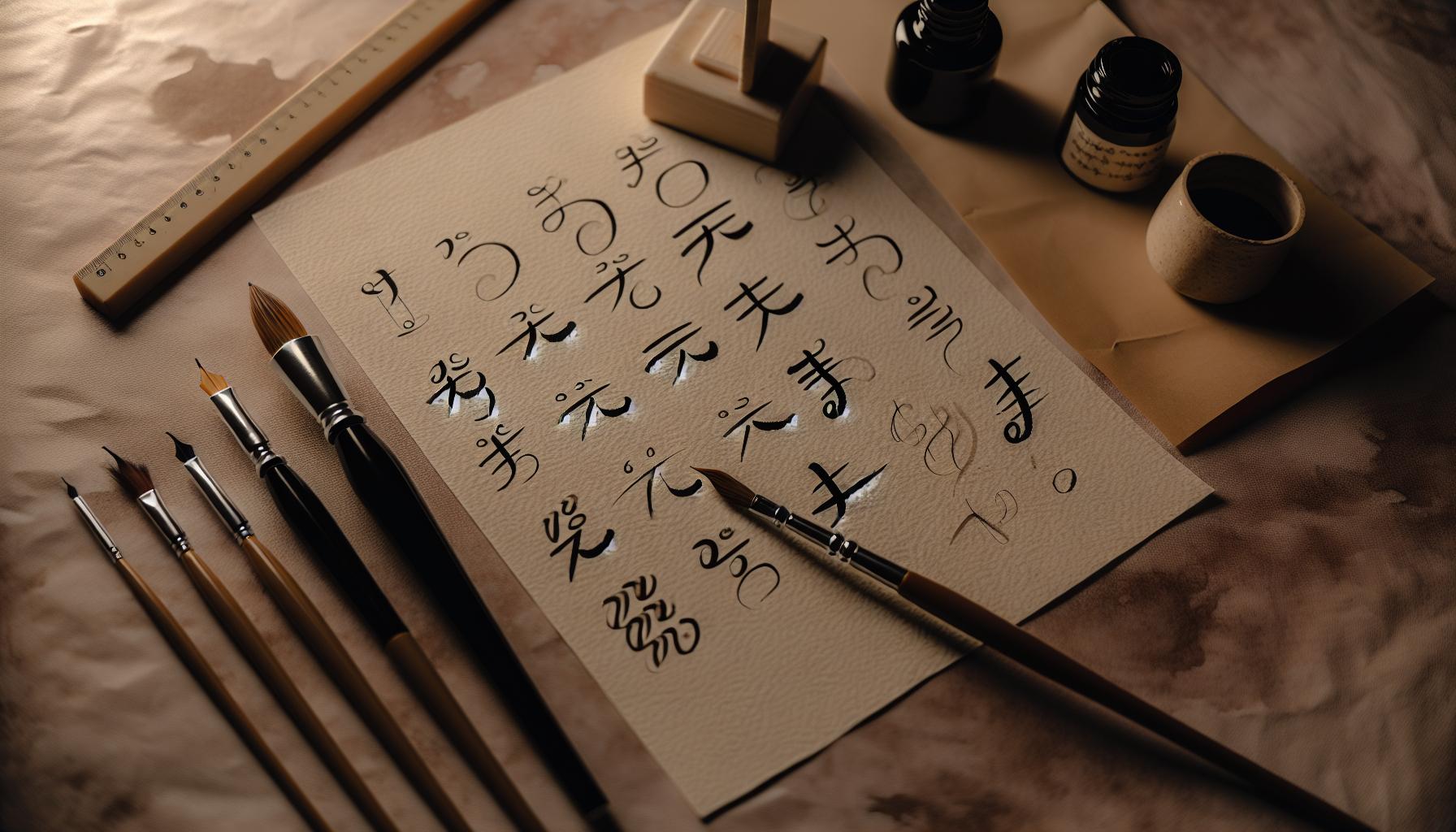
Calligraphy brush pens are a gateway to creating expressive and elegant letterforms, blending traditional artistry with modern convenience. If you’re just stepping into the world of modern lettering, understanding the basics of these tools is crucial. Unlike regular pens, brush pens feature flexible tips that allow for varying line widths, giving your writing a dynamic and fluid quality. This ability to create both thick and thin strokes is what makes them so appealing for calligraphy enthusiasts.
When selecting a brush pen, it’s essential to consider the tip’s material and flexibility. Brush pens typically come with either nylon or felt tips. Nylon tips offer great flexibility and can produce finer strokes, which is perfect for intricate work, while felt tips deliver a more robust line, ideal for bolder expressions. Think about your style: if you’re aiming for delicate flourishes, a flexible nylon tip might be your go-to, but for impactful headers or signs, something firmer could serve you better.
Another critical aspect is ink quality. High-quality inks will flow smoothly without skipping, allowing for an effortless writing experience. In general, look for pens that are pigment-based for richer color and water-based for easier blending and shading. To truly harness the potential of your brush pens, practice is vital. Start with basic strokes to develop your control, and as you grow more confident, you can transition into creating full alphabets and personalized designs.
Incorporate practice into your routine by using practice sheets that outline the basic strokes and shapes, helping establish a solid foundation. With time and effort, you’ll not only master the technical aspects but also discover your unique flair, setting the stage for a rewarding journey into the art of calligraphy.
Choosing the Right Brush Pen for You
Choosing the right brush pen can make all the difference in your calligraphy journey. With so many options out there, it’s easy to feel overwhelmed. The right pen not only complements your style but also helps you achieve the results you desire. Here’s what you need to know to find the perfect fit for your modern lettering practice.
First off, consider the tip material. Brush pens typically come with either nylon or felt tips. Nylon tips are flexible and ideal for creating fine strokes, making them perfect for intricate designs and delicate flourishes. If you’re working on projects that require precision, such as smaller lettering or detailed illustrations, a nylon pen could be your best bet. On the other hand, felt tips are more robust and great for bold expressions and larger lettering. They give you a solid line, which is ideal for headers, signage, and any piece where impact matters.
Next, think about the ink quality. High-quality ink is crucial for a smooth writing experience. Look for pens that are pigment-based for vibrant colors that won’t fade easily, especially important if you’re working on pieces you want to last. Alternatively, water-based inks are perfect for blending and shading, giving your lettering depth and texture. Experimenting with different inks can lead to exciting discoveries in your work, so don’t shy away from trying out various types!
Finally, ergonomics play a significant role. Choose pens that feel comfortable in your hand. If you’re planning long lettering sessions, a pen with a grip that feels just right can help prevent fatigue. Many calligraphers try out several pens before finding “the one” that clicks with their technique and style.
In the end, your choice of brush pen should reflect both your artistic vision and the practical aspects of your work. Spend some time experimenting; the right brush pen will feel like an extension of your hand, making each stroke a joy rather than a chore.
Essential Techniques for Modern Lettering
Starting with the basics is crucial when diving into modern lettering with a brush pen. A strong foundation involves understanding how pressure impacts your strokes. Apply light pressure on the upstrokes to create thin lines, then press down harder on the downstrokes to achieve that signature boldness. This play of pressure is what gives brush lettering its dynamic and fluid look. Practice alternating between these pressure techniques until it feels second nature.
Practice the Basic Strokes
Mastering basic strokes is like learning your alphabet all over again, but even more fun! Focus on these foundational movements: upstrokes, downstrokes, overlays, and entrances/exits. Spend time creating repetitive motions that build muscle memory. You can set aside time each day to fill pages with these strokes, gradually increasing your speed and control as your confidence grows.
Another essential technique is understanding the angle of your pen. A consistent angle-typically around 45 degrees-helps maintain uniformity in your lettering. When you consistently hold the pen at this angle, each stroke will harmonize with the others, creating a visually appealing result. Additionally, experimenting with slight variations in angle can add personality to your letters.
Keep It Light and Loose
Don’t let perfectionism get in the way of your creativity. While it’s important to practice, it’s equally crucial to keep a relaxed grip on your pen. This approach allows for smoother strokes and more creative expression. If you feel tension building in your hand or wrist, take a break. Shake out the tension and come back refreshed.
Finally, don’t shy away from making mistakes. Embrace them as part of the learning process. Every great calligrapher started somewhere, and those early missteps often lead to breakthroughs in style and technique. Use tracing paper over practice sheets to try out new ideas without commitment, or dive straight in and see where the ink takes you. Your uniqueness is what will ultimately set your work apart from the rest.
Setting Up Your Workspace for Success

Creating a productive environment for your calligraphy practice can significantly enhance your skills and enjoyment. Start by choosing a quiet space with ample natural light, preferably near a window. Good lighting minimizes eye strain and helps you see the subtle details in your strokes. If natural light isn’t available, consider investing in a bright desk lamp with adjustable brightness options.
Next, lay out your tools in a way that’s both functional and inspiring. A clean, clutter-free workspace allows you to focus on your art rather than extraneous distractions. Use a comfortable desk surface-smooth materials like glass or polished wood are ideal. Organize your brushes, inks, and paper within easy reach. A dedicated brush holder can keep your pens safe and ready for use.
Don’t forget about your seating; a comfortable chair that supports good posture is essential. You want to maintain a relaxed grip and an upright position as you work. Your body should feel at ease to facilitate longer, more productive practice sessions. And remember, personal touches like photos, inspiring quotes, or other artwork can make your space feel more welcoming and motivate you to create.
Lastly, consider setting specific times for practice to establish a routine. Consistency is key when mastering modern lettering. By carving out dedicated time in your schedule, you create an expectation for yourself and treat your practice as a committed pursuit, not just a hobby. Revisit your workspace periodically to refresh your setup, ensuring it continues to inspire and support your growth as a calligrapher.
Mastering Basic Strokes for Beginners
To truly excel with a calligraphy brush pen, mastering basic strokes is the foundation of your journey. These strokes form the building blocks of beautiful lettering, and understanding them can elevate your skills drastically. Start simple: each stroke you make should feel deliberate and confident. Whether it’s a thin line or a bold flourish, mastering control of your brush pen is crucial.
Begin with upstrokes and downstrokes. The key to a lively and dynamic line is the pressure you apply. For upstrokes, apply light pressure; you want these lines to be delicate. Conversely, when you make downstrokes, increase the pressure to create a thicker, fuller line. Practice consistently: draw long, sweeping lines and short, controlled ones. This will help you establish muscle memory and control.
Next, incorporate curves and loops. These are essential for creating letters and adding flair. Start with basic curves, which involve slight transitions from thin to thick. Then move on to loops, ensuring you’re fluid in your movements. You might find it helpful to break down these loops; practice them slowly at first, gradually increasing your speed as you feel more comfortable.
Don’t forget to experiment with angle and direction. Change the angle of your pen or the way you hold it to see how it affects your strokes. Explore different widths by adjusting how much pressure you apply or varying the angle at which you draw. This experimentation not only enhances your technique but also helps you discover your unique style.
By continually practicing these strokes, you’ll notice significant improvements in your lettering. Create a dedicated practice sheet with various strokes, and don’t shy away from revisiting them regularly. Every great calligrapher started here, and with patience and practice, you’ll find your rhythm in no time.
Creating Beautiful Letterforms: Step-by-Step
Creating beautiful letterforms is more than just scribbling with a brush pen; it’s about combining technique and creativity to form visually appealing characters. Think of each letter as a mini artwork that tells a story, and learning to craft those letters can be both rewarding and fun. Let’s dive into a step-by-step process that makes this art accessible and enjoyable for every aspiring calligrapher.
First, start with sketching your letters. Grab a pencil and lightly outline the basic shapes of the letters you want to create. This isn’t about perfection; it’s about understanding proportions and the flow of each character. For instance, the letter ‘A’ has a triangular structure, while ‘B’ features rounded components. Give yourself the freedom to explore different styles, whether you lean towards modern, Gothic, or whimsical forms. Use guides like the baseline and x-height to keep your letters consistent.
Next, it’s time to pick up your brush pen. As you transition from pencil to ink, focus on pressure control. With brush pens, your strokes can vary from delicate and thin to bold and thick, depending on how much pressure you apply. Start with the downstrokes, using firm pressure to create weight, followed by upstrokes where you lift the pen lightly for a graceful finish. It might feel a bit awkward at first, but with practice, you’ll begin to feel the rhythm and flow of your pen. Aim for a smooth transition between thick and thin; that’s the hallmark of beautiful letterforms.
Once you feel comfortable with the basic structures, move on to adding your unique flourishes. Think about how you can embellish your letters with loops, swashes, and ligatures. For instance, a simple letter ‘d’ can be transformed with a stylish loop at the top. This is where your creativity can shine. Don’t hesitate to experiment; every flourish adds your personal touch to the art. To keep things balanced, make sure that your embellishments don’t overwhelm the basic form of the letter.
Finally, practice is key. Create a series of practice sheets where you jot down the letters repeatedly, focusing on consistency and style. As you practice, pay attention to how the letterforms interact with each other; this will help you develop a cohesive style that’s uniquely yours. Over time, you’ll not only improve your skills but also gain the confidence to tackle various projects, from personalized stationery to intricate quotes. Remember, the beauty of calligraphy lies not just in the letter itself but in the joy of expressing your creativity through every stroke you make.
Advanced Techniques for Flourished Lettering
To push your lettering skills to the next level, mastering the art of flourished lettering is essential. Flourishes aren’t just decorative; they add personality and style to your work, transforming ordinary letters into captivating pieces of art. A well-placed flourish can elevate your designs, making them not only more aesthetically pleasing but also uniquely yours. So let’s break down some advanced techniques that will help you integrate embellishments seamlessly into your lettering.
First, focus on understanding the anatomy of each letter. Flourishing is all about balance and flow, so it’s critical to recognize where your embellishments will enhance rather than clutter your work. Start by identifying key points for flourishes. For example, consider adding loops at the ends of letters such as ‘f’ and ‘h’ or extending the tails of characters like ‘y’ or ‘g’ to create dynamic movement. Don’t rush this step; take the time to sketch out variations to see what feels right.
Next, practice using guidelines to maintain consistency. Using a light pencil guideline can help you ensure that your flourishes don’t disrupt the overall style. It’s also helpful to visualize how your embellishments will interact with adjacent letters. A flowy ‘s’ might benefit from a gentle swirl trailing down, while a sharp ‘k’ might call for a more angular flourish. Whatever direction you choose, ensure each stroke complements the letter’s natural rhythm.
Experimentation is key. Play with different styles of flourishes and note how they change the energy of your piece. Are your flourishes elegant and flowing, or do they lean toward a more modern and edgy look? Keep a sketchbook dedicated to exploring these ideas. Create a series of flourished letterforms, allowing your creativity to take over. Try combining different techniques like loops and swirls or even using multiple colors to see what resonates with your aesthetic.
Lastly, embrace imperfections. Flourishing is an art form that thrives in the spontaneous moments of creation. Not every flourish needs to look perfect or follow a set sketch. Some of the most charming pieces come from those unexpected strokes that don’t quite go as planned. Allow your style to evolve as you practice and discover the flourishes that best express your personality and artistry.
With these techniques in your toolkit, you’re well on your way to creating stunning, flourished lettering that captures attention and expresses your unique voice. Remember, it’s not just about making things pretty; it’s about imbuing your work with a sense of individuality that draws others in. Happy flourishing!
Common Mistakes and How to Avoid Them
You might think that mastering a calligraphy brush pen is all about technique, but many beginners trip over the same common mistakes that can hinder their progress. Awareness is the first step to improvement, so let’s dive into these pitfalls and how to sidestep them.
One major mistake is holding the pen incorrectly. Many new letterers grasp the brush pen tightly, treating it like a regular pen. This can restrict your movement and result in stiff strokes. Always hold your brush pen lightly and at an angle-usually around 45 degrees-this allows for maximum flexibility and control. Experiment with various grips to find what’s most comfortable and natural for you.
Another frequent error is neglecting to warm up before diving into serious lettering. Just as musicians practice scales, you need to warm up your hand and the brush pen. Spend a few minutes doing basic strokes and practicing shapes on scrap paper. This not only helps you get a feel for the brush’s flow but also prepares you for creating more intricate designs with confidence.
It’s also easy to get discouraged by uneven strokes or inconsistent pressure. The best way to handle this? Practice, practice, practice! A common misconception is that you’ll get it right on the first try. Instead, focus on creating a series of strokes, allowing yourself the freedom to make mistakes. Keep a sketchbook solely for brush pen practice where you can track your progress and gains over time.
Finally, don’t forget about ink flow. A clogged nib can turn your perfect strokes into splotchy disasters. Regularly clean your brush pens according to the manufacturer’s instructions and store them horizontally to prevent drying out. Taking small preventative measures will save you a lot of frustration later.
By steering clear of these pitfalls and embracing your learning journey, you’ll find yourself creating impressive lettering sooner than you think. Remember, even the best letterers were once beginners, and making mistakes is part of the adventure! Happy lettering!
Inspiration: Exploring Different Calligraphy Styles
There’s an entire world of styles waiting for you to explore when you pick up a calligraphy brush pen. Each style has its own unique flair, enhancing not just your writing but also your creativity. Whether you’re drawn to the elegance of classic scripts or the boldness of modern lettering, having a sense of what’s out there can ignite your passion and inspire your next project.
One popular style is modern calligraphy, which breaks away from traditional rules and embraces fluidity and personal expression. Unlike strict scripts, modern calligraphy encourages you to play with pressure and create dynamic strokes. This style often features sweeping curves and exaggerated flourishes that can transform simple words into eye-catching art. Start by studying letterforms and practicing the basic connection of letters to develop a flowing handwriting style.
Another vibrant style is brush lettering, known for its brush-like strokes and playful appearance. It’s characterized by thick downstrokes and thin upstrokes that really showcase the versatility of brush pens. Ideal for both beginners and advanced letterers, brush lettering invites you to explore different angles and hand positions. Try incorporating bounce lettering, where you let the baseline subtly rise and fall, creating a delightful rhythm.
You might also find yourself drawn to flourished lettering, where embellishments take center stage. This style is perfect for adding a touch of extravagance to your projects. Practice adding swirls and loops to your letters. Think of it as icing on the cake-too much can overwhelm, but just the right amount can elevate your work to stunning new heights. For inspiration, look at wedding invitations or greeting cards that often utilize this lush style.
Don’t hesitate to explore historical scripts like Copperplate or Gothic. These styles bring a sense of tradition and can add gravitas to your projects. They might seem daunting, but with practice, you can bring these classic styles to life. Look for resources online or in books that break down these scripts into manageable components.
Incorporating different styles into your repertoire not only makes your lettering diverse but also keeps your creative journey exciting. Challenge yourself to blend styles or create your own hybrid version! Remember, inspiration can strike from anywhere-be it art, nature, or even a conversation. Keep an open mind, and let your brush pen lead the way. Happy exploring!
Care and Maintenance of Your Brush Pens
Taking care of your brush pens is essential if you want to keep them in top shape for all your lettering projects. These tools can be a bit of an investment, and proper maintenance not only extends their lifespan but also ensures that your calligraphy looks its best. First and foremost, always replace the caps right after use. This simple step can prevent the nib from drying out, which is a common issue with brush pens.
A good practice is to clean your pens regularly. If you’re using water-based inks, you can simply rinse the nib with water to remove any residual pigment. Gently pull the nib under running water, and avoid using soap, as it can damage the brush fibers. For stubborn residue, use a soft cloth or paper towel to carefully wipe the nib. If your brush pen is refillable, make sure to follow the manufacturer’s instructions for cleaning and refilling to avoid clogging.
When not in use, store your pens horizontally. This prevents the ink from pooling in one area and keeps the nibs well-coated. If you have disposable pens, it’s still a good idea to lay them flat in a case to protect the delicate tips. Avoid leaving them in hot or direct sunlight, as heat can compromise the ink and cause the brush tip to warp.
Lastly, be mindful of how you hold your brush pen. Pressure can wear down the tip more quickly, leading to fraying or misshaping. As you practice your lettering, develop a light touch to help preserve the nimbleness of your brush tips. Regular care and attention will keep your brush pens performing beautifully, making your lettering journey an even more enjoyable experience.
Resources for Further Learning and Practice
Looking to elevate your calligraphy skills? The world of brush lettering is vast, and with the right resources, you can master modern lettering artfully and efficiently. Whether you’re a complete newbie or seeking to refine your craft, there’s a treasure trove of materials that can inspire and instruct you.
Start with online platforms that offer tutorials and courses tailored to brush pen techniques. Websites like Skillshare and Udemy host engaging classes taught by experienced calligraphers. These platforms usually include video lessons, resources for practice, and community feedback, providing a great way to learn at your own pace. For those who prefer a more structured experience, check out dedicated calligraphy workshops, often available locally or through virtual sessions.
Books also serve as a wonderful resource. Titles like The Art of Brush Lettering by Kelly Klapstein or Brush Pen Lettering by Grace Song offer comprehensive insights into techniques, stroke orders, and project ideas. They are packed with illustrations that can guide your hand as you practice. Having a physical book can be particularly motivating, as you can jot notes and track your progress over time.
Don’t overlook social media platforms, where a vibrant community of calligraphers shares tips, techniques, and inspiration. Instagram and Pinterest are fantastic for following artists who showcase their work and often provide step-by-step breakdowns of their processes. Consider searching hashtags like #brushlettering or #moderncalligraphy to find inspiration or even specific challenges to push your practice further.
Finally, practice is key. Create a routine where you dedicate time specifically to honing your skills. Use practice sheets available for free online, or make your own by printing letters and practicing them with your brush pen. This consistent practice will build your muscle memory and confidence in creating beautiful lettering.
Explore these resources, and don’t forget to connect with fellow enthusiasts. Sharing your journey will not only enrich your experience but deepen your commitment to mastering the art of brush lettering.
Showcasing Your Calligraphy: Creative Projects
Showcasing your calligraphy can transform a simple piece of art into a cherished keepsake or a stunning gift. One of the most rewarding aspects of mastering brush lettering is the ability to create personalized projects that reflect your style and creativity. Whether you’re embellishing invitations, crafting custom wall art, or designing unique greeting cards, each project allows you to showcase your skills and make something truly special.
Start with practical projects that benefit from your brush pen artistry. Greeting cards are an excellent entry point; you can write heartfelt messages for birthdays, holidays, or special occasions. Another fantastic project is creating quote prints for friends and family, utilizing inspirational phrases that resonate with you. Frame these prints for a touch of elegance, turning a simple quote into a piece of home décor. If you’re looking to add a personal touch to your events, wedding or party invitations can be a beautiful canvas for your calligraphy. Add names and details in your unique style to make each invitation stand out.
Beyond personal projects, consider sharing your work online. Social media platforms like Instagram and Pinterest are perfect for showcasing your creations. They allow you to connect with other calligraphy enthusiasts, share techniques, and gather constructive feedback. Set up a dedicated account for your calligraphy work, where you can post your projects and document your progress. Engaging with a community can provide fresh inspiration and motivate you to try new styles and techniques.
Don’t forget to experiment! Try using your brush pens for scrapbooking, creating labels, or even designing personalized gifts like bookmarks or custom mugs. The possibilities are endless. Each piece you create not only helps reinforce your skills but also serves as a testament to your growth as a calligrapher. So grab your brush pens and start crafting beautiful pieces that showcase your unique flair and creativity.
Faq
Q: What is the best way to practice calligraphy with a brush pen?
A: The best way to practice is to start with basic strokes. Use a practice sheet with guides, focusing on consistent pressure and movement. Repeat each stroke multiple times, gradually increasing speed. Dedicated practice sessions will help you develop muscle memory, making your lettering more fluid and controlled.
Q: How do I hold a brush pen for calligraphy?
A: Hold your brush pen at a slight angle, typically around 45 degrees. This position allows for better control and varying line thickness. Your grip should be relaxed; using too much pressure can lead to fatigue. Experiment with the angle to find what feels comfortable while writing.
Q: Can I use water-based brush pens for calligraphy?
A: Yes, water-based brush pens are suitable for calligraphy. They provide vibrant colors and work well on various paper types. However, they can be less opaque than pigment-based pens. Practice with both types to understand their unique characteristics and find your preferred medium.
Q: What paper should I use for brush pen calligraphy?
A: Use smooth, high-quality paper designed for art or calligraphy. Bristol board or marker paper works well, as they allow the brush pen to glide easily without bleeding. Avoid textured or overly absorbent paper, which can affect the final look of your lettering.
Q: How do I create different styles of lettering with brush pens?
A: Experimentation is key! Start by studying various calligraphy styles like modern, traditional, or decorative lettering. Practice basic strokes in each style, then combine elements to create your unique look. Use resources like style guides or online tutorials for inspiration and techniques.
Q: What are common mistakes to avoid when using a brush pen?
A: Common mistakes include applying too much pressure, rushing your strokes, and not practicing consistently. Focus on controlled movements and take time to warm up with basic strokes before attempting full letters. Remember, slow and steady wins the race in calligraphy!
Q: How can I add color to my calligraphy projects?
A: You can add color using techniques like layering with colored brush pens or watercolor washes. Alternatively, try integrating colored backgrounds or using embellishments like washi tape. Be creative and blend different colors to enhance your designs, making them truly stand out.
Q: Is it necessary to use special brush pens for modern lettering?
A: While specialized brush pens can yield better results, you can use any flexible-tip pen for modern lettering. The key is to find a pen that feels comfortable and allows you to control pressure effectively. Don’t hesitate to experiment with different types to discover what suits you best.
To Conclude
Now that you’ve mastered the basics of using a calligraphy brush pen, it’s time to put your skills into practice! Remember, the beauty of modern lettering lies in its personality and flow-so don’t be afraid to experiment and express yourself. Want to dive deeper? Check out our tips on basic calligraphy strokes and explore creative projects to use your new skills!
If you’re ready to take your lettering to the next level, consider signing up for our newsletter for exclusive tutorials and resources tailored just for you. Join a community of fellow lettering enthusiasts, share your progress, and get inspired! Have questions? Drop a comment below-we love hearing from you! Your journey in modern lettering is just beginning, so keep practicing and let your creativity shine!
Get our latest guides, news, and insights highlighted in your Google Search & AI Overviews.