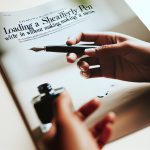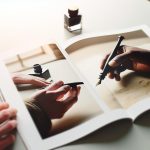

When calligraphy practitioners ask does it matter how you hold your dip pen, proper grip technique is fundamental: maintaining a relaxed 40-to-45-degree elevation to the paper ensures balanced pressure across both flexible nib tines, preventing fiber snagging, railroading, and ink splatters while maximizing expressive stroke contrast.
Have you ever marveled at the graceful strokes of calligraphy and wished you could create such beauty yourself? Mastering the art of calligraphy starts with understanding how to hold a dip pen. The traditional grip technique not only enhances your control but also empowers you to express your artistic flair with confidence. Many beginners struggle with grip discomfort or uneven lines, which can be discouraging. However, by adopting the correct grip, you’ll find that your writing becomes smoother, your letters more consistent, and your overall experience much more enjoyable. Ready to transform your calligraphy journey? Let’s dive into the essential techniques that will set you on the path to elegant lettering.
Understanding the Anatomy of a Dip Pen Grip
To harness the true potential of your dip pen, understanding how to grip it correctly is paramount. The grip not only affects your control and precision but also the overall fluidity of your writing. Typically, a dip pen is held similar to a traditional pen, but with some nuances that are crucial for effective calligraphy. When gripping the pen, place it gently between your thumb and index finger, allowing the nib to rest on the page while your fingers work as a stabilizing force. Your grip should be relaxed-tension can lead to shaky lines and fatigue.
The anatomy of your grip involves a modified tripod position: your thumb and index finger control the pen, while your middle finger supports it underneath. This setup offers optimal sensitivity to make delicate adjustments while writing. Aim to keep your grip light, which allows for easier movements and less strain on your hand. Remember, the way you hold your pen can impact your posture and drawing angle, influencing both comfort and the quality of your line work.
It’s essential to avoid gripping the pen too tightly. A relaxed grip allows for a better flow of ink from the nib to the paper, which is crucial for achieving clean strokes. If you find yourself applying excessive pressure, take a moment to consciously relax your fingers and reset your grip. Consider practicing writing with varying pressure levels to develop a comfortable and controlled hold.
As you become more familiar with this technique, you’ll notice how the right grip supports your unique style. Experiment with the placement of your fingers to see what feels most natural for you. Ultimately, mastering the anatomy of the dip pen grip sets the foundation for your calligraphy journey. A reliable grip not only enhances your control but also allows your creativity to shine through in every stroke.
Why Traditional Grip Techniques Matter
When it comes to calligraphy, the way you hold your dip pen can make or break your experience. A solid grip supports both precision and comfort, allowing your creativity to flow smoothly onto the page. Traditional grip techniques are rooted in centuries of practice, designed to provide optimal control over your pen’s movement. They serve as a standard that can help beginners and seasoned calligraphers alike achieve the results they desire.
The modified tripod grip-where the pen is supported by your thumb, index finger, and middle finger-enables delicate maneuverability. This hold allows you to adjust the angle and pressure, producing the nuanced strokes that characterize beautiful calligraphy. Maintaining a relaxed grip is essential; tension can lead to fatigue and shaky lines. Remember, a grip that feels comfortable today might need adjusting tomorrow as you build strength and refine your technique. It’s about finding that sweet spot where control meets relaxation.
When you embrace traditional grip techniques, you’re not just following a rule; you’re participating in a time-honored craft. Each stroke you make is a reflection of your unique style enhanced by a fundamental understanding of grip mechanics. You’ll find that different letterforms demand variations in grip pressure and angle, further underscoring the importance of mastering these techniques. Consider it as building a toolkit; each adjustment you make to your grip equips you to tackle a wider range of styles and effects.
Ultimately, a thoughtful approach to your grip doesn’t just impact your handwriting quality-it transforms your entire calligraphy practice. Whether you’re crafting a simple note or an elaborate piece of art, correct grip techniques will elevate your work. As you experiment and refine your style, you’ll realize that the right grip turns each stroke into a confident expression of art.
Essential Tools: Choosing the Right Dip Pen
A great pen makes all the difference in your calligraphy journey. Choosing the right dip pen isn’t just about picking a pretty design; it impacts your grip, control, and ultimately the quality of your work. When venturing into the art of calligraphy, one of the first steps is to find a pen that feels right in your hand. This can significantly enhance your grip technique and make the learning process much smoother.
Look for a dip pen holder that fits comfortably in your hand with a grip that allows for prolonged use without fatigue. Consider holders with thicker grips, as they tend to offer better ergonomics. A comfortable grip can help prevent the tension that leads to shaky lines or inconsistent strokes. Options like the Speedball Straight Pen Holder are popular for a reason; they have a good balance and can accommodate various nibs, providing versatility as you explore different styles and scripts [[3]].
Next, don’t underestimate the importance of nib selection. The nib is where the magic happens, and it can dictate the style of your calligraphy. Different nibs can produce distinct lines and strokes. For example, flexible nibs allow for varying line thicknesses, which is perfect for creating dynamic, expressive scripts. When trying out different nibs, pay attention to how they interact with your pen holder-some nibs work better with certain holders, enhancing your overall grip and control.
Finally, invest in high-quality ink. The right ink flows smoothly and combines well with your nib, reducing the chances of clogging and making each stroke more effortless. Experiment with inks until you find one that complements your style and enhances your overall experience. Whether it’s a deep black or a vibrant color, the ink should inspire you to create without hindrance.
When you’re equipped with the right tools, it becomes easier to focus on mastering your grip and technique. A solid foundation in selecting the right dip pen, holder, and ink will enhance your calligraphy practice, making it not just a skill, but a true expression of your artistic voice.
Mastering the Basic Hold: Step-by-Step Guide
When it comes to mastering calligraphy, the way you hold your dip pen can significantly impact your results. A well-executed grip not only enhances your control but also contributes to the flow and elegance of your strokes. Let’s dive into the traditional grip technique that can set the foundation for your calligraphy practice.
Firstly, start by picking up your dip pen correctly. Hold the pen near the nib, usually about an inch from where the nib attaches to the holder. This positioning allows for a comfortable balance while giving you maximum control. Pay attention to the angle of the pen; generally, a 45-degree angle to the paper works best. This angle helps create the thickness and thinness required for beautiful lettering.
Next, think about your fingers. Your thumb should rest against one side of the pen holder, while your index finger guides the pen from the opposite side. This creates a tripod grip, which is stable and easy to manage. Your middle finger can gently support the underside of the pen, helping to maintain a comfortable hold without squeezing too tightly. As a result, your grip should feel secure but relaxed-avoid tensing your hand, as this will only lead to fatigue.
Practice matters! Keep your wrist flexible and allow your pen to glide across the paper. If you find your hand cramping, take a moment to shake it out and reassess your grip. A common mistake is gripping the pen too hard, which can hinder fluid movements. Instead, focus on allowing the nib to do the work. As you gain confidence, you’ll find that adjusting your grip or angle can create different effects, making your calligraphy journey a unique experience.
In summary, the key to a successful grip lies in its balance and comfort. With a proper understanding of how to hold your dip pen, you’ll be well on your way to crafting stunning letters. Take your time with this process; like any art form, mastering your technique is just as important as the finished product.
Common Mistakes in Grip Technique and How to Avoid Them
The difference between a beautiful lettering piece and a frustrating scribble often lies in the grip. You might think it’s just a pen, but the way you hold a dip pen can make or break your calligraphy experience. Let’s delve into some common grip mistakes that many beginners-and even seasoned writers-make, along with actionable tips on how to steer clear of them.
One of the most prevalent issues is gripping the pen too tightly. When you squeeze your dip pen like it’s about to slip away, you’re not just inviting discomfort; you’re actually stifling the fluidity of your strokes. A tight grip restricts movement, leading to the dreaded hand cramps. Instead, look for a sweet spot of tension that feels secure but relaxed. Try this: hold the pen gently, as if you were cradling a delicate flower. This light touch allows for more natural motion and lets the nib glide over the paper.
Another mistake is neglecting the angle. Many people end up holding their pens perpendicular to the page, which can limit the variety of strokes and the character of your letters. Achieving that lovely thick and thin in calligraphy depends heavily on how you position the nib. Aim for that ideal 45-degree angle. Practice drawing a few straight lines at this tilt; you’ll notice how the ink lays down differently. This angle not only helps with natural flow but also reduces the risk of scratching the paper.
Lastly, many tend to overlook their wrist and arm positioning. A rigid wrist restricts your movement and can create unwanted tension. Keep your wrist flexible and your arm relaxed. Ideally, your arm should move the pen rather than just your fingers or wrist alone. This broader, flowing motion contributes to more elegant strokes. If you find yourself locking your wrist, take a moment to shake it out, adjust your posture, and breathe. A relaxed body leads to smoother writing.
By identifying these pitfalls and consciously shifting your technique, you’ll find your calligraphy sessions becoming more enjoyable and productive. Embrace the learning process-calligraphy is as much about the journey as it is about the final product!
Tips for Maintaining Comfort During Long Sessions
When you’re immersed in the joy of calligraphy, comfort should be your top priority. Long sessions can lead to fatigue and strain if you’re not careful. By focusing on a few key techniques, you can write longer without the discomfort that often comes with lengthy practice. Here are some practical tips to keep you at ease and enhance your creativity.
Start by choosing the right workspace. Ensure your writing surface is at a comfortable height and that you’re seated in a supportive chair. Your posture matters-keep your back straight and shoulders relaxed. This simple adjustment can prevent unnecessary tension and promote smooth, flowing movements. Consider using a supportive cushion or even an ergonomic chair designed for long periods of sitting.
Pay close attention to your grip. A light hold on your dip pen is crucial. Instead of squeezing tightly, aim for a loose, relaxed grip. Think of it as holding an egg-firm enough not to drop it, but gentle enough not to crack it. This soft grip allows for more fluid strokes and reduces fatigue in your fingers and hand. If you find yourself tensing up, take short breaks to stretch your fingers and shake out your hand.
Another important aspect is taking regular breaks. Set a timer for 20-30 minutes of writing, followed by a quick stretch or a brief walk. During these breaks, focus on relieving tension in your wrists and fingers. Simple stretches can do wonders; try flexing your fingers, rotating your wrists, or even shaking out your hands. This practice not only rejuvenates your muscles but also refreshes your mind, allowing for a more productive session when you return to the pen.
Lastly, don’t underestimate the power of hydration and snacks. Keeping a water bottle nearby and munching on healthy snacks helps maintain your energy levels. Dehydration and hunger can lead to sluggishness, which indirectly causes you to grip the pen harder or adopt poor writing postures. A little extra care goes a long way in ensuring that your calligraphy sessions are enjoyable and productive.
Exploring Variations: Alternative Grip Techniques
Different grip techniques can profoundly impact your calligraphy experience, enabling you to explore a world of creativity and control that goes beyond the traditional hold. Each alternative grip has its own unique advantages and can cater to different writing styles or personal preferences. So whether you’re struggling with fatigue or seeking a new way to express your artistic voice, experimenting with these variations opens up exciting possibilities.
One popular alternative is the pencil grip, where the dip pen is held similarly to a standard pencil. This grip places the pen between the thumb and index finger, with the middle finger supporting it from below. This technique can feel more intuitive for many beginners, allowing for greater precision, especially in intricate work. Try it out if you find the traditional grip uncomfortable or if you want to hone your line work.
Another effective style is the forefinger grip, where you position your index finger along the pen shaft while your thumb and middle finger control the balance. This grip offers enhanced maneuverability and can be beneficial for quick strokes and dynamic lettering. It’s especially useful in more complex or flowing styles of calligraphy, where artistic freedom is key.
Lastly, consider the three-finger grip, which involves using your thumb, index finger, and middle finger to hold the pen while letting your ring and pinky fingers rest on the paper. This method can provide added stability and control, making it particularly advantageous for those longer writing sessions or intricate projects.
To find what works best for you, spend some time practicing each grip and see how it affects your fluidity and comfort. Remember, there’s no right or wrong answer; it’s about what feels natural and allows you to express your creativity in a way that feels satisfying. Keep in mind that your grip can evolve over time based on your style and the techniques you develop, so remain open to exploring these variations!
How Grip Affects Your Calligraphy Style
The way you hold your dip pen can dramatically alter your calligraphy style. A confident grip allows for precision and fluidity, shaping every stroke and letter into something uniquely yours. Even subtle changes in your grip can lead to varying line widths, angles, and overall expression, impacting the character of your work.
When you adopt a traditional grip, typically between the thumb, index, and middle fingers, you’re tapping into a technique that provides both stability and control. This grip is often recommended for those new to calligraphy because it facilitates a more focused approach, making it easier to apply consistent pressure on the pen. As you gain comfort with this grip, your letters may begin to show more confidence and clarity, crucial for achieving that elegant, flowing style many strive for.
However, don’t underestimate the power of experimenting with different grips. For instance, using a pencil grip can enhance your dexterity, allowing for intricate detailing and sharper turns, while the forefinger grip gives you the freedom for faster, spontaneous styles. Each grip unlocks different potentials in your calligraphic practice, from the structured to the wildly creative.
Ultimately, the connection between your grip and your calligraphy style is a personal journey. It requires exploration and patience. Keep experimenting until you find what feels right, and embrace how those changes not only refine your technique but also expand your artistic possibilities. Your grip should adapt as you evolve, reflecting your growth and taste in this beautiful art form.
Exercises to Perfect Your Grip Technique
Practicing grip techniques isn’t just about comfort-it’s about mastery. A well-executed grip can significantly enhance control, fluidity, and ultimately, the beauty of your calligraphy. To perfect your grip technique, you’ll want to engage in specific exercises designed to reinforce muscle memory and improve dexterity. Below are some tried-and-true practices you can easily integrate into your calligraphy sessions.
Finger Flexibility Exercises
Start with simple finger stretches to build flexibility and strength in your grip. Here’s what you can do:
- Finger Spreads: Open your fingers wide and hold for a few seconds before relaxing them. Repeat several times.
- Pencil Pinches: Pinch a pencil or pen between your thumb and the pads of your index and middle fingers. Hold it gently-this mimics the dip pen grip.
- Wrist Rolls: Roll your wrists in circles, first clockwise and then counterclockwise, to reduce tension while ensuring fluid movement.
Grip Practice with Lines
Once you feel comfortable with finger flexibility, integrate your grip into your writing practice. Grab your dip pen and focus on maintaining your grip while you write:
- Contour Lines: Draw straight lines or curves, emphasizing controlled pressure on the pen. Notice how your grip affects the width of the lines.
- Controlled Shapes: Write circles, triangles, and other shapes. Concentrate on how changes in finger pressure alter the style and flow of your strokes.
Pen Holding Drills
Next, drill yourself on maintaining a stable grip. Here’s a simple exercise:
- 30-Second Hold: With your dip pen poised, hold it in your traditional grip for 30 seconds without writing. Focus on consistency-your grip should feel natural and relaxed.
- Transition Test: Switch between writing and holding the pen without letting it drop. This will develop your muscle memory for a seamless grip transition.
As you practice these exercises, be mindful of any discomfort; the grip should always feel comfortable and stable. With time and dedication, you’ll find that a perfect grip unlocks your full calligraphy potential, allowing for greater expression and artistry in your work. Embrace the journey, track your progress, and soon you’ll notice the difference that effective grip techniques can bring to your calligraphy.
Troubleshooting Grip Issues in Calligraphy
Everyone faces grip issues at some point when delving into calligraphy. It’s not just about how you hold the pen; it’s about achieving that delicate balance between control and comfort, which is essential for beautiful lettering. Common struggles often manifest in the form of discomfort, ink flow problems, or inability to maintain steady strokes. Let’s tackle these concerns so you can write with confidence and ease.
Start by examining your grip. Are you holding the pen too tightly? A tense grip can lead to fatigue and inconsistency in your writing. Remember, a traditional dip pen grip should feel relaxed. Try consciously loosening your hold. Hold the pen more gently and let your fingers guide its movement instead of squeezing tightly. This slight adjustment can significantly enhance your fluidity. Breathing exercises can also help; take deep breaths to calm your hand and mind before you start writing.
If you’re experiencing issues with ink flow, it could be linked to your grip as well. A grip that’s too tight or awkward may disrupt the nib’s contact with the paper. Ensure that the nib remains at the correct angle relative to the paper-typically around 45 degrees. If you find the ink not flowing consistently, check for ink in the nib and make sure the friction between the pen and the paper isn’t too high due to tight gripping. Adjust your pressure and angle as you write to help maintain a smooth ink flow.
Lastly, if your hands start to cramp or tire too quickly, it’s time to revisit your grip technique and take breaks. Muscle fatigue is a signal to reassess how you’re holding the pen. Explore adjustments like a lower pen angle or experimenting with different nib sizes and holders tailored for comfort. Don’t hesitate to pick up your pen occasionally, stretch your fingers, and reset. With these strategies, you’ll not only troubleshoot but also enhance your overall calligraphy experience, allowing for longer, more enjoyable writing sessions.
The Connection Between Grip and Ink Flow
The way you grip your dip pen can make all the difference in how ink flows and how your work turns out. If you find your strokes inconsistent or your ink flow erratic, it’s time to take a closer look at your grip. An ideal grip allows for a seamless connection between your hand movements and the nuances of ink application.
A relaxed grip is crucial. When you hold the pen too tightly, you risk cutting off ink flow; it can also lead to fatigue and discomfort, which distracts from your creative process. Instead, aim for a hold that balances control with comfort. Consider this: the ideal angle for most nibs is around 45 degrees. Holding the pen correctly helps maintain this angle, allowing ink to flow smoothly from the nib to the paper. This gentle control minimizes friction and maximizes fluidity in your writing.
Another aspect to consider is how your fingers position the nib above the paper. Your grip should let the nib glide without obstruction. If you’re fidgeting or adjusting constantly, it may disrupt ink flow. Practice finding a natural resting position for your fingers that keeps everything in alignment. Over time, your body will find the most comfortable grip, which can significantly enhance your calligraphy style and technique.
Remember, every artist experiences bumps along the way. If your ink isn’t flowing properly, look at how you’re gripping the pen. A minor adjustment could completely change the smoothness of your strokes. Be willing to experiment with the position of your fingers or the angle of your wrist. This not only provides a chance to optimize your technique but also invites a unique touch to your letters. By paying attention to your grip, you can unlock a whole new level of expression in your calligraphy.
Unlocking Your Calligraphy Potential: Advanced Grip Tips
To elevate your calligraphy game, it’s essential to refine your grip on the dip pen. Many calligraphers underestimate how their hold can dramatically influence not just comfort but also the precision and artistry of their letters. Here’s how to unlock that potential and take the leap from basic to breathtaking in your penmanship.
One effective approach is to experiment with finger placement. Your grip doesn’t have to be rigid; it can be fluid. For instance, instead of just pinching the pen between your thumb and index finger, let your middle finger provide support too. This triangle formation will help balance the pen and allow for more control. Consider this: the ring finger can act as a stabilizing point, preventing unintentional movements. A solid grip should feel secure but never tense.
Another advanced tip is to practice the motion of your strokes without focusing too much on the paper. Try this exercise: hold the pen at an angle above a blank surface and mimic the action of writing. This allows you to feel the flow and rhythm without the pressure of producing a perfect letter. Getting comfortable with this motion first can lead to smoother strokes once you return to your actual calligraphy.
Lastly, be mindful of the angle of your wrist and forearm. Ideally, your wrist shouldn’t be overextended; a neutral position can help maintain fluid motion and reduce fatigue. If you encounter discomfort during longer sessions, consider adjusting your table height or chair position for better ergonomics.
Unlocking your calligraphy potential is all about refining these small details in your grip. Remember, consistency comes with practice, so don’t hesitate to make these adjustments and see how they transform your writing. Your dip pen can become an extension of your creativity, allowing your unique style to shine through with every stroke.
Q&A
Q: How do I properly grip a dip pen for calligraphy?
A: To grip a dip pen correctly, hold it between your thumb and index finger, allowing the pen to rest against your middle finger. Maintain a relaxed grip to avoid fatigue and ensure fluid movement. Keep the pen at a comfortable angle to allow ink flow while writing.
Q: What is the best angle for holding a dip pen?
A: The ideal angle for holding a dip pen is usually between 30 to 45 degrees relative to the paper. This angle promotes better ink flow and allows for smoother strokes. Experiment with slight adjustments to find what feels most comfortable for your writing style.
Q: Why is a loose grip important in calligraphy?
A: A loose grip is crucial in calligraphy as it helps prevent hand cramping and allows for greater control over intricate movements. This technique encourages fluidity and artistry, essential for achieving beautiful script without fatigue during longer writing sessions.
Q: How can I avoid hand cramps while using a dip pen?
A: To avoid hand cramps when using a dip pen, maintain a relaxed grip, take breaks often, and practice “air writing” exercises to loosen your hand. Regularly stretching your fingers and wrist can also promote comfort during long calligraphy sessions.
Q: Can grip technique affect ink flow in calligraphy?
A: Yes, grip technique significantly affects ink flow. A proper grip ensures that the nib sits correctly on the paper, allowing for consistent ink delivery. A tight grip may distort the nib’s position, leading to uneven strokes and ink flow interruptions.
Q: What are common mistakes in dip pen grip techniques?
A: Common mistakes include holding the pen too tightly, not supporting the pen properly with fingers, and using the wrist instead of the arm to move. These can lead to discomfort and poor handwriting. Focus on maintaining a relaxed hold and using your arm for movement.
Q: Do different styles of calligraphy require different grip techniques?
A: Yes, different calligraphy styles may require slight variations in grip techniques. For example, Italic calligraphy might benefit from a different angle or grip compared to Copperplate. Experiment with different grips to discover what works best for the specific calligraphy style you’re practicing.
Q: How can I improve my calligraphy grip technique?
A: To enhance your grip technique, practice regularly with exercises focusing on relaxation and movement. Use drills that emphasize maintaining a light grip while varying pressure and speed. Observing experienced calligraphers can also provide valuable insights into effective gripping methods.
Insights and Conclusions
Congratulations on taking the first step to mastering the traditional grip technique with your calligraphy dip pen! Remember, the right hold transforms your writing experience, enhancing both comfort and control. Don’t wait-grab your pen and practice what you’ve learned right now!
If you found this guide helpful, consider exploring our in-depth resources on calligraphy styles or ink types to elevate your skills further. Got questions or tips of your own? Share them in the comments below; your insights could inspire others in the community!
For ongoing tips and exclusive content, subscribe to our newsletter! Next up, check out our guide on smoothing your pen strokes for flawless letters. Keep creating beautiful art, and let each stroke tell your story!
Does It Matter How You Hold Your Dip Pen? Grip Ergonomics & Nib Angle Guide
Beginner calligraphers often struggle with scratchy nibs, uneven line widths, or sudden blotches of wet ink across their work. When artists ask does it matter how you hold your dip pen, the physical geometry of your hand posture directly dictates whether the pen glides like silk or digs destructively into the paper grain.
| Grip Parameter | Optimal Ergonomic Standard | Incorrect Beginner Habit | Negative Writing Consequence | Corrective Adjustment |
|---|---|---|---|---|
| Pen Elevation Angle | 40° to 45° off paper surface | Steep upright posture (>60°) | Tines snag and gouge paper fibers | Lower pen shaft into the index knuckle web |
| Finger Tension & Pressure | Light, cushioned tripod cradle | White-knuckle death grip | Severe hand fatigue & shaky hairlines | Relax grip so someone could slide pen out |
| Bilateral Tine Alignment | Both tines touch paper identically | Pen rotated along long axis | Railroading (ink feeds to one side only) | Keep nib breathing hole facing straight up |
| Movement Source | Whole arm & shoulder glide | Finger-joint scrunching | Cramped letters & irregular baseline slant | Lock fingers in position and move from elbow |
The 4-Step Traditional Dip Pen Grip Setup
- Step 1: The Three-Finger Tripod Foundation: Rest the pen holder comfortably on the side of your middle finger near the first knuckle. Place the pads of your index finger and thumb on top and side to form a stable triangular cradle. Never wrap your fingers tightly around the shaft.
- Step 2: Lower the Elevation to 45 Degrees: Let the tail end of the pen holder rest backward across the fleshy webbing between your thumb and index knuckle. This automatically establishes the ideal 40–45 degree low angle required for pointed metal nibs to slide smoothly.
- Step 3: Check Square Tine Contact: Before dipping into ink, place the dry nib onto paper. Check visually that both metal tines touch the paper simultaneously with equal contact. If one tine is lifted higher than the other, rotate the pen holder slightly until contact is perfectly balanced.
- Step 4: Engage the Forearm Glide: Anchor the fleshy part of your forearm lightly on the desk while keeping your wrist straight. Drive letter descenders and oval flourishes using the large muscles of your shoulder and elbow rather than bending your fingers.
Frequently Asked Questions About Holding a Dip Pen
Does it matter how you hold your dip pen when writing calligraphy?
Yes, how you hold your dip pen matters tremendously. Unlike ballpoint pens which write at almost any angle, a dip pen requires a relaxed 40–45 degree elevation to paper. Holding it too upright causes the sharp tines to scratch and catch on paper fibers, while an incorrect grip tilts the nib, causing uneven tine flex, ink railroading, and hand fatigue.
Get our latest guides, news, and insights highlighted in your Google Search & AI Overviews.