
Did you know that brush pen calligraphy has exploded in popularity over the past few years? This modern approach to lettering is not just an art form; it’s a way to express yourself creatively, whether you’re sprucing up your journal, making unique greeting cards, or simply enjoying a satisfying hobby. In “How to Do Brush Pen Calligraphy: Contemporary Lettering Skills,” we’ll dive into the basics of this rewarding skill. You might be wondering where to start, what tools to use, or how to achieve that beautiful, flowing style you see on social media. Fear not! This guide will equip you with the essential techniques and tips to help you master brush pen calligraphy, regardless of your experience level. Get ready to unleash your creativity and discover how gratifying it is to create stunning lettering with just a brush pen. Let’s get started on this exciting journey together!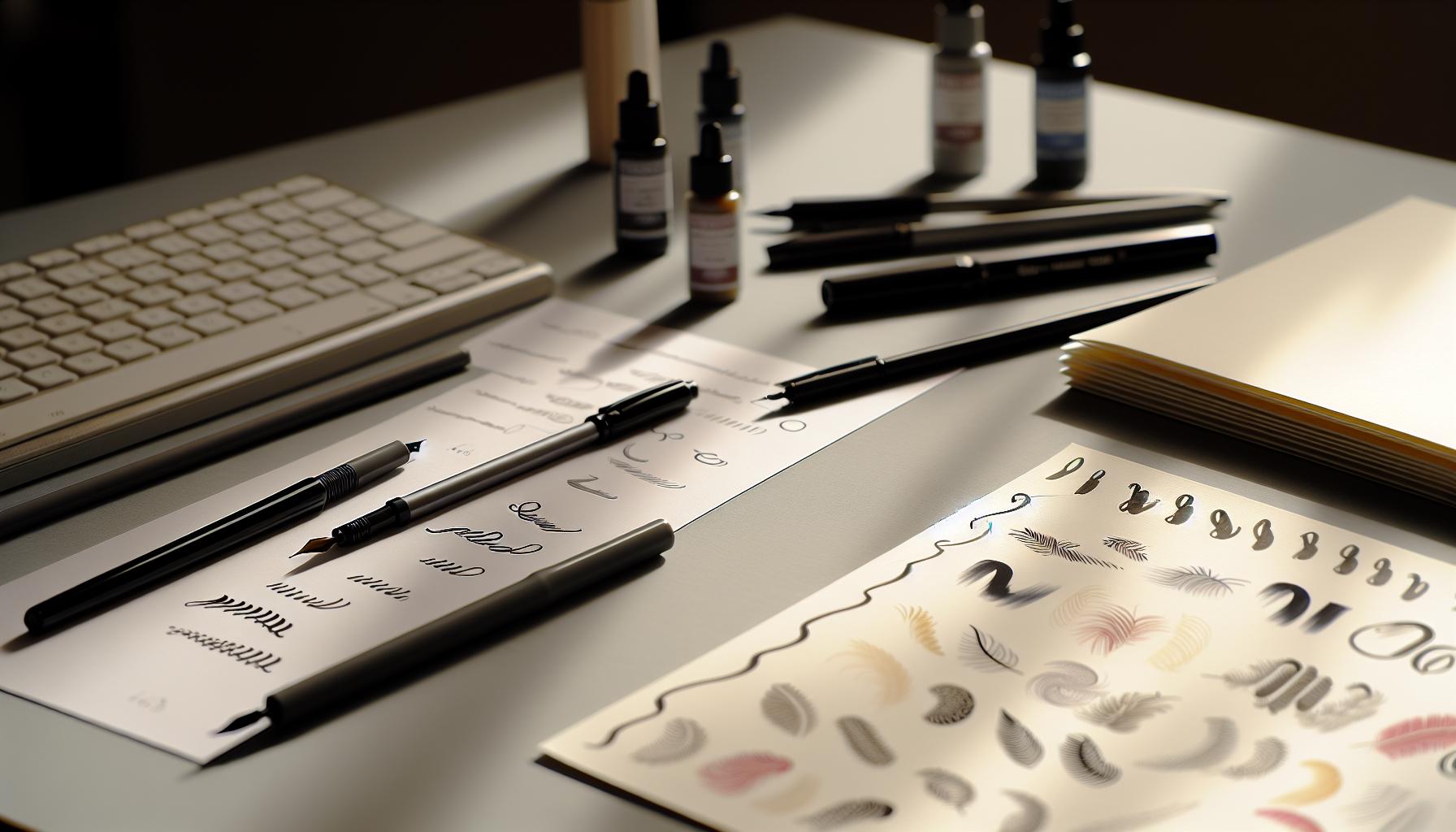
Understanding Brush Pens: Types and Features
Brush pens are the magic wands of calligraphy, capable of producing stunning lettering styles with just a flick of the wrist. Understanding the types and features of brush pens can elevate your calligraphy game significantly. They come in various shapes, sizes, and nibs, each designed for different techniques and effects, making it important to choose the right tool for your artistic vision.
First, let’s break down the primary types of brush pens. There are two main categories: flexible nib brush pens and felt-tip brush pens. Flexible nib brush pens have actual brush tips made from hair or synthetic fibers, allowing for varied pressure and stroke thickness. They’re perfect for achieving those beautiful upstrokes and downstrokes that characterize calligraphy. On the flip side, felt-tip pens are generally more rigid, providing consistent line thickness but limiting the variations you can achieve with pressure. Both types have their merits, but for intricate work, flexible nibs often reign supreme.
When selecting a brush pen, consider features that suit your style. Some pens have a smooth glide for quick strokes, while others offer more control for precision. Look for pens with interchangeable nibs if you’re considering a variety of strokes. Furthermore, brush pens can be found in various ink types-water-based, pigment-based, or even metallics-which affects their blending capabilities and drying times. Experiment with different options to determine what feels right for your projects. It’s all about finding your flow and seeing which brush pen brings your lettering to life!
Essential Supplies for Brush Pen Calligraphy
To embark on your brush pen calligraphy journey, having the right supplies at your fingertips makes a world of difference. While brush pens are often the star of the show, there are several essential items that can significantly enhance your practice and results. Let’s dive into what you really need to create beautiful lettering.
First and foremost, brush pens are your primary tools. There are many options available, from soft brush tips for flexibility to firmer felt-tips for uniform strokes. For beginners, starting with a few different types can help you find what suits your style best. Popular recommendations include Koi Coloring Brush Pens and Tombow Dual Brush Pens-both are user-friendly and great for beginners. Don’t forget to consider the ink types as well; water-based inks are versatile and easy to clean.
In addition to pens, a smooth paper can elevate your work. Using paper designed specifically for brush lettering can prevent bleed-through and tearing. Look for marker paper or any thick, smooth paper that allows your pen to glide effortlessly. It’s often beneficial to experiment with different papers to find what feels right for you.
You’ll also want to have a pencil and eraser handy. Sketching out your letters lightly before inking them can help you visualize spacing and shape, allowing for adjustments where necessary. This way, you can avoid mistakes and it helps in planning out future projects like invitations or quotes.
Lastly, a straight edge or ruler can be handy for creating guidelines, especially when you’re just starting. Drawing light lines with a pencil ensures your letters stay consistent and properly aligned. Over time, you’ll find that careful planning sets a great foundation for your calligraphy.
With these essentials in your supply box, you’ll be well-prepared to start practicing and developing your brush pen calligraphy skills. Remember, each tool plays a role in shaping your experience, so choose those that feel comfortable and inspiring for you. Happy lettering!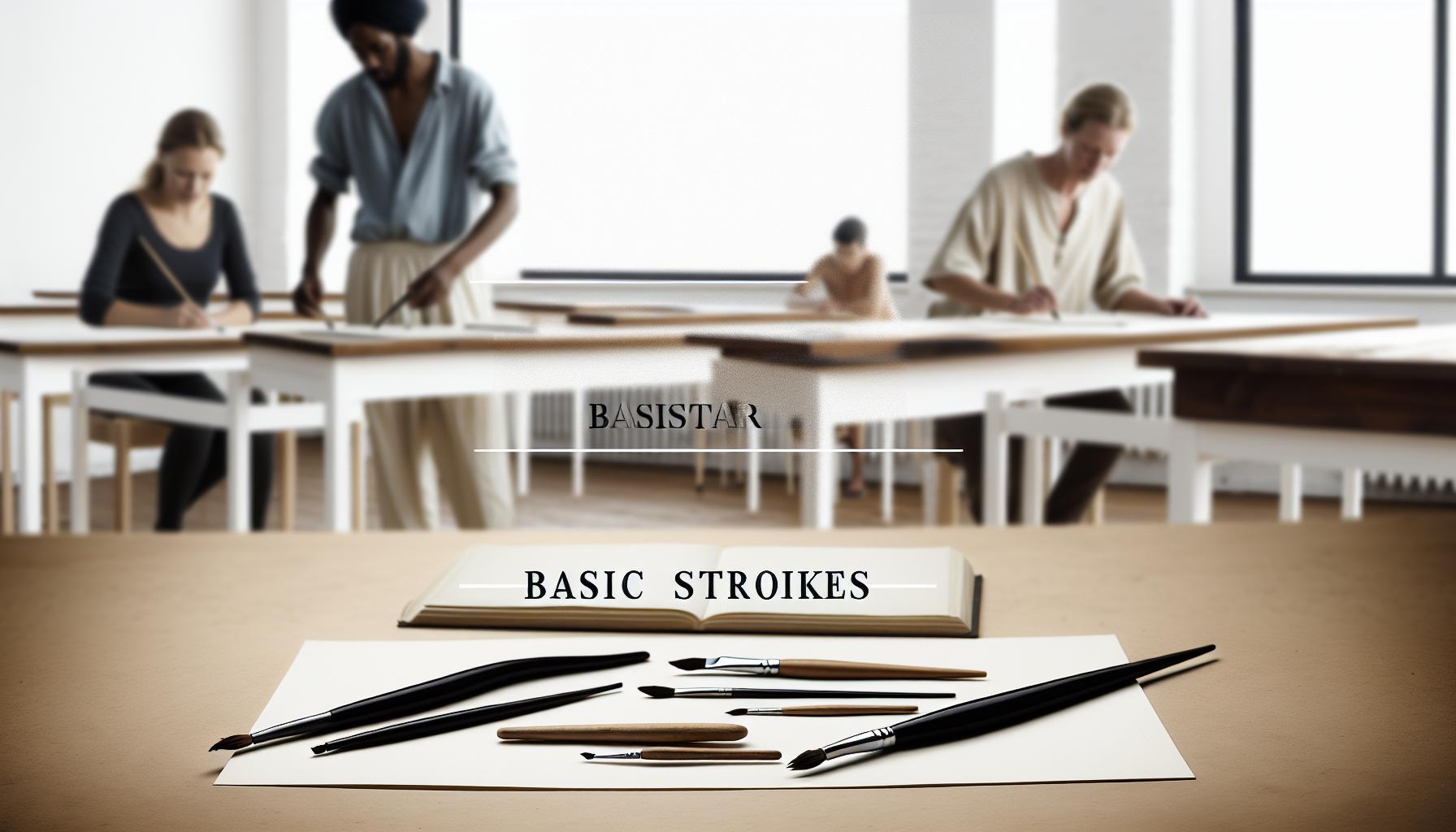
Mastering Basic Strokes: Your Foundation
When you’re starting with brush pen calligraphy, mastering basic strokes is crucial. These fundamental shapes and movements are the building blocks for every letter you’ll create. Think of it like learning to ride a bike; the more you practice those initial steps, the smoother your journey becomes. You don’t need to jump straight into writing words – focus on perfecting your strokes, and the letters will start to flow naturally.
Begin with a few essential strokes that form the basis of most letters. These include the upstroke, downstroke, oval, and the strong transition strokes. Here’s a simple breakdown of what to practice:
- Upstroke: Light pressure on the pen to create a fine line as you move upwards.
- Downstroke: Apply more pressure to create a thicker line while moving downwards.
- Oval: A combination of both strokes, practice this shape to help with forming letters.
- Transition Strokes: These are critical for connecting letters seamlessly; practice maintaining consistent pressure transitions.
To get started, take a piece of smooth practice paper and use your brush pen to draw these strokes repeatedly. Focus on maintaining a steady hand and consistent pressure; it’s okay if it takes time to get comfortable. You might find it helpful to use a guide such as printed stroke patterns or worksheets designed for brush lettering. These resources provide structure and allow you to see the precise shapes you need to replicate.
As you practice, pay attention to your grip and angle. A relaxed grip helps maintain fluid motion, while the angle of the brush pen can change the stroke’s characteristics. The more you practice these basic strokes, the more confident you’ll feel when it’s time to combine them into letters. Each stroke you master adds to your skills, allowing you to explore more complex lettering styles as you grow.
Step-by-Step Guide to Lettering with Brush Pens
When you’re ready to dive into brush pen lettering, having a step-by-step approach will make the process smoother and more enjoyable. Each letter you create is an opportunity to express yourself, and understanding the flow of the brush will help you unleash your creativity. Start by laying out a solid foundation.
Begin with the basic strokes you’ve practiced-upstrokes, downstrokes, ovals, and transitional strokes. These are the building blocks of each letter. As you put these strokes together, pick a letter from the alphabet to focus on. For example, when writing the letter “A,” start with an upstroke to create the left side, then shift to a downstroke to form the diagonal right side. This simple combination already demonstrates how basic strokes work together to build letters.
Next, consider the letter’s structure and balance. Each letter has a unique shape, and noticing how tall or wide it should be compared to other letters will enhance your overall composition. Use guidelines on your paper to keep your letters consistent in size. It’s also useful to create a key for letters that aren’t symmetrical, like “B” or “P,” to establish where the downstrokes are heavier and how that impacts the style.
Practice writing full words by connecting your letters. This is where the beauty of brush lettering shines-it’s not just about individual letters, but how they flow together. Focus on maintaining consistent pressure, which affects the thickness and lightness of your strokes. To enhance your skills further, try writing sentences. Choose quotes that inspire you, as this not only practices your lettering but brings motivation into your work.
Lastly, don’t hesitate to experiment with styles. Once you’re comfortable with the basics, play around with different variations. Add some flair by changing the angle of your brush, introducing swirls, or incorporating loops. This exploration allows your unique handwriting style to emerge.
In sum, focus on mastering basic strokes, understanding letter structures, and practicing connections. With time and persistence, you’ll develop a fluid style that feels entirely your own, and creating with a brush pen will become an effortless expression of your personality.
Stylish Techniques: Variations for Unique Styles
To truly stand out in the world of brush pen calligraphy, you need to explore distinctive techniques that breathe life into your lettering. The beauty of brush lettering isn’t just in the letters themselves, but in how you can twist and turn them into something uniquely yours. As you gain confidence with the basics, let’s dive into some stylish techniques to elevate your work.
Experiment with Angles and Pressure
The angle at which you hold your brush pen can dramatically change your style. Try tilting the pen slightly to create a more whimsical feel or keeping it straight for a classic look. Varying your pressure is just as crucial-apply more pressure on downstrokes to create bold lines and lift gently for light upstrokes. This simple change can add dimension and personality to your lettering.
Incorporate Swirls and Loops
Adding swirls and loops can transform standard letters into captivating pieces of art. After mastering the basics, don’t shy away from embellishing your letters. For instance, instead of a simple ‘e,’ try curling the tail or adding a flourish to the top. You can create personality with each letter, turning the mundane into something magical.
Use Color and Blending Techniques
Why stick to a single color when you can create gradients and blends? Layering colors can add depth to your lettering. Start by selecting two or three complementary colors and practice blending them on paper. Apply one color to the brush and, before it dries, introduce another color to create a smooth transition. This technique can give your work a contemporary flair that instantly catches the eye.
Integrate Textures and Patterns
Beyond color, think about integrating creative textures within your letters. Try adding dots, stripes, or even watercolor washes as backgrounds. This not only enhances the overall aesthetic but also showcases your creativity and personal touch. Experiment with different brush pens-even using regular markers in combination can yield surprising effects.
Engaging with these variations allows you to cultivate a signature style that reflects your individuality. Keep pushing your limits, and remember that the most captivating styles emerge through experimentation and practice. Explore these techniques, and watch your brush pen calligraphy evolve into a stunning form of self-expression.
Creating Beautiful Flourishes: Enhancing Your Letters
Adding flourishes to your brush pen calligraphy can elevate your lettering from simple to stunning. These decorative elements bring personality and flair to your work, allowing you to express your unique style. Whether you’re just starting out or already have some experience, mastering flourishes can transform your calligraphy into a creative art form.
Start by practicing basic flourishes such as swirls, loops, and tails. These can be incorporated into letters or added as embellishments around your text. For instance, extend the tail of letters like ‘f’ or ‘y’ into a graceful curve. This not only enhances the individual letter but makes the entire word feel more dynamic. A simple swirl at the beginning or end of a word can give it a playful touch, making it visually captivating.
Consider the flow of your letters as you add these embellishments. You want to create a harmonious balance between your text and the flourishes. Too many flourishes can overwhelm your letters, while too few can make them seem flat. Practice integrating these elements naturally-start slow and focus on consistency. You might even want to sketch them lightly before committing to ink, ensuring they complement your style without overshadowing it.
Lastly, don’t hesitate to experiment with different styles of flourishes. Look at various lettering styles like modern calligraphy or vintage scripts for inspiration. You can create custom flourishes that resonate with your aesthetic, helping you find your signature style in brush pen calligraphy. Remember, practice is key-so grab your pens and start embellishing!
Common Mistakes in Brush Pen Calligraphy and How to Avoid Them
One of the biggest hurdles many beginners face in brush pen calligraphy is falling into common pitfalls that can hinder their progress and enjoyment. It’s easy to get discouraged when your lettering doesn’t match the beautiful examples you see online. However, recognizing and avoiding these mistakes can set you on the right path towards creating stunning calligraphy.
A frequent error is disregarding the importance of pressure control. The beauty of brush pen calligraphy lies in its dynamic strokes, where thin upstrokes contrast beautifully with thick downstrokes. If you’re pressing too hard on both strokes, you’ll miss out on this effect. Practice by focusing on the pressure you apply with each stroke. Start with light pressure on the upstrokes and gradually increase it on the downstrokes. This will help your letters gain dimension and flair.
Another common mistake is skipping basic strokes practice. Many novices jump straight into forming letters, but this can lead to frustration. Instead, take the time to master basic strokes. Spend a session just practicing lines, curves, and shapes that form the foundation of your letters. It may feel tedious, but this practice will pay off as it builds muscle memory, making your letterforms more consistent and fluent.
Additionally, many beginners ignore the importance of a consistent speed. If you rush, your strokes can turn wobbly or uneven. Develop a rhythm and try to maintain it throughout your lettering. Use a metronome or practice along with music to keep your pace steady. This will not only improve your control but also contribute to an overall neat appearance in your writing.
Lastly, don’t underestimate the value of choosing the right brush pen. A brush pen that’s too soft or too hard for your skill level can make a significant difference. For those just starting, it’s best to opt for brush pens that are medium in firmness. They provide a good balance between flexibility and control, allowing you to execute strokes with ease as you develop your skill set.
By avoiding these common mistakes-controlling your pressure, practicing basic strokes, maintaining consistent speed, and selecting the right tools-you can enhance your brush pen calligraphy experience and create beautiful pieces that reflect your unique style. Remember, every artist has their own journey, so embrace the learning process!
Inspiration: Exploring Calligraphy Styles and Projects
The world of brush pen calligraphy is rich with styles and projects that can ignite your creativity and inspire your practice. Exploring different calligraphy styles not only keeps your skills fresh but also helps you discover your unique aesthetic. Whether you’re drawn to the elegance of copperplate, the playful nature of modern brush lettering, or the dramatic flair of gothic styles, each offers a distinct way to express yourself with a brush pen.
Consider diving into themed projects that encourage you to apply your skills in new contexts. Personalized greeting cards are a fantastic place to start. By combining brush pen lettering with design elements, you can create beautiful, bespoke cards for any occasion. Think seasonal themes: fall designs with warm colors and swirling scripts, or festive holiday cards featuring joyful phrases. You can even embellish your lettering with doodles or watercolor backgrounds to add depth and interest.
Another exciting avenue is creating motivational quotes for everyday inspiration. Choose your favorite quotes, and play around with different styles and formats. Mix script and sans-serif fonts or use varying sizes and alignments to create dynamic compositions. This exercise is not just fun; it boosts your confidence as you see your personal style emerge through the practice.
As you explore these various projects, remember to document your journey. Consider sharing your work on social media platforms or in calligraphy groups. Engaging with a community can provide feedback, inspiration, and a sense of belonging. Plus, the diversity of styles showcased by others can open your mind to techniques and ideas you might not have considered, pushing you further in your brush pen calligraphy journey.
In summary, immersing yourself in various calligraphy styles and projects can enhance your skills and enjoyment of brush pen lettering. Embrace the process-play, experiment, and most importantly, have fun! This adventure not only leads to skill improvement but also cultivates a deeper appreciation for the art of lettering.
Advanced Techniques: Blending and Color Theory
To truly elevate your brush pen calligraphy, mastering blending and color theory is essential. Blending isn’t just about making colors look good next to each other; it’s about creating an emotional resonance in your artwork. The right blend can transform a simple letter into a stunning piece that captures attention and evokes feelings. So, let’s dig into how to effectively blend colors with your brush pens and the principles of color theory that can guide you.
One of the most effective ways to blend colors is to use a technique called wet-on-wet. Start by applying your first color generously onto the paper, then use a damp brush to activate the color and blend it slightly. Next, while it’s still wet, introduce a second color. The colors will merge beautifully, giving you a smooth gradient effect. Practice this technique with varying color combinations to see how they interact. For example, blending a warm orange into a cool blue can create an eye-catching contrast that adds depth to your lettering.
Understanding color theory helps you choose your color combinations wisely. Colors are often categorized using the color wheel, which can be divided into primary, secondary, and tertiary colors. A basic rule to remember is to pair complementary colors-like blue and orange or red and green-for vibrant contrast. Alternatively, analogous colors, which sit next to each other on the wheel (such as blue, teal, and green), produce a more harmonious look. Experiment with both approaches to find what resonates with your style.
It’s also worthwhile to explore various brush pen techniques to enhance your blending skills. Techniques such as layering-where you allow one color to dry before adding another on top-can create a richer tonal effect. Don’t hesitate to use a blender pen or a waterbrush if you want to soften edges further or create a watercolor-like effect. Each attempt will teach you something new about how your chosen colors interact, pushing you closer to creating unique, beautiful lettering that speaks to your personal style.
Tips for Practicing and Improving Your Skills
The journey to mastering brush pen calligraphy can be incredibly rewarding, but it requires patience and practice. One of the best ways to improve your skills is to dedicate time to practice regularly. Set aside at least 15-30 minutes a day to work on your lettering. This focused practice will help you develop muscle memory, allowing your hand to move fluidly across the paper. Even on days when you feel less motivated, a short, dedicated session can lead to improvement.
Begin your practice with basic strokes and shapes. These fundamental elements form the foundation for letter creation. Work on straight lines, curves, and basic loops. You might also consider keeping a “stroke diary” where you can track your progress over time. This visual representation of your growth can be incredibly motivating and help pinpoint areas that need more attention.
Another effective tip is to use guidelines. These can be as simple as light pencil lines that help maintain consistent letter height and spacing. You can create your own guidelines or print them from online resources tailored to brush pen calligraphy. Additionally, don’t shy away from practicing in different formats-try doing quotes, fun phrases, or even your name. This will improve not only your skill but also your creativity in using the brush pen.
Lastly, seek out feedback and community. Sharing your work in online forums or social media can expose you to helpful critiques that will push you to improve. Engaging with others can also inspire new techniques and styles that you might not have considered. Remember, every artist has been a beginner, and embracing a community of learners can significantly enhance your experience. So grab your brush pens, find a cozy space, and start creating-your skills will flourish with time and effort.
Showcasing Your Work: Ideas for Display and Sharing
Sharing your brush pen calligraphy not only showcases your hard work but also connects you with a community that thrives on creativity and inspiration. Whether you’re crafting personalized gifts, creating art for your home, or sharing your progress online, presentation is key. Here are some effective ways to display and share your calligraphy work.
One of the simplest yet most impactful methods is framing your pieces. A well-chosen frame enhances the beauty of your calligraphy and makes it ready for display on a wall or desk. Consider creating a gallery wall with an assortment of your pieces or incorporating calligraphy into your home decor as thoughtful art pieces. Using mats in contrasting colors can also draw attention to your lettering and add a professional touch.
Another popular option is to create DIY cards or stationery. Personalized cards that feature your lettering can be a delightful way to spread joy to friends and family. Whether for birthdays, holidays, or just because, hand-lettered cards add a heartfelt personal touch. You could also experiment with creating bookmarks, tags, or labels to further explore your calligraphy skills and share them in practical ways.
Engaging with your audience online is incredibly rewarding. Consider sharing your progress on social media platforms like Instagram or TikTok. Post short videos of your lettering process, tips for using brush pens, or before-and-after shots of your work. Hashtags related to calligraphy can help you reach a wider audience. Don’t forget to join calligraphy communities and forums. Sharing in these spaces not only invites feedback but also motivates you through the work of others.
Lastly, consider organizing local meet-ups or virtual workshops. Teaching others not only reinforces your own skills but allows you to connect with aspiring calligraphers. During workshops, you can showcase your work and encourage participants to share theirs, fostering a supportive environment.
Showcasing your work is a thrilling part of your calligraphy journey. Embrace the various platforms and opportunities available to you; every piece is a step forward and a chance to inspire others on their creative paths.
Joining the Calligraphy Community: Resources and Groups
Finding your place in the calligraphy community can transform your brush pen journey from a solitary pursuit to a vibrant creative adventure. Connecting with fellow enthusiasts not only enhances your skills but also opens up a world of inspiration. Online communities, local groups, and workshops are excellent avenues to dive in and soak up the wealth of knowledge and support available.
Online Communities
The internet is teeming with calligraphy resources. Websites like Instagram, Pinterest, and Facebook host numerous groups dedicated to brush pen calligraphy. Participating in these platforms allows you to share your work, receive constructive feedback, and learn new techniques from seasoned calligraphers. Joining hashtag communities, such as #BrushLettering or #CalligraphyCommunity, can significantly increase your visibility and connect you with talented artists.
You can also explore dedicated forums like The Postman’s Knock Community or calligraphy subreddits on Reddit. These spaces are perfect for asking questions, sharing inspirational pieces, or finding tutorials. Many online platforms also host challenges and contests, encouraging you to push your limits and experiment with your style.
Workshops and Meet-ups
Nothing beats face-to-face interaction. Check for local workshops at art supply stores, community centers, or through local art schools. These hands-on experiences are fantastic for networking and learning in real-time. You’ll often benefit from direct feedback and personalized tips that can accelerate your progress.
If local options are scarce, consider virtual workshops. Many experienced calligraphers offer online classes, leveraging platforms like Zoom or Skillshare. This flexibility lets you learn from the comfort of your home while accessing top-notch instruction from anywhere in the world. Plus, these classes often cater to various skill levels, ensuring everyone can participate and grow.
Creating Your Own Network
Take the initiative to build your own connections too. Start a local calligraphy club or a casual meet-up group. Sharing your passion in person cultivates a supportive environment where you can all grow together. Even if it begins with just a couple of friends, this bond can lead to shared resources, joint projects, and a deeper understanding of different styles.
In summary, engaging with the calligraphy community can significantly enhance your skills and enjoyment. Seek out online groups, attend workshops, and consider starting your own network. Embrace the collaboration and knowledge-sharing that comes with being a part of this creative circle, and watch your brush pen skills flourish.
Q&A
Q: What materials do I need for brush pen calligraphy?
A: To start brush pen calligraphy, you’ll need quality brush pens, smooth paper, and often a pencil and eraser for sketching. Selecting the right paper, like 32# laserjet, will prevent ink bleeding and help your strokes look crisp. Check the “Essential Supplies for Brush Pen Calligraphy” section in the main article for more details.
Q: How do I choose the right brush pen for beginners?
A: For beginners, choose brush pens that are flexible but not overly soft, as they provide better control. Look for pens with a firm tip that can produce both fine and thick strokes. The article’s section on “Understanding Brush Pens: Types and Features” can guide you in making the best choice.
Q: Why is practice important in brush pen calligraphy?
A: Practice is crucial because it helps you build muscle memory, ensuring your strokes become consistent and fluid. Regular practice allows you to refine your technique and explore different styles, as emphasized in the “Tips for Practicing and Improving Your Skills” section.
Q: Can I use any ink with brush pens?
A: Not all inks are suitable for brush pens; using water-based or alcohol-based inks designed for brush pens is ideal. This prevents damage to the brush tip and ensures smoother application. Refer to the “Essential Supplies for Brush Pen Calligraphy” section for more information.
Q: How can I avoid common mistakes in brush pen calligraphy?
A: To avoid mistakes, start with light pressure to create fine lines, and gradually increase pressure for thicker strokes. Always practice basic strokes first to gain confidence. The “Common Mistakes in Brush Pen Calligraphy and How to Avoid Them” section provides additional tips.
Q: What are some techniques to add style to my brush pen calligraphy?
A: Incorporate variations like bounce lettering, tilt, and spacing adjustments to create unique styles. Experimenting with flourishes and embellishments can also enhance your letters. For detailed techniques, check out the “Stylish Techniques: Variations for Unique Styles” section.
Q: When is the best time to practice brush pen calligraphy?
A: The best time to practice is when you’re least likely to be interrupted. Aim for a quiet environment, either early in the morning or late evening. Consistency is key; try to practice a little each day to build and maintain your skills.
Q: Where can I find inspiration for my brush pen calligraphy projects?
A: You can find inspiration on social media platforms like Instagram or Pinterest, where many calligraphers share their work. Additionally, exploring different calligraphy styles and projects in the “Inspiration: Exploring Calligraphy Styles and Projects” section of the main article can spark ideas.
In Conclusion
Thanks for diving into “How to Do Brush Pen Calligraphy: Contemporary Lettering Skills”! You’ve unlocked the basics of beautiful lettering, and now it’s time to take action. Practice these techniques regularly, and you’ll see your skills flourish. If you’re eager to deepen your understanding, check out our guides on “Advanced Brush Techniques” and “Creating Personalized Greeting Cards” for more inspiration.
Don’t hesitate to share your progress in the comments below-I’d love to see your artwork! And if you found this guide helpful, sign up for our newsletter to receive more tips and exclusive resources directly to your inbox. Remember, every stroke you practice brings you closer to mastery, so get your brush pens ready and start creating today!
Keep exploring, and let’s not stop here-there’s always something new to learn in the world of calligraphy. Your journey is just beginning!
Get our latest guides, news, and insights highlighted in your Google Search & AI Overviews.