
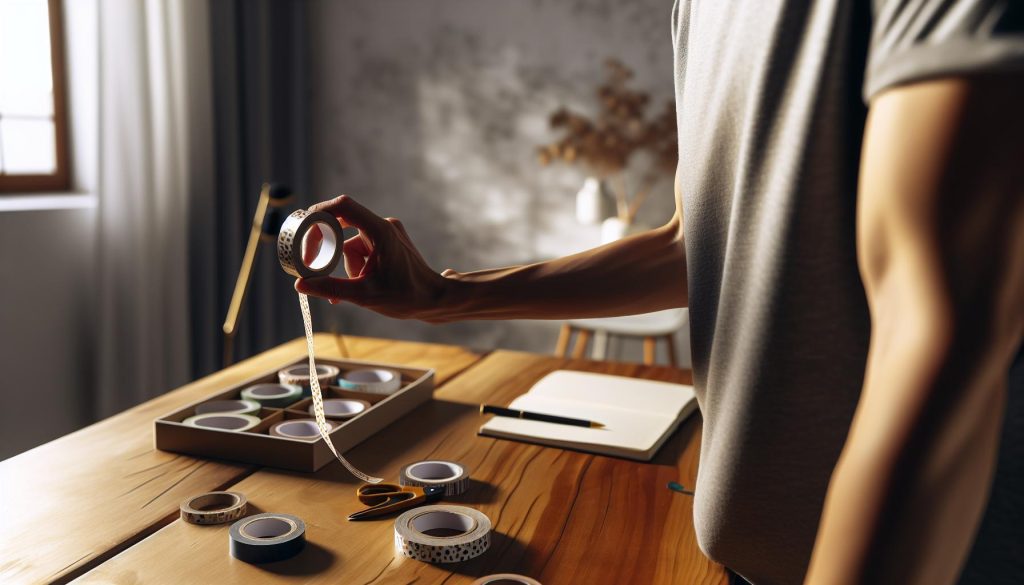
Washi tape is a beloved crafting staple known for its beautiful designs and versatility. But what happens when your favorite roll loses its stickiness? You’re not alone if you’ve found yourself frustrated by this common issue. Whether you’re wrapping gifts or decorating your planner, it’s vital to keep your washi tape effective. Understanding why washi tape may not stick can save you time and help you get the most out of your supplies. In this article, we’ll explore common reasons for sticky tape woes and offer troubleshooting tips to get your projects back on track. Let’s dive in and discover how to ensure your washi tape works as beautifully as it looks!
Understanding Washi Tape: What Makes It Unique?
Washi tape stands out in the crafting world for its versatility and aesthetic appeal. Originating from Japan, this decorative tape is made from natural fibers, typically from the mulberry tree or bamboo, which gives it a unique texture and durability. Unlike standard adhesive tapes, washi tape is lightweight, thin, and often features intricate designs and vibrant colors, making it a favorite for artists and crafters alike. Its ability to be repositioned without damaging surfaces is one of its most remarkable qualities, allowing you to create and recreate designs without the worry of sticky residue.
One key aspect that makes washi tape unique is its breathability. The natural fibers allow it to hold ink beautifully, providing rich colors and fine details that simply aren’t achievable with plastic tapes. This quality not only enhances its visual appeal but also contributes to its functionality in various creative projects, whether you’re using it for scrapbooking, journaling, or home decor. The light adhesive allows it to adhere well to most surfaces, but it can be easily lifted and repositioned-perfect for those who enjoy a bit of design experimentation.
While washi tape can lose its stickiness over time, understanding its materials can help you navigate this issue. Proper storage and handling are crucial; keeping it away from direct sunlight and extreme temperatures can prolong its life and maintain its adhesive quality. Additionally, as you engage more with your washi tape, you might find creative ways to incorporate non-sticky remnants into your projects, such as layering, or using them as part of a mixed-media collage. Embracing the unique properties of washi tape not only enhances your crafting experience but also opens doors to endless creative possibilities.
Common Reasons Why Washi Tape Loses Stickiness
Washi tape is a beloved tool among crafters, but it can be frustrating when that once-sticky tape doesn’t hold up as expected. Understanding why washi tape loses its stickiness is crucial for maintaining its usefulness. Several factors contribute to this common issue, starting with exposure to environmental conditions. Heat and sunlight can break down the adhesive properties over time, causing the tape to lose grip. If you’ve kept your rolls in a sunny craft room, you might notice them becoming less tacky, even before you’ve had a chance to use them.
Another significant factor is the composition of washi tape itself. Made from natural fibers, washi tape can absorb moisture from the air, which may affect its adhesiveness. Humidity is a double-edged sword: too much moisture can make the adhesive clammy and ineffective, while dry conditions may cause the adhesive to become brittle. Even if it seems counterintuitive, the age of the tape plays a role too. As washi tape sits on your shelf collecting dust, the adhesive can dry out or degrade, leading to disappointing results.
Storage practices can also make or break your tape’s stickiness. If you store your washi tape in an unsealed bag or container, dust and dirt may cling to the adhesive surface, compromising its ability to stick. Ideally, you want to keep your rolls in a cool, dark place, wrapped well or in a container that minimizes dust exposure.
Lastly, the surface onto which you apply the washi tape can impact adhesion. Washed or glossy surfaces may not hold washi tape as well as textured or matte ones. Experimenting with different surfaces can help you find the best combos for your projects. By understanding these reasons, you can mitigate the loss of stickiness and keep your washi tape working like new for all your creative endeavors.
How to Test Your Washi Tape’s Adhesiveness
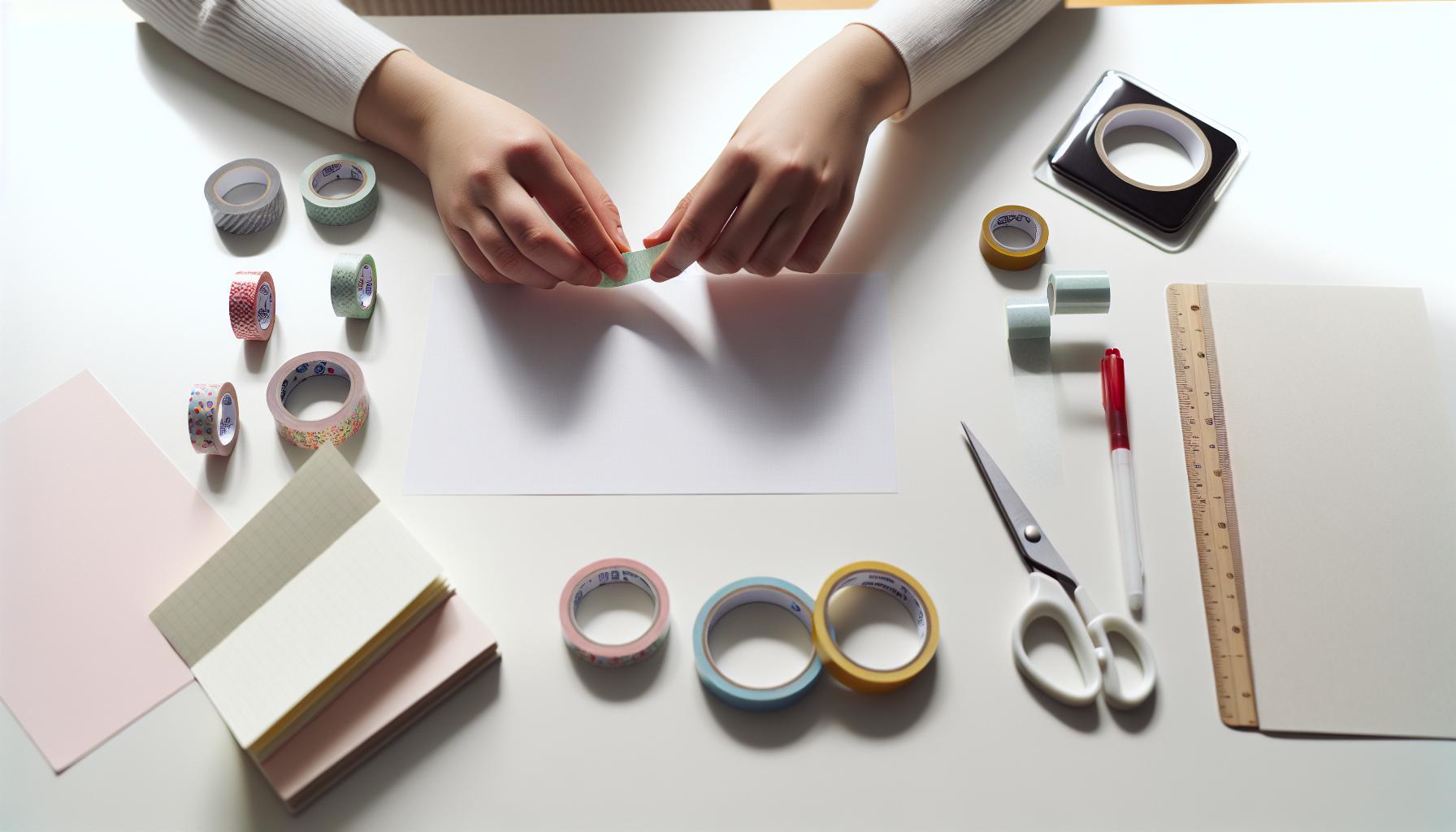
To make sure your washi tape still has that fabulous stickiness, testing its adhesiveness can be a straightforward and insightful process. Start by grabbing a small piece of your tape and applying it to a surface. But not just any surface-choose a variety that mimics what you’ll typically use for your projects. Apply it to textured paper, plastic, glass, or even fabric. This way, you’ll not only check the tape’s ability to stick but also gauge how it reacts with different materials. If the tape lifts easily or doesn’t stay down as it should, it’s a sign that something’s not right.
Next, try a peel test. After affixing your washi tape, leave it for a few minutes or even an hour-this allows the adhesive to bond more effectively. Then gently lift one end of the tape. If it pulls off clean without tearing or leaving residue, that’s a good sign. However, if it lifts easily or the adhesive feels dry and crusty, your tape might need some TLC or even replacement.
Remember, humidity plays a big role in washi tape’s performance. If you live in a particularly humid area, consider testing your tape in different conditions. You might find that it performs better when kept in a slightly drier environment or when it’s freshly opened. Use a hygrometer to check your crafting space’s moisture levels; optimal conditions can make all the difference.
Lastly, always trust your instincts. Experimenting with your washi tape through these tests not only helps you understand its current state but also empowers you to make informed decisions moving forward. Next time you reach for a roll, you’ll know exactly what to expect!
Easy Fixes for Non-Sticky Washi Tape
When washi tape starts losing its stickiness, it’s often frustrating, especially when you’re mid-project. Luckily, there are several simple solutions you can try before declaring it unusable. First off, check the tape’s surface; if it’s dusty or there’s residue from previous uses, a gentle wipe with a soft cloth can often restore some of that coveted tackiness. Rubbing alcohol is another option-damp a cloth with it and lightly clean the sticky side. This can help remove any gunk that might be interfering with its adhesive properties.
If the tape feels dry, sometimes all it needs is a little warmth to reactivate the adhesive. Try rolling it between your palms for a minute to warm it up. This gentle heat can make the adhesive more pliable and sticky again. Additionally, consider the environment where you’re using it; extreme temperatures or high humidity can affect adhesion. If you’re struggling to get your tape to stick, try moving to a warmer room or a drier spot.
For those looking to reuse non-sticky tape, try re-adhesive solutions. There are spray products available that can be applied to the non-stick side of your tape to give it a new lease on life. These adhesive sprays are particularly handy if your washi tape has little left in the stickiness department but you’re not quite ready to toss it.
Don’t forget that the ultimate fix is to replace your washi tape when its time is up. Always shop for high-quality brands that are known for their adhesion properties. This way, you’ll minimize these issues in the future. By taking these simple steps, you can prolong the life of your washi tape and keep your crafting projects seamless and enjoyable.
Storage Solutions to Preserve Washi Tape Stickiness
Washi tape can add creativity and flair to any project, but keeping it sticky can be a challenge if not stored properly. Did you know that the environment in which you keep your washi tape greatly influences its longevity and stickiness? Storing it correctly can make a world of difference, ensuring that it’s ready to use whenever inspiration strikes.
First off, consider the climate. Washi tape ideally needs to be stored in a cool, dry place, away from direct sunlight. Heat and humidity can break down the adhesive, causing it to lose its tackiness prematurely. A drawer or a dedicated box can be perfect for keeping your tape dry and out of harsh light. Avoid placing your tape near radiators or in a bathroom, where moisture is prevalent.
Organization is key. Use clear storage containers or folders with labeled sections. This not only helps you keep track of your collection but also minimizes exposure to air, which can dry out the adhesive. Another great storage option is a washi tape dispenser. These not only look appealing but allow you to see your collection at a glance, encouraging you to use the tape you have instead of letting it sit in a drawer gathering dust.
Rotate your collection periodically. By using older rolls first, you can prevent them from drying out and ensure that none of your favorites go to waste. It’s also beneficial to seal the ends of your washi tape after each use to keep dust and air at bay. Just a little bit of planning goes a long way in preserving the stickiness of your washi tape, helping you maintain a thriving, usable stash for all your creative needs.
Crafting Techniques to Maximize Adhesion
Washi tape is a versatile crafting material, but making sure it adheres properly can be a bit tricky at times. One of the most effective ways to maximize its adhesion is to prepare the surface you’re applying it to. Start with a clean, dry surface-dirt, dust, or moisture can compromise the bond. If you’re sticking it to paper, make sure that the paper isn’t too textured. Smooth surfaces work best; otherwise, the tape might not stick as well as it should.
Another technique is to warm the tape slightly before application. The heat can activate the adhesive, making it stickier. You don’t need a fancy tool for this; simply rubbing it between your fingers for a bit can create just enough warmth. Be careful not to overdo it, though-excessive heat can damage the tape or its adhesive.
Layering for Strength
For projects that require extra sticking power, consider layering the washi tape. Applying several strips of tape side-by-side or overlapping them can create a stronger adhesive bond. This method not only enhances adhesion but also adds an interesting visual texture to your project. Layering works particularly well for decorative elements, ensuring durability while keeping your designs unique.
In addition, always press down on the tape firmly after applying it. Use a clean cloth or even a bone folder to smooth out air bubbles, which can prevent full contact with the surface. If you’re working on uneven surfaces, try to press firmly for a longer duration to ensure that the tape adheres as much as possible.
Ultimately, understanding and adjusting your crafting techniques can make a world of difference in how well your washi tape sticks. By keeping these strategies in mind, you’ll find your projects not only look better but also hold together longer.
When to Replace Your Washi Tape
Sometimes, no matter how much you love your washi tape, it’s just time for a change. Knowing can be crucial for maintaining the quality of your projects. If you find that your tape isn’t sticking like it used to, it might be past its prime. Here are some signs that it’s time to let go and get a new roll.
First off, consider the adhesive’s performance. If you’re constantly battling with rolls that peel off easily or don’t adhere well at all, it’s a sure sign that the adhesive has lost its effectiveness. Old washi tape can dry out over time, especially if it’s been exposed to air. Make it a habit to check for tackiness before each crafting session. A simple test: If it feels less sticky than when you first bought it, it’s likely time for a replacement.
Additionally, keep an eye on the paper itself. If you notice any discoloration, crumbling, or curling at the edges, these are visual cues that the tape has aged and compromised its quality. Even if the tape looks fine, a faded or brittle appearance usually means it won’t hold up under pressure.
Another consideration is type and usage. If the washi tape is intended for a project that requires durability-like packaging or long-term decorations-don’t hesitate to swap it out for a fresh roll that’ll stick much better and look sharper.
To help you know when to replace your rolls, here’s a quick checklist:
- Adhesive performance: If it’s no longer sticky.
- Visual condition: Check for discoloration or brittleness.
- Project requirements: Replace for high-use or decorative needs.
Replacing washi tape doesn’t have to be a chore. With a little awareness, you can ensure that the tape you’re using is always ready to go, helping your craft projects thrive with vibrant colors and clean lines. Remember, a fresh roll can inspire you to try new techniques and projects, keeping your creativity flowing!
Choosing the Right Washi Tape for Your Projects
When it comes to crafting, choosing the right washi tape can make or break your project. Washi tape comes in various styles, patterns, and adhesives, and each choice can dramatically impact your work. First off, consider the tape’s intended purpose. Are you decorating a planner, creating gift wraps, or crafting a scrapbook? For projects that require durability and longevity, opt for washi tape specifically designed for those tasks, often labeled as ultra-sticky or extra strength.
The width of the tape also matters. Wider tapes provide more coverage and can be a statement piece on larger projects, while thinner tapes are perfect for detailed, precise applications. Additionally, the design should align with the aesthetic of your project. For instance, vibrant, colorful patterns might shine in a fun, casual scrapbook, whereas a more subdued palette suits sophisticated wedding invitations better.
Different Adhesive Properties
Understanding the adhesive properties of washi tape is crucial. Some tapes are formulated to be removable, making them ideal for temporary decorations or experimental layouts. Others offer a stronger hold for permanent placements. If you’re working on something that needs to last, check for descriptions that mention permanent adhesion.
Think about storage too. Keeping your washi tape in a cool, dry place away from direct sunlight can help maintain its stickiness longer. If you’re finding issues with tapes losing their grip, it might help to store them properly rather than immediately reaching for a new roll. Remember, the right choice in washi tape not only enhances your projects but can save you time and frustration down the line. Choose wisely, and let your creativity flow!
Creative Alternatives for Non-Sticky Washi Tape
If you’ve ever faced the frustration of non-sticky washi tape, you know how quickly creativity can come to a halt. But don’t toss that tape in the trash just yet! There are plenty of creative alternatives and quick fixes to turn your adhesive dilemma into an opportunity for innovation.
First, consider using washi tape as a decorative element rather than relying on it for adhesion. For example, you can use non-sticky tape to create stunning wall art or embellish photo frames. Just layer strips of tape over a canvas or board to make a unique collage. It adds color and texture without needing a permanent hold. Another fun idea is to use washi tape to create temporary bookmarks. Simply cut the tape to size and stick it into your book. Its lightweight nature means it won’t weigh your pages down.
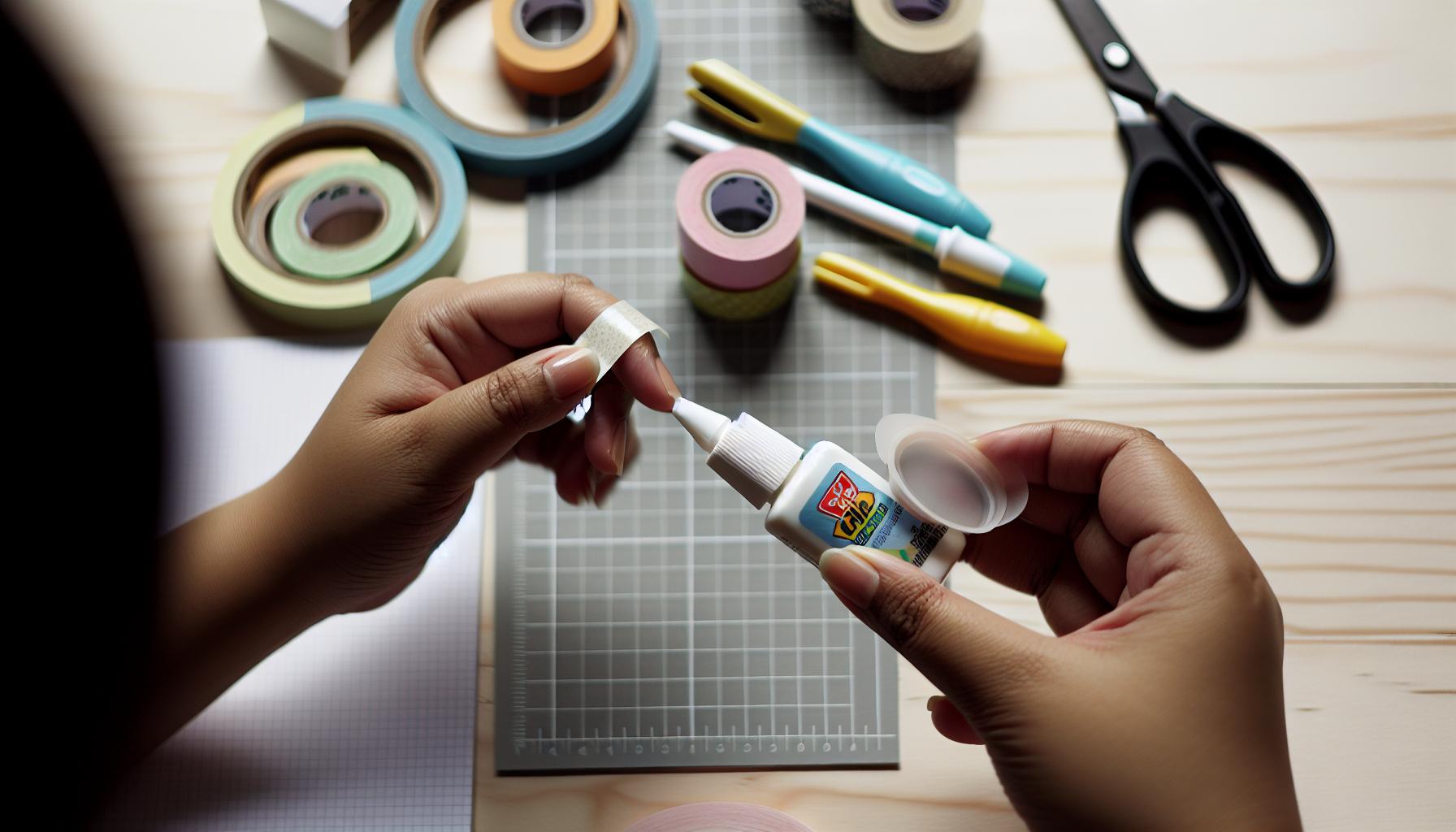
If you need some stickiness but don’t want to invest in new tape, you can use a glue stick or double-sided tape as an alternative. Just apply a thin layer of glue to the back of your washi tape, and it’ll adhere like new. Similarly, if you’re working on a project that won’t be moved often, a dab of craft glue can securely fix your washi pieces in place.
Remember, sometimes a non-sticky roll can inspire new crafting directions. Use it for layering over other materials, like cardstock or wood, where the lack of adhesion won’t matter as much. You can even punch shapes out of it or use it as part of a decorative borders for your scrapbooks. Finally, if you love the aesthetic of washi tape but not its adhesion, think about creating your own paper swatches. Print or paint on paper, and use similar patterns to mimic washi tape without the stickiness. Your creativity should never be limited by a little adhesive trouble!
Expert Tips for Long-Lasting Washi Tape Usage
When you invest in high-quality washi tape, you want it to last, right? Maintaining its stickiness isn’t just about how you use it; it’s also about how you store and care for your tape. Here are some expert tips to ensure your washi tape remains reliable and ready for creative use.
Proper Storage is Key
Store your washi tape in a cool, dry place. Humidity can cause the adhesive to break down and lose its tackiness. Consider using a dedicated storage solution, like a drawer organizer or a craft box, to keep your rolls upright and away from direct sunlight. Over time, exposure to elements can deteriorate the adhesive, making the tape less effective.
Minimize Handling
Every time you touch your washi tape, oils from your skin can reduce its stickiness. When possible, try to handle the edges of the tape to avoid transferring oils to the adhesive side. Moreover, if you’re using it regularly, keep your working pieces wrapped and protected when not in use, minimizing exposure to dust and air.
Seal the Edges
If you notice your washi tape hasn’t been as sticky as it used to be, you can help preserve what remains by sealing the edges. After cutting a piece, gently lay the end back down on itself or use a small piece of clear tape to cover the exposed adhesive. This extra step can keep the edges from curling and drying out, extending the life of your tape.
Experiment with Your Application
Sometimes, how you apply the tape can affect its longevity. For best results, make sure the surface you’re sticking it to is clean and dry. Test the tape on a small section first to see how well it adheres. Crafting on heavier materials may also provide a firmer base, creating better adhesion than paper alone.
By implementing these straightforward tips, you can maximize the lifespan and effectiveness of your washi tape collection, ensuring it’s always ready when creativity strikes.
Frequently asked questions
Q: Why is my washi tape not sticking to paper?
A: If your washi tape isn’t sticking to paper, it might be due to dust or oils on the surface. Clean the area where you plan to apply the tape with a lint-free cloth, and try applying pressure as you use it to ensure better adhesion.
Q: How can I revive dried-out washi tape?
A: To revive dried-out washi tape, lightly moisten the adhesive with a cotton swab dipped in water. Allow it to sit for a few minutes before trying to use it again. Always test on a small area first to ensure it doesn’t damage your project.
Q: Is washi tape supposed to be removable?
A: Yes, washi tape is designed to be removable. However, repeated use can reduce its stickiness. If you’re working on something you’d like to reposition often, consider using a fresh roll or store it properly to maintain its adhesive quality.
Q: Why does washi tape peel off easily?
A: Washi tape may peel off easily if the surface is too smooth or oily. Ensure surfaces are clean and dry. If it’s still not adhering, using a stronger adhesive or double-sided tape may be your solution.
Q: Can I use washi tape on textured surfaces?
A: Washi tape can be used on textured surfaces; however, it may not stick as well. To maximize adhesion, press firmly and smooth out any air bubbles. If needed, consider a special adhesive for improved grip.
Q: Should I store washi tape in a certain way?
A: Yes, store washi tape in a cool, dry place away from direct sunlight. Keep it in a container to protect it from dust and moisture. Proper storage helps maintain stickiness and prolongs its usable life.
Q: What should I do if my washi tape is too sticky?
A: If your washi tape is too sticky and tearing papers upon removal, try applying it to a fabric or a clean surface a few times before using it on paper. This can reduce its tackiness while still keeping it functional.
Q: Does the quality of washi tape affect stickiness?
A: Absolutely! Higher-quality washi tape tends to have better adhesive properties. When choosing washi tape for your projects, opt for reputable brands that prioritize quality to ensure a satisfying crafting experience.
Final Thoughts
So, now you’re equipped to tackle that stubborn washi tape! Remember, understanding why your washi tape isn’t sticky is the first step to maximizing its potential for your projects. Whether it’s the type of surface or environmental factors, you’ve got the troubleshooting tips to turn that tape into a crafting ally. Don’t forget to check out our guides on how to choose the best washi tape for different surfaces and creative applications to elevate your projects even further!
If you’re eager to dive deeper into the world of washi, explore our articles on crafting with washi tape or learn about the fascinating history of washi paper itself. Sign up for our newsletter to stay updated on the latest crafting tips and tricks. Got questions or experiences to share? Drop a comment below; we love hearing from you and building a community of enthusiastic crafters!